Printed PVC Zipper Garment Bags Buyer Insert Checklist
The shipment looks fine for about three seconds. Then someone opens carton one of fifty: 5,000 Printed PVC Zipper Garment Bags, clean logo, decent clarity, usable seams — but the insert card covers the product name, the zipper catches on folded fabric, and the barcode fails under store lighting. Expensive. Avoidable. Exactly the kind of mess a printed pvc zipper garment bags packaging insert checklist is supposed to catch before production starts.
Most packaging problems here do not come from one dramatic error. They come from treating the bag, insert, zipper, and print as separate decisions. They are not separate in the customer’s hand. A 2 mm zipper shift can change insert height. Frosted PVC can soften barcode edges. A heavy insert can make thin film curl like a cheap document sleeve. Small details become very visible once they repeat across thousands of units.
What a Printed PVC Zipper Garment Bags Packaging Insert Checklist Actually Prevents
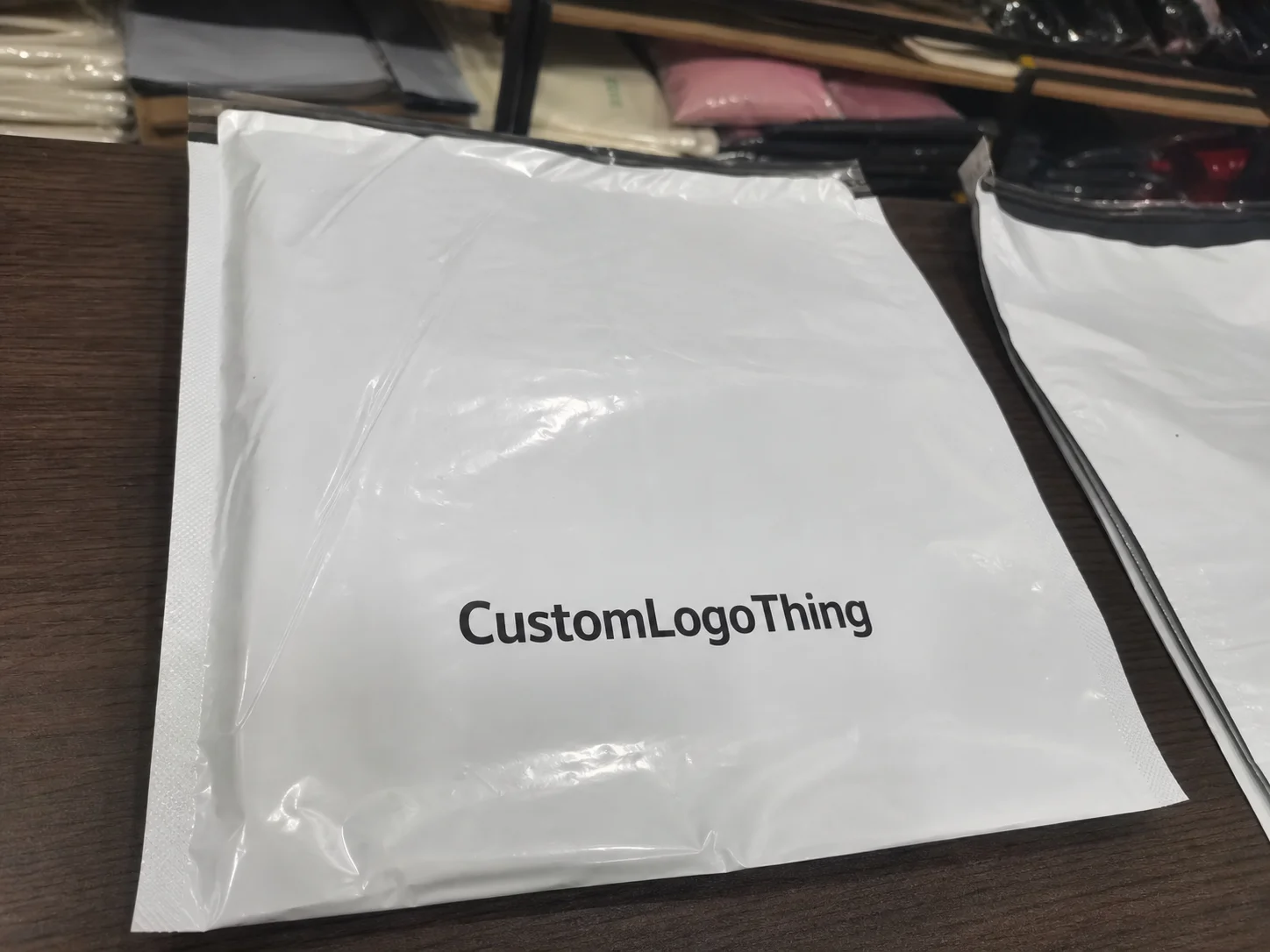
A Printed PVC Zipper Garment Bags packaging insert checklist is not admin theater. It is a risk-control tool. It aligns the bag material, zipper construction, print placement, insert size, warning copy, barcode location, and packing method before anyone starts cutting film or printing cards.
The product itself is straightforward: transparent, frosted, or tinted PVC garment bags with a zipper closure, often printed with a logo, care message, product line name, or retail branding. Many are paired with a paperboard insert, tissue sheet, hang tag, instruction card, or folded care guide. Apparel brands use them. So do dry cleaners, uniform suppliers, boutique retailers, costume sellers, bridal programs, sports teams, and promotional garment campaigns.
The bag is often not the villain. The interaction between the bag and the insert is. Ink can rub from an insert onto the inside panel. A curled card can push against the zipper track. Glossy PVC can create barcode glare. Trapped air can make the bag puff out and distort the display. A beautiful insert can also hide the garment that was supposed to sell the item. Nice work, terrible outcome.
Packaging rule of thumb: if the customer sees the bag, insert, garment, and barcode at the same time, approve them at the same time. Reviewing each component alone gives a false sense of control.
For buyers, the checklist creates cleaner approvals. It reduces reprints, sample loops, freight delays, and awkward conversations after cartons have already landed. For brands building a wider packaging system, it should sit beside decisions about Custom Packaging Products, retail displays, hang tags, labels, and package branding.
How the Bag, Zipper, Print, and Insert Work Together
Start with structure. A PVC zipper garment bag usually includes the film gauge, side seams, bottom seal, zipper track, zipper puller, hanger opening, and sometimes a gusset or ventilation holes. A lightweight folded shirt bag may use thinner film. A long uniform, robe, suit, or gown bag may need heavier material and a stronger zipper track.
The difference is easy to feel. Thin film collapses and wrinkles faster. Heavier film holds shape better in a showroom, stockroom, or retail fixture. That does not mean thicker is always smarter. Heavy PVC increases cost, carton volume, and shipping weight. Overbuilding a bag for a lightweight shirt is still waste, even if it feels nicer in a sample room.
The zipper changes the user experience more than buyers expect. A smooth plastic zipper suggests the bag can be reused. A weak track makes attractive printing feel disposable. If a customer opens the bag twice and the slider sticks, the branded packaging has already lost authority.
Confirm whether the zipper sits at the top, side, or lower front panel. That one choice affects loading direction, insert height, logo orientation, carton packing, and the customer’s first move when opening the bag. Side zippers can work well for hanging garments. Top zippers can suit folded apparel. Front zippers may improve access but can interfere with graphics or inserts if the layout is lazy.
Printing can be quiet or loud. A one-color logo is often enough for dry cleaning, uniforms, and understated apparel branding. Multi-color printing can help a boutique product or promotional garment stand out, but placement matters. Large print areas can block the garment, fight the insert, or sit too close to barcode zones.
White ink underbase, opacity, and registration tolerance matter on transparent PVC because the background is not neutral. A logo printed on clear plastic over a navy jacket will not look the same as the same logo printed on a white paper proof. Obvious once you see it. Missed constantly before sampling.
The insert does several jobs. It can stiffen the bag, display sizing, carry care instructions, support compliance warnings, improve shelf presentation, or add a structured retail feel. A 300gsm to 400gsm C1S board insert feels very different from a 157gsm art paper sheet. Coated board reads as more retail-ready; thinner paper saves cost but can wrinkle, shift, or curl during handling.
Clear PVC gives the best garment visibility but can cause glare. Frosted PVC looks softer and more premium, but it lowers contrast for small type and barcodes behind the film. Tinted PVC can strengthen package branding for fashion or gift programs, yet it demands higher-contrast insert artwork. Every added feature moves another detail. That is why the checklist needs to connect the components instead of listing specs like they live in different rooms.
Key Specs to Confirm Before Artwork or Sampling
Measure the garment before designing anything. Not the ideal garment. The actual folded or hanging item, including bulky seams, shoulder pads, embroidery, tags, hangers, tissue, or protective wrap. Apparel is not flat just because the product photo is.
A typical folded apparel bag might need 10 x 14 inches, 12 x 16 inches, or 14 x 18 inches. Hanging garment bags often run much taller, commonly 24 to 72 inches depending on shirts, suits, gowns, robes, or uniforms. Confirm whether the garment will be packed flat, folded once, folded twice, or hung. That detail changes the bag size and the insert’s visible zone.
Tolerances should be discussed early. For many soft plastic formats, ±3 mm to ±5 mm may be normal, depending on construction and production method. If the insert has to line up tightly with a window, barcode, or printed panel, that tolerance may be too loose. Put the acceptable range in writing. “Close enough” is not a spec.
PVC thickness needs plain language. Thinner gauges reduce unit cost and carton weight. Heavier gauges improve structure, durability, and perceived value. For lightweight apparel, buyers often evaluate roughly 0.10 mm to 0.15 mm PVC. For jackets, uniforms, repeated showroom use, or higher-value garments, 0.18 mm to 0.30 mm may make more sense.
There is no universal best gauge. The right answer depends on garment weight, reuse expectations, retail handling, and freight sensitivity. A thin bag can be perfectly suitable for a one-way distribution program. It can also look painfully cheap around a premium coat.
Zipper specifications deserve more attention than they get. Confirm plastic coil or slider style, pull tab shape, color, opening direction, and expected use. A showroom sample bag needs a better zipper than a one-way distribution bag. If the zipper color is custom, ask whether it affects MOQ or lead time. It often does.
Artwork files should include vector logos, Pantone or CMYK references, print area limits, safe margins, and opacity needs. PVC is not paper. A logo printed on transparent plastic can look weaker than it does on a PDF proof. If the insert uses coated paperboard and the bag uses screen, flexo, or gravure printing, color matching should be treated as a controlled comparison, not a promise of identical results.
- Bag size: width, height, gusset depth, hanger opening, zipper position, and loading direction.
- Insert size: finished dimensions, corner radius, stock weight, coating, folds, and language versions.
- Print details: colors, coverage, safe zones, logo orientation, opacity, and proof approval method.
- Compliance copy: suffocation warnings, recycling marks where applicable, country-of-origin labels, and retailer routing rules.
- Barcode setup: flat placement, quiet zone, contrast, scan angle, and test method.
- Packing method: garment loaded or unloaded, insert inserted or separate, carton count, label format, and carton limits.
Be careful with sustainability claims. PVC recycling access varies by region, and claims should match the actual material and local collection reality. The U.S. Environmental Protection Agency provides general recycling guidance that is useful when teams start asking what can be claimed on packaging. If paperboard inserts use certified stock, the Forest Stewardship Council is a common reference point for sourcing language.
Process and Timeline From Checklist to Approved Sample
A good checklist turns a vague request into a production path. The usual sequence is simple: collect specs, review artwork, confirm insert layout, prepare a quote, approve dielines or annotated mockups, make a sample if needed, revise, then release bulk production.
The clock rarely stops because of the logo alone. It stops because the insert copy is unfinished, the barcode file is missing, the garment fold changed, or three stakeholders disagree on the visible panel size.
For a simple printed zipper garment bag, a supplier may quote within 1 to 3 business days after receiving dimensions, quantity, artwork, and packing requirements. Digital proofs may take another 1 to 3 business days. Physical samples can add 5 to 10 business days, sometimes longer if tooling, print screens, unusual gauges, or custom zipper colors are involved.
Bulk production for straightforward runs may sit around 12 to 20 business days after proof approval. Larger orders, insert printing, hand insertion, specialty materials, freight booking, and peak-season capacity can stretch that timeline. If a retailer has a fixed delivery window, build the schedule backward from the required arrival date. Hope is not a logistics plan.
Insert timing is the hidden variable. If the paperboard insert is printed by a separate vendor, the garment bags may be ready while the inserts are still waiting on press time or barcode approval. That creates idle labor and carton staging headaches. If insertion is included, the supplier needs all inserts delivered, counted, and approved before final packing starts.
| Approval Step | Typical Check | Common Delay | Buyer Action |
|---|---|---|---|
| Digital proof | Logo position, insert layout, zipper location | Missing final artwork or copy | Approve one annotated view showing all components |
| Physical sample | Fit, zipper function, PVC clarity, print opacity | Testing without the actual garment | Load the real garment and scan the barcode |
| Production proof | Color, registration, insert placement, carton packing | Late retailer comments | Build in a review buffer before mass packing |
Testing should be practical. Open and close the zipper ten times. Slide the garment in and out. Check whether the insert shifts after shaking the bag lightly. Scan the barcode through the PVC under bright and dim lighting. Inspect for print rub, odor, blocked film, and corner curling.
For distribution-heavy programs, review carton strength and handling assumptions against recognized transport testing references such as ISTA. Apparel packaging does not always need formal lab testing, but the logic behind compression, vibration, and drop exposure is still useful. A pretty bag crushed in a weak carton is still a packaging failure.
Cost, Pricing, MOQ, and Quote Details Buyers Miss
Costs move for predictable reasons: PVC thickness, bag size, zipper quality, print colors, print coverage, insert material, insertion labor, order quantity, carton volume, and freight. A small folded bag with one-color printing and no insertion labor sits in a different cost world from a long hanging garment bag with heavy PVC, a stronger slider, two-color print, paperboard insert, and individual carton packing.
As a rough planning range, simple custom printed folded PVC zipper bags can land around $0.35 to $0.85 per unit at moderate quantities, depending on size and print coverage. Larger hanging bags or heavier-gauge retail pieces can move above $1.00 to $2.50 per unit. Inserts may add $0.06 to $0.35 each depending on stock, size, coating, print sides, and quantity.
Those are planning ranges, not promises. Resin pricing, labor, freight, exchange rates, print method, and order specs change the math quickly. Anyone giving a hard price without dimensions, artwork, quantity, and packing details is guessing politely.
MOQ matters because custom printing and sizing require setup time. Screens, plates, material planning, cutting, zipper setup, and batching all carry cost. A 500-piece order may be possible for some formats, but it usually carries a much higher unit price than 3,000 or 5,000 pieces.
Increasing quantity often lowers the production cost per bag. Oversized garment bags complicate that pattern because freight charges often follow carton volume rather than weight. A low unit price can still lose its charm once bulky cartons hit the freight quote.
Ask what the quote includes. Does it include the insert? Insertion labor? Barcode testing? Physical sampling? Printing screens or setup charges? Export cartons? Carton labels? Delivery terms? If one supplier quotes the bag only and another quotes bag, insert, insertion, and cartons, the cheaper line item may not be cheaper at all.
- Hidden artwork cost: changes after proof approval can trigger new screens, revised plates, or wasted printed inserts.
- SKU complexity: ten insert versions can cost more to manage than one universal insert with variable stickers.
- Overbuilt material: heavy PVC feels premium, but it may be unnecessary for lightweight shirts or short-term promotions.
- Rush timing: urgent production after materials are booked can add overtime, express freight, or both.
- Carton volume: long bags and rigid inserts can raise freight costs even when unit weight looks reasonable.
The best quote requests are boringly complete. Send target quantity, delivery location, artwork, insert files, barcode files, packing method, carton limits, and approval deadline. If you are also comparing custom printed boxes, mailers, or related retail packaging, group those requests through a single Custom Packaging Products review so suppliers can flag shared artwork, cartonization, or freight efficiencies.
Common Mistakes That Delay or Weaken Garment Bag Packaging
The first mistake is designing the insert before confirming the bag opening, zipper position, and final garment fold. It sounds harmless. It is not. The result can be an insert that needs awkward trimming, hides the size label, catches in the zipper, or floats loosely inside the bag.
Barcodes create another failure point. Clear PVC can reflect overhead lights. Curved surfaces distort scan angles. Frosted film can reduce edge definition. Printed logos placed too close to barcodes can violate retailer quiet-zone expectations. Keep barcodes on a flat, high-contrast area and scan them through the actual finished material before approving production.
A barcode that works on a PDF is not enough. A barcode that works on a loose insert is also not enough if the final scan happens through PVC.
Do not treat all PVC gauges as interchangeable. A thin bag may work perfectly for lightweight shirts or seasonal promotional apparel. The same gauge may underperform for jackets, uniforms, gowns, robes, or repeated showroom handling. Saving $0.08 per unit can create a repack, return, or brand-perception problem worth far more.
Color mismatch is common, too. One graphic is printed on transparent plastic. Another is printed on coated paperboard. The garment behind them may be navy, white, red, or patterned. Those backgrounds change the visual result. If brand color is critical, ask for a drawdown, printed swatch, or physical sample rather than relying only on screen previews.
Overbranding deserves a blunt comment: more logo is not always more value. Large print areas can hide the garment, compete with the insert, and weaken the clean retail look the buyer wanted. Package branding works best when the customer can still understand the product in two seconds.
Operational mistakes are quieter but just as costly. Carton packing instructions get skipped. Humidity or heat exposure gets ignored. Suffocation warnings are forgotten. Samples are approved without the actual garment inside. Inserts arrive late or in the wrong count. If the packaging will be stored in warm containers or handled repeatedly in stockrooms, ask about blocking, odor, print rub, and zipper stress before mass production.
Another easy miss: language versions. A single insert may work for one market and fail for another because warning copy, care instructions, size information, or retailer labeling changes. If multiple versions are required, label every insert file clearly and confirm how the supplier will keep SKUs separated during packing. Mixed inserts are not charming. They are a recall-shaped headache.
Build a Supplier-Ready Insert Checklist
Build the checklist in the order the product will actually behave. Measure the garment first. Choose the bag format second. Define the insert purpose third. Then place branding, barcode, warning copy, and retail information around those constraints.
That sequence sounds basic because it is. It also prevents many of the most expensive packaging design revisions.
A supplier-ready one-page checklist should include bag width, bag height, gusset depth, PVC gauge, zipper style, zipper location, print colors, print position, insert size, insert stock, barcode location, warning copy, packing method, quantity, carton requirements, delivery location, and approval deadline. Add tolerance ranges in writing. For many soft plastic items, a few millimeters may be acceptable; for barcode or insert alignment, the tolerance may need to be tighter.
Request a dieline or annotated proof that shows the bag, zipper, hanger opening, logo, insert, and barcode in one view. Reviewing the insert as a flat PDF and the bag as a separate mockup misses the interaction. If the packaging is part of a wider branded packaging program, compare it against hang tags, custom printed boxes, tissue, labels, and retail fixtures. Consistency matters. Function matters more.
- Load the real garment into the sample bag.
- Open and close the zipper repeatedly.
- Scan the barcode through the finished PVC.
- Inspect print and insert contrast under store lighting.
- Shake the bag lightly and check whether the insert shifts.
- Check for print rub, odor, blocking, and corner curl.
- Confirm carton packing, counts, labels, and delivery terms.
Lock approvals in writing before bulk production begins. Include final artwork, insert files, dimensions, material gauge, zipper details, color references, warning copy, barcode placement, packing method, tolerance expectations, and replacement terms for out-of-spec goods. This is the difference between buying packaging and managing packaging.
If specs are still loose, stop and tighten them before asking for final pricing. Suppliers can quote faster and sample cleaner when the facts are complete. A Printed PVC Zipper Garment bags packaging insert checklist gives production teams the details they need to protect the garment, present the brand, and avoid preventable fixes after the cartons are already packed.
FAQs
What should a printed PVC zipper garment bag insert checklist include?
A strong checklist should include bag dimensions, PVC thickness, zipper type, print colors, logo placement, insert size, insert material, barcode location, warning copy, packing method, quantity, carton requirements, and delivery deadline. Add approval checkpoints for artwork proof, physical sample, barcode scan test, zipper function, and final carton packing.
How do I choose the right insert size for PVC zipper garment bags?
Start with the folded or hanging garment size, then confirm the zipper location and visible panel area before sizing the insert. Leave enough space so the insert does not catch in the zipper, curl at the corners, hide the garment, or cover barcode and compliance information.
Does printing on PVC affect barcode scanning or insert visibility?
Yes. Heavy print coverage, glossy PVC, curved bag surfaces, and low-contrast insert artwork can reduce readability. Keep barcodes on a flat, high-contrast area and test scans through the finished bag material before approving production.
What affects the cost of printed zipper garment bags with inserts?
Major cost factors include bag size, PVC gauge, zipper quality, number of print colors, insert stock, insertion labor, MOQ, setup charges, carton volume, and freight. Quotes are easier to compare when every supplier receives the same specs, artwork files, quantity, and packing instructions.
How long does production take for printed PVC garment bags with inserts?
Timing depends on artwork readiness, sample approval, material availability, print complexity, insert production, order quantity, and shipping method. Simple quotes may take 1 to 3 business days, samples often add 5 to 10 business days, and bulk production commonly runs 12 to 20 business days after proof approval for straightforward orders.