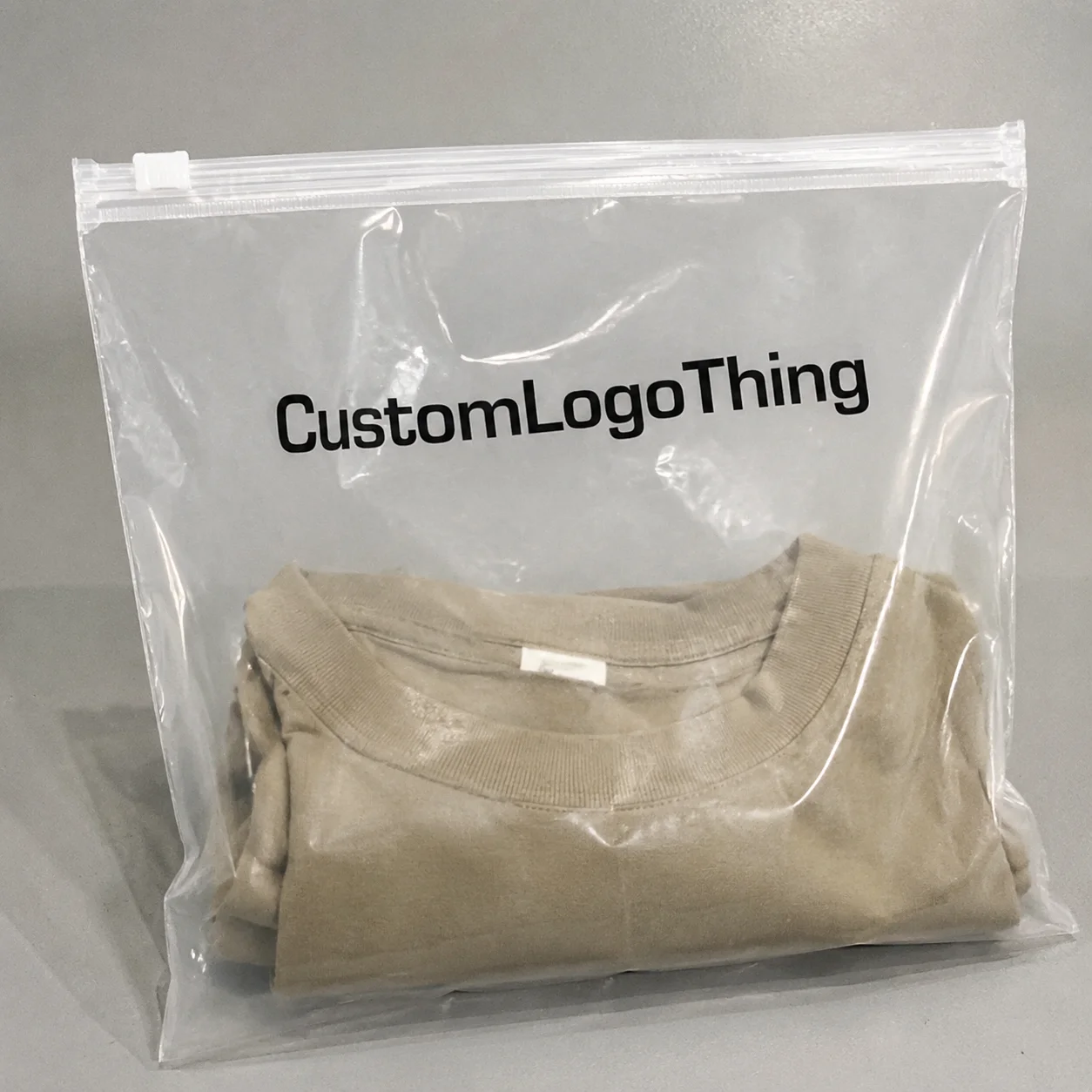
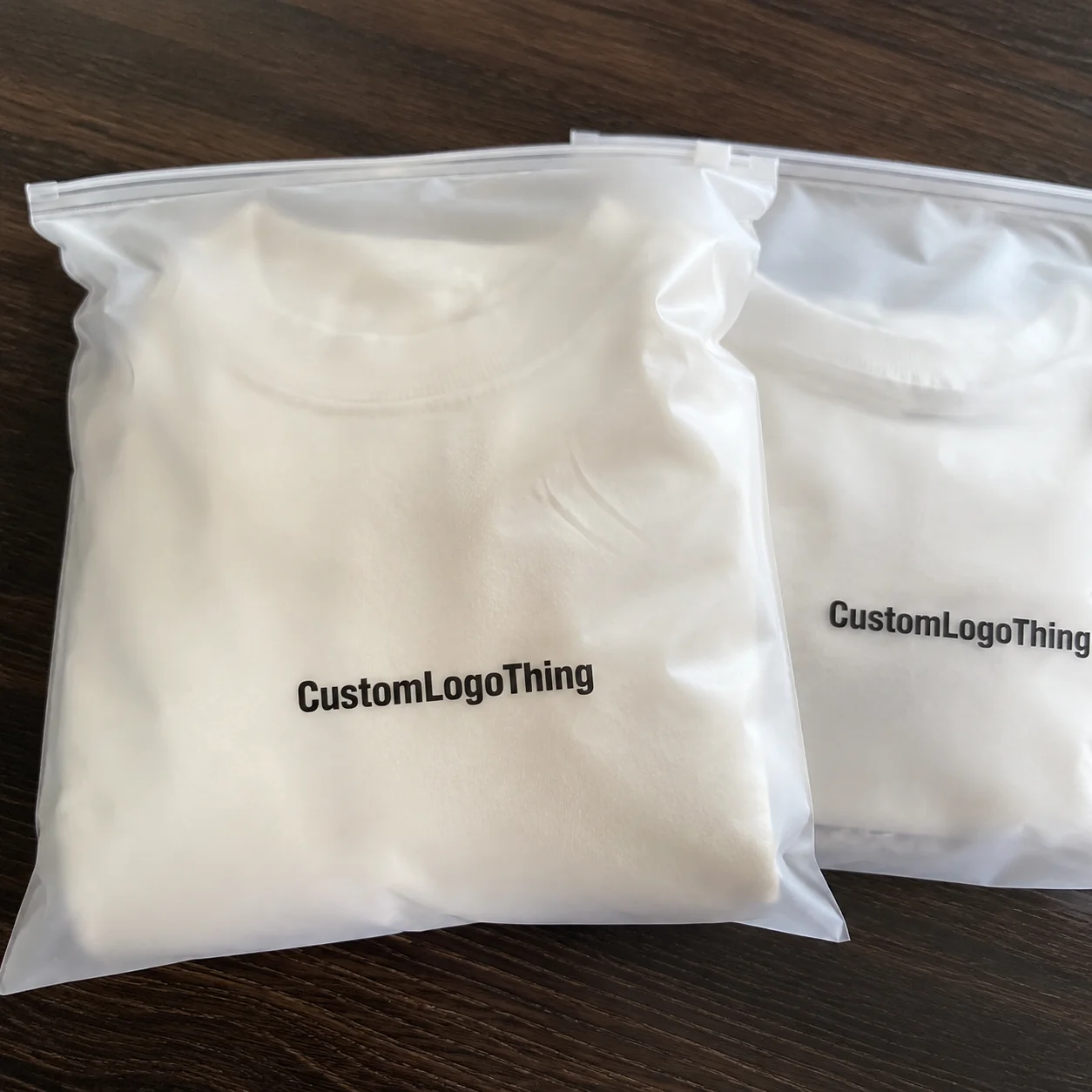
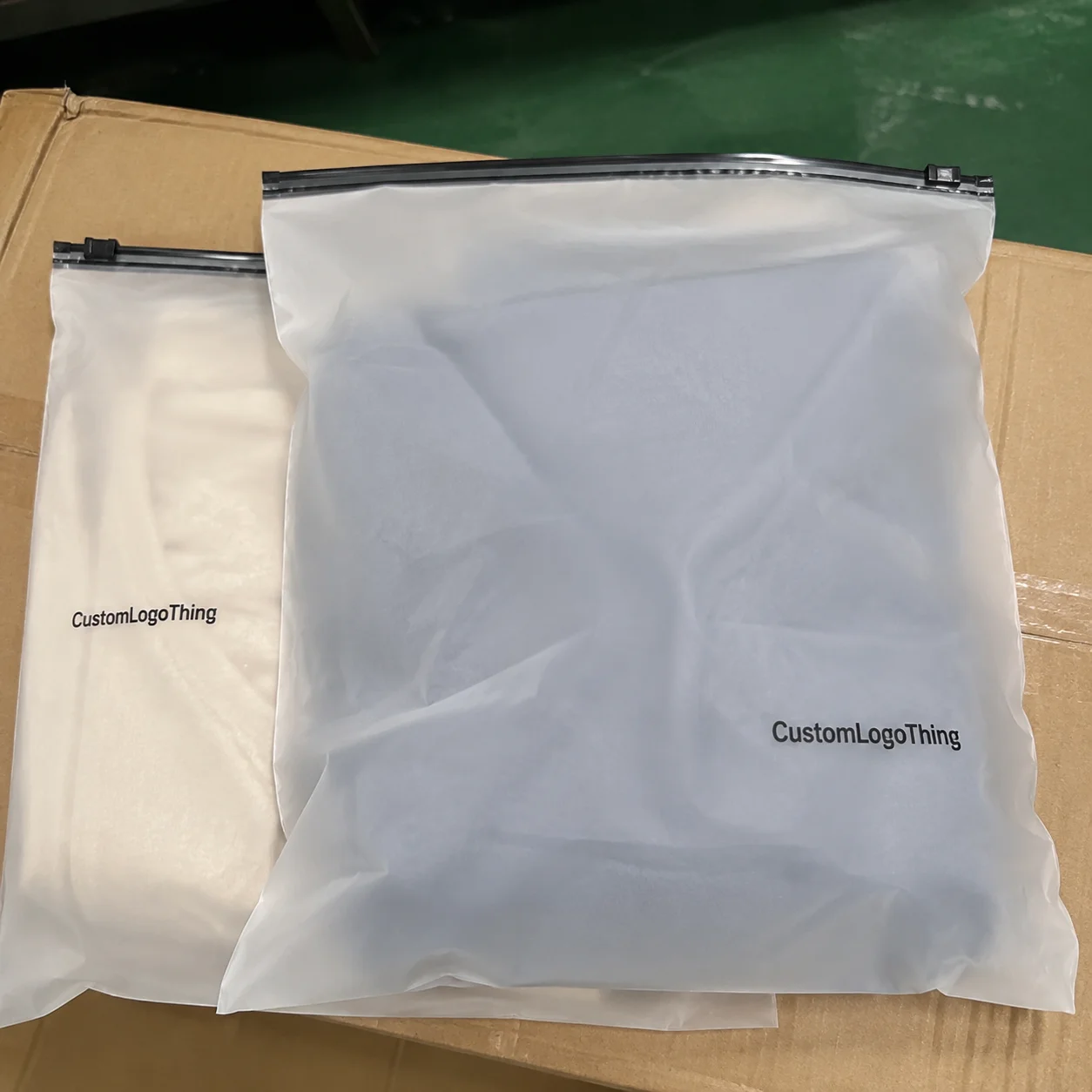
Two garment bags can look nearly identical in a product photo. One arrives clear, smooth, and sturdy. The other cracks at the fold, fogs over the garment view, or tears near the zipper after a few warehouse pulls. That difference usually comes down to material choices buyers cannot see from a thumbnail: PVC gauge, film softness, zipper grade, seam control, reinforcement, print method, and packing.
This Printed PVC Zipper Garment Bags material comparison guide breaks down those choices in practical buying terms. Not theory. Not a thickness chart pretending to solve everything. Real specs that affect how the bag behaves once it is packed, shipped, opened, reused, and handled by people who do not have time to baby it.
Printed PVC Zipper Garment Bags are clear or semi-clear protective bags made from polyvinyl chloride film, usually finished with a zipper closure and custom branding. They are used for apparel storage, retail presentation, wholesale distribution, travel protection, showroom samples, uniforms, costumes, suits, gowns, coats, and premium shirts where visibility matters.
Printed PVC Zipper Garment Bags Material Comparison Guide: What Buyers Need to Know
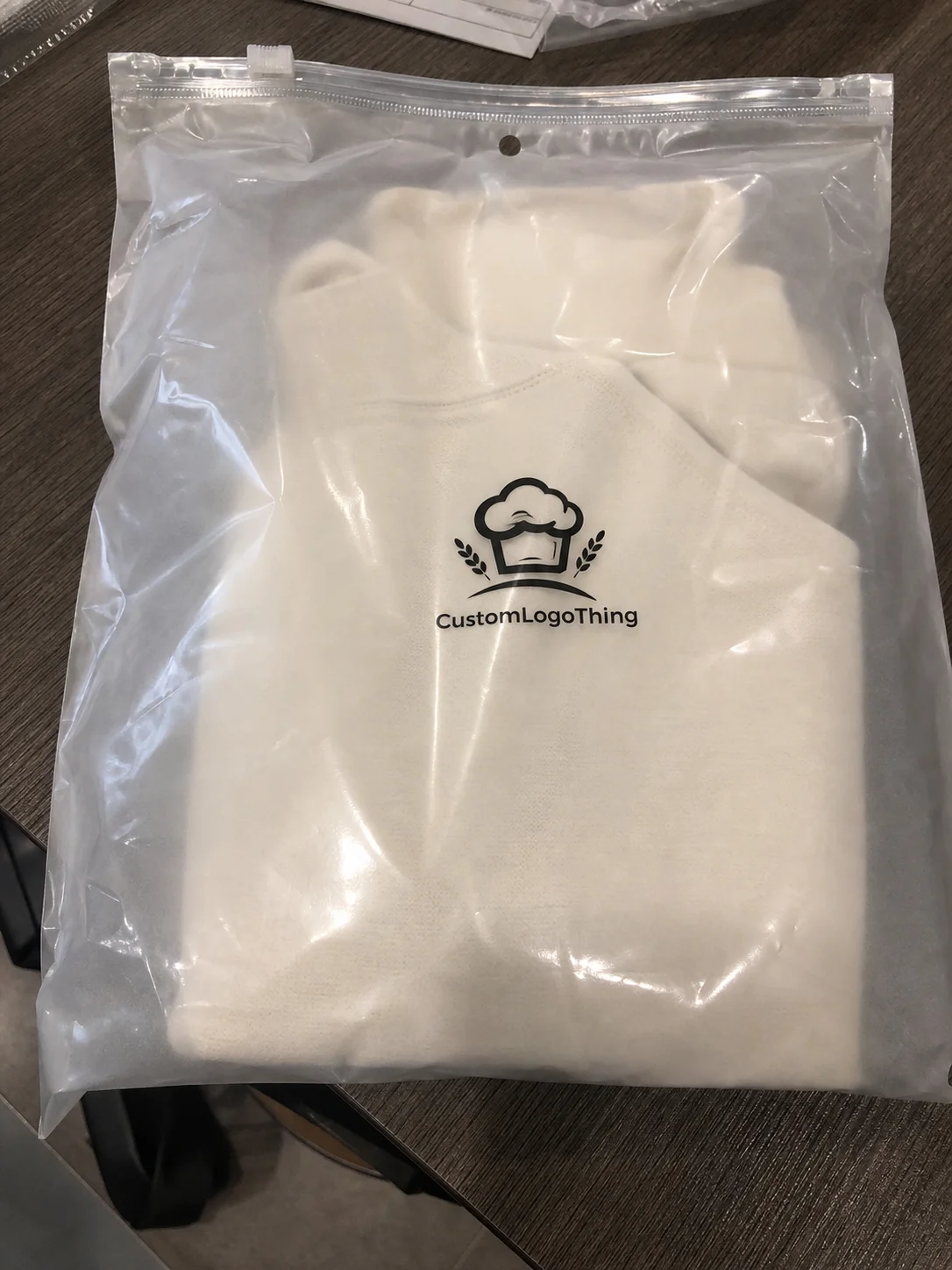
A garment bag is not one material decision. It is a small packaging system. Film thickness, zipper tape, slider quality, seams, hanger openings, gussets, handles, venting, ink adhesion, carton count, and shipping weight all affect the final result.
A buyer may approve a “clear 0.12 mm PVC zipper bag” and still receive a weak product if the zipper tape is too light, the bottom corners are over-sealed, or the logo ink scratches off during folding. That is why vague quotes are dangerous. They look cheap because they leave out the expensive parts.
The best bag is rarely the thickest one by default. A heavy-gauge PVC bag can feel premium, but if it is too stiff for flat carton packing, it may crease hard across the front panel. A lighter bag may work perfectly as a retail dust cover, then fail quickly when a sales team reuses it for road samples. Same category. Different job.
Start with the use case. Is the bag hanging in a stockroom for 30 days, protecting a wedding gown in transit, organizing uniforms for field teams, or presenting a suit in a boutique? Each answer changes the right gauge, zipper, print coverage, and reinforcement plan.
Practical callout: Ask suppliers to quote the finished size, PVC gauge, zipper type, print method, reinforcement details, packing count, carton dimensions, and gross weight in writing. If one quote only says “clear garment bag with zipper,” it is not specific enough for comparison. It is a guess with a price attached.
How PVC Film, Zippers, Seams, and Printing Work Together
PVC film is flexible, clear, and useful for garment visibility. Its performance depends on thickness, plasticizer balance, calendering quality, surface finish, and storage conditions. A soft, well-balanced film bends without whitening at the fold. A brittle film can show stress marks after sitting packed flat for a few weeks.
Common light-duty PVC garment bags often sit around 0.08 mm to 0.12 mm. Reusable or heavier-duty options usually move into the 0.15 mm to 0.25 mm range. Some travel and long-term storage bags go thicker, but weight, carton size, and fold behavior become real issues.
For shirts, blouses, and short-term retail covers, thinner film may be enough. For coats, structured suits, gowns, uniforms, or sample bags moving between showrooms, a medium or heavier gauge usually earns its cost. The trick is matching the film to the handling, not chasing the biggest number on the spec sheet.
The zipper matters just as much as the film. Coil zippers are common because they flex well and run smoothly along long garment bag openings. Molded zippers can feel chunkier and more durable for some uses, but they add bulk and are not always necessary. Check the slider, zipper tape, end stops, and how the zipper is attached to the film.
A smooth one-hand pull saves time in a stockroom. That sounds small until staff open and close the same sample bag 10 or 20 times. A cheap slider that catches every few inches is not “minor.” It is the part everyone will complain about first.
Seams decide working life. Heat sealing is widely used for PVC because the film responds well to controlled heat and pressure, but the seal must be even. Too little heat creates weak bonds. Too much heat can thin the edge, distort the film, or make a brittle failure line.
Stitched reinforcement can help at handles, hanger areas, zipper ends, and stress points, though it adds labor and cost. Watch the bottom corners, zipper stops, hanger slit, and handle joins. Those are the places where bags usually fail first, because those are the places people pull.
Printing adds another layer of risk. Screen printing is common for one-color or two-color logos and can give strong opacity on clear film. Heat transfer may work for more detailed graphics, depending on film compatibility and the desired finish. Label-style branding can be practical for small runs or variable information.
On flexible clear PVC, buyers should check registration, ink opacity, rub resistance, curing, and whether the print cracks when the film is folded. A logo can look perfect on a flat sample and still perform badly after carton packing. Flex it. Rub it. View it over both light and dark garments.
Key Material Factors: Gauge, Clarity, Softness, and Odor
Gauge is the buyer-friendly way to discuss PVC thickness. Suppliers may quote it in millimeters, microns, mil, or gauge, depending on the market. Ask for the actual measurement system. A 0.10 mm dust-cover bag and a 0.20 mm reusable storage bag are not competing products, even if both look clear and zipped in a photo.
Thicker is not automatically better. More film means higher material cost, heavier cartons, and often higher freight. If the garment bag must fold into a compact shipper, very stiff film may crease more visibly than a balanced medium-gauge material. Buyers often upgrade thickness before fixing zipper strength, seam control, or sizing. Backwards, but common.
Clarity also has levels. Crystal-clear PVC gives strong showroom visibility, useful when customers or warehouse teams need to identify color, fabric, or style without opening the bag. Slightly tinted PVC can create a more premium branded look, especially in smoke, black, pale blue, or frosted finishes. Matte or frosted PVC hides scuffs better, but it reduces the sharpness of the garment view.
Softness affects packing and reuse. A good bag folds cleanly into cartons, opens without clinging aggressively to fabric, and does not whiten at bend lines. Ask for samples folded the same way the bulk order will be packed. A flat sample on a desk tells only half the story.
Odor deserves a direct conversation. PVC can have a noticeable smell if material quality, curing, storage, or airing time is poor. That does not mean every PVC bag smells bad. It does mean buyers should review samples, ask about airing time before carton packing, and avoid sealing freshly produced bags around premium garments too quickly.
For sensitive apparel programs, use a simple internal odor check. Open the sample carton, remove several bags, place them near representative garments, and review after a short airing period. Not glamorous. Useful anyway.
PVC is not the only option. PE bags are lighter and often lower cost, though they usually lack the same clarity and structure. PEVA can feel softer and may be preferred for certain compliance or odor-sensitive programs. Non-woven polypropylene has a breathable, fabric-like presentation and works well for reusable covers, but it does not show the garment as clearly.
Paper-based components can support the broader packaging system. Kraft paper hang tags, corrugated cardboard inserts, FSC certified paperboard, recycled carton board, and paper mailers may help reduce unnecessary plastic in other parts of the program. Just do not pretend they solve the garment bag material decision by magic. Different component, different job.
Compliance depends on destination market, garment type, retail channel, and brand policy. Ask suppliers for applicable material declarations, phthalate statements where required, heavy metal information for inks, and buyer-specific restricted substance documents. For transport testing, standards from ISTA can help teams think through distribution handling. Environmental packaging guidance from the EPA Sustainable Materials Management program is useful for broader packaging decisions.
Cost, Pricing, MOQ, and Unit Cost Tradeoffs
Cost is driven by film consumption first, then construction and decoration. The main variables are PVC gauge, finished bag dimensions, zipper grade, gusset depth, handle style, hanger opening reinforcement, print colors, print coverage, order quantity, packing method, and shipping volume.
A long gown bag can use two or three times the film of a short shirt cover. Freight can climb quickly because PVC is dense compared with many soft packaging materials. A low unit price does not help much if the cartons are oversized, overweight, or packed in a way that creates creases.
As a planning range, a simple custom Printed PVC Zipper Garment bag may quote around $0.45 to $0.85 per unit at 5,000 pieces for a light to medium size with one-color printing. A larger coat or gown bag with heavier PVC, gusset, handle, and more print coverage may run $1.20 to $2.80 per unit or higher. These are not universal prices. Resin cost, labor, exchange rates, freight basis, packaging count, and seasonal capacity can shift the final number.
MOQ is practical, not arbitrary. Custom sizes and custom printing create setup work: film roll planning, screen or plate preparation, zipper procurement, cutting setup, sealing setup, sample approval, and packing configuration. Many suppliers prefer 1,000 to 3,000 pieces for simpler custom print orders and 3,000 to 5,000 pieces or more for fully custom sizes, specialty colors, or multi-color graphics. Smaller runs may be possible. The unit cost usually reminds you why minimums exist.
| Option | Typical Use | Common Spec Range | Cost Impact | Buyer Watch Point |
|---|---|---|---|---|
| Light PVC zipper bag | Retail dust cover, short-term storage | 0.08 mm to 0.12 mm PVC, one-color logo | Lower unit cost and lighter cartons | May tear faster at zipper ends or hanger slit |
| Medium PVC zipper bag | Suits, uniforms, showroom samples | 0.13 mm to 0.18 mm PVC, reinforced stress points | Balanced cost and durability | Confirm zipper tape and seam strength, not just gauge |
| Heavy PVC travel bag | Coats, gowns, repeated handling | 0.20 mm to 0.30 mm PVC, gusset, handle | Higher material and freight cost | Check fold marks, weight, carton size, and odor airing |
| Alternative material bag | Breathable or softer presentation | PEVA, PE, or non-woven polypropylene | Varies by material and construction | Compare clarity, compliance needs, and reuse expectations |
Print decisions affect price more than many buyers expect. A one-color logo placed on the chest area is usually economical. Multi-color artwork, large solid ink blocks, metallic effects, tight registration, or edge-to-edge decoration require more setup, slower production control, and more spoilage allowance. Large opaque ink areas may also change how the film flexes.
To compare quotes properly, match the same gauge, finished size, zipper type, reinforcement details, print method, packing count per carton, sample terms, and freight basis. Ask for good-better-best pricing tiers. That makes it easier to see whether extra money buys real performance or just a nicer-looking sample.
Process, Timeline, and Production Steps for Custom Orders
A clean custom order starts with the garment, not the bag. Confirm the garment category, measure the packed size, choose the finished bag dimensions, select PVC gauge and finish, define zipper and reinforcement details, prepare artwork, approve a digital proof, review a sample if needed, then release bulk production.
Standard-size Bags with Custom print often move faster than fully custom constructions. A simple logo on a known bag size may need only proof approval and a material sample. A specialty zipper color, reinforced handle, unusual gusset, long gown length, or multi-color print can add sourcing and setup time.
Use practical planning ranges: 3 to 7 business days for digital proofing, 7 to 12 business days for a pre-production sample when required, and often 15 to 30 business days for bulk production after approval. Larger quantities, custom materials, holiday congestion, or complicated artwork can stretch that timeline.
Samples come in three useful forms. A stock sample shows material feel, zipper behavior, and general construction. A printed strike-off checks ink, color, opacity, and Logo Placement On the chosen film. A pre-production sample confirms final size, zipper, seam layout, hanger slit, gusset, print location, and packing method.
Skipping sampling can save a week. It can also remove the best chance to catch a wrong shoulder width, weak zipper end, crooked logo, or bad fold pattern before thousands of pieces are sealed. Choose your adventure.
Production itself is straightforward, but every step affects consistency. Film rolls are inspected for clarity, surface defects, and thickness variation. The film is cut to size, printed or prepared for branding, aligned with zipper components, heat sealed or stitched where required, trimmed, checked for defects, packed flat, and carton-labeled.
Quality checks should cover finished dimensions, seal strength, zipper function, print position, rub resistance, packing count, carton marks, odor, and general appearance. For reusable bags, add a basic handling test: open and close the zipper repeatedly, tug lightly at stress points, fold the bag, then inspect the seams and print. It is not a lab test, but it catches plenty.
Common timeline risks are boring because they happen constantly: late artwork, low-resolution logos, unclear dimensions, color matching delays, material substitutions, missing shipping marks, and last-minute changes after sample approval. Keep a short checklist ready before quoting: finished bag size, garment measurements, vector logo file, Pantone or brand color guidance, target quantity, delivery deadline, destination address, and retailer compliance requirements.
For larger retail or wholesale programs, carton strength also matters. Garment bags packed flat can become heavy. Weak cartons bow or split during warehouse handling. Some teams specify stronger corrugated cardboard cartons, clear shipping marks, inner bundle counts of 10 or 25 pieces, and pallet limits so the bags arrive usable rather than crushed.
Step-by-Step Buyer Checklist for Comparing Samples
A material comparison only becomes useful once real samples are on the table. Do not judge by gloss, weight, or how premium the bag feels during the first ten seconds. Handle it the way warehouse staff, sales reps, retail associates, or customers will handle it.
- Measure the garment first. Check the widest shoulder point, full garment length, hanger height, sleeve bulk, embellishments, and folded areas that need clearance. Add enough room so the garment is protected without being squeezed.
- Fold and flex the film. Bend the PVC across the body, near the zipper, and around the hanger slit. Look for whitening, cracking, brittleness, heavy static, dust attraction, or unpleasant cling against fabric.
- Run the zipper repeatedly. Open and close it at least 10 times with one hand. Watch for slider snagging, uneven teeth, weak end stops, or zipper tape pulling away from the film under light stress.
- Inspect the print. Rub the logo area with a dry thumb, flex the printed panel, check the ink edges, and view the logo against both dark and light garments. Clear film can make weak ink look washed out.
- Check practical use details. Review hanger slit alignment, air vents, bottom seam strength, gusset room, handle comfort, carton packing count, barcode position, and whether the bag still looks clean after reuse.
Score every sample against the same list. A simple 1-to-5 score for film, zipper, seam, print, fit, odor, and packing will beat memory every time. It also helps internal teams agree on why one option is worth an extra $0.12 per unit while another is merely shinier.
If sustainability goals are part of the project, separate the garment bag decision from the full packaging system. PVC may be chosen for visibility and reuse, while hang tags, inserts, cartons, or mailers may use recycled materials, post-consumer waste content, kraft paper, or FSC certified paperboard. Be careful with broad claims such as biodegradable packaging unless the material, test method, and disposal environment are clearly documented.
Common Mistakes That Lead to Weak Bags or Bad Quotes
The first mistake is choosing by thickness alone. A heavy but poorly sealed bag can fail faster than a balanced medium-gauge bag with stronger zipper ends, cleaner heat seals, and better size allowance. Film gauge is one part of durability, not the whole answer.
The second mistake is ordering too tight. Structured suits, wedding gowns, coats, uniforms, costumes, and garments on bulky hangers need extra room. A bag that looks neat when empty may strain at the shoulders once a real garment is inside. Tight bags also make zippers work harder, which increases failures near the opening.
Artwork errors are another avoidable problem. Tiny logos disappear on long bags. Oversized ink blocks can scuff, crack, or make the film feel stiff. Low-resolution files produce fuzzy edges. Brand colors approved on a screen may shift on clear PVC because the garment color behind the bag changes the visual effect.
Use vector artwork. Confirm print size, print position, ink color, and opacity before production. If the logo must look strong over black, white, navy, and patterned garments, test it that way instead of approving it over an empty clear bag.
Quote confusion usually starts with vague specs. “Clear garment bag with zipper” leaves too much room for different gauges, zipper grades, packing methods, and reinforcement assumptions. One supplier may quote 0.10 mm PVC with a light zipper and 100 pieces per carton, while another quotes 0.18 mm PVC with reinforced zipper ends and 50 pieces per carton. Those are not equal quotes.
Freight planning is often missed. PVC bags can become heavy and bulky, especially in coat and gown sizes. Carton quantity, carton dimensions, pallet height, and destination address can change the landed cost more than a small unit-price difference. Ask for estimated carton size and gross weight before approving the cheapest offer.
Document approvals in writing. Include sample photos, finished dimensions, material gauge, print color, zipper color, zipper style, hanger slit location, gusset depth, packing count, tolerance expectations, and allowed substitutions. If a detail affects performance or cost, put it on the spec sheet. Memory is not a quality-control system.
Build a Spec Sheet Before Requesting Samples
Before contacting suppliers, build a short spec sheet. List the garment category, finished bag size, target PVC gauge range, zipper color and style, print size, logo placement, order quantity, delivery deadline, destination address, and compliance needs. Add garment photos or measurements if the product is bulky, embellished, long, structured, or high value.
If the right material is unclear, request at least two options. A lighter retail dust-cover version may be enough for short-term protection and lower freight cost. A heavier reusable storage or travel version may be better for coats, gowns, uniforms, or sales samples that move often. Ask the supplier to explain every substitution clearly, including film thickness, zipper type, print method, reinforcement details, and packing count.
A useful sample request is specific but not overdesigned. For example: “Please quote a clear PVC Zipper Garment bag for a men’s suit, finished size 24 in x 40 in, medium gauge options around 0.15 mm and 0.18 mm, black coil zipper, one-color white logo, hanger slit, reinforced zipper ends, packed 50 per carton.” That gives a supplier enough structure to quote responsibly and offer practical alternatives.
The best garment bag is not always the thickest or cheapest one. It is the one that protects the garment, presents the brand cleanly, fits the packing method, and survives the handling it will actually receive. Anything else is just a clear plastic bag with branding on it. Sometimes that is enough. Often, it is not.
FAQ
What is the best material thickness for printed PVC zipper garment bags?
The best thickness depends on garment weight, reuse expectations, and shipping method. Light garments may work with thinner PVC around 0.08 mm to 0.12 mm. Suits, coats, gowns, and uniforms often need 0.15 mm to 0.25 mm material. Ask for physical samples in at least two gauges and test folding, zipper use, seam strength, odor, and garment fit before approving bulk production.
How does a printed PVC zipper garment bag compare with PEVA or non-woven garment bags?
PVC usually offers stronger clarity and a more structured retail look, which helps when customers or warehouse teams need to see the garment inside. PEVA can feel softer and may be preferred for certain compliance or odor-sensitive programs. Non-woven polypropylene is often chosen for breathable, fabric-like presentation, but it does not provide the same clear view of the garment.
What affects the cost of custom printed PVC garment bags with zippers?
Major cost factors include bag size, PVC gauge, zipper quality, print colors, logo coverage, reinforcement details, MOQ, packing method, and freight weight. To compare quotes accurately, require each supplier to list the same finished size, gauge, zipper type, print method, carton packing details, sample terms, and freight basis.
How long does production take for printed zipper garment bags?
Timing depends on artwork readiness, material availability, sample approval, order quantity, and whether the design uses standard or custom dimensions. As a rough planning range, allow 3 to 7 business days for digital proofing, 7 to 12 business days for a pre-production sample when required, and 15 to 30 business days for bulk production after approval.
Can logos rub off printed PVC zipper garment bags?
Yes. Logos can rub off if ink selection is poor, ink coverage is too heavy, curing is insufficient, or the film surface is not suited for the print method. Request a printed sample or production proof, then test the logo by flexing the film, rubbing the print, and checking opacity against light and dark garments.