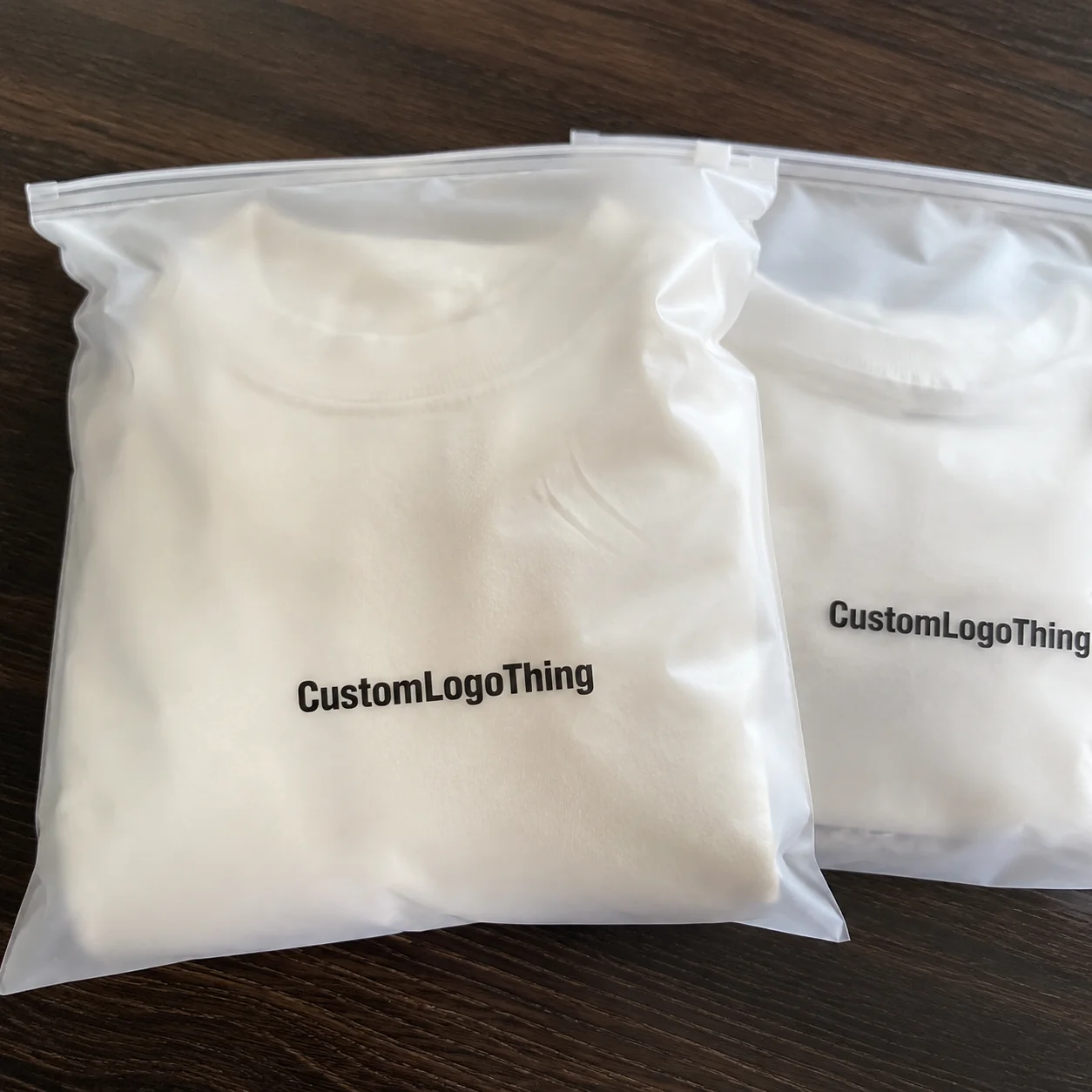
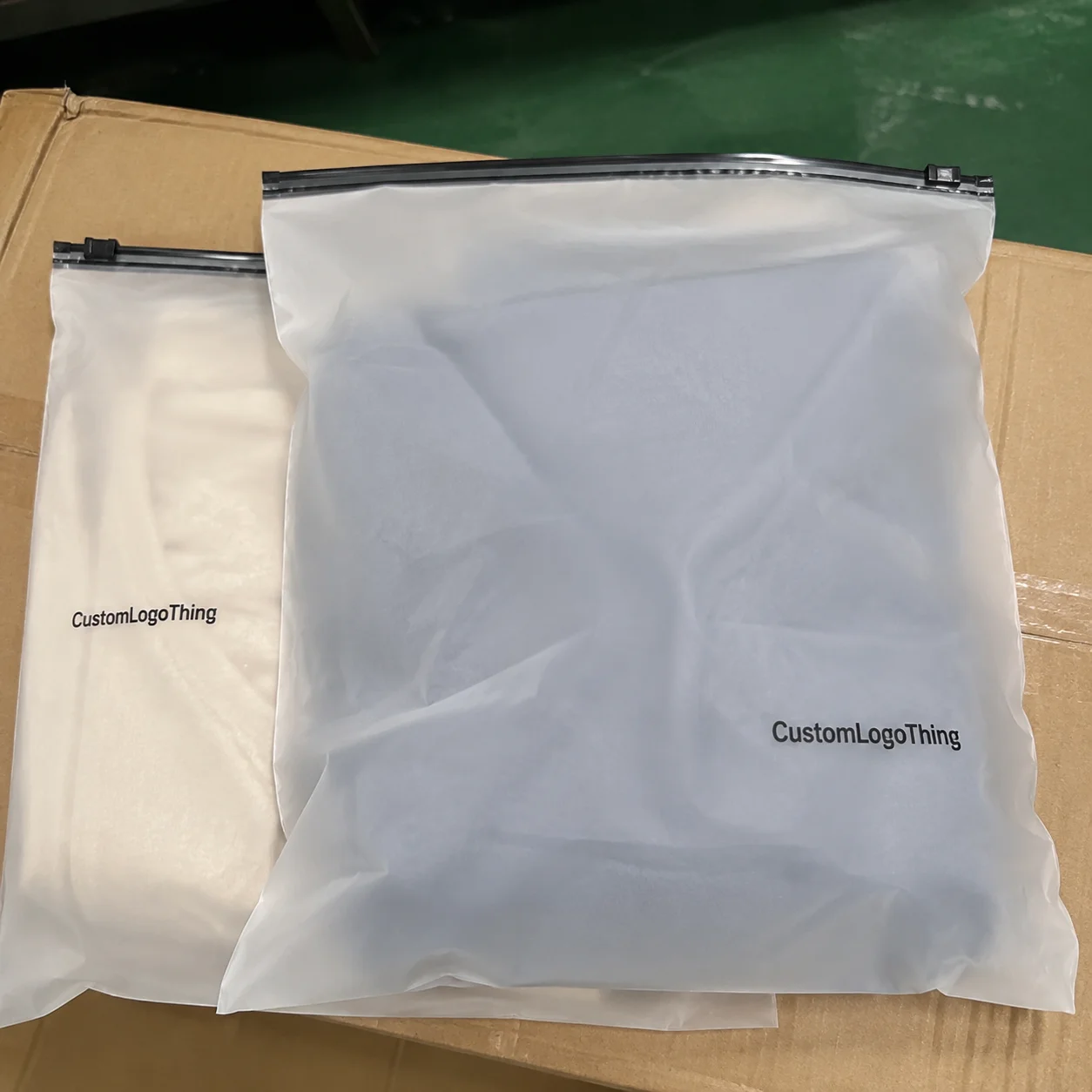
Get a Printed PVC Zipper Garment Bags Quote for Jewelry
When a Jewelry Garment Bag Becomes the First Security Check
A rhinestone collar can arrive perfectly intact and still feel underprotected. That is the quiet packaging failure buyers notice first. Brands requesting a Printed PVC Zipper Garment Bags quote for jewelry are usually not buying a clear bag alone; they are pricing presentation, dust protection, handling control, retail readiness, and the small moment of confidence that happens before the product is even touched.
Jewelry-adjacent products are awkward by nature. A bridal headpiece may be too delicate for a loose pouch. A chain belt can tangle in a plain LDPE sleeve. A beaded applique may need visibility, but not direct handling. PVC Zipper Garment Bags sit in that useful middle range: more structured than a soft poly bag, less bulky than a rigid box, and easier to inspect than a drawstring pouch.
Weight is often minor. Perception is not.
A transparent front panel, straight zipper, and clean printed logo can influence whether a wholesale buyer treats the item as premium inventory or disposable stock from a mixed carton. For jewelry buyers, these bags often fit products that do not behave like standard jewelry: statement necklaces on cards, tiaras, bridal accessories, embellished scarves, jewelry pouches, chain belts, body chains, hair ornaments, and coordinated accessory sets.
Paper boxes photograph well but take more warehouse space. Drawstring pouches hide the product and invite repeated handling. Standard LDPE bags are economical, though they rarely improve merchandising. A PVC zipper bag can give retail teams the ability to verify color, SKU, and condition without opening every piece, which matters when inventory is handled by showrooms, boutiques, bridal stylists, warehouse staff, or event teams.
The right quote connects specific choices: bag thickness, zipper type, print coverage, size tolerance, carton packing, and shipping method. If those details are vague, the quote will be vague too. That is how revisions, hidden setup charges, poor fit, and slow sampling begin.
Packaging buyer rule: price the bag around the product’s actual handling route, not only around the lowest unit cost.
Product Details That Matter for Jewelry Packaging Buyers
Printed PVC Zipper Garment Bags are transparent or semi-transparent PVC bags with a zipper closure, custom branding, and dimensions sized for apparel-style or accessory-style presentation. For jewelry, that may mean a compact bag for a 4 x 6 inch necklace card, a medium bag for a bridal belt, or a longer garment-style bag for an embellished scarf with an attached brooch.
PVC is used because it offers clarity, moderate structure, moisture resistance, and a smooth surface for decoration. It is not the right answer for every sustainability policy or every compliance requirement, but for visibility and reusable handling it remains a common choice in accessory packaging. Depending on artwork, volume, and finish, logos may be screen printed, offset printed, or hot stamped. A simple one-color logo behaves very differently from a full-panel decorative print with tight registration.
Common uses include bridal jewelry sets, costume jewelry assortments, body chains, boutique accessory kits, event merchandise, luxury scarves with attached ornaments, and display cards that need protection while staying visible. The visibility is practical, not only cosmetic. Retail teams can check whether the correct necklace, colorway, beadwork, or ornament is inside without opening and reclosing the bag dozens of times.
Closure choice changes the buyer experience. A standard zipper works for basic retail handling. A slider zipper is better for repeated opening, especially for sample sets or boutique sales kits. Press-to-close zippers can reduce cost, though they may feel less premium if the product is heavy or if the bag is opened often. Reinforced zipper pulls help when the bag will be handled during fittings, showroom appointments, or wholesale inspection.
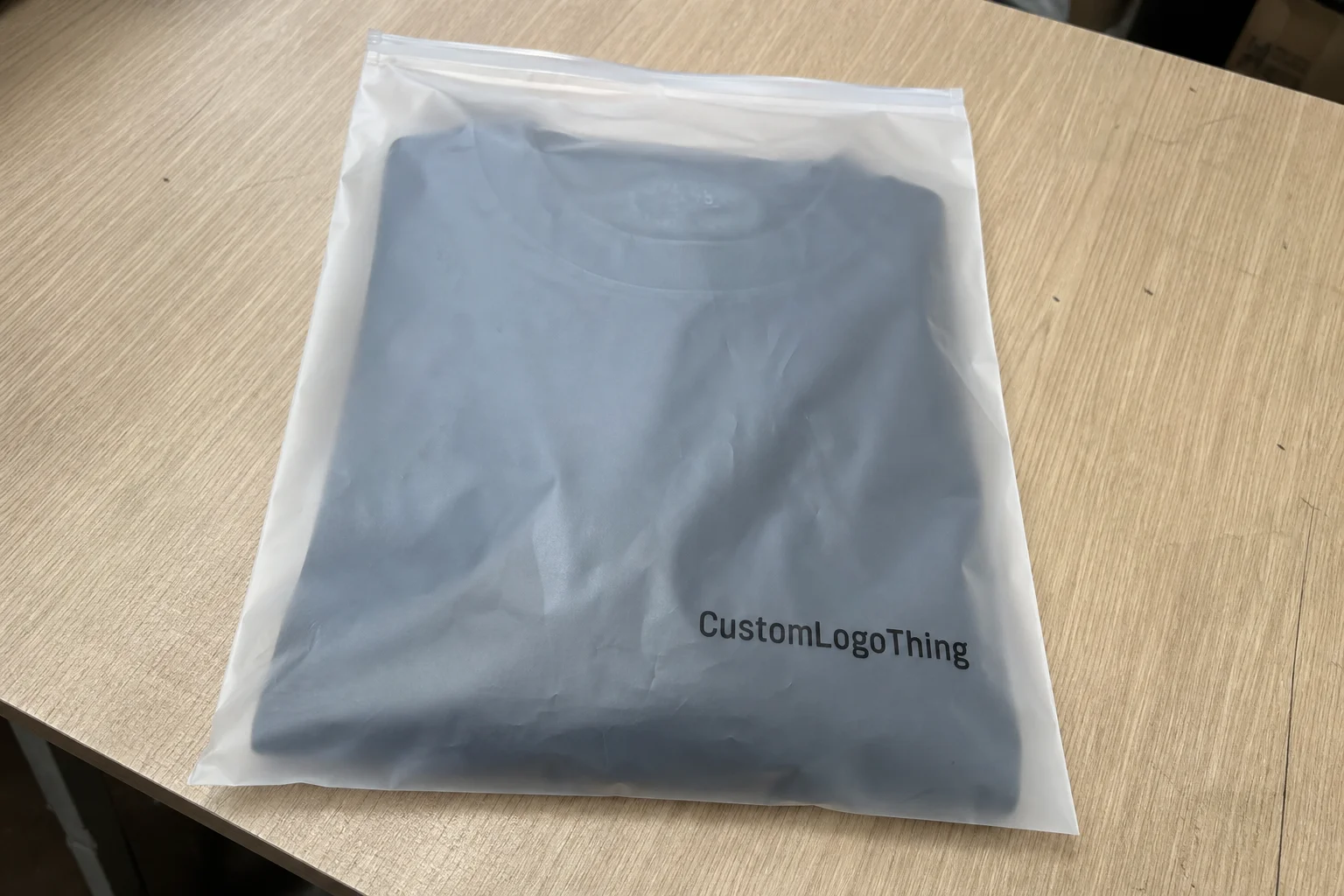
Branding placements deserve early decisions because print location affects both presentation and production. Buyers often request a front logo, back care text, warning copy, barcode area, size label window, matte writing panel, or full-panel print. Clear PVC improves product inspection; frosted PVC hides fingerprints and creates a more restrained, luxury look. Tinted PVC can support brand color, but it may reduce visibility and complicate color approval.
- Hanger holes: useful for peg display, stockroom sorting, and showroom rails.
- Vent holes: helpful if trapped air affects packing density or carton closure.
- Gussets: better for bulky cards, tiaras, embellished belts, or multi-piece sets.
- Document pockets: useful for care cards, invoices, authenticity notes, or return instructions.
- Die-cut carry handles: suitable for boutique pickup, event kits, or sample presentation.
Every add-on changes film usage, labor, tooling, packing time, or quality inspection. A reliable quote should begin with the use case before moving into a generic size list.
Size, Thickness, Print, and Closure Specifications to Prepare
Measure the product packed, not flat. This is the most common mistake in accessory packaging requests. Include the jewelry card height, chain drape, pouch bulk, pearl or rhinestone thickness, protective insert, tissue, foam, backing board, and any tag or cord that will travel inside the bag.
Small accessory bags may be built around jewelry cards, often with only 10-20 mm of clearance on each side. Medium zipper bags suit bridal sets, belts, collars, and hair accessories. Larger garment-style bags are used for embellished robes, scarves, display kits, or multi-piece event merchandise. Usable interior space is always less than outer bag size because seams and zipper placement consume material.
PVC thickness is usually discussed in microns, millimeters, or gauge depending on supplier convention. Thin film reduces cost and shipping weight. Thicker film improves structure, durability, and perceived value. A light dust-cover use case does not need the same gauge as a reusable boutique bag that customers open repeatedly.
| Specification choice | Best fit | Quote impact |
|---|---|---|
| Light PVC film | Short-term dust cover, low-bulk retail packing | Lower material cost and freight weight, less structure |
| Medium PVC film | Reusable accessory packaging and boutique display | Balanced cost, better hand feel, stronger presentation |
| Thicker PVC film | Premium sets, showroom samples, heavier embellished items | Higher material cost, stronger perceived value, heavier cartons |
| One-color logo print | Cost-controlled branded packaging | Lower setup complexity and faster proofing |
| Full-panel print | Promotional launches or high-impact retail programs | Higher setup, more ink control, more inspection time |
Print decisions should be practical. A one-color logo controls cost and keeps the product visible. A two-color brand mark can improve recognition if the color match is central to the brand. Full-panel print may suit promotional programs, but it can reduce inspection visibility and increase rejection risk if registration is tight.
White ink backing is often needed when printing light colors on clear PVC. Without it, pale logos can look weak against silver jewelry, cream cards, or skin-tone display inserts. Metallic foil or hot stamping may create a premium effect, but it needs enough flat surface area and should be tested for adhesion and rub resistance.
Artwork should be supplied as vector files, usually AI, EPS, or print-ready PDF. Include Pantone or CMYK references, printable area, bleed allowance, minimum line weight, and final text size for warnings or compliance marks. Tiny warning text that looks fine on screen can fill in during production, especially on flexible film.
Heat-sealed seams work for most orders. Seam width matters because it reduces usable space. If the product has a rigid card, raised ornament, or bulky knot, do not estimate fit from the outside bag dimension alone. Ask for both finished size and usable interior size in writing.
- Finished bag size and usable interior size
- PVC thickness preference or target use case
- Quantity and requested price tiers
- Print colors, logo size, and print location
- Zipper style and zipper color
- Clear, frosted, or tinted PVC finish
- Gusset, hanger hole, handle, or document pocket requirements
- Individual packing, bundle counts, and carton needs
- Destination address and required in-hand date
- Digital proof, blank sample, printed sample, or pre-production sample
Printed PVC Zipper Garment Bags Quote for Jewelry: What Drives Cost
A quote is not a single number. It is a bundle of assumptions: film cost, printing setup, labor, zipper material, finishing, packing, inspection, and freight. A reliable printed pvc zipper garment bags quote for jewelry should show enough detail that procurement can compare options without guessing what has been removed.
The largest cost drivers are bag dimensions, PVC thickness, order quantity, print colors, print area, zipper type, seam complexity, gusseting, inserts, handles, and packing requirements. A small flat bag with a one-color logo and standard zipper sits in a different cost band than a gusseted bag with full-panel printing, slider zipper, reinforced handle, and individual tissue interleaving.
MOQ depends on how custom the bag is. Lower minimums may be possible for standard sizes with simple one-color printing. Custom dimensions, frosted finishes, special zipper colors, heavy-gauge PVC, and multi-color graphics usually push minimums upward because setup time and material purchasing need to be spread across more units.
Unit cost usually falls as quantity rises, but not in a perfectly smooth line. Setup charges dilute over larger runs. Oversized bags and heavy PVC can keep freight and material costs significant even at higher quantities. For that reason, tiered pricing is more useful than a single quantity. Ask for three or four levels, such as a trial run, a replenishment run, and a larger wholesale run.
For broad planning, simple custom PVC zipper bags often sit in a lower unit-cost range than rigid boxes but above plain poly sleeves. Small one-color accessory bags may price attractively at higher quantities, while heavy-gauge garment-style bags with slider zippers and large print areas can move into a much higher bracket. Exact pricing depends on material availability, size, print method, packing, and freight, so any estimate without dimensions should be treated as a starting assumption rather than a purchasing number.
Buyers should compare quotes on identical specifications. A cheaper offer may use thinner PVC, weaker zipper tape, smaller usable dimensions, looser color tolerance, fewer packing checks, or cartons that are not suitable for export handling. If distribution includes parcel shipping, warehouse stacking, or wholesale cartons, packaging strength matters beyond the bag itself. Organizations such as ISTA publish transport testing frameworks that show how much damage risk sits outside the primary package.
Ask suppliers to separate sample fees, plate or screen charges, tooling, rush charges, and freight. Those line items are not automatically bad. Hidden line items are the problem. A small logo print with a standard zipper may quote cleanly with modest setup. A full decorative panel with custom gusseting needs more proofing, more ink control, and slower inspection.
If you are preparing a buying request, send the same specification sheet to each supplier. Better yet, send it to Contact Us at Custom Logo Things and ask for tiered options based on the product’s actual packed dimensions.
Process, Timeline, and Lead Time from Artwork to Delivery
The order path is predictable when the specifications are complete: quote request, spec confirmation, artwork review, digital proof, sample or pre-production approval, mass production, quality control, packing, and shipping. Remove one step and risk rises.
What slows the schedule? Incomplete measurements. Low-resolution artwork. Pantone changes after proof approval. Unclear zipper choice. Missing destination address. Late sample approval. A launch date written as “ASAP” also slows decisions because production completion and in-hand delivery are different milestones.
Buyer responsibilities are straightforward. Provide packed product dimensions. Confirm quantity. Approve logo placement. Review proof details. Choose the sample path. Settle the production deposit if required. Then avoid changing size, color, or print area after proof approval unless the schedule can absorb it.
Sampling can be matched to risk. A digital mockup is fastest and works when size is already confirmed. A blank physical sample is useful for fit testing a jewelry card, tiara, or belt. A printed sample checks branding, opacity, ink adhesion, and logo scale. A pre-production sample is the safer route for higher-volume orders or retail programs where carton labels, warnings, and display requirements must be right.
Production time varies with print complexity, quantity, PVC availability, zipper color, manual finishing, and inspection standard. Simple one-color orders on available materials move faster than custom gusseted bags with specialty finishes. Samples often ship by courier. Urgent launches may use air freight. Large replenishment orders often make more sense by sea, although the calendar must allow for it.
As a practical planning range, buyers should expect proofing and sampling to add days or weeks depending on the approval path, while production and freight depend heavily on quantity and shipping method. A small repeat order using approved artwork may move quickly. A first-time custom project with new dimensions, new print, and a hard retail launch date needs more buffer.
Plan extra time for bridal launches, pop-up events, wholesale shipments, holiday merchandising, and influencer kits. Jewelry programs are deadline-sensitive because photoshoots, appointments, and retail displays have fixed dates. The more precise the quote request, the fewer correction rounds happen before production starts.
Quality Checks That Separate Retail-Ready Bags from Cheap Sleeves
Quality control matters more for jewelry than many buyers expect. Small products reveal packaging defects quickly. Scratched film looks worse beside polished metal. Cloudy PVC dulls rhinestones. Crooked printing is obvious when the logo sits above a centered necklace card.
Inspection should include PVC clarity, gauge consistency, zipper alignment, seal strength, print registration, logo color, seam neatness, bag dimensions, odor level, and packing count. None of these checks is exotic. Skipping them is expensive.
Zippers need their own testing. Open-close cycles show whether the zipper track stays aligned. Pull resistance matters if the bag will carry a heavier embellished piece. Slider movement should feel smooth but not loose. A zipper that separates after the buyer fills the bag is not a minor defect; it changes the product’s handling risk.
Print durability is another pressure point. Ink adhesion on PVC must survive packing, stacking, and rub during transport. Light logo colors may need white backing to avoid disappearing against silver jewelry, cream cards, or frosted film. Color tolerance should be agreed before mass production, especially if brand colors are strict.
Odor deserves a plain mention. Flexible PVC can carry a material smell, particularly when packed tightly after production. Good airing, proper material selection, and sensible packing reduce the issue, but buyers with luxury, bridal, or gift-focused products should ask about odor control rather than discovering it after cartons arrive.
Packaging-in-packaging deserves attention too. Confirm individual packing, bundle counts, master carton strength, carton labels, and moisture control. Export shipments can face humidity swings. The EPA’s recycling resources are useful for teams reviewing disposal messaging and packaging claims, though recyclability depends heavily on local infrastructure and material combination.
Low unit price can vanish after rework, late shipments, repacking labor, or customer complaints. Ask for production photos, sample approval records, carton specifications, inspection standards, and tolerance ranges for size and color. If fit is critical, send real jewelry samples or dummy inserts. Irregular shapes punish guesswork.
How to Evaluate a Packaging Supplier for Jewelry Orders
Jewelry packaging procurement works best when the supplier can translate buyer language into manufacturable specifications. “Clear bag with logo” is not enough. The quote should validate size, material, print method, MOQ, production feasibility, and shipping assumptions before the buyer commits budget.
A useful supplier should not push a generic stock bag if the product needs a different closure, clearer display area, stronger seam, or tighter print placement. A necklace card that sits beautifully in a photo may still scrape against the zipper if the usable width is wrong. A tiara may need a gusset or insert support. A bridal sash may need a longer bag with enough clearance to avoid crushing embellishment at the seal.
Practical advantages for jewelry and accessory brands include custom sizing for cards, garment-style accessories, bridal pieces, boutique kits, and embellished merchandise. Logo placement can be coordinated with the product’s display orientation. Reusable zipper closures improve handling. Clear or frosted PVC supports consistent retail presentation across related SKUs.
A fact-based sales process helps procurement teams because it makes trade-offs visible. Tiered quantities show where unit-cost breaks may occur. Proofing steps reduce artwork surprises. Sample options match the risk level. Separate line items make it easier to compare pricing with internal budgets.
Brand consistency is another reason to build the specification carefully. Logo color, warning copy, barcode space, carton labels, and packaging format can be aligned across pouches, mailers, boxes, and garment bags. If PVC is not the best fit because of durability, budget, material policy, or compliance concerns, alternatives should be discussed before the project moves into proofing.
The best supplier prevents specification drift between quote, proof, sample, and mass production. That is the operational fit buyers should want: a bag that protects, presents, and ships efficiently at the quantity actually needed. To start that conversation, send requirements through Contact Us with photos, dimensions, deadline, and artwork attached.
Build a Quote Request That Gets Accurate Pricing
Accurate pricing starts with a clean inquiry. Copy this checklist into your email and fill in as much as possible before sending artwork.
- Product type: necklace card, tiara, bridal belt, scarf, hair ornament, accessory kit, or other item.
- Packed dimensions: length, width, thickness, and any rigid insert or display card.
- Order quantity: include three target tiers if possible.
- PVC preference: clear, frosted, tinted, light dust cover, reusable retail bag, or premium presentation.
- Zipper style: standard zipper, slider zipper, press-to-close zipper, reinforced pull, or supplier recommendation.
- Print details: logo size, print location, number of colors, Pantone or CMYK references, warning text, barcode area.
- Artwork file: vector AI, EPS, or print-ready PDF is preferred.
- Destination: full delivery address or at least country, region, and shipping preference.
- Deadline: separate launch date from required in-hand date.
- Sample requirement: digital proof, blank fit sample, printed sample, or pre-production sample.
Attach photos of the jewelry or accessory inside its current packaging. Visual evidence often reveals bulk, chain drape, card stiffness, and display needs that measurements miss. If the item is irregular, provide a simple side photo with a ruler.
Request three quantity tiers rather than one number. Procurement can then compare MOQ trade-offs, setup dilution, and freight impact before approving a run. State retail requirements early: barcode space, hanger hole, recyclable messaging, suffocation warning, carton labeling, or bundle count.
A good quote should leave fewer open questions, not more. Send the specification checklist and artwork to Contact Us at Custom Logo Things to receive a printed pvc zipper garment bags quote for jewelry that reflects real materials, print method, MOQ, timeline, and delivery needs.
FAQs
What information do I need for a printed PVC zipper garment bags quote for jewelry?
Send packed product dimensions, quantity, preferred PVC thickness or intended use, zipper style, print colors, logo artwork, destination address, deadline, and whether you need a sample. Photos of the jewelry or accessory inside current packaging help confirm fit and prevent undersized bag estimates.
What MOQ should I expect for custom printed PVC zipper bags for jewelry accessories?
MOQ depends on size, print method, PVC thickness, and whether the bag uses standard or custom components. Simple one-color logo orders usually allow more flexible minimums than oversized, multi-color, gusseted, or specialty-finish bags.
How does printing affect the unit cost of PVC zipper garment bags?
More print colors, larger print areas, white ink backing, tight registration, and specialty effects increase setup time and production cost. A small one-color logo is usually the most cost-efficient option for jewelry brands testing a new packaging format.
Can PVC zipper garment bags be sized for small jewelry cards instead of clothing?
Yes. The same zipper bag format can be scaled down for jewelry cards, necklaces, hair accessories, belts, bridal pieces, and accessory kits. Measure the packed item, including inserts or display cards, so the quote reflects usable interior space rather than only outside dimensions.
How long does it take to receive custom printed PVC zipper bags after approval?
Lead time depends on sampling, artwork approval, quantity, print complexity, material availability, and freight method. The fastest way to avoid delays is to approve the digital proof quickly, confirm all specifications in writing, and choose the correct sample path before mass production.