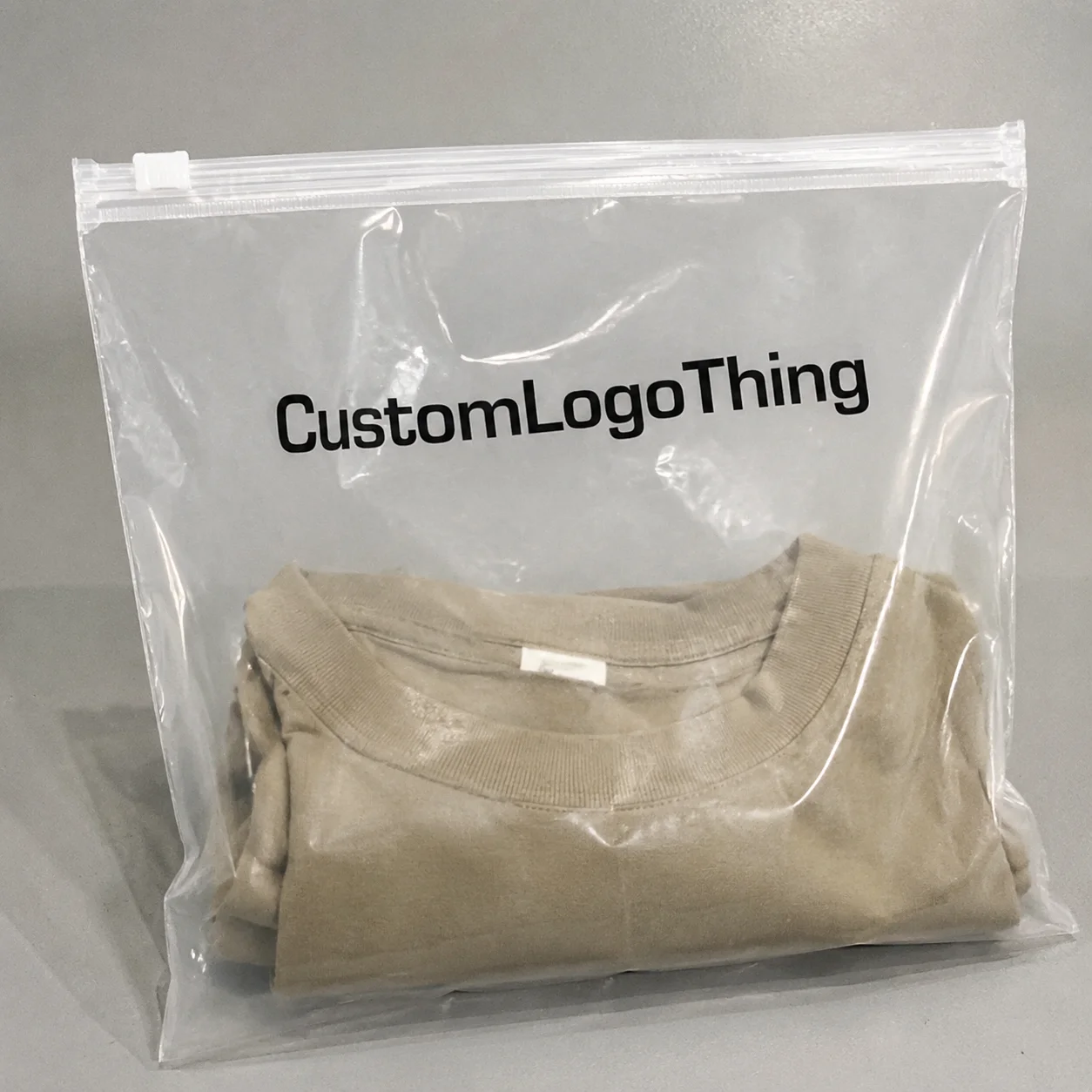
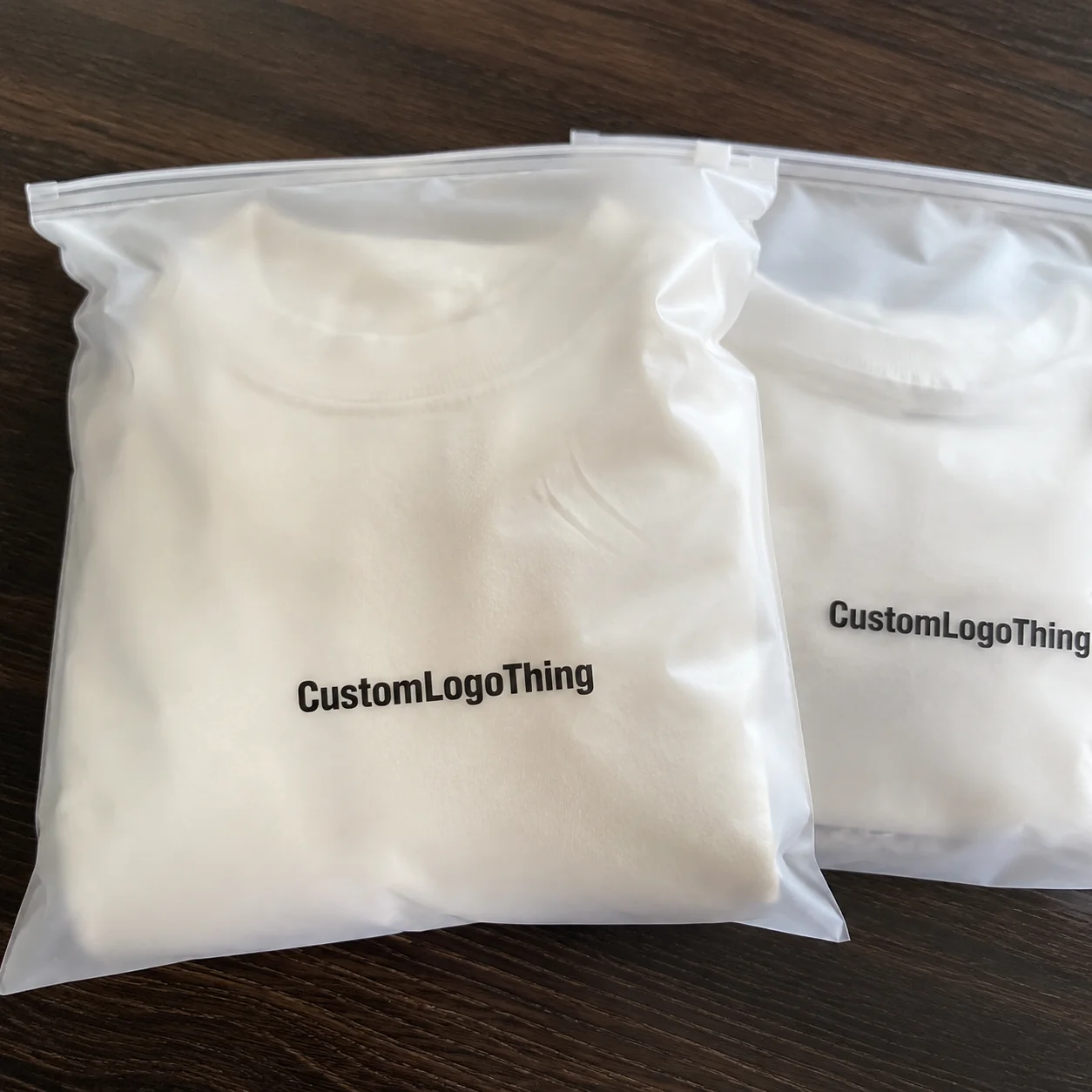
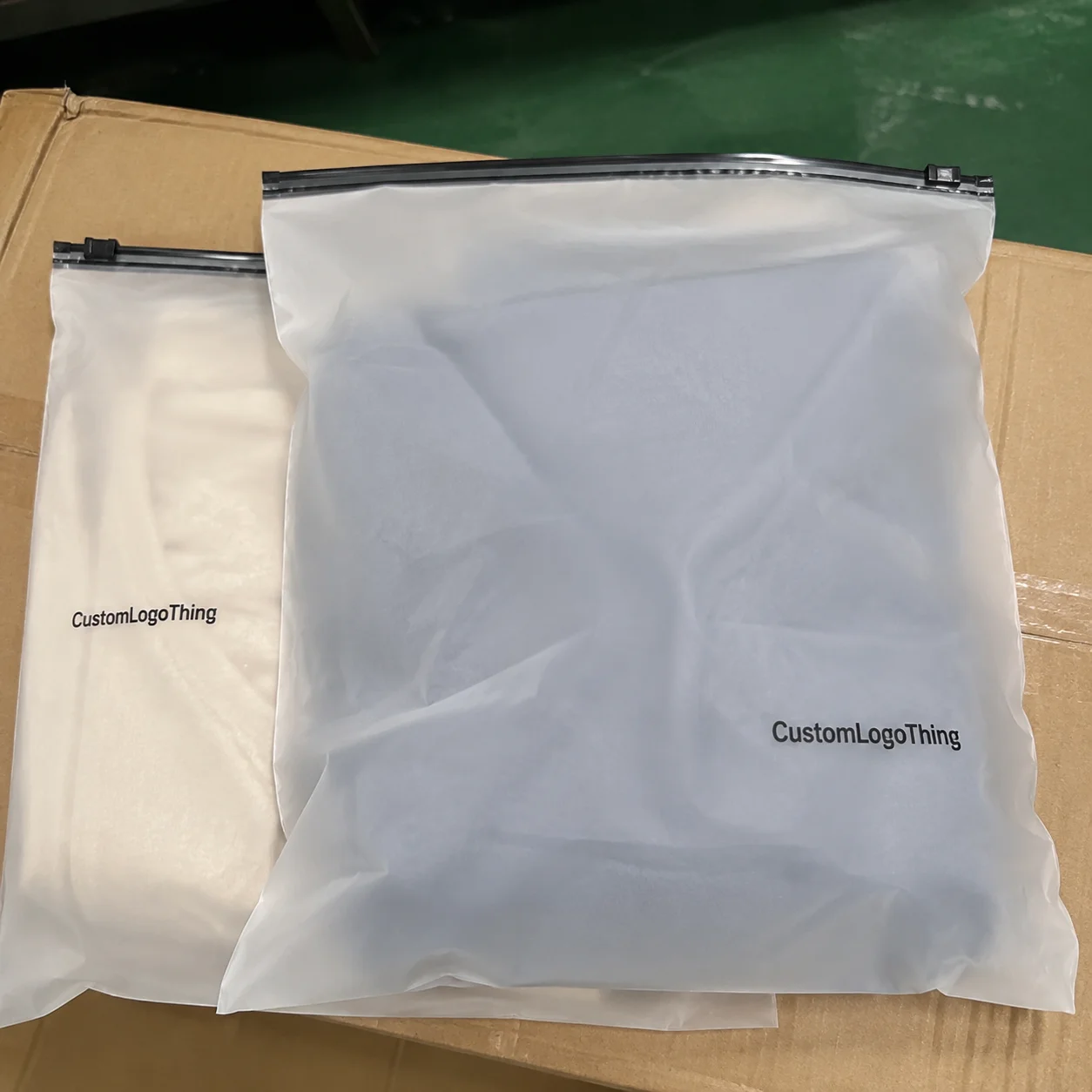
Printed PVC Zipper Garment Bags Quote for Boutique
Buyers searching for a printed PVC Zipper Garment Bags quote for boutique inventory are usually trying to solve three problems at once: garment protection, brand presentation, and predictable landed cost. Miss one of those, and the bag stops acting like packaging. It becomes a weak link in the handoff.
A boutique dress may move through steaming, alteration checks, rack display, backroom storage, pickup, and local delivery before it reaches the customer’s closet. Coats, gowns, suits, uniforms, and occasionwear get handled repeatedly. A thin disposable cover can tear at the hanger hole, cloud over from friction, or split near the zipper area before the garment reaches the person who paid for it.
Garment bags are often underpriced in the buyer’s imagination and overexposed in the customer experience. They may be treated as throwaway protection, yet in boutique retail they behave more like a mobile storefront. A branded garment bag can be carried through a mall, bridal suite, hotel corridor, tailor shop, or event venue. The logo travels with the garment, quietly but visibly.
Why Boutique Garments Need Packaging That Survives the Rack, Stockroom, and Customer Pickup
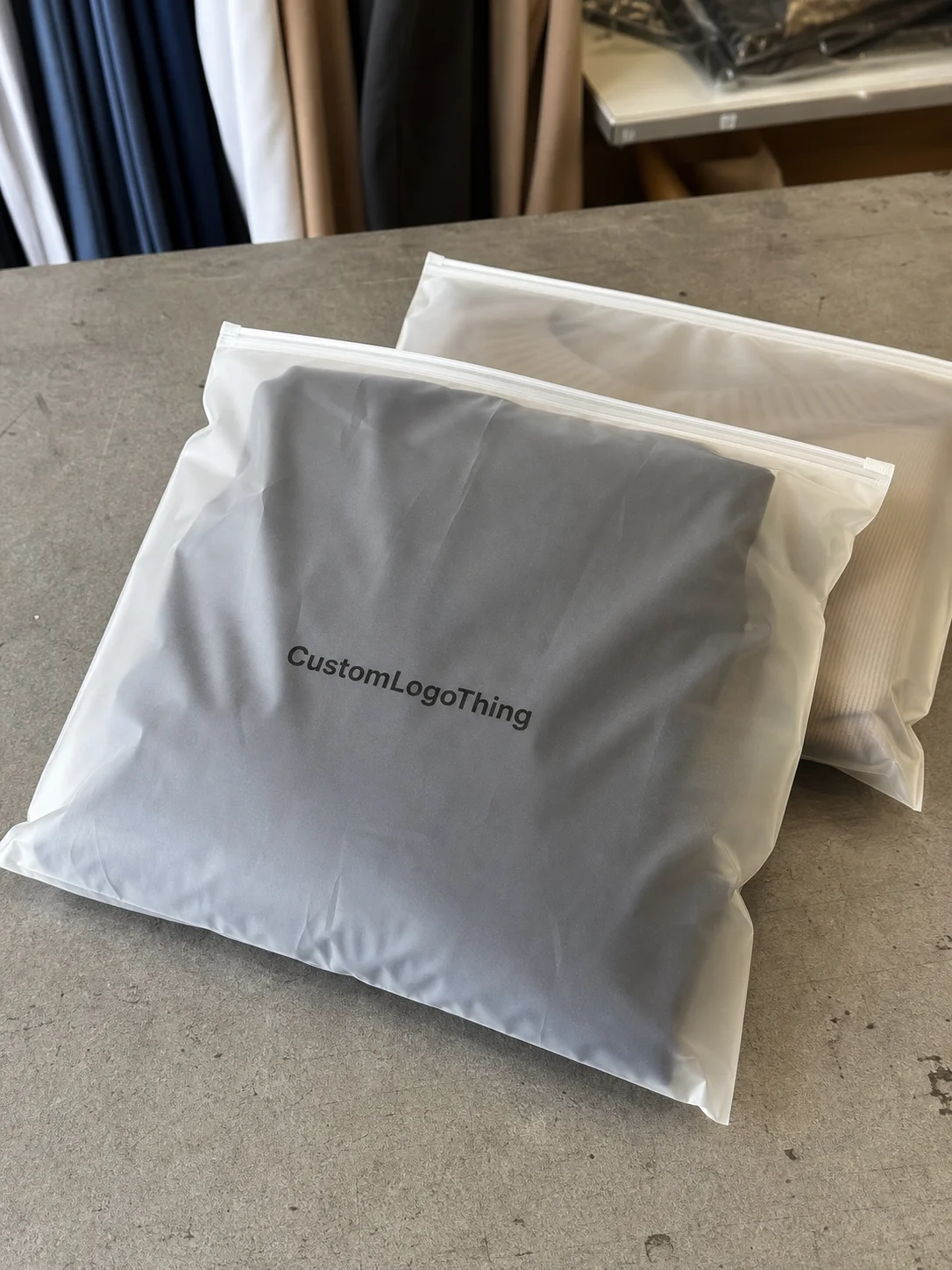
Standard poly garment covers have their place. They are light, inexpensive, and useful for short-term dust protection. PVC zipper garment bags do something different: they provide clearer product visibility, more structure, better reuse value, and a more premium hand-feel. For boutiques selling garments in the $80 to $1,500 range, that difference is not cosmetic. It affects how protected the garment feels at handoff.
PVC also resists light moisture, dust, and handling marks better than many ultra-light poly covers. Not perfectly, and not under harsh heat or poor storage conditions. But for retail pickup, trunk shows, bridal fittings, alterations, staff uniforms, and showroom storage, a well-specified custom garment bag can carry more value than its unit cost suggests.
From a packaging buyer’s point of view, the biggest mistake is asking only, “How much per bag?” That question is too blunt. A useful quote needs dimensions, thickness, zipper type, handle construction, print method, quantity, carton packing, and delivery location. Without those, the price is a guess dressed as an answer.
Packaging reality: two PVC garment bags can look nearly identical in a product photo, yet differ sharply in durability because of PVC gauge, zipper grade, seam quality, and handle reinforcement.
The safer approach is to price the bag around how it will actually be used. A boutique that needs dust covers for backroom inventory may not need the same construction as a bridal shop sending gowns home after final fittings. A uniform supplier handling multiple garments per order may need wider gussets and stronger handles. A formalwear retailer may care more about zipper smoothness, garment visibility, and a polished logo placement.
This matters because the garment bag sits at a sensitive point in the sale. The customer has already chosen the item and is about to take possession. If the bag feels flimsy, cloudy, or hard to carry, it can make the whole pickup feel less considered than the merchandise inside.
Printed PVC Zipper Garment Bags Quote for Boutique Buyers: What the Price Should Include
A Printed PVC Zipper Garment Bags quote for boutique orders should never be a vague line that says “custom bag: $X.” That tells you almost nothing. A serious quote should identify the material thickness, finished dimensions, zipper style, printing method, handle option, packing method, MOQ, sample cost, freight terms, and estimated lead time.
Here is the practical value equation. The bag protects the garment from dust and handling. It shows the boutique logo during customer pickup. It can stay in the customer’s closet for months or years. If a shopper keeps the bag for seasonal storage, that logo may be seen long after the sale.
PVC is commonly selected because boutiques often want a clear or semi-clear garment cover that looks structured. Clear PVC gives full garment visibility, which helps staff verify style and color quickly. Frosted PVC softens the look and can make a simple one-color logo feel more refined. Tinted PVC can support brand alignment, especially for boutiques using black, blush, champagne, smoke gray, or soft blue packaging tones.
Zipper construction deserves more attention than it gets. Boutique garment bags are rarely opened once. They may be unzipped during fittings, alterations, steaming, final inspection, photography, pickup appointments, and customer reuse. A zipper that drags, snags, or separates turns a protective bag into a complaint waiting to happen.
Compare quotes line by line. A cheap bag with cloudy PVC, loose stitching, weak zipper tape, or poor logo registration can cost more through replacements and presentation loss. Saving $0.08 per bag is not meaningful if the bag makes a $600 dress feel mishandled.
| Quote Element | Why It Matters | Buyer Question to Ask |
|---|---|---|
| PVC thickness | Affects structure, clarity, durability, and price | What gauge or micron thickness is included? |
| Zipper type | Controls repeated access and customer usability | Is it nylon, molded, full-length, or side-entry? |
| Logo printing | Changes setup cost, ink use, and visual impact | Is the quote based on one color or multiple colors? |
| Handles | Influences comfort during pickup and transport | Are handles die-cut, sewn fabric, rope, or webbing? |
| Freight | Garment bags can be bulky even when lightweight | Is shipping included, estimated, or billed separately? |
The buyer-facing standard is simple: the best quote answers what is included, what changes the price, and what Custom Logo Things needs from you to move into sampling or production. If you already have specs, send them through Contact Us. If you do not, describe the garments and the use case. That is enough to start a useful quote conversation.
Product Details: PVC Material, Zipper Styles, Handles, and Print Placement
Custom printed PVC zipper garment bags are used for dresses, suits, gowns, coats, uniforms, boutique apparel, formalwear, bridalwear, and premium retail garments. The bag may look simple, but it has several specification points that affect performance.
Clear PVC is the default choice when staff need quick garment identification. It works well for stockrooms, showroom racks, and customer pickups where the item should remain visible. Frosted PVC gives a softer boutique look and partially obscures the garment, which some retailers prefer for privacy and presentation. Tinted PVC can match a brand palette. Reinforced PVC or thicker material is better for coats, gowns, layered dresses, and repeated handling.
PVC thickness may be described by gauge, microns, or millimeters, depending on the supplier. Light covers are more economical and easier to pack, but they do not hold structure as well. Heavier PVC costs more and can increase carton volume, yet it usually improves durability, drape, and perceived value. For most boutique uses, it is worth pricing at least two thickness options instead of assuming the lowest specification will be acceptable.
Zipper placement changes usability. A full-length front zipper gives easy access and is common for dresses, suits, and bridal garments. A side zipper can support certain display preferences or reduce logo interruption on the front panel. Nylon zippers often run smoothly for retail use. Heavier zipper pulls cost more but can feel better when customers reuse the bag.
Handles need the same discipline. A die-cut handle may be economical and low-profile, but it is not always ideal for heavy garments. Sewn fabric handles or webbing handles can improve carrying comfort for coats, gowns, and multi-garment orders. Rope handles add a gift-packaging feel, although they need to be matched carefully to the bag weight and the boutique’s visual style.
Most garment bags also need a hanger opening at the top. That opening should align cleanly with the hanger style the boutique actually uses. Wide wood hangers, slim velvet hangers, bridal hangers, and suit hangers do not sit the same way. If the hole is too tight, staff may force the hanger through and stress the material. If it is too loose, dust protection suffers and the bag can sag unevenly.
Logo placement is another cost and presentation variable. Center front is the most visible during pickup. A lower-corner print feels quieter and more premium. A logo near the handle can photograph well when the bag is carried. Vertical side-panel printing can look distinctive but may require more careful artwork setup. Repeat prints create stronger brand coverage, yet they can make a clear garment bag feel visually heavy.
Do not overprint unless there is a reason. PVC is often chosen because it reveals the garment. Heavy ink coverage can reduce that advantage and may increase print complexity. For many boutiques, a crisp one-color logo on frosted or clear PVC has more retail polish than a crowded multi-color layout.
Specifications to Confirm Before Requesting Custom Garment Bag Pricing
An accurate custom garment bag quote starts with specifications. The core list is not complicated, but leaving out one piece can change the number materially.
- Finished bag length and width
- Gusset depth, if the garment has volume
- PVC thickness or desired feel
- Zipper length and placement
- Hanger hole style and position
- Handle type and reinforcement preference
- Logo size, print location, and ink colors
- Order quantity and desired pricing tiers
- Delivery location or ZIP code
- Target in-hand date, if deadline-sensitive
Sizing should follow garment use, not guesswork. Shorter bags are practical for shirts, blouses, jackets, and children’s apparel. Mid-length bags suit suits, cocktail dresses, uniforms, and many boutique dresses. Longer bags are usually needed for gowns, bridalwear, eveningwear, long coats, and garments that should not be folded.
Thickness matters. Lighter PVC may work for short-term protection or lower-cost retail covers. Thicker PVC is better for premium boutique use, repeated handling, customer reuse, or heavier garments. A small increase in thickness can raise unit cost, but it can also reduce tearing, sagging, and zipper stress. That tradeoff is worth pricing rather than assuming.
Gussets are easy to overlook. Flat garment bags are efficient for slim garments and take less material. Gusseted bags make more sense for gowns, layered dresses, structured coats, and pieces with volume. A 2-inch to 4-inch gusset can change how the garment sits inside the bag and how the bag stacks in cartons.
Artwork should be supplied as vector whenever possible, usually AI, EPS, or editable PDF. Vector files keep logo edges clean during one-color screen printing and make multi-color branded layouts easier to control. Raster files can work in some cases, but low-resolution logos create fuzzy edges and weak brand presentation.
Print color should be specified with care. White ink often looks clean on clear or tinted PVC, but opacity can vary by print method and material surface. Black ink is crisp and economical for many boutique designs. Metallic effects, pale tones, or multiple colors may require additional review because PVC transparency can change how the final print appears compared with a paper proof.
Decide the job of the bag before pricing it. Is it mainly for retail pickup? Showroom storage? Customer reuse? Bridal appointments? Shipping preparation? Each use case changes the ideal construction. A bag for backroom dust protection does not need the same handle comfort as one a customer carries through an event venue.
The comparison is blunt: two bags may look similar online, but a change in PVC thickness, zipper grade, or handle reinforcement can move both cost and durability. Ask for the spec sheet, not just the photo.
Cost, MOQ, and Unit Cost Factors for Boutique PVC Garment Bags
Cost is driven by material, labor, print setup, quantity, and freight. The most common price variables are PVC thickness, bag size, zipper quality, handle construction, number of ink colors, print coverage, artwork complexity, packing requirements, and order quantity.
MOQ logic is not arbitrary. Custom PVC Zipper Garment Bags require material cutting, printing setup, zipper assembly, handle work, packing, and quality checks. Very small runs usually carry higher unit costs because setup and preparation are spread across fewer bags. A boutique ordering 100 pieces should expect a different unit economics profile than one ordering 1,000 or 3,000 pieces.
As a realistic planning range, simple custom PVC zipper garment bags may land around $1.20 to $3.80 per unit depending on size, thickness, handle, print, quantity, and freight assumptions. Larger bridal or gown bags with heavier material, reinforced handles, and more involved printing can run higher. These ranges are not universal prices. They are planning numbers so buyers can judge whether a quote is in a sensible band.
Quantity usually lowers the per-bag cost because setup, artwork preparation, screen or print setup, and production planning are spread across more units. Ask for tiers. A quote for 300, 500, and 1,000 pieces often reveals the price curve better than a single quantity. Sometimes the jump from 500 to 1,000 pieces meaningfully lowers the unit cost; sometimes freight or carton volume reduces the advantage. You only know after comparing.
Print choices also matter. One-color logos are typically the most economical and can look sharp on clear, frosted, or tinted PVC. Multi-color printing increases setup steps and artwork demands. Large full-panel designs require more ink control and can slow production. If the boutique wants a premium look without pushing cost too high, a restrained one-color logo is often the strongest value.
Freight deserves scrutiny because garment bags are bulky. They do not weigh much compared with rigid packaging, but carton volume can raise shipping cost. Destination, carton count, shipping method, duties, and delivery requirements should all be reviewed before comparing suppliers. A unit price without freight can be misleading.
Ask what is excluded. Sample cost, digital proofing, screen fees, plate fees, rush charges, export packing, duties, and special delivery instructions can change the final landed cost. Custom Logo Things takes a fact-first approach here: the cleaner the specification, the clearer the pricing. If you want a structured estimate, send the quantity, dimensions, and logo through Contact Us.
Process and Timeline: From Artwork Proof to Finished Garment Bags
A typical order follows a predictable sequence: quote request, specification review, artwork check, digital proof, optional physical sample, buyer approval, material preparation, printing, cutting, zipper and handle assembly, quality control, packing, and shipment.
The buyer should provide six things at the start: desired quantity, bag dimensions, logo file, print color, delivery location, and target in-hand date. Add any presentation requirement too. For example, a boutique preparing for a bridal event may need longer gown bags, frosted PVC, reinforced handles, and carton labels that make stockroom sorting easier.
Digital proofs confirm logo placement, logo size, print direction, and general color intent. They are useful. They are not magic. A proof on a screen does not always show exact PVC transparency, zipper hand-feel, ink texture, or how the bag behaves when hanging with a heavy garment inside.
Sampling reduces risk, especially for boutiques ordering bags for formalwear, bridalwear, high-ticket gowns, or VIP garment storage. A pre-production sample can verify size, zipper feel, logo scale, hanger opening, and handle comfort before the full run. Sampling adds time and cost, but for premium retail packaging it can be cheaper than discovering a specification problem after cartons arrive.
Timeline depends on order quantity, customization level, material availability, sample approval speed, print complexity, and shipping method. Many custom packaging production runs move faster after proof approval, but no responsible supplier should promise a fixed universal lead time without reviewing the specification. The fastest orders are usually the cleanest orders: confirmed specs, vector artwork, realistic quantity, approved proof, clear shipping address, and prompt payment terms.
Ask for a production calendar, not just a shipping estimate. A useful calendar names approval deadlines: artwork approval by a specific date, sample approval if needed, production start, packing window, and estimated dispatch. That structure helps boutique teams plan seasonal launches, appointment weekends, pop-up events, and inventory refreshes.
For broader packaging performance thinking, industry groups such as ISTA publish transport testing resources, while organizations such as EPA provide information on materials, waste, and environmental considerations. PVC garment bags are not corrugated shipping cartons, but the same discipline applies: define the use case, then test the packaging against real handling conditions.
Quality Checks That Separate Boutique-Ready Bags from Generic Covers
Boutique buyers should inspect more than the logo. The zipper should run smoothly from top to bottom. Seams should be even. The hanger opening should be centered and sized for the hangers the boutique actually uses. Handles should feel secure under realistic garment weight.
Practical quality checkpoints include PVC clarity, odor level, logo registration, ink adhesion, zipper pull strength, handle reinforcement, seam consistency, carton packing, and size tolerance. A bag that is 1 inch too short can crush the bottom of a gown. A crooked logo can make the entire pickup experience feel careless. A strong print on weak material is still a weak bag.
Odor deserves a quick mention because PVC can have a noticeable smell if material selection, storage, or ventilation is poor. Some odor can dissipate after airing, but a strong chemical smell is not something a boutique wants around fresh garments. If the bags will be used for bridal gowns, delicate fabrics, or long storage, ask about material grade and request a sample if timing allows.
Customer-facing defects are the ones that hurt most. Cloudy material makes the garment look older than it is. Scratched PVC looks shopworn. Weak zipper stitching creates anxiety at the moment of handoff. Handles that dig into the hand make the bag feel cheap even if the garment inside is expensive.
Inventory protection is not theoretical. Dust, light moisture exposure, rack friction, and repeated handling are routine in boutiques, especially during seasonal turnover, trunk shows, alterations, and eventwear pickup. A custom PVC garment bag should be judged against those conditions, not against a flat product image.
Ask for photos, samples, or production references when ordering a new specification or higher-value retail packaging. If the bag will carry bridal gowns, tailored coats, or multi-piece outfits, review the structural choices before production. Custom Logo Things can help evaluate print placement, zipper direction, handle selection, and bag sizing so the final product works as both protection and branded packaging.
The cheapest garment bag often saves pennies at purchase but creates visible brand friction at the exact moment the customer takes possession of the garment. That is a poor place to economize blindly.
Build a Quote Request That Gets Accurate Numbers Fast
Good quote requests are specific. They do not need to be perfect. They need enough detail for a supplier to price the correct structure rather than filling in blanks with assumptions.
- Choose the approximate bag size: short, mid-length, long, or custom dimensions.
- Estimate quantity and ask for two or three pricing tiers.
- Select PVC style: clear, frosted, tinted, or reinforced.
- Decide zipper placement and preferred zipper feel.
- Choose handle type: die-cut, sewn fabric, webbing, rope, or no carry handle.
- Confirm logo color count and preferred print placement.
- Prepare vector artwork if available.
- Provide delivery ZIP code or destination details.
- State the required in-hand date if there is a deadline.
If you want to match a current garment bag, send photos. Include front, side, zipper, handle, hanger opening, and any label or carton information. If the current bag is failing, say where: zipper separation, tearing near the hanger hole, cloudy PVC, weak handles, poor logo print, or wrong length. Those details are more useful than a generic request for “better quality.”
Ask for one alternate specification. For example, request a thicker PVC option, a simplified one-color print, or a reinforced handle upgrade. Comparing an alternate prevents false savings. Sometimes a small upgrade produces a noticeably better customer experience. Other times, the lower-cost option is perfectly adequate for daily retail pickup.
Clarify the use case. Daily boutique pickup, bridal appointments, VIP garment storage, staff uniforms, pop-up events, and backroom inventory protection each point to a different best specification. If the bag must be photographed for social content, logo placement and PVC finish matter more. If it must carry heavy coats, handle reinforcement and zipper quality move up the priority list.
Deadlines should be stated immediately. Production and shipping options can be evaluated before artwork begins, but only if the supplier knows the target date. If you need a printed pvc zipper garment bags quote for boutique apparel, send dimensions, quantity, logo file, and delivery details so Custom Logo Things can price the right structure instead of guessing. Start with Contact Us and include any existing bag photos if you have them.
FAQ
What details do I need for a printed PVC zipper garment bags quote for a boutique?
Provide bag dimensions, quantity, PVC thickness or preferred style, zipper type, handle preference, logo artwork, print colors, delivery location, and target in-hand date. If you are unsure about size, describe the garments you sell, such as gowns, suits, coats, uniforms, or dresses, and ask for a recommended specification.
What is the typical MOQ for custom printed PVC zipper garment bags?
MOQ depends on bag size, printing method, material, and construction details. Custom PVC zipper bags usually have a higher MOQ than plain stock bags because they require setup, printing, cutting, and assembly. Ask for tiered pricing so you can compare unit cost at different quantities before committing.
Can boutique garment bags be printed with a logo in multiple colors?
Yes, multi-color printing is possible, but it can increase setup cost, production time, and artwork requirements. One-color logos are often the most economical and can still look premium on clear, frosted, or tinted PVC. Vector artwork is recommended for sharper logo edges and cleaner print output.
How long does production take for printed PVC garment bags with zippers?
Turnaround depends on order quantity, artwork approval, sample requirements, material availability, and shipping method. The timeline moves faster once specifications, artwork, payment terms, and proof approval are complete. For deadline-sensitive boutique events or seasonal launches, share the required arrival date before requesting final pricing.
Are PVC zipper garment bags better than regular plastic garment covers for boutiques?
PVC zipper garment bags are generally stronger, more structured, and more reusable than basic disposable garment covers. They are better suited for premium apparel presentation, customer pickup, storage, and repeated handling. Regular plastic covers may be cheaper for short-term protection, but they usually offer less branding value and durability.