Buyer Fit Snapshot
| Best fit | Printed Recycled Carton Boxes projects where brand print, material claims, artwork control, MOQ, and repeat-order consistency need to be specified before quoting. |
|---|---|
| Quote inputs | Share finished size, material target, print colors, finish, packing count, annual reorder estimate, ship-to region, and any compliance wording. |
| Proofing check | Approve dieline scale, logo placement, barcode or warning zones, color tolerance, closure strength, and carton packing before bulk production. |
| Main risk | Vague material claims, crowded artwork, missing packing details, or unclear freight terms can make a low unit price expensive after revisions. |
Fast answer: Printed Recycled Carton Boxes: Board, Finish, Dieline, and Unit Cost should be specified like a repeatable production item. The safest quote records material, print method, finish, artwork proof, packing count, and reorder notes in one written spec.
Production checks before approval
Compare the actual filled-product size with the drawing, then confirm tolerance on folds, seals, hang holes, label areas, and retail display edges. Reserve space for logos, QR codes, warning copy, and material claims before decorative graphics fill the panel.
Quote comparison points
Review material grade, print process, finish, sampling route, tooling charges, carton quantity, and freight assumptions side by side. A quote is only useful when the supplier can repeat the same color, closure quality, and packing count on the next order.
Printed recycled carton boxes can look polished on a retail shelf and still be made with recovered fiber. That surprises a lot of buyers the first time they see it. They expect recycled material to mean a rough handfeel, faded graphics, or some obvious compromise on presentation. Real production is less dramatic. Printed recycled carton boxes can carry strong branding, legal text, ingredient panels, and product detail while still reducing virgin fiber use compared with many traditional retail cartons.
That balance matters because the carton is doing several jobs at once. It has to sell the product, survive production, ship cleanly, and support the brand story without becoming a cost problem. Printed recycled carton boxes also have to hold up under scrutiny from shoppers who read packaging claims more carefully than they did five years ago. Brands that get this right usually start with the structure, then move to print performance, then pricing. The ones that reverse that order often pay for it later, which is a bit of a headache nobody needs.
The most common mistake is treating printed recycled carton boxes as a simple material swap. Recycled board changes brightness, stiffness, absorbency, and surface behavior. Those shifts affect ink laydown, finish selection, folding performance, and the feel of the final pack in the hand. Once those tradeoffs are understood, printed recycled carton boxes stop sounding like a sustainability slogan and start looking like a practical packaging format that can actually earn its keep.
Printed Recycled Carton Boxes: What They Really Are
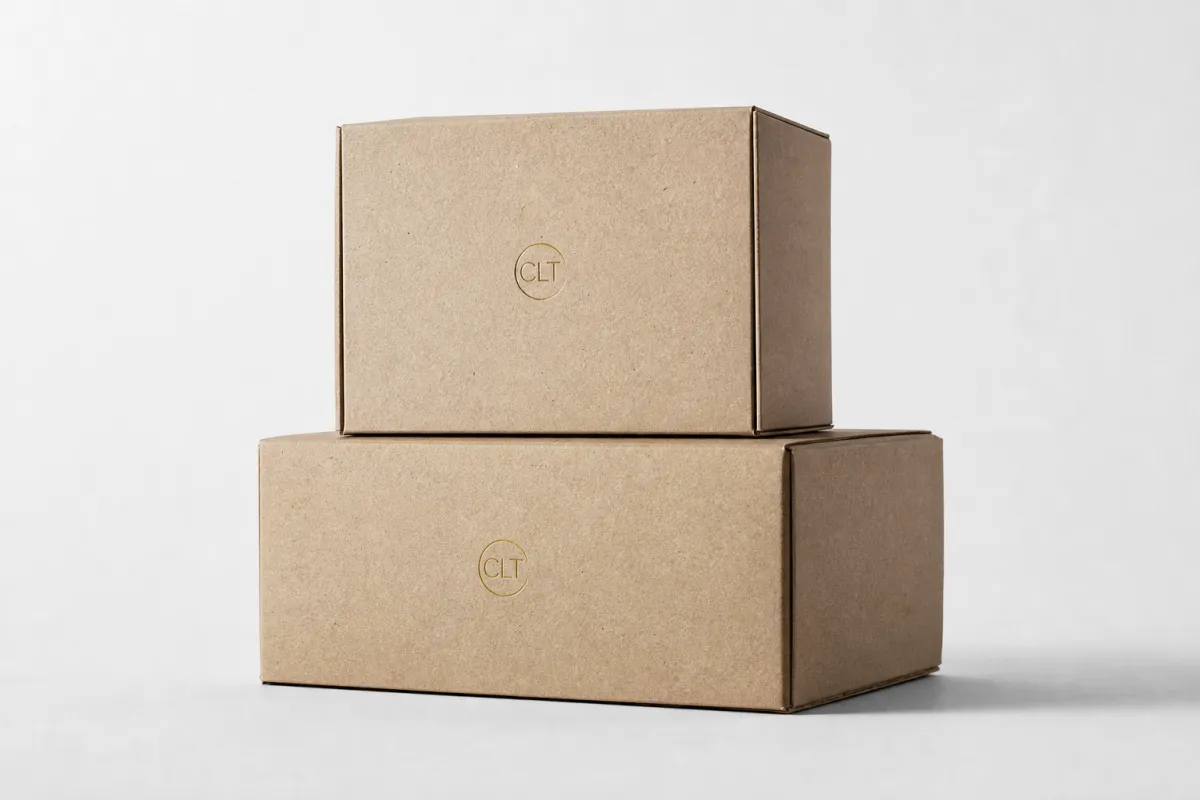
Printed recycled carton boxes are carton-board packages made with recycled fiber content and decorated with branding, regulatory copy, ingredient panels, and product information. They are often used for retail-ready products, secondary packaging, and display-facing cartons where the box has to communicate value before the customer opens it. Recycled content does not automatically make a carton dull, weak, or low grade. Printed recycled carton boxes can be specified to look refined and perform well, provided the board grade matches the job.
That is different from Corrugated Shipping Cartons. Corrugated board is built for compression strength and transit protection, not shelf aesthetics. Virgin paperboard cartons often deliver brighter whites and more predictable print results, but they bring a different material profile and a different cost structure. Printed recycled carton boxes sit between those options. Brands tend to choose them when they want a retail finish, a lower material intensity profile, and a credible sustainability message without moving into plastic-heavy formats.
The recycled fiber content can vary widely. Some printed recycled carton boxes use high recycled content boards with a natural gray cast. Others use recycled-content boards with a coated white top layer so the outer print surface still supports crisp typography, clean color, and accurate brand tones. That is why two cartons labeled "recycled" can behave very differently on press and on shelf. One may suit a kraft-forward look. Another may hold detailed CMYK artwork, fine barcodes, and a soft-touch finish without losing clarity.
Brands choose printed recycled carton boxes for several practical reasons. Shelf presence comes first. A carton with good structure and thoughtful finishing can look premium without plastic windows or heavy lamination. Clearer sustainability messaging follows. When the board is sourced carefully and the copy is honest, the carton can support a more responsible material story. Another reason is alignment with broader environmental targets, especially when a brand is trying to reduce virgin fiber use or work toward FSC-certified sourcing.
What buyers usually want to know: can printed recycled carton boxes look good, stay within budget, and still meet retail or distribution demands? Yes, but only if the board grade, print method, and finishing choices are specified as one system rather than three separate decisions.
In a packaging audit I sat in on last year, a brand team spent more time debating a coating than the actual board spec. That order of operations was backwards. Once the supplier showed how the recycled board behaved under the chosen press and finish, the decision became obvious. The carton wasn't the problem; the spec was. Comparing multiple structures early helps avoid that kind of confusion. If you are balancing mailer boxes, folding cartons, inserts, and display packs, the broader Custom Packaging Products range can help define the structure before artwork starts to drive the discussion. That saves time later, especially when several SKUs need to share one visual system.
How Printed Recycled Carton Boxes Move From Fiber to Shelf
Printed recycled carton boxes begin with recovered paper collection. The fiber is sorted, cleaned, and pulped, then reprocessed into sheet stock. During that process, contaminants such as ink residue, adhesives, staples, coatings, and mixed paper grades are removed as thoroughly as possible. Cleaner recovered fiber creates more predictable board. That predictability matters because the board is not just a substrate; it is the structural and visual base for everything that follows.
Recycled fiber quality affects brightness, stiffness, thickness, and surface smoothness. Brightness influences how white the carton appears before printing. Stiffness determines whether the panel stays crisp or feels soft in the hand. Thickness and caliper influence fold behavior, score quality, and how the carton closes. Surface smoothness is especially important for printed recycled carton boxes because fine typography, line art, and photo imagery depend on how evenly the ink sits on the sheet. A rough surface can add character, but it can also reduce detail and make color coverage less consistent.
The print method changes the outcome too. Offset printing is often chosen for sharper image reproduction and tighter color control on medium to longer runs. Digital printing works well for shorter runs, variable data, and faster approvals. Flexographic printing can be practical for simpler artwork or larger quantities, especially when line speed matters more than photographic detail. Coating systems also play a quiet but important role. A water-based coating can improve rub resistance, reduce scuffing, and give the carton a cleaner feel without adding a heavy plastic layer.
That is why printed recycled carton boxes are usually specified with print performance in mind, not just environmental intent. A board that is too soft may crack at score lines. A board that is too absorbent may mute bright reds or dark blues. A board that is too coarse may make small type look fuzzy. The right sheet balances those risks against the sustainability target the brand is trying to reach.
On the shelf, the package has one job: communicate clearly and hold shape. Printed recycled carton boxes need to survive handling, stacking, shipping, and repeated contact from shoppers or warehouse teams. If the carton arrives at retail with crushed corners, the graphics matter far less. If the box keeps its structure, presents color consistently, and still reflects the brand's material values, the package has done its work.
For more context on recycled paper and curbside recovery basics, the EPA recycling guidance is useful. It does not replace supplier specification, but it does help anchor the conversation in how paper streams are actually handled.
Printed Recycled Carton Boxes Cost and Pricing Factors
Cost is where printed recycled carton boxes become very real very quickly. On paper, recycled board can sound like an easy sustainability win. In pricing terms, the result depends on board grade, recycled content ratio, print coverage, color count, coatings, die-cuts, inserts, and how much finishing work the carton needs. A simple one-color carton with a straight tuck closure is a different economic animal from a full-color cosmetic box with embossing, spot varnish, and a custom insert.
The first thing to separate is unit cost from total landed cost. Unit cost is what the quote says per box. Total landed cost includes freight, plate or die setup, sample rounds, approval delays, waste allowance, storage, and the cost of any reprint risk if the first run misses the color target. That distinction matters because printed recycled carton boxes can look inexpensive in a per-piece quote while becoming expensive once the rest of the production chain is included.
MOQ realities deserve a blunt answer. Short runs are flexible, but setup costs hit harder when the quantity is low. Longer runs usually improve efficiency because the machine time, tooling, and prepress work spread across more units. In the market, that often means a small digital run may price higher per unit but save time and inventory risk, while a larger offset or flexo run may lower unit cost if the design is stable and the forecast is reliable.
Here is the buyer rule that saves the most frustration: compare printed recycled carton boxes on the same spec sheet. Board weight, recycled content, coating type, print coverage, and finish all need to be aligned before any quote is meaningful. Two quotes can look close and still be built on different cartons. One may use a heavier board. Another may include a protective coating. A third may omit die-cut inserts entirely. That is not apples-to-apples. That is a spreadsheet trap.
| Print Method | Typical MOQ | Indicative Unit Price Range | Best Fit | Main Tradeoff |
|---|---|---|---|---|
| Digital | 100 to 2,000 units | $0.42-$0.95 each | Short runs, quick changes, SKUs with variable data | Higher per-unit cost, especially as volume rises |
| Offset | 2,000 to 20,000 units | $0.18-$0.38 each | Sharp graphics, stable designs, retail presentation | More setup time and proofing before production |
| Flexographic | 5,000+ units | $0.14-$0.30 each | Simple artwork, larger campaigns, speed-sensitive jobs | Less forgiving on fine detail and heavy image work |
Those ranges are a decision lens, not a promise. A recycled carton with a complex structural insert or premium finish can land well outside those numbers. A very simple branded sleeve can sit below them. Even so, the table shows the shape of the market. Printed recycled carton boxes reward clear specifications and punish vague requests.
Print coverage deserves attention too. Full-coverage dark artwork often costs more because it uses more ink, demands tighter color control, and can expose surface variation in the board. Small logos and restrained graphics are cheaper to execute, but they are not always the right visual choice. If the brand story depends on the carton itself, a modest increase in print complexity may pay back in shelf impact. That trade-off should be deliberate, not accidental.
Finishing choices matter as well. Matte coatings usually feel more premium and reduce glare, but they need testing for scuff resistance. Soft-touch finishes can elevate the box experience, though they may not suit high-handling or humid environments. Foil and heavy lamination can look striking, but they can also complicate end-of-life handling. For many buyers, a water-based coating is the practical middle path for printed recycled carton boxes.
If you are comparing structure as well as price, it helps to revisit the broader custom packaging catalog before approving the final carton spec. A few minutes there can prevent weeks of rework later.
Printed Recycled Carton Boxes Production Timeline and Lead Time
Production timing for printed recycled carton boxes usually follows a predictable path: requirements, artwork, prepress, proofing, sample approval, production, finishing, packing, and delivery. One weak step can hold up the entire chain. Packaging teams often feel the delay in proofing long before they see the finished cartons. That is why timeline planning should start with the product launch date, not the press schedule.
Late artwork changes are a major source of delay. So is board stock availability. If the exact recycled board grade is not in the warehouse, sourcing can add days or even weeks. Color matching is another common bottleneck, especially when a brand expects rich, saturated tones on a recycled surface that behaves differently from virgin board. Printed recycled carton boxes need more approval discipline because the material itself can influence the final result.
Lead time also shifts with print method and finishing complexity. A straightforward digital job with existing dielines might move in 7 to 10 business days after proof approval. A more elaborate offset run with special coating, spot color matching, or a custom die-cut can sit in the 12 to 20 business day range. If new structural tooling is needed, the schedule usually stretches further. That is before shipping time, customs delays, or seasonal congestion enter the picture.
For first orders, build in a buffer. For seasonal launches, build in a larger one. For regulated products, assume there will be one more review cycle than planned. That is not pessimism. It reflects how packaging programs usually behave once real people, real approvals, and real inventory deadlines enter the picture. Printed recycled carton boxes are no exception.
Where do timelines slip most often? Artwork sign-off, sample confirmation, and last-minute copy revisions. A carton may be structurally ready, but a changed barcode or a legal line can push the whole order back if the proof cycle has already closed. A disciplined approval process is not bureaucracy for its own sake. It is what keeps the project on the calendar.
In practice, the best teams do one very unglamorous thing: they lock the copy before they fall in love with the mockup. That sounds boring. It saves launches. Printed recycled carton boxes are far easier to keep on schedule when everyone knows which details are frozen and which ones are still moving.
Step-by-Step Guide to Specifying the Right Box
Start with the product, not the artwork. Weight, dimensions, fragility, shelf life, and retail environment should define the carton spec before anyone debates color palettes. A fragrance carton, a supplement carton, and a lightweight hardware carton do not ask the same things from the board. Printed recycled carton boxes should be chosen to fit the product reality first and the graphic story second.
Next, choose the structural format, board grade, and closure style. A tuck-end carton may be perfect for one item. A sleeve and tray may be better for another. The goal is to make the box perform as packaging, not just as print space. If the carton opens awkwardly, ships badly, or crushes under light stacking pressure, the visual design cannot rescue it. That is the moment to ask for sample structures or mockups, then test how the box folds, closes, and resists scuffing.
Move to the graphics after that, but keep practical constraints in view. Barcode placement should be clear and scannable. Legal copy needs enough contrast and quiet space. Recycling marks should not compete with the brand mark. If the carton carries a lot of product information, the panel hierarchy needs to guide the eye rather than overwhelm it. Printed recycled carton boxes work best when the artwork respects the board instead of fighting it.
Packaging testing belongs in the conversation early too. If the carton is going into distribution, ask whether the packout should be checked against ISTA methods or ASTM D4169 distribution thinking. That matters especially when the inner product is fragile or the outer pack will face vibration, drop, or compression during transit. Even if the carton is mainly retail-facing, sample validation can reveal fold cracking, color shift, or scuff issues before production starts.
Here is a simple vendor checklist that keeps printed recycled carton boxes on track:
- Final product dimensions and target fill weight
- Board grade, recycled content target, and finish requirement
- Artwork files, copy approval, and barcode placement
- MOQ, tiered pricing, and freight terms
- Proofing method, sample approval step, and sign-off timeline
- Expected lead time from approval to shipment
That checklist looks basic, but basic is what saves money. It turns a vague packaging request into a repeatable specification. If you are sourcing several carton formats at once, it can also help to review the Custom Packaging Products options side by side so the structural choice stays aligned with the product family.
One more practical point: ask for samples that reflect the real surface, not a best-case marketing mockup. Printed recycled carton boxes should be judged on the board that will actually be used, with the actual coating and the actual print method whenever possible. That is the only reliable way to know whether the final run will match expectation.
Common Mistakes With Printed Recycled Carton Boxes
The first mistake is treating recycled and recyclable as identical. They are related, but they are not the same thing. A carton can contain recycled fiber and still have a finish or laminate that complicates local recycling behavior. The reverse is true too: a carton can be recyclable in principle yet not contain recycled content. Buyers should ask what the board contains, what the coating does, and how the finish affects end-of-life handling before they make environmental claims.
The second mistake is chasing the lowest unit price and ignoring waste, freight, and reprint risk. Printed recycled carton boxes that look cheap on a quote can become expensive if the supplier needs multiple proof rounds or if the color misses the target and the job has to be repeated. In a live program, the more useful question is simple: what does the total package cost after errors, shipping, and storage are included?
The third mistake is approving artwork without checking how recycled board shifts color. Bright tones can soften. Dark solids can show unevenness. Fine detail can lose sharpness if the surface texture is more open than expected. That does not mean the carton will look bad. It means the design should be built for the substrate rather than copied from a virgin-board spec and hoped into place.
A recycled carton that needs rework twice is not sustainable. It is extra paper, extra freight, and extra time.
The fourth mistake is ignoring moisture, compression, and handling stress. Printed recycled carton boxes may look perfect at approval, then bow slightly in humid storage or show abrasion after a long distribution run. If the package will live in a warehouse, a storeroom, or a warm fulfillment environment, the spec needs to account for that reality. A coating choice that looks excellent on press can still fail if it cannot tolerate the route to shelf.
The fifth mistake is skipping sample validation and assuming the first production run will match the screen proof. That assumption costs more than it saves. A sample shows how the board behaves, how the fold scores respond, and whether the print feels balanced across the panels. It also gives the team one more chance to fix copy, finish, or structure before hundreds or thousands of boxes are committed.
If sustainability language is part of the brief, pair the carton decision with sourcing language that can be defended. FSC-certified boards can help support chain-of-custody claims, and that is one reason many brands prefer to keep the paper story clean from the beginning. The FSC site is a useful reference point when your team needs to align procurement language with sourcing claims.
There is also a subtler mistake I see all the time: writing packaging copy that sounds greener than the supply chain actually is. That kind of language may read nicely in a deck, but it does not survive a buyer's question or a retailer audit. Honest wording is slower, sure, but it is much safer.
Expert Tips and Next Steps for Printed Recycled Carton Boxes
The best printed recycled carton boxes do two things at once: they make the sustainability story visible and they make the packaging job easier. That sounds straightforward, but it takes discipline. If the board choice forces weak print quality, the story loses credibility. If the graphics look polished but the carton is overbuilt for the product, the sustainability claim loses weight. The sweet spot is where material choice, structure, and design all pull in the same direction.
One practical tip is to specify finish choices around real use. Matte coatings work well when a premium, understated look is the goal. Scuff-resistant finishes matter when the carton is handled often. Water-based coatings can be a sensible default for many printed recycled carton boxes because they add protection without making the package feel plastic-heavy. The finish should support the use case, not just the mood board.
Another useful habit is to compare suppliers on a single baseline spec. Ask each quote to reflect the same board weight, recycled content target, finish, print method, and quantity tier. That makes the numbers readable. It also exposes which supplier is genuinely efficient and which one is quietly adjusting the spec to look cheaper. If the options still feel too broad, start with the structural options in Custom Packaging Products and narrow the carton format before asking for final pricing.
From an operations standpoint, I would also keep one eye on print waste. Even a modest reduction in spoilage can matter more than a tiny shift in board price. A supplier who holds color more consistently, or who nails the die-cut on the first pass, can save money in ways that never show up in a flashy quote. That is the kind of detail people forget until the rerun invoice lands.
For next steps, keep the action list concrete:
- Audit your current carton and note what is working and what is failing.
- Collect two to three sample specs for printed recycled carton boxes, not just one quote.
- Request tiered pricing so you can see where quantity breakpoints actually sit.
- Confirm proofing, sample approval, and delivery assumptions in writing.
- Set a launch buffer before the order is released.
That process keeps the project honest. It also helps you avoid the most common trap in packaging procurement, which is treating the carton as a last-minute accessory rather than part of the product strategy. Printed recycled carton boxes work best when sustainability, Cost, and Performance are planned together from the start, not patched together after the artwork is already final.
When those pieces line up, printed recycled carton boxes do more than carry a product. They support the brand story, protect the item, and keep the packaging program grounded in real-world production logic. That is the kind of packaging decision that survives the shelf, the warehouse, and the buyer meeting. And if you are making one change first, make it this: specify the board and finish before you polish the artwork. That order alone prevents a lot of unnecessary back-and-forth.
Are printed recycled carton boxes still recyclable after printing?
Usually yes, if the board stays fiber-based and the finish is compatible with local recycling streams. Heavy plastic lamination, foil, or non-fiber components can reduce recyclability or make sorting more difficult. Before you approve the spec, ask the supplier which inks, coatings, and adhesives were used so you know how the finished carton is likely to behave at end of life. Local recycling rules vary, so a carton that is accepted in one city may be handled differently in another.
What is the minimum order for printed recycled carton boxes?
MOQ depends on print method, tooling, and board availability rather than a universal number. Digital printing often supports lower quantities, while offset and flexo usually reward larger runs. The cleanest way to compare options is to ask for multiple quantity tiers so you can see where setup cost starts to fall and unit cost starts to improve. If a supplier will only quote one volume, ask for a second scenario; otherwise you are guessing in the dark.
How long do printed recycled carton boxes take to produce?
Timeline depends on artwork approval, sampling, board sourcing, and finishing complexity. First orders usually take longer because proofing and structural checks add extra steps. If the launch is tied to a seasonal campaign or a regulated product, build in buffer time early so the schedule does not collapse when one approval takes longer than expected. A simple run may move in just over a week, while more involved jobs often need two to three weeks or more.
Do printed recycled carton boxes cost more than virgin board cartons?
Not always. The final price depends on board grade, print coverage, quantity, and finishing choices. A recycled board carton can be very competitive when the run length is strong and the design is efficient. The most useful comparison is total landed cost, not just the quoted unit price, because freight, waste, and reprint risk can change the economics fast. In some programs, the recycled option is actually cheaper once the full production picture is visible.
Which finish works best on printed recycled carton boxes?
Water-based coatings are often a strong fit when you want protection without heavy plastic layers. Matte or soft-touch finishes can elevate perceived value, but they should be tested for scuff resistance and handling wear. The best finish depends on whether the box is retail-facing, mail-order, or stored in conditions where humidity and abrasion are part of daily life. For many brands, printed recycled carton boxes make the most sense when the finish supports both the shelf experience and the recycling story.