Buyer Fit Snapshot
| Best fit | Printed Recycled Labels with CMYK for Sustainable Packaging projects where brand print, material claims, artwork control, MOQ, and repeat-order consistency need to be specified before quoting. |
|---|---|
| Quote inputs | Share finished size, material target, print colors, finish, packing count, annual reorder estimate, ship-to region, and any compliance wording. |
| Proofing check | Approve dieline scale, logo placement, barcode or warning zones, color tolerance, closure strength, and carton packing before bulk production. |
| Main risk | Vague material claims, crowded artwork, missing packing details, or unclear freight terms can make a low unit price expensive after revisions. |
Fast answer: Printed Recycled Labels with CMYK for Sustainable Packaging should be specified like a repeatable production item. The safest quote records material, print method, finish, artwork proof, packing count, and reorder notes in one written spec.
Production checks before approval
Compare the actual filled-product size with the drawing, then confirm tolerance on folds, seals, hang holes, label areas, and retail display edges. Reserve space for logos, QR codes, warning copy, and material claims before decorative graphics fill the panel.
Quote comparison points
Review material grade, print process, finish, sampling route, tooling charges, carton quantity, and freight assumptions side by side. A quote is only useful when the supplier can repeat the same color, closure quality, and packing count on the next order.
Printed recycled Labels with CMYK can look smart, sturdy, and responsible in the same breath. They do not behave like glossy stock from a polished mockup, though. A deep blue that looks punchy on a monitor can print a little softer on recycled paper, with the fiber showing through and the base tone warming everything up. That is not a failure. It is paper being paper.
For brands trying to cut back on virgin material without making the package look like it came from a craft bin, that difference matters. Recycled label stock brings texture and a more natural finish. CMYK printing gives enough flexibility to handle logos, copy, illustrations, and small details in one pass. The catch is simple: the material changes the color behavior, so the print plan has to work with the substrate instead of pretending it is invisible.
A recycled label should look intentionally softened by the stock, not accidentally dulled by sloppy planning.
Printed Recycled Labels with CMYK: Why They Stand Out
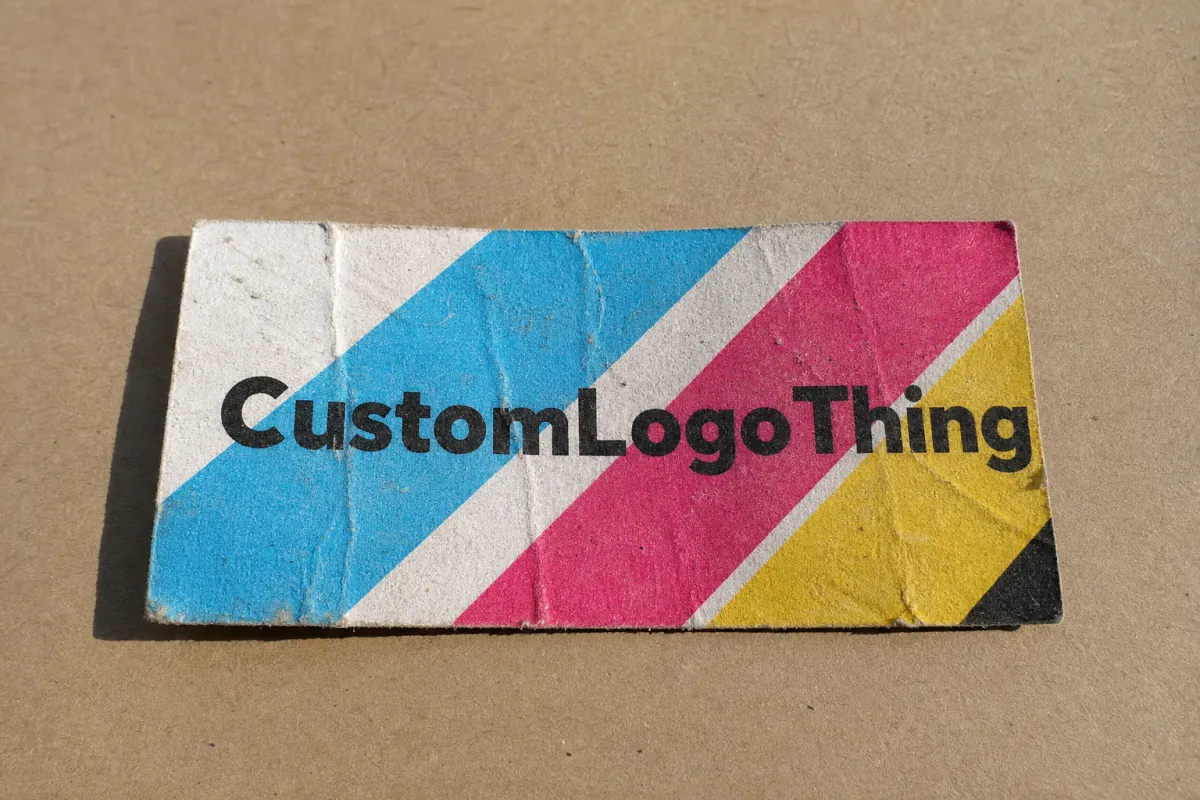
Printed recycled labels with CMYK are labels made on recycled or recycled-content facestocks using the four-color process: cyan, magenta, yellow, and black. Those inks mix to create a wide range of colors, gradients, icons, product copy, and photographic elements, which makes CMYK a practical choice for brands that need more than a single flat tone. Recycled papers still support that range, but the final look usually feels calmer and less mirror-bright than a coated premium label.
That is often the point. Sustainable packaging buyers want the label to feel grounded, not shiny for the sake of it. The stock becomes part of the message. A lightly textured white recycled sheet can make a tea, skincare, candle, or specialty food label feel more thoughtful than a high-gloss synthetic film, especially when the brand wants to signal environmental intent without sliding into the usual rustic cliché.
The benefit is not only visual. Recycled materials can reduce virgin fiber use, support FSC or recycled-content sourcing goals, and make a packaging program line up better with the rest of the brand's sustainability work. If those claims matter to your team, check the sourcing details and chain-of-custody options through organizations such as the Forest Stewardship Council where appropriate. That said, do not treat a recycled-content claim as a free pass. Ask what the claim actually covers, because "recycled" can mean different things depending on the supplier and the substrate.
The tactile side matters too. Many recycled stocks have visible fibers, a warmer white point, or a dry hand-feel that signals authenticity before the customer even reads the copy. That texture can lift a design when the artwork is built for it. It can also make tiny type and thin rules look weak if the layout assumes a smooth coated surface. A file that looks elegant on screen can turn fussy on an absorbent sheet. It happens more than designers like to admit.
Start with the right expectation. Nobody wins by forcing recycled stock to behave like coated art paper. The goal is clean print, readable copy, and a label that fits the brand while still respecting the material. For teams comparing Custom Labels & Tags options, that balance is usually where the best result lives. The prettiest mockup is not automatically the strongest production choice.
How CMYK Printing Behaves on Recycled Label Stocks
CMYK is built on layered dots. Cyan, magenta, yellow, and black land in small patterns, then blend at viewing distance to create the full image. Smooth, bright stock gives you a tight, vivid result. Recycled stock usually absorbs a bit more ink, which changes density, contrast, and the way fine edges read around type and graphics.
Printers call that dot gain, and it is one of the reasons proofing matters. A paper that pulls in more ink can make a 100% black build feel heavier, a subtle gradient feel flatter, or a muted earth tone look a shade deeper than expected. None of that is broken. It is the substrate doing its job. If you are buying labels for a product line that depends on color consistency across multiple SKUs, that behavior needs to be part of the plan from the start.
Surface Type Changes the Outcome
An uncoated recycled facestock behaves differently from a matte-coated recycled facestock, and both behave differently from a lightly treated or semi-gloss surface. Uncoated stock absorbs more ink, which softens edges and lowers perceived brightness. Matte-coated recycled labels hold dot shape a little better, so they tend to give cleaner type and more controlled solids. Lightly treated surfaces sit somewhere in the middle, with better definition but still a natural look.
For brand teams, the choice usually comes down to three questions:
- How much color accuracy matters for logos, product names, and regulatory text
- How tactile the label should feel in the hand
- How much environmental simplicity the label needs to preserve
If the artwork is mostly text, icons, and a modest color palette, CMYK on recycled stock can perform very well. If the design depends on a brand-critical red, a very specific blue, or a metallic effect, a spot color may be the better move for one or two elements. Many printers also use a hybrid approach, with CMYK handling the general artwork and a spot color locking down the brand-specific piece. That is not a compromise. It is usually the most practical way to keep both flexibility and brand control.
Where CMYK Works Best
CMYK shines when the label needs flexibility. It handles ingredient panels, product descriptions, illustrations, seasonal artwork, variable data, and mixed imagery without demanding a separate ink station for every color. That makes it a natural fit for digital printing and for many long-run jobs produced through flexographic printing or sheet-fed offset printing.
It gets less forgiving when the design leans on very saturated solids or tiny reversed-out text on textured recycled paper. A soft white stock can still look excellent, but the art has to respect the material. Larger type, stronger contrast, and slightly simpler color builds usually survive the press much better than delicate gradients and hairline elements. If a design system depends on microscopic text to feel refined, recycled paper is not going to save it. It will expose it.
That is why experienced print teams ask to see the artwork before they quote the job. The facestock changes the result, and the design can either work with that behavior or get dragged around by it. The best recycled label jobs feel deliberate because the brand understood the material, not because the press operator had to rescue the file at the last minute.
There is one more practical point. CMYK is great for flexibility, but it is not a magic color-matching tool. If a brand color has to hit a narrow target every time, expect proofing, minor adjustments, or a spot ink. That is normal. It is also cheaper than pretending the first run should magically nail a difficult color on a recycled sheet.
Key Factors That Shape Color, Adhesion, and Sustainability
Three choices drive most of the outcome: the facestock, the adhesive, and the finish. If those three pieces are selected well, printed recycled labels with CMYK usually behave in a stable, predictable way. If one of them is mismatched to the use environment, the job can look fine on press and still fail on the package line, in cold storage, or after a few days of handling.
The facestock is the visible face of the label, and it is the part buyers usually notice first. Recycled paper stocks can range from rough kraft-style sheets to smoother white recycled papers with more refined printability. Some carry recycled-content claims, some are certified through FSC systems when chain-of-custody matters, and some are built specifically for better ink holdout. If you want a cleaner sustainability story, ask what percentage of post-consumer fiber is in the sheet and whether the supplier can document the claim clearly. A vague answer should raise a flag.
The adhesive matters just as much. A food jar heading into a chilled case has different needs from a candle jar sitting on a retail shelf. A removable adhesive may work for short-term promotions, but a permanent acrylic adhesive is often the safer choice for long wear, corrugated shipping, or condensation-prone environments. For freezer or cold-chain work, the adhesive has to be matched to low-temperature application and service conditions, not just to the label face. In other words, the label has to stick after the romance fades.
Finish Can Help or Hurt Recyclability Goals
Print finishing affects both appearance and end use. A matte varnish can cut glare and improve readability. A semi-gloss coating can sharpen the print and keep the label from feeling too dry. A plastic lamination can boost durability, but it may also create a recycling complication if the sustainability plan depends on paper recovery. That does not make lamination wrong. It just means the team has to decide what matters most: handling durability, moisture resistance, or material simplicity.
In a lot of cases, an aqueous coating or press varnish gives a better balance than a heavier plastic film. The label still looks finished, the colors stay controlled, and the package keeps a more recyclable profile than a fully laminated construction. That choice is not universal. If the package gets beaten up by abrasion, oil, refrigeration, or repeated handling, durability can override the cleaner end-of-life story without apology.
There is a practical sustainability truth here. A recycled label that fails in use creates waste, replacement orders, and extra freight, which can erase part of the benefit the team hoped to capture. For that reason, the best spec is usually the one that fits the product's handling needs with the least unnecessary material, not the one that sounds greenest on a slide deck.
For buyers who want more packaging context, the Institute of Packaging Professionals publishes useful industry guidance and educational material on packaging design, performance, and material decisions. That kind of reference helps a team compare recycled stocks, label constructions, and end-use demands without guessing. If a supplier cannot explain the trade-offs clearly, keep asking. Silence is not a spec.
If the package has to survive rough transit, ask whether the application has been reviewed against relevant shipping expectations, including ISTA methods for distribution testing. Not every label needs that level of review, but e-commerce packs, multipacks, and secondary packaging often benefit from it. A label that survives the warehouse and falls apart in the truck is a packaging failure, not a label failure.
Production Steps, Timeline, and Lead Time Expectations
Most label jobs follow the same basic sequence, but recycled materials add a few more decision points. The bigger the color concern, the more valuable each step becomes. A label built as printed recycled labels with CMYK should be treated like a real production project, not just a file upload with hope attached.
- Dieline review - The printer checks shape, bleed, corner radius, and panel placement. This is where artwork mistakes are easiest to catch before anything gets locked. It is also where bad assumptions about label size show up fast.
- Artwork prep - Files are checked for resolution, image placement, overprint behavior, and black build. Recycled stock usually rewards cleaner artwork rather than busy, ultra-thin detail. If the layout is crowded, the stock will not politely hide it.
- Proofing - A digital proof confirms layout, spelling, and general color behavior. For critical jobs, a press proof or substrate sample is better because it shows the actual stock, not a simulation. A screen proof is useful; it is not a substitute for the real thing.
- Material sourcing - The chosen recycled facestock, liner, and adhesive are reserved. If the material is specialty-sourced, this can become the bottleneck.
- Printing - The job runs on digital, flexographic, or offset equipment depending on quantity, color needs, and finishing requirements.
- Print finishing - Varnish, slitting, matrix removal, die cutting, or special finishing is completed before shipment.
Lead time depends heavily on print method. Simple digital printing jobs often move in about 5 to 8 business days after proof approval if the material is on hand and the file is ready. Conventional flexographic printing jobs usually need 10 to 15 business days, especially if the job needs plates, tighter calibration, or a custom stock order. Sheet-fed offset printing can land in the middle or on the longer end depending on quantity, finishing complexity, and how the printer builds the production schedule around the run.
The common delay points are easy to predict. File corrections take time. Color approval takes time. Material sourcing takes time. Custom shapes, variable data, and special finishing add another layer. A first-time order should usually carry some buffer, because the first approved proof often teaches the team something useful about brightness, contrast, or adhesive behavior that the screen file never showed.
If the label has to survive distribution, ask about testing and handling early. For tougher transit applications, labels may need to be considered alongside package performance methods from ISTA, especially when the package will be stacked, dropped, or vibrated in shipping. The label is only one part of the system, but it should support the package instead of becoming the weak link.
One rule saves a lot of pain: if the artwork is still changing, do not lock the print schedule too early. Final files, approved proofs, and confirmed materials should line up before the run is released. That habit prevents more reprints than most teams want to admit. It also keeps the production team from guessing, which is usually a bad sign in any plant.
Cost, Pricing, and MOQ for Printed Recycled Labels
Pricing for printed recycled labels with CMYK comes down to a few concrete variables: label size, quantity, substrate grade, ink coverage, finishing, and print method. The recycled content itself does not automatically make the label expensive, but specialty papers, lower availability, or a more demanding adhesive can push the number upward. A job that looks simple can get pricier once the team asks for a custom shape, a durable finish, and a tight brand-color target.
MOQ, or minimum order quantity, follows the production method. Digital jobs are usually the most flexible, so they can support smaller runs without the economics falling apart. Flexographic and offset jobs tend to reward larger volumes because setup work gets spread across more labels. If a brand is launching a test product or seasonal edition, digital printing often makes the most sense. If the same label will repeat for months, conventional print may give a better unit cost.
Here is a practical planning table that compares common approaches. The numbers are typical ranges only, and a real quote will move with material choice, artwork density, and freight.
| Print Method | Typical MOQ | Setup Cost | Typical Unit Price | Best Fit |
|---|---|---|---|---|
| Digital printing | 250 to 1,000 labels | $25 to $150 | $0.08 to $0.35 per label | Short runs, fast approvals, variable data, smaller launches |
| Flexographic printing | 2,500 to 10,000 labels | $150 to $500 | $0.01 to $0.08 per label at volume | Repeat orders, strong solids, larger production lots |
| Sheet-fed offset printing | 1,000 to 5,000 sheets or equivalent | $200 to $600 | $0.03 to $0.12 per label depending on layout | Fine detail, multi-color artwork, sheet-oriented production |
Those ranges are useful because they show where the real cost pressure lives. A recycled paper with a textured face can add a little to the material cost. Heavy ink coverage adds press time and sometimes waste. Tight color matching may require extra proof rounds. Special adhesives can also move the quote, especially if the job needs freezer performance, moisture resistance, or stronger tack on rough cartons.
Ask for pricing in a format that makes comparison easy:
- Price per label rather than only per roll or per sheet
- Setup charges for plates, art prep, or die work
- Proof fees if a press proof or sample run is needed
- Freight so the delivered cost is clear
- Reorder pricing for repeat jobs with no art change
That last point matters more than many buyers expect. A first run may carry setup and proof expenses that disappear later. If the label is going to be reordered, the team should know the repeat economics before approving the initial order. That is where a clean spec sheet saves time and money. It also keeps procurement and design from arguing about a number that was never comparable in the first place.
Common Mistakes When Ordering Recycled CMYK Labels
The most common mistake is designing on a screen that looks nothing like the final material. A coated display file can make colors look brighter and cleaner than they will on recycled stock, so the first physical proof feels disappointing when, really, it is just honest. If the label is meant for recycled paper, the art should be judged on recycled paper, not on a monitor full of backlit optimism.
Another frequent problem is file setup. Low-resolution images, missing bleed, incorrect die lines, or black builds that are too heavy for the chosen stock can all create headaches once the job is on press. Recycled papers are often less forgiving of sloppy file construction because they do not hide weak type edges or muddy shadows as easily as some coated stocks do.
It is also a mistake to choose the facestock before confirming the adhesive and use environment. A beautiful recycled label on the wrong adhesive may peel in condensation, curl on a textured carton, or fail after refrigeration. That kind of problem costs more than the original label difference because it affects packaging flow, customer perception, and sometimes product loss.
Another misunderstanding is treating all recycled materials as if they are identical. They are not. Fiber content, whiteness, thickness, texture, liner choice, and surface treatment can vary a lot. Two papers with similar names may print very differently, and that is why sample review matters. A facestock That Feels Premium in the hand may still need a different color build than the one the design team had in mind.
Skipping a physical proof can turn a small shift into a brand-wide issue. The print file may look acceptable on screen, but the actual label can run darker, warmer, or less saturated than expected. That gets risky fast on packaging systems where the same label repeats across multiple SKUs. One mismatch can make the line look inconsistent even when every label technically came from the same artwork.
For buyers comparing Custom Labels & Tags options, the lesson is simple: ask how the printer proofs recycled stock, not just how it quotes it. That one question often separates a smooth launch from a batch of preventable revisions. It also tells you whether the supplier understands production or just knows how to send a quote.
When a recycled label order goes wrong, the problem is usually not the recycled material itself; it is the lack of testing against that material.
Expert Tips for Cleaner Color and Better Press Results
If cleaner color is the goal, start with the stock. A recycled paper with a warm tone and visible fiber content benefits from stronger contrast, slightly larger type, and more disciplined ink limits than a bright coated sheet would. Deep black backgrounds, tiny reversed-out copy, and ultra-fine strokes deserve extra care because they can close up or soften when the ink hits a more absorbent surface.
Ask for substrate samples before final approval whenever the feel or appearance matters to the brand story. A physical sample tells you more than a color swatch on screen ever will. It also helps the design team understand how much texture is visible, how the adhesive-backed material handles bending, and whether the finish feels too dry or just right for the package style. If the brand is selling "natural," the sample should look natural, not just claim it.
A useful habit is to define a small print tolerance plan before the run begins. That plan should explain what counts as acceptable variation in hue, solid density, and registration. Teams that agree on those limits early usually avoid the awkward mid-run conversation where everyone is staring at the same label but judging it by different rules. No one enjoys a debate about whether "slightly warmer" is acceptable after 20,000 labels are already in boxes.
It also helps to involve the press team early, especially when the artwork includes a logo with delicate linework, a gradient that has to stay smooth, or legal copy that cannot lose sharpness. The better printers will tell you if a specific color build is too ambitious for the chosen paper, and that honesty is worth more than a quote that looks pretty but falls apart in production.
How to Improve Results Before the Job Hits the Press
- Design with the stock in mind - Use stronger contrast and avoid tiny reversed type on textured recycled papers.
- Keep image files sharp - Aim for print-ready artwork at 300 dpi or better at final size.
- Use the right black build - Rich black can work, but heavy builds should be checked against the facestock.
- Choose finishing for the use case - A matte varnish may be better than a glossy coating for many recycled labels.
- Balance CMYK and spot color wisely - Let CMYK handle the flexible work and reserve spot color for the elements that must stay exact.
Those choices may sound small, but they shape how the label feels in hand and how consistent it looks across a production run. A label that prints beautifully but handles poorly is not a success. A label that reads clearly, sticks properly, and matches the brand's sustainability goals is the one that usually wins in the field.
There is another quiet advantage to early collaboration: fewer surprises during reorders. Once a recycled stock, adhesive, and CMYK build are dialed in, repeat work tends to move faster and waste less. That matters a lot for brands that need rolling replenishment rather than one huge seasonal order. It also keeps the brand from re-learning the same lesson every quarter, which is a painful hobby.
Next Steps for Planning Your Recycled CMYK Label Order
Before you request pricing, gather the information that matters most. A printer can quote faster and more accurately when the spec is complete, and a clean spec sheet tends to cut down on back-and-forth during proofing.
Start with the basics:
- Label dimensions and shape
- Substrate preference, such as recycled paper, recycled-content stock, or a particular texture
- Adhesive needs for dry, chilled, freezer, corrugated, or retail use
- Quantity and expected reorder volume
- Finish preference, including matte, semi-gloss, varnish, or other print finishing
- Artwork files, dieline, and brand color references
Then ask for a proofing plan. The best plan explains whether the printer will send a digital proof, a substrate sample, or a press proof, and how color will be checked against the recycled material. If the label has strict brand-color expectations, the team should know that before the run is approved. If the label is more about natural presentation and readability, the plan can focus on consistency and practical durability instead of chasing a perfect coated-paper match.
It also makes sense to compare quotes on the same spec sheet. One supplier may look cheaper simply because the paper grade is lighter, the adhesive is less demanding, or the finish is simpler. Another may quote a higher number because the stock has a better tactile feel or a stronger sustainability claim. Without matching specs, those quotes are not really competing with one another.
If you are reviewing options across our Custom Labels & Tags category, look for the version that fits the package environment first, then tune the color expectations second. That order usually beats starting with the prettiest render. Packaging is a field job, not a mood board.
The fastest way to avoid regret is to lock down four things before approving the order: the exact recycled stock, the adhesive for the real storage condition, the finish that suits the handling environment, and a proof on the same material whenever color matters. If those four pieces line up, printed recycled labels with CMYK usually deliver exactly what the brand needs - clean, credible, and ready for real use.
Frequently Asked Questions
Do printed recycled labels with CMYK work well on uncoated stock?
Yes, they can work very well, but the color usually prints softer and a little more muted than on coated stock because uncoated recycled paper absorbs more ink. The best results come from stronger contrast, slightly larger type, and a proof on the exact facestock before approval. If brand color precision matters, ask for a physical sample or press proof on the same recycled material. That is the only honest way to judge the result.
What affects the price of printed recycled labels with CMYK the most?
The biggest price drivers are label size, quantity, substrate choice, finish, and whether the job is short-run digital or longer-run conventional print. Ink coverage, custom shapes, proof rounds, and special adhesives can also move the quote. Ask for pricing per label plus setup and freight so you can compare suppliers accurately. If you only compare the headline number, you may miss the real cost.
How long is the typical process and turnaround for recycled CMYK labels?
The timeline depends on file readiness, proof approvals, stock availability, and print method. Simple digital jobs can move quickly, while first-time recycled stock orders may need extra time for color checks and sample approval. Build in buffer time for artwork corrections and material testing so the order does not slip. A rushed first run is where avoidable mistakes like to hide.
Can CMYK match brand colors on printed recycled labels?
CMYK can get close to many brand colors, but recycled materials may shift the final look because of their texture and absorbency. Deep blues, bright reds, and light pastels are the colors most likely to need proofing or minor adjustments. For exact color control, ask whether a spot color or a hybrid print strategy would be better. That approach usually gives you a cleaner result than hoping the paper will cooperate.
What file format should I send for printed recycled labels with CMYK artwork?
A print-ready PDF with fonts outlined or embedded is usually the safest starting point. Include bleed, safe zones, and linked high-resolution images so the art stays sharp at press. If you have a dieline, send it in a layered file and confirm which layer should remain visible for production. Before sign-off, check color, bleed, adhesive, and quantity, because printed recycled labels with CMYK look best when the paper, ink limit, and finishing choice all agree with the use case.
Should I choose recycled stock or recycled-content stock?
It depends on the claim you need to make and how much print performance matters. Some projects need a fully recycled sheet with a specific certification path, while others just need recycled content in a label that prints more cleanly or handles moisture better. If the marketing claim is part of the package story, verify the exact wording with your supplier and compliance team before you approve artwork. That avoids awkward label copy later.
Is lamination a bad idea for recycled labels?
Not automatically. Lamination can improve scuff resistance, moisture protection, and appearance, which is useful on some food, beverage, or shipping applications. The trade-off is that it may complicate recycling goals if paper recovery is part of the plan. A matte varnish or aqueous coating is often a better middle ground when you want durability without adding unnecessary material.


