Buyer Fit Snapshot
| Best fit | Printed Rigid Boxes with Logo projects where brand print, material claims, artwork control, MOQ, and repeat-order consistency need to be specified before quoting. |
|---|---|
| Quote inputs | Share finished size, material target, print colors, finish, packing count, annual reorder estimate, ship-to region, and any compliance wording. |
| Proofing check | Approve dieline scale, logo placement, barcode or warning zones, color tolerance, closure strength, and carton packing before bulk production. |
| Main risk | Vague material claims, crowded artwork, missing packing details, or unclear freight terms can make a low unit price expensive after revisions. |
Fast answer: Printed Rigid Boxes with Logo: Key Factors to Know should be specified like a repeatable production item. The safest quote records material, print method, finish, artwork proof, packing count, and reorder notes in one written spec.
Production checks before approval
Compare the actual filled-product size with the drawing, then confirm tolerance on folds, seals, hang holes, label areas, and retail display edges. Reserve space for logos, QR codes, warning copy, and material claims before decorative graphics fill the panel.
Quote comparison points
Review material grade, print process, finish, sampling route, tooling charges, carton quantity, and freight assumptions side by side. A quote is only useful when the supplier can repeat the same color, closure quality, and packing count on the next order.
Printed Rigid Boxes with logo do a lot of work before the product ever gets touched. A plain carton says the item is moving from one place to another. A rigid box, especially one printed with care and finished cleanly, says the brand paid attention to how the product should feel in the hand, on the shelf, and in that first opening moment. That difference sounds subtle on paper, but in the real world it changes how buyers judge quality almost immediately.
That is why Printed Rigid Boxes with logo keep showing up in launches, gift sets, cosmetics, electronics, jewelry, and limited-edition releases. They cost more than a folding carton or a basic mailer, and honestly, that is part of the appeal. The added structure, the crisp opening experience, and the stronger presentation all pull in the same direction, which is exactly what premium packaging is supposed to do without feeling fussy.
If you are comparing packaging formats, start with the product itself and the experience you want to create before getting pulled into foil, magnets, or specialty wraps. For a wider view of build styles and materials, our Custom Packaging Products page can help narrow the field before you settle on a spec.
What Printed Rigid Boxes with Logo Actually Do
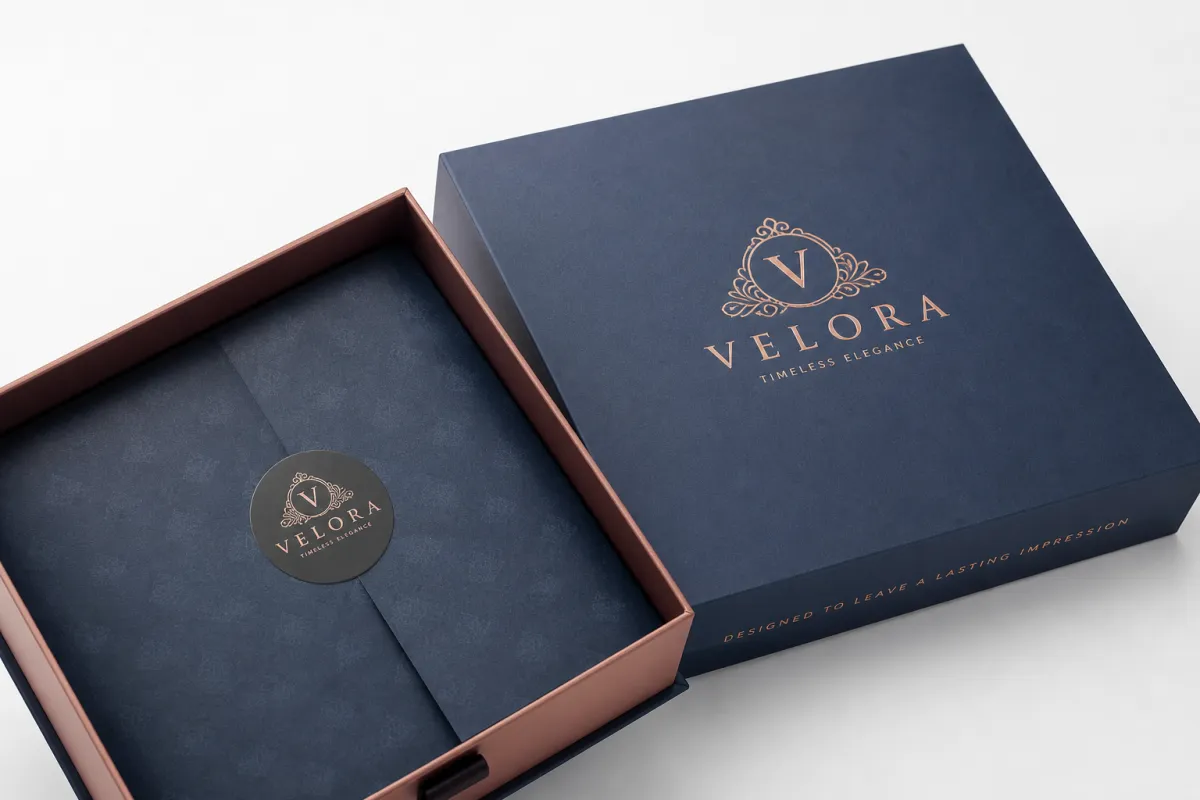
Printed rigid boxes with logo serve three practical purposes at once: they protect, they present, and they tell the customer something about the brand before the box is opened. The structure uses thick chipboard or greyboard wrapped in printed paper or specialty stock, so the box keeps its shape rather than folding down like a carton. That firmness is part of the message. You feel it in your hands long before you study the graphics, and that physical cue matters more than a lot of teams realize.
Brands tend to choose printed rigid boxes with logo when the packaging needs to do more than transport an item. A launch kit needs a little drama. A gift set needs the opening moment to feel deliberate. Cosmetics need shelf presence. Electronics need a snug, controlled fit. Jewelry needs a box that feels worth keeping instead of tossing away. In every one of those cases, the packaging is part of the product experience, not a separate concern. I have seen projects where the box did half the selling before anyone even looked at the contents.
There is a very practical upside too. Printed rigid boxes with logo usually hold up well on shelves, stack more cleanly, and photograph better when customers share the unboxing online. That matters more than some teams expect. A box that arrives square, opens cleanly, and still looks sharp after handling reads as a more expensive package because it behaves like one. A little scuff resistance and a decent hinge line go a long way.
From a buyer’s perspective, the tradeoff is straightforward. Printed rigid boxes with logo cost more than folding cartons and far more than a simple shipping mailer, but they often return more perceived value for the spend. If the product margin supports a premium presentation, the box can lift the entire offer. If the product is low-ticket and price-sensitive, the same build may be hard to justify. That is not a failure of the packaging; it is just math.
- Best uses: gift sets, luxury skincare, tech accessories, collector items, and premium retail kits.
- Typical board: 1.5 mm to 3 mm greyboard or chipboard, wrapped with 128gsm to 157gsm art paper or specialty paper.
- Common upgrades: foil, embossing, debossing, spot UV, soft-touch lamination, magnetic closures, and custom inserts.
That is the core logic behind printed rigid boxes with logo. The logo matters, but it is only one piece of the story. Structure, wrap, finish, and insert all work together to create the sense that the packaging was planned with care instead of assembled by habit. When those parts line up, the whole package feels more expensive without shouting about it.
How Printed Rigid Boxes with Logo Are Made
The build begins with a rigid shell. Chipboard or greyboard panels are cut to size, scored, folded, and assembled into a sturdy base, lid, or drawer form. After that, the exterior wrap is printed, finished, trimmed, and glued around the shell. That wrapped surface carries the logo, the color palette, and the brand cues. It is also the part most buyers see first, which is why printed rigid boxes with logo need tighter artwork discipline than many people expect.
Several styles show up again and again. Setup boxes are the basic one-piece or two-piece rigid format. Telescope boxes use a separate lid and base and create a fuller opening feel. Magnetic closure boxes add a flap that snaps shut and gives the box a refined touch without becoming fussy. Drawer-style boxes slide open and work well for jewelry, small electronics, and curated gift items. Book-style rigid boxes open like a hardback book and suit presentation kits or brand story pieces particularly well.
Print method matters just as much. Offset printing is the common choice for larger runs when color consistency has to stay tight across every box. Digital printing can be a better fit for shorter runs, especially when the quantity is smaller or the artwork changes often. Specialty decoration is where the budget starts to move: foil stamping, embossing, debossing, spot UV, textured laminations, and custom paper wraps each add steps. None of those choices should be treated like a quick add-on if the goal is a clean result. One finish can carry a design; five finishes can bury it.
Printed rigid boxes with logo also move through a production sequence that shapes the schedule. Artwork gets checked. A dieline is reviewed. Proofs or samples are produced. The printed sheets then move through finishing, cutting, wrapping, assembly, and inspection. If the insert is custom, that adds another layer. If the closure is magnetic, assembly takes longer. If the brand wants spot UV aligned to a narrow logo mark, the tolerance window becomes part of the design conversation instead of a detail to shrug off later. That is where experience starts to matter, because small shifts become visible very quickly on a rigid surface.
The logo is rarely just a logo in this format. It usually sits inside a larger system that includes color, texture, closure style, interior printing, and product fit. That is why printed rigid boxes with logo should be planned as a packaging system rather than treated like a decorative shell. When the parts are connected, the result usually looks more premium and feels more intentional.
For shipping-sensitive projects, it makes sense to ask whether the packaging has been checked against ISTA test methods. On the material side, FSC-certified paper from FSC can help support cleaner sustainability claims and reduce awkward questions later on. I would still be careful with any environmental claim until the actual paper spec and supply chain paperwork are in hand, because vague language can come back to bite a brand later.
“If the sample is wrong, the full run will be wrong faster and more expensively.” That lesson tends to arrive after the quote has already been approved.
Printed Rigid Boxes with Logo: Cost, MOQ, and Quote Drivers
Cost starts with the obvious variables: size, board thickness, finish, print coverage, and insert complexity. Printed rigid boxes with logo become more expensive quickly when the box gets larger, the wrap uses heavy coverage, or the design includes several decoration steps. A simple wrap with one-color logo work is a very different project from a full-bleed printed box with foil, embossing, and a custom tray insert. That is not a tiny pricing change, either; it can move the project into a totally different bracket.
Quantity changes the math in a noticeable way. Setup, proofing, plate work, cutting, and hand assembly do not shrink just because the order is small. On short runs, those fixed costs are spread across fewer units, so the unit price rises. That is why printed rigid boxes with logo can look manageable at 5,000 pieces and suddenly feel steep at 300 pieces. Same structure. Different economics. Same line item, very different outcome.
MOQ is another place where buyers get caught off guard. Some suppliers can support lower minimums, especially with digital printing or simpler builds, but rigid boxes often carry higher minimums than folding cartons. A practical starting point often sits around 250 to 500 pieces, while 1,000 pieces and up usually make the unit cost much easier to absorb. If you need a very small run, expect the price to move upward because the shop still has to cover tooling, prep, and labor. Sometimes the quote feels high simply because the labor does not shrink with the run size, and that is normal.
A clear quote request saves time and money. Send exact dimensions, target quantity, closure style, finish choices, insert details, and whether the artwork is final or still being developed. When the supplier has to guess at the structure, they will either pad the quote or come back asking for revisions. Neither outcome feels good, but both are predictable when the brief is thin. I have watched projects lose a full week because the buyer assumed the box “standard size” meant the same thing to everyone. It usually does not.
| Option | Typical Build | Approx. Unit Cost at 500 pcs | Approx. Unit Cost at 5,000 pcs | Best Fit |
|---|---|---|---|---|
| Plain wrapped rigid box | Greyboard shell, uncoated or lightly finished wrap, minimal decoration | $1.40-$2.60 | $0.75-$1.35 | Simple premium presentation without heavy decoration |
| Printed exterior only | Full-color printed wrap, standard matte or gloss finish | $1.90-$3.40 | $0.95-$1.85 | Brand-forward retail packaging with controlled cost |
| Premium decorated box | Foil, embossing, magnets, custom insert, specialty wrap | $3.50-$7.50 | $1.80-$4.20 | Gift sets, luxury launches, and high-margin products |
Those figures are working ranges, not promises. Printed rigid boxes with logo can move outside those bands if the box is unusually large, the insert is complex, or the artwork needs additional handling. Freight, duties, and warehousing are separate costs as well, and they matter more than many teams remember until the cartons are already in motion. If you are budgeting, treat the packaging as a landed cost instead of a factory-only number.
When comparing suppliers, keep the spec identical across quotes. Same size. Same board. Same closure. Same finish. Same quantity. Without that discipline, you are not comparing offers; you are comparing different products with different assumptions attached to them. A lower quote that quietly removes an insert or swaps the finish can look great until the samples show up.
Printed Rigid Boxes with Logo Production Steps and Timeline
The production path for printed rigid boxes with logo is usually straightforward, but only when the spec is clean from the start. It begins with a brief, moves into structure selection, then artwork setup, dieline review, proof approval, production, finishing, assembly, and shipment. Miss one of those pieces and the calendar starts to drift. That drift is rarely dramatic on day one, then suddenly it is the reason a launch gets pushed back.
A realistic schedule depends on complexity. Simple printed rigid boxes with logo can move through the shop faster than a box with heavy decoration and custom inserts. A basic run may take 12 to 18 business days after final proof approval. Add foil, embossing, special paper wrap, or a drawer insert and the timeline can stretch. If sampling is needed first, add another week or two before production even begins. That is not unusually slow; that is the pace of custom packaging when it is done carefully. Rushing the sequence usually costs more than it saves.
Most delays come from avoidable problems: missing dimensions, artwork that has not been checked against the dieline, finish placements too close to folds, or changes made after the proof is approved. A buyer can save days by giving the printer one complete brief instead of four partial emails and a spreadsheet that still needs interpretation. It sounds basic, but a lot of delays are just paperwork with a fancy costume on.
Turnaround time is not the same as delivery time. That sounds obvious until someone blends the two together and blames the factory for a missed deadline when the boxes were actually finished on time and sitting in transit. Production lead time is one thing. Shipping is another. Air freight, ocean freight, customs, and domestic delivery all change the total calendar.
Ask for a milestone calendar. A good supplier should be able to map out when artwork is due, when the proof will arrive, when sign-off is required, and when the production slot begins. Printed rigid boxes with logo are much easier to manage when the approval points are visible. Mystery timelines create expensive surprises, and nobody benefits from those.
For products that need to arrive retail-ready and intact, some teams also request drop and vibration checks tied to ISTA procedures, especially if the box includes fragile inserts or nested components. For a premium item, that is less about extra caution and more about controlling risk before it becomes a problem. I would rather see a small testing budget than a pile of damaged inventory, and most brands feel the same way once they have been burned by transit damage once.
Key Factors That Change the Final Result
Structure is the first factor that changes how printed rigid boxes with logo feel in the hand. Proportion matters a great deal. A box that is too tall can look empty. A box that is too wide with a shallow lid can look awkward. A snug fit matters, but so does a bit of breathing room around the product. The proportions should support the object inside rather than compete with it. In practice, a half-inch of spare space can feel elegant or wasteful depending on the item and the insert design.
Artwork placement comes next. A centered logo is not always the right answer. On multi-panel boxes, drawer fronts, magnetic flaps, and telescoping lids, the logo may need to live in a different spot to stay visible and balanced. Printed rigid boxes with logo work best when the design is mapped to the structure instead of being dropped onto it after the fact. A good dieline makes that relationship clearer before anything is printed, which saves a lot of hand-wringing later.
Finish selection changes the tone quickly. Matte wrap feels restrained and upscale. Soft-touch lamination feels richer, though it can show scuffs more easily in some settings. Textured paper adds character. Foil gives contrast. Embossing and debossing add tactility. Spot UV can highlight a logo or pattern, but too much of it starts to feel busy. Every finish choice affects both the budget and the personality of the box. That part is not abstract; you can feel it in a sample within seconds.
Protection belongs in the design, not as an afterthought. If the product shifts inside the box, the customer gets a premium-looking package and a damaged item. Good packaging is not just attractive; it is dimensionally correct. Inserts, compartments, foam trays, paperboard nests, or molded supports all matter. Printed rigid boxes with logo should protect the product as well as present it. Decorative packaging that fails in transit is just expensive disappointment.
Brand consistency matters more than chasing a trendy decorative effect. A luxury skincare line and a tech accessory brand should not look like they were assembled from the same mood board. The box should match the product price, the sales channel, and the customer expectation. If the sale happens online, the packaging should feel aligned with that experience. If it happens in a boutique, shelf presence may carry more weight than shipping durability.
- Color control: confirm whether the supplier matches Pantone, CMYK, or a visual standard sample.
- Closure feel: magnets, ribbon pulls, and drawer tabs each change the opening experience.
- Insert strategy: paperboard is cheaper; foam and molded solutions cost more but can improve fit.
- Surface handling: soft-touch and matte finishes can show handling marks, so shipping method matters.
Printed rigid boxes with logo tend to perform best when those details reinforce one another. That is the difference between a box that simply looks expensive and a box that genuinely supports a higher price point.
Common Mistakes When Ordering Printed Rigid Boxes with Logo
The first mistake is designing before the product dimensions are locked. A beautiful box that fits the wrong item is just expensive cardboard theater. Printed rigid boxes with logo should be sized from the product outward, not the other way around. Measure the item, account for inserts, and leave room for the opening method. Then build the design. That sequence feels slower at first, but it avoids rework, which is the real time sink.
Another common miss is approving artwork without checking the dieline. Bleed, safe area, folds, and finish placement all matter. A logo that looks centered in a flat mockup can end up off balance on a wrapped structure. Printed rigid boxes with logo can survive a lot, but bad setup is not one of the things they forgive. A small line shift turns into a visible flaw on a premium box, and once you see it you cannot unsee it.
Buyers also underestimate MOQ, shipping, and storage. Unit price is only one line in the budget. Freight can be a real number. Warehousing can be a real number. Spoilage from late approvals or incorrect samples is absolutely a real number. If you are ordering printed rigid boxes with logo for a seasonal launch, being late can hurt more than a slightly higher unit cost ever will. I have seen projects where the packaging was technically excellent and still failed because the boxes arrived after the product window had already passed.
Over-decoration is another trap. Too many effects can make the box feel cluttered and push production into a slower, more expensive lane. A logo, a foil accent, an emboss, a soft-touch wrap, and a magnetic flap can work together, but only if the design has space to breathe. Stack too many effects on the same surface and the box starts shouting when it should be speaking clearly. Sometimes the smartest move is to leave one surface quiet.
The last mistake is skipping a sample or proof because the buyer already assumes the result will be fine. That is not a plan. It is a shortcut with a bill attached. Printed rigid boxes with logo benefit from a physical check whenever color, fit, or tactile feel matters. If the product is expensive, the packaging should not be guessed at. A decent sample reveals things a render will hide, like wrap tension at corners or how a closure actually feels after the tenth open-and-close cycle.
“We’ll fix it in production” usually costs more than just doing the proof correctly the first time.
If the project is tied to a launch date, leave room for one correction cycle. One. Not five. Printed rigid boxes with logo can move quickly, but only when the decisions are made before the line starts counting hours.
Expert Tips and Next Steps for Printed Rigid Boxes with Logo
Start with a one-page spec. Include product dimensions, expected quantity, target closure style, finish goals, insert needs, and budget range. That single page saves more time than long email threads ever will. Printed rigid boxes with logo quote cleanly when the supplier can read the brief without decoding it first.
Order a sample or production proof if the box needs exact color, a tight fit, or a specific luxury feel. Guessing is cheap. Reprinting is not. When the design includes foil, embossing, or a specialty wrap, a physical check becomes even more valuable because those effects behave differently on paper than they do on a screen. A good proof catches the little things that become expensive later.
Compare quotes only after the specs match. Same board thickness. Same surface treatment. Same insert. Same quantity. Same shipping assumption. Otherwise one price may look better simply because the supplier left out a feature you actually need. Printed rigid boxes with logo should be judged against the same build, not against whatever one quote happened to omit.
Focus on the two things that matter most to the customer: perceived quality and product protection. If the packaging does not improve either one, it becomes decorative overhead. If it does both, it earns its place. That is the practical test I would use for any premium packaging project, and it holds up pretty well once the first shipment starts moving.
For buyers comparing a few different formats, our custom packaging products can help narrow the field before you commit to a rigid box run. The goal is not to pick the fanciest option. The goal is to Choose the Right one for the margin, the product, and the channel.
Printed rigid boxes with logo work best when the design, timeline, and budget are aligned early. Lock the spec, confirm the proof, and move forward only after the details are actually settled. If you do one thing first, make it this: send a complete brief with final dimensions, closure style, insert notes, finish choices, and quantity before asking for quotes. That one step keeps the project grounded and saves a lot of back-and-forth later.
FAQ
What are printed rigid boxes with logo used for?
They are used for premium products that need stronger shelf presence, better protection, or a more gift-ready presentation. Printed rigid boxes with logo are common for cosmetics, jewelry, electronics, subscription kits, and limited-edition launches because they make the product feel more considered before the customer even opens it.
How much do printed rigid boxes with logo usually cost?
Cost depends on box size, quantity, board thickness, finish level, insert type, and whether the project needs custom tooling. For a small-to-mid-size run, printed rigid boxes with logo can land around $1.40-$2.60 for a plain wrapped style at 500 pieces, while premium decorated versions can move into the $3.50-$7.50 range or higher depending on the build.
What is the typical turnaround for printed rigid boxes with logo?
Simple printed rigid boxes with logo often move through production in roughly 12 to 18 business days after final proof approval, but specialty finishes, inserts, and sampling will extend that. Shipping time is separate, and ocean freight can add weeks, so total delivery depends on both factory lead time and transit method.
Can I order printed rigid boxes with logo with a low MOQ?
Sometimes, yes, but lower quantities usually raise the unit cost because setup and labor get spread across fewer boxes. If MOQ is a concern, ask for the smallest viable quantity and compare it with a slightly larger run. Printed rigid boxes with logo can be done at lower volume, but the economics are not magic.
What artwork files work best for printed rigid boxes with logo?
Vector logo files are best, and the printer should receive a dieline with bleed, safe areas, and clear notes for foil, embossing, or other finishes. Fonts should be outlined or embedded, and the color mode should match the production method. Printed rigid boxes with logo are much easier to produce cleanly when the file prep is disciplined from the start.


