Buyer Fit Snapshot
| Best fit | Printed Shipping Bags for Boutiques projects where brand print, material claims, artwork control, MOQ, and repeat-order consistency need to be specified before quoting. |
|---|---|
| Quote inputs | Share finished size, material target, print colors, finish, packing count, annual reorder estimate, ship-to region, and any compliance wording. |
| Proofing check | Approve dieline scale, logo placement, barcode or warning zones, color tolerance, closure strength, and carton packing before bulk production. |
| Main risk | Vague material claims, crowded artwork, missing packing details, or unclear freight terms can make a low unit price expensive after revisions. |
Fast answer: Printed Shipping Bags for Boutiques: Style Meets Protection should be specified like a repeatable production item. The safest quote records material, print method, finish, artwork proof, packing count, and reorder notes in one written spec.
Production checks before approval
Compare the actual filled-product size with the drawing, then confirm tolerance on folds, seals, hang holes, label areas, and retail display edges. Reserve space for logos, QR codes, warning copy, and material claims before decorative graphics fill the panel.
Quote comparison points
Review material grade, print process, finish, sampling route, tooling charges, carton quantity, and freight assumptions side by side. A quote is only useful when the supplier can repeat the same color, closure quality, and packing count on the next order.
Printed Shipping Bags for Boutiques: Style Meets Protection
For many independent brands, printed shipping bags for boutiques are the first physical touchpoint a customer sees after checkout. That matters more than it sounds. The parcel has to protect the product, carry the brand, and move through fulfillment without slowing the packing table to a crawl. A well-chosen bag makes the shipment feel intentional. A weak one can make a beautiful order arrive looking rushed.
There is also a harder business reason to pay attention to packaging. Ecommerce mailers sit at the intersection of branding, cost control, and transit performance. They must survive handling, fit the product correctly, and avoid unnecessary postage penalties tied to size and shape. In other words, the bag is not a decorative afterthought. It is part of the order economics.
That is why printed shipping bags for boutiques deserve more scrutiny than they usually get. A boutique may only see a mailer for a few seconds at the packing table, but the customer sees it in a driveway, at a front desk, or in a social post. Small packaging choices can shape the perception of the entire purchase.
Why Printed Shipping Bags for Boutiques Stand Out
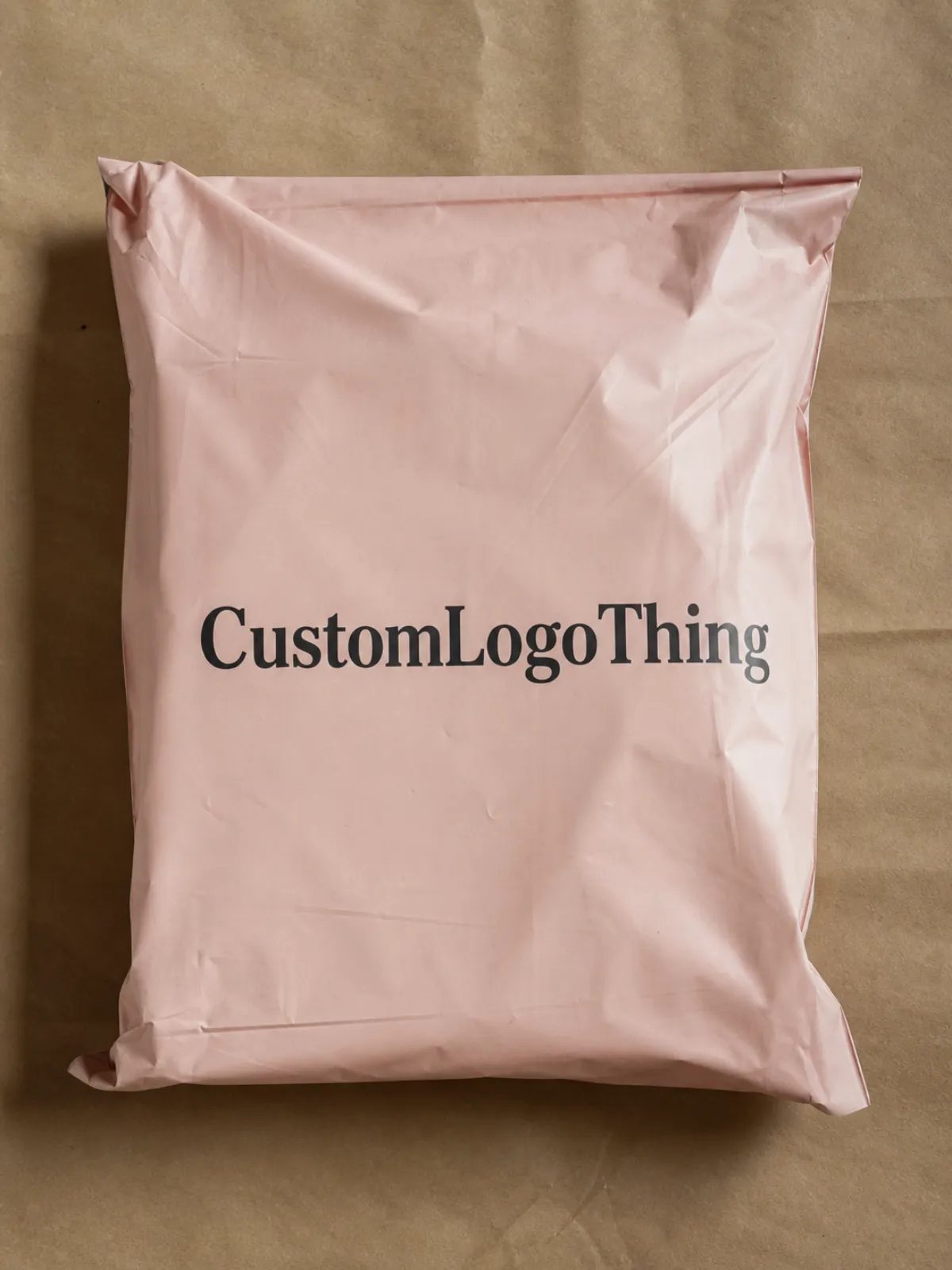
The shipping bag is often the first thing a customer notices on the doorstep, in a lobby, or in a shared photo. A plain mailer gets the parcel delivered. A printed one helps the brand register before the box or garment is even opened. For a boutique, that recognition can become part of the buying memory itself.
Visual details do a surprising amount of work. Matte versus glossy, centered logo versus repeating pattern, restrained layout versus full-coverage artwork: each choice signals something different. A matte bag with a single mark reads more editorial. A glossy poly mailer with bold all-over print reads louder and more promotional. Neither is automatically better. The right answer depends on the brand position and the product mix.
Apparel, soft accessories, gift sets, and cosmetics with non-fragile components usually benefit the most because presentation is part of the product value. A customer buying a scarf or blouse expects the outer package to feel as considered as the item inside. If the mailing bag feels flimsy or generic, it can quietly weaken the perceived value of the order.
The operational side matters just as much. Boutiques often ship lightweight items in volume, and those orders still need to move quickly. A mailer that opens cleanly, closes with a reliable adhesive strip, and stacks neatly on a table supports faster order fulfillment. For small teams with limited labor, that efficiency has real value. If the bag size is right, packers waste less time fighting wrinkles, overstuffed seams, or excess void space.
This is not a cosmetic choice dressed up as logistics. It is a packaging decision with tradeoffs. The bag must fit the brand story, hold up in carrier handling, keep postage in range, and arrive on time. That is why printed shipping bags for boutiques work best when presentation, durability, cost, and lead time are weighed together instead of in isolation.
How Printed Shipping Bags for Boutiques Work
Most boutique mailers are made from polyethylene film, often in co-extruded layers that combine strength, flexibility, and printability. Put simply, the material is built in layers so the outside can carry artwork cleanly while the inside supports sealing and handling. The film is then printed, cut, formed, and sealed into a finished mailer with an adhesive closure. A dependable seal strip is one of the easiest ways to reduce transit failures.
Material thickness is one of the first specifications to review. Economy bags often sit around 2.5 to 3 mil, standard boutique mailers commonly fall near 3 to 4 mil, and heavier options can move into the 4.5 to 5 mil range. Thicker is not automatically better, but very thin film can feel flimsy, scuff more easily, and tear when the product has a zipper, sharp edge, or rigid insert inside. For parcels that will pass through multiple sorting points, stronger film usually improves package protection.
Printing is usually done before the bags are converted into their final shape. Depending on the supplier and the artwork, that may involve flexographic printing, gravure, or digital printing for shorter runs where the film and ink system allow it. Simple logo work with one or two colors is easier to keep consistent. Full-coverage art, gradients, or dense patterns demand tighter setup control. The more color complexity a design has, the more attention the press needs to maintain registration, opacity, and finish.
Size selection matters just as much as print quality. A bag that is too large can make a folded shirt look loose and underpacked. A bag that is too small can stretch seams, wrinkle the artwork, and slow the packing process. For many apparel brands, a mailer sized for the most common folded item saves time and reduces waste. If you ship scarves, tees, or soft accessories, a 10 x 13, 10 x 15, or similar format is often worth quoting, though the right size depends on how the item is folded and whether tissue, inserts, or a thank-you card travel with it.
Closure strength is another detail that gets ignored until a shipment fails in the field. A good adhesive strip should close cleanly on the first pass and stay shut through conveyor friction, parcel stacking, and general carrier handling. That means the seal area should be wide enough for a confident bond, and the film should not be so slick that the flap lifts under pressure. If the bag is going a long distance, the seal matters as much as the artwork.
If you are comparing formats, our Custom Packaging Products page is a useful place to review the broader range of shipping materials before narrowing down to Custom Poly Mailers for soft goods or, for heavier or more rigid products, Custom Shipping Boxes.
Cost and Pricing Factors for Boutique Mailers
Price is never just a number on a quote sheet. It reflects several decisions that affect material usage, press time, conversion, and freight. Bag size, film thickness, print coverage, number of colors, order quantity, and any specialty finish all feed into the final unit cost. Even small changes, such as moving a logo from one color to two or adding a full background print, can shift the math enough to matter on a small run.
Lower quantities almost always cost more per piece because setup is spread across fewer units. Larger orders usually reduce the unit price, but they increase upfront spend and storage needs. That is where many boutique buyers get caught between cash flow and value. A 1,000-piece run may feel manageable, yet the per-bag price can still be noticeably higher than a 5,000-piece run. The tradeoff is simple: the larger order ties up more working capital and takes up more shelf or carton space.
Dimensional weight can also shape the true cost of ecommerce shipping. A mailer can be light in grams and still raise freight if it is oversized or creates a bulky parcel shape. That is one reason right-sizing matters so much. A properly chosen bag can keep postage and packaging waste in check, while a bag that is too large can quietly increase landed cost long after the quote is approved.
| Mailer Option | Typical Thickness | Best Fit For | Approx. Unit Cost at 5,000 Units | Practical Notes |
|---|---|---|---|---|
| Economy Printed Mailer | 2.5-3 mil | Light apparel, soft accessories, low-abrasion items | $0.12-$0.20 | Lowest upfront cost, but less forgiving in rough handling |
| Standard Boutique Mailer | 3-4 mil | Most folded apparel, gift items, subscription orders | $0.18-$0.32 | Common balance of print quality, seal strength, and durability |
| Premium Heavy-Duty Mailer | 4.5-5 mil | Heavier garments, sharper package corners, higher-value orders | $0.28-$0.55 | Better puncture resistance and a more substantial hand feel |
Those figures are planning ranges, not fixed quotes. A bag with a simple one-color logo usually lands near the lower end, while a full-coverage design, specialty finish, or extra-wide size can push the price upward. Freight is another variable. So is resin market movement, which can shift film pricing without warning. If a boutique sells products that need stronger transit packaging, the higher bag price may still make sense because it can reduce replacement cost, customer service time, and damage claims.
Another value point matters more than people expect: the bag can influence perceived quality. A mailer that looks deliberate, prints cleanly, and closes neatly can support repeat orders in a way that a generic bag rarely does. The bag does more than protect the item. It reinforces the brand story that surrounds the item.
Production Process and Turnaround: From Artwork to Delivery
The production flow usually starts with artwork review and proofing. That is the point where the supplier checks logo placement, bleed, color count, and any elements that might land too close to seams, folds, or the adhesive flap. If the artwork needs cleanup, such as stronger contrast, a sharper logo file, or a layout adjustment for the print area, that is the time to do it. Small corrections made early are far easier than trying to fix them after the press is running.
Once the proof is approved, the team moves into material selection, print setup, and conversion. Standard runs with clean files often move faster than highly customized projects because less time is spent on press calibration and inspection. As a rough planning range, many custom mailer orders can take about 12 to 20 business days after proof approval, although larger quantities, specialty inks, peak season demand, or freight delays can extend that. If a launch date matters, build in a buffer instead of planning to the day.
Artwork preparation has a bigger influence on turnaround than many buyers expect. A logo exported at too low a resolution, a file with the wrong color mode, or a layout that ignores bag dimensions can each add a round of revisions. For teams moving quickly, that revision time often matters more than the press time itself. Clean communication upfront is one of the best ways to keep the schedule on track.
The fastest production job is usually the one that is approved cleanly the first time.
For brands that care about testing and standards, it is worth asking what the supplier can document. Some packaging programs reference ISTA transit testing methods to simulate distribution stress. If your packaging system includes paper inserts, tissue, or printed cartons, FSC sourcing can help document those paper components; it does not apply to the plastic film in a poly mailer. You may also see suppliers reference ASTM-style film data for thickness, seal strength, or puncture resistance. Those details do not replace a sample check, but they do help compare options on more than appearance alone.
Freight planning matters too. A carton of mailers does not always weigh much, but it can occupy more room than expected if the order is large or if the bags are folded in a bulky stack. For that reason, buyers should ask how the bags are packed for shipment and whether the carton count changes with bag size. A freight estimate that looks low at first can change once the full pallet pattern is calculated.
Step-by-Step: Choosing the Right Printed Shipping Bags for Boutiques
Choosing the Right bag becomes much easier once the decision is broken into steps. Most boutique buyers do best when they start with the product, then move to size, thickness, artwork, and sampling. Skipping around that sequence usually leads to rework. A mailer that fits the product but misses the brand feel is not much of a win, and a beautiful bag that tears at the seam is worse.
- Start with the product mix. Folded tees, knitwear, gift sets, and lightweight boxed items behave differently in transit. Soft goods are easy to mail in poly, while rigid items may need more structure or a different format altogether.
- Measure the packed version, not the product alone. Add tissue, inserts, care cards, and any inner bag or sleeve before choosing dimensions. That extra layer often changes the fit more than buyers expect.
- Choose thickness for handling, not only for cost. If the order contains zippers, hard edges, or heavier fabric, a heavier film can reduce tears and improve package protection.
- Map the artwork to the bag shape. Decide whether the logo should sit centered, repeat across the surface, or stay minimal. A clean layout usually reads better than a crowded one, especially once the bag is in motion.
- Review a proof or sample before release. Check seam placement, seal area, color tone, and how the bag folds in the hand. This is the easiest time to catch mistakes.
For boutiques that are still refining their shipping materials, a single core size is usually the smartest starting point. One mailer that fits most of the line reduces inventory complexity and helps order fulfillment move faster. If a second size is needed, add it only when the sales mix justifies it. That keeps cash tied up in packaging under control and avoids a shelf full of slow-moving stock.
It also helps to think about how the bag works inside the wider packaging system. A boutique that already uses branded tissue, inserts, or thank-you notes should make sure the mailer complements those details rather than fights them. If the outer bag is loud and busy, the unboxing can feel cluttered. If it is too plain, the outer package may miss the chance to reinforce the brand before the bag is opened.
When a product line changes often, many buyers use a combination approach: one standard printed mailer for the majority of orders, and a second format for larger or more fragile items. That is where a packaged mix of Custom Poly Mailers and, where needed, Custom Shipping Boxes can keep the shipping system practical without giving up brand consistency.
Common Mistakes When Ordering Printed Shipping Bags
One of the most common mistakes is choosing a bag that is too small. When the product has to be forced in, the seams carry extra stress, the artwork can distort, and packing slows down because each order takes more effort to close. A bag should fit snugly, but not so tightly that the packer has to fight it every time.
Another frequent issue is chasing the lowest possible price with a film that is too thin for the job. That can save a little upfront, but it often costs more later through tears, returns, or a package that simply does not feel right in the customer’s hand. The customer may never measure the thickness, but they will notice if the bag scuffs, splits, or looks cheap before the product is even opened.
Brands also underuse the print area more often than they should. A logo that is too small to read from a distance, or artwork that floats in a corner with too much empty space around it, can make the bag feel generic. On the other hand, overfilling the surface with busy art can make the design feel more like a poster than a shipping bag. Good print balance matters.
Skipping sample approval is another expensive shortcut. Color tone, finish, and how the bag feels in the hand all matter to the final customer experience. A proof on screen is useful, but it cannot replace a physical sample. The difference between a matte and glossy surface, or between a true black and a slightly cool black, is often much easier to judge in person.
Inventory planning creates its own set of problems. Some boutiques order too few bags and run short during peak sales periods. Others buy too much of a design that may change after the next brand refresh. Both mistakes tie up money that could have gone elsewhere. If the bag is tied to a seasonal collection, a launch, or a promotion, that timing should be built into the order quantity from the start.
Here is a simple rule that applies to almost every brand:
A mailer that looks beautiful but fails in transit is expensive twice: once at purchase, and again in replacements, credits, and lost trust.
If the packaging plan is still shifting, it is usually better to buy a smaller test batch, measure how it performs in real ecommerce shipping, and then scale up from actual packing data. That data may include how many bags are used each week, how often a particular size runs short, whether packers are overstuffing the mailer, and whether damage is happening during transit or at the packing table. Those are the numbers that turn a guess into a useful packaging decision.
Expert Tips and Next Steps for Printed Shipping Bags for Boutiques
Start with one bag size that fits the majority of your orders. That simple move can make a real difference in labor, storage, and consistency. If you ship mostly folded apparel, one size may cover 70 to 90 percent of your volume. Adding a second size only makes sense if the product mix truly needs it, not because the catalog has room for it.
Design the bag for both branding and operations. The artwork should look strong on camera and at the doorstep, but the bag also needs to stack flat, seal quickly, and ship without adding unnecessary weight. A great-looking mailer that slows the pack line is not a win. A highly efficient bag that does nothing for brand recognition can leave money on the table if presentation is part of the sale.
Think through the customer journey in practical terms. What does the package look like when it lands? How easy is it to open? Does it feel like a premium touch or a utility wrap? The answers affect how the customer remembers the purchase before the product is even visible. That matters for repeat orders, referrals, and the sense that the boutique knows what it is doing.
It also helps to collect real packing data before the next reorder. Track the number of units used per week, which sizes move fastest, which items need extra room, and whether any orders are getting damaged because the bag is not strong enough. That kind of data is especially useful for growing brands, since order fulfillment changes quickly as the catalog expands.
If you are comparing formats or planning a broader packaging refresh, reviewing the full range of Custom Packaging Products can make it easier to match the outer mailer with inserts, labels, boxes, and other shipping materials already in use.
For a boutique that wants presentation and package protection in the same purchase, printed shipping bags for boutiques are often the most practical place to begin. They are light, quick to pack, and highly visible to the customer, which is exactly why the decision deserves careful sizing, thoughtful print layout, and a real sample check before production.
The most useful next step is simple: lock the packed dimensions, choose the film thickness based on the heaviest item in the range, and approve a physical sample before placing volume production. If those three pieces are correct, the rest of the packaging system becomes much easier to manage.
FAQ
What size printed shipping bags for boutiques should I start with?
Start with the size that fits your most common folded product with minimal extra space. Measure the item with tissue, inserts, or inner packaging included, not just the product alone. If you sell multiple categories, choose one main size first and add a second size only if volume justifies it.
Are printed shipping bags for boutiques durable enough for clothing shipments?
Yes, when the material thickness and seal strength are matched to the product weight and carrier handling conditions. Apparel and soft goods usually ship well in poly mailers as long as sharp edges are not present. For heavier or boxed items, use a stronger bag or switch to a more protective format.
How much do custom printed shipping bags for boutiques usually cost?
Price depends on size, material thickness, print coverage, order quantity, and any special finishing. Larger quantities usually lower the unit cost, but they also increase upfront spend and storage needs. Requesting a quote with your exact size and artwork is the best way to compare true landed cost.
How long does production usually take for boutique mailers?
Turnaround depends on proof approval, print complexity, and order size. Clean artwork and fast approvals usually shorten the schedule significantly. Build in extra time for shipping transit and seasonal demand if you need the bags by a fixed launch date.
What artwork works best on printed shipping bags for boutiques?
Simple logos, repeating patterns, and bold brand marks usually print clearly and read well at a glance. Keep important elements away from seams and seal areas so they are not distorted during production or use. If brand recognition matters, make sure the design is visible both in hand and from a distance.

