Buyer Fit Snapshot
| Best fit | Printed Shipping Tubes with Logo projects where brand print, material claims, artwork control, MOQ, and repeat-order consistency need to be specified before quoting. |
|---|---|
| Quote inputs | Share finished size, material target, print colors, finish, packing count, annual reorder estimate, ship-to region, and any compliance wording. |
| Proofing check | Approve dieline scale, logo placement, barcode or warning zones, color tolerance, closure strength, and carton packing before bulk production. |
| Main risk | Vague material claims, crowded artwork, missing packing details, or unclear freight terms can make a low unit price expensive after revisions. |
Fast answer: Printed Shipping Tubes with Logo: Board, Finish, Dieline, and Unit Cost should be specified like a repeatable production item. The safest quote records material, print method, finish, artwork proof, packing count, and reorder notes in one written spec.
Production checks before approval
Compare the actual filled-product size with the drawing, then confirm tolerance on folds, seals, hang holes, label areas, and retail display edges. Reserve space for logos, QR codes, warning copy, and material claims before decorative graphics fill the panel.
Quote comparison points
Review material grade, print process, finish, sampling route, tooling charges, carton quantity, and freight assumptions side by side. A quote is only useful when the supplier can repeat the same color, closure quality, and packing count on the next order.
Printed Shipping Tubes with Logo: A Practical Buying Guide
Printed Shipping Tubes with logo look almost plain until they sit beside unbranded transit packaging. Then the difference becomes obvious. A tube that carries a mark, a brand name, or a visual system does more than protect a rolled print. It frames the delivery, signals intent, and gives the buyer a first cue before the product is even in hand. For poster sellers, architects, art studios, and subscription brands, printed shipping tubes with logo are often the first physical contact in the purchase journey, which makes the tube both a package protection tool and a brand asset.
The market has a way of rewarding small details that repeat often. One tube may seem minor. Ten thousand of them are not minor at all. In a warehouse, on a courier belt, or at a front desk, a branded tube cuts through visual noise faster than a plain kraft cylinder. It can make fulfillment feel more deliberate, reduce the need for stickers or extra inserts, and lift perceived value without changing the product inside. The real question is not whether a logo looks nice on a tube. The real question is whether Printed Shipping Tubes with logo survive handling, keep dimensional weight under control, and still make economic sense.
I have seen buyers fall in love with a mockup and then change course after the first transit test. That shift is healthy. Packaging should earn its place with evidence, not just with a good presentation.
Printed Shipping Tubes with Logo: Why They Punch Above Their Weight
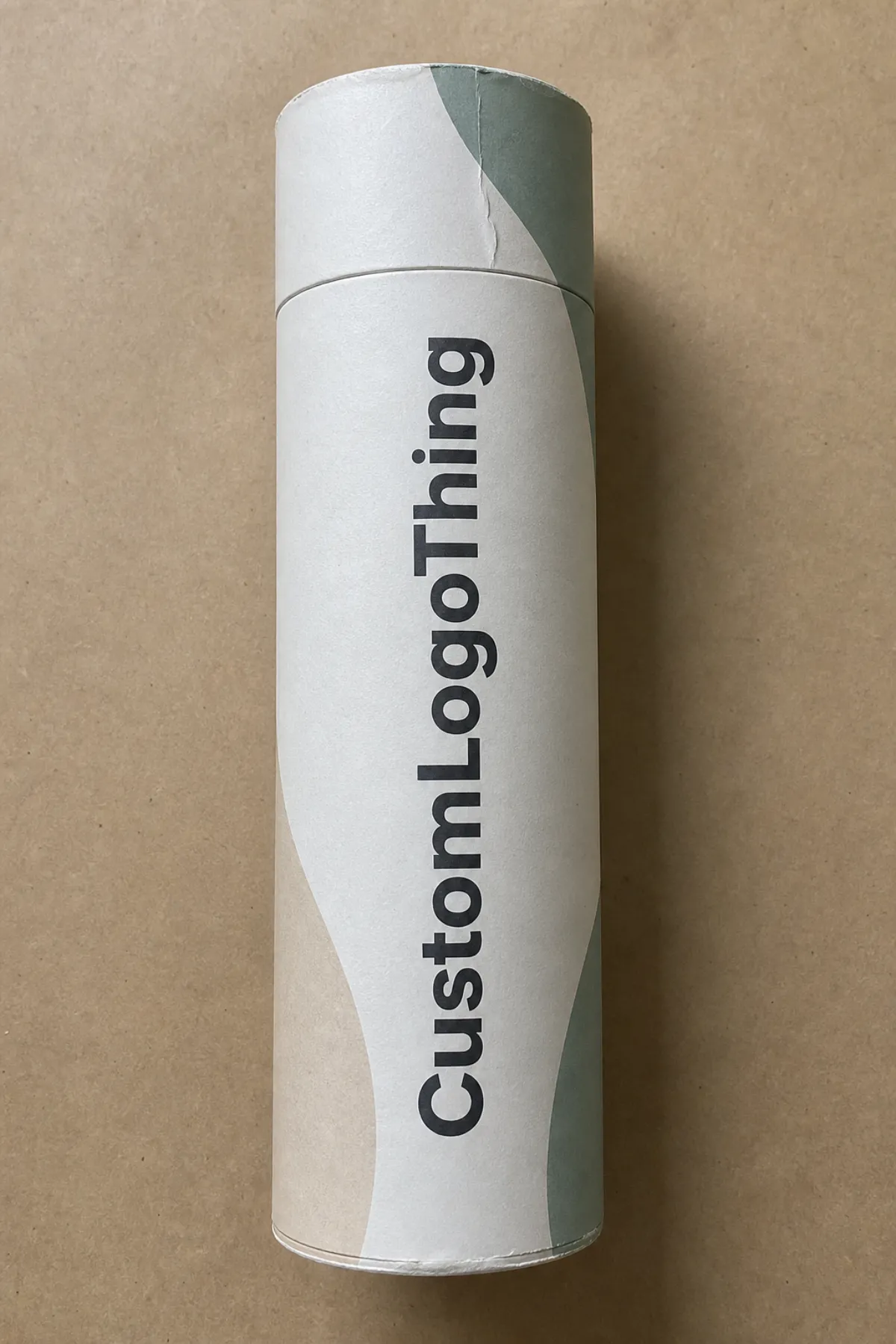
A tube is often the first visible part of the shipment. That sounds simple, yet simple things shape perception faster than brands like to admit. A plain tube says cargo. A branded tube says preparation. Printed shipping tubes with logo can turn a routine delivery into something that feels designed, especially when the item inside is a print, a plan set, or a high-margin poster. The footprint is small compared with a shipping box, but the visual impact can be stronger because a tube is unusual. People notice shapes that break the pattern.
That pattern-breaking quality explains why printed shipping tubes with logo show up across such different categories. Poster sellers rely on them because flat artwork must stay clean. Architects and engineers use them for rolled drawings and presentation sets. Art studios ship limited editions, proofs, and signed work in them. Subscription brands reach for tubes when they want the outer pack to echo a campaign theme. The tube is not only holding the item. It is carrying the tone of the brand.
For packaging buyers, the appeal is practical as much as visual. A well-built tube can communicate brand, product type, and handling cues in one view. A line of copy such as “fragile print inside” or “keep dry” helps, but the logo is what gives the shipment a coherent identity. Printed shipping tubes with logo are especially useful when a company wants consistency across shipping materials without shifting to a costlier box structure.
There is another advantage hiding in plain sight. Once the mark is printed on the tube, the team may need fewer labels, fewer add-on inserts, and fewer external stickers to identify the shipment. That can simplify order fulfillment because the outside already carries the main brand cue. In a busy warehouse, fewer loose components usually mean fewer mistakes. A 2023 packaging operations survey from a major logistics group found that small pack-line simplifications can save seconds per order. Seconds add up quickly when volume rises into the thousands.
Practical rule: if the shipment matters enough to protect, it usually matters enough to identify clearly. That is where printed shipping tubes with logo punch above their weight.
Branding only pays off if the tube still does its core job. A clever design that scuffs, crushes, or tears during transit loses its shine almost immediately. Structural fit has to come first. Appearance can follow. Printed shipping tubes with logo are strongest when the visual layer supports the physical layer, not when it tries to replace it.
For teams building a broader packaging lineup, the tube decision sits beside other formats like Custom Packaging Products, Custom Poly Mailers, and Custom Shipping Boxes. The right option depends on the item, the route, and the experience you want the buyer to remember.
How Printed Shipping Tubes with Logo Work in Fulfillment
The workflow is straightforward, but small choices change the outcome. Artwork gets prepared, the print is applied to the tube body, the tube is formed or finished, then it moves through packing, labeling, and shipping like any other transit packaging item. Printed shipping tubes with logo can be made with a full wrap, a single-panel mark, a repeat pattern, or a smaller logo zone placed for quick recognition. The brand does not need to cover every inch to do its job.
Placement matters. A full wrap can create a richer story around the tube and give the pack a more premium read. A one-panel print is often enough for a clean logo and a website URL. End-cap marks can help with sorting. Repeat patterns work well when the tube may be photographed or stacked in retail settings. The right layout depends on how the shipment will move through the world, not only how it looks in a mockup file.
That is why printed shipping tubes with logo should be planned around real handling, not ideal conditions. A shipment can rub against neighboring cartons, pick up adhesive labels, sit in damp freight conditions, or get compressed when another parcel lands on top of it. If the print cannot survive abrasion and stacking, the visual effect fades before the buyer opens the package. A logo that arrives half-scraped does not read as premium. It reads as rushed.
The operational upside is real when the design is handled with care. Branded tubes can reduce the need for separate instruction sheets or outer identifiers because the outside already communicates what the package is and who sent it. A studio shipping limited-edition prints may not need extra marketing inserts if the tube itself carries the brand and the edition information. That is one reason printed shipping tubes with logo fit neatly into ecommerce shipping programs that care about speed and presentation in equal measure.
- Fulfillment benefit: faster visual identification on the pack line.
- Customer benefit: stronger first impression at delivery.
- Brand benefit: repeated exposure during sorting, transit, and unboxing.
- Operations benefit: fewer loose labels or add-on pieces to manage.
The best systems look almost invisible in operation. The logo is easy to see, the handling cues are easy to read, and the tube is still quick to pack. Printed shipping tubes with logo should support the warehouse, not slow it down. If the pack line has to stop and think about orientation, the design has probably gone too far.
Materials, Printing Methods, and Structural Choices
Material choice changes the economics and the feel of the package. Kraft paperboard gives a natural look and usually keeps costs in check. Spiral-wound fiberboard adds strength and is common when a shipment needs better crush resistance. Heavier constructions can raise perceived value, but they also add weight and can push dimensional weight charges higher if the size grows too much. Printed shipping tubes with logo should be selected the same way any structural package is selected: by item weight, shipping route, and handling risk.
Tube dimensions matter more than many buyers expect. Inner diameter controls what fits without bending. Length affects both clearance and shipping cost. Wall thickness shapes stiffness and puncture resistance. End closure style affects security and packing speed. If the tube is too loose, the item can slide and crease. If it is too tight, the pack-out slows and the team starts forcing product into the tube. Neither result helps the shipment.
Printing method is another major fork in the road. Flexographic printing usually works well for repeat orders and simple graphics, especially when the supplier wants to keep unit cost down at scale. Digital printing is more flexible for shorter runs, quicker artwork changes, and more detailed branding. Labels and sleeves can be useful when a buyer wants to test demand before committing to a larger production run. Printed shipping tubes with logo can be built three different ways and still look strong if the artwork matches the method.
Surface finish also shapes perception. Natural kraft feels earthy and practical. A coated surface can make color more vivid. Matte finishes read quieter and often more premium, while gloss can feel louder and more promotional. The goal is not to pick the prettiest sample on the table. The goal is to match the tube to the product category and price point. A luxury art print and a trade-show poster should not wear the same packaging language.
There is a subtle but useful distinction here. A package can be visually branded and still feel operationally clumsy. The best printed shipping tubes with logo avoid that trap by keeping the design legible from three feet away and survivable at courier speed.
| Option | Best For | Typical MOQ | Illustrative Unit Cost | Notes |
|---|---|---|---|---|
| Plain kraft tube with label | Testing demand, very short runs | Low | $0.12-$0.28 | Fast to launch, limited branding |
| One-color flexo print | Consistent logo use, medium runs | 1,000-3,000 | $0.18-$0.42 | Good balance of cost and visibility |
| Digital full-wrap print | Artwork-heavy campaigns, shorter runs | 250-1,500 | $0.35-$0.95 | Better color flexibility, higher per-unit cost |
| Printed tube plus pressure-sensitive label | Variable data, compliance copy, SKU changes | Low to medium | $0.20-$0.55 | Useful when the core design stays fixed |
Those numbers are working ranges, not promises. Tube size, board grade, print coverage, and freight can move them in either direction. Setup charges may appear separately, especially for traditional printing, and can add a few hundred dollars per color depending on the supplier. That is why printed shipping tubes with logo should always be quoted from a full spec sheet, not from a rough description typed into an email.
It also helps to think about the job the tube is competing with. If a brand is choosing between printed shipping tubes with logo and another transit format, the tradeoff is rarely price alone. Weight, print area, structure, and customer perception all pull on the decision. For thicker product lines, a tube can be the more natural fit. For lighter or flatter goods, another format may protect better with less waste.
Brands that care about sourcing can ask for certified paper. The FSC certification framework is widely recognized for responsible forest sourcing, and it is sensible to ask suppliers how their board is documented. The sharper question is not “Do you print a logo on the tube?” It is “Can you prove the tube fits the route, the product, and the brand story?”
Scanability deserves attention too. A barcode, destination label, or handling panel should stay legible after the printed surface has been touched by tape, cartons, and human fingers. Printed shipping tubes with logo should support the operational flow, not create a rework step because the artwork spilled into the wrong zone. If the scan field competes with the logo, the layout needs another pass.
Cost, Pricing, and MOQ Factors That Change the Quote
Size, board grade, print coverage, color count, finishing, and closure style do most of the price work. Printed shipping tubes with logo can look nearly identical from a distance and still price very differently because the construction under the surface is not the same. A larger diameter tube with heavy wall stock costs more in board. A full-wrap design costs more in print. A custom end cap may require tooling. Each choice adds friction to the quote.
Order quantity shifts the economics quickly. Setup work has to be paid for somewhere, so low-volume runs can look expensive on a per-unit basis. Larger quantities spread those fixed costs out and usually push the unit price down. A buyer ordering 250 tubes may see a very different number from a buyer ordering 5,000. Printed shipping tubes with logo tend to become much more efficient once the design is stable and reorder-friendly.
MOQ is often the hardest part for smaller brands. Some suppliers can run low quantities through digital printing or shorter-run methods. Others need a higher minimum because of machine setup and material waste. If a supplier quotes a number that feels too high, ask whether the print can be simplified, whether a standard tube size can be used, or whether a phased order makes sense. One focused conversation can rescue a launch plan.
Dimensional weight hides in the background and hits the budget later. A tube that is a little too long may not look expensive on paper, but shipping carriers price by the space the package occupies as much as by its actual weight. A 36-inch tube can cost materially more to move than a 24-inch tube, even when the product inside weighs almost nothing. That is where printed shipping tubes with logo can either support margin or quietly erode it.
The cheapest option is not always the lowest total cost. A tube that saves ten cents but causes scuffing, bending, or returns becomes expensive in practice. A better printed shipping tubes with logo spec may lower damage claims, reduce reships, and strengthen brand recall at the same time. That is a better trade.
Ask for a quote that separates these items:
- Tube size and wall construction
- Print method and color count
- Setup or tooling charges
- End closure type
- Packaging extras and inserts
- Freight, delivery timing, and destination
If you want a clearer comparison, ask for the same spec in three versions: plain tube, one-color branded tube, and full-color branded tube. That makes the value of printed shipping tubes with logo easier to see because the visual uplift and the cost uplift sit side by side. Buyers make better choices when the options are visible instead of hidden inside one blended quote.
Process, Timeline, and Production Steps From Brief to Delivery
Good packaging projects start with a clean brief. For printed shipping tubes with logo, the supplier needs item dimensions, artwork format, print placement, closure style, target quantity, and delivery deadline. If the brief is vague, the quote will be vague too. If the brief is complete, the project can move faster and with fewer surprises. That sounds basic, yet many delays begin with missing information.
A realistic timeline usually starts with artwork review and structural confirmation. Then comes proofing, sample approval if needed, production scheduling, manufacturing, packing, and transit. Simple runs can sometimes move in roughly 10-15 business days after proof approval. More complex orders, custom colors, special finishes, or additional sampling can stretch that to 15-25 business days or longer, depending on workload. Printed shipping tubes with logo usually need more lead time than plain stock tubes because customization adds another step.
Most delays come from issues that were easy to prevent. Missing dielines slow artwork alignment. Low-resolution files create print questions. Unclear Pantone targets create color debates. Late proof approval pushes the schedule back. If the tube is part of a launch, work backward from the delivery date and leave space for transit, corrections, and internal receiving. That buffer is not wasted time. It is insurance against a late arrival.
Requesting a sample pack or a pre-production proof helps a great deal. Test the actual item inside the tube, not just the empty tube by itself. If the product is a rolled poster, check for edge curl. If it is a print set, confirm the inserts fit cleanly. If the tube is for fragile content, test the closure under handling and compression. Printed shipping tubes with logo can look perfect in a mockup and still fail if the internal fit is wrong.
Buyers who want to evaluate packaging systems rather than one item at a time can ask for side-by-side comparisons. That might include a tube, a mailer, and a shipping box depending on the product mix and the channel. In many businesses, the right answer is not one format but a small family of shipping materials matched to product type and order value.
If transit performance matters, ask for testing against a recognized method. The ISTA test standards are widely used for distribution simulation, including drop, vibration, and compression checks depending on route and package profile. A supplier does not need to throw around a test number casually to prove quality, but they should be able to explain how the tube was evaluated for real-world handling.
That is where printed shipping tubes with logo become more than a design project. They become a process project. The best runs are the ones where production, print, and fulfillment are aligned before the first unit ships. That alignment is what keeps launch day from becoming a scramble.
Common Mistakes That Hurt Branding, Budget, or Performance
Overcrowding the tube is the most common mistake. A logo, website, product name, QR code, legal copy, handling icons, and a big promotional message can make the package feel busy and cheap. Printed shipping tubes with logo work best when the eye gets a clear hierarchy: brand first, product cue second, extra information third. If everything shouts, nothing stands out.
Designing for a screen instead of a shipment is another recurring problem. A bright mockup may look polished online, but once the tube is rubbed, stacked, or partially covered by a label, the impact can fall quickly. Printed shipping tubes with logo need to survive scuffing, tape, compression, and moisture exposure. The design should still read after a few days in a courier network, not only in a presentation slide.
Sizing errors are expensive too. If the tube is too large, the product can shift, which hurts package protection. If it is too small, pack-out becomes awkward and the content may bend. Both errors slow order fulfillment. The right tube gives enough clearance for inserts, sleeves, or tissue without turning the package into dead air and unnecessary dimensional weight.
A more subtle budget trap appears when a premium print method is used on a shipment that cannot justify the spend. If the item is low-value, the brand may never recover the extra cost. Skimping on structure to save pennies can create damage and returns. Printed shipping tubes with logo should sit in the middle: strong enough to protect, polished enough to represent the brand, and priced so the margin still works.
Proofing mistakes cause real pain. Not checking seam placement can split a logo awkwardly. Not checking bleed can leave thin white edges. Not checking barcode contrast can create scan issues at receiving. Not checking end-cap alignment can make the tube feel unfinished. Small errors become expensive once thousands of units are printed. A reprint never costs as little as a careful proof.
Common red flags in a proof:
- Artwork too close to the seam
- Logo crossing the closure line
- Low-contrast barcode or QR code
- Brand colors with no Pantone target
- Copy that is too dense to read at arm's length
It also helps to compare the tube against other formats in the same campaign. If the product could ship equally well in another outer format, the case for printed shipping tubes with logo should rest on a clear advantage: better presentation, better fit, lower damage, or better customer recall. Without that edge, the branding spend becomes harder to defend.
Expert Tips and Next Steps for Printed Shipping Tubes with Logo
Start with the product, not the print. Measure the item flat, rolled, or inserted, then choose the tube around that spec. After that, decide how much print coverage the brand truly needs. Printed shipping tubes with logo do not have to cover every inch to look polished. A good logo placement, strong type, and one clear handling message can beat a crowded full-wrap design on both cost and clarity.
Ask for side-by-side comparisons before the order goes live. A plain tube, a one-color branded tube, and a full-color version can reveal tradeoffs that are hard to see in a catalog. Once the team sees the actual cost delta, it becomes easier to decide whether the extra print coverage earns its keep. For many buyers, printed shipping tubes with logo land in the sweet spot between utility and brand expression.
Build a simple spec sheet before requesting quotes. Include the exact tube size, board grade if known, end closure style, artwork file format, target quantity, launch date, and destination. If the shipment is part of a campaign, say so. If the tube must arrive before an event, say that too. Suppliers can usually respond faster when they know the real constraints. That is especially true in ecommerce shipping programs where timing is tied to promotions or product drops.
Then test the package in the real world. Pack real inventory, simulate transit, inspect the print after handling, and see how the tube behaves under stacking. If the shipping route is rough, push for more structure. If the route is stable, you may be able to trim cost without sacrificing performance. Printed shipping tubes with logo are strongest when the final spec rests on evidence, not guesswork.
For brands building a broader packaging system, the tube should fit into the rest of the line. A business shipping lightweight goods may still rely on Custom Poly Mailers for some orders and Custom Shipping Boxes for others. That mixed approach often delivers better economics than forcing one format to do everything. The job is not to make every package look identical. The job is to make every package fit its purpose.
If you want a simple decision framework, use this one:
- Confirm the product dimensions and weight.
- Choose the tube structure for protection first.
- Pick print coverage based on brand value and budget.
- Request a sample or proof.
- Test the tube in transit conditions.
- Place the order only after the fit and finish are approved.
That approach keeps the conversation grounded. Printed shipping tubes with logo should improve the shipment, not complicate it. If the structure is right, the print is readable, the cost makes sense, and the timing fits the launch plan, the packaging earns its place. If one of those pieces is off, keep iterating before you scale. Printed shipping tubes with logo are most effective when they are treated as a working part of the delivery system, not as decoration.
The best outcome is simple: choose a tube that protects the item, keep the branding clear enough to be recognized at a glance, and verify the cost against the route before you commit to volume. That balance is the real advantage of printed shipping tubes with logo.
FAQ
What size should printed shipping tubes with logo be for posters?
Measure the poster or print flat size first, then add enough inner diameter and length so the item slides in without bending. Leave room for sleeves, tissue, or inserts if they travel with the product. Ask the supplier for usable interior dimensions, not just the outside size, because that difference can affect fit more than buyers expect. Printed shipping tubes with logo should protect the edges as well as the face of the print.
Are printed shipping tubes with logo strong enough for long-distance shipping?
Yes, if the board grade, wall thickness, and closure style match the item weight and route. For fragile or high-value pieces, test the tube under stacking and drop conditions before launch. Strength depends more on structure and end protection than on the logo print itself. Printed shipping tubes with logo are only as good as the tube body beneath the ink.
How long does production usually take for printed shipping tubes with logo?
Lead time depends on artwork approval, print method, quantity, and current factory workload. Simple runs can move faster, while custom colors, special finishes, or sampling add time. Build in extra buffer if the tubes must arrive before a product launch or event. Printed shipping tubes with logo usually need more planning than plain stock tubes because customization adds a production stage.
What affects the price of printed shipping tubes with logo the most?
The biggest drivers are order quantity, material grade, print coverage, and setup complexity. Extra colors, custom closures, and special finishes can raise unit cost quickly. Freight and packaging add-ons can matter almost as much as the tube itself. If you want a cleaner quote, request the same spec in plain, one-color, and full-color versions so the cost difference is visible.
Can small brands order printed shipping tubes with logo in low MOQ quantities?
Sometimes, but the minimum order quantity often depends on the printing method and production setup. Digital or shorter-run options may work better when you want to test demand first. If MOQ is high, ask for phased purchasing or a simplified print layout to control risk. Printed shipping tubes with logo can work for smaller brands when the design is kept efficient and the order plan is realistic.


