Buyer Fit Snapshot
| Best fit | Printed Shopping Bags Wholesale projects where brand print, material claims, artwork control, MOQ, and repeat-order consistency need to be specified before quoting. |
|---|---|
| Quote inputs | Share finished size, material target, print colors, finish, packing count, annual reorder estimate, ship-to region, and any compliance wording. |
| Proofing check | Approve dieline scale, logo placement, barcode or warning zones, color tolerance, closure strength, and carton packing before bulk production. |
| Main risk | Vague material claims, crowded artwork, missing packing details, or unclear freight terms can make a low unit price expensive after revisions. |
Fast answer: Printed Shopping Bags Wholesale: Pricing and Specs should be specified like a repeatable production item. The safest quote records material, print method, finish, artwork proof, packing count, and reorder notes in one written spec.
Production checks before approval
Compare the actual filled-product size with the drawing, then confirm tolerance on folds, seals, hang holes, label areas, and retail display edges. Reserve space for logos, QR codes, warning copy, and material claims before decorative graphics fill the panel.
Quote comparison points
Review material grade, print process, finish, sampling route, tooling charges, carton quantity, and freight assumptions side by side. A quote is only useful when the supplier can repeat the same color, closure quality, and packing count on the next order.
A clean handoff at the register can carry a brand farther than a shelf sign ever will. That is why Printed Shopping Bags wholesale matters: the bag leaves the store, crosses the parking lot, rides in a car, and keeps the logo in view long after payment is complete. For a packaging buyer, that last touchpoint has three jobs at once: present the brand well, keep the product protected, and stay inside budget.
Retailers, boutiques, event sellers, and food service operators all depend on bags that do more than hold a purchase. A shopping bag is part of the customer experience, and weak construction shows up quickly as torn handles, rubbed ink, or a bag that feels too light for the contents. With printed Shopping Bags Wholesale, the real value comes from matching structure, print method, and quantity before production begins, not after the first carton arrives.
The focus here stays practical. No inflated claims, no vague advice, just the details that matter while comparing stock, custom, and reusable options, checking specs, and deciding what belongs in the next Wholesale Programs order. That is the part buyers actually need, and honestly, it is the part that saves the most headaches.
Why printed shopping bags wholesale works for busy brands
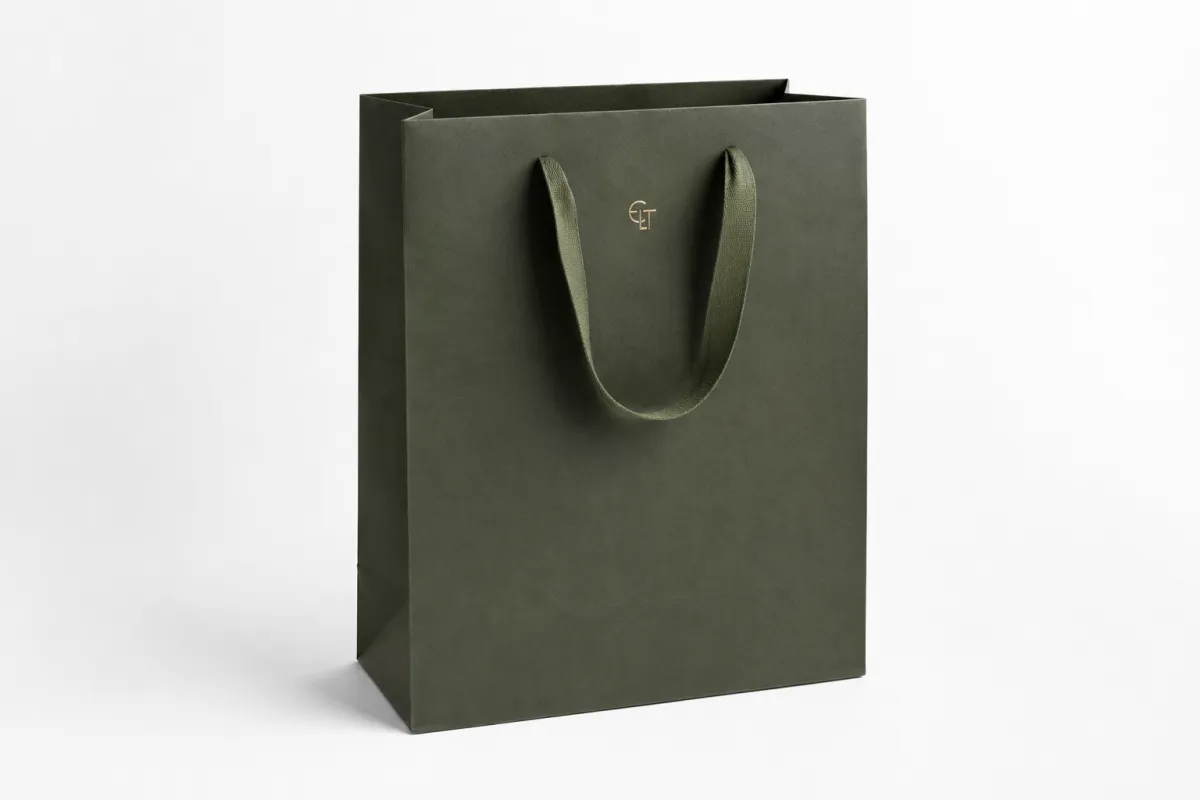
Step into a busy retail store at the right moment and the logic is easy to see. A customer finishes paying, an associate folds the receipt, places the purchase into a sturdy bag, and hands over a package that still carries the store name halfway across the lot. That simple sequence is one reason printed shopping bags wholesale can outperform a one-time promo item. The bag keeps working after the sale closes.
Packaging is often the final in-store impression, so it has to earn its place. The bag should feel balanced in the hand, hold up under real carry weight, and look deliberate at the register. Too thin, and the customer notices. Overbuilt, and margins shrink. The right choice depends on the product, the channel, and how many times the bag will be seen in public. In that sense, printed shopping bags wholesale becomes a planning tool, not just a purchasing line.
Wholesale ordering also brings structure to operations. Chains need consistency across locations. Boutiques need a repeatable presentation standard. Event sellers need a bag that can be replenished on a schedule without every reorder turning into a new custom project. A well-managed printed shopping bags wholesale program keeps print quality, handle style, and bag size aligned from run to run, which is exactly what buyers want while controlling cost and brand appearance.
"A good shopping bag does not vanish after checkout. It moves with the customer and keeps carrying the brand into the street, the car, the office, and sometimes several other hands."
That is also why the bag should be treated as a marketing asset with a job to do. Repeated visibility matters. Customer perception of quality matters too. A thin, poorly printed bag can make a strong product feel less premium. A solid, well-proportioned bag can make an ordinary purchase feel more deliberate. The best printed shopping bags wholesale order is the one matched to actual use, not to a generic idea of nice packaging.
There is a replenishment advantage that buyers appreciate once they have gone through a few seasonal peaks. Standardize the structure and reordering becomes easier. Dielines stay on file, artwork is already approved, and the store team does not have to rethink the bag every time inventory shifts. For a fast-moving brand, that predictability has real value. It reduces surprises, keeps the register flowing, and gives purchasing teams a clearer view of cost per handoff.
In my experience, the cleanest packaging programs start with a simple reality check: what are customers carrying, how far are they carrying it, and how many hands will the bag pass through before it gets tossed or reused? That answer usually tells you more than a flashy sample ever will. A bag that fits the route and the load is gonna do more for the brand than a fancy one that fails in the parking lot.
The smartest buyers usually begin with three questions: What does the product weigh? Where will the bag be used? What print finish is needed for the logo to read cleanly? When those answers are clear, printed shopping bags wholesale becomes a straightforward sourcing exercise instead of a messy design debate. If the product line changes later, the bag spec can be adjusted without rebuilding the whole program.
Printed shopping bags wholesale: materials, styles, and print options
Most buyers compare a short list of bag families first, and that is the right place to begin. Core options include kraft paper, coated paper, laminated paper, poly bags, nonwoven reusable bags, and cotton or canvas alternatives. Each one brings a different cost profile, tactile feel, and carrying performance. In printed shopping bags wholesale, material choice shapes everything that follows, from print sharpness to hand feel to how the bag behaves under load.
Kraft paper remains a workhorse for many retail and takeaway programs. It has a natural appearance, takes a simple one-color logo well, and often stays cost-friendly at medium to high volumes. Coated paper gives a smoother print surface and sharper image detail, which helps when a brand wants crisp type or richer blocks of color. Laminated paper adds sheen and protection, moving the look closer to premium gifting and fashion retail. For reusable programs, nonwoven and cotton are common because they trade a higher unit price for longer service life.
Handle style changes more than many buyers expect. Twisted paper handles are common on kraft bags and keep the presentation simple and retail-friendly. Flat handles often appear in food service or high-volume carryout because they are economical and easy to grip. Rope handles give a bag a more premium feel and can support higher perceived value. Die-cut handles work well on lighter paper or poly structures when a clean silhouette matters. Reinforced grip areas and patch handles help when the bag needs to carry heavier boxed goods or multiple items.
Print method matters as well. Flexographic printing is often the practical choice for repeat runs, especially where speed and consistency matter more than photographic detail. Offset printing suits detailed branding, fine type, and cleaner gradients on paper bags. Screen printing is common for reusable bags, especially nonwoven, because it lays down strong ink coverage and stands up to repeated handling. For buyers comparing printed shopping bags wholesale options, the print method should match the artwork, not just the budget.
Finishes add another layer. Matte coatings create a softer retail look and cut glare under store lighting. Gloss coatings make color feel brighter and can protect the surface during handling. Spot UV, foil stamping, embossing, and debossing raise the presentation, but they also add setup, cost, and sometimes lead time. On paper bags, reinforcement patches at the handle area or base board inserts can be the difference between a bag that looks good in photos and a bag that performs well on the floor.
The table below gives a quick buying view of how the common materials usually compare in printed shopping bags wholesale orders. Prices are broad ranges because bag size, print coverage, and handle choice move the number a lot, but the pattern is useful for early planning.
| Material / style | Best fit | Typical look | Approx. wholesale price per bag | Notes |
|---|---|---|---|---|
| Kraft paper with twisted handles | Retail, takeaway, general merchandise | Natural, clean, practical | $0.18-$0.55 | Strong value for simple logos and medium quantities |
| Coated paper with flat or rope handles | Boutiques, cosmetics, specialty retail | Smoother, sharper print | $0.35-$0.95 | Better for detailed art and richer brand color |
| Laminated paper with rope handles | Premium retail, gifting, launches | Glossy or matte premium finish | $0.90-$2.20 | Higher perceived value, more setup and finish cost |
| Nonwoven reusable bag | Promotions, grocery, events | Soft, reusable, utility-focused | $0.30-$0.90 | Useful when repeat carry and brand exposure matter |
| Cotton or canvas bag | Premium campaigns, brand merch | Natural texture, long wear | $1.20-$3.50 | Higher unit cost, strong reuse potential |
There is no single best bag. A boutique with gift items may need coated paper and rope handles. A grocery or carryout program may need kraft or nonwoven with a strong base and an easy grip. A campaign bag that will be used ten times may justify heavier cloth or canvas. In printed shopping bags wholesale, the right choice is the one that fits product weight, expected reuse, and the brand impression the buyer wants at handoff.
Buyers who care about documented sourcing should ask whether the paper stock can be supplied with FSC documentation where applicable. If the packaging will be tested for shipping durability, look for test methods aligned with ISTA practices. Those references do not replace your own spec sheet, but they do help frame quality expectations in a way that buyers, printers, and logistics teams can all understand. I have seen more than one order go sideways because everyone assumed “good enough” meant the same thing.
Printed shopping bags wholesale specifications to confirm before ordering
The quickest way to avoid a quote mismatch is to lock the technical details before pricing starts. For printed shopping bags wholesale, that means bag width, gusset, height, handle drop, paper weight or film thickness, and the exact print coverage. If any of those are vague, the quote can look attractive at first and then change once the printer fills in the blanks. Buyers save time when the spec sheet is clear from the beginning.
Artwork setup matters just as much as bag size. Print files should include bleed where needed, a safe area for logos, and a clear note on whether colors are specified in PMS or CMYK. If the logo sits near the fold, handle attachment, or gusset edge, the placement must be checked carefully because what looks balanced in a flat layout can shift once the bag is formed. For multi-panel bags, confirm exactly how many print sides are included. One side, two sides, gusset print, or full wrap coverage all affect cost and appearance in printed shopping bags wholesale runs.
Performance specs deserve attention too. Ask about weight capacity, seam strength, base reinforcement, and whether the bag is expected to carry boxed goods, soft goods, or a mix of both. A paper bag carrying folded apparel behaves differently from a bag holding glass jars or boxed gifts. If moisture is part of the environment, coating and paper choice become more important. If the bag will touch food or sit in a delivery flow, the material and ink system should be appropriate for that use. Not every bag needs a high-end finish, but every bag needs to be fit for purpose.
Consistency across reorder batches matters for brands with multiple locations. If color is critical, ask how the printer controls ink matching and what tolerance they work to on repeat runs. If the bag is part of a store-brand identity, check whether the base stock, handle material, and finish will remain stable from one order to the next. In practical terms, printed shopping bags wholesale is easier to manage when the supplier keeps the dieline, artwork, and spec history organized.
A few details that buyers should always confirm:
- Dimensions: width, gusset, height, and handle drop measured in the same unit system.
- Material weight: paper gsm, board caliper, film thickness, or fabric weight.
- Print coverage: single color, multiple colors, full bleed, inside print, or gusset print.
- Reinforcement: handle patch, base board, seam style, or extra lamination where needed.
- Use case: retail sale, takeout, event giveaway, shipping support, or reusable carry.
- Compliance needs: recyclable content, FSC documentation, or food-service suitability where applicable.
Precise specs reduce rework. They also speed approvals because the proof can be checked against a measurable target, not a general idea. That matters in printed shopping bags wholesale because even a small ambiguity can turn into a production delay, a pricing correction, or a bag that simply does not fit the product. A buyer who sends exact dimensions and artwork files almost always gets a cleaner quote back.
Printed shopping bags wholesale cost, MOQ, and quote basics
Price in printed shopping bags wholesale orders is driven by a few core levers: bag size, material grade, number of print colors, finish complexity, handle type, and quantity. Each one changes the production load. A small kraft bag with one-color print is a different job from a laminated paper bag with rope handles, foil, and a full-bleed logo. That difference shows up in setup, labor, material cost, and sometimes waste allowance.
MOQ, or minimum order quantity, depends on how custom the bag is. Stock-style sizes with simple printing can often run at lower minimums. Custom sizes, premium finishes, and multi-color work usually require a higher MOQ because the setup cost has to be spread across more units. In practice, many custom paper bag orders sit somewhere around 500 to 3,000 pieces depending on construction, but the exact number changes by supplier and spec. That is normal. The key is to compare printed shopping bags wholesale quotes that are built on the same structure.
A serious quote should tell you more than a unit price. It should show whether prepress, plates or setup, proofs, production, packaging, and freight are included. Some suppliers include art checks and digital proofs in the base price. Others split those out. Some quote EXW or FOB terms and leave shipping separate. Others give landed pricing. If you are comparing options, use total landed cost rather than only the unit cost. That is the fairest way to judge printed shopping bags wholesale bids.
Here is a practical way to think about pricing tiers for common order patterns:
| Order pattern | Typical cost behavior | What usually raises the price | Buyer takeaway |
|---|---|---|---|
| Simple kraft bag, one color | Lowest setup burden, strongest value | Extra print colors, custom handles, rush timing | Good starting point for steady retail use |
| Coated paper, multiple colors | Moderate price with better presentation | Color matching, detailed art, finish upgrades | Useful for boutique and specialty branding |
| Laminated or foil-finished bag | Higher per-unit cost and more setup | Laminate, foil, embossing, spot UV | Best for premium display and gifting |
| Reusable nonwoven or cotton | Higher material cost, longer service life | Heat seal, stitching, screen print colors | Works when reusability justifies spend |
Buyers often ask whether ordering more is always better. Not always. Larger quantities usually lower the unit price, and that is real savings. The order size still has to reflect sell-through rate, storage space, and seasonality. It is easy to save a few cents per bag and then tie up cash in cartons that sit too long. In printed shopping bags wholesale, smart buying is about balance, not just the biggest run a supplier will accept.
Freight should never be an afterthought. Bags can be bulky, and volumetric shipping charges can shift the true cost more than expected. Packaging format, carton size, and pallet count all matter. If the order is shipping to multiple locations, split drops can change the cost structure again. A good quote makes those details visible, which helps the buyer compare suppliers on the same basis.
One thing I always tell buyers: do not compare a trimmed-down sample price against a fully printed production quote and call it a fair test. It is a little misleading, and it usually ends with somebody reworking the order later. Match the size, stock, handles, and print method first, then judge the numbers.
One useful habit is to ask for a quote in stages. Start with the exact dimensions, material, handle style, and decoration method. Then ask the supplier to show how the price changes at different quantities. That gives you a better view of where the savings begin and whether the packaging budget should support a smaller premium bag or a larger standard run. For printed shopping bags wholesale, that kind of comparison is usually more useful than a single number.
Printed shopping bags wholesale process, timeline, and lead time
The production flow is usually straightforward, but every step has a place where delay can creep in. A typical printed shopping bags wholesale order moves through quote request, artwork submission, proof review, spec approval, production, inspection, packing, and shipment. If the order includes a custom size or special finish, there may be an extra step for sample confirmation or structural review. That is normal and often worth it.
Lead time depends on material availability, print complexity, and the amount of finishing required. A simple run may move faster because the printer already has the right paper on hand and the artwork does not need much cleanup. If the bag requires foil, embossing, multiple print colors, or a custom lamination, the job usually takes longer because the process includes more setup and drying or curing time. In printed shopping bags wholesale, speed is rarely free. The more custom the build, the more planning it needs.
Proofing is where many schedules slip. If the logo file is low resolution, if the color callout is unclear, or if the dieline needs adjustment, the proof cycle can stretch by days. Press-ready files help a great deal. Vector formats such as AI, EPS, or PDF usually move best through the proof process. If the art is not clean, it is better to fix it before approval than to discover the issue after production begins. That advice sounds simple, but it saves real money in printed shopping bags wholesale jobs.
Standard lead time should be understood separately from transit time. A factory may finish the order on schedule and still miss the customer need if freight is not planned well. Air and ocean shipping are not interchangeable, and multi-location deliveries add another layer. If a store opening or seasonal event depends on the bags, the order should be placed early enough to cover proof revisions, production, and transport. Most buyers do better with a little time cushion than with a plan that assumes the fastest possible path.
A practical planning sequence looks like this:
- Confirm the product weight, bag dimensions, and expected volume.
- Send artwork in a print-friendly format and identify the color standard.
- Review the proof carefully for size, placement, and spelling.
- Approve the spec only after material and finish are confirmed.
- Track production, inspection, packing, and shipment separately.
Rush options sometimes exist, but they should be used with caution. A rush can tighten the schedule, yet it can also reduce flexibility for color adjustment, proof revisions, or carton optimization. If the date is firm, say so early. A supplier can often work around that. In printed shopping bags wholesale, the best schedules are the ones built around reality, not optimism.
That is also where a careful buyer earns the most value. The bag itself is only one piece of the order; the timeline around it matters just as much. If you have ever watched a store scramble for backup packaging during a launch week, you know exactly how fast a small delay turns into a visible problem.
Why choose us for printed shopping bags wholesale
What should a buyer look for in a supplier? Clear specs, consistent print quality, and communication that does not create extra work. Those are the basics. A dependable partner should help you Choose the Right board, paper, or fabric weight for the item being carried, not just the nicest-looking sample. That matters because the wrong material can make a good design perform poorly in the field. For printed shopping bags wholesale, technical fit is part of service.
Good production discipline shows up in the details. Color consistency across a repeat order. Clean die cutting. Handles attached squarely. Reinforcement where the load demands it. Cartons packed so the bags arrive with edges protected and the print face not scuffed by transit. These are not glamorous points, but they are the difference between a package that looks fine in a photo and a package that works at the register. A buyer who has dealt with damaged cartons or uneven print knows how much that matters.
Organized reordering is another real advantage. When artwork files, dielines, and order history are kept in order, the next job moves faster and repeat quality is easier to protect. That is especially useful for chains, seasonal programs, and brands with multiple SKUs. A steady Wholesale Programs workflow is often the simplest way to keep printed shopping bags wholesale orders from turning into a brand-new project every time you need a refill.
"The supplier worth keeping is the one who helps you avoid surprises: the bag fits the product, the print matches the proof, and the order lands when the store actually needs it."
Buying packaging should feel controlled, not stressful. A clear spec, a realistic price, and a dependable process are more valuable than a flashy promise. That is the real reason to choose a supplier for printed shopping bags wholesale: fewer corrections, tighter cost control, and a bag that performs as expected when the customer takes it home.
There is also an honesty factor here. If a material choice is not suitable for a heavy load, it should be said plainly. If a finish adds cost without adding much value for the use case, that should be said too. Good packaging advice is not about pushing the priciest build; it is about getting the right one for the actual carry, the actual shelf, and the actual brand standard.
Next steps for printed shopping bags wholesale orders
If you are preparing a quote request, gather the basics before you send it. Target quantity. Bag dimensions. Material preference. Handle style. Artwork files. Delivery window. If possible, include a photo or sample reference so the supplier understands the look you want. A complete brief makes printed shopping bags wholesale pricing faster and usually more accurate.
It also helps to compare two or three spec-matched quotes rather than three loosely similar ones. A low price on a heavier bag, a smaller bag, or a simpler print is not a real comparison. The bag structure has to match first. Then the unit price becomes meaningful. If the order is for a launch, premium display, or a brand with strict color expectations, ask for a proof or sample before full production. That small step can prevent a very expensive mismatch.
Reorder planning matters too. A smart buyer sets a trigger point based on sales velocity and lead time. That keeps the warehouse from running empty during a rush period and gives the team enough time to refresh artwork if needed. For retailers with seasonal traffic, that buffer is especially useful. The last thing a store wants is to run short on bags during a busy week and have to improvise at the counter.
For brands that want to standardize packaging across multiple locations, the cleanest path is to define the spec once, store the approved files, and keep the same structure for repeat runs. That is exactly where Wholesale Programs can help because the process stays repeatable. When the order is built correctly from the start, printed shopping bags wholesale becomes a dependable part of the operation instead of a recurring headache.
So the next move is simple: send the specs, confirm MOQ, review the proof, and lock the timeline. Do that well, and printed shopping bags wholesale becomes a controlled purchase with clear cost, clear performance, and a bag that does its job every time it leaves the store. If you are refining the order now, start with the dimensions and the real carry weight first; everything else gets easier after that.
What is the usual MOQ for printed shopping bags wholesale?
MOQ depends on the material, print method, and size of the bag. Simple paper bags may start at lower quantities, while custom structures, premium finishes, and multi-color decoration usually need higher minimums. In practice, many printed shopping bags wholesale orders land somewhere between a few hundred and a few thousand pieces. The most reliable way to get the right number is to send exact dimensions, artwork, and quantity goals with the quote request.
How long does printed shopping bags wholesale production usually take?
Lead time depends on proof approval, material availability, and print complexity. Straightforward runs may move faster, while custom sizes, special finishes, and large quantities need more time for setup and production. For printed shopping bags wholesale, it is smart to treat freight as a separate timeline from production so the delivery date stays realistic. A careful buyer plans for both steps instead of assuming the bag is ready the moment it leaves the press.
What artwork files do I need for printed shopping bags wholesale?
Vector files such as AI, EPS, or PDF are preferred because they scale cleanly for print and keep lines sharp. Text should be outlined, and color references should be labeled in PMS or CMYK based on the print method. If the artwork is not press-ready, ask for cleanup before proof approval. That saves time and reduces the chance of delay in printed shopping bags wholesale production.
Can I order eco-friendly printed shopping bags wholesale?
Yes. Common choices include kraft paper, recycled paper, FSC-aligned paper, and reusable materials such as nonwoven or cotton. The best eco option depends on product weight, desired appearance, and how often the bag will be reused. For printed shopping bags wholesale, ask for recyclable, recycled-content, or reusable specifications rather than assuming every green claim means the same thing. Documentation matters more than broad language.
What affects the price of printed shopping bags wholesale the most?
Material grade, bag size, print coverage, and quantity usually have the biggest impact on unit cost. Premium finishes, special handles, and tight color matching can raise pricing as well. Freight, packaging, setup, and proof revisions should also be checked so the final landed cost is clear. In other words, printed shopping bags wholesale pricing makes the most sense when the quote is read as a full package, not just a unit number.


