Buyer Fit Snapshot
| Best fit | Printed Sleeve Boxes with Logo projects where brand print, material claims, artwork control, MOQ, and repeat-order consistency need to be specified before quoting. |
|---|---|
| Quote inputs | Share finished size, material target, print colors, finish, packing count, annual reorder estimate, ship-to region, and any compliance wording. |
| Proofing check | Approve dieline scale, logo placement, barcode or warning zones, color tolerance, closure strength, and carton packing before bulk production. |
| Main risk | Vague material claims, crowded artwork, missing packing details, or unclear freight terms can make a low unit price expensive after revisions. |
Fast answer: Printed Sleeve Boxes with Logo: Board, Finish, Dieline, and Unit Cost should be specified like a repeatable production item. The safest quote records material, print method, finish, artwork proof, packing count, and reorder notes in one written spec.
Production checks before approval
Compare the actual filled-product size with the drawing, then confirm tolerance on folds, seals, hang holes, label areas, and retail display edges. Reserve space for logos, QR codes, warning copy, and material claims before decorative graphics fill the panel.
Quote comparison points
Review material grade, print process, finish, sampling route, tooling charges, carton quantity, and freight assumptions side by side. A quote is only useful when the supplier can repeat the same color, closure quality, and packing count on the next order.
Printed Sleeve Boxes With Logo: Costs and Sourcing Tips
Printed sleeve Boxes with Logo do a lot with very little structure. The inner carton, tray, or rigid base can stay plain. The sleeve carries the brand, the shelf presence, and most of the first impression. That matters in retail. It matters in gifting. It matters when a buyer gives the pack about half a second before moving on.
The appeal is not just visual. Buyers usually care about cost, lead time, flexibility, and how painful a reorder will be six months later. A sleeve can be a smart middle ground between stock packaging and a fully custom box, but only if the size, board, print method, and finish all fit the product. Otherwise, it turns into expensive decoration on top of a bad fit.
If you are comparing package formats for a launch or a refresh, it helps to look at other branded options in Custom Packaging Products. The best choice is usually the one that protects the product, supports the brand, and does not create a new headache every time the SKU changes.
Why printed sleeve boxes with logo punch above their weight
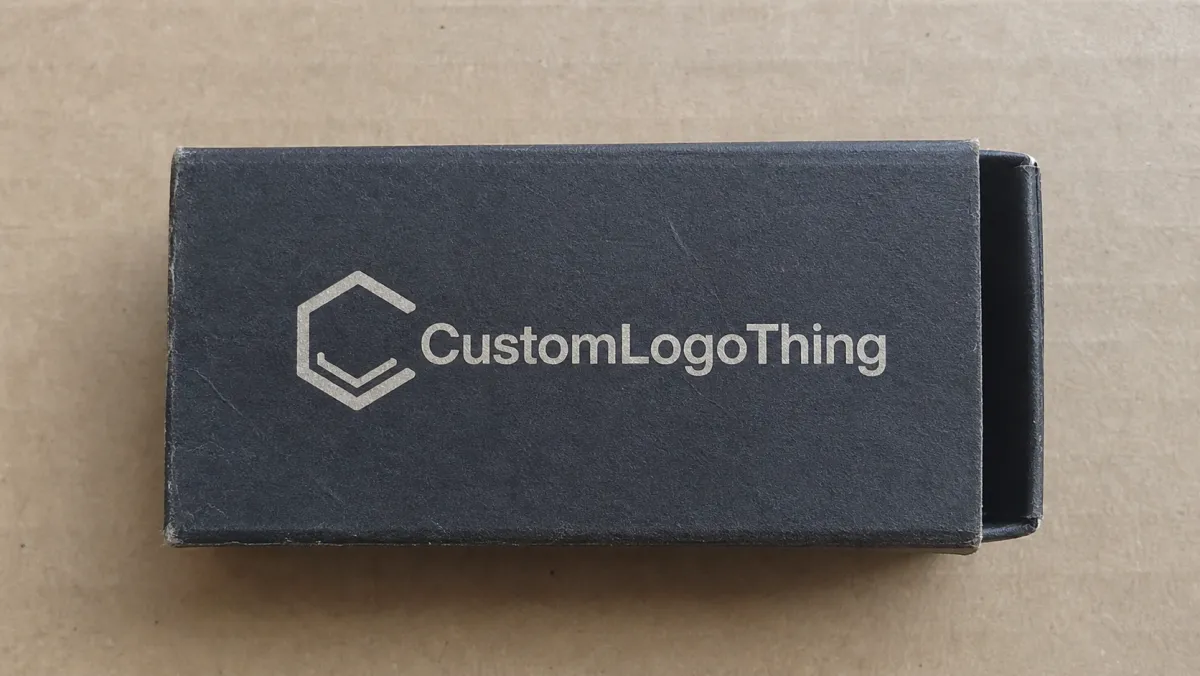
Sleeves work because they meet the shopper where attention is already scarce. The base box can be functional and quiet. The sleeve is what people see first. That outer face carries the logo, color, and finish, so a simple structure can still read as polished and intentional.
That flexibility is the real selling point. A printed sleeve can wrap a tray, tuck box, or rigid base, which means the inner structure can stay stable while branding changes around it. For brands with multiple flavors, sizes, or seasonal campaigns, that is a real advantage. One base pack. Different sleeves. Less inventory chaos. Fewer structural approvals.
It also helps when the product line is still moving. Maybe the formula is not final. Maybe the retailer wants a private-label version. Maybe the marketing team wants a holiday run with a different message. A sleeve lets the brand change the outside without rebuilding the whole package. That keeps the conversation focused on the part that matters most for the moment.
There is a practical reason buyers keep coming back to this format. A fully custom box can look excellent, but it usually asks for more structural decisions, more prepress back-and-forth, and more risk if the line shifts. Sleeves reduce some of that pressure. They are easier to test in smaller runs, easier to revise when copy changes, and usually cheaper to update when the brand wants a new callout or compliance line.
“A sleeve can make a package feel more expensive without changing the whole structure. It does not need to do everything. It needs to do the first job well.”
That said, sleeves are not a cure-all. If the fit is sloppy, the board feels thin, or the sleeve slips around in shipping, the whole package loses credibility. A good sleeve should feel deliberate. Not patched on. Not improvised. Fit, caliper, print coverage, and finish all have to work together.
There is also a budget angle that matters. A brand can start with a simpler spec, see how the market responds, then add foil, embossing, or a better board later if the numbers justify it. That staged approach is common in cosmetics, specialty food, electronics accessories, and gift sets. It keeps the launch moving without forcing the budget into a corner too early.
Sleeves can support sustainability goals, but only if the claim is honest. A reusable base with a refreshed wrap can reduce structural change across campaigns. That does not make the package automatically low-impact. Board, coatings, adhesives, and freight still matter. Still, keeping the core structure stable can reduce waste compared with redesigning the entire box for every promotion.
How the process and timeline work from dieline to delivery
The production path for printed sleeve boxes with logo tends to follow the same sequence, even when the finish or artwork changes. It starts with exact dimensions. Not estimates. Exact numbers. The tray, tuck box, or rigid base needs to be measured carefully because sleeve fit depends on millimeters. After that, the supplier creates or confirms the dieline, which shows fold lines, glue areas, seams, and cut lines. Artwork is then placed onto that template so the logo, copy, and patterns land where they belong.
Proofing comes next, and it does more than catch typos. It checks how the design behaves on the structure. A logo can cross a seam in the wrong spot. A barcode can sit too close to a fold. A tagline can fall into a trim zone and disappear when the sleeve is cut. Every one of those mistakes creates extra work, and extra work loves to slow down a project.
Once the proof is approved, the print method becomes the next major decision. Digital printing usually works well for shorter runs because there are no plates. Offset printing makes more sense at higher volumes, where setup costs spread out across more units. The right choice depends on quantity, artwork complexity, and how much color consistency the brand needs from run to run.
After approval, the physical steps begin: printing, drying or curing, finishing, die-cutting, and either assembly or flat shipping. Special effects such as foil stamping, spot UV, embossing, or soft-touch lamination add handling time because they require extra passes through the shop. A simple sleeve can move from approved artwork to finished product in roughly 10 to 15 business days, depending on quantity and the supplier’s queue. Add premium finishes, unusual cutouts, or more than one revision cycle, and 3 to 5 weeks is more realistic.
That timeline is not unusual. The delay usually shows up before production starts, while everyone is still debating the proof or trying to resolve a dimension that should have been locked earlier. If the launch date matters, the approval window belongs in the project plan from day one.
It helps to separate preproduction from manufacturing. They are not the same clock. Preproduction covers dimension review, artwork, color approval, and samples. Manufacturing covers the actual run and finishing. Buyers often ask for one total lead time and leave it there, but that hides the part of the schedule most likely to slip.
Most delays show up in familiar places. Artwork revisions are obvious. Color approval can eat time too, especially if the brand wants a strict Pantone match or the board stock changes how ink reads. Structural changes are another common culprit; even a small change in sleeve length can trigger a fresh dieline and another proof. Sample review deserves real attention as well. A sleeve that looks fine as a flat proof may behave differently once it wraps around the product.
For products that ship through e-commerce or mixed distribution channels, it is worth asking whether the packaging needs transit testing. The International Safe Transit Association publishes test methods that many teams use when a pack has to survive real movement, not just a pretty unboxing shot. See the guidance here: ISTA standards and testing guidance. Not every sleeve needs formal testing. Fragile goods, though, are a different story.
Cost, pricing, MOQ, and quote factors that shape the unit price
Pricing for printed sleeve boxes with logo depends on a cluster of variables, and the quote can move more than first-time buyers expect. Size is one of the biggest drivers. A small cosmetic sleeve uses less board and less ink than a wide retail sleeve for a gift set. Board thickness matters too. Heavier stock improves stiffness and shelf feel, but it also increases material cost. Print method is another big lever. Digital works well for short runs. Offset usually improves as volume rises. Ink coverage matters as well. A sleeve with a deep flood color or dense photo imagery costs more than a layout with more open space.
Minimum order quantity, or MOQ, has a direct impact on unit cost. Printing comes with setup expenses: proofing, calibration, plates for offset work, die creation, make-ready waste, and press adjustments. Spread those costs across 500 units and each sleeve carries more overhead than it would across 10,000 units. That is why small orders can look expensive per piece even when the total order is still manageable. People sometimes read that as supplier padding. Usually it is just setup math doing its job.
Good comparison work is where sourcing gets smarter. A quote only means anything if the buyer compares the same dimensions, the same board, the same finish, the same quantity, and the same freight assumptions. Two prices can look far apart because one includes shipping, one assumes flat delivery, or one uses a different coating. Ask for apples-to-apples pricing and be clear about whether the sleeves ship flat, pre-formed, or assembled. If the package needs hand insertion after delivery, that labor belongs in the conversation too.
Some costs hide in plain sight. Samples can carry a charge if a physical prototype is needed before release. Pantone matching can add cost if the brand wants a spot color instead of process printing. Freight can hit harder than expected, especially when the order ships internationally or premium board adds weight. Storage matters if the sleeves arrive long before fill. Manual assembly or third-party insertion can also eat into savings faster than a slightly pricier print spec ever will.
| Order profile | Typical fit | Relative unit cost | Planning note |
|---|---|---|---|
| Short digital run | Launch tests, seasonal trials, small SKU batches | Higher per piece | Fastest path when artwork may still change |
| Mid-volume offset run | Stable SKUs, recurring promotions, retailer programs | Moderate | Better pricing once setup costs are spread out |
| High-volume repeat order | Core products, national rollouts, long selling windows | Lower per piece | Best place to add premium finishes if margin allows |
A simple rule keeps bad decisions out of the room: focus on total landed cost, not just the printed unit price. The cheapest quote on paper can become the most expensive package once freight, assembly, waste, and rework are included. If sleeves arrive with fit problems, the replacement cost is not just the reorder. It also includes delay, labor, and maybe a missed launch window. That is the kind of mistake nobody wants to explain later.
For broader budgeting, some teams also compare sleeves against direct print on the carton or against other branded formats in Custom Packaging Products. That comparison is useful because the sleeve may save money on structure while spending more on finishes if the brand wants a premium look.
Materials, finishes, and structural choices that change perception
Material choice affects perception more than people like to admit. Paperboard grade changes stiffness, print clarity, and how the sleeve feels in the hand. A slightly heavier board can make the whole package feel more substantial even when the structure stays the same. That does not mean the thickest board wins. Too much stiffness can make insertion annoying, especially when the sleeve fit is tight. A good supplier will suggest a caliper that balances display quality with assembly ease. Fancy is fine. Fragile is not.
Surface finish sends its own message. Matte usually reads restrained and modern. Gloss makes color pop and works well when shelf visibility matters. Soft-touch adds a warmer tactile feel and often fits beauty, wellness, and premium gift items. Foil stamping, spot UV, embossing, and debossing should be used with some discipline. A small foil logo on a calm background often looks more expensive than foil everywhere. Same with spot UV. One sharp accent usually beats a crowded layout stuffed with effects.
Structure changes the experience too. A friction-fit sleeve is simple and economical. A wraparound band can work for smaller products or promotional sets. Tear-open features can support tamper evidence or create a deliberate opening moment. Window cutouts help when the product benefits from visibility, though they reduce print space and complicate die cutting. Every structure changes both the unboxing and the security of the pack. If the product has to survive retail handling and parcel delivery, that tradeoff should be decided early, not after the proof looks pretty.
Sustainability needs a straight answer instead of a marketing pat on the head. Recyclable board helps, but a package is not low-impact just because one piece of paper can be recycled. Coatings, laminations, adhesives, and transport distance still matter. FSC-certified paper can support responsible sourcing claims when the supplier is actually certified, and many brands ask for it because the standard is widely recognized. You can review the framework at the Forest Stewardship Council: FSC certification and forest stewardship. If a supplier says a sleeve is recyclable or responsibly sourced, ask for documentation. That is basic due diligence, not a trust issue.
There is also a common design mistake: over-specifying the package. A sleeve can look premium with just two or three strong decisions: a dense board, a clean print, and one finish accent. Add too many effects and the package starts to feel busy instead of elevated. The quote rises too. Packaging that works usually has a clear hierarchy. The logo leads. The message supports. The finish reinforces. The rest needs a real reason to exist.
Category context matters more than any generic rule. Cosmetics often reward restraint and tactile finishes. Food packaging usually needs bright color, clean legibility, and solid compliance information. Electronics accessories tend to benefit from strong graphic contrast and organized copy. Gift sets can handle more decoration, especially when the sleeve is tied to a seasonal campaign. The right structure is the one that fits the product’s selling environment and the buyer standing in front of it.
Step-by-step guide to sourcing printed sleeve boxes with logo
Start with the product, not the artwork. Exact dimensions matter more than most teams think. Measure the inner box or tray at its longest, widest, and tallest points, then decide how much overlap the sleeve needs for grip and visual balance. Note the product weight, whether the item is fragile, how it will be filled, and whether the package is for shelf display, direct shipment, or both. A sleeve built for a retail shelf may not hold up the same way in a parcel network.
Next, gather the brand files. That means vector logo files, approved color references, copy blocks, barcode requirements, legal text, and any compliance language. If a barcode needs to scan on coated stock, the design should account for that from day one. If the package needs country-specific warnings or ingredient lines, those should not be left for the final proof scramble. A clean brief saves time. Sometimes a lot of time.
Then ask for a supplier-specific dieline. Generic templates are fine until they are not. If the box size changed, or the sleeve crosses a seam, or the art has a critical logo placement, use the actual dieline. The template is where structure meets design. If the supplier marks bleed, safe zone, and glue area clearly, keep those boundaries exactly where they are. It is one of the easiest ways to avoid expensive rework.
Samples or mockups should happen early. A folded prototype can reveal fit problems, color contrast issues, or readability concerns that a screen proof will hide. A sleeve that looks sharp in PDF form may feel too loose once it is wrapped, or the logo may sit awkwardly near the join. If the package matters to the launch, the sample is not optional fluff. It is the cheapest way to catch a mistake before the whole run is printed.
Review the proof like someone who has seen bad packaging before. Check dimensions first. Then check fold direction, seam placement, safe areas, and artwork alignment. Look at where the logo lands relative to the opening edge. Make sure no key text disappears in the wrap. Confirm color expectations and whether the supplier is matching to a Pantone reference or a print sample. If special finishing is involved, verify exactly where foil, embossing, or spot UV is applied. These details are easy to fix before print and irritating after it.
Once the order is approved, save the spec for the next reorder. Keep the final dieline, quantity breakpoints, approved finishes, supplier contact, and lead-time expectation in one place. If the product repeats, the next purchase becomes easier and less error-prone. Packaging teams lose too much time rebuilding the last approved version from scattered emails and old PDFs.
A practical sourcing checklist looks like this:
- Final dimensions for the inner box or tray
- Target quantity and acceptable MOQ
- Artwork files and color standards
- Finish preferences and budget ceiling
- Shipping method and delivery deadline
- Sample approval plan and reorder contact
If your team is building a broader packaging program, it helps to connect the sleeve spec to a family of products instead of treating every SKU as a one-off. A shared dieline, a shared board spec, and a shared print logic reduce friction over time. Many buyers keep Custom Packaging Products as the reference point for that kind of planning because it is easier to standardize once the supplier knows the range.
Common mistakes that raise cost or create production delays
One of the most expensive mistakes is designing the sleeve before the inner box size is final. Even a tiny shift in dimensions can make a sleeve too loose, too tight, or visually awkward. If the fit changes after artwork is approved, logo placement may need another round of edits. That means more revisions and more delay. Lock the structure first, then build the design around it. Boring, yes. Cheaper too.
Overusing premium finishes is another classic problem. Foil, embossing, spot UV, soft-touch, and specialty inks all have their place. Stack too many of them and the package starts to feel crowded. The quote climbs as well. For many products, one strong finish does more work than three competing effects. A packaging buyer should always ask whether the finish improves the sale or just improves the mood board.
Poor artwork files create avoidable friction. Low-resolution logos can print soft or jagged. Unprofiled colors can shift unexpectedly across different stocks. Copy set too close to folds can disappear when the sleeve is assembled. These are ordinary prepress issues, but they still cost time. A supplier can usually clean up small mistakes, yet repeated corrections push the schedule back and can move the order into a later production window.
Logistics gets ignored more often than it should. A low ex-works price can look attractive, but if the sleeves ship inefficiently, require heavy manual assembly, or sit in a warehouse for too long, the savings disappear. The cheapest print quote is not always the best buying decision. It is smarter to follow the product through the whole chain, from factory to warehouse to pack line or shelf.
Color approval is another trap. Screen color is not production color. Paper stock, coating, ink density, and print method all affect the final result. If brand color accuracy matters, ask for a physical proof or a press sample instead of trusting the monitor. Not every project needs a formal proof cycle, but color should be treated like a production variable, not a design guess.
There is a sourcing mistake that takes longer to notice: buying the sleeve without thinking about the product lifecycle. If the brand expects frequent copy changes, a highly customized print design may be less practical than a simpler template with variable overprints. If the line is still being tested, the sleeve should not trap the team in a rigid inventory plan. Packaging should support the product strategy, not box it in.
Standards matter when risk matters. If transport durability or unit-load performance needs validation, use recognized methods instead of inventing one in a meeting. Industry groups like ISTA and standards frameworks such as ASTM exist for a reason. Packaging failures are expensive and annoyingly predictable. A sleeve is not a shipping carton, but it still travels. The better the sourcing brief, the less likely the package is to fail in a way that costs sales later.
Expert tips and next steps for better packaging sourcing
If you want a cleaner buying decision, test two or three stock options side by side before scaling. Compare print clarity, stiffness, and tactile feel in hand. A board that looks nearly identical on a spec sheet can behave very differently once printed. One stock may hold fine text better. Another may feel more premium under light. Those differences are hard to guess from a PDF, which is why PDFs keep disappointing everyone.
Ask for structured quotes instead of vague estimates. A useful quote should include unit price at multiple volumes, sample cost, lead time, finishing options, shipping assumptions, and artwork requirements. That format makes comparison easier and saves you from relying on memory, which is a terrible project tool. If the quote leaves out key variables, ask for them. Good suppliers expect that question.
When possible, use one master sleeve template across a product family. That lowers artwork effort, simplifies storage, and helps the brand stay visually consistent. If copy changes by SKU, the layout can still remain stable. The result is fewer seam surprises, fewer logo-scale mistakes, and fewer packages that look like they came from different brands.
Build a packaging spec sheet and keep it current. Include dimensions, quantity targets, approved board type, finish selection, reorder contacts, and deadline assumptions. Add notes on whether the sleeves ship flat or assembled, and whether the product needs compliance text or barcode placement rules. That one document can save hours on the next order and reduce the odds of a rushed mistake.
For brands still deciding between formats, think in terms of use case instead of prestige. Printed sleeve boxes with logo work best when the core box can stay stable but the brand needs a visible story on the outside. They are strong for launches, limited editions, and multi-SKU lines. They are weaker if the package needs full structural protection or if branding has to cover every side with no exceptions. Choosing the right format is a purchasing decision, not a taste test.
If you are putting a brief together now, start with the essentials: dimensions, artwork, target MOQ, and deadline. Then ask suppliers to quote the real production path, not a stripped-down version of it. That shows where the cost sits, where the timeline can stretch, and where the sleeve can add value without turning into excess. For many brands, that is the difference between a package that merely holds the product and one that helps sell it. Printed sleeve boxes with logo stay useful because they give packaging teams enough flexibility to move fast without giving up presentation.
The actionable takeaway is simple: lock the inner pack dimensions first, request an itemized landed-cost quote, and approve a physical sample before release if the fit or color matters. That sequence avoids most of the expensive surprises, and it gives the sleeve a real job instead of a decorative one.
FAQ
How much do printed sleeve boxes with logo usually cost per unit?
Unit cost depends on size, board stock, print method, finishes, and quantity, with setup costs spread across the run. Smaller orders usually cost more per piece, while higher volumes reduce the per-unit price faster. Ask for a landed-cost quote so you can compare printing, sampling, freight, and assembly together.
What is the typical lead time for printed sleeve boxes with logo?
Lead time includes proof approval plus manufacturing time, so the schedule gets longer if artwork changes late. Simple digital runs can move faster than complex offset jobs with multiple finishes or specialty cuts. The most reliable estimate comes after the final dieline, quantity, and finishing choices are confirmed.
What files do I need to order printed sleeve boxes with logo?
Vector logo files, usually AI, EPS, or PDF, are preferred because they scale cleanly for print. You should also provide exact dimensions, copy, barcode files, color references, and any compliance text. A supplier-specific dieline matters so the logo and text land correctly across folds and cut lines.
Are printed sleeve boxes with logo good for small MOQ orders?
Yes, especially if you want a branded look without paying for a fully custom structural box. Smaller MOQs are easier with digital print, but the unit cost is usually higher than at larger volumes. They work well for launches, test markets, seasonal promotions, and products with changing artwork.
Which finishes work best for printed sleeve boxes with logo?
Matte and soft-touch finishes usually feel premium and photograph well, while gloss boosts color and shelf brightness. Foil, spot UV, embossing, and debossing are best used selectively to emphasize the logo or one key message. The right finish depends on the category, handling conditions, and whether the buyer wants understated or high-impact branding.


