For cosmetic kits, branded accessory sets, and retail bundles, a printed Slider Lock Clothing Bags quote for cosmetics is more than a unit-price request. It is a packaging decision that affects appearance, protection, pack-out speed, and shelf presentation. Buyers usually need the product to look clean in retail, stay closed during transit, and remain visible without opening the package.
This bag style works well for beauty accessories, sample sets, promo bundles, and apparel-related kits because it combines a reclosable closure, printable exterior, and repeatable retail format. To get a quote that can be used for purchasing, start with dimensions, closure style, print coverage, quantity, and the real end use. Those details shape cost more than generic bag descriptions do.
Why Cosmetics Teams Switch to Slider-Lock Retail Bags
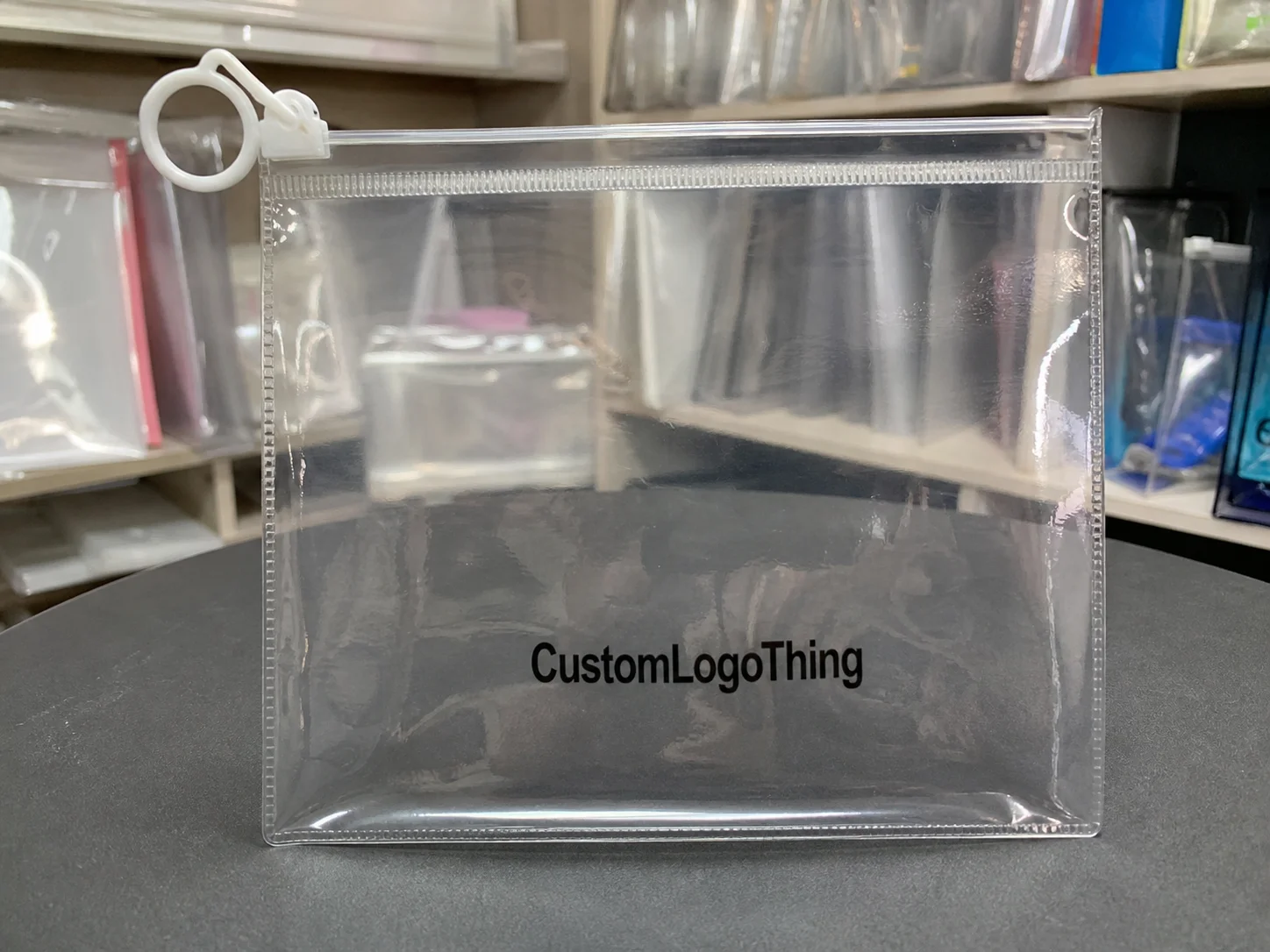
Cosmetics packaging often has to hold small, mixed, or easy-to-scatter items. A slider-lock bag keeps sets together, protects folded inserts or accessories, and lets the customer see what is inside before opening the package. That matters when a kit includes a scarf, beauty sponge, sample pouch, cosmetic tool, folded apparel item, or promotional insert.
The format also helps on the packing line. During hand assembly, a reclosable bag can reduce product scatter and keep each kit organized until carton loading. Once closed, the bundle is easier to handle through fulfillment, store receiving, and customer reuse. For products with soft goods or delicate inserts, that simple closure can reduce rework and damage.
“A bag that looks good is useful. A bag that looks good and keeps the kit organized is the one buyers reorder.”
For retail presentation, the tradeoff is usually visibility, protection, and consistency. Opaque packaging can hide products that should be shown. Overbuilt packaging can add cost without improving sell-through. A clear or partially clear slider-lock bag with controlled branding often lands in the useful middle: it protects the product while still showing enough detail for retail and fulfillment checks.
Buyers also return to this format because it is familiar to operators and flexible across programs. The same general construction can support branded cosmetics, apparel accessories, gift sets, and seasonal bundles without forcing a new packaging structure for every SKU.
Product Details That Matter Before You Request a Sample
The basic construction is usually polyethylene or polypropylene film, a slider zipper or track-style closure, and printed artwork on the exterior. Many buyers add a hang hole or euro slot when the bag needs to sit on a peg display or merchandising fixture. These details change both store presentation and warehouse handling.
Common formats include flat bags, bottom-gusset bags, and larger garment-style bags used for bundled merchandise or influencer kits. Flat bags are efficient for slim products. Bottom-gusset options give more room for thicker sets or boxed items. Larger formats work when the package combines apparel with cosmetics or accessories.
Printing needs careful thought. Full coverage graphics can look strong, but they may hide contents, interfere with picking, or make barcode checks harder. Clear windows, partial print panels, and selective branding often create a better balance. If the product must remain visible for retail inspection, UPC scanning, or internal packing checks, leave enough clear area to read the package quickly.
The closure deserves the same attention. Some sliders glide with a firmer, more deliberate feel; others are lighter and lower cost, but may not suit a pack that customers will open and reseal several times. A bag that works once on a sample table is not the same as a bag that works through packing, transit, retail display, and repeated customer use.
Common construction choices
- Film: polyethylene for flexibility, polypropylene for a crisper look and slightly firmer feel.
- Closure: slider zipper for easier resealing, track seal for simpler construction and lower cost.
- Merchandising: euro slot, hang hole, or plain top edge depending on display method.
- Branding: one-color logo, full-color print, or partial panel printing with a clear window.
When you request a sample, check three things first: closure feel, print placement, and filled-bag presentation. A sample can look good empty and fail once the product has sharp corners, mixed materials, or a bulky insert card. That is especially true for kits combining soft goods with hard cosmetic tools.
Packaging standards from organizations like ISTA can help teams think about handling, compression, and transit vibration. Cosmetic packaging often has to survive warehouse movement and repeat consumer use, not just a short visual review.
Spec Choices That Change Performance on the Line
The biggest spec decision is usually film thickness. Too light, and the bag can feel flimsy, wrinkle heavily, or stress at the closure. Too heavy, and the price climbs without adding much value unless the package supports a heavier item. Ask for thickness in microns or mils and compare it against the actual fill weight, not against a vague “premium” label.
Bag dimensions matter just as much. A cosmetic kit with a soft insert behaves differently from a folded garment or mixed gift set. The wrong width can force operators to overfill the bag. The wrong height can leave too much empty space, which hurts presentation and makes stacks less stable in cartons. Tighter dimensional control usually pays off because the closure sits cleaner and the package displays better.
Slider style, seal strength, print colors, and finish all affect the final experience. Matte and gloss surfaces present differently under retail lighting, and the finish should match the brand and surrounding shelf environment. If the packaging will sit next to bright cosmetics cartons, the film and print should be checked alongside those materials, not evaluated in isolation.
Before requesting a sample or quote, send finished product dimensions, target fill weight, desired transparency, print file, and retail compliance requirements. If the bag needs to support private-label cosmetics, an insert card, a barcode panel, or a specific hang configuration, call that out early. Missing information usually creates revision cycles later.
Packaging guidance from The Association for Packaging and Processing Technologies can help teams compare options when the order is part of a broader retail packaging program. The key is to treat the bag as a production item, not a generic container.
A practical quote request should answer these questions before pricing:
- What is the finished bag size?
- How many pieces are needed?
- How many print colors or coverage zones are required?
- Will the bag hold cosmetics alone, or a mixed apparel-and-beauty bundle?
- Does the package need a hang hole, euro slot, or special finish?
The cleaner the spec sheet, the less the pricing conversation depends on assumptions. That is usually the difference between a vague quote and one that can move a program forward.
Printed Slider Lock Clothing Bags Quote for Cosmetics: Pricing and MOQ
A printed Slider Lock Clothing Bags quote for cosmetics is driven by a short list of variables: size, film thickness, print coverage, number of colors, special finishes, and closure configuration. If any one of those changes, the unit price can move more than buyers expect.
MOQ is usually tied to setup efficiency. Printing plates, film handling, and converting time have to be spread across the run. That is why a small order can cost more per unit even when the bag looks simple. For low-volume cosmetic launches, the buyer may accept a higher unit cost to get exact branding and the right retail presentation.
Compare quotes on the same basis. Some suppliers include artwork prep, plate charges, and sample costs. Others list them separately. Freight terms can also change landed cost enough to make the lowest unit price irrelevant. If one quote assumes sea freight and another assumes air freight, the numbers are not comparable.
| Option | Typical MOQ | Price Range | Best Fit |
|---|---|---|---|
| Clear bag with one-color logo | 3,000-5,000 pcs | $0.18-$0.28 per unit | Simple retail kits and promo packs |
| Printed bag with partial coverage | 5,000-10,000 pcs | $0.24-$0.40 per unit | Branded cosmetics bundles with visibility |
| Full-print bag with special finish | 10,000 pcs and up | $0.35-$0.60+ per unit | Launch packs, premium retail, influencer kits |
These ranges are not fixed. A wider bag, thicker film, or more complex artwork can push pricing higher. A larger order, simpler graphics, and standard sizing can bring it down. Small changes in print area or zipper style can move a job from a standard line setup to a more expensive custom run.
For brands using recycled content or paper insert cards, it helps to connect the packaging spec to broader sourcing goals. The Forest Stewardship Council is useful for teams aligning printed components or insert cards with responsible material sourcing.
If you want a quote that is easy to compare, ask for these items separately:
- Bag material and thickness.
- Closure type and size.
- Print setup and color count.
- Artwork prep, plate cost, and proof charges.
- Freight or delivery terms.
This level of detail makes it easier to adjust the spec if the first quote is outside budget. In many cases, the quickest way to reduce cost is to trim unnecessary print coverage or standardize the bag size before changing suppliers.
Production Process and Timeline From Artwork to Shipment
The production path should be clear: request review, spec confirmation, artwork check, proofing, sample approval if needed, printing, converting, final inspection, and packing. A supplier that skips these steps is moving risk downstream. That risk can show up as misregistered print, weak closure performance, or cartons that do not match the approved sample.
Lead time depends on whether the artwork is final, whether a physical sample is required, and how complex the print registration is. A straightforward run with locked artwork can move faster than a job needing proof corrections or a new closure configuration. Seasonal kits and launch programs need an earlier start because freight time can become the schedule breaker before production does.
Buyer approval speed matters too. If the proof sits for several days, the whole schedule slips. That is especially important when the bags are tied to a retailer deadline or campaign launch. One delayed sign-off can affect production, freight booking, and pack-out.
Typical timing often looks like this: proof and sample review can take a few days, production may run in roughly 12-15 business days after approval for a straightforward order, and freight depends on destination and shipping mode. Full coverage print, special finish, or a custom closure should be scheduled with extra time.
“A realistic lead time is better than a short one that misses the launch window.”
Inspection should confirm closure function, print alignment, bag dimensions, and carton packing. For cosmetic packaging, a visually attractive bag is not enough if the slider jams, the print lands off center, or the hang slot is cut poorly. Final checks should also confirm that the bag opens and reseals without excessive force and that the print stays clean at folds and seal areas.
Why Buyers Keep Reordering the Same Bag Format
Repeat buyers come back when the bag works the same way every time. Stable dimensions, consistent print color, and dependable closure action reduce packing problems. Once the team knows how the bag behaves on the line and at retail, reordering becomes easier and less risky.
For cosmetics-related retail packaging, sourcing support matters because the buyer is balancing appearance, durability, and budget. A supplier who understands those tradeoffs can help decide whether to use clearer film, heavier gauge, simpler artwork, or a different closure. That is usually more useful than chasing the lowest unit price and discovering problems during pack-out.
Mixed SKU programs benefit from stable specs. One order might include beauty accessories, another folded apparel, and another a bundled promo set. If the core bag format remains consistent, the buyer can reorder with fewer approval cycles and use packaging inventory across more than one program.
That consistency is also valuable across sales channels. A retail shelf version, e-commerce version, and giveaway kit may share the same construction with only artwork changes. A consistent bag platform makes those programs easier to manage and cheaper to repeat.
What buyers usually want is not only a number. They want a repeatable packaging spec that can move from quote to reorder without surprise changes in fit, finish, or lead time.
Next Steps to Turn a Quote Request Into a Purchase Order
Start with the spec sheet. Gather finished bag size, target quantity, print file, closure preference, and intended use before requesting pricing. If the bag will carry cosmetics, apparel, or mixed retail accessories, include the actual fill profile so sizing is based on the product, not guesswork.
If the package will be opened and resealed by customers, request a sample check for fit and closure feel. It is much easier to adjust a spec before production than after cartons are packed. The same applies to barcode placement, window size, and hang-hole position, which are easy to overlook until the first sample is in hand.
The purchasing path should stay simple: confirm specs, review the quote, approve the proof, then schedule production and freight. This gives procurement a cleaner basis for comparing suppliers because the quote is tied to an approved spec rather than a rough description.
The best quote shows material, MOQ, print method, timing, and delivery terms clearly enough that the buyer can make a decision without filling in blanks. If the numbers look unusually low, check whether sample charges, plate costs, or freight were left out. Those omissions can matter more than a small difference in unit price.
A usable quote should reflect the real construction, the real product, and the real schedule. That is what turns a packaging request into a purchase order that can move through production without avoidable surprises.
What affects a printed slider lock clothing bags quote for cosmetics the most?
Bag dimensions, film thickness, print coverage, and slider style usually drive the biggest pricing changes. Artwork complexity and special finishes can add setup cost even when the material itself is standard. Quantity has a major effect because larger runs spread setup costs across more units.
What MOQ should I expect for cosmetic slider-lock bags?
MOQ depends on size, print method, and setup requirements. Simple clear bags with limited print usually have lower minimums than fully printed, custom-sized bags. If you need a tighter MOQ, provide exact specs so the quote can be built around the most efficient run size.
Can these bags be used for both clothing and cosmetics kits?
Yes. The format works well for folded apparel, beauty accessories, sample sets, and bundled retail packs. Confirm the bag size and closure strength against the actual fill profile. Mixed kits should be sample checked so the contents sit cleanly and the slider closes without stress.
How long does production usually take after artwork approval?
Timing depends on order size, print complexity, and whether a physical sample or proof cycle is required. A straightforward run moves faster when artwork is final and specifications are locked early. Build in extra freight time for retail launches or seasonal promotions.
What information should I send to get an accurate quote?
Send finished dimensions, quantity, print colors, artwork files, and intended product use. Include whether you need clear film, tinted film, a hang hole, or any special finish. The more complete the specification, the faster the quote can reflect real cost and lead time.


