Slider Lock Clothing Bags unit cost for skincare sounds narrow until packaging starts affecting the real margin. A bag that looks inexpensive on paper can become costly once damaged sets, loose sample packs, repacking labor, and weak shelf presentation enter the picture. The difference between $0.18 and $0.26 per bag can disappear quickly if the cheaper option slows fulfillment or leaves the set looking unfinished.
Skincare buyers usually start with three numbers: unit cost, minimum order quantity, and landed cost. Those matter, but they do not tell the whole story. The closure style, film thickness, and bag dimensions determine whether the package survives packing, storage, shipping, and repeated handling. That is where the low quote starts behaving like the expensive one.
Why a simple closure detail changes skincare margins
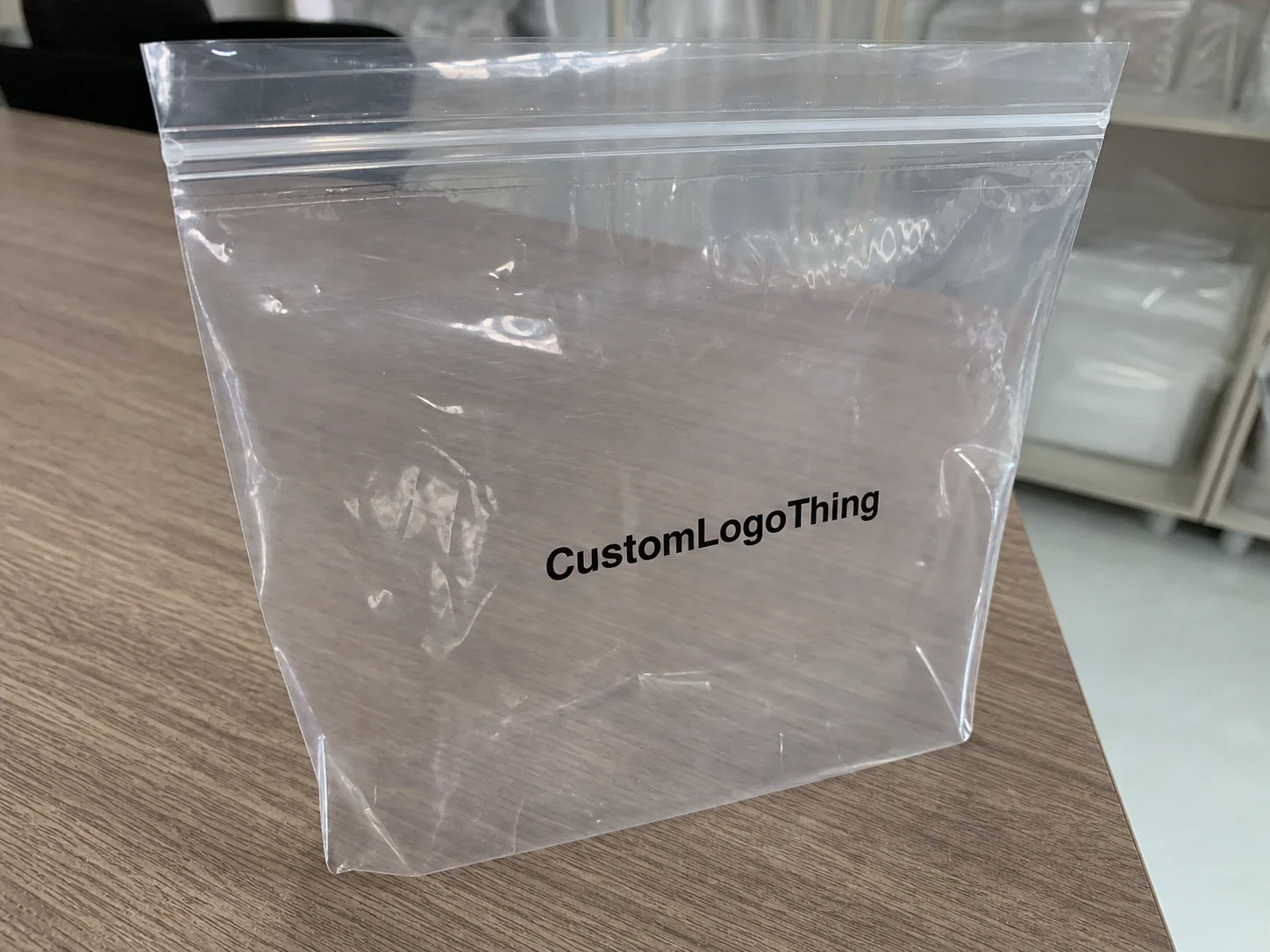
A slider lock looks simple. It is a small mechanical detail, not a branding statement. That is exactly why it gets overlooked. A good closure should open cleanly, close without fuss, and keep the contents together after the first handling cycle. If it fails at any of those points, the package starts creating work instead of reducing it.
For skincare sample kits, travel sets, or bundled tube-and-jar combinations, the slider changes the customer’s first impression. A standard press-to-close zipper can work for low-cost mailers, but a slider gives the bag a more reusable, controlled feel. It is easier for customers to understand, and it is easier for fulfillment teams to close consistently at speed. That matters when the bag holds a cleanser mini, a serum vial, a moisturizer jar, and a folded instruction card.
From a buyer’s perspective, Slider Lock Clothing Bags unit cost for skincare should be measured against damage, repacking, and presentation loss. A bag that opens in transit or pops loose during packing creates labor immediately. A bag that is too tight scuffs labels, bends tubes, and makes the kit feel overstuffed. A bag that is too large looks slack and cheap. None of those issues appears in the first quote.
There is also a quieter cost: consistency. If one carton of bags closes smoothly and the next one sticks, the line slows down. Operators start checking every piece by hand, and the packaging budget absorbs the difference through extra handling time. On a 5,000-piece order, even a small defect rate can wipe out the savings from a lower unit price.
Buying rule: compare the cost of a fully packed, usable kit, not the bag price alone.
That is the right frame for skincare packaging. A better closure can justify a higher unit price if it protects the product set and reduces labor. If it does not, the savings are not real.
What drives slider lock clothing bags unit cost for skincare
The main cost drivers are predictable: bag size, film thickness, slider hardware, print coverage, finish, and order quantity. Buyers often focus on the logo first, but print is rarely the largest cost item. Oversized dimensions, thicker film, and specialty sliders usually move the quote more than a simple one-color mark.
Clear PE slider bags for skincare often fall around $0.16 to $0.38 per unit at 5,000 pieces, depending on the structure and print. Frosted or tinted film usually pushes that into the $0.22 to $0.48 range. Once the order includes heavier sliders, two-sided printing, broad ink coverage, or a custom shape, Slider Lock Clothing Bags Unit cost for skincare can move past $0.55 before freight.
Quantity matters just as much. A 500-piece run usually carries a disproportionate share of setup time, material waste, and packing labor. A 1,000-piece order may still feel expensive, while 3,000 to 10,000 pieces often produces a cleaner unit cost because the fixed costs spread out more efficiently. The design did not change; the production math did.
Size surprises buyers more often than print. A bag for two 30 ml tubes and a flat card might need only moderate film and a compact footprint. A bag for jars, a roller, and a folded carton needs more width, more tolerance, and usually a stronger structure. Wider bags also reduce shipping density, which raises freight cost per packed unit even when the factory price looks stable.
| Specification choice | Typical cost impact | Best use case |
|---|---|---|
| Clear PE, 80-100 microns, one-color logo | Lower unit cost, often $0.16-$0.30 at practical MOQ | Samples, simple bundles, promotional kits |
| Frosted PE, 100-120 microns, one-side print | Mid-range cost, often $0.24-$0.42 | Retail skincare sets and travel packs |
| Colored film, heavy slider, two-side print | Higher cost, often $0.38-$0.65+ | Premium gift sets and subscription kits |
| Custom oversized bag with gusset | Higher tooling fees and freight exposure | Multi-item bundles, jars, brushes, and accessories |
Defect risk belongs in the cost calculation too. A low-cost slider that sticks, cracks, or separates from the track can create returns and complaints that cost more than the price difference. Shelf appeal matters as well. Clear film shows product color and labels, while frosted film softens the visual clutter and makes mixed components feel more orderly.
If sustainability claims are part of the spec, keep the language exact. Ask for material documentation rather than broad claims. If the packaging includes paper inserts or cartons, references such as the EPA recycling resources can help frame what is actually recyclable in a given market. Paperboard, recycled content, and plastic film are not interchangeable claims.
Size, film, and zipper specs that actually matter
Start with the product stack, not the bag catalog. Measure the skincare items in the exact packing order: width, height, depth, and how much empty space is acceptable once the closure is shut. A 30 ml tube does not behave like a glass jar, and a pump bottle needs more clearance at the cap than a simple sachet or card insert.
For flat sample kits, a 70-90 micron film may be enough. For travel sets with tubes and mini bottles, 100-120 microns is usually safer. For heavier retail bundles, 120-150 microns provides more structure and less wrinkling. Thicker film does raise the price, but it can also improve shelf presentation and reduce the chance of the bag collapsing inside a carton.
Gusset choice matters more than many buyers expect. A flat bag works for sachets, instruction cards, and slim tube sets. A side or bottom gusset helps when the kit includes jars, pump bottles, or mixed shapes that need more depth. Oversizing by guesswork usually creates either wasted material or a loose, awkward fit. A practical allowance is often 8-15 mm around a compact product group, with more room needed for bulky sets or hard edges.
Material choice should match the channel. Clear PE is cost-effective and keeps the product visible. Frosted PE hides clutter and gives the set a softer retail look. Colored film supports stronger brand blocking, but it hides the contents and usually tightens the tolerances around color matching. Matte surfaces, thicker film, and special print effects can improve the presentation, but every one of those choices adds cost and approval time.
The slider itself deserves a closer look. Ask about pull-tab durability, track alignment, and how smoothly the closure moves under repeated use. A slider should open and close at least 20-30 cycles in a basic handling check without snagging or separating. The side seals should stay intact after a normal drop from fulfillment height, often around 24-36 inches. That is not a laboratory certification. It is a practical test that catches obvious failures before they show up in customer hands.
If the bag will hang in retail, specify the hang-hole style and placement early. A euro slot, round hole, or reinforced header area affects the layout and may require tooling adjustments. For shipment testing on packed retail formats, standards from ISTA help define drop, vibration, and distribution expectations.
Print alignment deserves the same discipline. On smaller skincare bags, even a few millimeters of shift can make the logo look careless. Ask the supplier for the expected tolerance before final approval. A realistic range is often +/-2 mm to +/-4 mm, depending on bag size, film movement, and the print method used.
Pricing, MOQ, and quote rules buyers should use
MOQ is not a penalty. It is the way the supplier spreads setup cost, material waste, machine time, and packing labor across the run. Small orders are possible, but they are rarely efficient. That is why Slider Lock Clothing Bags unit cost for skincare can look high below 1,000 pieces and then improve noticeably at 3,000, 5,000, or 10,000 pieces.
For custom printed slider bags, practical MOQ often begins around 1,000-3,000 pieces for simpler formats, while stronger bulk pricing usually appears around 5,000-10,000 pieces. Very custom film color, unusual dimensions, or specialty slider hardware can push the minimum higher. Not every supplier uses the same threshold, so buyers should ask for tiered pricing rather than assuming one quote fits every quantity.
The quote gets better when the request is complete. A half-spec produces a half-answer, and the missing costs usually arrive later. Suppliers need exact dimensions, film thickness, material type, finish, print sides, ink count, slider style, gusset requirement, packing method, carton limits, quantity, delivery address, and target date.
- Size: width x height x gusset, measured in mm or inches.
- Thickness: common choices include 80, 100, 120, and 150 microns.
- Material: clear PE, frosted PE, colored PE, or specialty film.
- Print: one-color logo, full coverage, one-side, or two-side printing.
- Closure: standard slider, heavy slider, color-matched slider, or custom pull.
- Delivery: carton destination, shipping mode, and required delivery date.
Ask for at least three quantity breaks. For smaller brands, 1,000, 3,000, and 5,000 pieces gives a useful picture. For established lines, 5,000, 10,000, and 25,000 pieces makes the economics easier to compare. That view shows whether the supplier is pricing real production or simply quoting a number that sounds acceptable.
A slightly higher unit cost can still be the smarter purchase. If a bag costs $0.34 instead of $0.28 but uses a stronger slider and thicker film, the extra six cents may be worth it on a $38 travel set. If the same upgrade is being used for a low-value sample packet, the premium may not make sense. The product value should guide the packaging decision, not the other way around.
Quote rule: compare landed cost, not factory unit cost. Freight, duties, carton size, and defect allowance can change the real number by 10% to 35%.
For buyers tracking Slider Lock Clothing Bags unit cost for skincare, the safest default is usually a standard size, moderate film thickness, one-side logo print, and a realistic MOQ. Custom everything is where budgets go to learn a lesson.
Production steps and lead time from sample to shipment
Packaging production follows a fixed sequence. Artwork check comes first, then technical review, material sourcing, digital proof or physical sample, approval, mass production, inspection, packing, and freight booking. Skipping any of those steps usually creates a delay later, when the order is already in motion and the correction is more expensive.
Artwork review typically takes 1-3 business days if files are clean. Vector files are still the best starting point for logos, usually AI, EPS, or print-ready PDF. Color control matters more on frosted or colored film, where ink can shift slightly depending on opacity and surface finish. If the brand uses a specific gray, blush, or muted green, a Pantone reference reduces back-and-forth.
Sampling usually takes 5-10 business days for standard materials. Custom film, custom slider color, or new tooling can push that to 10-20 business days. Mass production often runs 12-25 business days after approval, depending on quantity, print complexity, and current capacity. Larger orders or specialty specs take longer, and a quote should say so plainly.
Inspection should cover size, thickness, seal strength, print alignment, slider function, carton count, and packing condition. A basic AQL sampling approach, such as the one commonly associated with ANSI/ASQ Z1.4, is standard in many consumer goods programs. The exact plan depends on the risk level and the order size, but random sampling should always include more than the first few pieces off the line.
Rush timelines affect price. Priority production can add cost, and expedited material sourcing often adds more. Air freight usually costs more than the bags themselves on larger, light-weight orders because the product contains a lot of empty volume. Ocean freight is cheaper for bigger runs, but it adds weeks and requires better planning. The real lead time is production plus transit, not the number printed in the quote header.
If the launch date is fixed, work backward. Leave time for artwork corrections, sampling, approval, production, inspection, and shipping. Add buffer. Packaging schedules tend to expose optimistic calendars very quickly.
What a supplier should prove before you place the order
Price matters, but it should never be the only proof. Ask for photos of similar retail or skincare bag work, close-ups of the slider, print alignment examples, and packed-bag references. If the bag needs to hold heavier items, request a short video showing the closure being opened and closed under normal handling. That is enough to reveal whether the slider actually works.
Size and thickness tolerance should be stated before order approval. A supplier may quote 100 microns, but the real production range still matters. Ask whether the tolerance is measured per layer or across the total film structure, and what the acceptable range is, such as +/-5% or +/-10%. That detail affects stiffness, closure feel, and the appearance of the final kit.
Print consistency needs the same treatment. If the skincare brand uses a soft logo color, drift will show on clear film. If the design uses broad solid coverage, pinholes, streaks, or registration issues may be more visible than the buyer expects. Ask for a drawdown, sample print, or a prior example when color accuracy affects retail presentation.
Direct communication matters because revisions, sample approval, and pricing stability depend on clear technical answers. If a vendor cannot explain slider type, film thickness, print method, carton count, and lead time without vagueness, the order will probably get vague treatment later too.
Documentation should also match the claim. FSC is relevant for paper-based packaging, not for plastic slider bags, though it can matter if the set includes printed cartons or insert cards. The FSC site is useful for understanding chain-of-custody language. For plastic bags, request material data, recycled content documentation if it is being claimed, and compliance details tied to the market where the bags will be sold.
Do not overbuy certifications you do not need. Do not accept unsupported claims either. Both mistakes cost money, just in different ways.
For slider lock clothing bags unit cost for skincare, supplier discipline often matters as much as the first quote. A low-price vendor with loose tolerances can create sorting, rework, and delayed packing. A slightly higher quote from a supplier that controls repeat production may be the better buy once the full order cycle is counted.
Next steps for a clean quote and faster approval
A complete request shortens the quote cycle. A blurry photo and a short message asking for a price usually produce a vague response. Packaging pricing needs specifics, or the supplier has to guess, and guessing is how surprises enter the order later.
Prepare exact dimensions, target quantity, material preference, print files, slider color, delivery destination, target delivery date, and product photos. If there is an existing reference bag, include front, back, side, and closure photos with measurements. A few clear references usually remove several rounds of correction.
Ask for two or three quantity breaks and include landed-cost estimates. That lets you compare unit price, freight, setup charges, and inventory commitment in one view. A lower price at 10,000 pieces can look attractive until cash flow, storage space, or formula changes turn the order into dead stock.
Request a mockup before sampling. Approve artwork placement. If the bag size, closure feel, or finish affects the customer experience, approve a physical sample as well. Confirm the production timeline, inspection scope, packing method, and shipping terms before releasing the deposit.
- Send bag dimensions, product photos, and target quantity.
- Request quantity breaks and a landed-cost estimate.
- Review the mockup for logo placement, closure position, and print area.
- Approve a physical sample when size or finish matters.
- Confirm production timeline, inspection details, and freight method.
- Lock production only after the written spec matches the approved sample.
The goal is not the fanciest bag on the market. The goal is a package that fits the skincare set, supports the sales channel, and keeps margin intact. Standard dimensions, practical film thickness, and clear approval steps usually do more for the budget than a long list of custom features.
If you are comparing slider lock clothing bags unit cost for skincare, start with the product layout, choose a realistic closure and film spec, and ask for quantity breaks before judging the quote. That is the quickest way to avoid paying extra for packaging that still fails in use.
FAQ
What changes slider lock clothing bag unit cost the most for skincare orders?
Bag size, film thickness, and slider hardware usually move the price more than a simple logo print. MOQ also has a strong effect because setup charges, waste, and machine time are spread across fewer units on small runs.
What MOQ should I expect for custom skincare packaging bags?
Many custom printed slider bag orders start around 1,000-3,000 pieces, with better bulk pricing around 5,000-10,000 pieces. If you need a small run, ask for tiered pricing so the jump in cost is visible before you commit.
Can these bags be printed with a skincare logo and product details?
Yes. One-side logo printing is usually straightforward, while two-side printing, full coverage, tight color matching, and product-detail panels can raise the quote. Ask whether the design affects lead time, setup charges, or print tolerance.
How long does production usually take after approval?
Standard production often takes 12-25 business days after proof or sample approval, depending on quantity and complexity. Sampling, custom materials, inspection, and freight time should be quoted separately so the delivery date is clear.
What information do I need to get an accurate quote?
Send exact dimensions, quantity, film thickness preference, material type, print file, slider style, delivery address, and target arrival date. If you have a reference sample, include photos and measurements because it reduces mistakes and speeds up pricing.


