The Slider Lock Clothing Bags Unit cost for cosmetics is often lower than buyers expect, as long as the closure is doing the presentation work and the bag body is not overbuilt. For cosmetic kits, seasonal sets, and bundled promos, the right bag spec can look polished without pushing the order into rigid-box pricing or adding avoidable setup charges.
The useful question is not “What is the cheapest bag?” It is “Which spec gives the best unit cost, the right shelf look, and a first production run that does not create surprises?” That matters more once the contents are small, lightweight, and visually sensitive, because the bag becomes part of the product story instead of just a mailer.
“A better closure often beats a thicker bag body. Buyers notice the slider first, not the gauge number.”
Why slider-lock bags outperform basic poly bags for cosmetic kits
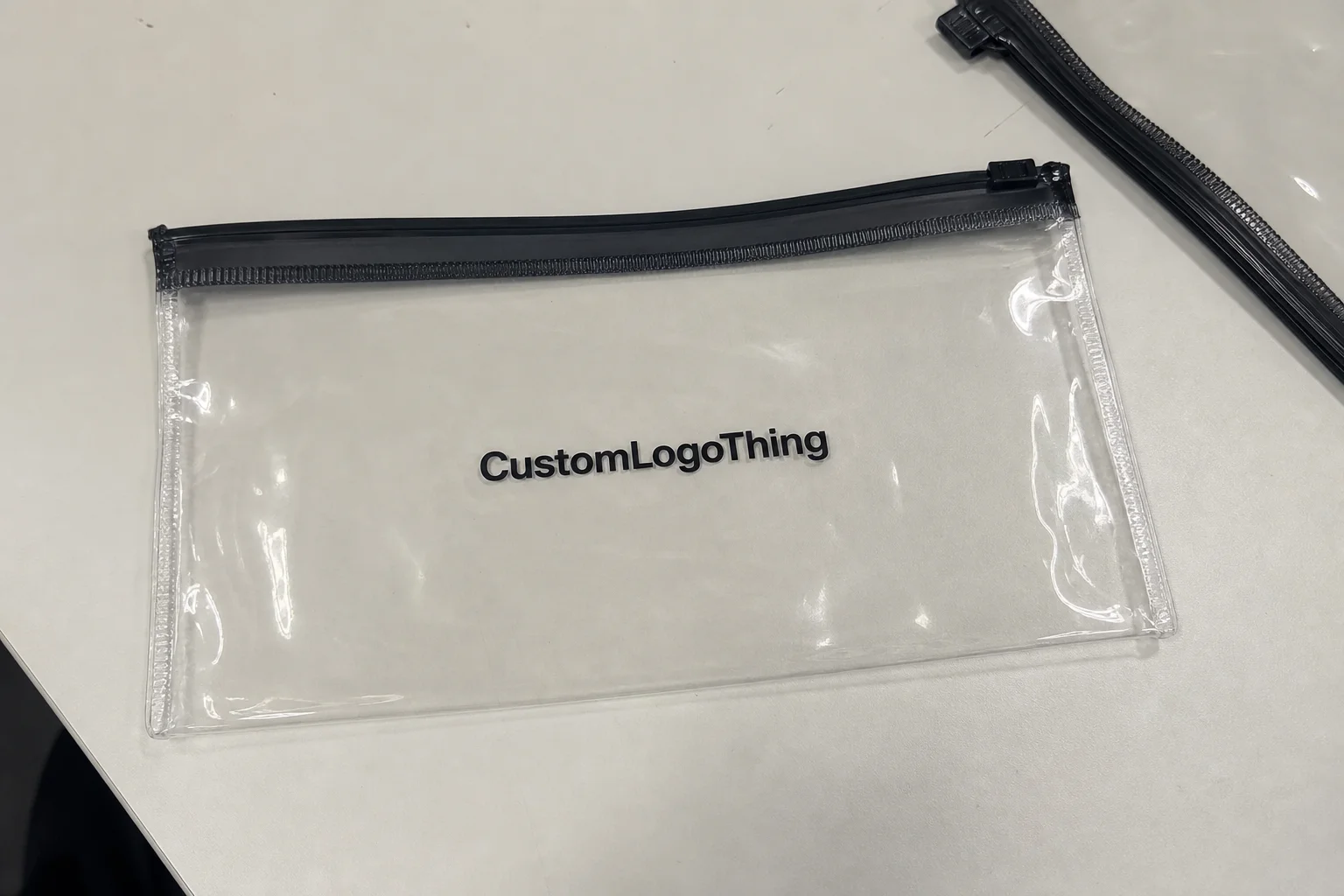
Basic poly bags do one job. Slider-lock bags do two. They protect the contents and help sell the kit. That second function is the reason cosmetic buyers keep returning to the format. A resealable slider feels more deliberate than a plain press seal, and that feeling matters on shelves, in e-commerce unboxing, and in travel-size bundles where the package is part of the product experience.
From a packaging buyer’s point of view, the smartest part is the cost tradeoff. A modest upgrade to the closure can be cheaper than moving into a rigid package, especially when the contents are lightweight. If the bag is carrying sample jars, mascara, wipes, minis, or accessory sets, the added presentation from the slider can justify a slightly higher unit price while still keeping the total pack cost under control.
That format fits a few use cases especially well.
- Sample packs that need repeated opening and closing
- Accessory bundles with multiple small items
- Travel sets that must stay organized in transit
- Seasonal cosmetic kits that need quick retail display
- Multi-piece promos where the bag is part of the brand experience
The usability piece is not a minor detail. A slider-lock bag is easier to reseal, easier to merchandize, and less frustrating for the end user than a flimsy seal that starts failing too early. That sounds ordinary because it is ordinary. Ordinary sells when the package has to survive handling, not just a mockup review.
Materials and finishes that keep cosmetics looking retail-ready
Cosmetics buyers look at appearance before they look at the spec sheet. That is not vanity. It is shelf economics. A bag that looks clean and consistent supports the brand story, while a cloudy or scuffed one makes the kit feel cheaper than it is. Material choice therefore has a direct effect on perceived value and, in turn, on the Slider Lock Clothing Bags unit cost for cosmetics.
The most common choices are clear, frosted, and lightly tinted films. Clear gives the strongest product visibility, which works well when color cosmetics or neatly arranged kits should be seen immediately. Frosted softens the look and hides fingerprints better, so it often reads as more refined in person. Tinted film gives the brand more control, though it can reduce visibility and is not always the right fit if the customer needs to inspect contents quickly.
Material tradeoffs that actually matter
Clarity is only one part of the job. Stiffness controls how well the bag stands up in display or shipping. Odor is another real issue, especially for fragrance-heavy products or items stored close to skin-care goods. Some lower-grade films carry a faint conversion smell, and that becomes a problem if the package is opening near a lotion, cleanser, or face mask.
Surface finish also matters. Gloss helps artwork pop, especially with strong color branding. Matte or satin areas are better for labels because they reduce glare and can hide minor handling marks. If you plan to print, keep the print zones away from the slider track. Artwork that gets compressed where the closure moves looks careless, even if the rest of the package is well made.
For brands with broader packaging programs, it helps to check whether the outer carton or insert materials can carry FSC-certified paper options. The bag itself may be plastic, but the rest of the pack does not have to be an afterthought. For broader terminology and industry context, Packaging.org is also a useful reference point.
Practical constraints are what separate a clean-looking package from one that feels busy. Fragrance resistance, scuff resistance, and fingerprint visibility decide whether the bag looks expensive or merely shiny. If the bag sits on a retail shelf for several days, or moves through fulfillment with multiple touches, those small defects show up fast.
Size, thickness, and slider details that change day-to-day use
Bag dimensions should be based on the actual packed product, not the carton drawing. That seems obvious until a team quotes to an outer box size, then wonders why freight and unit cost climb. Extra headspace and unnecessary width add material, take up carton space, and make the pack feel less controlled. In slider bags, a tight spec is usually a better spec.
Thickness is the other major lever. Thinner gauges reduce price, but they can wrinkle, flex too much, or feel soft in hand. Heavier gauges cost more, yet they hold shape better and protect contents during transit. For cosmetics, the right balance usually lands in the middle rather than at the thickest available film. Going heavy just because it sounds safer is a common way to waste money.
Slider components are functional, not decorative
The slider itself deserves real scrutiny. Track smoothness, closure strength, and the way the mechanism behaves over repeated open-close cycles all matter. If the slider jams or skips, the bag loses value quickly. Nobody wants a premium-looking kit that behaves like a grocery bag in a wind tunnel.
Structure options also change the user experience. Side gussets help a bag hold volume more cleanly. Bottom depth improves stackability. Hang holes matter if the product goes on pegs or needs a display hook. If the kit is going into fulfillment, those features can also improve packing density and carton utilization, which helps landed cost more than another slight material upgrade.
Ask whether the supplier is quoting standard sizes or a fully custom size. Standard dimensions usually bring better bulk pricing. A fully custom shape can trigger tooling fees or added setup charges, especially if the closure profile or film spec needs a dedicated conversion setup. That does not automatically make custom the wrong choice, but it does mean the cost logic needs to be clear before approval.
slider lock clothing bags unit cost: pricing, MOQ, and quote drivers
The real Slider Lock Clothing Bags unit cost for cosmetics is driven by six things: material grade, size, thickness, slider type, print coverage, and packing format. Most buyers focus on the printed artwork. That is only one lever. A wider film, heavier gauge, or more complex slider can move the price more than a one-color graphic ever will.
MOQ matters because fixed costs have to be spread across the run. If the order is small, setup charges, material waste, and labor push the per-unit price up fast. If the order is larger, the unit cost drops more predictably. That is why a quote for 2,000 bags can look awkward next to 10,000 bags. Same spec, different math.
| Option | Typical MOQ | Unit cost range | Best use case |
|---|---|---|---|
| Clear standard slider bag, no print | 1,000-3,000 pcs | $0.18-$0.32 | Samples, simple cosmetic kits, internal packing |
| Frosted bag with one-color print | 3,000-5,000 pcs | $0.24-$0.42 | Retail bundles, branded promos, travel sets |
| Custom size, heavier gauge, printed | 5,000-10,000 pcs | $0.31-$0.58 | Premium kits, repeat orders, retail display programs |
| Tinted film, special finish, more complex closure | 10,000+ pcs | $0.42-$0.78 | Higher-end cosmetics, launch sets, brand-forward packaging |
These are working ranges, not promises. Material market changes, print coverage, bag size, and shipping terms all move the final number. A supplier may quote a lower factory price but add freight, inner packing, carton charges, or testing separately. That is why landed cost is the number that matters. A low ex-factory price can turn expensive after the real paperwork shows up.
Compare quotes on the same basis. Use the same dimensions, same thickness, same print method, same closure spec, and the same shipping term. Otherwise you are not comparing suppliers. You are comparing different products with similar names. That is how buyers end up blaming a factory for a mismatch they created themselves.
For customs or compliance-sensitive shipments, ask whether the package needs any drop testing or distribution testing. ISTA methods are commonly used to check shipping performance, especially if the bags are moving through parcel networks or long distribution chains. Cosmetic packaging does not always need a formal report, but if the order is traveling far, it is smarter to ask than to guess.
Production steps, lead time, and approval checkpoints
The standard workflow is straightforward: inquiry, spec confirmation, artwork review, sample or proof approval, mass production, QC, packing, and shipment booking. The process looks simple on paper. The delays usually come from small gaps. A missing dimension, an unclear closure callout, or artwork that is not production-ready can stall the order quickly.
Proofing is usually faster than sampling. A digital proof may take a couple of days. A physical sample often takes longer because the supplier has to cut, run, inspect, and ship it. Mass production is not always the slowest part on small orders; shipping often is. If you want a realistic timeline, think in stages rather than one vague promise of speed.
Approval points that prevent rework
Before production starts, confirm the final dimensions, closure style, print file format, carton count, and destination address. That is the minimum. If the product has a tricky fit, add real samples or a dimensional drawing with pack orientation. It is far cheaper to catch a mistake in approval than after 10,000 bags are already converted.
Lead time depends on spec complexity. A simple clear bag can move faster than a printed frosted bag with a custom slider profile. On typical orders, production often lands in the low-to-mid teens in business days after proof approval, but that can stretch if the artwork keeps changing or if the material is not in stock. Good quotes say this clearly. Bad quotes pretend every order is the same.
Keep the approval chain short. One internal signer is usually enough. Four signers and a last-minute “small change” are how schedules go sideways. The factory is not the only bottleneck.
QC standards, packing formats, and shipping terms
QC for slider bags should focus on function first. Check closure performance, seal consistency, print alignment, surface defects, and dimensional tolerance across the run. If the slider hangs up on one side or the seal varies too much, the bag will feel inconsistent in hand. Cosmetic packaging is unforgiving that way. The customer notices the bad one, not the average one.
Packing format affects both retail readiness and shipping cost. Bulk pack is cheaper but may need more handling later. Inner poly wrapping helps protect finish quality. Carton count changes how efficiently freight moves. If the order is dense enough, palletizing may be smarter than loose cartons, especially for export or longer storage.
What shipping terms change
EXW, FOB, CIF, and DDP are not just contract words. They change the number you see on the quote. Freight, customs handling, local delivery, and inspection fees can shift the landed price more than a small material change. That is why buyers should never compare a factory price with a delivered price and call it fair. It is not.
Storage matters too. If the bags sit in inventory for a while, watch for deformation, scuffing, and carton compression resistance. Clear films can show marks faster than people expect. If the product will sit in a warehouse before launch, ask how the bags are packed and whether the cartons can protect the finish over time.
For shipment-heavy programs, it helps to see a simple pass/fail reference tied to real handling conditions, not vague “quality assured” language. A bag that survives the factory floor may still fail after vibration, stacking, and parcel drops. That is where the shipping term and packing format start to matter more than the mockup.
Repeat-order controls that keep reorders consistent
Repeat buyers save money by locking the spec early. Once the measurements, approved art, material grade, and slider style are fixed, reorders get easier and cheaper to manage. That reduces the chance that a small change turns into a new approval cycle, new setup charges, or a fresh round of sample chasing.
Color and clarity consistency are worth tracking across batches. A bag that looks slightly sharper in one run and slightly duller in the next creates brand drift. It may not look like a defect in isolation, but customers notice variation when they see two shipments side by side. Packaging teams should keep approved sample photos, thickness notes, and finish references on file.
What to record for the next run
- Final dimensions and tolerated variance
- Film thickness and finish
- Slider style and closure feel
- Print method, colors, and placement
- Packing count per carton
- Approved sample photos
A reliable supplier should keep the approved spec on file and flag substitutions before production starts. If a material change is unavoidable, it should be explained plainly, with the impact on cost per piece, appearance, and lead time. That is the difference between a supplier and a guessing machine.
Do not rely on memory. Reorders fail because people “roughly remember” the last spec. That is how a cosmetic program drifts into a different film, different slider, and a higher quote for no good reason.
What to send for a fast quote and first production run
If you want a clean quote, send the exact product dimensions, target quantity, material preference, print requirement, closure style, and delivery destination. The more complete the brief, the fewer follow-up questions and the less chance of pricing drift. It is also the fastest way to pin down the Slider Lock Clothing Bags unit cost for cosmetics without wasting time on speculative numbers.
It helps to include the real use case. Retail display, kit packaging, sample mailer, and storage use are not the same thing. A bag meant for shelf presentation may justify a heavier film and cleaner finish. A bag meant for internal storage may not need that level of finish. Context changes the spec, and the spec changes the landed cost.
Before you release the order, ask for two or three comparable options. You want a clear tradeoff view: lower unit cost, better appearance, or better handling. Then review sample photos or proof options and pick the version that balances presentation, function, and total spend. Anything else is just buying by habit.
For a first run, keep the order disciplined. Final dimensions. Final artwork. Final shipping term. If the supplier can quote all of that cleanly, you are in good shape. If they keep hand-waving on closure details or shipping terms, that is not a good sign.
The bottom line is simple: the right quote is the one that reflects the actual bag, the actual run, and the actual destination. Confirm the Slider Lock Clothing Bags unit cost for cosmetics against your final dimensions and shipping terms before you release the order.
What affects slider lock clothing bag unit cost for cosmetics the most?
Size, thickness, and slider type usually move the price first. Print coverage and special finishes add cost faster than most buyers expect. MOQ and freight often matter more than a small material upgrade.
What MOQ should I expect for custom slider-lock cosmetic bags?
MOQ depends on material, print method, and bag size. Lower quantities usually carry a higher unit price because setup is spread across fewer bags. Ask for pricing at two or three quantity breaks so you can see the real breakpoint.
How do I get an accurate quote for slider lock clothing bags for cosmetics?
Send final dimensions, target quantity, closure type, and thickness. Include print files or a clear description of branding needs. State your shipping destination so the quote reflects landed cost, not just factory price.
How long is the usual lead time for a custom order?
Proofing is typically faster than sample approval and mass production. The factory run is only one part of the timeline; shipping can take longer than production on smaller orders. Clear specs and approved artwork shorten the schedule more than rush language ever will.
Are slider-lock bags better than zipper bags for cosmetic kits?
Slider-lock bags are easier to open and reseal, which helps with repeated use. They often look more polished when the bag is part of the presentation. If the kit needs frequent access, the slider usually beats a basic seal.


