A printed Slider Lock Clothing Bags quote for hotel should be treated as a working specification, not just a price. If the bag is too thin, the logo prints poorly, or housekeeping has to fight the closure during a busy shift, packaging turns into friction instead of support. The quote needs to show the size, film gauge, closure type, print coverage, carton count, and delivery terms clearly enough that a buyer can compare options without guessing what changed from one supplier to the next.
Hotel packaging has a practical job. It protects folded garments, keeps branded items presentable, and gives staff a repeatable format they can use without thinking twice. That is why the best quote is specific from the start. A vague number may look appealing, but it usually hides a thinner film, a different print process, or freight that will show up later. Buyers who manage robes, uniforms, spa sets, or retail purchases need a spec that can be reordered with minimal back-and-forth.
What a Printed Slider Lock Clothing Bags Quote for Hotel Should Include
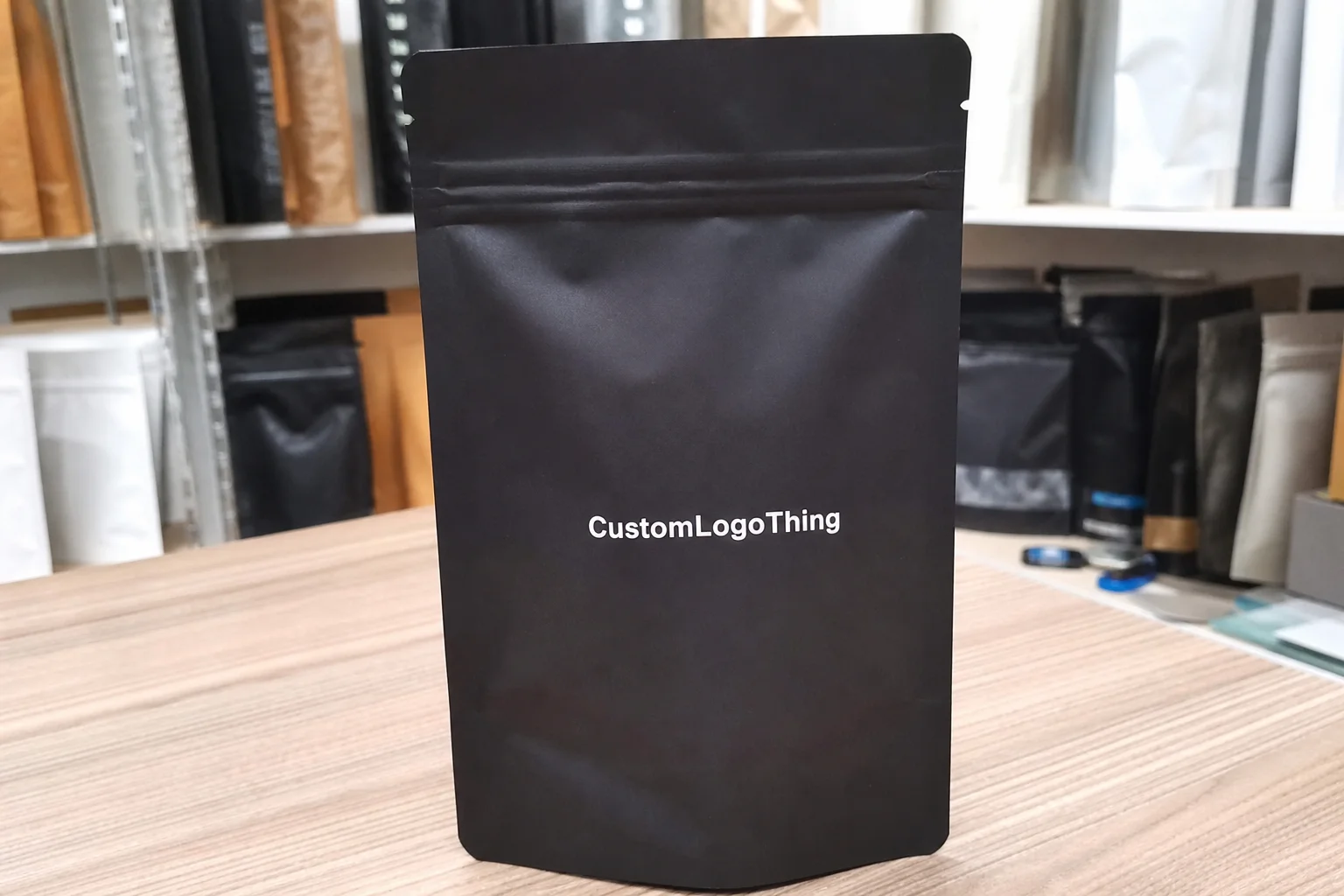
A serious printed Slider Lock Clothing Bags quote for hotel use should read like a production brief. The supplier needs the bag width, height, gusset depth if there is one, film thickness, slider style, print method, and quantity before the price means anything. If those details are missing, the supplier is forced to guess, and the quote becomes a placeholder rather than a useful purchasing tool.
Hotels usually need more than a decorative bag. They need packaging that fits the item, opens easily, closes reliably, and looks clean under bright lighting at the front desk or in the guest room. A good quote should also identify the use case. A bag for folded shirts is not the same as a bag for a bulky robe or a retail bundle with accessories inside. The more exact the use case, the better the sizing and material recommendation.
Destination matters too. Freight can alter the landed cost enough to change the best choice, especially on smaller runs. If one property receives the goods directly while another uses a central warehouse, the quote should reflect that. Carton count, pallet pattern, and whether the bags ship flat or nested all affect handling. Those details sound minor until a receiving team has to sort through thousands of pieces.
A buyer should also expect the quote to describe the approval path. What artwork is being checked? Where does the logo sit? Is the slider color part of the brand system or just a functional choice? Is the closure meant to show tamper evidence, or is it simply for repeated opening and resealing? If the answer is not visible in writing, it tends to become a problem later during reorder.
“The bag has to open cleanly, close cleanly, and still look branded after staff handle it all day.”
That is a better standard than chasing the lowest unit cost. It reflects how hotel operations actually work. Packaging is handled by people who are moving quickly, not by a designer viewing a proof on a screen. The quote should make room for that reality.
Bag Construction That Fits Hotel Garments, Linens, and Retail Sets
The slider-lock closure is common in hospitality for a reason. It is intuitive, and staff can open and re-close it without adhesive residue or awkward folding. That matters during housekeeping, laundry distribution, and retail packing, where the same bag may be opened more than once before it reaches the guest. A closure that feels smooth on the sample and inconsistent on the production run is a sign the specs were not locked tightly enough.
Clear film is still the default for many hotel programs because the contents remain visible and the branding panel stays easy to read. Frosted film softens the presentation and hides creases or mixed items better. Tinted film is more specialized, but it can be useful for uniforms, back-of-house kits, or items that should not be fully visible. The right finish depends on the balance between presentation, privacy, and how much the hotel wants the guest to see at a glance.
Common uses include:
- Robes and folded apparel
- Uniforms and dry-cleaning returns
- Slippers and amenity kits
- Spa sets and gift shop bundles
- Retail purchases that need a branded carry-and-store format
Construction details carry more weight than many buyers expect. A gusset gives the bag room for thicker items without stretching the print panel. A hang hole supports display in retail settings. A tear notch helps staff open sealed bags without damaging the film. Reinforced seals matter if the package will move between laundry, storage, and guest areas several times before use. If the contents are heavy or handled often, ask for a stronger film gauge and a slider track that feels consistent across the whole order.
Size selection deserves more discipline than it usually gets. A bag that is too large wastes material and freight, while one that is too tight wrinkles the contents and distorts the logo. The right size is usually the one that fits the most common fold with a little margin, not the biggest possible bag in the catalog. For hotel programs, that small bit of discipline is what keeps packaging tidy and repeatable.
For buyers comparing suppliers, industry standards help frame the discussion. Packaging references from packaging.org and transit-test guidance from ISTA can be useful benchmarks when evaluating film strength, handling stress, and shipping assumptions.
Print and Material Specs That Keep Logos Consistent
Packaging logos fail for ordinary reasons. The film is too cloudy, the print registration drifts, or the ink loses clarity after handling. Buyers often focus on artwork first, but the final look depends just as much on the film surface, seal quality, and print process. A sharp logo on a weak bag still reads as low quality.
For smaller or changing runs, digital printing can be practical because setup is lighter and revisions are easier to manage. Flexographic printing is a familiar choice for larger volumes with fewer colors. Gravure makes more sense when the run is large enough to justify the tooling. The best process is not the one with the most technical appeal. It is the one that fits the quantity, the color count, and the reorder pattern the hotel actually needs.
Artwork should be submitted in vector format whenever possible. That keeps the logo sharp and reduces cleanup time. It also helps prevent spacing errors that show up only after the proof arrives. To keep the approval cycle short, buyers should specify:
- Pantone or exact brand color references
- Logo placement and distance from edges
- Bleed requirements and safe area
- Whether the print is one-color, two-color, or full coverage
- Any back-panel copy or sizing marks
Quality control should go beyond “the proof looks fine.” Ask how the print will hold up to scuffing, stacking, and bright light. Ask whether the film carries the ink cleanly or feels slippery enough to affect registration. If the bag will sit in back-of-house storage, move through laundry handling, or be opened and closed repeatedly, the difference between a clean proof and a durable finished run becomes obvious very quickly.
Buyers can also use common test language to stay grounded. Film tensile strength, dart impact, and seal performance are often discussed using ASTM methods, while shipping stress can be mapped to ISTA profiles depending on the route and handling severity. That gives procurement and supplier teams a common way to discuss whether the product is actually fit for use rather than just described as “strong.”
Pricing, MOQ, and Unit Cost Drivers
The cost of a printed slider lock clothing bags quote for hotel orders usually comes down to a handful of variables. Size is one. Film thickness is another. Then come slider style, print coverage, and quantity. If a supplier gives a price without separating those factors, the number is hard to compare because the underlying spec may not match.
For a straightforward hotel program, a simple clear bag with one-color printing may fall around $0.18-$0.28 per unit at a 5,000-piece level, though the exact number depends on size and film gauge. Heavier film, more print coverage, or a more complex closure will push it higher. At 20,000 pieces, the unit cost often drops because the setup cost is spread across more bags. That is normal manufacturing behavior, not a special discount trick.
MOQ exists because the production run has fixed costs. Artwork cleanup, proofing, tooling or plate work, material setup, color matching, and inspection all take time before the first finished bag rolls off the line. If the order is small, those costs are spread across fewer units, so the per-piece price rises. That does not make the small order a bad choice. It just means the buyer should know where the break point is before making a decision.
| Spec Choice | Best Fit | Typical MOQ Impact | Relative Unit Cost | Buyer Note |
|---|---|---|---|---|
| Clear film, one-color print | Standard robes, shirts, and amenity sets | Lower setup burden | Lower | Good baseline for first orders |
| Frosted film, two-color print | Premium guest-facing packaging | Moderate setup burden | Medium | Balances presentation and privacy |
| Heavier gauge, full-coverage print | Retail bundles and frequent handling | Higher setup burden | Higher | Useful where durability matters more than lowest cost |
| Custom size with specialty closure | Unique garments or branded gift sets | Highest setup burden | Highest | Best for standardizing one property format |
Buyers should compare landed cost, not only the printed unit price. Freight, carton count, and pack format can change the total enough to matter on a budget line. It is also worth asking for tiered pricing at several quantities. That shows the point where a larger order becomes more efficient and helps procurement decide whether to stock for the season or buy only what the current program needs.
If two quotes look close, confirm that the size, thickness, print method, and closure style are identical. A cheaper quote is often cheaper because the bag is thinner, the print is simpler, or the packaging format has been changed in a way that will matter later. Comparing unlike specs is how packaging budgets get distorted.
Production Steps and Lead Time From Proof to Shipment
Good production follows a predictable chain. First comes spec confirmation. Then artwork cleanup. Then the proof. After the proof is approved, production starts, followed by inspection, packing, and shipment. The process is straightforward on paper. Delays usually appear earlier, when measurements are missing or artwork has to be rebuilt.
Lead time depends on quantity, print complexity, bag size, and whether any custom tooling is required. Standard dimensions with clean vector artwork usually move faster than custom dimensions with multiple revision rounds. Shipping method affects the calendar as well. Air freight shortens transit but raises landed cost. Sea freight is slower, yet it can be the better choice for larger hotel programs that can plan ahead.
Three things move faster:
- Final artwork in vector format
- A standard spec with no late design changes
- One person authorized to approve proof and delivery details
Three things slow the job down:
- Missing measurements or vague size notes
- Low-resolution logos that need redesign work
- Color revisions after proof approval
For straightforward custom packaging, a typical production window often lands around 12-15 business days from proof approval. More complex print work, special finishes, or a tight schedule can extend that. Transit adds its own time depending on the destination. A quote that only lists the unit price but skips production and shipping estimates leaves too much out for procurement to make a clean decision.
The real risk is rarely the first order. It is the reorder that arrives with one undocumented change in size, film, or artwork placement. The teams that stay organized keep the approved proof, the measured dimensions, the film spec, and the carton count together in one record. That record becomes the standard for the next purchase and avoids the slow drift that happens when everyone remembers the product a little differently.
Why Procurement Teams Standardize on Reorder-Friendly Specs
Procurement teams that manage rooms, spa items, uniforms, and retail packaging usually benefit from standardization. One format. One logo placement. One approved carton count. That reduces confusion across housekeeping, receiving, and brand teams. It also prevents repeated sampling for a bag that already proved itself in daily use.
Standardization is not just a paperwork preference. It affects guest perception. A robe packed in the same branded bag every time looks intentional. A uniform returned in the same clear, well-printed package looks managed instead of improvised. Retail packaging does the same job at the point of sale: it makes the item feel considered without adding operational complexity.
Compared with generic stock packaging, custom printed bags usually earn their place in a program through three practical benefits:
- Higher perceived value at handoff
- Fewer mix-ups during storage and distribution
- Easier reorder control across multiple properties
The supplier side matters as much as the spec. Fast communication, clean proofs, accurate samples, and consistent repeat-order support keep the program moving. If revision one and revision two do not match the approved artwork, or if the sample film feels different from the production claim, that is a signal to slow down and confirm the details. Small packaging errors become large operational annoyances when they are multiplied across many properties.
Standardized packaging does not need to be flashy. It needs to be repeatable, legible, and easy for staff to use under pressure.
That is the real value of a well-documented bag spec. It becomes a system the hotel can rely on instead of a one-off order that needs to be rediscovered every season.
How to Request an Accurate Quote and Move to Order
If the goal is an accurate quote, the buyer should send the details that actually change price. Start with dimensions, thickness target, print colors, quantity, delivery address, and required ship date. If artwork is ready, include a vector file or a clean logo file. If the design is still in progress, say so. That gives the supplier a realistic starting point and avoids a false assumption that the proof can be corrected later without cost.
Ask for three things in the first reply: a spec summary, a proof, and tiered pricing. Those items make comparison easier and reduce the need to rebuild the brief with every supplier. They also make internal approvals cleaner, because the buyer can show how the price changes by quantity and why one spec is better suited to the hotel’s actual use case.
Most of the price is driven by size, film, and print coverage. Confirm those first. If the bags are meant for robes, uniforms, spa sets, or retail purchases, name the use case directly. If the brand needs the logo to read clearly under bright lighting, say that too. Exact input produces a better quote, and a better quote reduces the chance of surprises during production.
Before approval, verify:
- Branding placement and logo size
- Packaging format and carton count
- Reorder terms and file retention
- Shipping method and destination details
That final check protects the first run and makes the next reorder easier. If the program will be repeated across several properties, store the approved spec in one place and keep it stable. That is the simplest way to avoid version drift. The next time a buyer asks for a printed slider lock clothing bags quote for hotel use, the supplier should be pricing a known standard, not rebuilding the product from memory.
The strongest quote removes uncertainty. The size is clear, the material is clear, the print is clear, and the timeline is clear. That is what makes the packaging useful after the first delivery and what keeps the next order easier to defend internally.
FAQs
What do I need to request a printed slider lock clothing bags quote for hotel orders?
Provide exact bag dimensions, film thickness, print colors, and total quantity so the supplier can price the run accurately. Include the delivery destination, required timeline, and whether the bags are for robes, uniforms, retail items, or spa packaging. A clean vector logo file helps avoid proof delays and reduces the chance of extra revision work.
Can hotels order custom slider-lock clothing bags in small quantities?
Yes, though small runs usually carry a higher unit cost because setup work is spread across fewer bags. A trial order is useful when a property wants to test size, print quality, or staff handling before placing a larger program order. Ask for several quantity tiers so you can see the price break points before deciding.
What bag thickness works best for hotel garment packaging?
Light apparel and folded accessories can use a lighter film, while heavier garments or frequent handling need more strength. The best choice balances presentation, seal integrity, and how often staff will open and re-close the bag. If the bag will move through storage or transit, a stronger gauge is usually the safer option.
How long does production usually take after artwork approval?
Lead time depends on print complexity, bag size, and whether the order needs standard components or custom tooling. Straightforward jobs with approved artwork often move faster than designs that need color matching or multiple revisions. A typical timeline for simple custom packaging is around 12-15 business days from proof approval, with transit added after production.
How should I compare quotes from different packaging suppliers?
Compare landed cost, not only unit price, because freight, carton count, and packing format change the real spend. Check whether proofing, plate fees, and artwork revisions are included or billed separately. Confirm that both suppliers are quoting the same size, thickness, print method, and closure style before deciding.


