Slider Lock Clothing Bags Unit Cost for Hotel Quotes
Hotel laundry and housekeeping teams use garment bags faster than many buyers expect. A property that moves uniforms, guest laundry, robes, or spa apparel every day can go through thousands of bags in a season, so the real purchase question is not just price per carton. It is whether the bag fits the garment, holds up during handling, presents cleanly to the guest, and stays within budget over repeated orders. That is the practical meaning behind Slider Lock Clothing Bags Unit cost for hotel purchasing.
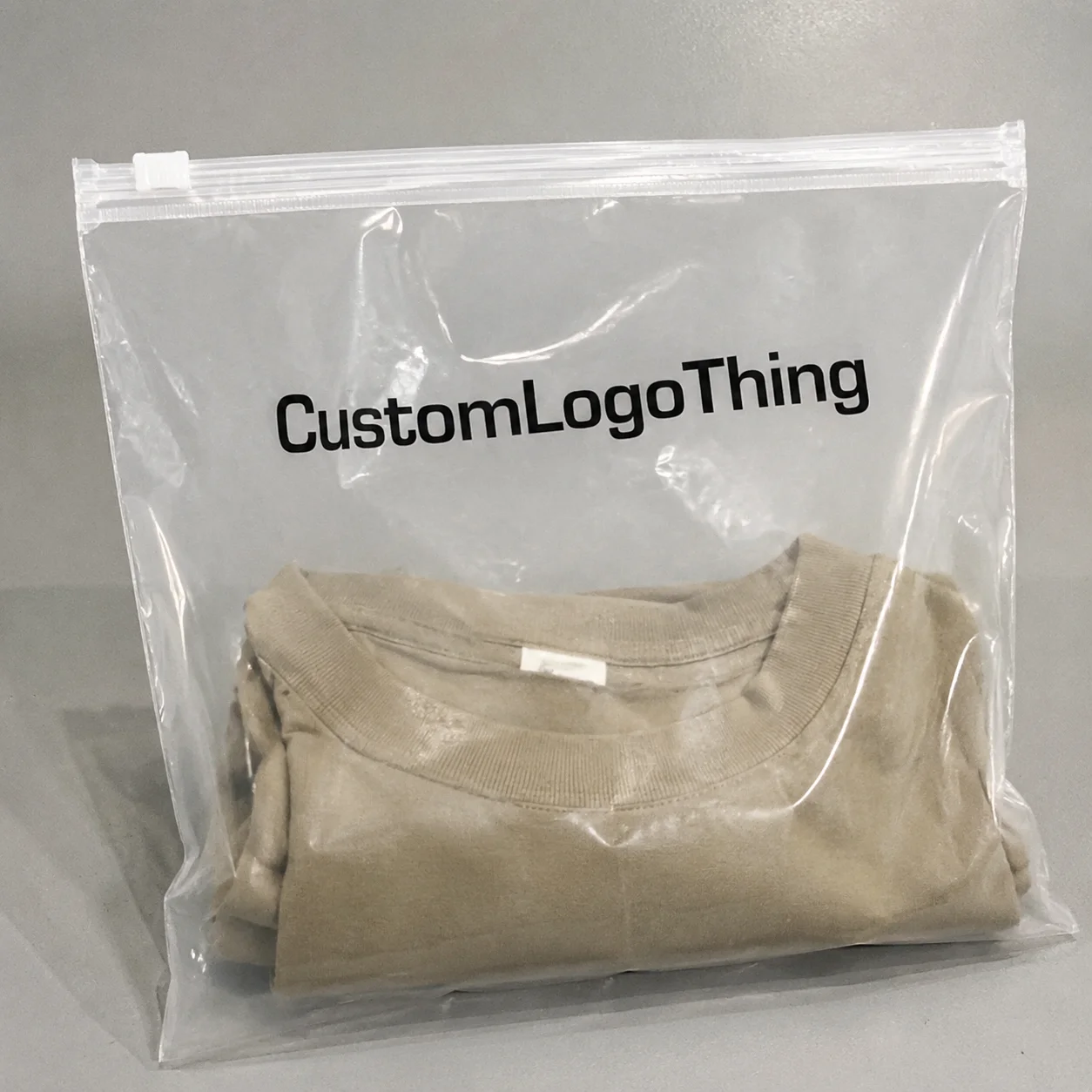
Slider Lock Clothing Bags sit in a useful middle ground. They give more protection than an open poly bag, but they avoid the bulk and cost of rigid presentation packaging. The slider closure lets staff open and reclose the bag without tearing the film, which helps during laundry sorting, room delivery, and repeat handling. Clear film keeps the contents visible, which saves time in back-of-house operations and reduces mis-sorts.
Why hotel garment programs need cleaner bag economics
Hotel garment packaging has a working job to do. It moves through carts, shelves, closets, valet systems, and guest rooms, often in a compressed timeline and under handling that is rougher than the packaging spec sheet suggests. A bag that looks fine in a sample photo can fail in daily use if the closure is weak, the film is too soft, or the dimensions are too tight for folded garments that are not packed perfectly every time.
That is why the economic picture needs to include labor, not just material. If a slider lock bag removes a step such as taping, relabeling, or repacking, the unit cost can be higher and still be the better operational choice. A bag that lets staff check contents at a glance also cuts down on search time in laundry rooms and uniform closets. Those small savings matter across a large property or a multi-property program.
There is another layer here: consistency. Hotels work better with packaging that behaves the same every time. If one batch is clear and stiff, and the next batch is cloudy and limp, staff notice. Guests notice too. In a garment program, inconsistent feel, inconsistent closure travel, or inconsistent print placement can make the whole process look less controlled than it should.
The buyer's first filter should be use case. A guest shirt returned from laundry does not need the same build as a folded robe or a heavier uniform. An amenity kit with light textiles is a different load again. The size, gauge, and presentation requirements should match the actual item, not a generic bag category pulled from a catalog.
Practical buying rule: if the bag eliminates one repacking step or one damaged garment per shift, a slightly higher unit price can still lower the real operating cost.
That is why slider lock clothing Bags Unit Cost for hotel is best treated as a specification problem first and a pricing problem second. The cheapest quote is not the one that saves the most money if the bag does not work cleanly in the property's own workflow.
Bag structure, closure style, and hotel-ready features
Most slider lock clothing bags use LDPE or LLDPE film. LDPE usually feels softer and clearer. LLDPE tends to improve puncture and tear resistance, especially when the film is pushed a little harder during packing or movement. For hotel programs, film thickness often falls in the 2.0 to 4.0 mil range, with lighter gauges used for folded shirts and heavier gauges reserved for robes, uniforms, or repeated internal handling.
The slider deserves close attention. It is not a decorative feature. It is the part that determines whether the bag closes smoothly, stays shut under pressure, and opens without a fight. Low-quality sliders can drag, jam, or drift open along the track. Better sliders run more evenly and maintain enough closure pressure for normal hotel handling. If the slider feels inconsistent in sample testing, it usually becomes more annoying after a few thousand units are in circulation.
Hotel buyers usually need a few practical options rather than a long list of extras. Common features include a hang hole for storage, vent holes for air release, a bottom gusset for bulkier folded items, and a white write-on or label panel. Some programs want the slider itself color-coded by department. That can help staff separate guest laundry, staff uniforms, and spa inventory without relying on memory.
Clarity matters more than many buyers expect. A clear, high-clarity bag lets housekeeping confirm size, color, or garment type without opening the package. For guest-facing presentation, the film should not look hazy, scratched, or uneven straight out of the carton. If the bag is used only in back-of-house storage, a less premium film may be acceptable, provided the package still looks orderly and the closure works properly.
Printing can be simple and useful at the same time. A one-color logo, a department name, a size box, or a barcode panel can be more valuable than decorative coverage. If the bag needs to support scanning, ask for a test print and check the result after the bag is filled. Curved film surfaces, glare, and wrinkles can reduce scan reliability, even if the artwork looks fine on proof.
Side seams and bottom seals should be checked against the actual garment load. A folded robe creates different stress than a light shirt, and the difference shows up fast in production testing. For shipments moving through parcel or mixed freight, carton handling matters too. Transit testing guidance from ISTA is useful if the cartons will be stacked, dropped, or rehandled more than once before reaching the property.
Specifications that drive fit, strength, and presentation
Good quotes start with measurable details. Give the bag width, usable length below the closure, total length if the closure hardware affects the outer dimension, bottom gusset depth if used, and thickness in mils or microns. If the garment is folded before bagging, measure the folded garment itself. A spec sheet for the clothing item is not enough on its own, because real packing tolerances are wider than product drawings suggest.
Size has a direct effect on both cost and function. A bag that is too large wastes film and freight, and it can let garments shift around inside the package. That creates wrinkles and a less controlled presentation. A bag that is too tight forces the garment into the opening, stresses the seal, and makes the slider track work harder than it should. Either way, the property pays for the mistake later.
Film thickness changes feel, durability, and price. A 2.0 mil bag may be perfectly adequate for lighter folded clothing and low-stress internal use. A 2.5 to 3.0 mil bag often gives a better balance for hotel laundry. A 4.0 mil bag feels firmer and more premium, but it increases resin use, carton weight, and storage volume. That can be justified for robes or heavier textiles, but not for every program.
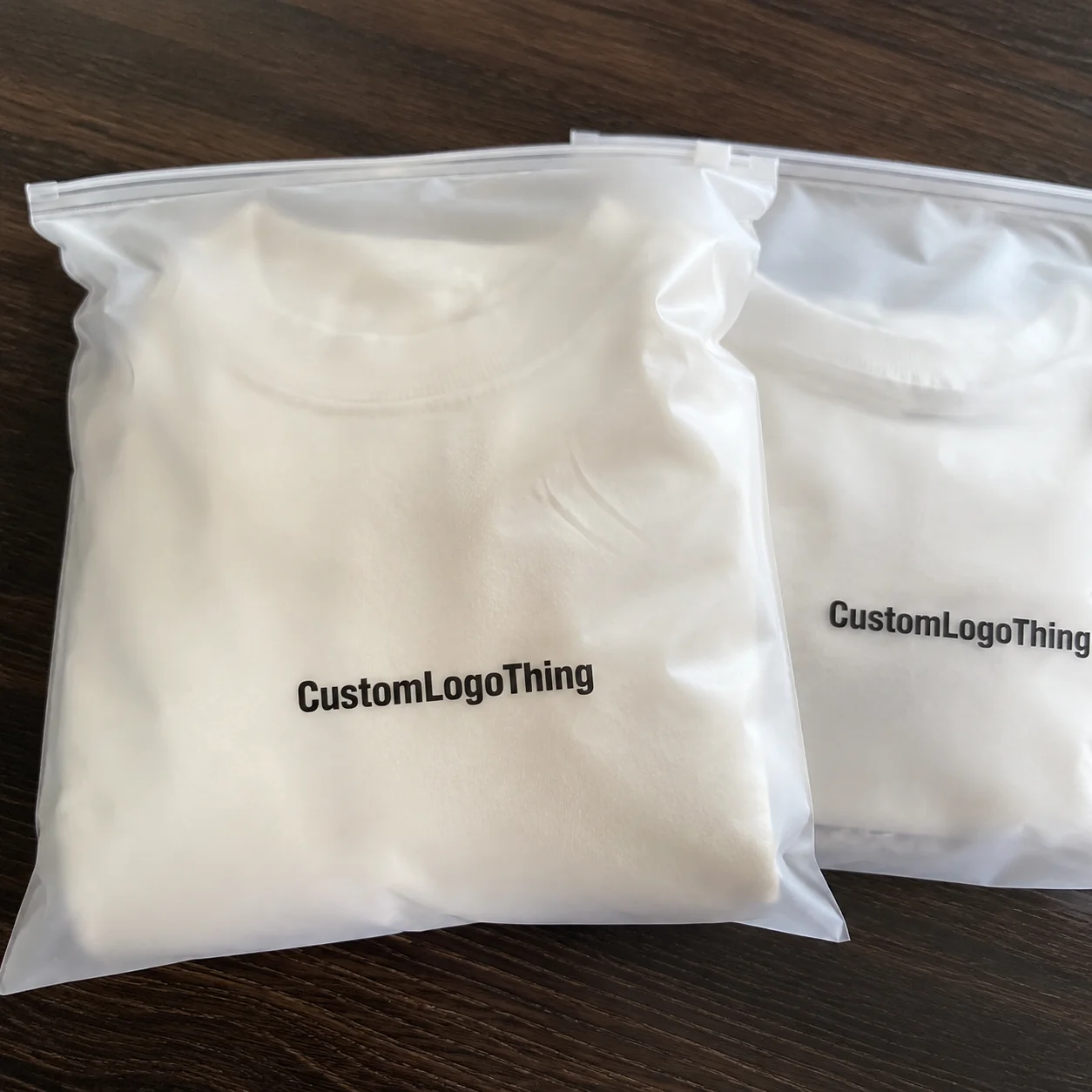
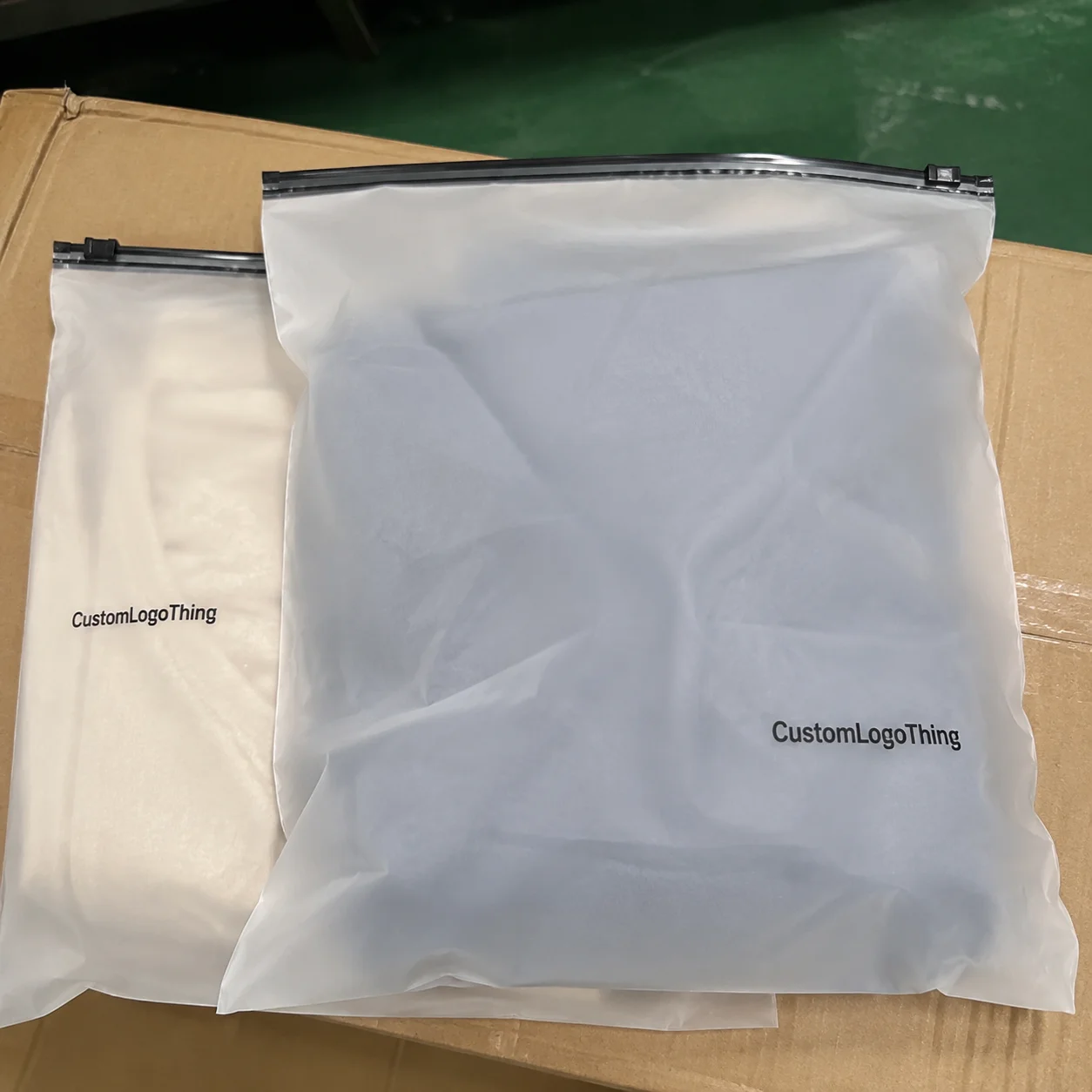
Finish should match the job. Clear gloss is common because it gives the best visibility and keeps sorting efficient. Matte or frosted film can look softer and more refined, but it usually reduces clarity and may cost more depending on the structure. For most hotel garment use, clear film is the simplest and most practical choice unless the bag is part of a guest presentation standard that specifically calls for a different finish.
Printing needs to be defined with more discipline than buyers sometimes expect. One-color printing on one side is usually the most economical custom option. Two-color graphics, heavy ink coverage, two-sided printing, or fine registration around a label panel can add setup work and proofing time. If the bag needs a barcode or QR code, define the quiet zone, contrast requirement, and print location before approval. Those details affect both cost and production success.
- Width: measure the folded garment at its widest point and add practical insertion clearance, usually 0.75 to 1.5 inches.
- Length: include garment height, closure clearance, and any extra depth needed for the way staff fold the item.
- Gauge: choose by garment weight, handling frequency, and the presentation standard the property expects.
- Slider color: use standard colors unless there is a real operational reason to match a department code or brand system.
- Print: define color count, print area, side, barcode requirements, and ink coverage before pricing.
If the property has paper-packaging sustainability policies, keep the material distinction clear. FSC certification applies to fiber-based materials, not polyethylene film. Still, the same discipline helps here: document the material, the size, the finish, and the approval path. For paper inserts or carton components, FSC guidance may matter, but the bag itself needs to be evaluated as a plastic packaging item.
Slider lock clothing bags unit cost for hotel, MOQ, and quote drivers
The main cost drivers are resin price, film gauge, slider component cost, bag size, print complexity, carton pack, and freight basis. Film weight and thickness set the floor. The slider adds a real component cost beyond a standard zip bag. Printing adds artwork handling, proofing, setup, press time, ink use, and waste allowance. If the bag includes a gusset or a wider opening, material use rises again.
MOQ affects the unit price more than many buyers expect. Small runs spread setup and conversion costs across fewer pieces, so the per-bag price rises. Larger runs can bring the unit cost down, but only if the property can store the inventory and use it before a design change, size change, or uniform update makes the stock obsolete. A large order that sits in storage is not a bargain.
As a planning range, a plain standard-size slider bag for light garments may land around $0.12 to $0.22 per piece at higher quantities. A custom printed hotel clothing bag often moves closer to $0.18 to $0.35 per piece in mid-volume runs. Larger, heavier, or more heavily printed robe and uniform bags can exceed that range. Those figures are only for early budgeting. Resin markets, freight terms, and final specs can move the number quickly.
| Bag scenario | Typical quantity | Common specification | Planning cost per piece | Best use |
|---|---|---|---|---|
| Plain standard slider bag | 10,000 to 25,000 pieces | Clear LDPE, 2.0 to 2.5 mil, stock-like size | $0.12 to $0.22 | Back-of-house garment sorting and light laundry packing |
| One-color custom printed bag | 15,000 to 50,000 pieces | Clear LDPE or LLDPE, 2.5 to 3.0 mil, logo or label panel | $0.18 to $0.35 | Guest laundry, department labels, hotel-branded presentation |
| Heavy-duty robe or uniform bag | 10,000 to 30,000 pieces | 3.0 to 4.0 mil, larger size, possible bottom gusset | $0.28 to $0.55+ | Folded robes, spa apparel, staff uniforms, heavier textiles |
Standard sizes generally quote faster and cost less because tooling or machine settings may already exist. Custom dimensions are normal, but they can add tooling fees, longer setup time, or a higher waste factor during conversion. The same applies to unusual slider colors. A standard clear, white, or black slider is easier to source than a custom shade that must be matched to a brand reference.
Printing method changes the total as well. One-color flexographic printing is often the most practical choice for hotel garment bags because it keeps the process controlled and the artwork legible. Multi-color graphics, full-coverage branding, or tightly registered layouts can raise the price and may require more proofing. If the bag needs a white box for barcodes, say so early. That changes the print layout and sometimes the ink setup.
Freight can distort quote comparisons if the buyers are not comparing the same thing. One supplier may quote ex-factory, another may quote delivered to the receiving dock, and another may include ocean freight but not final delivery. For a fair comparison, the quotes need the same size, gauge, closure type, print count, carton pack, MOQ, and freight basis. Carton dimensions and gross weight should be part of the request too, especially for properties with limited storage space.
For multi-property purchasing, it helps to compare at least two order levels. One should reflect current usage. The other should reflect a larger consolidation quantity. That tells the buyer whether the lower unit cost is worth the added inventory burden. It also exposes the point where storage space, cash flow, and reorder timing become more important than the last fraction of a cent.
Production steps and lead time for hotel orders
A clean production path starts with specification confirmation. The buyer sends garment type, dimensions, thickness, quantity, artwork, delivery address, and target date. The supplier checks whether the bag size is standard or custom, reviews the print file, and identifies setup charges before the order moves into proofing. If any of those inputs are vague, the quote may look low at first and rise later.
Proofing can be handled in a few ways. A digital proof is quick and usually enough for straightforward logo placement. A physical sample helps confirm size, closure feel, film stiffness, and garment fit. A pre-production sample gives the strongest assurance, but it adds time because it uses production materials and actual line setup. For hotel programs with a strict opening date, that timing matters.
Typical lead time depends on complexity. Stock-like clear bags without custom printing can sometimes move in 5 to 10 business days if materials are ready. Custom printed bags often take 12 to 20 business days after proof approval. Fully custom dimensions, unusual slider colors, heavy-gauge film, or large multi-property orders may need 4 to 8 weeks. If components must be sourced separately, the schedule can stretch further.
Most delays come from the same few places: incomplete artwork, unconfirmed sizing, and late changes to quantity. Artwork should be vector-based where possible, and Pantone references should be listed if color matching matters. Sizing should be checked with the actual folded garment, not just a spec sheet. Quantity should include opening stock, reorder timing, and a safety reserve for high occupancy periods.
Receiving also needs planning. Cartons may need labels by property, department, floor, or opening phase. Forty cartons are manageable in one hotel with storage space. The same shipment can be awkward if it arrives during renovation work, a soft opening, or a period of limited back-of-house space. Confirm carton pack, pallet count, delivery appointment requirements, and any dock restrictions before the bags leave production.
Quality control should be practical, not theoretical. Check slider travel, slider retention, side seam strength, print placement, print rub resistance, film clarity, and carton count. If the bag carries environmental messaging, use careful language and avoid claims that exceed the material or the local recycling system. Flexible plastic recycling acceptance varies by region, and hotel buyers should verify local handling rules rather than assume every film bag is recyclable through curbside systems. The U.S. EPA provides general recycling information at epa.gov/recycle.
Why hotel packaging quotes stay consistent
Consistent quotes come from exact specifications. A vague request for a clear slider bag can produce several different prices because suppliers will make different assumptions about size, gauge, print method, closure hardware, and freight terms. A spec-based request removes that guesswork and keeps the quote anchored to the real garment program rather than a generic packaging category.
The useful conversation starts with the bag's job. Is it for guest laundry return, folded robes, staff uniforms, or amenity kits? Once that is defined, the quote can separate the features that matter from the features that only add cost. A clean label panel may be necessary. A decorative print border may not be. A heavier film may be justified for robes. It may be unnecessary for shirts.
Film consistency matters more than many buyers realize. Two bags listed as 2.5 mil can still feel different in hand. Resin blend, extrusion control, additives, storage conditions, and cooling all affect clarity, stiffness, and seal behavior. The closure should feel consistent too. If the slider binds during sample testing, that usually becomes a repeated issue in a full run unless the supplier corrects the track or component source.
Print placement should be documented so reorders match the first batch. If the logo is meant to sit 2 inches below the closure and centered on the front panel, write that down. If a white box must align with a barcode scanner process, that needs to be part of the order file. The lowest quote is not useful if every reorder requires a fresh round of corrections.
Service is part of the quote, even if it does not appear as a separate line. Hotel buyers need clear revision notes, proof approval records, and a reorder file that captures the approved dimensions, gauge, artwork version, slider color, carton pack, and freight instructions. Without that record, the next order can drift just enough to cause trouble in receiving or housekeeping.
Most pricing mistakes happen before production begins. Buyers chase a lower number before they confirm size and closure quality, then pay for it later in handling issues or inconsistent presentation. A one-cent reduction matters at scale, but it is not the first problem to solve. Fit, closure reliability, and repeatability come first. Unit cost follows those decisions, not the other way around.
Next steps for ordering the right bag size and quote
Start with the folded garment. Measure width, length, and thickness the way staff will actually pack the item. If the bag will hold a robe or heavier uniform, test the filled weight and decide whether a gusset or thicker film is needed. A shirt bag and a robe bag should not be treated as the same purchase, even if the same department uses both.
Prepare five details before requesting pricing: garment type, bag dimensions, target gauge, estimated monthly or annual usage, and delivery destination. Add artwork if printing is required. If the artwork is not final, provide a rough print size and the number of colors so the first estimate still has value. A quote that ignores print complexity is not helpful for budget planning.
Ask for two pricing scenarios. One should target the lowest practical unit cost with a standard size, a standard slider color, and simple print. The second should target stronger presentation with a heavier film, tighter fit, or better print placement. That comparison gives purchasing, housekeeping, and brand teams a more useful decision than a single low number pulled out of context.
Carton pack should be confirmed before the order is placed. A carton of 500 may be easier to store and count in hotel closets. A carton of 1,000 may reduce handling cost but become awkward for smaller storage areas. For multi-property programs, ask whether cartons can be labeled by property or department so receiving teams do less sorting after delivery.
The best quote is specific. It ties the bag to the garment, the closure, the film, the print, the MOQ, and the delivery plan. To get an accurate slider lock clothing Bags Unit Cost for hotel program, ask for a spec-based quote with real dimensions, quantity, artwork needs, and receiving requirements so the final price matches the package your staff Will Actually Use.
FAQ
What affects slider lock clothing bags unit cost for hotel orders most?
Bag size, film thickness, slider type, print complexity, and order quantity usually have the biggest impact on pricing. Freight method and carton configuration can also change the landed cost even when the ex-factory unit price looks similar.
What MOQ should a hotel buyer expect for custom slider lock bags?
MOQ depends on size, print method, and whether the order uses standard or custom film specs. Larger runs generally lower the unit cost, while small runs are usually available at a higher per-bag price because setup time and conversion costs are spread across fewer pieces.
Can these bags be printed with a hotel logo or department label?
Yes. They can usually be printed with a logo, department name, size marking, barcode panel, or handling instruction. Artwork, color count, print coverage, and placement should be confirmed early because they affect both cost and production timing.
How do I choose the right size for hotel clothing packaging?
Start with the folded garment dimensions, then allow enough room for clean insertion without forcing the seams or stressing the slider track. If the bag will hold heavier items like robes or uniforms, choose a size and thickness that prevents stretching, wrinkling, and side-seal stress.
What should I ask for when requesting a quote?
Provide the exact bag dimensions, thickness, closure style, print requirements, quantity, and delivery destination. Ask for a spec-based quote so the pricing reflects the real application instead of a generic estimate for a bag that may not fit the hotel program.