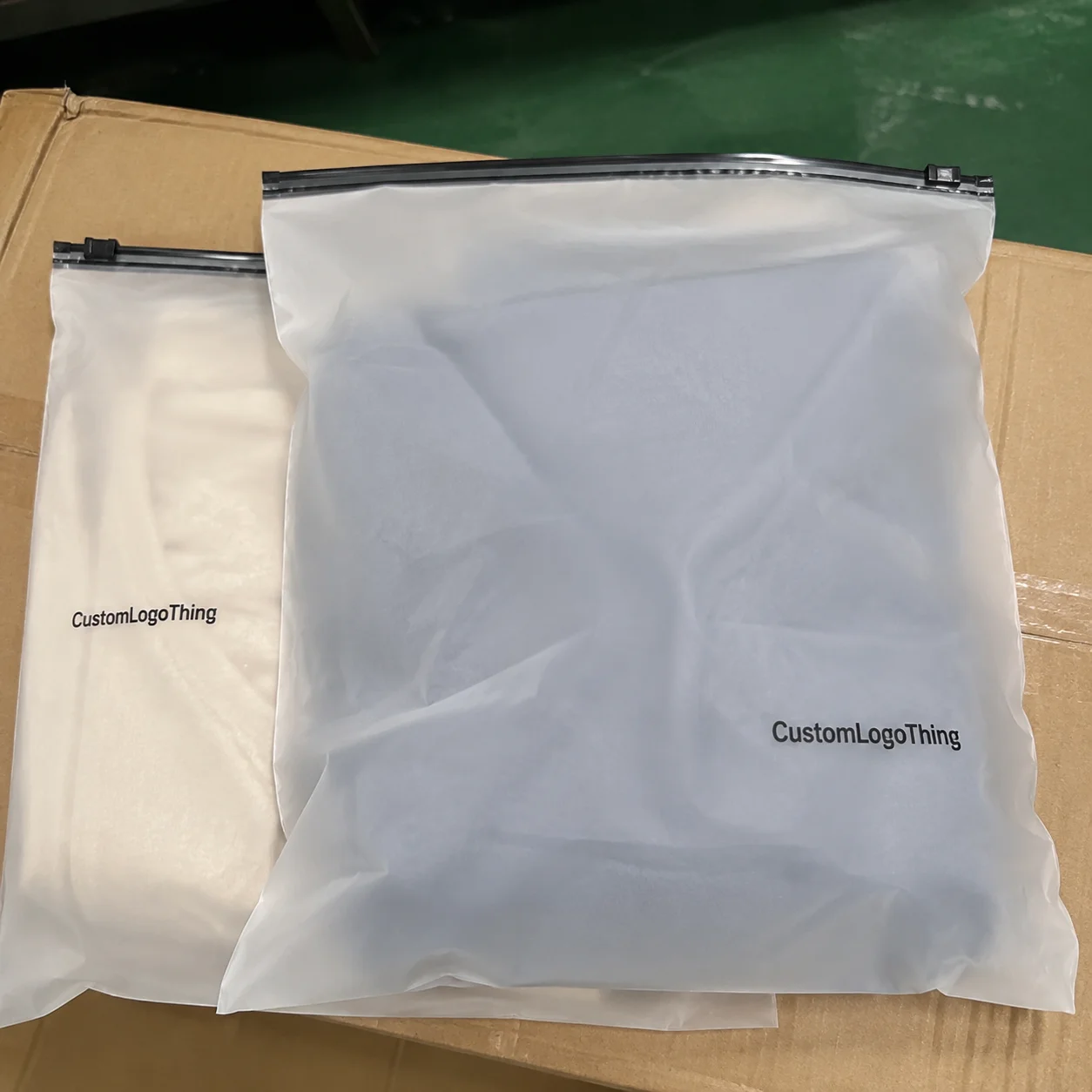
Custom Slider Lock Clothing Bags for hotel brands solve a plain but expensive packaging problem: a garment leaves the packing area clean and folded, then arrives dusty, wrinkled, half-open, or awkwardly presented. For hotel teams, that small failure can turn into re-pressing labor, extra replacement inventory, delayed uniform distribution, or a retail item that no longer feels worth its price.
Good garment packaging is not just a visual decision. It is a handling decision. The bag has to protect the item, let staff identify what is inside, open and reseal without fuss, and still look controlled when it reaches a guest, employee, laundry desk, stockroom, or retail shelf. A slider lock closure helps because it gives the package a repeatable close, not a strip of adhesive that catches lint or a loose flap that depends on perfect folding.
For hotels, this format fits several practical uses: folded staff uniforms, guest retail apparel, spa robes, amenity garments, laundry returns, VIP gifting, and seasonal storage between properties. The best version is rarely the fanciest one. It is the bag with the right film thickness, correct folded-garment dimensions, clean print placement, dependable slider hardware, and enough structure to survive the way the property actually handles clothing.
Custom Slider Lock Clothing Bags for Hotel Brands: What They Solve
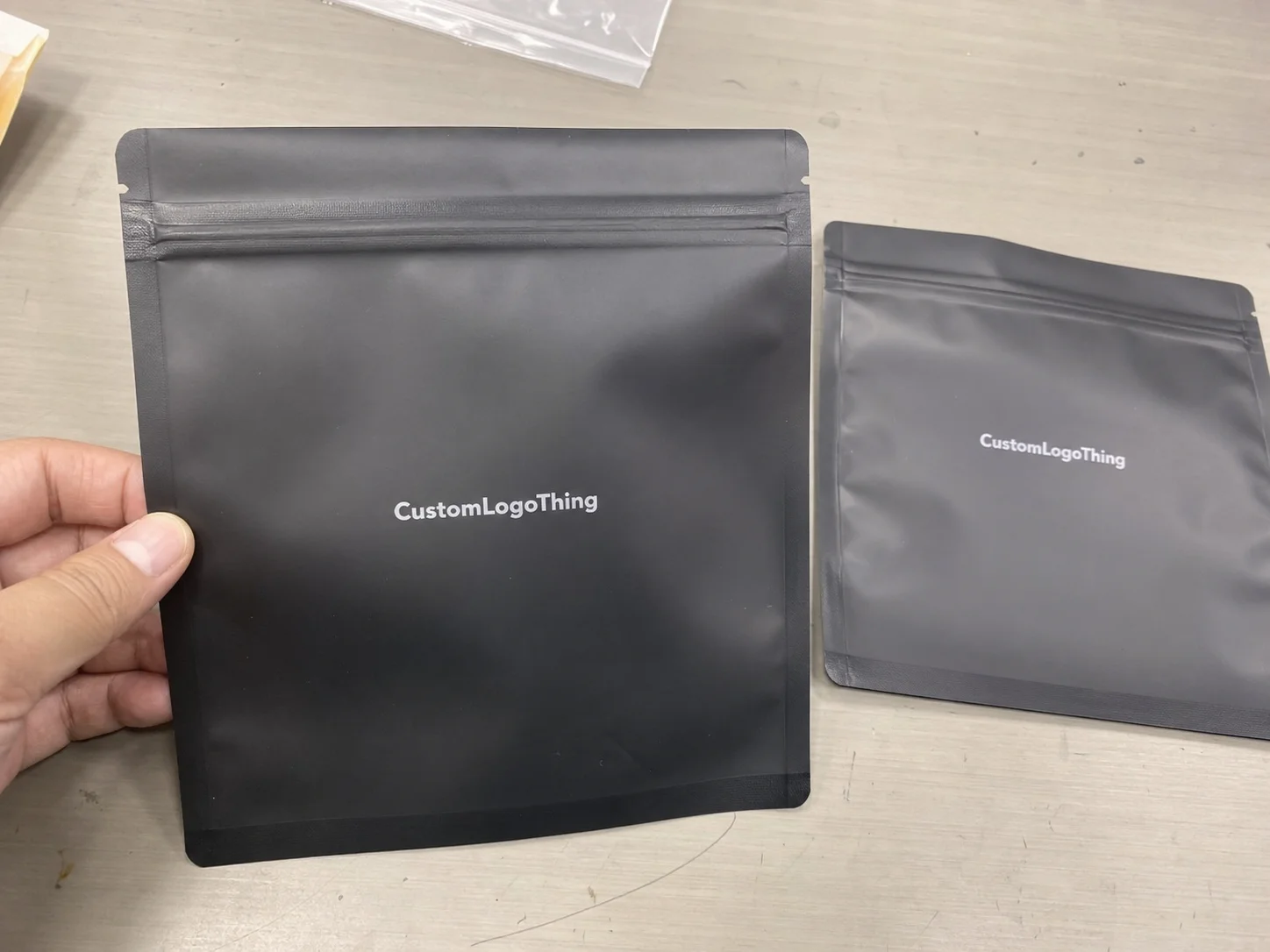
Hotels put a lot of attention into the guest-facing details: the room setup, folded textiles, retail displays, uniforms, and the small cues that make service feel organized. Garment packaging belongs in that same discipline. A bag that looks like generic supply-room plastic weakens the presentation before the garment has a chance to speak for itself.
The value of custom slider lock clothing bags for hotel brands is consistency. A pressed shirt stays cleaner. A robe holds its fold better. Uniform pieces can be sorted by size or department without staff opening every package. Retail garments can be handled by guests without becoming shopworn after a few days on display. None of that is glamorous, but it is the kind of practical control that keeps packaging from becoming another operational nuisance.
Slider lock bags also support reuse in a way that basic adhesive bags often do not. If a uniform needs to be exchanged, if a guest item is inspected, or if laundry staff need to confirm contents before repacking, the closure can be opened and resealed without destroying the package. That matters in environments where the same item may pass through housekeeping, front desk, retail, laundry, storage, and delivery teams before it reaches its final user.
“If the packaging looks careless, guests tend to judge the garment more harshly. Clean, controlled packaging gives the product a fair first impression.”
The format sits between two common extremes. It is more polished than a loose poly sleeve, but simpler and less expensive than rigid packaging or fully printed retail cartons. For many hotel programs, that balance is exactly the point. The bag protects and presents the garment without adding unnecessary assembly steps.
It also helps align categories. A hotel may use custom printed Boxes for Retail candles, amenity kits, or gifting, while apparel needs flexible packaging because fabric behaves differently than boxed goods. The garment bag does not need to copy the box design, but it should feel like it comes from the same brand system: similar logo scale, similar restraint, similar attention to material quality.
How the Slider Lock Closure Works on Garment Bags
A slider lock closure uses a small plastic slider that travels along an interlocking track at the bag opening. As the slider moves, it presses the two sides of the track together, creating a more consistent seal than most users get by pinching a standard zipper-style closure by hand. The difference is small on one bag and meaningful across thousands of packed garments.
For busy teams, the appeal is speed and repeatability. Staff do not need to align the closure perfectly with their fingers. They pull the slider across, feel the track close, and move to the next item. In hotel operations, where packaging may be handled by people with different training levels and different time pressures, that consistency is useful.
The closure still has to be tested. A slider that feels smooth on an empty sample may behave differently once the bag is filled with a bulky robe or folded jacket. Corners can strain. The track can separate near the ends. Cheaper sliders may snag, pop off, or fail after repeated use. Those problems are usually visible during sampling if the buyer tests the bag with real garments rather than a flat sheet of paper.
Compared with adhesive closures, slider locks are less vulnerable to lint, fabric fibers, and hand oils. Adhesive strips can work for single-use retail packaging, but hotel clothing often gets opened, checked, and repacked. Once adhesive loses tack or folds onto itself, the presentation is gone. A slider lock gives the package a better chance at a second or third use, provided the film and hardware are specified properly.
Buyers should evaluate four closure points before approval: whether the slider moves evenly across the full track, whether the seal holds under light tension, whether the closure stays aligned at the corners, and whether the slider remains attached after repeated open-close cycles. Ten cycles on a sample is a simple check. Twenty is better for uniform or laundry use.
For teams comparing this format against other Custom Packaging Products, the closure should be judged by use, not just appearance. A clean sample photo does not tell you how a bag behaves during a morning uniform handoff, a stockroom count, or a guest return.
Material, Thickness, and Print Specs That Matter
Material choice is where many garment bag projects drift. A buyer asks for “clear plastic” and assumes the supplier will fill in the rest. That leaves too much room for mismatch. The right material depends on garment weight, storage conditions, handling frequency, presentation standard, and whether the bag is meant to be reused.
Clear LDPE is a common starting point because it is flexible, economical, and allows quick visual inspection. It works well for light folded apparel, basic uniform packing, and guest retail items where visibility matters. A thicker PE blend can add structure and puncture resistance, which helps with robes, jackets, heavier uniforms, or garments moving through several departments. Frosted film changes the presentation immediately; it softens the look and can feel more premium, though it reduces visibility and usually costs more.
Thickness is one of the most important specifications. Too thin, and the bag wrinkles, collapses, or splits at stress points. Too thick, and it can feel bulky, slow packing, increase freight volume, and look wasteful for a lightweight item. Many hotel garment applications fall somewhere around 2.0 to 4.0 mil, but that range is not a rule. A folded T-shirt, a terry robe, and a structured blazer put very different demands on the same closure and side seams.
Size should be based on the folded garment, not the hanger size or a rough apparel category. Measure folded width, folded height, and packed thickness, including collars, sleeves, belts, waistbands, embroidery, or heavier seams. Leave enough room for the garment to slide in without crushing the fold, but not so much that the item floats around inside the package. Oversized bags look careless and increase material cost. Undersized bags create stress at the slider track and corners.
Vent holes may be worth discussing if garments are packed shortly after steaming, laundering, or pressing. Film can trap moisture, and trapped moisture is rarely kind to fabric presentation. Venting is not right for every program because it can reduce dust protection, but for certain laundry or back-of-house uses it may be the practical choice. If fragrance, moisture, or mildew risk is part of the use case, handle that in the specification instead of hoping the bag will forgive the process.
Print should be restrained. One-color logo placement is often enough for hotel garment packaging, especially when the brand wants a clean, controlled look. Some programs add size labels, department codes, property names, reorder codes, or care reminders. Those details can be useful, but they should not crowd the garment. A clothing bag is not a billboard; it is a presentation and handling tool.
Common print and finish choices include:
- One-color logo print for simple branded packaging
- Tonal or low-contrast print for a softer premium presentation
- Size or department labeling for sorting uniforms and retail stock
- Clear film with printed elements for visibility and identification
- Frosted film for a more refined retail packaging feel
- Write-on panels or barcode areas when inventory control matters
Artwork files should be prepared with the actual print method in mind. Large solid areas can show scuffing, distortion, or uneven ink on flexible film. Very fine type may fill in or lose clarity. If the bag will be handled repeatedly, keep the most important branding away from heavy rub areas and fold lines. The cleanest-looking hotel packaging is often the most edited.
For broader packaging education, the Institute of Packaging Professionals is a useful reference. For transport testing, the International Safe Transit Association publishes methods that help teams think beyond appearance and test packaging under stress. If paper inserts, hangtags, or outer cartons are part of the program, FSC-certified paper components may support a more responsible material mix, even when the garment bag itself remains film-based.
| Option | Typical Thickness | Best Use | Cost Impact |
|---|---|---|---|
| Clear LDPE | 2.0-3.0 mil | Light folded apparel, guest retail pieces, basic uniform packing | Lowest |
| Thicker PE blend | 3.0-4.0 mil | Robes, jackets, repeated handling, better structure | Moderate |
| Frosted premium finish | 3.0-4.0 mil | Upscale presentation, branded apparel, visible merchandising | Higher |
| Custom printed with size coding | Varies by garment | Multi-property sorting, back-of-house efficiency, retail packaging programs | Depends on print coverage |
Cost, Pricing, MOQ, and Quote Drivers
Pricing for custom Slider Lock Clothing Bags for hotel brands is shaped by a handful of variables that should be visible on every quote: material type, film thickness, finished dimensions, slider hardware, print coverage, quantity, packing method, and freight. If a quote is dramatically lower than the others, one of those pieces is usually thinner, smaller, simpler, or excluded.
For rough planning, a simple unprinted bag in a common size may land in the low cents per unit at higher volumes, while a thicker custom-sized bag with branded print and better hardware can move into the mid or higher cents per unit. Small pilot quantities cost more because setup, artwork handling, waste, and machine time are spread across fewer bags. At 5,000 or 10,000 pieces, the unit price often starts to make more sense, but only if the specification is stable.
MOQ depends on how custom the order is. Stock dimensions with light printing usually have more flexibility. Custom dimensions, unusual film, special sliders, heavy print coverage, or multiple artwork versions tend to raise the minimum. A hotel group testing a new packaging standard should ask for tiered pricing: one-property pilot, regional rollout, and full program quantity. Those three numbers tell a more honest story than a single blended estimate.
Buyers should request landed cost, not only unit price. Freight, rush charges, carton packing, sample fees, print plate or setup charges, color matching, and duties can change the real cost quickly. A low unit price loses its charm if the shipment arrives late, requires repacking, or creates higher freight because the bags were packed inefficiently.
A useful quote request should include:
- Finished bag dimensions and target thickness
- Material preference, such as clear LDPE, thicker PE blend, or frosted film
- Closure type and slider quality expectation
- Print artwork, print size, ink colors, and print location
- Quantity tiers for pilot, reorder, and rollout
- Delivery destination, required delivery date, and packing requirements
- Use case, such as uniforms, guest retail, spa robes, laundry returns, or storage
The more specific the request, the easier it is to compare suppliers fairly. A quote for a 2.0 mil clear bag and a quote for a 4.0 mil frosted bag with stronger slider hardware are not competing versions of the same product. They are different products with different performance expectations.
For hotel teams already reviewing packaging performance across categories, it helps to keep the same approval discipline used for custom printed boxes, retail packaging, and other branded packaging. The Case Studies section can be useful for thinking about rollout patterns, but the principle is simple: clear specifications make pricing cleaner and reorders easier.
Production Steps and Lead Time From Sample to Shipment
The production path is usually straightforward: confirm the specification, prepare artwork, review a proof, approve a sample if needed, run production, inspect the finished bags, pack cartons, and schedule shipment. Delays usually come from incomplete decisions rather than unusual manufacturing complexity.
Dimensions need to be settled early. So does the closure style. Logo placement, print size, quantity tier, and delivery destination should also be locked before production begins. If those details stay loose, the supplier has to interpret the request, and interpretation is where many packaging mistakes begin.
For many straightforward custom printed garment bag orders, 12-15 business days from proof approval can be a reasonable production window, though that is not a guarantee. Physical samples, new tooling, specialty film, complex print, unusual slider hardware, or peak production schedules can extend the timeline. Shipping method also matters. Air freight may rescue a deadline but punish the budget. Ocean freight can help cost, but only if the calendar allows it.
Artwork approval is a common bottleneck. Hotel brand teams may need time to confirm logo size, color, clear space, and placement. That is understandable, but the schedule should account for it. A supplier cannot print from a logo pulled from a presentation slide and still be expected to match a brand standard. Vector artwork, clear ink references, and a marked print area remove a lot of friction.
A reliable approval sequence usually looks like this:
- Confirm garment measurements and intended use
- Approve material, thickness, dimensions, and closure style
- Review digital artwork or print proof at actual scale
- Test a physical sample for custom, premium, or high-volume orders
- Approve production quantity and shipment window
- Inspect finished cartons against the approved specification
Sample review should not be treated as a formality. Pack the real garment. Open and close the bag several times. Stack it. Move it between rooms or departments if that reflects actual use. Check whether the garment shifts, whether the slider catches, whether the printed logo lands where expected once the bag is filled, and whether the package still looks acceptable after handling.
Quality-Control Checks Before Approval
Quality control for slider lock garment bags does not need to be complicated, but it does need to be specific. A visual glance at the top bag in a carton is not enough for a hotel program that depends on consistent presentation across many items or properties.
Start with dimensions. Measure finished width and height, then compare them against the approved tolerance. Flexible film can vary slightly, but the bag still has to fit the garment without stressing the side seams or slider track. If the opening is too tight, packing slows down and the closure fails sooner.
Check film thickness with the right gauge rather than guessing by hand feel. Experienced buyers can sense obvious differences, but hand feel is not a measurement. A bag that is supposed to be 3.0 mil should not quietly become 2.0 mil because the sample felt “close enough.” That difference shows up later as wrinkling, tearing, and weaker presentation.
Slider performance deserves its own inspection. Pull the slider across the full track several times. Look for snagging, separation, uneven closure pressure, and loose end stops. Fill the bag with the actual garment and repeat the test. Empty-bag performance is useful, but filled-bag performance is what matters.
Print inspection should cover logo position, ink clarity, color consistency, scuffing, and registration if more than one color is used. Small shifts may be acceptable on flexible packaging, but crooked or oversized branding will look unprofessional in a hotel setting. If the bag includes size coding or department labels, those marks need to remain readable after the garment is packed.
Carton packing should be checked as well. Bags packed too tightly may crease before they reach the property. Bags packed too loosely can shift and deform. If the order is going to multiple properties, carton labels should make distribution easy, with size, version, quantity, and destination clearly marked.
Common Mistakes That Create Waste or Rework
The most common mistake is ordering by garment category alone. A robe, a blazer, and a folded shirt are all “apparel,” but they do not need the same internal room, closure strength, or bag thickness. One generic size may seem efficient in a spreadsheet and still create daily frustration for the people packing the garments.
Weak specifications cause avoidable rework. If the buyer skips thickness, closure type, tolerances, print placement, or sample approval, the finished bag may be too soft, too bulky, too cloudy, too slick, or too tight at the opening. None of those failures are mysterious. They usually trace back to a brief that left too much unsaid.
Branding can also go wrong. Oversized logos, heavy ink coverage, poor contrast, and too much copy make the bag look busy. A hotel garment bag should feel deliberate and clean. The brand mark needs enough presence to identify the program, but not so much that it competes with the garment inside.
Another mistake is blind standardization across properties. Standardization is useful when the same garments, handling process, and storage conditions apply. It becomes wasteful when a resort spa robe, city hotel uniform shirt, and boutique retail sweatshirt are forced into the same bag because a single SKU feels administratively easier.
Buyers Should Check the bag against real use conditions:
- Does the closure stay sealed after repeated handling?
- Does the bag keep the garment flat and presentable?
- Can staff repack it quickly without fighting the slider?
- Does the print remain clean after stacking and transport?
- Does the size allow natural garment bulk without excess empty space?
- Does carton packing protect the bags before they reach the property?
That checklist is ordinary, but it prevents a lot of waste. Packaging problems are much easier to fix during sampling than after cartons have been distributed across several locations.
Practical Next Steps Before You Place an Order
Start with a garment audit. Measure the folded width, folded height, and packed thickness of the items the hotel packages most often. If the program includes mixed inventory, separate the main garment groups instead of averaging everything into one compromise size. Average specifications often produce average results, and packaging needs to be more precise than that.
Next, decide whether the bag is primarily for presentation, storage, transport, reuse, or sorting. One bag can serve more than one purpose, but the priority should be clear. A guest retail garment may need a cleaner finish and more careful branding. A back-of-house uniform bag may need size coding, stronger film, and fast resealing. A laundry return bag may need venting or extra durability.
Request a sample with the same closure, thickness, print placement, and approximate size you plan to order. Then test it with the people who will handle it most often. Front desk, housekeeping, uniform management, laundry, and retail teams tend to notice different issues. Procurement may see the price and lead time; operations will see whether the bag actually works.
Build a short specification sheet that includes size, material, thickness, slider closure, print details, quantity tiers, carton packing, delivery timing, and reorder notes. Keep it readable. The goal is not paperwork for its own sake. The goal is to make the next order easier and prevent the approved bag from changing quietly over time.
Before a full rollout, confirm that the specification is stable for every property that will use it. If different properties need different sizes or labels, document that clearly. If one shared size truly works, freeze the spec and keep a reference sample. Reorders are much smoother when there is a physical approved sample and a written specification to match.
Custom Slider Lock Clothing Bags for hotel brands are worth specifying carefully when presentation, handling, and repeat use all matter. Choose the material around the garment, not around a generic price point. Size the bag to the folded item. Test the slider under real handling. Keep branding clean. When those pieces are right, the packaging stops calling attention to itself and simply does the job well.
How do custom slider lock clothing bags for hotel brands improve presentation?
They keep garments clean, visible, and neatly sealed during delivery, storage, or guest handoff. The slider closure lets staff open and reseal the package without damaging the presentation, while custom print makes the bag feel intentional instead of generic.
What thickness works best for hotel clothing packaging?
Many hotel garment bags fall around 2.0 to 4.0 mil, depending on garment weight and handling frequency. Light folded apparel may work with thinner film, while robes, jackets, uniforms, and reusable programs usually need more structure. A physical sample test is the best way to confirm the right thickness.
Is there usually an MOQ for slider lock garment bags?
Yes. MOQ usually depends on dimensions, material, print complexity, slider hardware, and whether the bag uses a stock or custom size. Lower quantities may be possible, but unit price tends to increase because setup and production waste are spread across fewer bags.
How long does production usually take for hotel bag orders?
Simple unprinted orders can move faster, while custom printed or specialty-sized bags take longer. For straightforward custom runs, 12-15 business days from proof approval is a common planning range, though samples, special materials, tooling, and freight method can extend the schedule.
Can these bags be reused for laundry or guest returns?
Yes, if the film thickness and slider hardware are specified for repeated handling. Reuse should be tested before rollout by opening and closing the bag multiple times with the actual garment inside. If moisture is part of the process, ask whether venting or a different material spec is needed.