Buyer Fit Snapshot
| Best fit | packaging buyers who need clearer specs, stronger internal paths, and repeatable quote decisions where brand print, material, artwork control, and repeat-order consistency matter. |
|---|---|
| Quote inputs | Share finished size, material target, print colors, finish, packing count, annual reorder estimate, and delivery region. |
| Proofing check | Approve dieline scale, logo placement, barcode or warning zones, color tolerance, and any recyclable or compostable wording before bulk production. |
| Main risk | Vague material claims, crowded artwork, or missing packing details can create delays even when the unit price looks attractive. |
Fast answer: Printed Tuck End Cartons: Design, Cost, and Production should be specified like a repeatable production item. The safest quote includes material, print method, finish, artwork proof, carton packing, and reorder notes in one written spec.
What to confirm before approving the packaging proof
Check the product dimensions against the actual filled item, not only the sales mockup. Ask for tolerance on folds, seals, hang holes, label areas, and retail display edges. If the package carries a logo, QR code, warning copy, or legal claim, reserve that space before decorative graphics fill the panel.
How to compare quotes without losing quality
Compare board or film grade, print process, finish, sampling route, tooling charges, carton quantity, and freight assumptions side by side. A lower quote is only useful if the supplier can repeat the same color, closure quality, and packing count on the next order.
Printed Tuck End Cartons are one of the least fussy ways to give a product a retail-ready face without jumping into rigid box territory. They look simple on a screen. Then the blank gets scored, folded, printed, glued, filled, and stacked, and suddenly every millimeter matters. The feel in the hand changes. The shelf read changes. The packing line changes too, because packaging has a habit of exposing lazy decisions.
For brands that need a clean outer carton with room for logo, claims, and product information, this format pulls a lot of weight without using much material. It is light, easy to ship, and adaptable enough for cosmetics, supplements, food items, hardware, and a long list of consumer goods. The real trick is specifying it so the carton supports the product instead of turning the order into a series of avoidable problems.
That is especially true for teams working under pressure. A startup launching a vitamin line needs a carton that looks credible on shelf and runs without a fight. A contract packager needs a format that folds consistently across repeat SKUs. A brand manager wants color that stays on target after production, not a box that looks great in the proof and tired on the shelf. Printed tuck end cartons can do all of that, but only if the spec is grounded in how the box will actually be used.
What Printed Tuck End Cartons Are and Why They Matter
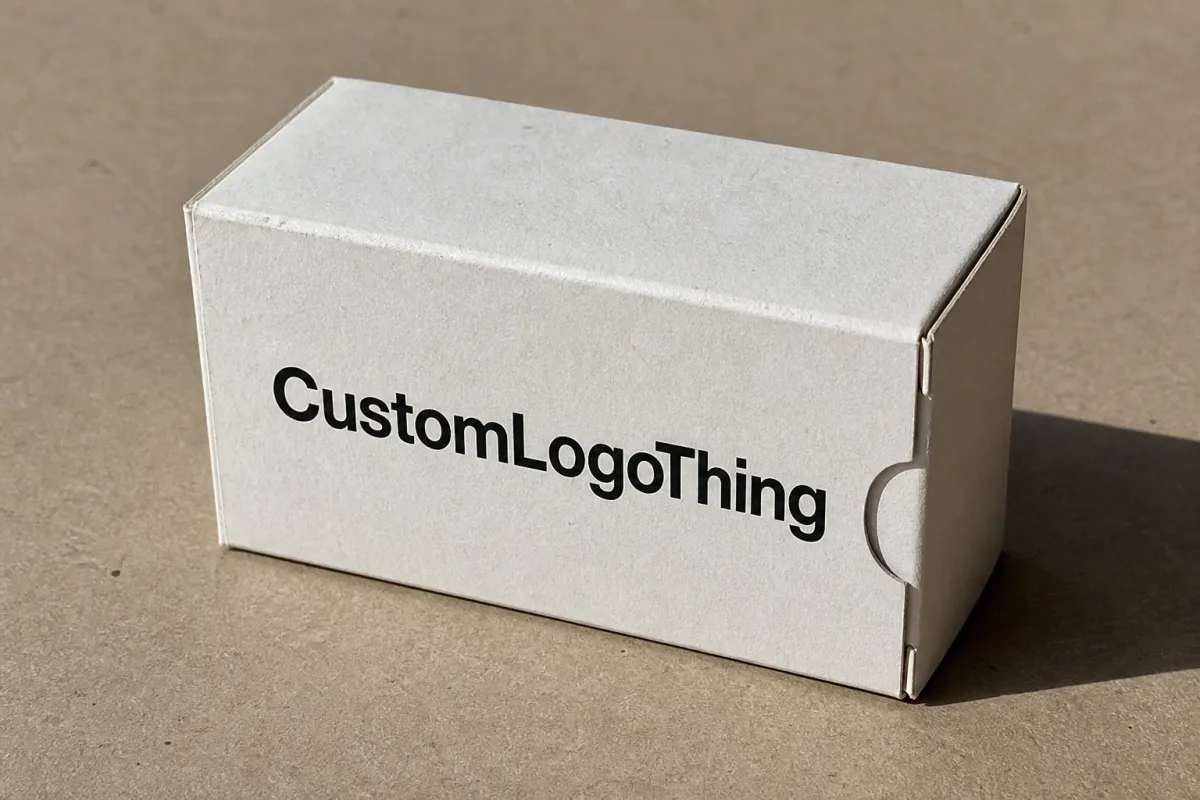
A printed tuck end carton is a folding carton made from paperboard, usually with a top and bottom flap that tuck into the body of the box. That closure can be done by hand or by machine, which is one reason the format shows up everywhere from small launch runs to high-volume retail programs. It is a straightforward structure, but it gives a brand a broad printable surface and a tidy retail profile.
From a packaging buyer's point of view, the value is easy to see. You get a carton that helps protect the product from dust, handling, and light impact, while still leaving enough room for brand colors, ingredient panels, dosage instructions, flavor names, regulatory text, and barcodes. Compared with a rigid setup box, the cost and freight weight are usually much lower. Compared with a plain tray or mailer, the visual control is much better.
The shelf advantage matters more than teams expect. The front panel is usually the first thing a customer sees, and on a tuck end carton that panel can carry the strongest hierarchy on the pack: brand at the top, variant or SKU in the middle, and a short product claim lower down. Lay that panel out well and the carton looks organized and trustworthy. Crowd it with copy and it starts to feel like a warehouse label wearing a costume.
That is why brands keep choosing printed tuck end cartons across so many categories. The format gives them a dependable balance of protection, print quality, and assembly speed. It works especially well when the package itself has to communicate trust, flavor, dosage, finish, or product tier quickly. A cosmetic serum, a vitamin bottle, a tea sachet carton, a small tool, or a specialty snack can all use the same basic structure, even if the graphics and board choice change completely.
There is also a practical sourcing angle. Buyers can often standardize the carton shape across a family of products and only change the artwork, insert, or board finish. That reduces the number of structural approvals, keeps reorder planning sane, and makes it easier to spot which SKU is causing a production issue. Fancy is fine. Repeating the same mistake across six variants is not.
A carton that saves a few cents on paperboard but creates hand-rework, scuffed print, or a poor shelf face is usually the more expensive carton in practice.
That is the point. The best carton is not the fanciest one. It is the one that prints cleanly, folds correctly, fits the product, and does not create problems after the order is already in motion.
How Printed Tuck End Cartons Work on the Line
The structure starts as a flat die-cut blank. That blank gets scored so the panels fold where they should, then printed, finished, and converted into a carton form. Depending on the style, it may be glued on a side seam or locked in a way that supports the intended packout. Once it reaches the filling line, the carton is opened, the product is inserted, and the end flaps are tucked shut.
The closure logic is simple, but the mechanics matter. Printed tuck end cartons need enough stiffness to hold their shape, yet enough flexibility to fold without cracking at the score lines. They also need flaps that line up accurately so the carton closes cleanly instead of bulging or popping open. On an automated line, those details matter even more because the machine expects every blank to behave the same way.
The main panels deserve actual attention during design. The front panel carries the brand story. The side panels often hold supplemental details, directions, or compliance text. The back panel can carry ingredients, usage instructions, UPC placement, or product education. Tuck flaps and dust flaps eat into the usable area, so artwork cannot just drift across the dieline and hope nobody notices where the folds land.
There are two common closure directions: straight tuck and reverse tuck. Straight tuck cartons have both major flaps tucking in the same direction, while Reverse Tuck Cartons tuck top and bottom flaps in opposite directions. That changes how the box opens, how the graphics read, and sometimes how the machine handles the blank. Reverse tuck is often favored for efficient conversion and retail cartons, while straight tuck can feel more symmetrical and is often chosen when the opening direction matters for the consumer experience.
The opening direction is not some tiny technical footnote. It can change the unboxing motion, the placement of tamper evidence, and the way the top panel sits when the carton is first opened. If the product is tall, narrow, or fragile, even the way the top flap releases can affect customer perception. A good tuck style does not make a speech. It just feels right.
That is why testing matters before volume printing starts. A render can look perfect while the real carton fails because the bottle is 2 mm too tall, the insert adds bulk, or the closure tension is too weak. A prototype run or folded sample can expose those problems early, when changes are still cheap. For high-volume jobs, that is not a luxury. It is basic risk control.
It also helps to confirm whether the cartons will be hand-packed or run on a cartoner. Hand assembly tolerates some rough edges and a little variation. Machine filling does not. If a supplier knows the filling method early, they can catch issues like poor glue area, weak score memory, or a tuck flap that opens too aggressively before the dies are cut and the press is booked.
Material, Print, and Finish Choices That Shape the Final Look
Board selection is where the carton's personality starts to show. SBS (solid bleached sulfate) is common when a brand wants a crisp white surface, strong print contrast, and a clean, premium look. Kraft board leans warmer and more natural, which suits eco-forward products or brands that want a softer, less clinical appearance. Other folding carton boards can work too, but those two tend to anchor most purchase decisions.
Thickness and stiffness affect both appearance and performance. A heavier board can improve shelf presence and crush resistance, especially if the carton will be handled repeatedly before sale. A lighter board may reduce cost, but it also demands tighter design control so the box does not collapse, warp, or show a weak panel when stacked. In practice, the best board is the one that matches the product weight, the fill method, and the retail environment.
Print method matters too. Offset printing is often chosen for high image quality, strong color control, and mid-to-large quantities. Digital printing can make sense for short runs, faster artwork changes, or launch programs with several variants. Flexographic printing has a place where speed and simplicity matter, especially on some board types and more utilitarian designs. The right choice depends on quantity, color count, detail level, and how much setup the job can carry.
Finishing is where the carton can shift from plain to polished. Aqueous coating is common because it protects the print, adds scuff resistance, and keeps the surface from feeling too raw. Gloss coating gives a brighter, more reflective face. Matte coating softens the look and can feel more subdued. Soft-touch coating, spot UV, embossing, debossing, foil stamping, and specialty varnishes each add their own visual or tactile effect, but they also add Cost and Process steps.
The point is not to stack finishes because they sound premium. The right finish should support the brand story and the use case. A technical supplement carton may benefit from a restrained matte face with crisp typography and a clear dosage panel. A cosmetic carton may need a richer finish, a foil accent, or a spot UV hit on the logo. A food carton may need strong legibility and coating that tolerates a little shelf friction.
Print details also need discipline. Rich blacks should be specified carefully so they do not print muddy. Fine rules and hairlines can disappear if the board surface is too textured or the press setup is off. Barcodes need quiet zones and enough contrast to scan reliably. Small type should stay away from folds and score lines because text can distort once the carton is converted.
One more practical point: the board surface and print method affect how color behaves. A bright white SBS sheet usually gives sharper, cleaner color than a more natural kraft tone. If a brand uses strict color standards, proofing against the actual board is worth the time. A color that looks elegant on a coated proof can read duller or warmer on the final substrate. That is not a theoretical issue. It is the difference between a carton that looks intentional and one that looks like someone guessed.
For packaging teams that want to ground their choices in wider industry practice, the education resources at ISTA are useful for understanding shipping tests and distribution realities, while FSC helps clarify chain-of-custody expectations for responsibly sourced board. Those references do not replace a good carton spec, but they keep the conversation tied to standards instead of guesswork.
Printed Tuck End Cartons: Cost, Pricing, MOQ, and Quote Factors
Cost is usually where teams get the biggest surprises, because a carton price is shaped by many small decisions rather than one huge one. Finished dimensions come first. A larger carton uses more board, more ink, and more die area. Board grade matters next. Print coverage matters too, especially if the artwork uses solid background colors, heavy dark areas, or multiple specialty inks. Coatings and embellishments then add another layer of expense.
At a practical level, a simple retail carton in a moderate quantity can sometimes land around $0.18-$0.28 per unit at 5,000 pieces with standard board and straightforward print coverage, while a more decorated version with premium coating or foil can climb into the $0.30-$0.55 range or higher depending on structure and finishing. Short runs, especially those under 1,000 units, usually carry a much higher unit price because make-ready, file prep, and setup work are spread across fewer cartons. Those numbers are directional, not a promise. Region, supplier capability, freight, and spec complexity all move the final number around.
MOQ, or minimum order quantity, usually follows how the carton is printed and converted. A digital run may allow a lower quantity, but the unit cost will usually be higher. An offset run can improve efficiency at scale, yet it often makes little sense if the brand only needs a small launch quantity. For some buyers, the right answer is not chasing the lowest MOQ; it is finding the lowest practical total cost for the amount of stock they actually need.
When requesting a quote, the cleaner the information, the better the estimate. A good packaging request should include:
- Finished carton dimensions, not just product dimensions
- Product weight and any insert or accessory inside the box
- Print coverage, color count, and whether the artwork bleeds to the edge
- Board preference, such as SBS, kraft, or another folding carton stock
- Finish preference, including aqueous, matte, gloss, soft-touch, foil, or spot UV
- Quantity needed and whether the order may repeat
- Delivery location and required arrival date
- Whether cartons will be packed by hand or on a cartoner
That last point matters more than many brands expect. A carton that works fine for hand assembly may need changes before it can run on a machine. Glue area, flap tolerance, score placement, and fold memory all influence line performance. If the packaging supplier knows the fill method early, they can advise whether the dieline needs changes before plates or dies are made.
Comparing quotes fairly means looking beyond the headline unit price. Two suppliers can both quote a carton at the same number and still deliver very different results. One may include tooling, proofs, and freight. Another may not. One may be quoting a heavier board with better fold memory. Another may be quoting a lighter sheet that looks fine on paper but struggles on the line. Cost should always be reviewed alongside performance, not in isolation.
| Option | Typical Cost Impact at Mid Volume | Best For | Tradeoff |
|---|---|---|---|
| SBS board with 4-color offset print and aqueous coat | $0.18-$0.30 per unit | Clean retail presentation, cosmetics, supplements | Good balance of print quality and cost, but not the cheapest for very short runs |
| Kraft board with 1-2 colors and minimal finish | $0.16-$0.26 per unit | Natural, eco-forward brands, simpler graphics | Less contrast and fewer premium effects on shelf |
| SBS with spot UV, foil, or soft-touch coating | $0.30-$0.55+ per unit | Premium cosmetics, gift sets, higher-margin products | Higher cost and more process steps |
| Digital short-run carton program | $0.40-$0.90 per unit | Launches, test markets, variant-heavy SKUs | Useful for flexibility, but unit cost is usually higher |
Hidden costs also show up in the details. Artwork corrections, dieline revisions, extra proof rounds, rush production, upgraded coatings, and sample iterations can all add up. If the carton is going to be sold through a retailer with strict carton specs, there may also be compliance and testing expectations that should be budgeted from the start rather than added later. Nobody enjoys learning about that after the purchase order is already live.
Printed Tuck End Cartons Production Process, Timeline, and Lead Time
The production sequence is straightforward on paper, but every step has a point where delays can creep in. It usually starts with concept and dimension confirmation, then moves to dieline review, artwork setup, proofing, plate or file preparation, printing, coating, die-cutting, folding, gluing, and final packing. If a carton includes inserts, special closures, or tight tolerances, those items may need their own checks before mass production begins.
The biggest schedule risks are often not on the press. They are in the approvals. A first-time structural change may need a prototype. Artwork revisions can stretch if too many people are commenting at once. Specialty finishing can add setup complexity. Even a simple carton can lose several days if the proof sits waiting for sign-off. In practice, the fastest jobs are the ones where the buyer and supplier agree on the spec early and keep the revision cycle short.
Sampling deserves a clear strategy. A flat proof is useful for checking copy, layout, color intent, and barcodes, but it cannot tell you how the carton will behave once folded. A folded prototype is better when closure tension, product fit, or shelf presence is uncertain. If the item is heavy, brittle, or unusually shaped, a prototype can reveal whether the tuck closure holds or whether the panel bowing looks awkward under load.
For many standard jobs, production lead time often falls into a 10-20 business day window after proof approval, but that range shifts quickly when finishes become more complex or materials are not in stock. Short-run digital work can sometimes move faster, while conventional print with foil, embossing, or multiple approval stages can take longer. A rush order is possible in some cases, but it usually narrows the material and finishing choices rather than expanding them.
There is also a difference between press time and total time. A carton might print quickly, but die-making, coating cure time, gluing, bundling, and shipping all add calendar days. Brands sometimes ask why a job that looks simple on the page still needs two or three weeks. The answer is usually that packaging is not just printing; it is a conversion process that turns flat paperboard into a functional shipping and retail object.
One of the best ways to avoid delays is to send clean vector artwork and a final dieline version before production starts. High-resolution raster files are not enough if the layout must be precise around folds, scores, and cutouts. Barcode files should be checked at the right size, and legal copy should be locked before the carton enters pre-press. If the product dimensions are still changing, the carton should wait. Changing the box after approval is almost always slower and more expensive than making the right call up front.
Good suppliers will often ask for more than one proofing decision at a time. That can feel repetitive, but there is a reason for it: every approval that stalls has a knock-on effect for plates, finishing, and shipping. A team that responds quickly and clearly can usually keep the schedule under control, while a team that drifts on approvals tends to push the job into the next available press window.
For buyers who are comparing carton programs across multiple SKUs, it helps to standardize as much as possible. Shared board, shared finish, and shared structural logic can reduce setup time and simplify repeat orders. The graphics can still vary by flavor, size, or dosage, but the engineering stays consistent. That is where lead time becomes easier to manage, and where reorders stop feeling like a new project every single time.
Common Mistakes That Make Cartons Look Cheap or Ship Poorly
One of the fastest ways to make a carton feel less polished is to overload it. Too many colors, too much copy, too many decorative elements, and too many competing claims can crowd a small panel until nothing stands out. A tidy front panel usually performs better than a busy one, especially when the package is viewed from arm's length on a shelf or in a shipping box opening.
Another common error is ignoring fold lines and safe zones. Artwork that sits too close to a score or tuck edge can distort once the carton is converted. Small type may disappear into a fold. Logos can become uneven if they cross a panel break without planning. The cartoner might still be able to use the box, but the visual finish will not look deliberate.
Fit issues can be expensive because they affect both presentation and function. A carton that is too loose allows the product to shift around, which can make the box feel cheap and may create scuffing inside. A carton that is too tight can bulge, crush corners, tear at the tuck, or slow the filling line. Neither condition is ideal. The right fit should hold the product securely without forcing the board beyond its natural shape.
Finish mismatch is another quiet problem. A concept may call for foil, soft-touch coating, and embossing, but the real budget or board choice may not support that combination without tradeoffs. Sometimes the carton needs a simpler treatment with sharper typography instead of a stack of effects. Other times a single well-placed finish, such as spot UV on the logo, does more for the package than multiple embellishments would.
Testing is the practical answer to most of these issues. A basic shipping test, a fill trial, or a shelf check can expose weak flaps, poor fold memory, scuffing at the corners, or print misalignment before the cartons are committed to a full run. Industry test methods such as those published through ISTA are valuable because they keep the discussion tied to distribution realities instead of guesswork. For more durable packaging programs, that kind of validation is part of responsible buying, not an optional extra.
It also helps to think like the person who will handle the box after approval. A warehouse picker, a line worker, a retailer, and a consumer all interact with the carton differently. If the tuck closure catches on the first open, if the print scuffs in transit, or if the barcode is hard to scan, the problem may not show up in the artwork review, but it will show up later in the supply chain. Packaging only looks simple when every small thing has already been considered.
From a compliance angle, there is another class of mistake that can turn into real trouble: using the wrong carton stock or sourcing documentation for regulated or sustainability-focused programs. When responsible sourcing matters, FSC chain-of-custody documentation may be part of the buying criteria. That is one reason some teams make board choice and supplier qualification part of the approval process instead of leaving them until the end.
One more mistake shows up in rushed launches: approving a structure based on the product sample before the final fill components are locked. An insert, a cap change, a shrink band, or even a label thickness change can alter the real fit. If the carton is built around the wrong sample, the mistake does not stay hidden for long. It shows up in bulging corners, ugly tuck tension, or boxes that refuse to close consistently.
Expert Tips and Next Steps for a Better Carton Launch
Start with the product, not the graphics. Lock in the real dimensions, weight, and fill method before spending time on artwork polish. If the structure is wrong, design cannot rescue it. A carton that fits the product properly will usually look more expensive than a more decorated carton that sags, bulges, or closes badly.
Design around the fold pattern. Use the largest uninterrupted panel for the most important message, and keep the reading order simple. If the carton needs to sell quickly at retail, the hierarchy should be obvious within a second or two: brand, variant, then the claim or use case. Dense copy can live on the back or a side panel, where it supports the package without fighting the main brand face.
Ask for a prototype whenever the box is new, the product is fragile, or the closure is being used in a new way. Even a plain sample can reveal whether the tuck action feels clean, whether the board spring-back is too strong, and whether the product slides inside the cavity. That small step often saves far more time than it costs.
A pre-press checklist helps keep everybody aligned. It should confirm the dieline version, barcode readability, legal text, color target, finish choice, and exact quantity before approval. If the carton needs to work on a cartoner, that should be written down too. Otherwise the job can drift into assumptions, and assumptions are expensive in packaging.
When a launch is approaching, the best sequence is usually simple: gather the dimensions, choose the board target, define the quantity, request a quote, review a prototype, and approve the production file only after those points are settled. That path keeps surprises down and makes the carton more predictable in the plant and on shelf.
For brands looking at multiple versions, consistency matters. A family of cartons can share the same structure and finish while changing only the graphics by flavor, size, or formula. That gives the shelf a stronger system and can make reorder planning easier. It also helps buyers compare performance from one SKU to the next because the structure stays constant.
If you are evaluating printed tuck end cartons for a new product line, treat the box as part branding tool and part working component. It should carry the message clearly, survive distribution, and convert without drama. Before you sign off, check three things: the board fits the product, the fold plan fits the line, and the artwork stays clear after conversion. That is the practical test, and it is usually the difference between a carton that looks fine in a mockup and one that earns its keep in production.
Frequently Asked Questions
What are printed tuck end cartons typically used for?
They are commonly used for retail products that need a branded outer carton, such as cosmetics, supplements, small food items, and consumer goods. The format works well when you want lightweight protection, a neat shelf face, and a printable surface for branding and product information.
How do I choose the right board for printed tuck end cartons?
Match the board to the product weight, the amount of handling it will see, and the look you want on shelf. Heavier or more premium products usually benefit from a stiffer board, while natural finishes can work well when you want a kraft or eco-forward appearance. If the product has a long shelf life and sits in a retail display, pay extra attention to scuff resistance and crease quality.
What affects the price of printed tuck end cartons the most?
The biggest drivers are carton size, board grade, print coverage, finishing, and order quantity. Tooling, sample approvals, and rush schedules can also raise cost if they require extra setup or faster turnaround. If the carton needs specialty finishing or a nonstandard construction, expect the quote to move even if the artwork itself is simple.
How long is the lead time for printed tuck end cartons?
Lead time depends on artwork readiness, proof approval, material availability, and finishing complexity. Simple jobs move faster, while custom structures, specialty coatings, or multiple revision rounds usually add time. If the box must run on a machine, add time for fit testing and any dieline adjustments that come out of that testing.
What artwork mistakes should I avoid on printed tuck end cartons?
Keep critical copy away from folds, tuck edges, and cut lines so it does not disappear or distort after conversion. Also check barcode size, color contrast, and panel hierarchy so the carton still reads clearly once it is printed and assembled. If the design depends on a specific finish or metallic effect, make sure the supplier has the correct art files and color references before production starts.
Can printed tuck end cartons be made for short runs?
Yes, but the economics change quickly. Digital printing can make short runs more practical, especially for launches, seasonal updates, or SKUs with frequent artwork changes. The tradeoff is usually higher unit cost, so the decision should be based on the full program cost rather than the box price alone.
If your product needs a clean shelf face, controlled print quality, and a folding structure that packs efficiently, printed tuck end cartons remain one of the most dependable formats to spec carefully. The best move is to lock the product dimensions, confirm the filling method, and sample the structure before committing to volume. That keeps the carton honest, and packaging could use a little more of that.