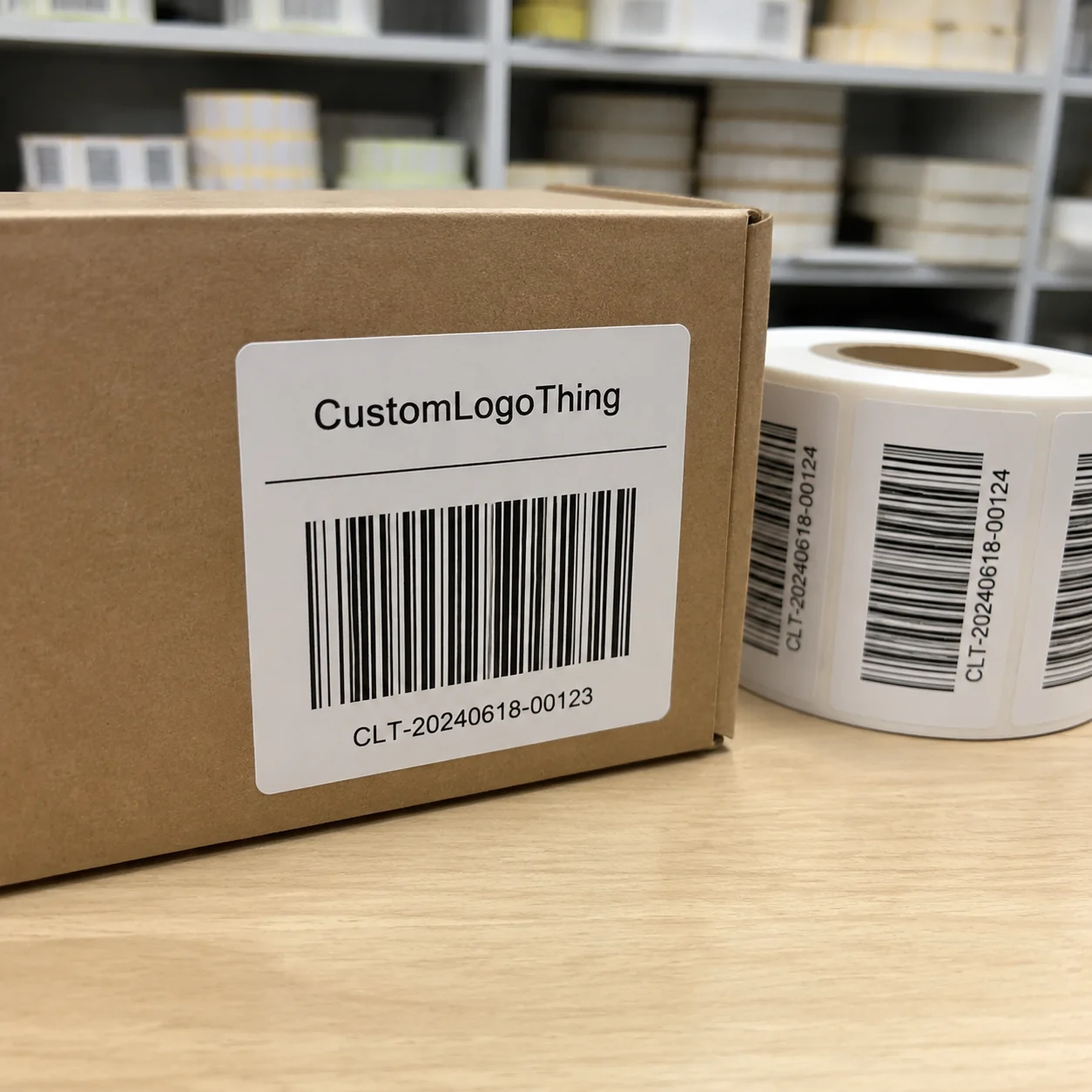
Getting a Printed Woven Labels Quote for ecommerce should be a pricing exercise, yes. But buyers who treat it as only a price check usually pay for it later in rework, delayed launches, or labels that simply do not fit the garment. A label is tiny. The cost of getting it wrong is not.
From a packaging buyer’s point of view, the smartest quote is the one that reveals trade-offs early: material, finish, size, fold style, durability, and how the label will hold up after washing, folding, and shipping. That is especially true for ecommerce brands, where unboxing has become part of the product experience. A crisp woven label can lift perceived quality without changing the garment itself.
Why ecommerce brands request printed woven labels quotes first
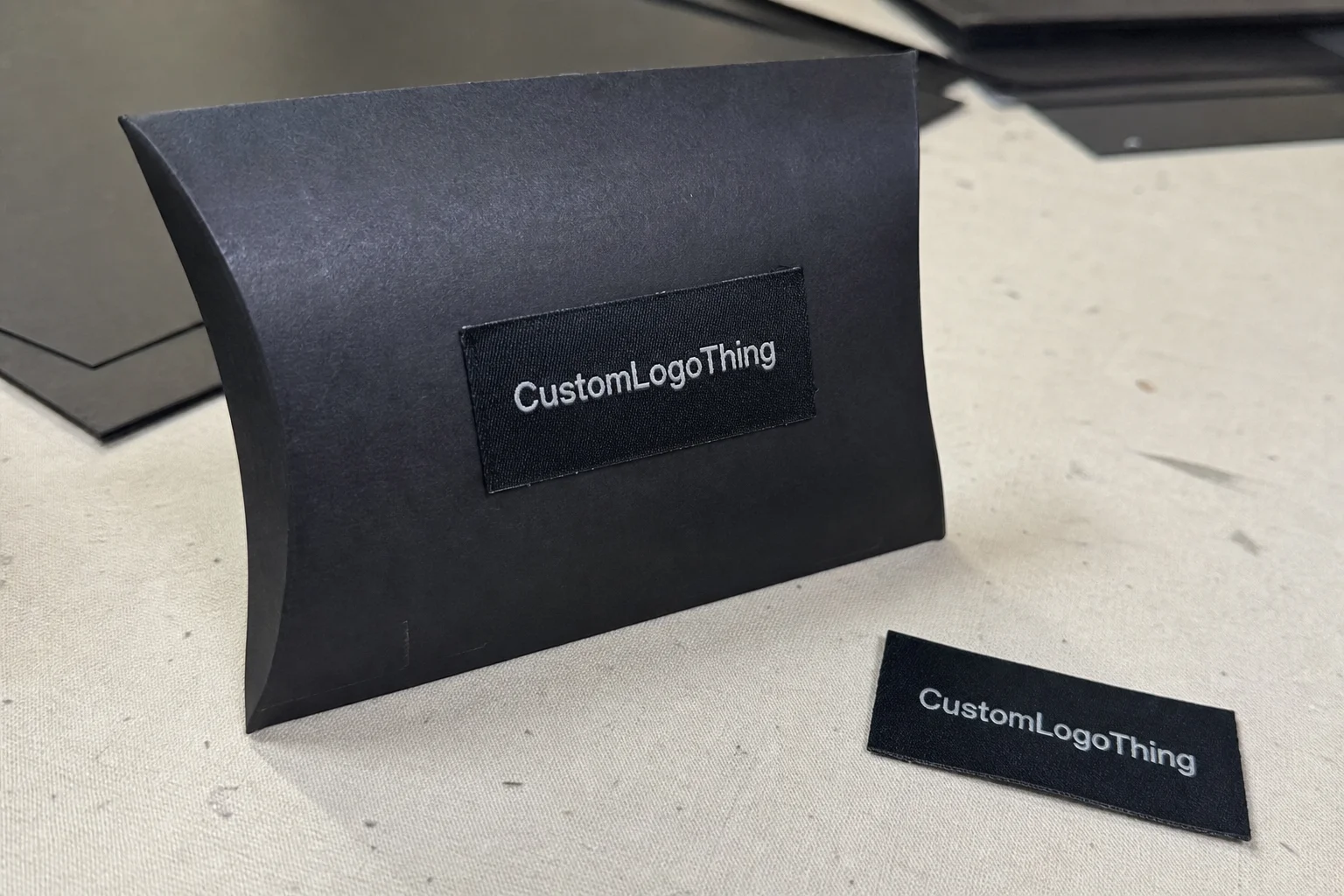
Labels are often the smallest component in an apparel order, but they can trigger some of the biggest hidden costs. If artwork is too detailed for the construction, if the size is off by a few millimeters, or if the label does not survive wash testing, the rework can affect an entire production run. That is why many brands request a Printed Woven Labels Quote for ecommerce before they approve the garment or place a repeat order.
Most online sellers are not just comparing unit price. They are comparing the full buying equation: how the label looks, how it feels against skin, whether it supports the brand position, and whether it works with the rest of the package. A label that is too stiff may be fine inside a jacket but irritating in a tee. A label with poor edge finish can cheapen the product immediately, even if the fabric itself is excellent.
There is also a simple branding truth here. The customer sees the label during unboxing. If it is sharp, legible, and consistent, it reinforces the idea that the brand is disciplined. That matters for higher-margin positioning. It matters even more for ecommerce, where buyers rely on visual cues to judge quality before they ever touch the item.
Accurate quote inputs reduce back-and-forth. The supplier needs to know the finished size, fold style, color count, quantity, and application method before pricing can be trusted. Change any one of those and the quote can move materially. Change several, and lead time usually shifts too.
Practical rule: the lowest quote is only useful if it matches the actual spec. A cheap label that fails durability testing is not cheap once the replacement run starts.
Printed woven label formats and finish options that affect fit
Not all labels are built for the same job. Apparel buyers usually choose between several formats, and each one serves a different construction need. End fold, center fold, book fold, loop fold, and flat cut labels each change how the label sits, how it is sewn, and how visible the branding is after attachment.
An end fold is common for side seams and necklines because the edges tuck neatly under stitching. A center fold works well when the label needs to hang from a seam and show branding on both sides. A book fold can create a more structured presentation, while a loop fold is often used for hanging or exterior brand statements. Flat cut labels are simpler and can be economical, but they usually need cleaner sewing control to avoid rough edges.
Then there is the difference between printed and woven construction. Printed labels can show fine text and logos with strong color contrast, especially on satin or similar substrates. Woven labels build the design into the fabric structure, which usually gives a more premium tactile feel and better long-term legibility when the weave is tight enough. Damask weave is commonly chosen when brands want finer detail and a cleaner face. It is not magic. It is simply a denser construction that can hold more information.
Some ecommerce brands also ask for satin backing, soft-touch edge treatment, or reduced stitch bulk. Those details matter when the label touches skin directly. Kidswear, base layers, and lightweight tees are less forgiving than jackets or bags. If a label is scratchy on day one, customer service will hear about it.
For mixed product lines, one label spec rarely fits every SKU. A spec that works for tees may fail on outerwear because the seam structure is different. Accessories may need a smaller format or an exterior placement. When product categories vary, the quote should reflect that reality rather than forcing one generic label across the whole range.
| Label format | Typical use | Strength | Buyer caution |
|---|---|---|---|
| End fold | Neck seams, side seams | Neat finish, easy attachment | Needs accurate fold dimensions |
| Center fold | Inner branding, hanging seams | Balanced appearance | Can crowd small artwork |
| Book fold | Premium apparel branding | Structured look | May require more setup detail |
| Loop fold | Exposed branding, bags, accessories | Visible and distinctive | Not ideal for every seam |
| Flat cut | Simple insert or sew-in use | Economical option | Edge finishing becomes critical |
Specifications buyers should lock before requesting a quote
A quote is only as good as the input sheet behind it. The most reliable requests include finished size, cut size, fold type, artwork format, color references, and attachment method. If a supplier has to guess, the quote becomes a placeholder rather than a buying tool.
Artwork quality matters more than many brands expect. Clean vector files reduce revision cycles. If the design includes small text, thin lines, or tiny icons, the supplier needs to know that early. A weave or print process has limits, and those limits are practical, not aesthetic. A design that looks perfect on screen may blur at production scale if the line weight is too delicate.
Color matching should be handled carefully. For most label programs, Pantone references help reduce interpretation errors, especially when a brand is using multiple suppliers across regions. If a supplier sees “navy” in one file and a specific Pantone code in another, the code wins. That kind of clarity keeps reorders consistent.
Durability expectations should also be stated up front. Will the garment be machine washed weekly? Will it be tumble dried? Will the label be exposed to abrasion inside a packed shipment? These are not abstract questions. They affect yarn choice, print method, edge quality, and sometimes whether the label should be woven or printed at all.
For ecommerce fulfillment, placement can be just as important as construction. Some labels are sewn in during cut-and-sew production. Others are applied later in separate finishing facilities. If the brand uses multiple factories, the quote should account for consistency across those locations. Different operators can create different outcomes if the specs are not precise.
- Finished size: the visible final dimension after folding or sewing
- Cut size: the raw dimension before folds or edge finishing
- Color count: fewer colors usually simplify production
- Artwork file: vector preferred for accuracy
- Attachment method: sew-in, heat applied, or insert use
- Wash requirement: domestic wash, frequent wash, or heavy wear
For standards-minded buyers, wash and wear expectations often tie back to testing discipline. Packaging may not need the same test stack as a rigid shipper, but apparel buyers often reference general quality and performance standards from organizations such as ISTA for shipment protection and ASTM methods for material performance comparisons. The point is not to overcomplicate the project. The point is to define failure before it happens.
Cost, pricing, MOQ, and unit cost: what changes the quote
The biggest price drivers are straightforward: quantity, dimensions, color count, fold complexity, material choice, and whether special finishing or packaging is required. A larger run usually lowers unit cost because setup is spread across more pieces. A smaller run does the opposite. That is the logic behind most MOQ structures, and it is rarely negotiable in a meaningful way.
For a rough sense of pricing, brands often see lower-volume woven or printed woven label runs priced higher per unit, then dropping as quantity increases. As an example, a run of 1,000 pieces can cost noticeably more per label than 5,000 or 10,000 pieces, especially if the design has multiple colors or a complex fold. Exact numbers vary widely by spec, but the pattern is consistent: scale lowers unit cost.
| Quote factor | Lower cost impact | Higher cost impact |
|---|---|---|
| Quantity | Higher volume | Low MOQ or sample run |
| Artwork | Simple logo, clean vector | Small text, gradients, revisions |
| Construction | Flat or standard fold | Book fold, loop fold, specialty finish |
| Color count | One to two colors | Multiple spot colors and matching requirements |
| Packaging | Bulk packed | Sorted, bagged, or SKU-separated |
Buyers should compare quotes by more than unit price. Does the number include setup, proofing, shipping, and taxes? What about revisions if the artwork needs a correction? Two quotes can look similar on paper and still be miles apart in actual landed cost.
Ask for both sample and production pricing whenever possible. A small test run helps validate texture, legibility, and wash behavior before you commit to a larger order. For a brand launching a new line, that is often the cheapest insurance available.
If the supplier offers multiple material options, compare them side by side. Satin-backed labels may feel softer. Damask-style weaves may look cleaner. Printed options can handle certain graphics better. The right choice depends on where the label sits and how much handling it gets after purchase.
Production steps and lead time from artwork to delivery
The production path is usually straightforward. Quote review comes first, then artwork proof, then sample approval if required. After that comes production, finishing, quality check, and shipment. Each step sounds simple. Each step can be delayed if the input is vague.
The most common delays are not exotic. They are ordinary. Artwork arrives in the wrong format. Colors are changed after proof approval. A buyer realizes the label should be 5 mm wider after the sample is already in motion. These are preventable, and they usually cost more time than money.
Lead times depend on the order size and complexity, but ecommerce planning should separate sample timing from full production timing. A sample can move faster than a full order, while production often takes longer once the design is locked and the order enters the queue. If a supplier gives you a timeline, ask what it assumes: proof approval date, quantity, and whether shipping time is included.
Rush orders are possible in some cases, but they are not free of risk. Expedited service can narrow the window for correction and testing. If the artwork is not finalized, rushing the job can create more problems than it solves. Fast is useful only when the spec is already clean.
For brands that ship internationally or use different fulfillment centers, the timing question extends beyond production. Ask whether the shipment is being packed for one warehouse, multiple destinations, or direct-to-factory delivery. Those details affect carton planning, label sorting, and dispatch timing.
Good quote data shortens production. Bad quote data creates a longer schedule disguised as a cheaper price.
How our quote process reduces errors for ecommerce reorders
A buyer-friendly quote process starts with the basics: garment type, label application method, quantity, and target ship date. That is not paperwork for its own sake. It is how a supplier avoids quoting the wrong spec and then discovering the problem after approval. For ecommerce brands, that mistake can ripple across a whole collection.
At Custom Labels & Tags, the goal is to keep the quote tied to the actual use case. A label for a heavyweight hoodie should not be priced or specified the same way as one for a lightweight tee. A children’s product should not be treated like a rigid outerwear item. The more specific the intake, the more useful the quote.
Proof control matters just as much. One approved proof becomes the baseline for repeat orders. That helps brands maintain branding consistency across seasonal drops, replenishment orders, and style extensions. For ecommerce, consistency is not a nice-to-have. It is part of the brand’s shelf life.
Quality checkpoints should focus on things the customer will actually notice: trim consistency, legible branding at small sizes, and packing accuracy by SKU or style. If a label is meant to be sorted by style code, it should arrive sorted by style code. If the brand needs the labels bundled for different factories, that should be defined before production begins, not after cartons are on the dock.
Clear communication is especially useful for multi-SKU brands. Mismatched labels across factories or seasonal collections are easy to create and painful to correct. A strong quote process reduces that risk by making the spec visible, repeatable, and easy to approve.
If you need help clarifying a spec, Contact Us and send the artwork, quantity, and intended application. A tighter brief usually means a tighter quote.
Next steps for a faster, more accurate label quote
Prepare a short quote packet before you send the request. Include the artwork file, desired label size, fold style, quantity, target launch date, and shipping destination. That handful of details does most of the work. Everything else is refinement.
If you are balancing budget against inventory risk, ask for two scenarios: a best-price quantity and a lower-MOQ sample run. That gives you a practical comparison between cash flow and unit cost. For a new ecommerce product, the cheapest per-unit quote is not always the smartest first order.
Inspect the proof carefully before approval. Check spelling, spacing, size, and color references. Small mistakes are inexpensive on a screen and expensive in production. Once a label is approved, rework becomes a real cost, not a theoretical one.
Think of the quote as the starting point for repeatable branding. The right Printed Woven Labels Quote for ecommerce gives you visibility into cost, durability, and production timing before money is committed. That is the point. Not hype. Not guesswork. Just a clear path from artwork to product.
If you are ready to move forward, send the specs, review the proof, and approve the run only when the sample meets expectations. That is how you buy smarter, reduce waste, and keep your Printed Woven Labels Quote for ecommerce aligned with the final product.
What details do I need for a printed woven labels quote for ecommerce?
Provide finished size, fold type, quantity, artwork file, color references, and where the label will be sewn or attached. Include your target launch date so the supplier can quote realistic lead time.
What is the usual MOQ for printed woven labels?
MOQ varies by construction, size, and finish, but lower quantities typically carry a higher unit cost. Ask for a sample-run option if you are testing a new product line or launch.
How long does production usually take after approval?
Production starts after artwork proof approval and any sample sign-off. Lead time depends on order size, complexity, and whether the shipment needs rush handling.
Can I get a quote if my artwork is not final?
Yes, but the estimate may change once size, colors, or fold style are finalized. A cleaner artwork file usually produces a more accurate quote and fewer revisions.
How do I compare two label quotes fairly?
Check whether setup, proofing, shipping, and taxes are included, not just unit price. Compare material, finish, wash durability, and MOQ alongside cost so the lowest quote does not become the most expensive mistake.