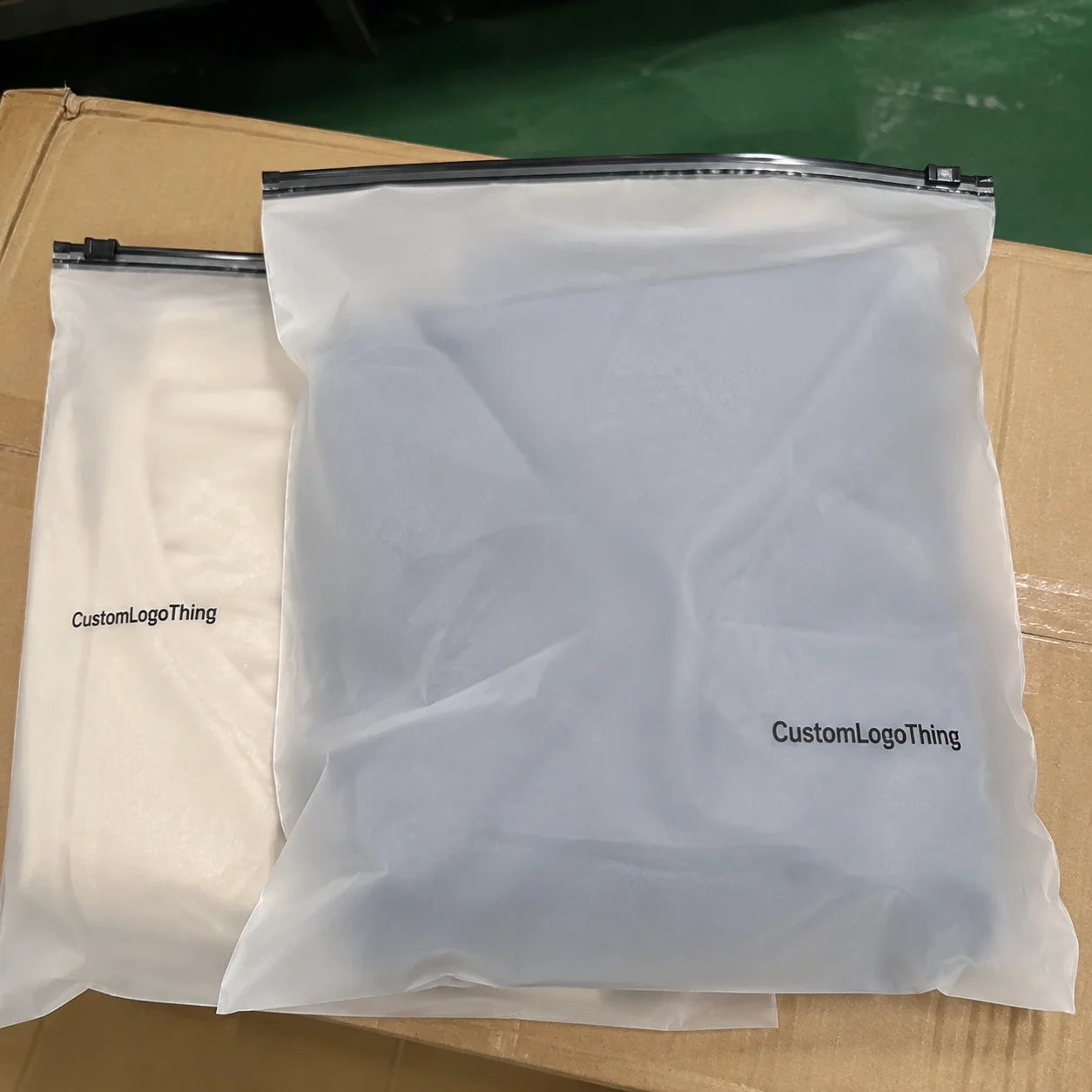
A printed Zip Lock Bags manufacturer does more than put ink on plastic. The real job is balancing three things that rarely behave politely together: shelf appeal, product protection, and a price point that still works after freight, setup, and sampling are added in.
That balance is easy to underestimate. A bag can look clean in a mockup and still fail in practice because the film is too light, the zipper feels weak, or the print loses clarity after handling. Buyers usually discover the weak point only after the first run arrives. By then, the cost of being wrong is visible.
Good zipper packaging is not only about holding product. It has to reseal well, survive filling and shipping, and keep looking credible after repeated openings. The bag is part container, part display surface, part brand signal. If it performs poorly in any one of those roles, the customer notices.
What a printed zip lock bag actually does for your brand
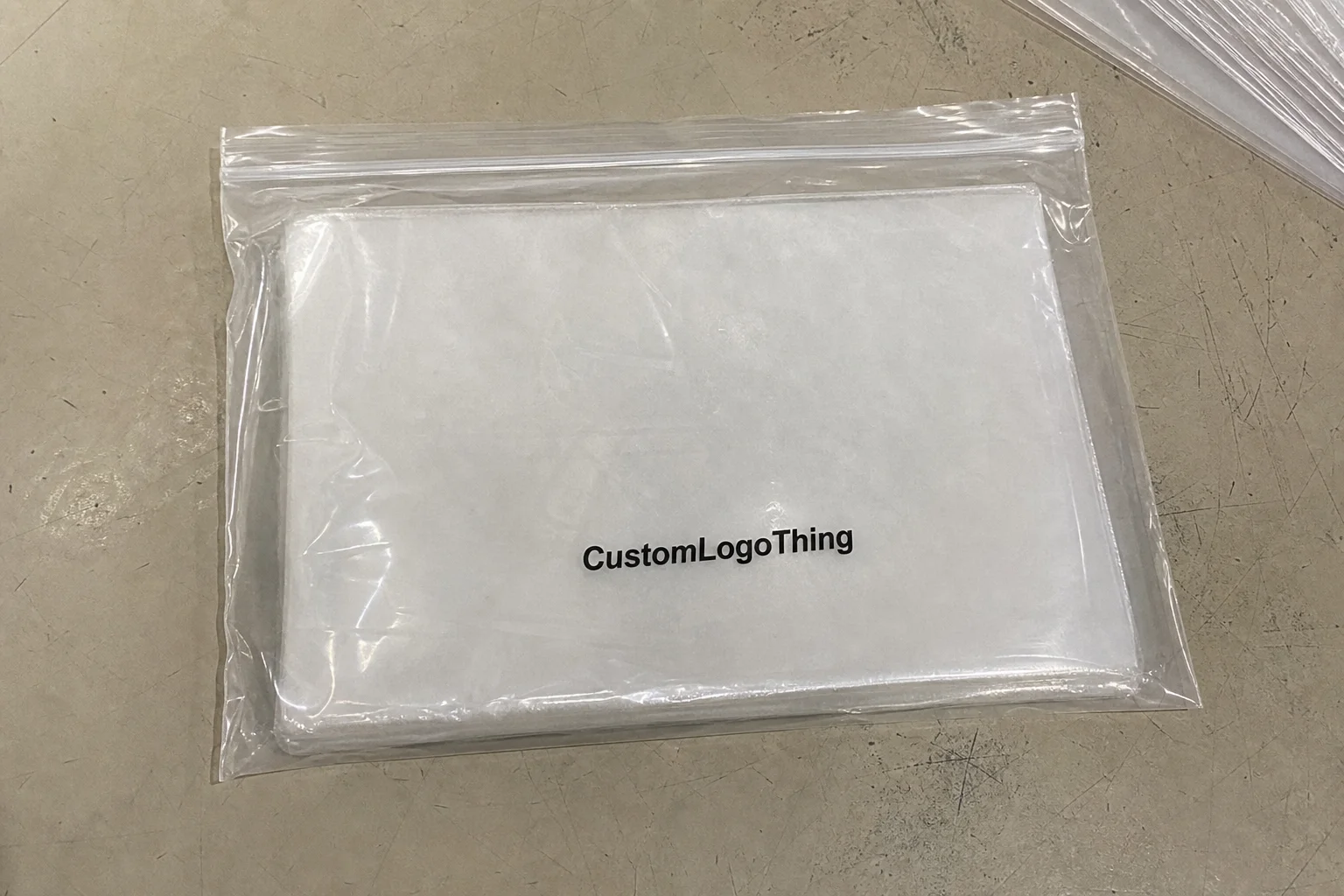
A resealable printed bag carries a different set of expectations than a plain poly bag. The zipper has to work. The artwork has to stay sharp. The finish has to suit the product instead of fighting it. A customer may never inspect the film grade, but they will notice if the bag wrinkles badly, tears at the seam, or refuses to close cleanly after the second use.
That matters across many categories: snacks, supplements, tea, coffee samples, cosmetics, apparel accessories, hardware kits, seed packets, and small promotional sets. The product types vary, but the packaging logic is similar. The bag must protect the item and still feel worth keeping after it has been opened, closed, and handled repeatedly.
Printed packaging also works differently from unbranded stock packaging. A plain bag disappears into the background. A printed one keeps a logo, ingredient panel, or product message in view every time the customer reaches for it. That repeated exposure can be useful, but only if the packaging still looks deliberate after use. Faded graphics and sloppy sealing do the opposite of branding.
A low unit price is not the same thing as a good value. In zipper packaging, it can mean thinner film, less stable print, or a zipper profile that looks acceptable on paper and disappoints on the packing line.
From a buyer's perspective, the best result usually sits in the middle of three constraints: construction quality, print presentation, and economics. Push one too hard and the others usually slide. Cheap film can save pennies and create returns. A premium finish can improve shelf presence and raise the price enough that the margin stops working. The right answer depends on the product, not on a generic packaging trend.
How printing and sealing work on zip lock packaging
Most custom zipper bags are built as layered structures. One layer contributes stiffness, another contributes sealability, and the printed surface adds both branding and protection. The zipper profile sits on top of that structure and changes how the bag opens, closes, and ships. None of those pieces is isolated. Change the film and the feel changes. Change the zipper and the seal behavior changes. Change the print method and the color result changes.
Flexographic printing is usually the better choice for larger repeat orders. It has setup cost, but once the plates and registration are correct it can deliver consistent, efficient production. Digital printing is often the better fit for shorter runs, seasonal tests, or brands that need design flexibility without paying for plates. The tradeoff is straightforward: digital usually costs more per unit, while flexo becomes more economical as quantities rise.
Zipper choice deserves more attention than it usually gets. A single-track zipper is common and cost-effective. A double-track zipper can feel more secure and more premium. Some products need tamper-evident features, and regulated categories may need additional closure logic or documentation. The zipper should match the product, not the wish list.
Material structure affects both appearance and performance. Polyethylene is common for simple applications. PET/PE laminations often give a crisper hand feel and better presentation. Matte finishes reduce glare and can make branding look more restrained. Gloss tends to push color brightness and shelf impact. Transparent windows help customers see the product, but they also force the printer to respect the actual print boundary more carefully.
There are hard limits. The zipper takes space. The seal zone takes space. A strong closure may reduce the usable print area. Heavy artwork coverage may cost more. Registration tolerances are not infinite. A supplier that treats all of that as an afterthought is usually the same supplier that later explains why the proof looked better than the final run.
For products that travel a long distance or move through rough distribution, ask about package abuse testing rather than relying on appearance alone. The ISTA procedures are a useful reference point for drop, vibration, and handling conditions if the bag or its outer packaging needs to survive shipping stress.
Key specs that affect durability, shelf life, and appearance
Many buyers start with artwork. That usually leads to rework. The better order is: product behavior first, packaging structure second, design third. If the product is brittle, moist, oily, aromatic, or heavy, those properties dictate the bag spec long before color choices matter.
Film thickness is one of the most practical variables. Too light, and the bag can crease badly, feel flimsy, or split under load. Too heavy, and the package may look stiff, cost more than necessary, and create more material waste. There is no universal best gauge. A small sample bag for dry goods does not need the same structure as a heavy refill pouch.
Barrier level matters for shelf life. Moisture-sensitive snacks, coffee, supplements, and pet products often need better protection than a standard clear pouch provides. If aroma retention matters, the film structure should be selected with that in mind. If the product has sharp edges, puncture resistance becomes a real concern. None of that is cosmetic. It is functional packaging design.
Finish changes the customer's impression, but it also changes how production problems show up. Matte finishes can hide minor scuffing better than gloss. Gloss can make colors appear stronger, but it also reveals scratches and registration drift more easily. Clear windows are useful, yet they only help if the rest of the bag is clean enough to support them.
Compliance is another part of the spec, and it is often under-discussed. Food contact packaging needs suitable material selection and supplier documentation. Supplement packaging may need attention to odor migration and seal integrity. Retail packaging may need stronger visual consistency because it is handled more often. A bag that works in a carton on a warehouse shelf may behave differently at retail after multiple touches.
Technical data can help, but only if it is relevant. Tensile strength, puncture resistance, seal strength, and barrier values are useful when they match the product and the handling environment. A spec sheet that looks impressive but does not map to your use case is decoration. Ask for numbers that answer a real question, not data chosen to sound strong.
The practical tradeoff is simple: better durability, better barrier, and better print presentation usually raise cost. The useful question is not whether the premium is justified in theory. It is whether the added cost prevents spoilage, damage, returns, or a lower-value look that would cost more in the market than it saves in procurement.
Printed zip lock bags manufacturer pricing, MOQ, and quote basics
Printed zip lock bags manufacturer quotes usually depend on six things: bag size, film structure, print colors, zipper type, finish, and quantity. Freight, sampling, tooling, and artwork prep may sit outside the unit price, but they still affect total spend. A quote that ignores them is incomplete, even if the headline number looks attractive.
Minimum order quantity exists for a reason. Setup time, material waste, plate cost, and machine efficiency all have to be absorbed somewhere. Smaller runs are possible, especially with digital printing, but lower volume nearly always raises the per-unit price. That is not a penalty. It is the arithmetic of manufacturing.
Typical pricing moves in broad bands rather than neat fixed points:
| Option | Best fit | Typical MOQ | Typical unit cost trend | What to watch |
|---|---|---|---|---|
| Digital printing | Short runs, launches, seasonal runs, frequent artwork changes | 500 to 3,000 pieces | Often about $0.45 to $1.20 depending on size and coverage | Flexible, but usually not the lowest-cost option at scale |
| Flexographic printing | Steady SKUs and repeat orders | 5,000 to 10,000 pieces | Often about $0.12 to $0.35 for common sizes | Plate cost and setup fees matter up front |
| Higher-volume custom run | Established products with stable demand | 10,000+ pieces | Can fall under $0.10 on simple specs | Spec mistakes become expensive because the order size is larger |
Those ranges move with size, thickness, print coverage, zipper style, and finish. A larger pouch with full coverage art and a reinforced closure will not price like a small single-color bag. If a quote comes in dramatically below the rest, the first question should be what was removed, downgraded, or left unspecified.
Compare quotes on identical terms. Same dimensions. Same film thickness. Same zipper. Same print method. Same finish. Same freight assumptions. Same proofing expectations. One supplier may look cheaper simply because the quote omitted something you assumed was included. That is not a bargain. It is a gap.
Hidden costs usually show up in predictable places: dieline revisions, artwork cleanup, proofing cycles, sampling, overages, rush fees, and international freight. Ask for a detailed breakdown before approval. Clear suppliers are usually comfortable with that request because they already know the numbers. Vague suppliers often are not, because the details expose the real cost structure.
If one quote is far below the others, do not treat it as proof of efficiency. Treat it as a signal to check what was left out, downgraded, or described too loosely.
Production steps and timeline from artwork to delivery
The production flow is usually predictable: inquiry, specification confirmation, artwork preparation, proofing, sampling if needed, production, inspection, and shipping. The sequence matters because each step depends on the one before it. A weak brief at the beginning creates delays at the end.
Most timeline problems are self-inflicted. The buyer sends the wrong dimensions. The artwork file is low resolution. A color is changed after approval. The zipper style changes after proofing. The film gets revised after the sample is already approved. None of that is rare. It is just expensive.
A realistic planning window depends on the method and the level of revision. Proofing can take 1 to 3 business days if the spec is clean. Sampling often takes 5 to 10 business days, sometimes longer if multiple revisions are needed. Production commonly takes 12 to 20 business days after approval for many custom jobs. Freight adds its own clock, especially on international orders.
Approvals matter most at four points: the dieline, the print file, the color match, and the final production spec. If those are handled loosely, the factory is being asked to guess. Factories can manufacture well. They cannot repair a vague brief after the fact.
Rush orders are possible in some cases, but they usually trade away something else: fewer proof cycles, fewer options, higher pricing, or tighter artwork requirements. Speed has a cost. The issue is not whether that cost exists. The issue is whether it is acknowledged before the order is placed.
Quality control should also happen at more than one stage. Check the first article or sample for zipper function, seal integrity, color match, print alignment, panel dimensions, and scuff resistance. On larger runs, inspect at least the first output and a late-stage sample, because a run can drift if the line settings move or material batches change. A packaging job is only as good as the last inspected unit that still matches the approved standard.
Common buying mistakes that turn a simple bag into an expensive headache
Mistake 1: choosing the cheapest film and learning too late that it feels thin, scuffs easily, or tears at the corner. The failure often shows up after the goods are packed, shipped, and distributed. That timing is brutal.
Mistake 2: designing artwork before checking the safe print area. Zipper placement, seal margins, and trim allowances all reduce available space. A design can look elegant on screen and still lose key elements to the actual bag construction.
Mistake 3: ignoring how the product will be filled and handled. A pouch that looks clean in a presentation file may behave badly on a fast packing line, under heavy fill weight, or after repeated opening and closing. Practical use matters more than mockup aesthetics.
Mistake 4: comparing suppliers only on headline price. Print method, quality control, shipping terms, and lead time matter just as much. A slightly higher quote can be the cheaper option if it avoids remakes, complaints, and lost time.
Mistake 5: skipping samples and assuming the final result will match the proof. Samples are not a formality. They are the cheapest way to catch issues before the full run starts. If the sample is off, the production batch will not magically fix itself.
Mistake 6: failing to write down the exact spec. Size, material, thickness, zipper type, finish, print area, packed weight, and target lead time should all be documented. A verbal agreement is weak protection against later confusion.
The common thread in these mistakes is simple. The bag is treated like a commodity until it fails like a custom product. Once the order is in motion, every loose assumption becomes more expensive.
Expert buying tips before you order from a manufacturer
Start with the product, not the artwork. Weight, texture, moisture, odor, sharp edges, and shelf life determine the packaging structure. The bag should answer those conditions first. Branding comes after the basic protective job is defined.
Ask for samples that reflect the real use case. A sample for a light dry product tells you little about a heavy or abrasive one. If the product is oily, humid, or unusually shaped, the sample should reflect that reality. Otherwise the test is too clean to be useful.
Request prices at several quantities. The break point matters. Sometimes moving from 3,000 to 5,000 pieces reduces the unit price enough to justify the larger order. Sometimes it barely changes anything. You do not know until you see the numbers side by side.
Give the supplier a simple spec sheet before design files go out. Include dimensions, material preference, thickness, print area, zipper style, finish, target quantity, and desired delivery date. That one page eliminates a lot of preventable back-and-forth. It also improves quote quality because the supplier is no longer estimating from partial information.
Pay attention to QC language. Ask how they check seal integrity, print registration, and bag dimensions. Ask what happens if a batch drifts. Ask whether the inspection is random or full lot, and whether they record measurements or only visual checks. A supplier that can describe its inspection process usually has one. A supplier that answers vaguely may not.
Do not buy decorative complexity before the fundamentals are settled. Spot effects, unusual finishes, and specialty structures can be useful, but they should not outrank zipper reliability or barrier performance. A bag that looks fancy and fails in use creates more brand damage than a simpler pouch that works every time.
For brands that want to understand how custom packaging fits into their broader presentation system, the team behind About Custom Logo Things outlines the company approach to branded packaging and presentation. The Custom Logo Things homepage is also useful for locating related packaging categories without sorting through assumptions first.
Next steps for choosing the right bag supplier
Before contacting suppliers, gather the essentials: bag size, product weight, material preference, finish, print coverage, zipper requirement, target quantity, and delivery window. If the product needs a clear window, matte finish, or stronger barrier, include that too. The cleaner the brief, the more useful the quote.
Then ask each supplier for three things: a sample, a spec sheet, and a quote breakdown. Those three items reveal a lot. They show whether the supplier understands the build, how clearly they communicate, and whether the pricing is transparent enough to compare on equal terms.
Confirm ownership of the artwork process as well. Who checks the dieline? Who approves the proof? Who signs off on the final print? Packaging projects often go wrong because everyone assumes another person handled the approval. That is avoidable, and it is worth clarifying in writing.
Shortlist two or three suppliers and compare them side by side. A lower number matters less if the terms are vague. A higher number can make sense if the supplier is specific, consistent, and able to keep the run aligned with the approved sample. In packaging, the cheapest path often becomes the costliest after corrections.
For a printed zip lock bags manufacturer, the right choice is usually the one that matches the product, controls the zipper quality, prints cleanly, and explains the quote without hiding the expensive parts in the margins. That approach protects both the package and the margin, which is usually the point.
FAQ
What should I ask a printed zip lock bags manufacturer before ordering?
Ask about material, thickness, zipper type, print method, MOQ, sampling options, lead time, and inspection process. Request a Quote that separates unit price, tooling, freight, and any setup fees. Confirm whether the bag structure fits your product's barrier and durability needs.
How much do printed zip lock bags usually cost per unit?
Unit cost depends on size, quantity, material structure, print coverage, finish, and zipper style. Smaller runs cost more per bag because setup is spread across fewer units. The cheapest quote is not always the best value if it cuts corners on film quality or closure performance.
What is a realistic MOQ for custom printed zip lock bags?
MOQ varies by printing method and bag size. Digital printing often supports lower quantities, while flexographic printing usually fits larger repeat runs. Ask for pricing at several order levels so you can see where the unit economics improve.
How long does production usually take after approval?
Proofing can take a few business days, sampling often takes about a week or more, and production commonly takes 12 to 20 business days after approval. Lead time depends on complexity, order size, and whether revisions are needed. Freight adds additional time.
Can I order custom printed zip lock bags with a matte finish and clear window?
Yes, many manufacturers can combine matte surfaces with transparent windows. The final result depends on the material structure, print setup, and bag design limits. Ask for a sample or mockup so you can check the balance between product visibility and branding.