Buyers usually overestimate printing time and underestimate decision time. That is the blunt truth behind Custom Coffee Paper Bags lead time and MOQ: the slow part is often not the bag machine, but the missing valve spec, fuzzy artwork file, or late approval sitting in someone’s inbox.
Custom Coffee Paper Bags can move faster than many brands expect because common kraft structures, standard sizes, and simple print layouts are already familiar to most packaging suppliers. A plain 12 oz kraft side gusset bag with one-color printing is a very different project from a flat bottom pouch with a window, zipper, matte coating, one-way degassing valve, and five-panel artwork. Same product category. Very different schedule. Very different MOQ.
Roasters, cafes, subscription sellers, and private-label coffee brands need product packaging that looks credible on a shelf and protects aroma long enough to sell through. Launching late because the packaging spec was half-built is avoidable. Expensive, too. Rush freight can wipe out the savings from a cheap quote faster than most buyers want to admit.
Why custom coffee paper bags ship faster than buyers expect
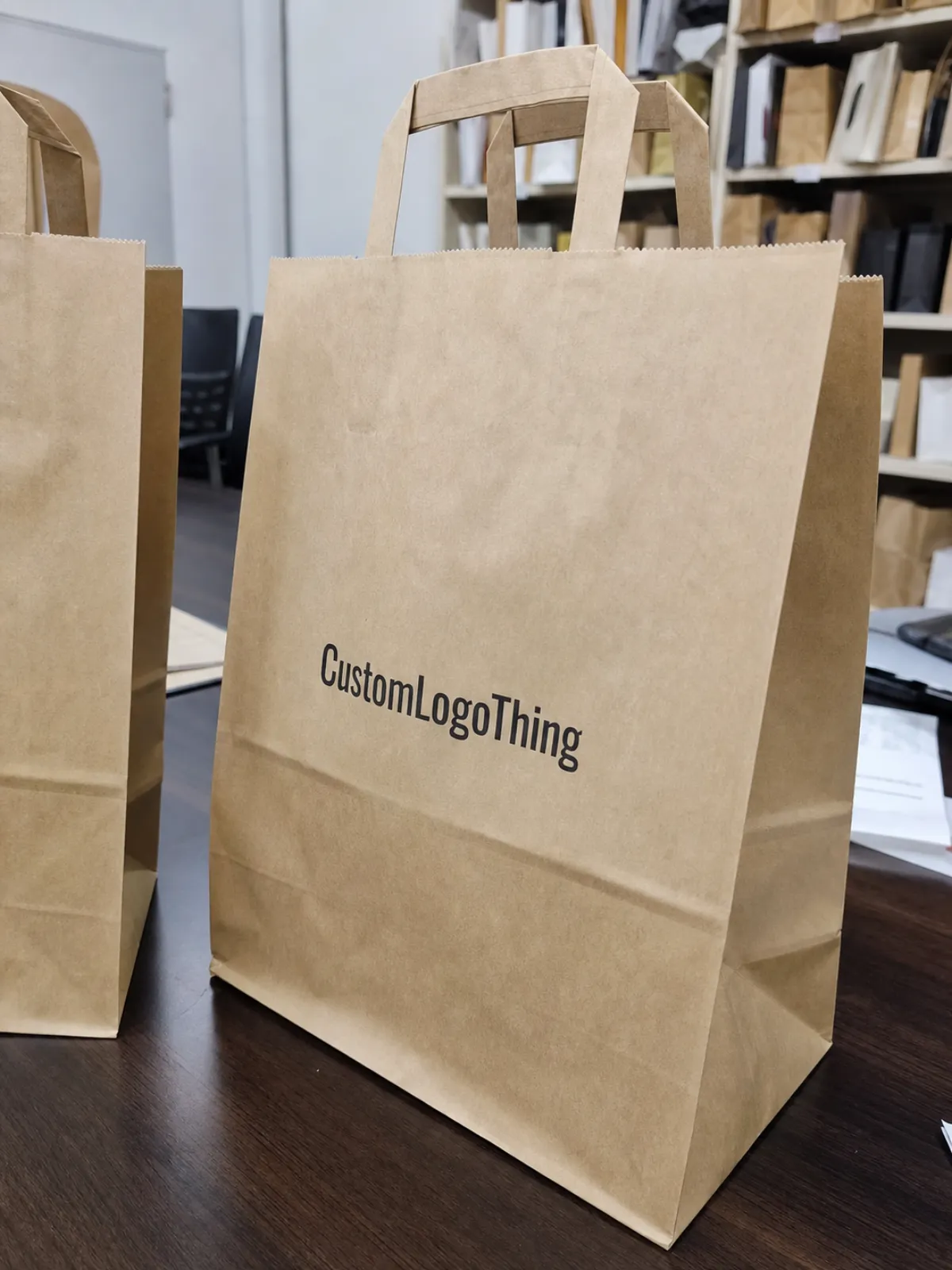
Paper coffee bags are not automatically slow. The common buyer mistake is assuming that every printed bag has the same timeline as a fully custom laminated pouch. Not true. Standard paper coffee bags with existing dielines can often be quoted, proofed, printed, converted, and packed much faster than a new structure that needs testing or tooling.
For simple builds, production may run roughly 15-25 business days after proof approval, depending on quantity, print coverage, and current capacity. Add a custom window, special laminate, zipper track, unusual gusset, or new valve placement, and the clock stretches. Sometimes by a week. Sometimes more. Annoying? Yes. Surprising? Only if nobody asked the right questions up front.
The biggest delays usually come from incomplete specs. A buyer asks for “custom coffee bags” and sends a logo. That is not a quote request. That is a scavenger hunt. A supplier still needs bag size, fill weight, structure, paper color, print count, closure, valve requirement, shipping destination, and target in-hands date. Without those, the quote becomes a guessing exercise, and guessing is where bad packaging budgets go to die.
Practical rule: if the supplier has to ask more than five basic spec questions after your first message, your Custom Coffee Paper Bags lead time and MOQ estimate is not ready yet.
Most coffee buyers are balancing three things: shelf appearance, aroma protection, and launch timing. Good branded packaging needs all three. A beautiful bag that arrives two weeks after a wholesale pitch is useless. A fast bag that leaks aroma or scans poorly at retail is not much better.
Get the structure right early. Confirm the fill weight. Approve the proof fast. That is how buyers keep custom coffee Paper Bags Lead time and MOQ under control instead of paying for preventable chaos.
Bag structures, liners, and closure options that change performance
Coffee bags look simple from the outside. They are not. The outer paper gives the brand its texture and retail feel, but the inner barrier usually does the hard work. Aroma retention, grease resistance, oxygen control, and shelf life depend more on the liner than the brown kraft finish everyone likes to romanticize.
Common coffee paper bag formats include flat bottom bags, side gusset bags, block bottom bags, window bags, and smaller takeout-style paper pouches for samples or cafe retail. Flat bottom bags stand nicely and give strong shelf presence. Side gusset bags are efficient for larger fills and wholesale packs. Block bottom bags feel familiar and natural for local roasters. Window bags can show beans, but they also add cost and may reduce barrier performance if specified poorly.
Closure choice matters. A heat seal is clean and secure, especially for retail packs that need tamper evidence or longer freshness. A tin tie is cheap, familiar, and good for cafe shelves where bags turn quickly. A zipper adds convenience, but also adds material cost, setup complexity, and sometimes MOQ. Fold-over tops are simple, but they need a realistic use case. One-way valves help roasted beans degas without bursting the bag, but valve type and placement need to be confirmed before artwork is finalized.
Paper-only builds make sense for very short-use packs, dry samples, gift presentation, or coffee sold quickly in a cafe setting. For roasted whole beans or ground coffee that may sit in retail inventory for several weeks, a lined or hybrid structure is usually worth the added cost. That can mean kraft paper laminated to a barrier film, glassine-style liners, or other food-contact inner layers based on the supplier’s material menu.
Food-contact packaging should be discussed clearly, not assumed. Buyers can review general packaging guidance through groups such as the Packaging Association, and sustainability claims should be handled carefully under current EPA guidance. “Eco” printed on a bag is not a material spec. Cute word. Not enough.
Print quality, sizing, and spec choices that keep orders clean
Start with size. Not logo. Not color palette. Size. A proper quote needs bag width, gusset depth, height, fill weight, and whether the pack is for whole bean or ground coffee. Whole beans usually need more volume than ground coffee at the same net weight, so a 12 oz bag spec should not be copied blindly from a competitor unless you know the fill behavior.
A useful spec might read: “12 oz whole bean coffee, flat bottom kraft paper bag, approximate 130 mm width x 70 mm gusset x 250 mm height, matte finish, one-way valve, zipper, two-color print, ship to ZIP code.” That is quotable. “Need coffee bags with our logo” is not. Harsh, but fair.
Print method affects both price and schedule. One-color or two-color printing on kraft is usually easier to manage than heavy ink coverage with tight color matching. Full-panel artwork can look excellent, but it increases setup attention, spoilage risk, and sometimes drying or handling requirements. If brand color consistency is critical, ask whether the supplier is using spot color matching, CMYK process, digital print, flexographic print, or another method. Each has tradeoffs.
Barcodes deserve respect. Place them on a flat, scannable panel with enough quiet zone around the code. Avoid printing tiny black bars over heavily textured kraft if the bag will go through retail checkout. Matte finishes often feel more premium, while gloss can sharpen color and improve contrast. Soft-touch coatings look nice, but they are not free, and they may change recyclability claims depending on the structure.
Legibility matters more than buyers think. Fine serif text, low-contrast beige ink, and tiny roast notes may look elegant on a monitor. On textured kraft at 100 mm wide, they can look like a smudge pretending to be premium packaging design. Ask for a dieline proof at actual size. Print it on paper. Squint at it from three feet away. Retail customers will not read your packaging with a loupe.
A clean spec sheet also keeps custom coffee Paper Bags Lead time and MOQ realistic. Include artwork files in vector format when available, usually AI, EPS, or print-ready PDF. Add linked fonts or outlined text. Send any reference sample if you want a certain feel. Half-built files create slow, expensive back-and-forth, and nobody needs a fourth proof round for a bag that should have been simple.
Custom Coffee Paper Bags Pricing, MOQ, and Unit Cost
Pricing is built from material, printing, structure, closure hardware, packing, and freight. That sounds obvious until a buyer compares a plain kraft tin-tie bag to a lined flat bottom zipper bag with a valve and wonders why the second one costs more. Because it is more. More parts. More process. More chances to mess it up.
MOQ usually rises with complexity. A single-color standard kraft bag may start at a lower minimum than a multi-panel printed retail pack with windows, zippers, valves, and custom dimensions. Many simple Custom Printed Paper coffee bag orders land around 1,000-5,000 pieces depending on the supplier and print method. More complex structures may sit closer to 5,000-10,000 pieces or higher, especially if custom tooling or sourced components are involved.
Unit cost swings widely, but realistic planning helps. A simple printed kraft coffee bag could fall around $0.18-$0.45 per unit at 5,000 pieces, while a more premium flat bottom bag with liner, valve, zipper, and heavier print coverage may land around $0.45-$0.95+ per unit. Freight, duties, sampling, and rush charges can change the landed cost. Do not budget from the cheapest line item alone. Landed cost is the number that matters.
| Bag Option | Typical MOQ Range | Rough Unit Cost Range | Best Use | Tradeoff |
|---|---|---|---|---|
| Standard kraft bag with one-color logo | 1,000-3,000 pieces | $0.18-$0.35 | Cafes, local roasters, fast retail tests | Limited shelf impact and barrier options |
| Side gusset bag with liner and valve | 3,000-5,000 pieces | $0.30-$0.65 | Whole bean coffee and wholesale packs | Less modern shelf shape than flat bottom |
| Flat bottom bag with zipper and valve | 5,000-10,000 pieces | $0.45-$0.95+ | Premium retail packaging and subscriptions | Higher MOQ and more approval details |
| Window paper bag | 3,000-8,000 pieces | $0.35-$0.80 | Gift packs and visible bean presentation | Window material can affect barrier and claims |
The buying tradeoff is simple: lower MOQ protects cash, while higher quantity lowers unit cost. If you are testing a new roast, do not order 25,000 bags just because the price break looks pretty on a spreadsheet. Inventory eats storage space, and old packaging becomes a problem when roast names, net weights, certifications, or UPCs change.
Ask for two or three quantity breaks. For example: 2,000, 5,000, and 10,000 pieces. That gives you real breakpoints instead of vibes. If the 5,000-piece price saves only two cents per bag over 2,000, the extra cash may not be worth tying up. If it saves eighteen cents, different conversation.
Buyers ordering other branded packaging can also compare related formats through Custom Packaging Products, especially if coffee bags are part of a larger launch with sleeves, labels, mailers, or custom printed boxes.
Custom Coffee Paper Bags Lead Time and MOQ: Production Steps
A coffee bag order usually moves through inquiry, spec review, quote, artwork proof, sample approval if needed, material sourcing, printing, converting, packing, and shipment. Each step is manageable. The mess starts when buyers treat them like one big blob called “production.” Production time and total door-to-door time are not the same thing.
A common schedule might look like this: 1-3 business days for quote review if specs are complete, 2-5 business days for artwork proofing, 5-10 business days for sampling if required, then 15-25 business days for standard production after approval. Ocean freight, air freight, domestic trucking, customs, and warehouse receiving can add days or weeks depending on the route. Local or stocked-material jobs may move faster. Fully custom imports may not.
Custom coffee paper bags lead time and MOQ also change when buyers revise specs after approval. Switching from tin tie to zipper is not a tiny edit. Moving a valve can affect artwork and converting. Changing from 8 oz to 12 oz may require a new dieline. Adding a window after proof approval is basically asking the supplier to rework the job. Suppliers can do many things. Time travel is not one of them.
Lead time gets lost in predictable places: late artwork, low-resolution logos, missing dielines, unclear Pantone colors, unapproved samples, and buyers waiting a week to answer a two-line email. If a launch date matters, assign one person to approve packaging decisions. Committees are great for making sure nothing happens quickly.
Build a buffer. For a retail launch, keep at least 2-4 weeks of safety time between expected delivery and required packing date. For a subscription drop or wholesale ship date, protect the first run even more. A smooth production run can still slip because of freight congestion, weather, customs inspection, or a supplier catching a quality issue before release.
Testing standards also matter for shipped coffee orders. If the packaged product will travel through parcel networks or subscription fulfillment, ask about carton strength and transit testing. ISTA protocols from ISTA are commonly referenced for distribution testing. A good bag still needs a good shipping carton. Magic is not a packaging material.
How a reliable factory keeps coffee bag orders predictable
A reliable supplier gives clear spec checks, upfront MOQ rules, and timing that sounds boringly specific. Good. Boring is useful here. “Fast production” means nothing. “Proof in 2 business days, production in 18-22 business days after approval, transit quoted separately” means something.
Look for a factory or managed production partner that checks structure, artwork, and functional details before taking money. For coffee bags, that includes seal strength, print alignment, liner consistency, valve placement, zipper function, cutting accuracy, and carton packing. If the supplier only talks about logo size and ignores barrier structure, keep asking questions.
Repeat orders should not start from zero. A good supplier stores dielines, print files, material specs, order history, carton counts, and past QC notes. That matters because reorders are usually where brands need speed. If the first order took 25 business days, a clean reorder using the same files may move faster, assuming materials are available and nothing changed.
Quality control is not glamorous, but it saves money. Check bag dimensions within tolerance. Pull random samples for seal and zipper function. Review print registration. Confirm the valve is installed cleanly. Inspect finished edges for ragged cuts or delamination. One bad batch can cost more than the entire savings from chasing the cheapest quote by half a cent.
For buyers comparing suppliers, Custom Logo Things keeps the conversation practical: specs, quantities, print files, and delivery goals first. If you need basic ordering details before sending a request, the FAQ is a useful place to check common production and artwork questions.
Certifications can matter too. If your brand needs responsibly sourced paper, ask about FSC-certified material options and chain-of-custody documentation through the Forest Stewardship Council. Do not add a certification mark to artwork unless the material and supplier documentation support it. That shortcut can become a compliance headache.
Who should choose custom coffee paper bags first
Custom paper coffee bags are a strong fit for specialty roasters, cafe retail programs, private-label coffee brands, subscription sellers, corporate gift packs, and small-batch product launches. They work especially well when the brand wants a natural texture, lighter freight, and a warmer shelf feel than glossy plastic-heavy packaging.
Paper bags also make sense for market testing. Launching one hero SKU in a standard 8 oz or 12 oz size is usually cleaner than launching six sizes, four roasts, and three closure styles at once. That kind of SKU explosion looks ambitious until someone has to store, count, and reorder all of it.
For early-stage brands, a focused packaging plan is often smarter: one core bag size, one strong label or print layout, one closure system, and one reorder path. Once sales data proves demand, expand into a family of sizes. Retail packaging should support sales, not become a warehouse decoration.
Paper bags are less ideal for very long shelf-life targets, harsh shipping conditions, oily dark roasts that need stronger barriers, or premium lines where maximum oxygen protection is non-negotiable. In those cases, a high-barrier pouch or hybrid laminated structure may be the better tool. Not every coffee product belongs in a paper-forward build, and pretending otherwise is how brands end up with stale beans and nice-looking complaints.
Ask what the bag must do before asking what it should look like. If the coffee turns quickly in a cafe, a paper bag with a practical liner may be enough. If the product sits in regional retail distribution for months, barrier performance moves higher on the priority list. Pretty packaging sells the first bag. Fresh coffee sells the second.
What to send for a fast quote and launch plan
A fast quote starts with complete information. Send bag size, target fill weight, structure, quantity, print colors, finish, closure type, valve requirement, shipping destination, and target in-hands date. If you do not know the exact dimensions, send the fill weight and a reference bag, but say clearly that sizing needs supplier confirmation.
- Bag format: flat bottom, side gusset, block bottom, window bag, or sample pouch.
- Size details: width, gusset, height, and fill weight such as 4 oz, 8 oz, 12 oz, or 1 lb.
- Print details: logo file, number of colors, Pantone targets, coverage level, and finish.
- Functional specs: liner, heat seal, tin tie, zipper, fold-over top, or one-way valve.
- Commercial details: quantity range, shipping address, launch date, and reorder expectations.
Send artwork in the cleanest format available. Vector files are best for logos and text. Print-ready PDFs can work if they are built correctly. Screenshots are not artwork. A supplier can sometimes rebuild files, but that adds cost and time, and the rebuilt version may not match your brand standards unless someone checks it carefully.
Ask for two quote paths: the lowest realistic MOQ and the best unit cost quantity. This is the simplest way to compare cash flow against margin. A 2,000-piece order may be right for a launch test. A 10,000-piece order may be better for a proven SKU with steady monthly sales. The right answer depends on turnover, storage, and how confident you are that the artwork will not change.
After the quote, confirm the dieline, approve the proof, lock the schedule, and keep launch stock in reserve. If you need matching mailers, labels, inserts, or other package branding pieces, bring them into the discussion early so the full product packaging plan works together instead of looking like five vendors had an argument.
Custom coffee paper bags lead time and MOQ get much easier to manage when buyers send complete specs up front. The bag itself is not the enemy. Vague decisions are. Give the supplier clear details, compare quantity breaks, approve proofs quickly, and your custom coffee paper bags lead time and MOQ will feel like a controlled buying process instead of a last-minute scramble.
FAQ
What is the usual MOQ for custom coffee paper bags?
MOQ depends on size, print count, structure, and closure. Simpler kraft bags may start around 1,000-3,000 pieces, while more complex coffee packs with valves, windows, zippers, or custom dimensions often start closer to 5,000-10,000 pieces. Ask for pricing at multiple quantities so you can see where the unit cost drops instead of guessing.
How long is the production timeline for custom coffee paper bags?
Standard orders often move in roughly 15-25 business days after artwork approval. Complex specs, sample revisions, custom tooling, special finishes, and freight method can change the total calendar timeline quickly. Always separate production time from transit time when planning a launch date.
Can I lower MOQ without raising unit cost too much?
Yes, but you need to simplify the build. Use a standard size, fewer print colors, an existing dieline, and a common closure. Combining SKUs under one structure or reusing a proven bag format usually helps more than forcing a fully custom bag at a tiny quantity.
What details do you need to quote custom coffee paper bags correctly?
Provide size, fill weight, quantity, print colors, bag structure, closure type, valve requirement, finish, shipping destination, and target launch date. Include artwork files and any reference sample if you want the quote to reflect the actual retail packaging you plan to use.
Do custom coffee paper bags work with valves, zippers, and windows?
Yes. Valves, zippers, and windows are common options, but each one can add cost, MOQ, tooling, or lead time. If shelf life matters, ask the supplier to match the barrier structure to your roast type, fill method, and expected sales window before approving the design.

