PVC Garment Bags for Bakeries Unit Cost: What Really Drives the Price
Most bakery buyers do not need packaging poetry. They need a clear sleeve that fits the box, protects the surface, and keeps the pvc garment Bags for Bakeries unit cost under control. That usually comes down to size, thickness, closure, and order volume.
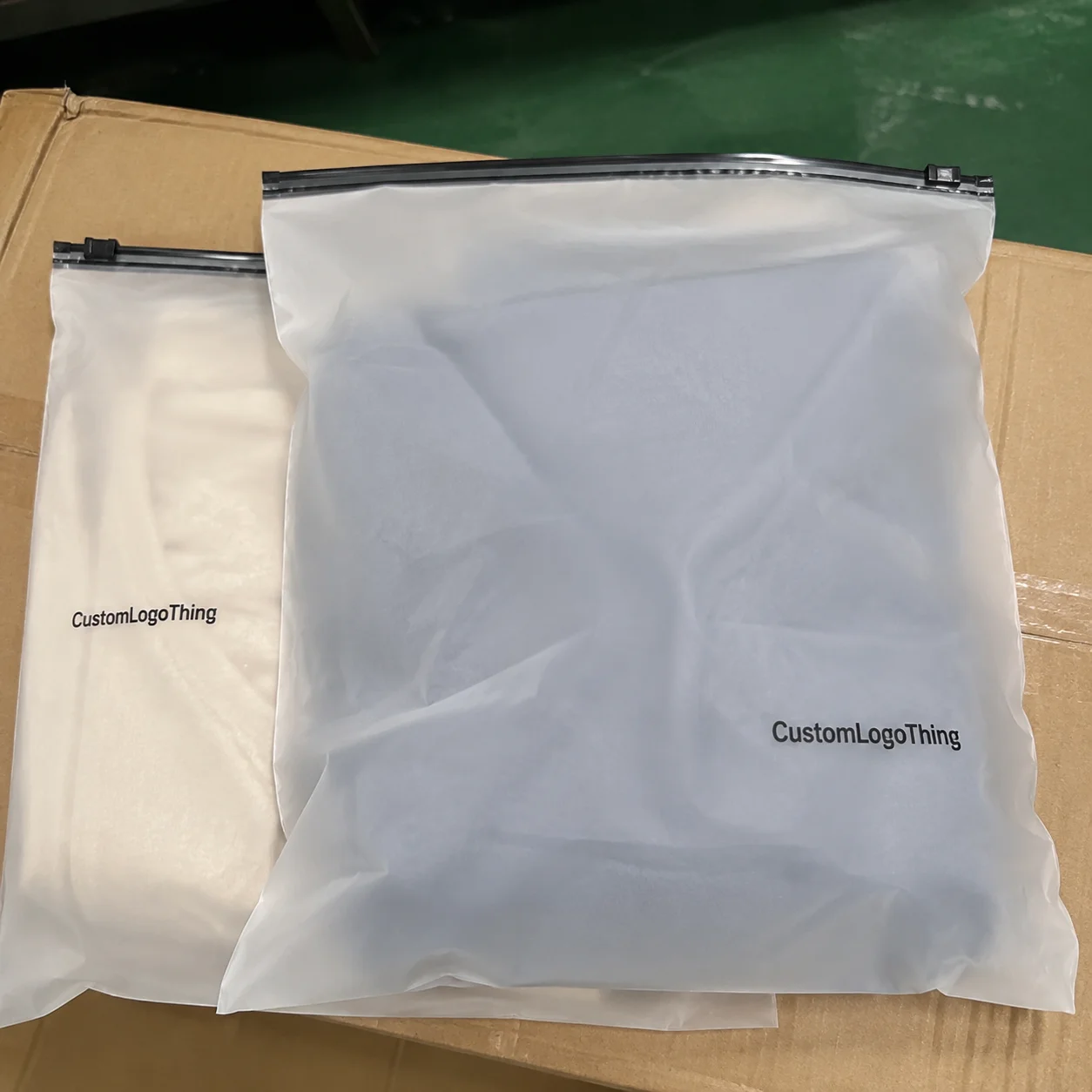
Clear PVC sleeves are used around bakery boxes, pastry trays, seasonal gift packs, and takeaway sets that need to look tidy at handoff. The value is practical: the product stays visible, the pack looks cleaner, and the sleeve adds a basic layer of protection against dust, handling marks, and scuffs during display or transport.
The price is driven by the spec, not by packaging language. If the dimensions, film gauge, closure style, print coverage, and quantity are not defined clearly, quote comparison gets messy fast. Buyers end up comparing different products and calling it procurement.
Why Size Is the First Cost Control
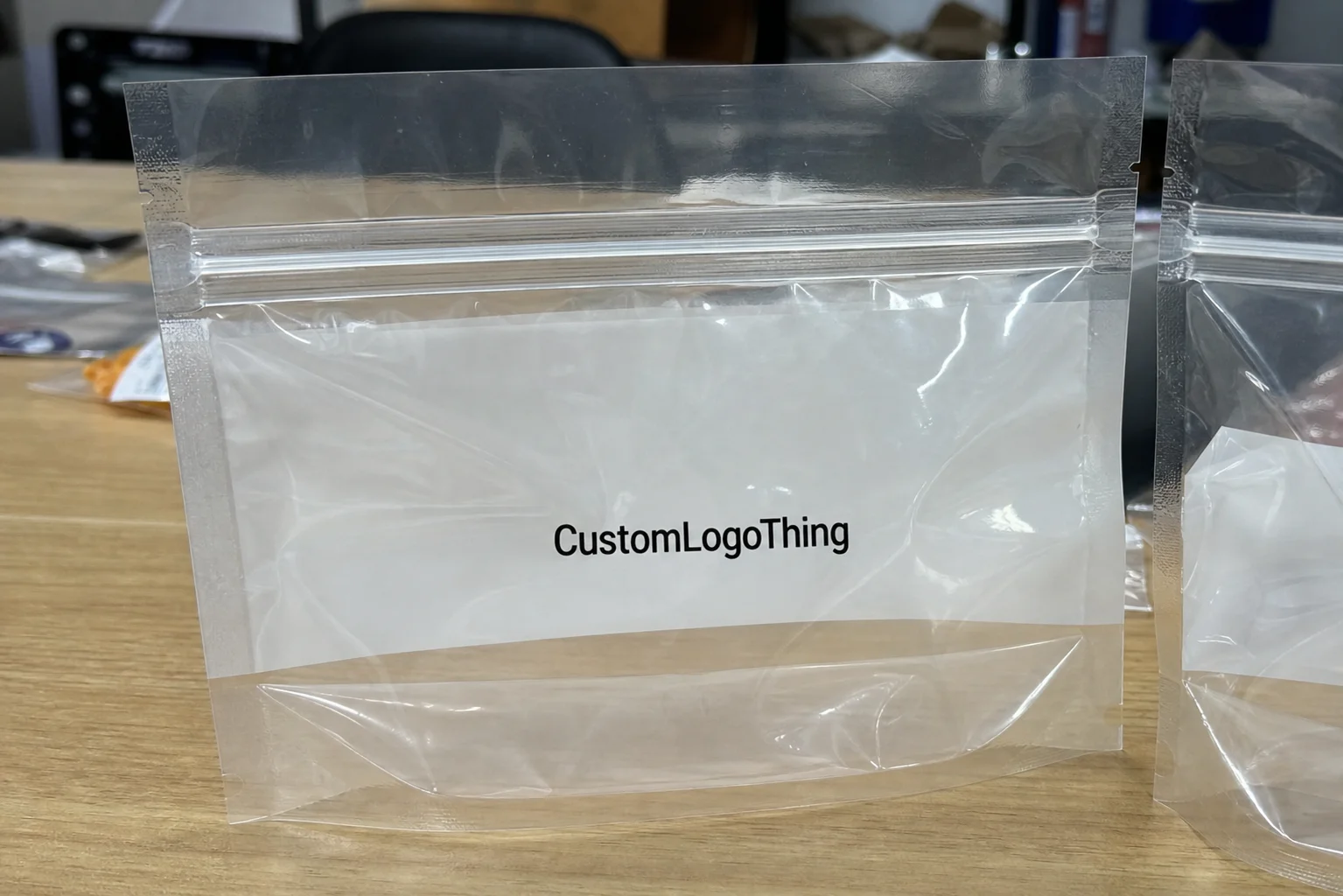
Bag dimensions are the first place to look if you want to lower unit cost. Every extra centimeter adds material. A wider tube uses more film. A taller sleeve increases cut length. A gusset adds another layer of complexity, and that shows up in material consumption and labor.
For bakery packaging, the correct size depends on the outer box or tray, not the baked item itself. That distinction matters. A cake may fit one box, but the lid height, ribbon, label, and insert can change the final outer dimensions. If the sleeve is sized to the product alone, the quote may look attractive and the finished pack can look wrong.
Small dimension changes also affect carton packing and freight. A bag that is too large takes more space in the shipping carton, which reduces carton efficiency. That means more master cartons, more pallet space, and a higher landed cost. Unit price matters, but freight can quietly erase the savings.
For bakery buyers, the best approach is usually to measure the outer pack exactly, then decide how much slack is needed for insertion. Enough room to slide the box in. Not so much that the sleeve wrinkles and droops. Loose packaging makes a premium dessert set look unplanned.
What Bakery Buyers Actually Use These Bags For
PVC garment bags are not a universal bakery solution. They are useful in a few specific situations, and those situations have a common theme: the buyer wants visibility, dust protection, and a tidy presentation without hiding the packaging underneath.
Common uses include boxed cupcakes, pastry gift sets, decorated dessert boxes, seasonal bundles, and shelf-ready stock that needs to stay clean while still looking presentable. They also work for bakeries that rely on printed cartons and branded inserts. A clear sleeve keeps those details visible.
Some buyers use them for display stock in retail environments. Others use them as a handoff layer at the counter. In both cases, the sleeve is doing a light but important job. It is not meant to replace structural packaging. It is there to protect presentation.
There is one caveat that should not be skipped. These bags are generally used as an outer packaging layer around boxed or wrapped bakery items. If the film may touch exposed food, the compliance question changes. Food contact requirements vary by market, and that needs to be checked before ordering.
The best bakery packaging decisions are usually boring. The sleeve fits, the box stays visible, the bag opens cleanly, and the order repeats without surprises. That is what Buyers Actually Want.
Specs That Change Fit, Strength, and Shelf Appearance
The quote starts getting real once the core spec is locked: width, height, gusset, thickness, closure style, and whether printing is needed. Leave any one of those vague and the factory is forced to guess. Guessing sounds cheap until the sample comes back wrong.
Thickness is one of the biggest cost levers. Lighter film lowers material cost, but it can also reduce stiffness and tear resistance. Thicker film improves hand feel and can keep the sleeve looking sharper on shelf, especially if the packaging is handled often. If the bag only needs to sit around a boxed item for display, overbuilding the material just burns money.
Clarity matters too. Buyers often talk about “clear” as if all clear films behave the same. They do not. Some look clean and bright under store lighting. Others pick up haze or surface distortion more quickly, especially when the material is thinner or the finish is inconsistent. If presentation matters, ask for a sample under normal retail lighting.
Closure choice changes both function and price. Open-top sleeves are the simplest. Fold-over flaps and adhesive closures add convenience and a cleaner look. Zippers add more utility but also more parts and more assembly. If the pack is handled repeatedly before delivery, a better closure may reduce labor later. If it is a one-time handoff, the simplest option often wins.
Helpful options include reinforced seams, hanging holes, anti-scratch handling, and custom labels. Not every bakery needs them. But if the bags are being hung for display or moved around a lot before use, those features can prevent returns, scuffed corners, and packing issues.
Print coverage is another place where cost can jump. A one-color logo is still a production step. There is setup, proofing, and registration to manage. Full-print coverage usually adds more time and more cost than buyers expect. If the clear bag’s main job is to show the box, use the carton or label for branding and keep the sleeve simple.
One practical tip: ask for the spec in plain language, then send a photo of the current package. The photo catches proportion problems faster than a long email thread.
For buyers who want a reference point on transport stress, the ISTA test library is useful. Drop, vibration, and compression testing are not about the bag alone, but they help buyers think about the full pack, which is usually where the real failure happens.
PVC Garment Bags for Bakeries Unit Cost: Pricing, MOQ, and Quote Drivers
The number on the quote usually follows a few predictable inputs: size, thickness, print, closure, and quantity. If those are fixed, the quote tends to make sense. If they are not, buyers often compare prices that are not describing the same product.
Here is a practical range based on common bakery use cases. These are working numbers, not promises. Freight, carton count, artwork, and market conditions can move the final price.
| Build | Typical MOQ | Cost per piece | Best For | Main Tradeoff |
|---|---|---|---|---|
| Clear unprinted sleeve, lighter gauge | 1,000 to 3,000 pcs | $0.22-$0.45 at 1,000 pcs | Simple boxed bakery items and display stock | Lowest price, least structure |
| Clear unprinted sleeve, medium gauge | 2,000 to 5,000 pcs | $0.12-$0.28 at 5,000 pcs | Retail presentation with better hand feel | Higher material cost than lighter film |
| Printed branded sleeve | 3,000 to 10,000 pcs | $0.28-$0.55 | Promotional bakery packaging and seasonal sets | Setup charges and longer lead time |
| Closure upgrade, zipper or adhesive | 3,000 to 10,000 pcs | $0.35-$0.70 | Items handled repeatedly before delivery | More parts, more assembly, higher unit cost |
Those ranges make more sense once you understand the structure behind them. A larger sleeve consumes more film. A thicker sleeve uses more resin and often runs with tighter process control. Printing adds setup time, proof approval, and sometimes color matching. Special closures require extra components or extra assembly steps.
MOQ affects the number more than many buyers expect. Small runs can be produced, but the fixed costs do not disappear just because the order is small. Setup time, material waste, line changeover, and packing all need to be covered. At higher quantities, those fixed costs spread out and the unit price falls.
Buyers often ask for “the cheapest quote” and then discover that the cheaper option omitted something useful. The closure is extra. The print is extra. The thickness is lighter than expected. The carton count is different. A fair comparison means matching the same dimensions, the same film gauge, the same closure, and the same finish.
If you want to move quickly, send the exact bag dimensions, target quantity, thickness preference, closure style, and whether printing is required. If the sleeve needs to fit a boxed cake, pastry tray, or multi-item gift pack, include a photo or the outer carton dimensions. That saves back-and-forth and usually gets a more accurate quote on the first pass.
For companies that buy packaging repeatedly, the biggest money saver is not squeezing every last cent out of the unit price. It is locking a repeatable spec and avoiding changes after sampling.
Production Flow and Lead Times for Custom Orders
The production process should be straightforward: inquiry, spec review, quote confirmation, sample, approval, production, packing, shipment. If the process turns chaotic, delays follow. Most delays come from unclear specs or late changes, not from the factory itself.
Lead time depends on the order type. A plain clear sleeve usually moves faster than a printed or specially finished build. After sample approval, a simpler production run often takes about 12 to 18 business days before shipment. More customized orders may need 18 to 25 business days. Transit time is separate, so the calendar needs to include shipping, not just factory output.
Common delay points are easy to spot:
- Dimensions are incomplete or measured from the wrong part of the pack
- Artwork changes after the sample has already been approved
- Closure style is decided too late
- The buyer compares quotes before the spec is actually locked
Sample approval is worth doing even for a simple bakery sleeve. A sample shows whether the fit is right, whether the film feels too stiff or too soft, and whether the clear material looks clean under normal lighting. It also reveals packing issues. If the sleeve sticks, wrinkles badly, or slides too loosely around the carton, that is much cheaper to correct before production.
For orders that move through retail channels, packed-carton strength matters as much as the sleeve itself. The sleeve may be fine, but if the carton collapses in transit, the pack still fails.
The cleanest orders are the ones where the buyer finishes the spec before asking for a quote. That sounds obvious, but it is the step people skip when they are trying to move fast. Then production time gets spent fixing the spec anyway.
Quality Checks That Prevent Expensive Mistakes
Good packaging buyers check the boring things. That is usually where the expensive mistakes hide. A bag that looks fine in a photo can still fail in practice if the seam is weak, the film is inconsistent, or the dimensions were measured from the wrong reference point.
Useful checks include thickness consistency, seam strength, clarity, closure operation, and dimensional tolerance. If the bag is supposed to fit a specific bakery box, test it with the actual box, not a hand sketch.
For clear film, haze and surface scratches deserve attention. Some packaging looks acceptable in a warehouse and less acceptable under retail lights. If the item is sold on presentation, that difference matters. A sleeve that scuffs easily may still be usable, but the buyer should know that before placing a larger order.
Packing method also matters. Flat-packed sleeves are often more efficient for shipping and storage than bulky folded formats, depending on the design. Carton count, stacking method, and pallet arrangement all affect landed cost. A supplier that understands export packing can usually reduce damage and keep cartons from arriving crushed at the corners.
One more check is consistency across batches. A sample may look perfect and the next run may drift if the material source changes or the production settings are not controlled tightly. Buyers who reorder seasonally should care about that far more than fancy product language.
How to Prepare a Clean Quote Request
Getting a useful quote is easy if the request is clear. Send the dimensions, target quantity, thickness preference, closure style, print needs, and whether the sleeve covers a boxed or wrapped item. If possible, include a photo of the current bakery packaging and a note on how the item is handled at the counter or in transit.
Two quote versions are often enough to make the trade-off obvious:
- One version optimized for the lowest unit cost
- One version optimized for better thickness, closure, or finish
That comparison usually shows whether the cheaper version is actually acceptable or whether the slightly higher spec saves labor, reduces damage, or looks better on shelf. The answer is not always “buy the expensive one.” Sometimes the simple sleeve is exactly right. Sometimes the lower-cost option is false economy because it creates problems during packing or presentation.
If you are comparing suppliers, make sure every quote includes the same spec. Same dimensions. Same gauge. Same closure. Same print. Same MOQ. Otherwise the comparison is meaningless.
The main objective is straightforward: define the package before asking for the price. That is the fastest way to improve pvc garment bags for bakeries unit cost without ending up with the wrong size, the wrong finish, or a quote that looked low only because it left out half the job.
What changes pvc garment bags for bakeries unit cost the most?
Size and thickness usually have the biggest effect on price. Print coverage, closure type, and order quantity can move the quote quickly too.
What MOQ should bakery buyers expect for custom PVC bags?
MOQ depends on the dimensions, thickness, and whether printing or special finishing is included. Smaller runs are possible, but the cost per piece is usually higher because fixed setup costs are spread across fewer units.
Are clear PVC bags suitable for bakery display packaging?
Yes, they work well when the goal is visibility, dust protection, and cleaner handoff. They are best for boxed or wrapped bakery items rather than direct food contact unless the compliance path has been confirmed for the target market.
How long does production usually take after sample approval?
Simple clear orders often take about 12 to 18 business days before shipment. More customized orders with print or special closures usually need longer.
What details should I send for an accurate quote?
Send dimensions, quantity, thickness preference, closure style, and whether printing is required. Photos of the current packaging or box size help avoid sizing errors and rework.