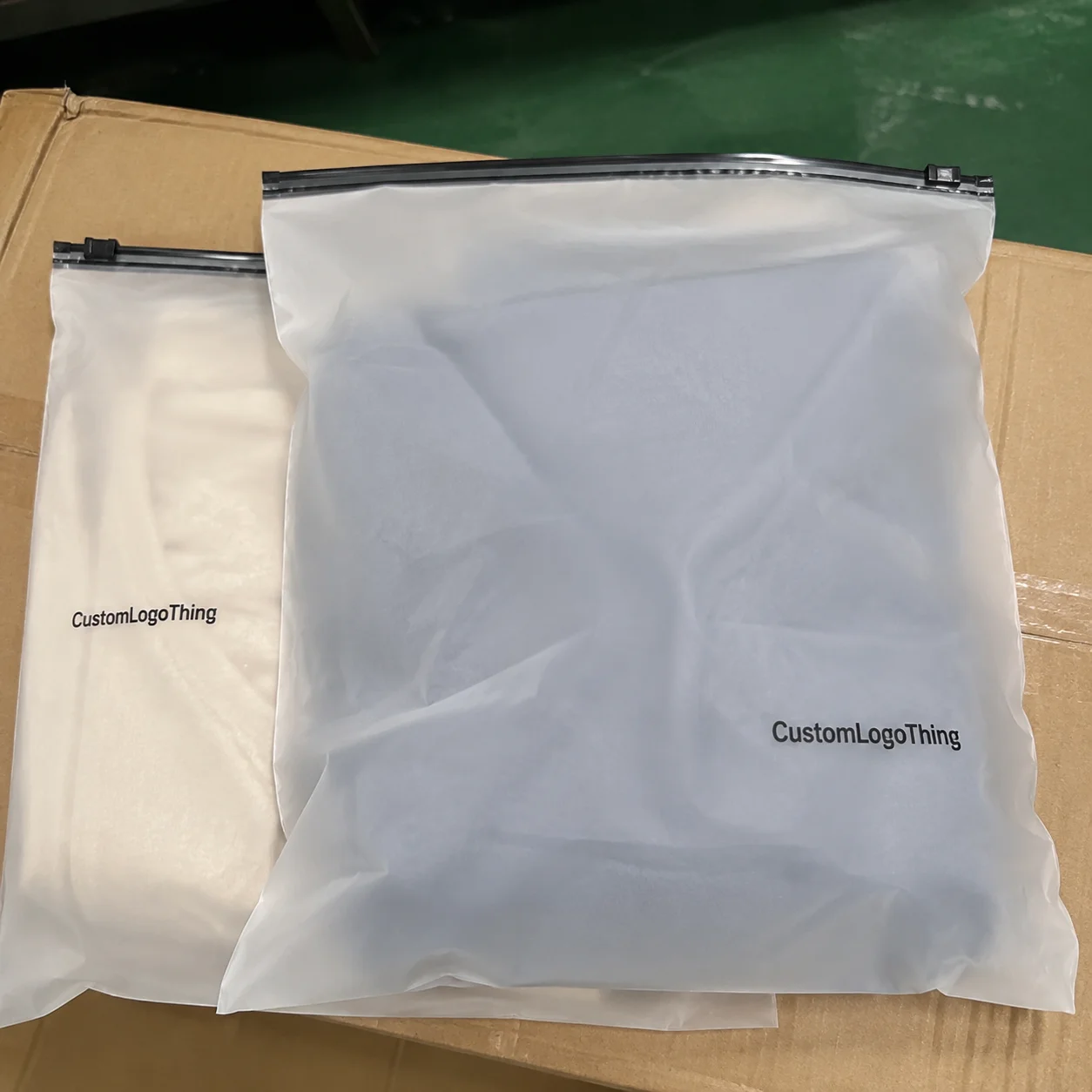
Most buyers searching for pvc garment Bags for Boutiques Cost Breakdown expect the logo to be the expensive part. It usually is not. Size, film thickness, zipper style, gusset depth, and freight density move the number faster than a printed mark.
From a packaging buyer’s point of view, this is about reducing damage, cutting rebagging time, and avoiding repeat spend. A bag that clouds too quickly, splits at the seam, or misses the rack dimensions creates replacement costs and staff frustration. The first quote never shows that part.
The same pattern shows up across retail packaging categories: the cheapest-looking spec can become the most expensive by the second reorder. If you are building a program for coats, dresses, or bridal pieces, treat the cost breakdown as a working budget model, not a vanity purchase.
Where boutique bag budgets quietly go wrong
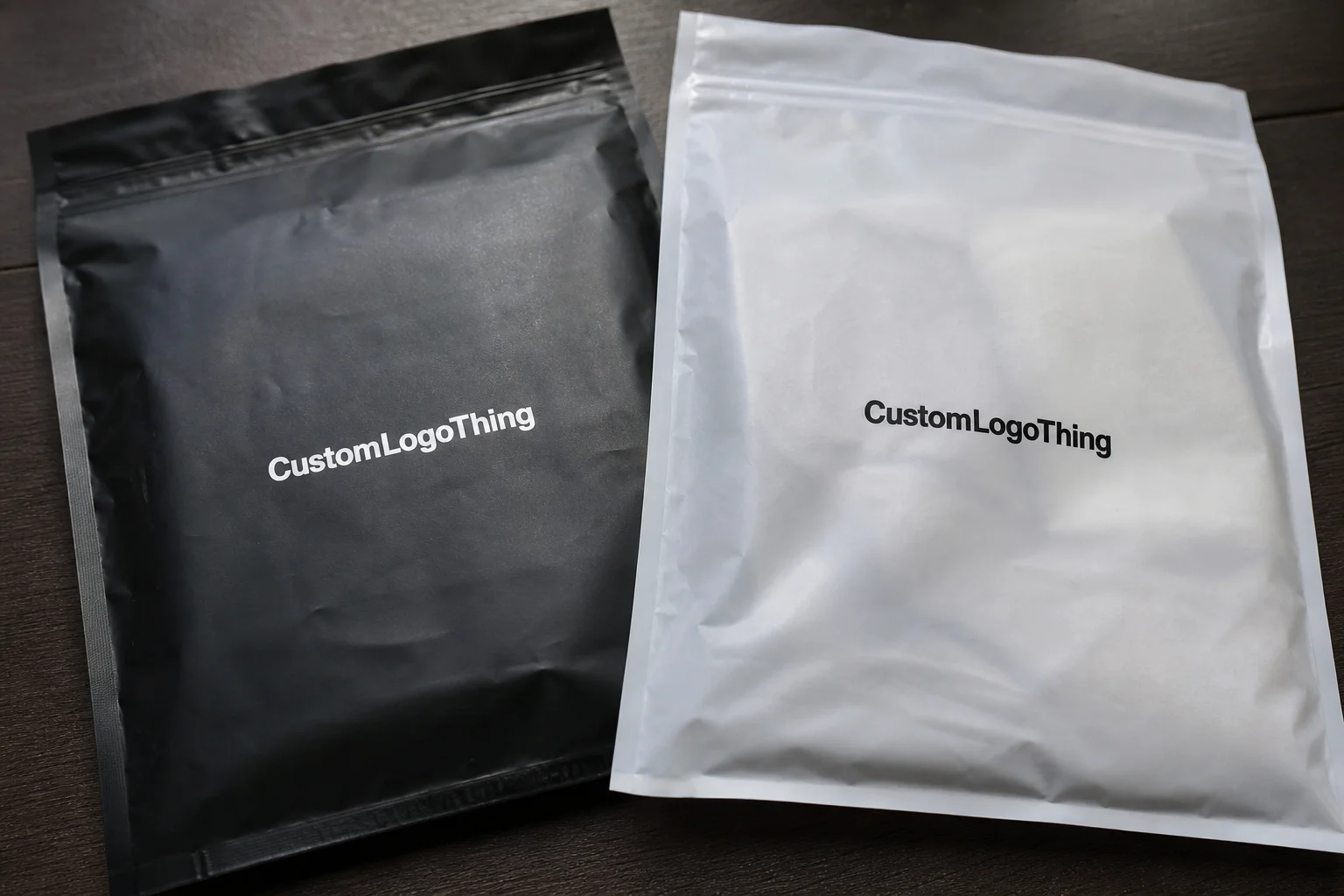
The first mistake is assuming all garment covers are interchangeable. They are not. A seasonal coat bag, a dress bag, and a travel-ready bridal cover often use different lengths, depths, and closure types. One oversized universal SKU can look efficient on paper, but it can push you into extra material use, higher freight volume, and poor fit on the rack.
The second mistake is buying purely on unit cost. A boutique may save a few cents per piece by choosing thinner PVC or a simpler zipper, then spend far more replacing torn bags, cleaning dust-stained inventory, or rebagging items after customer complaints. The real metric is cost per piece over the bag’s useful life, not just the purchase price.
There is also a hidden workflow cost. A bag that fits the garment properly improves backroom stacking, keeps hanger access clean, and reduces the need for staff to fold or compress merchandise just to make it work. That operational efficiency is part of the budget whether the invoice says so or not.
“The cheapest quote is often the most expensive program once you count damage, reorders, and time spent fixing spec mistakes.”
For boutiques with multiple categories, separate SKUs are often cheaper than one do-everything design. A short frosted dress bag for display, a longer clear bag for coats, and a structured bridal bag for transport can cost less overall than forcing one oversized format across every garment type.
What a PVC garment bag should include
A proper PVC Garment Bag starts with the film itself, then builds around it. The core elements are straightforward: PVC film, a front opening, a zipper or snap closure, hanger access at the top, side seams, and in many cases a gusset or bottom expansion. If one of those parts is missing or underspecified, the bag stops behaving like a retail packaging tool and starts acting like a temporary cover.
Film finish matters more than buyers expect. Clear PVC is the obvious choice when product visibility drives selling. Frosted film softens the look and can hide handling marks. Tinted or smoke-toned film gives a more premium backstock feel, though it can reduce visibility if staff needs to identify contents quickly. The right choice depends on whether the bag lives on the sales floor, in a stockroom, or in transit.
There is also a meaningful distinction between light-duty merchandising bags and shipping-safe bags. A light-duty cover may be fine for dust protection and short-term handling. A bag meant for repeated travel, trunk shows, or bridal transport usually needs stronger seams, more controlled zipper placement, and better edge finishing. Packaging and transit testing references such as ISTA and ASTM help frame the difference between visual appeal and actual handling performance.
Practical add-ons make the difference in daily use:
- Carry handles for transport between store and event space
- ID windows for size, style, or SKU labeling
- Ventilation holes to reduce trapped moisture in storage
- Reinforced seams where stress builds near the zipper track
- Printed size markers that speed sorting for staff
None of those features is glamorous. All of them affect whether the product gets used correctly. A well-designed bag reduces handling friction, and that is a real operating cost saver.
Specification choices that change cost and fit
This is where the cost breakdown becomes useful. The quote changes with every line of the spec sheet: dimensions, thickness in microns or mil, zipper gauge, seam construction, gusset width, hanger hole style, and print coverage. A small change in one field can shift the whole production setup.
Start with thickness. A lighter film may be enough for dust protection on a dress cover in a controlled boutique environment. A heavier film can be appropriate for coats, bridal pieces, or repeated transport. But thicker is not automatically better. If the boutique only needs storage protection, extra material can increase unit cost, packing weight, and carton volume without improving real use.
Fit is equally important. A long coat needs different depth than a blouse bag. Bridal inventory often needs more length, cleaner edge finishing, and more stable hanging structure. If the bag is too tight, wrinkles and stress points appear. Too loose, and the garment shifts during handling. Either way, the wrong fit creates losses that never show up in a neat line item.
Branding also has cost tiers. A subtle one-color logo near the top is usually less expensive than a full-coverage print across large areas of film. More colors mean more complexity. More ink coverage can mean higher setup charges or tooling fees depending on the print method.
| Spec choice | Typical impact on cost | Best use case |
|---|---|---|
| Clear film, lighter gauge, no print | Lowest cost per piece | Dust protection, stockroom use, simple boutique storage |
| Frosted film, medium gauge, one-color logo | Moderate unit cost | Retail presentation with controlled branding |
| Heavier film, gusset, zipper, multi-color print | Higher cost per piece | Bridal, travel, or repeated handling |
| Oversized custom build with handles and ID window | Highest setup burden | Specialty programs and premium merchandising |
If the garment category is clear, the spec gets easier to control. If it is vague, costs creep. A coat bag, a dress bag, and a bridal bag are not the same product dressed in different words.
Cost, MOQ, and unit price factors
The main pricing drivers are predictable: material grade, bag size, thickness, print complexity, zipper type, carton packing, and destination freight. Once those variables are known, the quote usually makes sense. What surprises buyers is how much of the total sits outside the bag itself.
MOQ matters because it changes how fixed costs are spread. A factory order at higher volume can dilute setup charges, tooling fees, and print preparation across more units. A short run or sample run almost always carries a higher cost per piece because the same preparation work is divided among fewer bags.
Typical bulk pricing logic looks like this: as quantity rises, unit cost falls, but only to a point. Past that point, storage space, cash tied up in inventory, and seasonal demand become the real constraint. A boutique does not need 20,000 bags sitting in a back room if it sells through 2,000 before the next assortment change.
For planning purposes, many buyers ask for three pricing tiers instead of one. That shows where volume breaks help and where they stop helping. It also clarifies whether a supplier is pricing realistically or using a low headline number that depends on an order size the boutique will never reach.
To make the economics more concrete, here is a simplified view:
| Order profile | What usually happens to cost per piece | Buyer takeaway |
|---|---|---|
| Small run, custom print | Higher due to setup charges and low spread | Good for testing, not for the best bulk pricing |
| Mid-volume reorder | More efficient unit cost | Often the best balance of cash flow and inventory control |
| Large seasonal order | Lowest unit price, but higher inventory carry | Useful only if sell-through is predictable |
Hidden costs deserve equal attention. Sample fees are common. Plate or setup charges may apply for print. Some orders require special labeling, carton marks, or tighter inspection. If the bag is being shipped internationally, freight can move the landed cost more than the manufacturing price itself. The Environmental Protection Agency’s recycling guidance is also useful when a buyer is comparing material use and disposal implications; see EPA recycling guidance for broader material context.
Plain, light-gauge bags in volume sit at the low end. Mid-range boutique bags with frosted film, a logo, and decent zipper hardware land in the middle. Heavier custom builds with handles, gussets, and special packaging sit at the top. The trap is not the expensive tier. The trap is thinking a low unit price means low total cost.
Process and lead time from approval to delivery
The process is usually straightforward if the buyer is organized. It starts with inquiry and spec confirmation, then artwork check, sample approval, mass production, quality inspection, packing, and freight booking. Each step can be clean and fast, or slow and messy. The difference is usually the quality of the initial brief.
Artwork revisions are one of the most common delay points. So is changing a zipper style after the sample is already approved. Material substitutions can also slow production, especially if a specific gauge or finish is required. If the buyer keeps adjusting the order after approval, lead time extends by days or even a full production cycle.
For standard custom runs, many factories can move from approved proof to shipment in roughly 12–15 business days once materials are in hand. Larger orders, premium finishing, or overseas freight planning can push that longer. Shipping time must be added separately, which matters a great deal for trunk shows, seasonal launches, and replenishment windows.
Communication speed matters more than most buyers admit. Fast feedback on proofs and sample comments can save days. Unclear approvals usually add friction, then add time. A production team cannot read between the lines on a zipper placement or logo size. They need a clear yes, no, or revised spec.
A practical approval workflow looks like this:
- Confirm bag dimensions, thickness, closure, and finish.
- Review artwork in editable format and ask for a production mockup.
- Approve the pre-production sample or request a documented revision.
- Lock packing method, carton count, and shipping destination.
- Schedule the delivery window around sell-through and merchandising needs.
That discipline keeps the order moving and prevents the quiet delay that comes from “just one more tweak.”
What to verify before choosing a factory partner
The factory question is not just about price. It is about whether the supplier can repeat the same bag every time. For boutique programs, consistency matters more than a flashy quote. Ask to see sample consistency, material traceability, seam strength, and packaging discipline before assigning a production run.
A good partner gives transparent pricing and complete specs. If the factory flags a design issue early, that is a positive sign. It means they are thinking about manufacturability before the order becomes a problem. A weak supplier waits until the run is already at risk, then starts explaining why the result differs from the proof.
Visual proof helps. Ask for photos of finished goods, carton counts, and inspection standards. In practice, those details reveal more than broad promises. A buyer can learn a lot from how the bags are folded, packed, and labeled. Clean packing often correlates with better process control.
Direct manufacturing usually gives better price control than layered trading arrangements, though that is not always the case. Fewer handoffs often mean clearer accountability and fewer surprises on replenishment orders. For a boutique program, that can be the difference between a predictable reorder and a scramble.
Before awarding the order, check the supplier against these points:
- Does the sample match the intended garment size?
- Are the seams straight and consistent?
- Is the zipper track smooth and aligned?
- Are the cartons packed in a way staff can actually use?
- Does the quote separate unit cost, setup charges, and freight?
If the answer is vague to any of those, the buyer should pause. Packaging procurement is full of small omissions that become expensive later.
How to request a quote that gets accurate numbers fast
If you want a clean factory quote, send the spec like a production buyer, not like a general inquiry. The supplier needs bag dimensions, material thickness, clear or frosted finish, closure style, print method, quantity, and shipping destination. Leave one of those out and the quote will often be incomplete or based on assumptions.
Include the garment type and storage context too. A coat bag, bridal bag, and everyday boutique cover rarely use the same construction or carton plan. A supplier can price more accurately when they know whether the bag is for retail display, long-term storage, or movement between locations.
Artwork should be sent in editable format whenever possible, plus one simple reference image. That reduces back-and-forth and helps the factory quote the correct print setup the first time. If the logo sits high on the bag or needs an unusually large imprint area, say so clearly. Ambiguity creates revisions. Revisions create delay and sometimes extra cost.
For the buyer, the smartest next move is usually simple:
- Confirm the spec.
- Request a sample.
- Compare landed cost, not just factory price.
- Place the production order only after the sample is approved.
That sequence protects both budget and timing. It keeps the order tied to real commercial decisions instead of guesswork.
One more practical point: ask the supplier to quote the same bag in at least two or three quantities. A useful quote shows where the bulk price starts to improve and where the benefit flattens out. If the difference between tiers is tiny, the order may not be worth stretching. If the difference is meaningful, volume planning becomes part of the decision.
When a boutique gets the spec right, the quote gets cleaner, the reorder gets easier, and the storage system works harder with less waste.
How much do pvc garment bags for boutiques usually cost per piece?
Price depends on size, thickness, zipper style, print coverage, and order quantity. Smaller plain bags cost less; large branded bags with heavier film cost more. Freight and packaging can change landed cost as much as the unit price, so always compare the full delivered number.
What MOQ should I expect for boutique pvc garment bag orders?
MOQ varies by factory and customization level. Simple stock-style builds can start lower than fully custom printed runs. Request a quote with your target volume so the supplier can price realistic tiers and show where bulk pricing begins to improve.
Can I customize size, zipper, and logo printing?
Yes, most boutique orders can be customized on dimensions, closure style, and branding. The more custom the build, the more important it is to confirm artwork and sample approval early. Ask for a pre-production sample before mass manufacturing.
How long is the typical production lead time?
Lead time depends on sample approval speed, material availability, and order size. Standard orders move faster than complex printed or oversized builds. Add shipping time separately when planning a seasonal launch or replenishment window.
Are PVC garment bags better than PEVA or non-woven for boutiques?
PVC usually offers stronger visibility and a firmer retail presentation. PEVA and non-woven can suit different sustainability or feel preferences. Choose based on display needs, storage conditions, and the level of protection required.