Why matte zipper bags can upgrade boutique packaging without inflating the budget
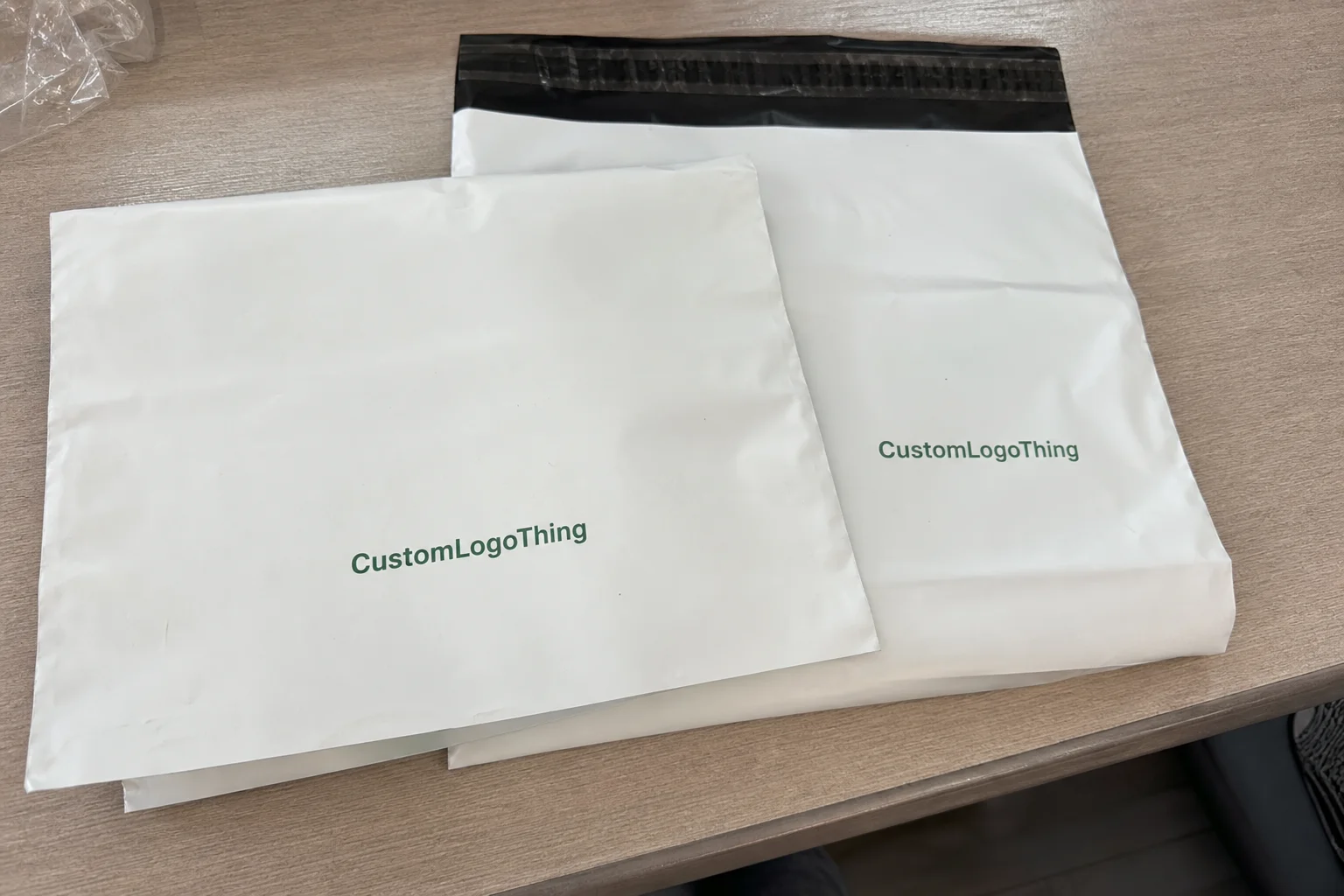
Packaging is rarely neutral in retail. Shoppers notice it fast, and in a boutique setting the bag often does half the branding before the product is even touched. A matte zipper bag gives you that quiet premium look without forcing the packaging budget into ridiculous territory.
The matte finish does a few useful things at once. It cuts glare under store lighting, photographs better than glossy film, and makes simple logos look cleaner. That matters for boutiques where packaging has to hold up on a counter, in a display basket, and in a customer’s bag on the way out.
The other reason these bags show up so often is practicality. A zipper closure adds reusability, which customers notice more than they admit. The bag can be reused for travel, storage, or future purchases, so the packaging stays visible long after checkout. That is branding that keeps working without demanding another line item.
The real Matte Zipper Bags for boutiques cost breakdown is not just “how much does the bag cost?” It is a mix of material, size, thickness, zipper style, print method, and order volume. Two bags can look nearly identical on a shelf and still quote very differently. The difference usually lives in the spec sheet, not the photo.
From a buyer’s standpoint, the right bag is the one that fits the product, protects it, and stays consistent when you reorder. Cheap is useful only if it is also usable.
That is why vague requests usually lead to vague quotes. If you want usable pricing, send exact dimensions, intended product type, finish preference, and artwork details early. It cuts back-and-forth and gives you a real view of unit cost instead of a number pulled from the air.
What makes matte zipper bags work for boutique retail displays
Matte Zipper Bags are popular in boutique retail because they solve several problems at once. They protect small goods, support presentation, and keep the packaging style consistent across product lines. That combination matters whether the item is apparel, jewelry, beauty, stationery, or a small gift set.
The matte surface is doing more than looking calm and modern. It reduces visual noise. Under LED lights, glossy bags can throw reflections everywhere and make print look harsher than it should. Matte material softens that effect and usually makes logos, line art, and simple typography read more cleanly.
There is also the question of handling. Boutique packaging gets touched a lot. Staff move it, stack it, label it, and sometimes stuff it into gift sets. Customers carry it, open it, keep it, and occasionally use it for something else. A matte zipper bag has to look polished without being fragile.
Closure style and usability
The zipper is not a minor detail. It affects the feel of the bag and the total price. A standard press-to-close zipper is usually the most economical option. A slider zipper feels easier to open repeatedly and can look more finished, but it typically costs more. Tamper-evident styles add security, though they also add complexity and usually lengthen production.
Thickness matters too. Too thin and the bag feels flimsy. Too heavy and the packaging starts eating into margin, plus freight can creep up. Buyers often settle somewhere in the middle: enough thickness for durability and a clean hand feel, but not so much that the bag becomes overbuilt for a small accessory or folded garment.
Size planning is where packaging specs get real. A bag should account for the product’s actual dimensions, the way it is folded or inserted, and enough room for the zipper to close without pressure. If the product is squeezed into the seal area, the finished package looks messy and the closure can fail under normal handling.
Many boutiques also use the same bag across several product types because consistency matters. A recurring finish, zipper style, and print layout make the packaging system feel intentional. That helps with shelf presentation, unboxing, and reorders. No one wants every item to look like it came from a different planet.
Material, size, and print specifications that change the quote
The biggest price swings usually come from the build of the bag. Material type, thickness, zipper style, and print coverage all affect the final quote. The math is not mysterious, but it does require a real spec sheet.
Common material choices include LDPE, PP, and laminated structures. LDPE tends to feel softer and more flexible. PP can offer a different stiffness and appearance depending on the structure. Laminated bags can create a more polished surface, but they usually add steps and cost. That extra polish has a price tag, because apparently nothing in packaging is ever free.
Thickness is another major factor. Heavier gauges generally improve durability and tear resistance, but they also use more material and can raise shipping weight. For boutique packaging, the sweet spot is usually enough thickness to feel substantial without turning a simple pouch into overkill.
Size needs more attention than it often gets. Buyers sometimes specify the product’s rough size and hope that is enough. It usually is not. The bag has to fit the item after folding, loading, or boxing, and it needs a little extra room so the zipper area closes cleanly. Internal dimensions matter more than the outside label on the bag.
Print and finish choices
Print setup can change pricing quickly. A one-color logo is usually easier to run than a full-color design. No-print stock is often the most economical option if you only need a matte surface and plan to use a label. Multiple print zones, metallic effects, or detailed artwork add setup work and can increase the number of production steps.
The most common price drivers are usually these:
- Film type and whether the structure is single-layer or laminated.
- Thickness, especially when moving from a lighter gauge to a heavier one.
- Print coverage, from a small logo to full-surface branding.
- Zipper style, including press-to-close, slider, or tamper-evident designs.
- Optional features such as hang holes, gussets, opaque panels, or custom zipper colors.
If you want a quote that means something, include dimensions, print area, finish preference, and the exact product the bag will hold. A request for “matte zip bags” is too vague to calculate real pricing. A request for a 12 x 16 inch matte zipper bag for folded apparel with one-color logo print is much better. Suppliers can work with that.
Matte zipper bags for boutiques cost breakdown, MOQ, and unit pricing
This is the part most buyers care about first. Fair enough. The Matte Zipper Bags for boutiques cost breakdown usually comes down to raw material, size, thickness, zipper style, print method, and order quantity. Those factors do not all behave the same way, which is why unit pricing can look strange if you only compare a single quote line.
MOQ matters because setup work is fixed. Plates, cylinders, color matching, proofing, and line adjustments take time whether you order 1,000 bags or 20,000. That means low-volume orders often carry a much higher cost per piece. Once volume increases, the setup costs get spread out, and the unit price usually improves.
Here is a practical way to think about order tiers:
| Order range | Typical pricing behavior | What usually drives the cost |
|---|---|---|
| Sample or prototype run | Highest unit cost | Artwork setup, proofing, small-run labor, and limited material efficiency |
| Mid-volume reorder | More balanced unit cost | Setup costs are spread out, and production becomes more efficient |
| Larger production run | Lowest cost per piece | Better material utilization, reduced changeover burden, and stronger bulk pricing |
That does not mean bigger is always better. Ordering too much ties up cash and warehouse space. Ordering too little usually means paying more per bag and risking stockouts. The sweet spot depends on how often the boutique reorders, how seasonal the product is, and whether the bag is tied to a launch or a long-running line.
A realistic cost comparison should always use the same spec. Same size. Same thickness. Same zipper. Same print method. Same packing format. Otherwise you are comparing different products and pretending they are identical, which is a classic way to end up with the wrong number on the purchase order.
There are also charges that can hide in the shadows if nobody asks directly. Artwork cleanup, color matching, rush production, special packing, and freight all affect landed cost. A quote with a low unit price but expensive logistics is not actually cheap. It just looks nice in a spreadsheet until the invoice arrives.
| Feature | Lower-cost option | Higher-cost option |
|---|---|---|
| Print method | One-color logo | Full-color multi-pass print |
| Zipper style | Standard press-to-close | Slider or tamper-evident zipper |
| Finish | Plain matte film | Soft-touch or specialty matte laminate |
| Packaging | Standard carton pack | Retail-ready inner packing or custom labels |
For a practical buyer, the goal is not the absolute lowest number. It is a bag that looks right, performs reliably, and does not surprise you later with reorder problems or quality complaints. That is the part people usually forget while chasing the cheapest quote.
Production steps, lead time, and approval checkpoints from art to delivery
The production path is usually straightforward: request specs, review artwork, confirm material and zipper style, approve a proof or sample, then move into production, finishing, packing, and shipment. Straightforward does not mean automatic. Delays usually come from incomplete information or late artwork changes.
Prepress is where many avoidable problems show up. Files may need bleed adjustments, font conversion, print placement cleanup, or color separation. If the bag includes warnings, care instructions, or several branding elements, the layout has to respect the zipper area and seal edges. Stuffing too much into the printable area creates headaches later.
Lead time depends on order size, material availability, print complexity, and whether a physical sample is required before full production. A simple run can often move within 12 to 15 business days after proof approval, but larger quantities or multi-color printing can extend that. If the bags are tied to a launch date or seasonal drop, build in extra time. Rush orders are expensive for a reason.
Quality control should not be treated like an optional extra. The basic checks are simple: zipper alignment, seal consistency, print registration, film finish, and carton condition. If those points are off, the bag may still be technically usable, but it will not present the way a boutique package should.
For buyers who want a broader benchmark, packaging performance testing often aligns with ISTA methods for transit handling and ASTM methods for materials and dimensional checks. Not every boutique order needs formal lab testing, but those standards give a useful framework for judging durability and shipment behavior.
How to choose a supplier that keeps boutique packaging consistent and on budget
The best supplier is usually the one that asks enough questions. If they want exact dimensions, usage details, print area, and finish preferences, that is a good sign. If they quote from a vague description and promise everything will work out, that is less comforting. Packaging is not magic. Specs matter.
Ask for samples, swatches, or prior print examples if they have them. Matte finish quality can vary more than buyers expect. Some finishes feel smooth and premium. Others feel dull, chalky, or oddly stiff. You want to know which one you are getting before the order lands in your warehouse.
Domestic and overseas sourcing both have a place. Domestic production can help when timing is tight or when freight predictability matters more than the lowest factory price. Overseas production can make more sense on larger runs where the unit cost matters most. The right choice depends on volume, schedule, and how often you plan to reorder.
It also helps if the supplier saves artwork and order specs for repeats. That sounds basic, but it prevents tiny changes from creeping into reorders. If the original run used a 12 mil matte bag with a standard press-to-close zipper and a one-color logo, that record should stay intact. Otherwise every reorder becomes a new puzzle.
For brands with environmental claims, ask what actually applies to the bag structure. Recycled content, recyclable film options, and certification-backed paper components in the broader packaging system may be available, but they are not interchangeable. If a supplier mentions FSC materials, make sure you understand whether that refers to paper inserts, cartons, or another part of the packaging setup. Plastic bags are not paper. Shocking, I know.
Next steps for ordering matte zipper bags for boutique packaging
If you want a quote that holds up, start with the product dimensions and work backward. Decide the bag size, quantity, print colors, zipper style, and finish. If you are still deciding between opaque and semi-clear, say so up front, because that changes the material choice and sometimes the pricing structure.
Artwork should be ready as early as possible. If the design includes a hang hole, gusset, or special window, mention it before proofing starts. Those features affect the die line, print placement, and packing method. Leaving them out until later is a good way to waste time.
Ask for tiered pricing at more than one quantity so you can see where the unit cost drops. A useful quote should make the MOQ clear and show what happens if you move up or down in volume. If freight can be included, even better. Landed cost is the number that actually matters.
Before approval, confirm the proof method, production timeline, and shipping destination. If the bags support a launch or seasonal restock, build a buffer into the schedule. That buffer is usually what keeps the project calm instead of turning it into a panic order with express shipping attached.
So if you are working through the matte zipper bags for boutiques cost breakdown, the cleanest path is simple: send exact specs, review the proof carefully, approve a sample if the order is important, and leave enough time for production. That keeps the quote honest, the timeline realistic, and the packaging aligned with the boutique instead of fighting it.
What affects the matte zipper bags for boutiques cost the most?
The biggest cost drivers are bag size, material thickness, zipper style, print coverage, and order quantity. Higher MOQ usually lowers the unit cost because setup expenses are spread across more bags.
Can I get a low MOQ for matte zipper bags for boutique packaging?
Yes, but low-MOQ orders usually have a higher cost per piece because prepress and production setup costs are shared across fewer units. If you are testing a new product line, ask for tiered pricing so you can compare small-run and reorder costs.
Which specifications should I send to get an accurate quote?
Send internal product dimensions, target bag size, quantity, print colors, zipper type, finish preference, and any special features like hang holes or gussets. Include artwork files and your shipping destination so freight and production timing can be estimated correctly.
How long does production usually take for matte zipper bags?
Lead time depends on order size, print complexity, proof approval, and material availability. If you need a sample or color check before full production, build extra time into the schedule to avoid rush charges.
Are matte zipper bags good for gifting and resale in boutiques?
Yes, the matte finish gives a softer premium look, and the zipper closure makes the bag reusable for storage or travel. That combination helps with presentation at checkout and can improve how customers perceive the brand after purchase.


