PVC Zipper Bags for Apparel Brands Supplier Audit Checklist: What It Really Protects
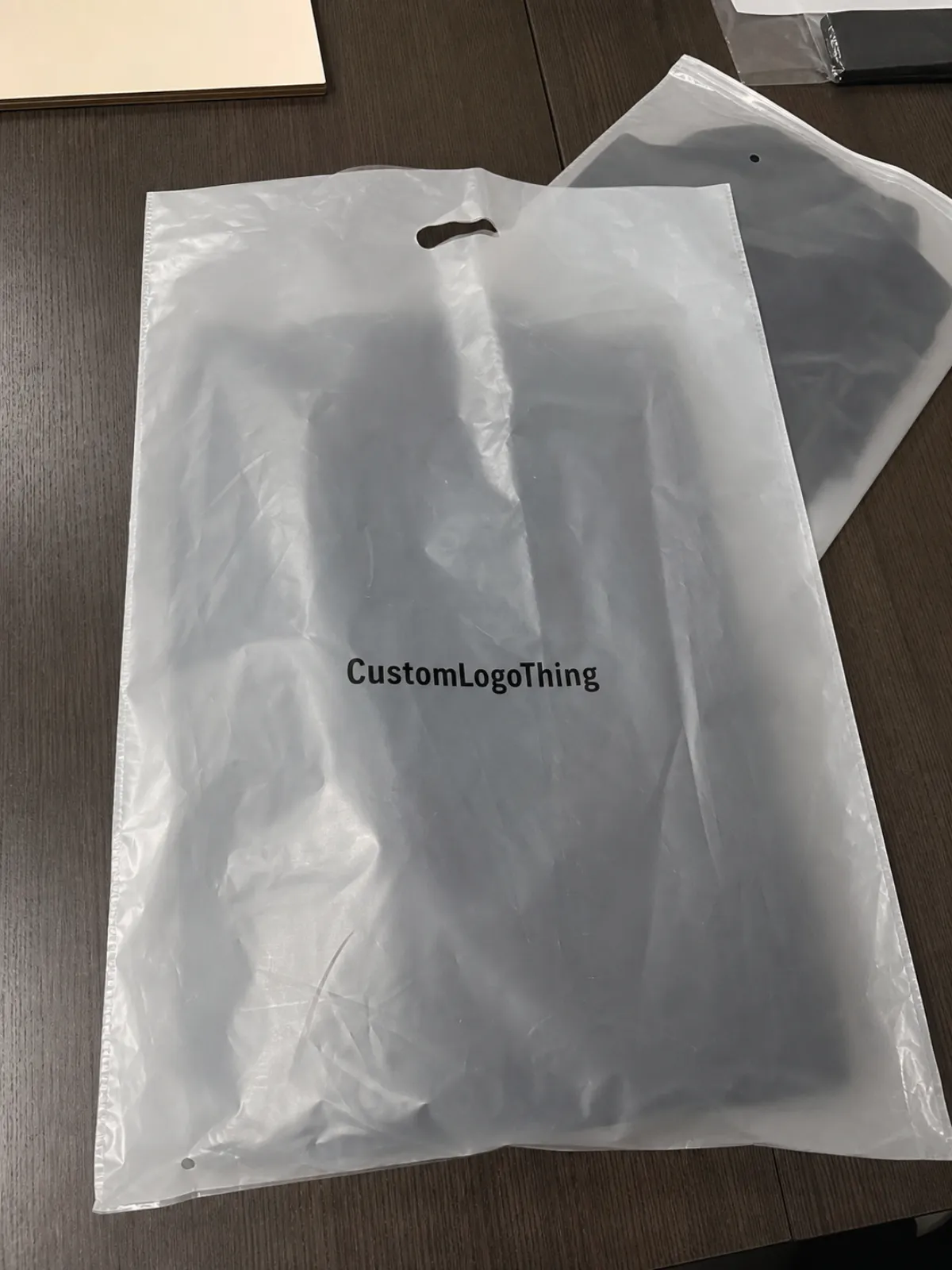
A premium hoodie can arrive with clean stitching, rich color, and a soft hand feel, then lose the customer in three seconds because the clear zipper bag is cloudy, brittle at the fold, or printed with a logo that rubs off during transit. A pvc zipper Bags for Apparel brands supplier audit checklist is not paperwork for paperwork’s sake; it is a practical filter that helps prevent repeat defects before bulk production begins.
Clear PVC Zipper Bags are flexible polyvinyl chloride bags fitted with a press-to-close zipper or a slider-style zipper. Apparel brands use them for showroom samples, retail-ready packaging, gifting, stockroom organization, influencer mailers, and long-term storage of folded garments. They look simple on a desk. They become less simple once you start balancing film clarity, zipper feel, print adhesion, odor level, carton packing, and price.
Apparel packaging has different pressure points than a generic plastic pouch. Fabric can hold odor. Knits can snag on a rough zipper corner. A bulky fleece can stress the zipper track if the bag is sized too tightly. Clear film also needs to sit cleanly beside branded hangtags, woven labels, tissue, size stickers, and care inserts without making the whole presentation feel cheap.
A good supplier audit checks the things buyers usually discover too late: film gauge, material documentation, zipper construction, seam strength, heat-seal consistency, print registration, Pantone matching, odor control, packing method, carton compression resistance, inspection records, and the supplier’s habit of correcting issues instead of explaining them away.
The goal is straightforward: ask sharper questions before approving samples, paying deposits, or moving a vendor into repeat production. Use the checklist before a first sample, during quote comparison, or ahead of a reorder where the first shipment was “mostly fine” but not stable enough to trust without review.
Factory-floor rule: if a defect is visible on a sample table, it will be louder in a full carton, louder again after freight, and loudest when your customer opens the package.
How Clear PVC Zipper Apparel Bags Are Made and Checked
The production flow is usually simple on paper. PVC film is selected by thickness, softness, and clarity, then cut to the required size. If branding is needed, the film is printed before or during conversion, depending on the supplier’s equipment. The panels are folded or layered, heat-sealed along the edges, fitted with zipper components, inspected, counted, and packed flat into cartons.
Film choice drives much of the final feel. Common apparel packaging PVC often falls around 0.12 mm to 0.30 mm, though heavier storage bags can go thicker. Thin film saves cost and shipping volume, but it may crease sharply, show stress whitening, or feel flimsy around the zipper. Thicker film stands better and feels more premium, yet it costs more, packs bulkier, and can become stiff if the formulation is not right.
Clarity deserves a real inspection, not a quick nod under poor warehouse lighting. A clear apparel zipper bag should not look gray, oily, wavy, or dusty under normal retail conditions. Buyers should check surface smoothness, optical clarity, fold flexibility, and odor level. PVC can be suitable for many packaging uses, but the grade, additives, handling, and destination-market requirements need to be verified before the brand commits.
Zipper choices affect usability and cost. A standard press zipper is economical and common for folded tees, sleepwear, accessories, and lightweight garments. A slider zipper is easier for customers to open and close repeatedly, especially on larger bags, but it adds component cost and can increase carton height. Colored zipper tracks, reinforced zipper tape, hanger holes, die-cut handles, and snap handles are all possible; each extra feature should earn its place through function or presentation value.
Printing is another area where small assumptions create visible defects. Screen printing works well for bold, solid logos. Other decoration methods may support different finishes, but the supplier must test ink adhesion on flexible PVC because the film bends, rubs, and slides against other bags during transport. A logo that looks sharp on day one can fail after repeated rubbing if the ink system is weak or the curing is rushed.
Before shipment, inspection should cover more than a quick glance. A workable quality control plan includes visual review under consistent lighting, zipper open-close testing, seam pull checks, print rub testing, size verification, carton quantity checks, and random sampling from finished cartons. If the supplier says, “We check quality,” ask for the inspection level, sample size, defect categories, and the action taken when defects are found.
Packaging tests referenced by ISTA can be useful for broader transport thinking, especially if the zipper bags are going into master cartons that will travel long distances. You may not need a full lab test for every small run, but the logic behind compression, vibration, drop handling, and carton integrity still applies.
Material, Safety, and Compliance Factors to Verify Before Approval
The first compliance request should be boring and specific: confirm the PVC grade, film thickness, plasticizer type where relevant, restricted substance compliance, and any test reports required for your destination market or retailer program. Do not accept “clear PVC” as a full material description. It is only the start of the conversation.
Apparel brands should not assume every clear plastic bag is automatically acceptable for retail. Requirements can vary by country, retailer, product category, warning label rules, and whether the package may be handled by children or kept for long-term storage. If the bag needs suffocation warning text, recycling marks, country-of-origin marking, or chemical compliance documentation, those details belong in the purchase specification before sampling.
Physical performance checks matter as much as documents. Ask for film thickness tolerance, often expressed as something like ±0.02 mm depending on the film and supplier. Confirm seam width, zipper alignment, edge trimming, punched-hole position, corner radius, and the way the bag behaves after being folded and packed for several days. A bag that is clear and smooth today but turns sharply creased after carton storage may not be right for a premium garment.
Odor deserves direct attention. PVC can hold a plastic smell if the material, storage, ventilation, or production handling is poor. Request pre-production samples and smell them after they have been sealed in a carton or polybag for 24 to 48 hours. Ask how finished goods are aired, packed, and protected from dust, machine oil, moisture, and warehouse contamination.
Fit testing should use real garments, not guesses. Try bulky fleece, delicate knits, denim, and pieces with metal trims if those represent your assortment. Close the zipper without forcing it. Look for stress whitening near the zipper ends, distorted zipper tracks, crushed garment corners, and pressure marks on the print. A 2 cm difference in bag width can be the difference between a relaxed retail look and a strained pouch that feels underspecified.
Branding checks need a physical eye. Confirm logo placement against the folded garment, color accuracy against a Pantone or approved artwork reference, transparency over dark and light fabric colors, and warning text placement if required. A white logo may pop against black fabric but disappear against cream cotton. A black suffocation warning may look too strong on a gift package unless it is placed thoughtfully and sized correctly.
Keep one signed sample as the control standard. Physical references stop arguments. A PDF proof can show position and color targets, but it cannot show zipper resistance, film smell, edge softness, or how the bag looks after a sweatshirt sits inside it for a week.
- Material file: PVC grade, thickness, plasticizer information where applicable, and restricted-substance statements.
- Construction file: approved dimensions, zipper type, seam width, edge trim, hole or handle position, and tolerance.
- Brand file: artwork, logo size, Pantone reference, print method, warning text, and approved placement.
- Quality file: inspection criteria, defect limits, signed sample, and corrective action record.
For brands evaluating broader packaging impact, the EPA sustainable materials management hierarchy offers a useful framework for thinking about source reduction, reuse, recycling, and disposal. It will not choose your bag for you, but it helps frame material decisions beyond unit price alone.
Pricing, MOQ, and Unit Cost Questions That Reveal the Real Supplier
PVC zipper bag pricing is not driven by length and width alone. The main cost levers are film thickness, bag size, zipper type, print coverage, order quantity, packing method, inspection level, carton volume, and shipping terms. A supplier who quotes quickly without confirming those points may be giving you a placeholder number, not a production-ready price.
For a medium-size custom PVC zipper apparel bag, a rough unit range might be $0.18 to $0.45 at several thousand pieces, depending heavily on thickness, zipper style, artwork, and packing. Larger heavy-duty bags with slider zippers and multi-color printing can run higher. Small trial runs may cost much more per unit because screen setup, material cutting, and machine changeover are spread across fewer pieces.
Minimum order quantity usually has a practical reason behind it. It may be tied to film roll width, zipper component minimums, print setup efficiency, carton packing logic, or the supplier’s production schedule. A low MOQ is useful for testing, but it can hide higher unit costs or limited customization. A higher MOQ can reduce price, yet it increases inventory risk if the spec has not been proven with real garments.
Ask for quote details in writing: exact dimensions, film thickness, zipper style, print method, number of colors, artwork size, sample cost, screen or tooling charge, carton quantity, production tolerance, payment terms, and shipping method. If two quotes do not match on those items, they are not really comparable.
| Specification Tier | Typical Use | Common Features | Typical Cost Direction |
|---|---|---|---|
| Standard | Basic folded tees, accessories, sample storage | Thinner clear PVC, press zipper, one-color logo, simple carton packing | Lowest unit cost, often best for controlled internal use |
| Premium | Retail presentation, gifting, influencer kits | Mid-gauge PVC, cleaner clarity, stronger zipper tape, tighter print control | Moderate cost, better first impression |
| Heavy Duty | Bulky fleece, denim, reusable storage, showroom sets | Thicker PVC, slider zipper or reinforced press zipper, larger seams, stronger carton packing | Highest cost, better durability and reuse potential |
Many quote comparisons start in the wrong place: the lowest number gets attention first, then the technical questions come later. That sequence invites disappointment. A lower price may mean thinner film, weaker zipper tape, less careful print curing, fewer inspections, vague compliance support, or looser size tolerance. None of those differences are obvious until a carton is opened.
A better approach is to request two or three specification tiers. Ask the supplier to quote standard, premium, and retail-heavy duty versions using the same size and artwork. You will quickly see where the cost jumps. Sometimes an extra $0.04 to $0.08 per bag buys a noticeably cleaner presentation; other times the premium is not worth it for backroom storage.
If you are building a branded packaging system rather than buying one isolated bag, review examples of finished packaging and product presentation on the Custom Logo Things Case Studies page. The best cost decision is rarely just the cheapest bag. It is the package that supports the garment, the channel, and the customer expectation without creating avoidable waste.
Process, Timeline, and Lead Time From Sample to Bulk Shipment
A sensible timeline starts with requirement gathering. Then comes artwork review, material selection, sample making, sample testing, sample revision if needed, bulk deposit, material procurement, printing, bag making, quality inspection, packing, and shipment booking. Skip one of those steps and the schedule may look faster, but risk moves into production.
Sampling often takes around 5 to 10 business days after the supplier has clear dimensions, artwork, and material direction. Bulk production may run around 12 to 25 business days after sample approval and deposit, depending on quantity, print complexity, zipper availability, and factory load. Freight timing is separate and can change the total calendar significantly.
Lead time depends on buyer speed as much as supplier speed. Incomplete artwork, unclear folded garment dimensions, missing compliance requests, or late zipper color changes can add more delay than the actual production run. A supplier can move fast only after the target is fixed.
Test samples with actual products before approving. Fold the garment exactly as it will ship. Insert hangtags, care cards, tissue, cardboard support, or promotional inserts. Close the zipper repeatedly. Stack five to ten filled bags. Then inspect the corners, seams, zipper ends, and printed areas. If the bag is going into a mailer or carton, pack it that way and leave it under light compression for a couple of days.
The approval package should include the final dieline or size sheet, artwork proof, color reference, material specification, zipper confirmation, packing instruction, carton mark details, and signed physical sample. That sounds like a lot, but it prevents the classic “I thought you meant…” conversation after bulk production.
Pre-shipment timing needs space. Allow time for inspection, defect sorting, carton relabeling if needed, and shipping paperwork. Rushing the last 48 hours can create wrong carton marks, mixed counts, scratched bags from repacking, or missing compliance labels. Those problems are ordinary, unglamorous, and expensive to fix after goods leave the supplier.
One audit question does a lot of work: “Show me where quality checks happen in your timeline, who signs off at each stage, and how you communicate delays or material substitutions before shipment.” A serious supplier should answer with stages, roles, records, and escalation habits. A vague answer is a warning sign.
Common Supplier Audit Mistakes Apparel Brands Should Avoid
The first mistake is approving a beautiful empty sample. Empty bags sit flat, photograph well, and hide stress points. Fill that same bag with a thick sweatshirt, folded denim, or a delicate knit with trims, and the zipper may bow, the corners may go tight, or the film may turn cloudy where pressure concentrates.
The second mistake is focusing only on the logo. Branding matters, but function carries the presentation. Check zipper smoothness, seam strength, film smell, corner sharpness, carton compression, and whether the bags scratch each other in packing. A perfect logo on a bag that smells harsh is not premium packaging.
The third mistake is accepting vague material descriptions. “Clear PVC” is not enough. Specify thickness, tolerance, softness target if relevant, compliance documentation, approved sample reference, and substitution rules. If the supplier needs to change material, the brand should approve it before bulk production continues.
The fourth mistake is not defining defect categories. Before production, clarify what counts as critical, major, and minor. Open seams, wrong size, missing warning text, unsafe sharp edges, and non-functioning zippers may be critical or major. Light scuffs, tiny ink specks, and slight carton dust may fall into minor defects depending on the sales channel. Define the limits before the order is live.
The fifth mistake is skipping carton and packing instructions. Poor packing can scratch clear film, bend zipper tracks, trap odor, or create count discrepancies even if the bags were made correctly. Confirm pieces per inner bundle, bundles per carton, carton dimensions, gross weight limit, carton mark format, and whether protective sheets are needed for printed surfaces.
The sixth mistake is treating the audit checklist as a one-time exercise. Repeat orders still need sample comparison, batch checks, and performance feedback, especially when seasonal volumes rise. Material lots change. Operators change. Production pressure changes. A simple reorder inspection can catch drift before it becomes a customer complaint.
Good suppliers are usually not offended by clear standards. Serious factories often prefer buyers who define expectations early because it reduces disputes later. The difficult buyer is not the one with a checklist; it is the one who gives vague approval, changes the target mid-run, and then rejects goods against a standard nobody documented.
Build Your Audit File Before Requesting Samples
Before contacting suppliers, gather your garment dimensions, folded product photos, target bag size, desired PVC thickness, zipper preference, logo artwork, print color references, compliance needs, estimated order quantity, and shipping destination. If you sell several garment types, do not design around the smallest item only. Use the bulkiest realistic product as part of the sizing review.
Create a one-page Packaging Specification Sheet. It should include measurements, tolerance, material requirements, zipper style, artwork placement, print colors, warning text, carton packing count, carton mark instructions, and inspection expectations. A one-page spec sheet is not fancy, but it keeps the quote, sample, purchase order, and inspection tied to the same target.
Ask for a small sample review pack. Ideally, request one plain construction sample, one printed sample if branding is central, and one packing photo or carton packing example. You are evaluating more than the surface of the finished bag. You are checking whether the supplier understands the full packaging job.
A simple scoring method helps remove emotion from supplier selection. Rate each supplier from 1 to 5 on communication clarity, sample accuracy, material documentation, print quality, zipper function, inspection plan, pricing transparency, and lead time reliability. If one supplier is cheapest but scores poorly on documentation and sample accuracy, the risk is visible before money moves.
- Communication clarity: Are answers specific, or do they avoid technical detail?
- Sample accuracy: Does the sample match size, film, zipper, and print instructions?
- Documentation: Can the supplier provide material and compliance records?
- Quality plan: Are inspection stages, sample sizes, and defect rules defined?
- Commercial fit: Do MOQ, price, payment terms, and lead time match your launch plan?
After samples arrive, test them with real garments, photograph defects, mark changes directly on the sample or proof, and confirm revised specs in writing. Approve only after the physical sample matches the intended retail, gifting, storage, or showroom use. If you need help thinking through how branded packaging fits across a product line, the Custom Logo Things Case Studies section can give you a practical starting point for presentation decisions.
The best packaging files are not complicated. They are consistent. Keep the approved sample, purchase order, artwork proof, material note, supplier quote, inspection notes, and corrective actions together. Your pvc Zipper Bags for Apparel brands supplier audit checklist should live with that file so every reorder starts from the same clear standard, not from memory or a loose email thread.
FAQ
What should a PVC zipper bag supplier audit checklist include for apparel brands?
A strong checklist should include material type, PVC film thickness, thickness tolerance, zipper style, bag dimensions, print method, logo placement, seam strength, odor control, compliance documents, inspection process, carton packing, MOQ, pricing, and lead time. For apparel, always test the bag with the actual folded garment to confirm fit, presentation, zipper function, and stress points.
How do I compare quotes for custom PVC zipper apparel bags?
Compare quotes only when the specifications match. Confirm size, PVC thickness, zipper type, print colors, artwork coverage, packing method, compliance requirements, inspection level, and shipping terms. A lower unit cost may reflect thinner film, weaker zippers, looser tolerances, limited documentation, or fewer quality checks.
What is a reasonable MOQ for PVC zipper bags for clothing packaging?
MOQ depends on bag size, film roll usage, zipper component minimums, printing setup, and supplier production efficiency. Some suppliers can support smaller trial orders, but unit cost usually drops as quantity increases. Ask for both trial-order pricing and bulk-order pricing so you can see the cost curve clearly.
How long does the PVC zipper bag sampling and production process take?
The process usually includes artwork review, material selection, sample making, sample approval, bulk production, inspection, packing, and shipment. Sampling may take about 5 to 10 business days after clear instructions are provided, while bulk production often takes about 12 to 25 business days after approval, depending on the order and supplier schedule.
How can apparel brands test PVC zipper bag quality before bulk approval?
Test samples by inserting real garments, opening and closing the zipper repeatedly, checking seam strength, rubbing the printed logo, inspecting film clarity and odor, and stacking filled bags to simulate storage or shipping. Keep one signed approved sample as the control standard for future inspections and reorders.


