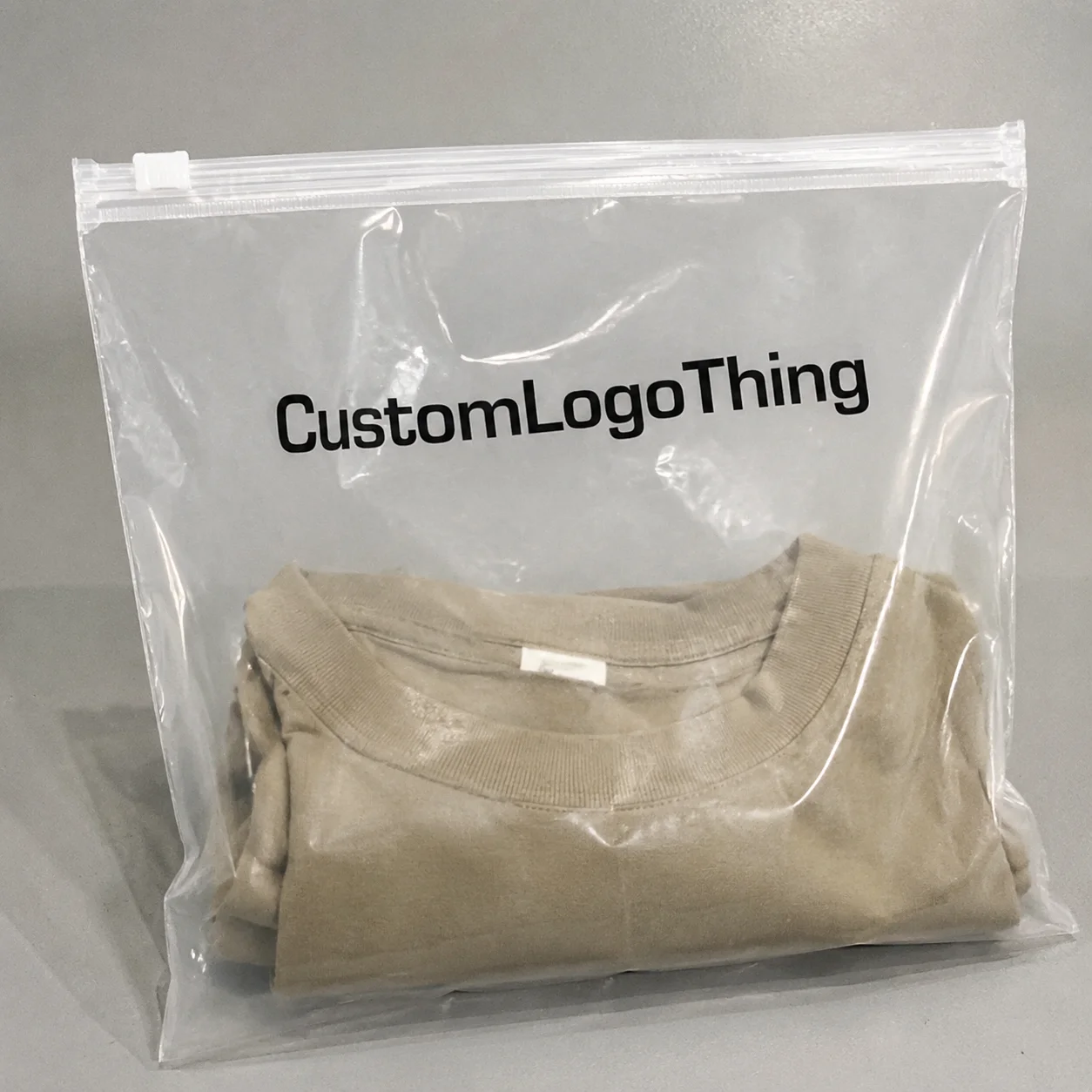
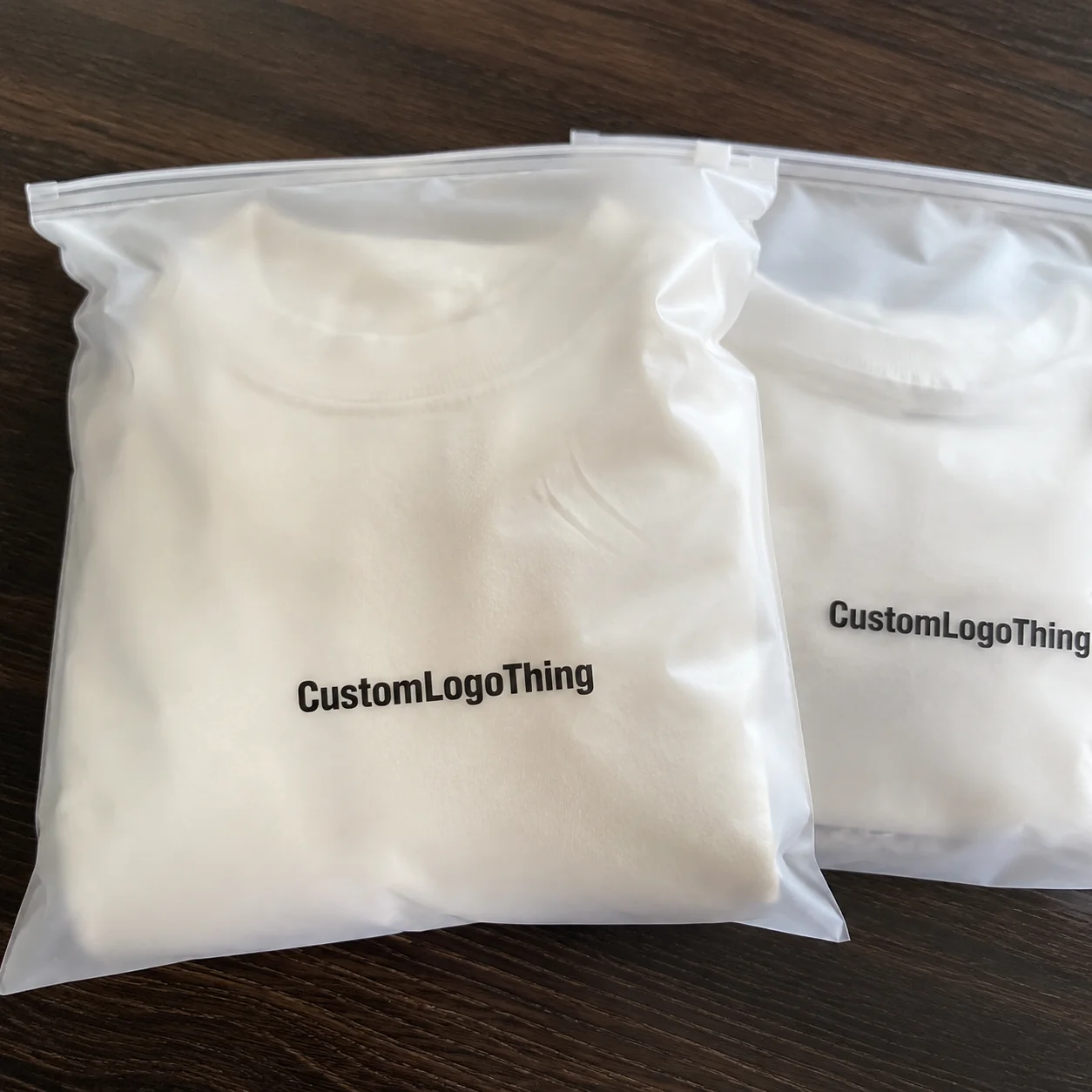
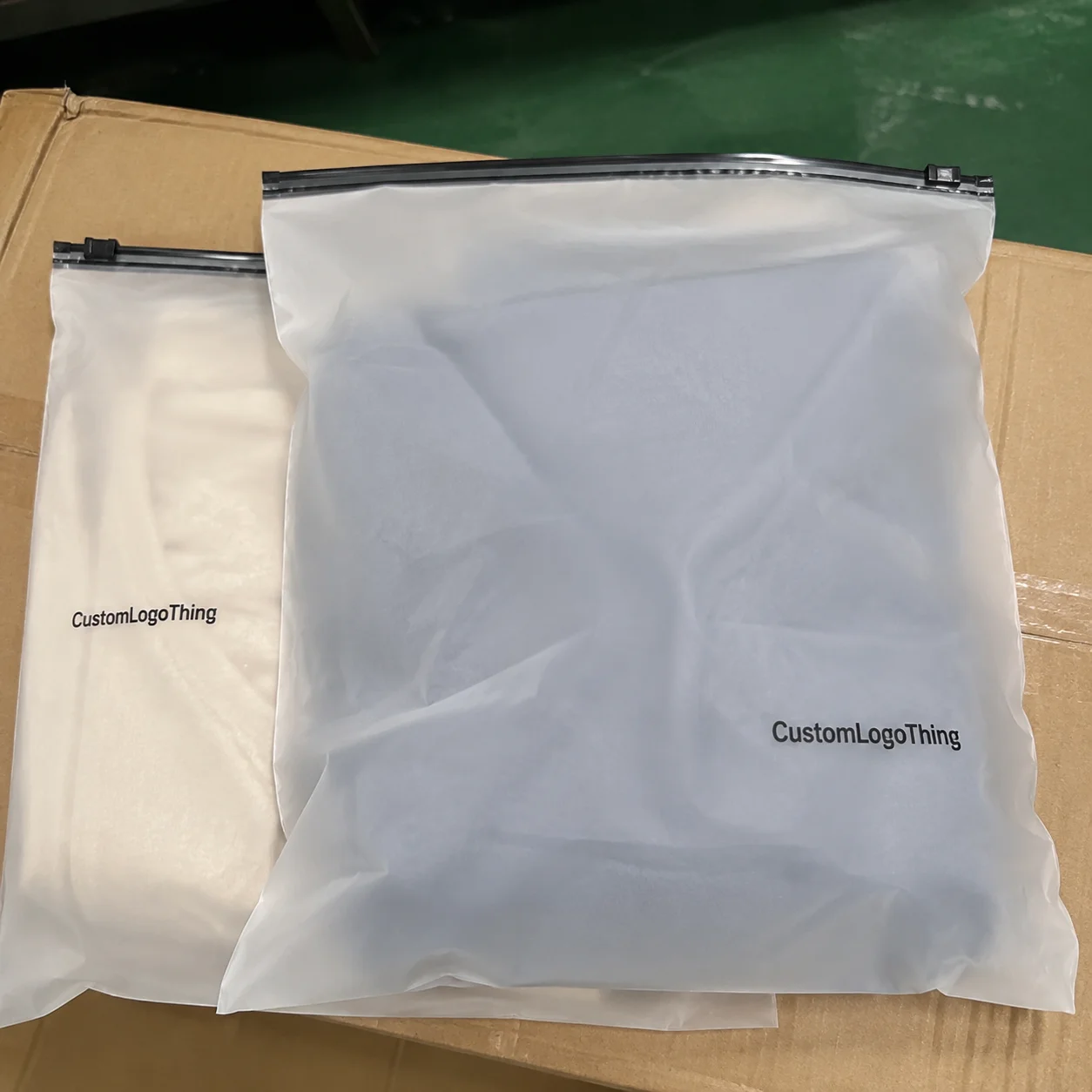
A poly bag looks painfully simple until it starts causing problems at the packing bench. Then everyone suddenly cares about gauge, seals, adhesive, vent holes, carton labels, and whether the barcode scans after the bag has been folded into a box.
Buyers sourcing Recyclable Poly Bags Wholesale private label need more than a logo printed on clear film. They need the right resin, bag size, closure, print layout, and packing format for the product and the fulfillment process. Miss one of those, and the “cheap bag” becomes expensive in labor, rework, returns, or customer complaints. Funny how that works.
A 1.5 mil LDPE lip-and-tape bag behaves very differently from a 2.5 mil side-gusset bag, even if both are clear polyethylene bags. Small choices change unit cost, packing speed, barcode readability, recyclability guidance, moisture protection, and the first impression inside the shipping carton.
Recyclable Poly Bags Wholesale Private Label Buyers Can Order With Confidence
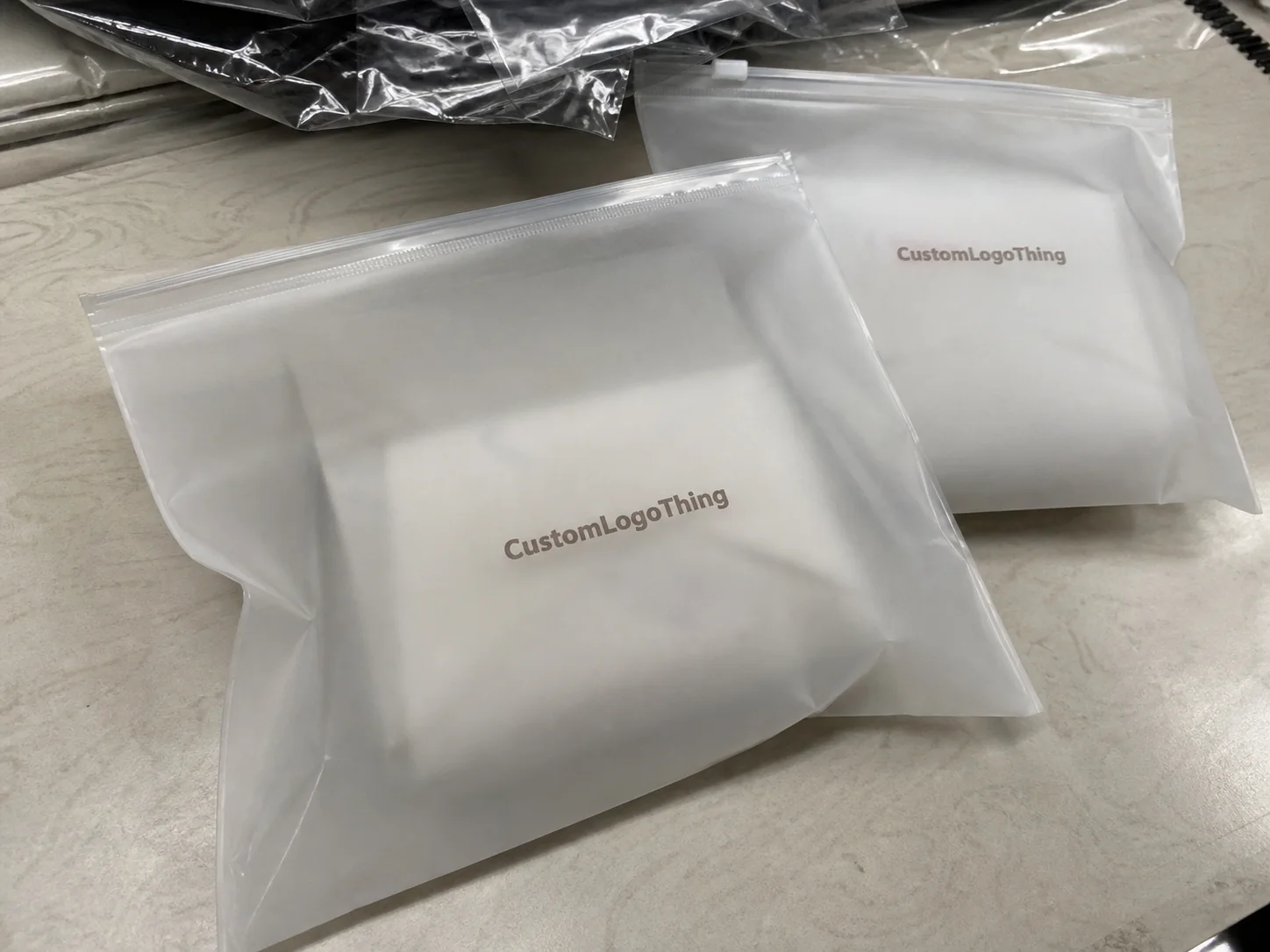
Recyclable poly bags are common for apparel, soft goods, accessories, replacement parts, sample kits, retail packs, instruction sets, and warehouse handling. They are light, printable, moisture resistant, and easy to cartonize. From a packaging buyer’s seat, that combination is hard to beat.
A stack of 5,000 flat bags takes less room than rigid boxes. It usually ships with lower freight volume. It can often be packed by hand or on semi-automatic equipment without reworking the whole line. That is the practical reason poly bags keep showing up in warehouses, not because anyone is emotionally attached to plastic film.
“Recyclable” is not a magic word. It depends on the material structure, local recycling rules, retail drop-off compatibility, print coverage, adhesives, labels, closures, contamination, and whether the end user has access to a flexible-film collection stream. The cleanest route is usually a mono-material polyethylene structure, often LDPE or HDPE, with compatible inks and minimal add-ons.
For private label wholesale orders, a serious supplier should confirm specifications before production money is locked in. That means dimensions, film gauge, closure details, print placement, quantity breaks, proofing steps, carton labels, and real lead time. Samples and proofs are not admin theater. They prevent undersized bags, weak seals, bad logo placement, unsupported recycling claims, and warehouse intake messes.
Practical rule: the bag should be strong enough for the product and the handling route, but not overbuilt just because heavier film feels safer on a spec sheet.
Custom Logo Things works best with buyers who want the straight version. If a simple one-color recyclable bag will do the job, it does not need to be dressed up as a premium structure. If the product has sharp corners, high return rates, retail display requirements, or barcode scanning needs, those details belong in the quote conversation before production starts.
Material Choices, Recyclability, and Bag Styles That Fit Your Product
Most recyclable private label poly bags start with polyethylene. LDPE, or low-density polyethylene, has a softer hand, good clarity, and a flexible feel. It is common for apparel, textiles, soft accessories, and general merchandise because it looks clean without feeling stiff or noisy.
HDPE, or high-density polyethylene, feels crisper and stiffer, often with a slightly frosted look. It can be economical where the application does not need the same soft presentation. HDPE also has good strength at lower gauges, though the feel may not suit every retail-facing product.
Mono-material construction matters. A bag made from one compatible plastic family is usually easier to position for recycling than a laminated structure with foil, PET layers, paper windows, heavy adhesive labels, or mixed-material handles. Not every market accepts flexible film in curbside bins, so broad recycling claims need restraint. The U.S. Environmental Protection Agency recycling resources are a useful starting point for understanding how collection and contamination affect real recovery.
Common private label bag styles include flat poly bags, wicketed bags for faster packing, suffocation-warning Bags for Apparel and soft goods, hang-hole retail bags, resealable lip-and-tape bags, side-gusset Bags for Bulky items, header bags for peg display, and lightweight protective sleeves for inserts or components.
A plain flat bag might be right for 3,000 instruction kits. A vented lip-and-tape bag may be better for folded hoodies that trap air during carton packing. A side-gusset bag can save operators from wrestling bulky goods into a flat bag that was never going to fit well. Yes, that happens more than anyone wants to admit.
Features need careful thought because each one affects production and price. Peel-and-seal adhesive strips improve closing speed. Zip closures support reuse but add cost and thickness. Tear notches, die-cut handles, hang holes, perforations, vents, bottom seals, and side seals all change the converting setup.
Vents are especially useful for soft goods. They let trapped air escape, reduce ballooning in cartons, and improve pallet stability. The tradeoff is reduced moisture barrier, so venting is not an automatic yes for every product.
Private label printing can include logo marks, product information panels, barcode zones, size codes, batch details, recycling language where supportable, warning text, and carton labels for receiving. If you already use Custom Labels & Tags on other packaging, the same brand hierarchy can usually carry onto poly film. The artwork still has to respect seal zones, ink limits, folds, and barcode quiet space.
| Bag Style | Common Use | Typical Gauge Range | Practical Buyer Note |
|---|---|---|---|
| Flat LDPE bag | Apparel, parts, inserts | 1.25-3 mil | Simple, economical, and easy to standardize across multiple SKUs. |
| Lip-and-tape bag | Folded garments, returns, retail prep | 1.5-2.5 mil | Adhesive strip improves closure speed and keeps packing more consistent. |
| Wicketed bag | Higher-volume packing lines | 1-2 mil | Useful where operators need fast bag loading at the bench. |
| Side-gusset bag | Bulky soft goods, kits | 2-4 mil | Extra depth helps prevent strained seals and tight corners. |
| Header or hang-hole bag | Retail display | 1.5-3 mil | Needs a stronger top area and accurate hole placement. |
Specifications to Confirm Before Production
Good custom bag production starts with measurements that mean the same thing to purchasing, artwork, production, and the packing team. Confirm usable width, usable length, flap length, lip size, gusset depth, seal placement, vent-hole position, hang-hole center, and tolerance requirements.
A bag listed as 10 x 12 inches may not give you a full 12 inches of usable depth once the seal, flap, and product thickness are involved. Soft goods compress. Rigid corners do not. Bulky items need more clearance than a flat width-and-length measurement suggests.
Film gauge is one of the fastest cost drivers to misunderstand. Thinner films, such as 1.25 or 1.5 mil, can reduce resin use and unit price on light products. Heavier films, such as 2.5, 3, or 4 mil, add puncture resistance, opacity, structure, and a more substantial feel in the hand.
I see buyers overspec gauge when they are really trying to solve a sizing or carton-handling problem. Sometimes the better answer is a slightly larger bag, a gusset, or vent holes. More plastic is not always more protection. Sometimes it is just more plastic.
Print specifications need the same discipline. One-color spot printing is usually the most economical route for wholesale private label poly bags, especially at 5,000 to 25,000 units. Multi-color printing, flood coverage, tight registration, and large ink panels increase cost and may affect recycling guidance.
Barcode areas need clean contrast, proper quiet zones, and enough distance from folds or seals to scan reliably at receiving or pick-pack stations. A barcode that looks fine in a flat proof can fail after the bag is filled, sealed, wrinkled, and shoved into a master carton. That is not a design win.
Compliance language should be handled carefully. Suffocation warnings are often requested for apparel and soft-goods bags, especially where the bag opening size creates a child-safety concern. Country-of-origin language may apply depending on the product and distribution channel. Recycling symbols should only be used when they are supportable for the material and market.
ASTM standards can be relevant for testing film properties, while transit testing programs from ISTA can help buyers think through shipping exposure for broader packaging systems. Not every poly bag order needs formal lab testing, but higher-risk products, retail programs, and national distribution channels deserve more than a shrug.
Operational specifications matter as much as the visible design. Confirm whether bags are loose packed, on rolls, wicketed, bundled in 100s, case packed in 1,000s, or labeled by SKU. Warehouses care about carton count, master carton dimensions, pallet configuration, scan-ready labels, and whether mixed SKUs are easy to identify.
If you can send a current bag sample, product sample, or packed product dimensions, do it. For Recyclable Poly Bags Wholesale private label projects, the most accurate quote often comes from one good sample and a clean photo of how the item is packed today.
Pricing, MOQ, and Unit Cost Drivers for Custom Poly Bags
Wholesale poly bag pricing is driven by resin type, film gauge, bag size, print colors, ink coverage, closure type, finishing steps, packing format, order quantity, and freight volume. A plain 8 x 10 inch one-color LDPE bag at 10,000 pieces sits in a different price band than a 14 x 18 inch gusseted lip-and-tape bag with heavy print coverage and carton-specific labeling.
As a planning range, simple custom printed bags may fall around $0.08-$0.18 per unit at higher quantities. Larger or more finished bags can run $0.18-$0.35 or more, depending on size, gauge, closure, print, and freight. These are not universal prices. Resin markets move, freight changes, and tiny specification changes can push cost around.
MOQ is not just a sales gate. It is tied to machine setup, film extrusion or film sourcing, printing plate setup, ink changes, cutting and sealing setup, adhesive application, counting, carton packing, and quality checks. A 2,500-piece run may sound small from a buyer’s desk, but production still needs setup time, material preparation, proof review, and packing labor.
Larger orders usually reduce unit cost because those fixed steps are spread across more bags. That does not mean every buyer should jump to 50,000 pieces. If the artwork, SKU mix, or product dimensions may change soon, inventory risk can wipe out the savings.
Buyers can control several cost levers without weakening the package. Simplify artwork to one or two spot colors. Standardize two or three bag sizes across multiple SKUs instead of creating a custom size for every item. Avoid unnecessary gauge. Keep ink coverage reasonable. Use common closure formats. Ask whether a stock film width can be used before specifying a dimension that creates trim waste.
A serious quote should include bag dimensions, gauge, material, color or clarity, print method, number of colors, closure, quantity breaks, packing format, proofing steps, lead time, freight terms, and any tooling or setup charges. If one quote looks much cheaper than another, check whether freight, plates, samples, overrun policy, or carton labeling were excluded.
Custom Logo Things can also connect poly bags with related branded packaging, including Custom Poly Mailers for outbound shipping and broader Custom Packaging Products for retail or e-commerce programs. The point is not to make every component expensive. The point is to make the packaging system consistent, practical, and right-sized.
Process and Timeline From Quote to Delivered Private Label Bags
A clean order path usually runs like this: specification review, quote, artwork check, digital proof, optional sample or pre-production sample, production approval, manufacturing, quality check, packing, and shipment.
For many custom poly bag orders, production may take about 12-20 business days after proof approval. That depends on material availability, order size, print complexity, and finishing features. Larger programs, specialty closures, or pre-production sampling can stretch the schedule.
Artwork preparation is more technical than dropping a logo onto a rectangle. Vector files are preferred. Pantone or ink targets should be confirmed if color matching matters. Print placement needs to avoid seal areas, adhesive strips, hang holes, vent holes, and bag folds.
Warning text should remain legible after sealing and packing, not tucked into a corner where it wrinkles. Barcode quiet zones must stay clear. If the same bag covers multiple SKUs, the printed information cannot imply one size, color, scent, set count, or product variant unless that is true for every unit. Universal bags save money only when the copy stays accurate.
On the production side, film is made or sourced to spec, then printed if required. After printing, the film is converted into bags through cutting and sealing. Closure features such as peel-and-seal tape, perforations, wicket holes, vents, or hang holes are added depending on the construction.
Bags are inspected, counted, packed into cartons, and labeled for shipment. That sounds orderly because it has to be. One missed setup detail can create thousands of wrong bags quickly, and nobody enjoys discovering that after inventory has already been received.
Buyers can shorten turnaround by approving proofs quickly, sending vector artwork early, confirming exact dimensions before quoting, consolidating revisions, and giving a realistic delivery window. Waiting until inventory is down to three days of supply puts pressure on every step and often forces freight choices that erase any unit-cost savings.
Reorder planning deserves attention. Track monthly usage, peak-season demand, return-bag needs, warehouse space, and SKU changes. The second and third runs are often smoother because the material, artwork, carton labels, and approved sample are already established. If the first order proves the size and gauge, future quotes can move faster and with fewer surprises.
Quality Checks That Protect Your Brand Before the Bags Ship
A low-cost bag still needs disciplined quality control. Weak seals, poor ink adhesion, bad registration, off-size cuts, inconsistent adhesive strips, blocked vent holes, or short carton counts can slow packing lines and create customer complaints. The customer may throw the bag away. Your operation still has to live with it first.
Practical checks include dimension verification, gauge sampling, seal strength review, print clarity, color consistency, closure performance, vent placement, hang-hole alignment, carton count, and case-label accuracy. For resealable bags, the adhesive strip should close cleanly without tearing the flap or leaving the liner difficult to remove. For wicketed bags, hole placement and stack count need to support the packing method.
Proof review is one of the cheapest quality steps in the whole process. Check logo placement, spelling, warning language, recycling claims, barcode readability, orientation, and SKU references. Look at the proof like a person who will have to pack 800 units before lunch, not like someone approving a pretty rectangle on a screen.
Recycling claims should be accurate and conservative. A polyethylene bag may be technically recyclable in certain film collection streams, but heavy ink coverage, mixed-material labels, or product contamination can reduce the practical recovery path. If your market relies on store drop-off or a specific take-back instruction, that language should be reviewed before it is printed across 25,000 bags.
Reference samples help teams align. Purchasing sees cost and quantity. Marketing sees brand presentation. Warehouse teams see packing speed and carton labels. Quality teams see tolerances and defects. An approved production sample gives everyone the same standard before full cartons arrive.
That is the factory-aware approach Custom Logo Things favors. A nice-looking printed bag is not enough. The stronger target is a repeatable package that receives cleanly, packs quickly, stores predictably, protects the product, and reaches the customer without creating avoidable questions.
Getting a Fast, Accurate Wholesale Bag Quote
The fastest quote starts with useful information. Share bag width and length, product type, target gauge if known, quantity, print colors, logo files, closure preference, packing format, delivery location, and any required warning or recycling language.
If you do not know the gauge, describe the product weight, sharp edges, shipping method, and whether the bag needs a soft retail feel or basic warehouse protection. A good supplier can usually translate those details into a starting recommendation.
- Dimensions: usable width, usable length, flap length, gusset depth, and tolerance needs.
- Material: LDPE, HDPE, clear, frosted, tinted, or another requested polyethylene film.
- Printing: logo files, Pantone targets, print colors, barcode areas, and warning text.
- Closure: open top, lip-and-tape, zip, perforation, wicketing, hang hole, or vents.
- Logistics: quantity breaks, case pack, carton labeling, destination, and target delivery window.
If sizing is uncertain, send a current bag, competitor sample, product photo, or product dimensions. These references prevent two common mistakes: under-sizing the bag so operators fight with every pack, and over-sizing it so you pay for extra film, extra carton volume, and a loose presentation. A half inch can matter on a rigid part. Two inches can matter on a bulky sweatshirt.
Compare quotes by total landed cost, not unit price alone. Freight, carton count, pallet volume, setup charges, plate charges, overrun or underrun policy, proofing, sample cost, and reorder consistency all matter. Ask for quantity breaks at 5,000, 10,000, 25,000, and 50,000 pieces if your usage supports it.
Sometimes the price step down is meaningful. Sometimes warehouse space is more valuable than a lower unit cost. Buying 50,000 bags right before a rebrand is not strategic. It is just storage with regret attached.
Buyers building broader packaging programs can review Wholesale Programs to coordinate bags, labels, mailers, and repeat orders under a more predictable purchasing rhythm. That coordination helps keep artwork, cartons, and reorder timing from drifting across SKUs.
For Recyclable Poly Bags Wholesale private label, the strongest starting point is a tight specification, clean artwork, realistic quantity, and a supplier willing to explain the tradeoffs before production begins. Custom Logo Things can help sort out material, gauge, print, MOQ, and lead time without overcomplicating the bag or watering down the brand presentation.
FAQ
What makes recyclable poly bags private label ready?
Private label-ready bags are built to your size, material, gauge, closure, and print requirements, with your logo, product information, barcode space, warning text, and carton labeling prepared for wholesale distribution. For recyclability, the cleanest approach is usually a mono-material polyethylene structure with compatible inks and minimal mixed-material components.
What is the typical MOQ for wholesale recyclable poly bags?
MOQ depends on bag size, film gauge, print colors, closure type, and whether the order uses a standard or custom construction. Higher quantities generally reduce unit cost because printing, setup, cutting, sealing, and packing time are spread across more bags. Small runs may be possible, but they rarely carry the best unit price.
Can recyclable poly bags be printed with full private label branding?
Yes. Recyclable poly bags can usually be printed with logos, handling instructions, size codes, product details, barcodes, and recycling guidance when the artwork is prepared correctly. Heavy ink coverage, tight registration, or unsupported environmental claims should be reviewed before production because they can affect cost, appearance, and recycling communication.
How do I choose the right gauge for custom recyclable poly bags?
Start with product weight, sharp edges, packing method, shipping exposure, and desired feel in the customer’s hand. A lighter gauge can save resin and cost. A heavier gauge may be needed for puncture resistance, opacity, or a more substantial presentation. If the bag feels wrong, check size and construction before simply moving to thicker film.
How long does production take for recyclable poly bag wholesale orders?
Lead time depends on order quantity, material availability, print complexity, sample approval, and finishing features such as adhesive closures, perforations, vents, or wicketing. Many custom orders take about 12-20 business days after proof approval, but the schedule should be confirmed during quoting. Exact dimensions, vector artwork, clear print instructions, and fast proof approvals help keep the order moving.