Buyer Fit Snapshot
| Best fit | recycled boutique bags with logo for packaging buyers comparing material specs, print proof, MOQ, unit cost, freight, and repeat-order risk where brand print, material, artwork control, and repeat-order consistency matter. |
|---|---|
| Quote inputs | Share finished size, material target, print colors, finish, packing count, annual reorder estimate, and delivery region. |
| Proofing check | Approve dieline scale, logo placement, barcode or warning zones, color tolerance, and any recyclable or compostable wording before bulk production. |
| Main risk | Vague material claims, crowded artwork, or missing packing details can create delays even when the unit price looks attractive. |
Fast answer: Recycled Boutique Bags with Logo: Sustainable Packaging should be specified like a repeatable production item. The safest quote includes material, print method, finish, artwork proof, carton packing, and reorder notes in one written spec.
What to confirm before approving the packaging proof
Check the product dimensions against the actual filled item, not only the sales mockup. Ask for tolerance on folds, seals, hang holes, label areas, and retail display edges. If the package carries a logo, QR code, warning copy, or legal claim, reserve that space before decorative graphics fill the panel.
How to compare quotes without losing quality
Compare board or film grade, print process, finish, sampling route, tooling charges, carton quantity, and freight assumptions side by side. A lower quote is only useful if the supplier can repeat the same color, closure quality, and packing count on the next order.
Recycled boutique Bags with Logo get attention for reasons that are practical before they are poetic. A shopper notices the bag, feels the paper, sees the logo, and makes a fast judgment about the brand behind it. That chain of reactions is quick, and it is usually honest. If the bag feels considered, the brand feels considered. If it feels flimsy or overworked, the impression slips just as quickly.
For a packaging buyer, recycled boutique Bags With Logo sit in a very usable sweet spot. They look more refined than a plain carry bag, carry a cleaner sustainability message than overdesigned packaging, and still leave room for careful branding. The challenge is not finding a recycled bag. The challenge is choosing a spec that feels substantial without wasting money on decoration that adds little value. Paper weight, handle style, print method, and finish all have a say in the final result.
The bag has a straightforward job: hold the product, carry the brand, and leave the customer with a tidy impression. That sounds simple until the details start arguing with each other. A thin bag can feel cheap. A heavy bag with too much embellishment can feel theatrical. A bag that costs too much for its purpose drains budget that might have been better spent elsewhere. The right balance lets recycled boutique bags with logo look polished, feel sturdy, and still support a sensible sustainability story.
“If the bag buckles, tears, or looks unfinished, the customer notices before the product even gets home.”
Recycled Boutique Bags with Logo: Why They Stand Out
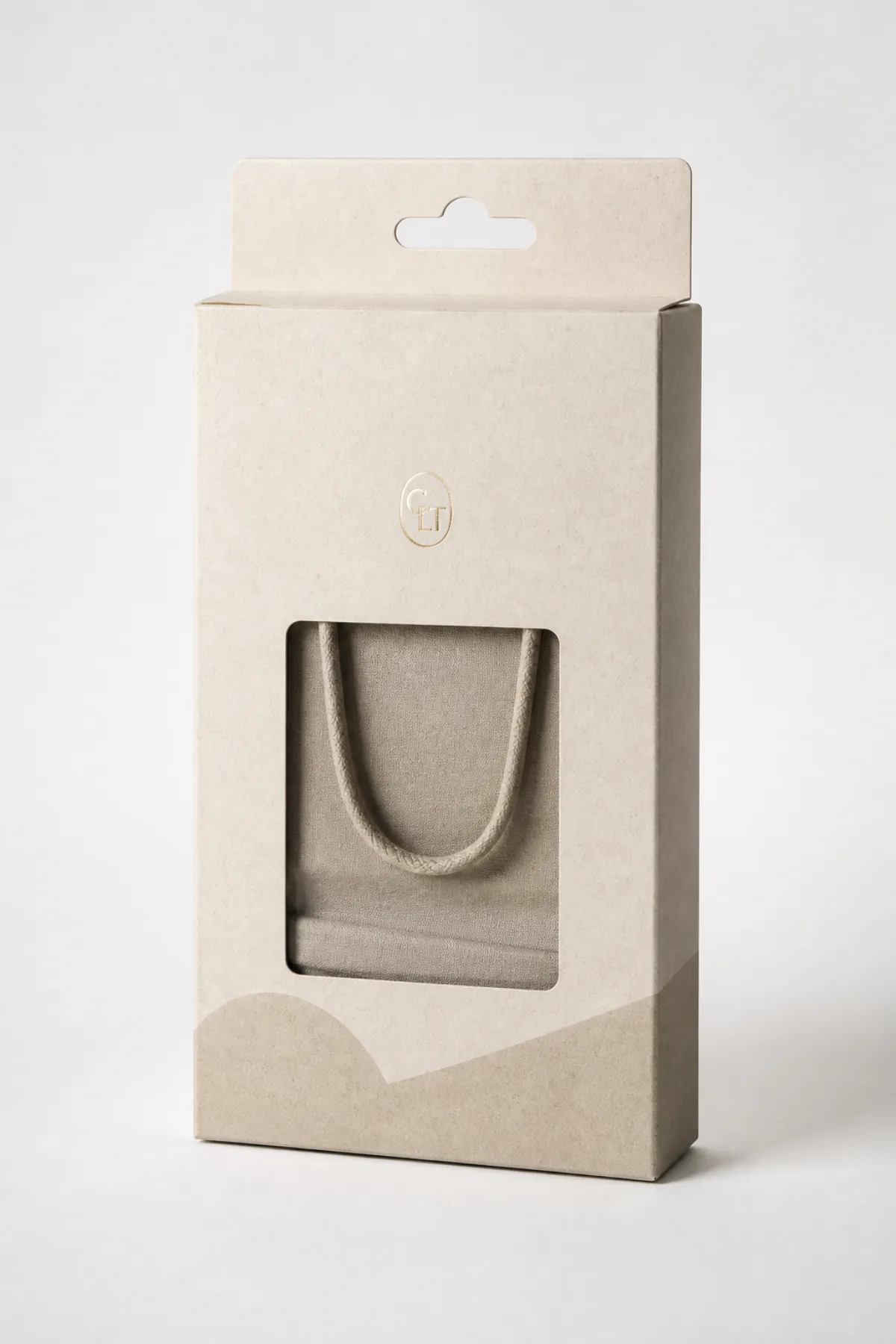
Recycled boutique bags with logo are retail paper bags made from recovered fibers, recycled content, or recycled paper blends, then finished with a printed or stamped brand mark. The definition is simple. The quality lives in the execution. Paper stiffness, fold precision, handle attachment, color accuracy, and how the bag holds up after repeated use all shape the final experience. A bag that looks good on the counter but falls apart in the car is not doing its job.
Retail customers make packaging judgments quickly. In a boutique, that judgment can happen before the product tag is even fully read. A well-sized bag with a clear logo and balanced proportions can make a modest purchase feel intentional and cared for. A weaker bag can make the same item feel discounted, even if the product itself is excellent. Recycled boutique bags with logo influence that first impression in ways many brands only notice after a bad batch goes out the door.
The format stands apart from ordinary paper bags because it needs to do two things at once. It has to communicate recycled content in a believable way, and it has to look like retail packaging rather than something handed over at a grocery till. That means neat folds, clean edge alignment, enough stiffness to stand upright, and a structure that does not collapse the moment it is set down. When the construction looks careless, the branding loses weight with it.
Recycled does not mean rough by default. It also does not mean the bag should be brown just to prove a point. Better results usually come from restraint: a clear logo, a limited color palette, and paper that suits the product instead of trying to imitate a luxury gift box. Recycled boutique bags with logo often look strongest when the design is calm and the material choice feels honest rather than performative.
For sourcing confidence, a few industry references are worth keeping nearby. The Institute of Packaging Professionals offers practical material education, and the EPA’s recycling guidance gives a solid baseline for understanding recycled-content language and the meaning behind common claims: EPA recycling basics. Neither one replaces a proper supplier spec, but both help keep the conversation grounded in actual materials and not marketing fog.
The best way to think about recycled boutique bags with logo is as a retail tool, not a virtue display. A well-made bag supports the sale, extends the brand in the customer’s hand, and survives the trip home with enough dignity to be reused. A poor bag sends a small complaint out into the world every time it is lifted by the handle.
How Recycled Boutique Bags with Logo Are Made
The production path for recycled boutique bags with logo begins with the paper itself. Most projects use recycled kraft, recycled art paper, or a recycled-stock blend that improves print performance and structural strength. Recycled kraft brings a natural, earthy look along with dependable tear resistance. Recycled art paper tends to print more sharply and suits logo-driven work nicely. Blends sit between the two, which is often where the best practical value lives.
Base Material Choices
Paper weight matters more than many buyers expect. A lightweight apparel bag may work well around 120-150 gsm. Bags carrying candles, boxed gifts, or folded denim often need 180-250 gsm, depending on the dimensions and how the handles are reinforced. If recycled boutique bags with logo are expected to stand on their own, survive repeated handling, and still look clean after being carried around, the paper spec needs to be chosen with the product in mind instead of with optimism.
Some suppliers also provide FSC-certified recycled stocks or similar chain-of-custody documentation, which can help if a brand wants clearer sourcing paperwork. FSC does not make a bag stronger by itself, but it does help explain where the fiber came from and gives your claims a more defensible shape. That matters when customers, retailers, or internal review teams start asking direct questions about materials. I have seen more than one project get delayed because nobody could explain the material mix cleanly the first time around.
Printing and Decoration
The print method changes both appearance and cost. Flexo works well for simple one- or two-color artwork on larger runs. Offset printing gives stronger image quality and better registration when the logo or graphic needs sharper detail. Digital printing is useful for smaller quantities or fast design changes, though the unit cost usually rises. Hot foil and embossing can raise the perceived value of recycled boutique bags with logo, but those touches also bring tooling and setup costs that only make sense for certain projects.
Simple artwork usually performs better than busy gradients or fine linework. That is not an aesthetic opinion dressed up as advice. Recycled paper carries more visible fiber movement and texture variation, and that texture can break up tiny details. Strong contrast, sensible spacing, and a defined safe zone around the logo usually deliver cleaner results. When the design leans on photography or delicate tonal shifts, expect more proofing and more room for color drift. A design that looks perfect on a screen can get a little muddy on recycled stock, and that is normal rather than alarming.
Handles, Structure, and Finish
Handles are where many bags fail quietly. Twisted paper handles are cost-effective and recyclable, and they suit many boutiques well. Rope handles feel more elevated and hold heavier loads better, although they raise the cost. Flat handles can work for lighter merchandise. For recycled boutique bags with logo, reinforcement usually matters more than showy handle choices. A weak handle attached to handsome paper is still a weak handle.
Structural decisions matter just as much. A reinforced top edge, a proper gusset, and a bottom board can separate a bag that feels dependable from one that gives up early. Finishes should support the recycling goal rather than fight it. Water-based coatings, light matte treatments, or no coating at all are often cleaner options than heavy plastic lamination. If moisture resistance is required, ask exactly what barrier is being used and whether it affects recyclability in the market where the bags will be sold. Not every glossy finish is a problem, but not every “eco” finish is as friendly at end of life as the brochure makes it sound.
For a lot of orders, the best setup is not the most decorative one. It is the one that balances print clarity, physical strength, and a neat customer experience. That is how recycled boutique bags with logo end up looking premium without relying on a finish the product does not really need.
Cost, Pricing, and MOQ for Recycled Boutique Bags with Logo
Pricing for recycled boutique bags with logo comes down to a few consistent variables: size, paper weight, handle type, number of print colors, finish complexity, and whether the bag needs custom tooling or die work. Many buyers expect the quote to be driven mostly by paper alone, but that is not how the bill builds. A simple one-color bag with standard handles can stay very manageable. Add foil, embossing, custom dimensions, special reinforcement, or unusual packing requirements, and the cost rises for reasons that are easy to explain once the spec is laid out clearly.
MOQ is another point where expectations often need adjusting. Smaller quantities usually push the unit price upward because setup, plate prep, and machine time are spread across fewer bags. An order for 500 bags will almost always cost more per unit than 5,000 bags, even if the product looks identical at first glance. In that sense, recycled boutique bags with logo reward advance planning. Small runs can be useful, but they are rarely the cheapest path.
It also helps to separate the quoted price from the landed cost. A bag quote only tells part of the story. Freight, duties, sample fees, packaging, and rush charges can change the final number more than buyers expect. Comparing suppliers only works if the same incoterm, carton count, and delivery point are being used. Otherwise the numbers are more costume than reality. A low quote can turn expensive quickly once shipping and surcharges appear.
| Option | Typical Spec | Best Use | Rough Unit Cost at 5,000 pcs | Notes |
|---|---|---|---|---|
| Simple recycled kraft | 150-180 gsm, one-color print, twisted paper handles | Apparel, gifts, everyday retail | $0.18-$0.28 | Best value for recycled boutique bags with logo when the artwork stays clean and direct. |
| Heavier recycled art paper | 180-230 gsm, two-color print, reinforced top | Cosmetics, candles, premium retail | $0.28-$0.45 | Better print clarity and a more polished retail feel. |
| Premium finished bag | Foil, emboss, rope handles, matte coating | Launches, gifting, flagship stores | $0.45-$0.85+ | Sharp appearance, though the added features can push the budget upward quickly. |
| Low MOQ custom run | Smaller quantity, same-size custom print | Test programs, pop-ups, limited releases | $0.45-$1.20+ | Useful when flexibility matters more than scale. |
The real question is not “What is the cheapest bag?” It is “Which spec protects the brand and respects the budget at the same time?” A one-color recycled bag often delivers the strongest return because it keeps setup simple and the print clean. For recycled boutique bags with logo, a disciplined design language usually reads as more upscale than a crowded bag trying to prove itself.
There is a budget split worth keeping in mind. Daily retail use calls for spending first on durability and structure. A special campaign or launch may justify a little more spending on finish. Trade shows, store openings, and holiday gifting can support a bag that acts like a brand prop, since the packaging becomes part of the event itself. Context matters. A bag that makes sense for a weekday sale may not be the right choice for a launch wall or a holiday display.
One pricing trap appears again and again: a low quote that hides weak assumptions. Ask whether artwork revisions are included, whether samples are free or charged, how cartons are packed, and whether any mold or plate fees apply. The more specific the brief, the fewer surprises show up later. That matters even more for recycled boutique bags with logo, because “close enough” pricing often stops being attractive once the full spec is exposed.
Process, Timeline, and Production Steps for Recycled Boutique Bags with Logo
The production flow for recycled boutique bags with logo usually follows a familiar path: brief, sizing, artwork prep, material approval, sampling, production, inspection, packing, and shipment. It sounds orderly because paper packaging is supposed to be orderly. In practice, the schedule bends around artwork revisions, stock availability, and the speed of feedback from the buyer side. One delayed approval can push the rest of the timeline around more than people expect.
Turnaround depends on the spec. Standard sizes with simple printing usually move faster, while custom dimensions, specialty handles, and layered finishes can add days or even weeks. A plain recycled bag with one-color branding may finish in roughly 12-20 business days after proof approval, depending on factory capacity. More complex orders take longer, especially if sampling travels back and forth more than once. For recycled boutique bags with logo, timelines stretch fastest when buyers revise artwork after proofs are already under way. That kind of delay is self-inflicted, but it still affects the shipment date.
Artwork is usually the first bottleneck. Missing dielines, low-resolution logos, vague Pantone references, or copy set too small for the bag can slow everything down. Color matching deserves attention too. Recycled paper has more variation than coated stock, so the same print can read slightly differently from run to run. That does not automatically mean a bad job. It means the approval process needs clear standards and realistic expectations about natural variation in the substrate.
Sampling matters, especially for recycled boutique bags with logo that will be handled every day in a retail setting. A physical sample tells you whether the bag fits the product, whether the handles feel right, whether the logo sits correctly, and whether the bag holds shape on a shelf or counter. A screen mockup cannot tell you how the paper behaves after a dozen lifts or whether the bottom board flexes under a heavier item. A sample in hand is a lot less romantic, but it tells you what the bag is gonna do in real use.
Inspection should be treated as part of the job, not as a decorative extra. Check print registration, clean folding, secure glue lines, and carton count accuracy. For transport, it is reasonable to ask how the cartons are packed and whether they reflect any ISTA-style transit thinking. If the route is rough or the shipment is sensitive, you can ask for packaging that lines up with tests such as ISTA 3A or related ASTM handling standards. The point is not to pretend the factory is a lab; the point is to keep the shipment from arriving bent, crushed, or short-counted.
Here is the practical planning advice: build in buffer time before launches, store openings, and seasonal drops. A bag should support the event, not become the emergency. If the design is final, the material is approved, and the supplier has confirmed capacity, the process usually moves cleanly. If any one of those pieces is shaky, recycled boutique bags with logo tend to be the first item that slips.
Key Factors That Affect Quality, Durability, and Brand Perception
Quality shows itself quickly in recycled boutique bags with logo. Shoppers notice crisp folds, even ink coverage, neat handle attachment, and whether the bag stands upright rather than slumping into a tired rectangle. Those details are small on paper and large in the hand. If the bag looks precise, the brand feels precise. If the bag looks rushed, the brand inherits that feeling whether it deserves it or not.
Durability begins with the paper and ends with reinforcement. A thicker sheet does not solve every problem by itself. Bottom support, gusset width, adhesive quality, and handle attachment all affect how the bag behaves once it is filled. A carefully built 180 gsm bag can outperform a poorly assembled 220 gsm bag if the reinforcement is smarter. That is why buyers ordering recycled boutique bags with logo should think in terms of structure first and paper thickness second.
Brand perception depends a lot on restraint. Earthy materials can look premium when the design is controlled. They can also look tired if the print is crowded or the surface feels blotchy. Strong contrast, one clear logo, and disciplined spacing usually read as more upscale than artwork trying to tell several stories at once. The bag is packaging, not a billboard.
Sustainability credibility matters too. Customers trust specific claims more than vague green language. If the bag uses recycled fibers, say that plainly. If the handles are reinforced and the bag gets reused several times, that is a better story than a broad slogan. The strongest recycled boutique bags with logo keep the message simple: recycled content, durable construction, and sourcing documentation where it applies.
For buyers who like a quick checklist, this is the practical one:
- Paper weight: matched to product weight instead of chosen by habit.
- Handle strength: tested with real merchandise, not just handled once in a sample room.
- Print clarity: readable at arm’s length and still clean on recycled texture.
- Structure: stable on the counter, steady in the hand, and predictable in transit.
- Paper claims: backed by documentation instead of a vague “eco-friendly” label.
If sourcing language needs a deeper reference point, the Forest Stewardship Council is useful for chain-of-custody and certified fiber claims. Pair that with supplier documentation that is specific and current, and recycled boutique bags with logo become easier to explain internally and easier to defend when customers ask where the material came from.
Strong packaging does not need to shout. It holds its shape, looks tidy, and lets the product carry the spotlight.
Common Mistakes When Ordering Recycled Boutique Bags with Logo
The first common mistake is choosing the wrong size. A bag that is too small makes the product look cramped. A bag that is too large feels wasteful and awkward. A boutique bag should fit the product, tissue, and any insert without appearing overstuffed or empty. With recycled boutique bags with logo, proportions matter even more because recycled surfaces already carry a natural texture, and poor sizing makes that texture look even more noticeable.
The second mistake is overdesigning the print. Too many colors, tiny text, gradients, and crowded artwork create three problems at once: readability drops, cost rises, and the bag starts to feel less premium. A clean one-color logo often wins because it keeps the message direct. If the design needs more visual energy, shape, spacing, or a stronger paper tone usually does more than stacking on extra ink.
The third mistake is choosing weak materials because the quote looks attractive. Thin paper, flimsy handles, and poor reinforcement save pennies and cost credibility. One torn handle in a customer’s hand can make the entire batch feel cheap. That is not a small production issue. That is a brand issue. For recycled boutique bags with logo, the bag has to survive real use, not a neat mockup on a spreadsheet.
The fourth mistake is assuming the timeline will behave out of politeness. If artwork is still being edited, the dieline is not approved, or the supplier has not confirmed stock, the schedule is already at risk. Rush orders can work, but they cost more and leave less room for correction. The cleaner path is to lock the brief first, then move the order forward. That sequence saves money and keeps pressure from spreading through the rest of the project.
The fifth mistake is chasing the lowest quote without comparing the actual spec. One supplier may quote less per unit but charge more for freight, samples, packing, or a finish that was quietly excluded. Another may include better paper, stronger handles, and more consistent print. If you are buying recycled boutique bags with logo, compare like for like. Same size, same gsm, same handle type, same delivery terms. Anything less is just arithmetic theater.
Expert Tips and Next Steps for Better Recycled Boutique Bags with Logo
If you want a smoother buying process, begin with one clear use case. Is the bag for apparel, candles, boxed gifts, cosmetics, or a launch event? That answer drives the size, paper weight, and handle choice. From there, choose a target quantity band and ask for a sample before locking the spec. That simple sequence cuts down on back-and-forth and helps recycled boutique bags with logo stay aligned with the actual merchandise.
The easiest way to save money is not to thin the paper until it feels tired. It is to simplify the artwork and standardize the bag size. One logo color, a consistent format across product lines, and a handle style that already suits the load will usually beat a more decorative approach. If the design is clean, recycled boutique bags with logo can still look premium without dragging extra cost behind them.
Compare quotes with care. Do not ask only for price. Ask whether the numbers use the same paper weight, same print method, same handle, same carton pack, and same delivery assumption. Small differences in those inputs can change the final cost by a wide margin. A slightly higher quote with honest specs is often more useful than a cheaper one that leaves out the parts that matter most.
Then test the bag in the real world. Put the actual product inside. Carry it by hand. Set it on a counter. Photograph it under store lighting. Check whether the logo reads well on camera and in person. A bag that performs naturally in use is the one worth ordering again. That is the real benchmark for recycled boutique bags with logo, not a polished mockup that only looks right on a screen.
When it is time to request pricing, send the supplier the essentials: artwork, size, quantity, material preference, handle style, and target delivery date. Clear input leads to better quotes. It also reduces the chance of a number that looks fine until the details arrive. For recycled boutique bags with logo, precise briefs save time, reduce waste, and make the final result easier to trust.
Choose the bag that fits the product, the budget, and the brand story. That sounds obvious, which is usually a sign it gets overlooked. A good recycled bag does not need to pretend to be something else. It only needs to be well made, properly specified, and useful enough that people keep carrying it. That is how recycled boutique bags with logo earn their place instead of sitting in a storage room waiting for approval that never comes.
FAQ
What materials work best for recycled boutique bags with logo?
Recycled kraft and recycled art paper are the most common starting points because they balance cost, printability, and a natural premium look. Heavier paper and reinforced handles are a better fit for boutiques that sell apparel, candles, or boxed gifts. If the bag needs to feel upscale, focus on structure and print clarity instead of piling on coatings or decorative layers. That usually gives recycled boutique bags with logo a cleaner retail presence.
How much do recycled boutique bags with logo usually cost?
Pricing depends mostly on size, paper weight, print complexity, handle style, and order quantity. Simple one-color bags at higher volumes usually offer the best unit cost. Special finishes, custom sizes, and low MOQ orders raise the price quickly. For a more accurate number, ask for a quote with exact specs for recycled boutique bags with logo.
What is the typical MOQ for recycled boutique bags with logo?
MOQ varies by factory, but custom bags usually need enough quantity to cover setup and printing efficiency. Smaller minimums are possible, though they usually bring a higher unit cost. If you need a small run, ask whether the supplier has stock sizes that can be printed faster and more economically. That is often the most practical route for recycled boutique bags with logo on a tighter schedule.
How long does production take for recycled boutique bags with logo?
Simple jobs can move quickly, while custom sizes, specialty handles, or more complex printing add time. Artwork approval and sampling are common schedule bottlenecks. Build in buffer time before launches, because shipping and revisions can stretch the timeline. For recycled boutique bags with logo, the safest plan is to finalize the brief earlier than you think you need to.
Can recycled boutique bags with logo still look premium?
Yes, if the bag has strong structure, clean printing, and a restrained design. Premium usually comes from proportions, finishing accuracy, and the way the bag feels in the hand, not from flashy decoration. A simple recycled bag with a sharp logo often looks better than a crowded one trying too hard. That is why recycled boutique bags with logo can work beautifully in premium retail without feeling wasteful.
Takeaway: If you are ordering recycled boutique bags with logo, start by locking the product weight, the bag size, and the handle style before you discuss decoration. That order of decisions keeps the quote honest, protects the customer experience, and gives you a bag that feels deliberate instead of improvised.


