Buyer Fit Snapshot
| Best fit | recycled box sleeves with logo for packaging buyers comparing material specs, print proof, MOQ, unit cost, freight, and repeat-order risk where brand print, material, artwork control, and repeat-order consistency matter. |
|---|---|
| Quote inputs | Share finished size, material target, print colors, finish, packing count, annual reorder estimate, and delivery region. |
| Proofing check | Approve dieline scale, logo placement, barcode or warning zones, color tolerance, and any recyclable or compostable wording before bulk production. |
| Main risk | Vague material claims, crowded artwork, or missing packing details can create delays even when the unit price looks attractive. |
Fast answer: Recycled Box Sleeves with Logo: Sustainable Branding should be specified like a repeatable production item. The safest quote includes material, print method, finish, artwork proof, carton packing, and reorder notes in one written spec.
What to confirm before approving the packaging proof
Check the product dimensions against the actual filled item, not only the sales mockup. Ask for tolerance on folds, seals, hang holes, label areas, and retail display edges. If the package carries a logo, QR code, warning copy, or legal claim, reserve that space before decorative graphics fill the panel.
How to compare quotes without losing quality
Compare board or film grade, print process, finish, sampling route, tooling charges, carton quantity, and freight assumptions side by side. A lower quote is only useful if the supplier can repeat the same color, closure quality, and packing count on the next order.
Recycled Box Sleeves With Logo: Sustainable Branding
Recycled box sleeves with logo are one of the cleanest ways to give a plain carton a more finished look without turning the entire box into a print-heavy project. The carton keeps doing the structural work, the sleeve adds the brand layer, and the package gains shelf presence, a clearer story, and a lighter material footprint than a fully printed replacement box.
That matters because a lot of packaging problems are really presentation problems, not structural ones. The shipper already works, the retail box is already the right size, yet the outside still feels too plain for the moment it needs to create. A sleeve gives you a broad visible surface for a logo, product name, seasonal message, or sustainability claim, and it does that without forcing a complete structural redesign.
For Custom Logo Things, this format is especially useful when a brand needs a short-run launch piece, a retail-ready presentation, or an ecommerce insert that still feels premium when it arrives on a doorstep. The sections that follow cover how recycled box sleeves with logo work, what materials and print methods make sense, how pricing is usually built, and what to check before production gets approved.
Why recycled box sleeves with logo stand out in the unboxing moment
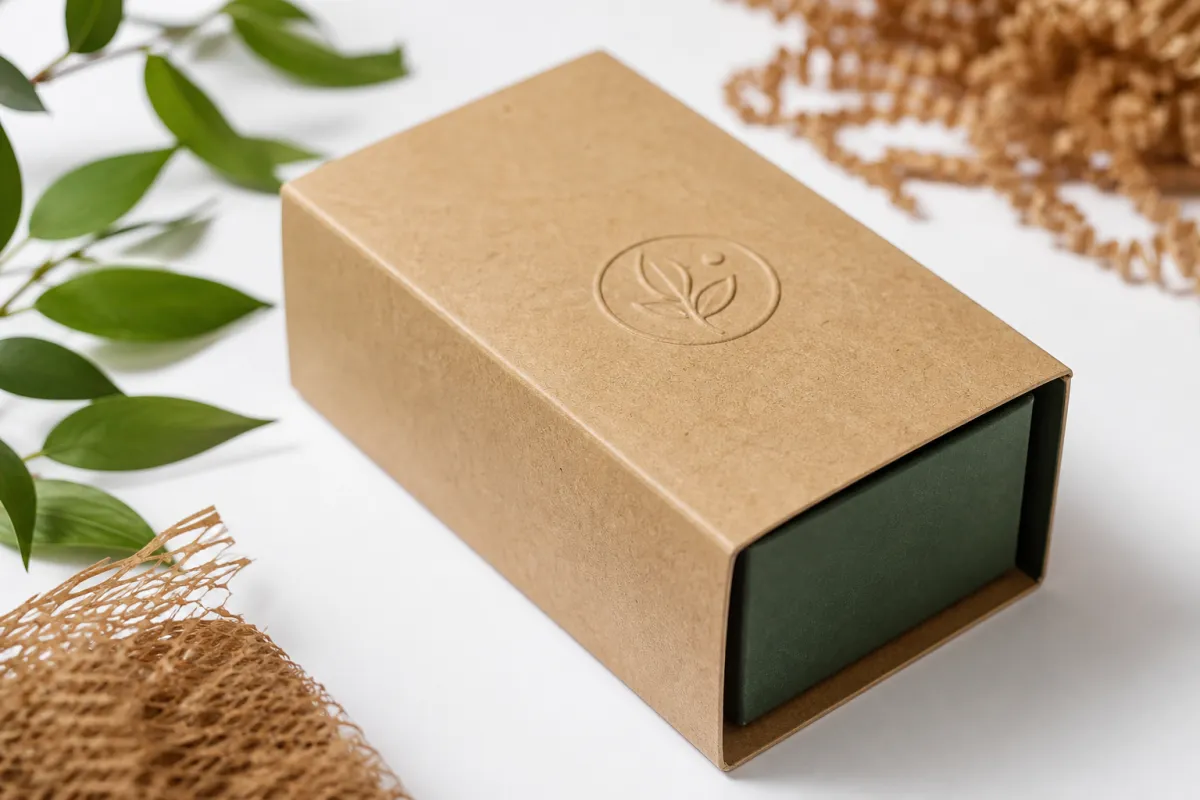
Recycled box sleeves with logo stand out because they solve a very specific packaging problem: the box is already carrying the load, but the outer face still needs to communicate brand, product, and intent in a single glance. A sleeve gives you a wide, uninterrupted branding zone, which is much easier to read than trying to squeeze a message onto tape, labels, or a small corner panel.
That surface matters most where the unboxing moment is doing real work. A plain shipper can feel anonymous, and a plain retail carton can disappear on shelf, yet recycled box sleeves with logo let the package feel deliberate without adding much board or creating a complicated structure. Buyers tend to come back to them for the same reason they keep returning to a sturdy paper shopping bag: the format does its job without making a fuss about it.
They are also flexible. One sleeve can carry a logo lockup, a product name, a campaign line, a QR code, or a sustainability statement, and those elements can be adjusted by season or SKU without changing the base carton. That flexibility is useful for limited runs, line extensions, ecommerce inserts, welcome kits, and retail-ready gift sets where the presentation needs to feel current without committing to a full box reprint.
From a packaging buyer's point of view, recycled box sleeves with logo often make sense when the core carton is already stocked, approved, or shared across multiple products. Instead of reworking the entire box, the sleeve becomes the identity layer. That can reduce waste, keep inventory simpler, and give marketing a place to tell a cleaner story.
If the structure is already right, branding the outer layer is often the smarter move than rebuilding the whole carton.
That is also why recycled box sleeves with logo show up so often in launches and seasonal promotions. A sleeve can create the feeling of a special edition without forcing a special edition box. For brands that need speed, that difference carries real weight.
What recycled box sleeves with logo are and how they work
At the simplest level, a box sleeve is a printed band of board that wraps around, slides over, or locks onto an existing box structure. Recycled box sleeves with logo use that same idea, but the substrate is selected for recycled content, printability, and the stiffness needed to hold its shape in transit or on shelf. The sleeve is not replacing the carton; it is working with it.
There are a few common structures. Some are open-ended bands that slip over the carton. Others use tuck-lock tabs, friction-fit wraps, or a small adhesive closure to stay aligned. When the fit is dialed in, the sleeve feels like part of the box rather than a loose add-on. When the fit is off, it shifts, bows, or opens at the seam, which is why dieline accuracy matters so much.
Recycled box sleeves with logo usually serve two jobs at once. First, they act as a branding layer, giving the package a polished exterior without printing the full carton. Second, they can offer a light layer of scuff resistance or dust protection on the exposed face of the box. They are not a structural replacement, and they are not meant to carry product weight, but they do improve how the package presents.
The recycled content can come from post-consumer fiber, recycled paperboard grades, or blended board constructions that use a mix of recovered and virgin fiber. If a supplier is serious about sustainability claims, the specification should be clear. A vague statement like "eco-friendly board" does not say much. A better spec names the board grade, basis weight or caliper, and recycled-content basis so recycled box sleeves with logo can be described honestly.
Compared with direct-to-carton printing, recycled box sleeves with logo give you more flexibility. One stock carton can stay in place while the sleeve artwork changes by campaign, region, retailer, or season. That reduces the pressure to hold multiple printed box SKUs, and in many supply chains that alone justifies the sleeve format.
Materials, print methods, and sustainability factors
The material choice is where recycled box sleeves with logo either feel sturdy and premium or end up thin and disappointing. For most projects, recycled paperboard in the 14pt to 24pt range, or roughly 300gsm to 450gsm depending on the board construction, gives a good balance of rigidity and foldability. Kraft-style recycled stocks can bring a more natural look, while brighter recycled boards are better when color accuracy and fine detail matter.
Caliper, grain direction, and fiber quality all matter more than many first-time buyers expect. A sleeve that is too soft will slump around the carton. A sleeve that is too stiff may crack on scores or resist closure. Grain direction should usually run in the direction that supports the longest fold, because that helps the board wrap cleanly and stay flat at the seam. Recycled box sleeves with logo depend on those details to look finished rather than improvised.
Print method changes the feel too. Offset printing is a good fit when the artwork has tighter registration, fuller coverage, or a richer color story. Digital printing is often better for lower volumes, faster turnaround, or multiple versions. Flexographic printing can work well for simpler graphics and larger runs, especially on kraft or more utilitarian board. There is no single best method; the right answer depends on quantity, image detail, and how much setup time the project can absorb.
Sustainability is where the spec has to stay honest. Recycled box sleeves with logo can support a credible brand story when the inks are recyclable or low-migration, the coating is water-based or aqueous, and the finishing is kept simple. Heavy lamination, foil stamping, or thick plastic coatings can complicate recycling and should be used only when the visual payoff truly justifies the tradeoff. The EPA's recycling guidance at epa.gov/recycle is a useful reminder that end-of-life outcomes depend on local systems and material mix.
If you want the sustainability message to feel solid, match the claim to the actual build. Recycled box sleeves with logo should be described with real board specs, real recycled-content language, and a real finishing list. That is also where references like FSC can matter, especially when chain-of-custody or responsible sourcing needs to be documented.
Here is the practical checklist I would ask for before approving the material:
- Board spec: recycled fiber percentage, caliper, and basis weight.
- Print plan: offset, digital, or flexographic, based on run size and artwork.
- Coating: aqueous, varnish, or uncoated finish.
- Finish level: keep it minimal if recyclability is part of the promise.
- Documentation: ask for proof of recycled-content claims and any FSC paperwork if required.
One more note from the floor side of the business: recycled box sleeves with logo do not need to be precious to work well. They need to be consistent, cleanly cut, and matched to the carton they are going over. That is a much more realistic target than chasing a luxury finish that fights the sustainability story.
Recycled box sleeves with logo cost, MOQ, and pricing drivers
The cost of recycled box sleeves with logo is driven by a handful of factors that show up on almost every quote: finished size, board thickness, print coverage, number of colors, any special coating or finish, and how much assembly the sleeve requires. A simple one-color sleeve on recycled board is very different from a full-bleed, multi-panel sleeve with a tuck closure and a specialty varnish.
Quantity matters a lot. Low volumes carry a heavier setup burden because the press setup, cutting setup, and file prep are spread across fewer pieces. Once the quantity rises, the unit cost usually drops because those fixed costs get diluted. That is why recycled box sleeves with logo can be very reasonable at scale but feel expensive in very small batches.
Minimum order quantities vary by supplier and print method. Some digital programs can support shorter runs, sometimes a few hundred pieces, while offset and flexo programs often work better in the low thousands or higher. If you need recycled box sleeves with logo for a launch that may change quickly, a supplier who can handle short runs without forcing huge inventory commitments is usually the better fit.
The sleeve can also be a smarter financial move than a fully custom printed carton. If the base box is already approved or shared across multiple products, the sleeve gives you the branding hit without paying to redesign the structural pack. That matters in campaigns, gift sets, promotional kits, and ecommerce programs where the visual story changes more often than the box size.
| Option | Typical order range | Typical unit price | Best fit | Notes |
|---|---|---|---|---|
| Digital-printed recycled sleeve | 250-1,000 pieces | $0.55-$1.20 | Short runs, pilots, fast changes | Higher unit cost, low setup burden, good for multiple versions |
| Offset-printed recycled sleeve | 2,500-10,000 pieces | $0.18-$0.42 | Launches, seasonal programs, steady demand | Better color consistency, stronger economics at volume |
| Flexo-printed kraft sleeve | 5,000+ pieces | $0.14-$0.30 | Simpler graphics, larger replenishment orders | Works well when the design is clean and coverage is modest |
| Special-finish sleeve | 1,000+ pieces | $0.28-$0.65 | Premium retail presentation | Foil, soft-touch, or heavy coating adds cost and can affect recyclability |
To quote recycled box sleeves with logo accurately, suppliers usually need finished sleeve dimensions, box dimensions, quantity, artwork count, substrate preference, closure style, and delivery location. If you already have a sample carton, sending that physical reference can prevent fit issues that do not show up on a flat PDF. For Custom Logo Things, that kind of detail usually speeds up the quote and cuts down on back-and-forth.
One thing I tell buyers often: do not compare sleeve pricing to carton pricing without comparing the whole system. A fully printed carton may look cheaper on paper if you ignore inventory complexity, artwork changes, and storage. Recycled box sleeves with logo can deliver a better total cost when the base carton is standard and the branding layer is the only part that needs to move.
Production process and lead time: from dieline to delivery
The production path for recycled box sleeves with logo starts with measurements, not artwork. First comes the finished carton size, then the sleeve dimensions, then the dieline that shows fold lines, seam location, and any locking tabs. If those basics are wrong, the rest of the job gets harder, no matter how good the graphics look on screen.
After the dieline is set, the artwork is mapped onto it and checked for safe areas, seam alignment, and placement of logos or barcodes. A physical fit check matters here because carton tolerances are real. Even a few millimeters of variation can change whether the sleeve sits tight, slides too freely, or binds at the corner. Recycled box sleeves with logo look best when the fit has been confirmed before the full print run starts.
Proofing usually happens in stages. A digital proof can catch text errors, image placement, and color expectations. A flat mockup can help the team judge balance and panel sequence. A press proof, when the project needs one, is the closest look at final output. None of those proofs replace a true fit sample, but together they reduce the chance of a costly reprint.
Lead time depends on more than press speed. Tooling, supplier workload, board availability, shipping method, peak season demand, and approval speed all have a say. For a straightforward order with clean artwork and timely approvals, recycled box sleeves with logo often land in the 12-15 business day range after proof approval, though complex finishes or rush handling can shift that. If the job is moving by ocean freight or needs special routing, plan longer.
Here is what a smooth schedule usually looks like:
- Day 1-2: final dimensions, box sample, and artwork files received.
- Day 3-4: dieline check, proof issued, and revisions cleared.
- Day 5-7: production approval and print scheduling.
- Day 8-12: printing, cutting, scoring, and finishing.
- Day 13-15: packing and shipping, depending on carrier speed.
The fastest projects are rarely the ones with the fanciest design; they are the ones where the box size, artwork, and approval chain are settled early.
If your sleeve has to work in an ecommerce environment, ask whether the final pack still aligns with the handling assumptions you use for parcel shipping and ISTA-based testing. A sleeve is decorative, yes, but it still has to survive the line, the tray, the truck, and the customer opening it at home. Recycled box sleeves with logo only earn their place when the visual idea and the handling reality both hold up.
Common mistakes when ordering recycled sleeves for branded boxes
The most common mistake is measuring only by eye. People look at the outer box and assume the sleeve will fit, but finished dimensions, board thickness, score allowance, and seam placement all change the outcome. Recycled box sleeves with logo are sensitive to those details, so a rough estimate can turn into a sleeve that is too loose, too tight, or visibly crooked.
Another issue is crowding the layout. Because the sleeve gives you a large surface, it is tempting to fill every inch of it. That usually weakens the logo and makes the package feel more like a brochure than a piece of packaging. Recycled box sleeves with logo work best when the hierarchy stays disciplined: logo first, product name second, then one or two support points. More text does not create more clarity.
Score placement and grain direction matter more than most people expect. If the grain fights the fold, the sleeve can crack at the crease or spring back after assembly. If the seam lands on the most visible face, the whole piece can look less polished. Glue or tab allowances also need to be built into the dieline so the sleeve closes cleanly without bowing.
Not all recycled board is equal. Some stocks have better brightness, better smoothness, or better stiffness, and those differences show up in print clarity and handling. That is why a material test is worth the effort, especially when the logo uses fine lines or the brand color needs a clean, repeatable read. Recycled box sleeves with logo can look excellent on one board and merely average on another.
The last mistake is approving only the flat artwork and never asking how the sleeve will behave in the real world. Will it be hand-applied or machine-applied? Will it ride through fulfillment in a humid environment? Will it sit on a retail shelf for weeks? Recycled box sleeves with logo need to be checked against line handling, transit, and display conditions, not just a PDF on a screen.
- Fit risk: no sample box, no true dimension check.
- Readability risk: too many messages competing with the logo.
- Construction risk: grain, score, and seam issues ignored.
- Material risk: recycled board chosen without a print test.
- Claims risk: sustainability language not tied to the actual spec.
Expert tips and actionable next steps for your rollout
Start with one clear use case. A seasonal launch, ecommerce shipper, or retail gift box is usually enough to define the sleeve correctly without making the design too broad. Recycled box sleeves with logo are easier to execute when the role of the package is specific, because every decision, from board choice to copy length, can follow that one job.
Ask for substrate samples, a flat proof, and a simple prototype before you commit to volume. That small step can reveal whether the recycled board feels too soft, whether the colors read strongly enough, and whether the sleeve is easy to apply on the line. I have seen more packaging problems solved by a sample than by a long email thread, and recycled box sleeves with logo are no exception.
Keep the design hierarchy clean. Let the logo lead, let the product name support it, and keep the sustainability message short and specific. A short claim like "made with recycled fiber" or a small QR code that points to the brand story usually does more than a dense block of copy. Recycled box sleeves with logo are strongest when the graphics are working for the package, not fighting it.
Build a pilot order before you scale up. A small run lets you test print quality, sleeve fit, application speed, and how the finished box performs in fulfillment. If the pilot behaves well, you can increase volume with much more confidence. If it reveals a problem, you still have time to fix it before the larger rollout.
For brands ordering through Custom Logo Things, the most useful next step is to gather the facts that a supplier needs to quote cleanly: finished carton dimensions, desired sleeve dimensions, quantity, board preference, print count, closure style, and any recycled-content or documentation requirements. Recycled box sleeves with logo are not complicated when the project is defined well, but they do reward careful prep.
My honest view is that recycled box sleeves with logo are one of the better packaging investments when the fit, cost, recycled content, and lead time all line up. They let the existing box do its job, they give the brand a strong visual face, and they avoid the waste of redesigning a carton just to get a better logo presentation. If you need sustainable Branding That Feels practical rather than theatrical, recycled box sleeves with logo are a very sensible place to start.
How do recycled box sleeves with logo compare to fully printed boxes?
Recycled box sleeves with logo use the existing carton as the structural base, so they usually require less printed board than a fully custom box. That makes them a strong choice when you want flexibility across several box sizes or when campaign graphics change often. A fully printed box is still the better option when the outer carton itself needs full coverage, special structural features, or a more integrated retail appearance.
What recycled content should I look for in box sleeves with logo?
Look for a board spec that clearly states post-consumer or recycled fiber content rather than a vague eco claim. The right level depends on the stiffness you need, the print quality you expect, and the sustainability story you want to support. Ask the supplier whether the board works with your chosen print method, coating, and end-of-life expectations before you approve recycled box sleeves with logo.
Are recycled box sleeves with logo recyclable after use?
Often yes, but the answer depends on the board, inks, coatings, adhesives, and any added finishes. A simple paperboard sleeve with minimal finishing is usually easier to recycle than one with heavy lamination or foil. If recyclability is part of your brand message, confirm the exact build with the supplier before you approve recycled box sleeves with logo.
What affects the cost of recycled box sleeves with logo the most?
The biggest drivers are quantity, board type, print coverage, size, and any special finishing or assembly steps. Low quantities usually carry more setup cost per piece, while larger runs lower the unit price by spreading those setup costs across more sleeves. Getting finished dimensions and artwork ready early helps suppliers quote recycled box sleeves with logo more accurately and avoid revision surprises.
What do I need to send for a quote on recycled box sleeves with logo?
Send the finished box dimensions, desired sleeve dimensions, quantity, substrate preference, and whether the sleeve needs a tuck, tab, or adhesive closure. Include artwork files, number of colors, and any special requirements such as recycled-content documentation or barcode placement. If you already have a sample box, sharing that physical reference can reduce fit issues and speed up the quote for recycled box sleeves with logo.
The clearest next step is simple: measure the finished carton, choose the recycled board that matches the print and handling needs, and request a prototype before you lock the run. That sequence keeps recycled box sleeves with logo honest on fit, cost, and presentation, which is really the whole point.


