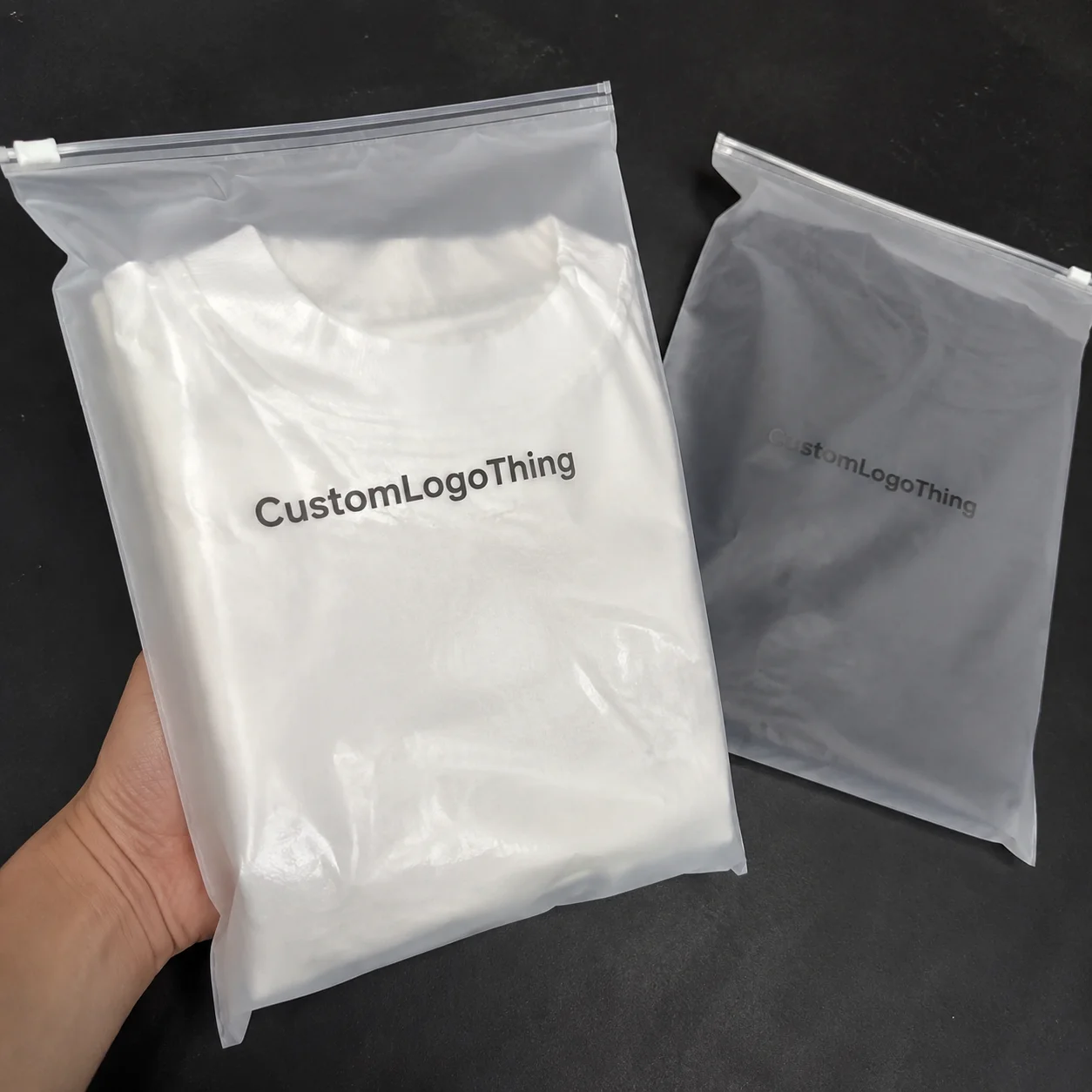
Buyer Fit Snapshot
| Best fit | Recycled Display Sleeves Bulk projects where brand print, material claims, artwork control, MOQ, and repeat-order consistency need to be specified before quoting. |
|---|---|
| Quote inputs | Share finished size, material target, print colors, finish, packing count, annual reorder estimate, ship-to region, and any compliance wording. |
| Proofing check | Approve dieline scale, logo placement, barcode or warning zones, color tolerance, closure strength, and carton packing before bulk production. |
| Main risk | Vague material claims, crowded artwork, missing packing details, or unclear freight terms can make a low unit price expensive after revisions. |
Fast answer: Recycled Display Sleeves Bulk: Sustainable Specs & Pricing should be specified like a repeatable production item. The safest quote records material, print method, finish, artwork proof, packing count, and reorder notes in one written spec.
Production checks before approval
Compare the actual filled-product size with the drawing, then confirm tolerance on folds, seals, hang holes, label areas, and retail display edges. Reserve space for logos, QR codes, warning copy, and material claims before decorative graphics fill the panel.
Quote comparison points
Review material grade, print process, finish, sampling route, tooling charges, carton quantity, and freight assumptions side by side. A quote is only useful when the supplier can repeat the same color, closure quality, and packing count on the next order.
Recycled Display Sleeves Bulk: Sustainable Specs & Pricing
Recycled display sleeves bulk orders can decide a sale before a shopper touches the product. That sounds dramatic until you stand in front of a crowded shelf and watch how little time a package gets. The sleeve is often the first branded surface in the buyer’s line of sight. Sometimes it is the only one. So the job is simple on paper and demanding in practice: look good, protect the product, support the retail story, and avoid making the package feel thin or preachy.
Buyers usually care about three things at once. Price. Consistency. Proof. Bulk programs can help on all three. Larger runs often reduce unit cost, keep print results aligned across the rollout, and make sustainability documentation easier to standardize. That matters when procurement, marketing, and retail operations all need the same answer before launch.
Custom Logo Things works with buyers who need repeatable retail packaging, not guesses and crossed fingers. The sections below cover materials, structure, Pricing, Lead Times, and the details that should be locked before a quote is approved so recycled display sleeves bulk programs stay on budget and on schedule.
Why Recycled Display Sleeves Bulk Orders Win on the Shelf
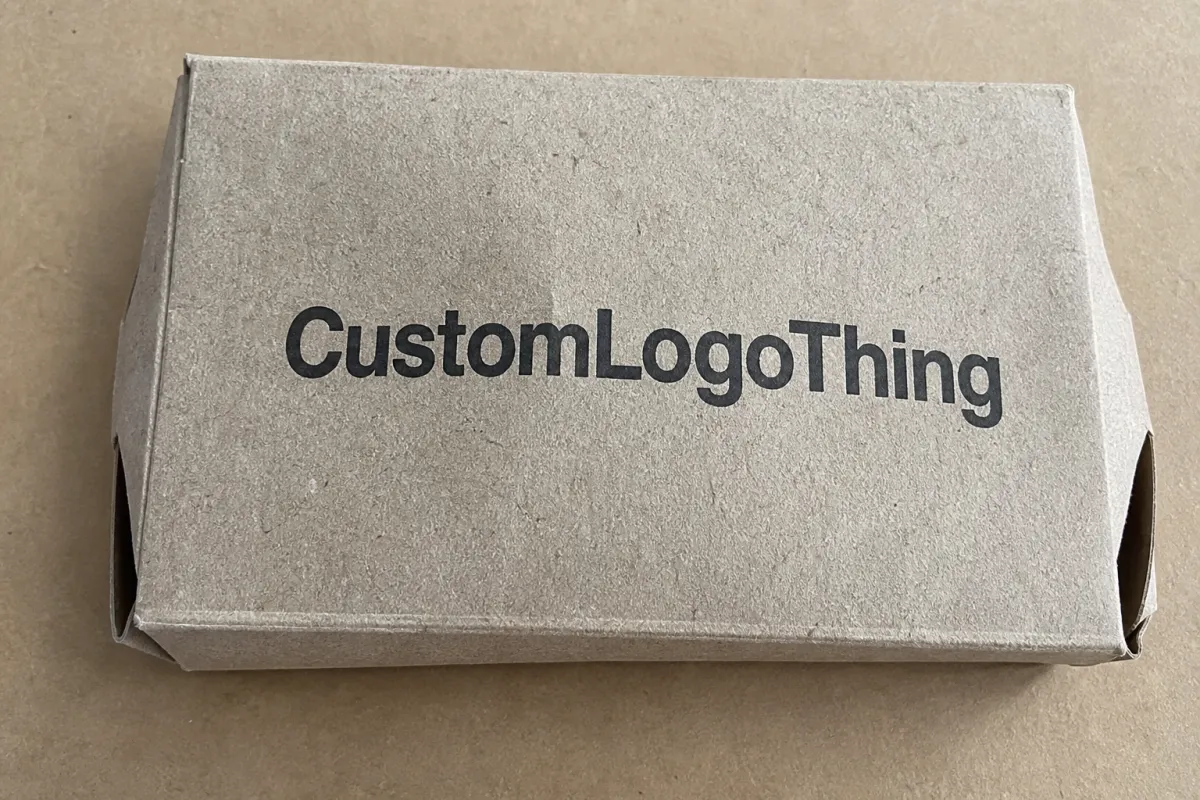
A display sleeve does more than dress up a carton. It can frame a plain tray, turn a basic shipper into a shelf-ready unit, and carry the headline message without adding much weight or complexity. That is why sleeves show up in food, cosmetics, wellness, apparel, and club-retail programs. They earn their keep fast.
Recycled materials add another layer of value. They give sustainability teams a cleaner story when retailers ask about recycled content, FSC-backed sourcing, or chain-of-custody paperwork. That does not mean the sleeve should look earthy or unfinished. It means the board, inks, and finish need to be chosen with enough discipline to survive store lighting, handling, and close inspection.
Bulk buying changes the economics in a real way. Once tooling is set, the artwork is approved, and the sheet size is locked, the setup cost gets spread across more pieces. That usually brings the unit price down. It also reduces the chance that one region ends up with a slightly different version because a short-run reorder had to be improvised at the last minute.
There is a second benefit that buyers notice later, after the launch is already live. Bulk programs make reorders easier to benchmark. If the first run is documented correctly, the next run does not start from zero. That saves time, and it keeps the packaging program from turning into a series of one-off decisions that nobody wants to own six months later.
For buyers who need a broader wholesale conversation around recurring retail packaging, see our Wholesale Programs page. A good program is not just one order. It is repeatability, clear specs, and a supply structure that still works when the next reorder lands.
A sleeve that saves a penny and slows assembly usually costs more by the time a retail team touches the pallet.
Product Details: Materials, Construction, and Print Options
The core material choice is usually recycled paperboard, but that category is broader than buyers sometimes expect. A lighter recycled board can work well for slim cartons and low-stress shelf displays. A heavier caliper gives more stiffness and a more substantial feel in the hand. In practice, many recycled display sleeves bulk programs land somewhere around 18 pt to 24 pt equivalent board thickness, though the right spec depends on sleeve span, product weight, and how much handling the pack will take before it reaches the shelf.
Post-consumer recycled content is another decision point. Some programs use high-recycled-content board without a strict certification claim on the face of pack. Others need a defined FSC Recycled or equivalent chain-of-custody path. Those are not the same thing, and the difference matters. The sourcing path affects paperwork, the language you can print, and sometimes the price. It should be settled early, not discovered during proof review.
Construction is usually simple by design. A display sleeve may wrap around a carton, fold over a tray, or lock into place with a side tab or glued seam. Simple is not a downgrade here. Fewer folds often mean faster assembly, fewer fit issues, and less waste in production. The best sleeve designs are the ones that do their job quietly while the printed message carries the visual weight.
Print choices shape both appearance and recyclability. CMYK printing is common for colorful retail branding, while spot colors help when a brand needs tight Pantone matching or a very specific logo color. Coated stocks can sharpen image contrast, but uncoated and lightly coated recycled boards often feel more natural and may support a cleaner recycling stream depending on the full structure. Aqueous coating is often chosen because it helps resist scuffing without the complications of heavier plastic lamination.
Optional features can improve function, but every add-on affects cost and line speed. Windows may help shoppers see the product. Tear strips can support opening instructions. Perforations can improve access. Glue closures can speed final assembly. The real question is not whether a feature can be made. It is whether the feature solves a retail, logistics, or compliance problem that actually exists.
There is also a practical reality that gets ignored in a lot of packaging conversations: recycled board is not one uniform substrate. Fiber mix, coating level, stiffness, and print absorption all change the final result. A design that looks perfect on a proof can shift once it is printed on a different recycled sheet. That is normal. It is also why material selection should happen before artwork is fully locked.
- Light recycled board: best for small, low-weight sleeves and tighter price targets.
- Heavier recycled board: better for larger cartons, added stiffness, and stronger shelf presence.
- CMYK plus spot color: useful when brand color accuracy matters and the artwork has fine detail.
- Uncoated or aqueous-coated finish: often a good fit when recyclability and natural texture matter.
- Windows, tear strips, perforations: add function, but should be justified by the pack job.
For quality and shipping testing, it helps to align sleeve design with recognized standards instead of guessing. The ISTA procedures are a useful reference when distribution stress is part of the risk profile, and the EPA provides useful background on sustainable materials management for buyers who need a broader compliance lens. Those references do not replace spec review, but they keep the conversation grounded.
Specifications to Confirm Before You Quote
Most quote delays come from incomplete information, not from price itself. A supplier can usually price a sleeve quickly if the dimensions, board preference, print coverage, and volume are clear. The problem is that many buyers send a rough idea of the pack and expect the supplier to fill in the gaps. That may work for brainstorming. It does not work for reliable bulk pricing.
The first spec to confirm is the finished size. That includes the overall width, height, depth, fold locations, and whether the sleeve is built around a tray, carton, or display-ready pack. A millimeter error sounds minor, but on a tight-fitting sleeve it can create assembly slowdowns or a loose fit that weakens shelf appearance. If the product has rounded corners, hand-applied labels, or a variable fill level, those details matter too.
Next comes the board spec. Buyers Should Know whether they want a recycled SBS-style board, a kraft-backed recycled sheet, or a higher-caliper premium board with more rigidity. If the sleeve needs to hold its shape through warehousing and transport, a stiffer board is often worth the extra cost. If the sleeve is applied at final pack-out and goes straight to the shelf, the requirements may be lighter.
Finish should be locked before artwork starts moving. Matte, gloss, aqueous coating, and any scuff-resistant treatment can change both appearance and handling. A rich black on uncoated recycled stock will behave differently than the same black on coated board. Fine type can shift, and heavy ink coverage may dry with a softer look. That is not a defect; it is a substrate choice. Good quoting reflects that reality instead of pretending all surfaces print the same way.
Documentation belongs in the quote request, not in a follow-up email chain. If the program needs recycled content claims, FSC chain-of-custody, or retailer-specific packaging paperwork, spell it out up front. A supplier can only price a compliant program accurately if they know what proof has to travel with the order.
One more point that saves everyone time: confirm who owns the final approval. Marketing may care about the shelf image. Procurement may care about landed cost. Operations may care about how the sleeve folds on the line. If those priorities are not aligned early, the quote turns into a moving target. That is how a simple program becomes a week of revisions.
- Finished dimensions: width, height, depth, and critical fold positions.
- Board caliper or thickness: especially important for stiff retail presentation.
- Artwork coverage: single-color, two-color, full bleed, or image-heavy layouts.
- Finish requirement: matte, gloss, aqueous, scuff-resistant, or uncoated.
- Compliance needs: recycled content claim, FSC paperwork, retailer standards, or test requirements.
- Pack-out method: shipped flat, pre-glued, or ready for final assembly.
A precise spec sheet shortens the sales cycle and usually improves the quote itself. It cuts revision rounds, keeps suppliers from padding risk into the estimate, and makes it easier to compare recycled display sleeves bulk options on a true apples-to-apples basis. The buyer who sends complete data almost always gets a cleaner answer.
Pricing, MOQ, and Quote Structure
Pricing for display sleeves is driven by a handful of variables, but quantity usually has the biggest effect on unit cost. Once tooling is set and the run is underway, larger volumes spread setup costs across more pieces. That is why 5,000 sleeves often price better than 1,500 sleeves, and why 10,000 pieces can open a different cost tier altogether. The price curve is rarely linear, so one extra pallet can matter more than buyers expect.
The main cost drivers are board grade, artwork complexity, finishing, die-cut setup, and freight. A simple one- or two-color sleeve on recycled board can be economical, while a full-bleed design with tight registration, special coatings, or a custom window will climb from there. If the order needs metal dies, custom plates, or a one-off structural change, the setup cost becomes part of the picture as well.
MOQ depends on the supplier’s press size, equipment, and inventory strategy. A standard sleeve size may reach a lower minimum because it shares materials or cutting patterns with other programs. A fully custom shape often needs a higher threshold to justify the production setup. For many buyers, the useful question is not “What is the MOQ?” but “What is the MOQ at this spec, and what happens if I step up one quantity tier?” That is where the real buying decision sits.
Below is a simple comparison of common pricing scenarios. These are directional ranges, not promises, because artwork coverage, board availability, freight distance, and compliance requirements can move the number materially.
| Option | Best Fit | Typical Unit Price at 5,000 Units | Notes |
|---|---|---|---|
| Light recycled board, simple one-color print | Small sleeves, straightforward retail presentation | $0.14-$0.24 | Lowest setup burden, best when the sleeve is mostly informational |
| Recycled board, full-color CMYK, aqueous coating | Standard shelf programs with stronger branding | $0.22-$0.38 | Balanced option for color, scuff resistance, and cost control |
| Heavier recycled board, FSC-backed claim | Premium shelf feel, larger cartons, tighter sustainability review | $0.28-$0.46 | Higher stiffness and more documentation, often worth it for retail launches |
| Special finishes, window, perforation, or tear strip | Functional sleeves with added shopper interaction | $0.35-$0.60 | More handling steps and more setup, so the price rises quickly |
A useful quote should separate the line items clearly. Ask for unit price, setup or tooling fees, sample charges, freight terms, lead time, and payment terms. If the supplier only gives a single total, you lose visibility into the cost structure. That makes future reorders harder to benchmark and makes it difficult to know whether a material change actually saved money.
Comparison shopping also needs discipline. The cheapest quote is not always the lowest landed cost. Freight can erase a unit-price advantage. A lower-cost board can create assembly issues. A missing certification can force artwork rework. If one supplier quotes a sleeve at 18 pt recycled board and another prices 24 pt with FSC-backed stock, those are not equal offers.
Ask for breakpoints. A jump from 3,000 to 5,000 units may reduce the per-piece price enough to justify higher inventory. Moving from a custom dimension to a standard sheet size may cut waste and speed up production. Those decisions are not abstract; they change the economics of the project in very real ways.
One more reason to ask for a structured quote: it helps you catch hidden assumptions. Sometimes a quote is based on the supplier’s preferred board, not the board you actually need. Sometimes freight is estimated loosely, not booked against your destination. Sometimes sampling is included, sometimes it is not. Clear line items make those gaps obvious before the order is approved.
Process and Timeline for Recycled Display Sleeves Bulk Orders
The production path is straightforward, but only if the front end is handled well. A typical program starts with an inquiry, moves into a quote, then proceeds to dieline review, artwork approval, proofing or sampling, production, and shipment. Each stage has its own failure point, and most delays happen before the press ever runs.
The biggest early risk is incomplete information. Missing dimensions can stall the dieline. Unclear print requirements can trigger a proof revision. A recycled-content claim that is vague or undocumented can stop artwork from being released. If the sleeve has to fit a specific tray or carton, a physical sample is often the safest way to remove uncertainty before the full order is authorized.
Lead time depends on structure and finish. A simple sleeve with standard print can often move faster than a job with specialty coating, multiple artwork revisions, or strict compliance review. Many bulk orders spend several business days in pre-production even before manufacturing begins, so buyers should separate approval time from press time. A clean approval can save more time than switching suppliers.
For planning purposes, simple recycled sleeve runs often need around 12-15 business days after final proof approval, while more complex jobs can push toward 18-25 business days before freight. Shipping time adds another variable. Ground freight may work for domestic delivery, but long-distance or consolidated shipments can extend the calendar. Those numbers are typical, not guaranteed, and they move with seasonality, material availability, and queue length.
Preflight file checks are worth asking for. A supplier that reviews bleed, trap, font outlines, color spaces, and dieline placement before production starts can prevent expensive surprises later. Digital proofs help confirm layout and text. Physical samples help confirm fit. Shipment tracking helps the receiving team plan labor. Each of these steps adds control to a process that can otherwise get messy fast.
There is also a hidden schedule risk that buyers underestimate: internal approvals. A sleeve can sit untouched for days because one stakeholder is waiting on another stakeholder. That is not a production problem. It is a process problem. The cleanest timeline is usually the one where the decision path is known before the quote is sent.
- Send the dimensions, quantity, artwork, and sustainability requirements.
- Review the quote and confirm the board spec, finish, and freight terms.
- Approve the dieline and check the file setup carefully.
- Request a sample or proof if the fit is tight or the launch is high stakes.
- Release production only after the spec sheet and approval record match.
If a brand is launching across several regions, a little extra time in proofing is usually cheaper than a late-stage correction. A misfit sleeve can slow the line, frustrate store teams, and create packaging waste that never should have been printed in the first place. Good timeline management is less about speed in the abstract and more about removing rework.
Why Choose Us for Recycled Display Sleeves Bulk Programs
For recycled display sleeves bulk programs, the most valuable supplier trait is consistency. Not a flashy pitch. Not vague sustainability language. Consistency. Brand teams scaling across many stores need repeatable print registration, stable color, and a supply plan that does not change every time an order is placed. When a sleeve has to look the same in one region as it does in another, discipline matters more than bravado.
Custom Logo Things focuses on the parts of the job that affect the buyer after the quote is signed. Does the board support the product weight? Will the sleeve assemble quickly? Will the finish hold up in warehouse handling and shelf replenishment? Can the recycled claim be documented cleanly? Those are the questions that determine whether a packaging program becomes a dependable line item or a recurring headache.
Experience also matters in the prepress stage. A good supplier can spot dieline issues, recommend a better caliper, and flag artwork risks before the order is locked. That is especially useful on retail programs where a single sizing error can interrupt a rollout. Packaging buyers do not need more optimism. They need fewer surprises.
There is also a sales-side advantage to working with a team that speaks in quantities, timelines, and tolerances instead of slogans. Clear revisions, realistic lead times, and transparent pricing build trust faster than broad promises. When buyers are comparing three quotes that all look similar at first glance, the supplier who explains the tradeoffs well usually earns the order.
For recurring retail programs, that is the real value proposition: recycled display sleeves bulk pricing without giving up fit, finish, or deadline control. The sleeve should protect the product, present the brand, and support the sustainability story. If it does those three things well, the packaging did its job.
There is a difference between being able to print a sleeve and being able to support a program. A one-off sample is easy. A repeatable order with the same dimensions, same board, same color behavior, and same paperwork is where supplier quality shows up. That is the level buyers should expect.
For buyers who need a broader purchasing relationship rather than a one-off transaction, our Wholesale Programs page is a useful starting point. It is built around repeat orders, clearer specs, and the kind of communication that keeps production moving.
Next Steps: What to Send Before You Order
If you want an accurate quote, send complete data the first time. The best requests include product dimensions, quantity, target launch date, artwork files, board preference, finish preference, and any sustainability documentation your retailer or internal team expects. If a sleeve needs to fit a particular carton or tray, include photos or a sample unit if possible. That one step often removes more risk than a long email thread ever will.
Request a sample or prototype whenever the fit is tight or the launch is important. A physical check catches issues that a PDF cannot always reveal, including stiffness, closure behavior, scuffing, and assembly speed. For a retail rollout, that is cheap insurance. It can prevent reprint costs, missed launch windows, and receiving problems that show up only after the shipment lands.
Compare at least two quotes using the same specification sheet. Do not compare one supplier’s 18 pt recycled board with another supplier’s 24 pt board and call it a fair fight. That comparison is how buyers end up choosing a lower number that costs more downstream. Use the same size, same finish, same print count, same documentation requirement, and same delivery destination before you judge the result.
Freight deserves its own review. Confirm whether the quote is ex-works, FOB, or delivered, and ask how cartons are packed on the pallet. A sleeve program can look attractive on unit price and then become less competitive once shipping, carton count, and warehouse receiving labor are included. Landed cost is what matters. The rest is math on paper.
Once the specs, sample, and quote line up, lock the timeline in writing and move into production. That is the cleanest path for any retail program, and it is especially important for recycled display sleeves bulk orders where multiple stakeholders may need to sign off before release.
The practical takeaway is simple: do not ask for pricing until you know the exact sleeve size, board, finish, and claim language. That is the fastest way to get a quote you can actually use. Everything else becomes easier after that.
- Product dimensions and pack style
- Quantity and launch date
- Artwork files and brand color references
- Board preference and recycled-content requirement
- Finish preference and performance needs
- Freight destination and receiving constraints
Frequently Asked Questions
What is the minimum order for recycled display sleeves bulk purchases?
MOQ usually depends on size, print complexity, and board choice rather than a single universal number. Standard sizes with simpler artwork often reach a lower minimum than fully custom sleeves, especially if the supplier already runs similar sheet sizes or has a common die path. As a practical range, many custom programs begin around 1,500 to 5,000 units, while more standardized sleeves may price well at lower counts. Ask for pricing at two or three quantities so you can see the breakpoints before approving the order.
Which recycled materials work best for display sleeves in bulk?
Recycled paperboard is the most common choice because it balances print quality, stiffness, and cost. Heavier calipers help with larger cartons or sleeves that need a more premium shelf feel, while lighter board can work for compact retail packs with lower load stress. If sustainability documentation matters, confirm the recycled-content percentage and chain-of-custody paperwork early so the artwork and the claim language match the source material.
How is pricing calculated for recycled display sleeves bulk orders?
Pricing is usually driven by quantity, board grade, print coverage, finishing, and die-cut setup. Freight and shipping packaging can change the landed cost more than buyers expect, especially on smaller orders or longer delivery lanes. Ask for a quote that separates unit cost, setup fees, sample charges, and delivery charges so comparisons stay clear and you can see exactly where the money is going.
Can recycled display sleeves bulk runs still use strong branding and finishes?
Yes, recycled board can still deliver sharp graphics when the print file and substrate are matched correctly. Matte, gloss, aqueous coating, and spot color options are often available depending on the spec, and each one creates a slightly different look and handling profile. The key is to balance finish choice with recyclability goals, scuff resistance, and how the sleeve will be handled in the warehouse and at retail.
How long does production usually take after artwork approval?
Lead time depends on quantity, finishing, and whether a sample or proof is required first. Straightforward sleeves can move faster than complex or heavily customized structures, but simple jobs still need prepress review and press scheduling. A realistic planning window for many bulk programs is 12-15 business days after final approval, with more complex jobs often needing longer. To avoid delays, approve artwork quickly and confirm every spec before the job enters production.
Recycled display sleeves bulk programs are easiest to buy when the request is specific, the proof path is clean, and the supplier understands what retail speed actually means. If you want better pricing, tighter fit, and fewer surprises, start with the spec sheet, confirm the documentation, and make sure the sample tells the same story as the quote. Before you approve the order, lock three things: exact dimensions, finish, and claim language. That is how recycled display sleeves bulk buying turns into a repeatable packaging program instead of a one-time purchase.