Buyer Fit Snapshot
| Best fit | Recycled Sticker Sheets With Logo for Sustainable Brands projects where brand print, material claims, artwork control, MOQ, and repeat-order consistency need to be specified before quoting. |
|---|---|
| Quote inputs | Share finished size, material target, print colors, finish, packing count, annual reorder estimate, ship-to region, and any compliance wording. |
| Proofing check | Approve dieline scale, logo placement, barcode or warning zones, color tolerance, closure strength, and carton packing before bulk production. |
| Main risk | Vague material claims, crowded artwork, missing packing details, or unclear freight terms can make a low unit price expensive after revisions. |
Fast answer: Recycled Sticker Sheets With Logo for Sustainable Brands should be specified like a repeatable production item. The safest quote records material, print method, finish, artwork proof, packing count, and reorder notes in one written spec.
Production checks before approval
Compare the actual filled-product size with the drawing, then confirm tolerance on folds, seals, hang holes, label areas, and retail display edges. Reserve space for logos, QR codes, warning copy, and material claims before decorative graphics fill the panel.
Quote comparison points
Review material grade, print process, finish, sampling route, tooling charges, carton quantity, and freight assumptions side by side. A quote is only useful when the supplier can repeat the same color, closure quality, and packing count on the next order.
Recycled Sticker Sheets With Logo for Sustainable Brands
The first tactile brand interaction is often not the box, not the mailer, and not even the tissue paper. It is the sticker sheet. Recycled sticker sheets with logo matter more than many teams expect because they can make a package feel deliberate, support a sustainability story, and do it without forcing a complete packaging redesign. For Custom Logo Things, that balance is especially useful. It is a small-format branding piece, yet it can shape the entire unboxing moment, especially when the sheet sits inside an e-commerce order, a sample kit, or a subscription box.
People sometimes assume "recycled" means rough, dull, or compromised. The better jobs do not behave that way. A carefully specified order for recycled sticker sheets with logo can still deliver crisp type, strong color, clean kiss cuts, and a polished presentation when the package is opened. The key is matching the face stock, adhesive, and finish to the real use case instead of treating every sticker sheet like a generic label project. That is where the practical decisions begin to matter.
I have watched a recycled-paper sticker pass a desk-side approval and then fail the real test in a chilled packing room, where humidity and handling changed everything. That kind of mismatch is common enough that I always nudge teams to think beyond the proof. The material that looks right under office lighting may behave very differently once it hits a warehouse line, a retail shelf, or a customer's kitchen counter.
Recycled Sticker Sheets With Logo: What They Are
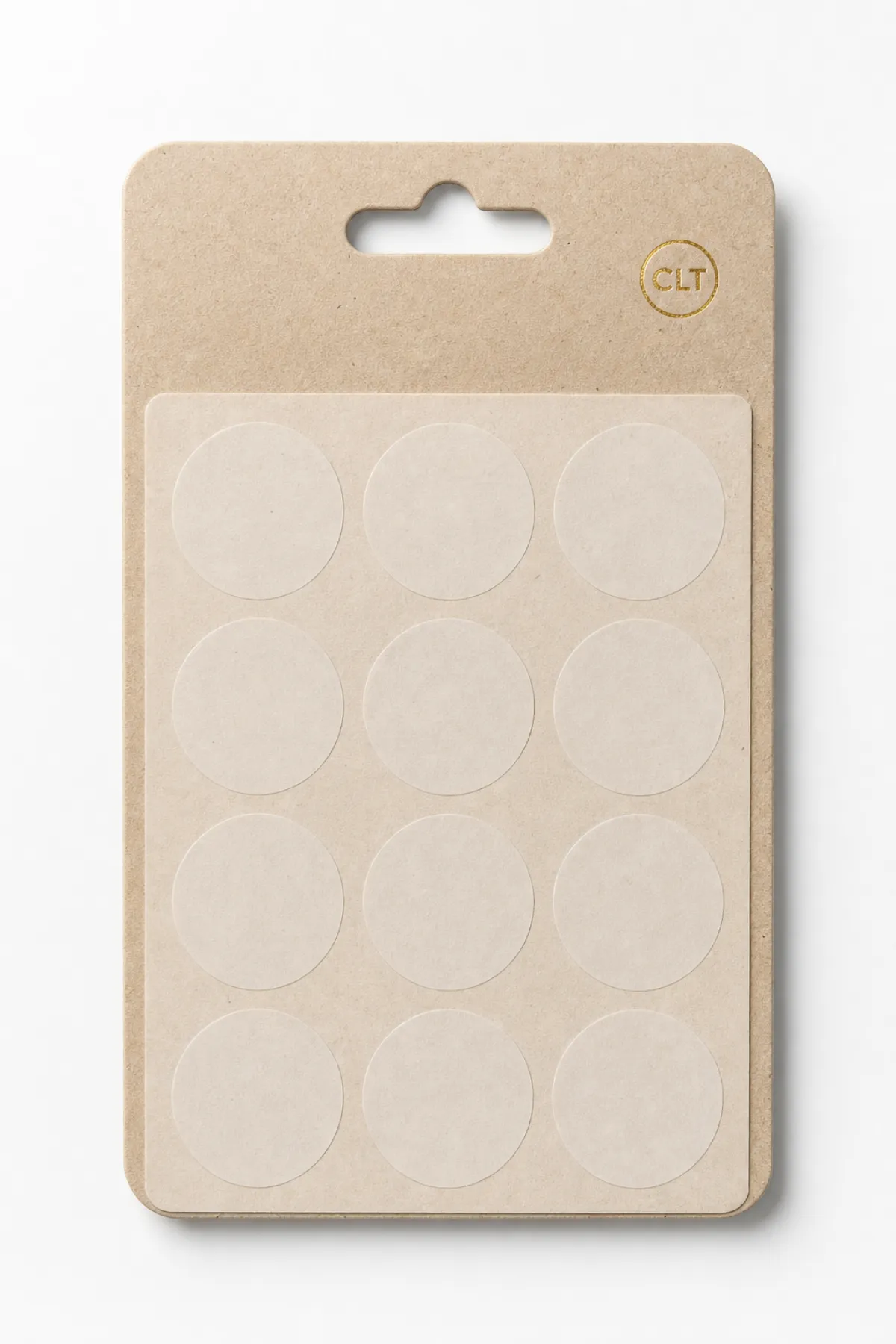
At the simplest level, recycled sticker sheets with logo are adhesive labels printed on sheet stock made from recycled paper or recycled-content film. The sheet can hold a single logo repeated across the layout, or it can mix icons, thank-you notes, seals, and small promotional marks on one printable canvas. Sheet format stays popular because it stores easily, mails flat, and works well in hand-applied packing lines without special equipment.
From a packaging buyer's point of view, the value is practical. Recycled sticker sheets with logo let a brand add a recognizable mark to a carton, pouch, insert, or tissue wrap without investing in new printed board or a full custom carton run. That matters for short-run launches, seasonal campaigns, test markets, and operations teams that need flexibility. If you only need a few hundred sheets or a few thousand, the sheet format often makes more sense than a larger converting project. It also pairs well with Custom Labels & Tags if the brand wants the same artwork to appear across packaging and logistics pieces.
There is also a sustainability angle that is easy to understand and easy to misuse. Recycled sticker sheets with logo can reduce virgin-material demand, but they do not erase the footprint of printing, adhesives, liners, and freight. A responsible spec starts with the actual application: what the sheet touches, how long it stays on, whether the packaging is reused, and whether the sticker is part of a consumer-facing moment or a warehouse function. That distinction keeps the purchase honest and helps the brand speak precisely about what the material is doing.
Common use cases include:
- E-commerce inserts for thank-you notes, care cards, and brand seals.
- Packaging closures on tissue, mailers, and folding cartons.
- Sample kits where the logo needs to feel neat but not overbuilt.
- Event giveaways and retail handouts that need light, flat storage.
- Subscription packaging where repeat use makes small material differences visible.
The best part is that recycled sticker sheets with logo do not have to look "eco" in a predictable way. They can feel understated and premium, especially with a matte or uncoated face stock. If a brand wants a softer visual language, that natural texture can help. If the brand wants more contrast, a cleaner recycled laminate or a brighter recycled-content film can keep the identity sharp. The real question is not whether recycled sticker sheets with logo can look good. They can. The question is whether the spec matches the handling environment and the customer's expectations.
How Recycled Sticker Sheets With Logo Work in Production
The production path is straightforward, but each step affects the final result. Artwork is prepared, the design is imposed across the sheet, cut lines are added, and the printer or converter runs the material through print and finishing equipment. A kiss cut leaves the adhesive sticker on the liner while freeing the shape itself, which is what lets recycled sticker sheets with logo peel cleanly without damaging the backing. Once that is set up correctly, the sheet becomes a repeatable packaging tool rather than a one-off print experiment.
Material choice drives most of the performance. Recycled paper stocks are usually the first pick for dry, indoor applications because they feel natural and are easy to print on. Recycled-content film, on the other hand, makes more sense when the sticker needs more moisture resistance, rub resistance, or durability during handling. I have seen brands select a paper face stock because it looked right on the proof, then discover that the package spends most of its life in a chilled room or a damp shipping route. That is exactly the kind of mismatch that recycled sticker sheets with logo can avoid if the specification is discussed early.
Adhesive selection matters just as much. Permanent adhesive is common for seals and promotional branding. Removable adhesive is useful when a sticker has to come off cleanly, such as a temporary campaign mark or a label on a reusable container. Specialty adhesives can be chosen for textured kraft, coated cartons, glass, or slightly curved surfaces. A sticker can be beautifully printed and still fail if the adhesive does not suit the substrate. That is why recycled sticker sheets with logo should be treated as a system, not just an image file.
There is a common trap here: teams will approve a sample on a smooth board swatch and assume the same result on corrugate, coated paper, or a soft-touch mailer. That is not how real-world use behaves. Surface energy, dust, storage time, and hand pressure all change how a sticker settles, and a label that feels perfect in a sample packet can be a little fussy during pack-out. It is annoying, yes, but it is also fixable if the test is done on the real substrate.
Prepress is where many jobs are won or lost. Vector artwork helps keep logo edges crisp. Bleed gives the cutter room to do its job. Color profiles reduce surprises between screen and print. Tiny type is risky on textured recycled sheets, and thin outlines can break apart once the face stock absorbs ink. If the logo is built from delicate marks or a script font, a slightly larger sheet layout may be the safer route. On a busy production floor, small file decisions can make the difference between polished and merely acceptable recycled sticker sheets with logo.
A useful rule of thumb: if the sticker is meant to be noticed, the file has to survive not only printing but also peeling, handling, and whatever surface it lands on.
Proofing should follow the risk. Digital proofs are fine for layout and copy approval, but physical samples are much better if the job depends on texture, color accuracy, or adhesion. A recycled paper face stock can warm up a brand color. A film can make a logo feel brighter and more sealed. If the application is important, sample the exact construction. That matters especially for recycled sticker sheets with logo used in launch kits or premium mailers where a minor mismatch reads as a quality issue, not a packaging detail.
One more practical point: die lines and kiss cuts should always be reviewed by someone who understands both print and finishing, not just by whoever opened the file first. A design can look tidy on screen while still leaving tiny points or sharp internal corners that slow down peeling. Those details do not sound dramatic, but they can make a sticker feel fussy in the hand. That is the sort of thing a good converter catches early, and a rushed order sometimes misses.
Key Factors That Affect Quality and Use
Three factors usually decide whether recycled sticker sheets with logo perform well: substrate, surface, and finish. Substrate is the sheet itself. Surface is what the sticker touches. Finish is the visual and tactile treatment that changes the feel in the hand. You can Choose the Right recycled paper stock and still get poor results if the application surface is dusty, oily, or highly textured. The reverse is also true: a simple matte sheet can look excellent on a clean kraft mailer or a coated folding carton.
Surface compatibility is where packaging teams often underestimate the problem. Kraft mailers, corrugated shippers, coated cartons, glass jars, and cold-pack surfaces do not behave the same way. A recycled sticker sheets with logo order that performs nicely on a flat box may struggle on a curved tin or a chilled pouch. If the shipping environment changes, the adhesive should be tested there, not in a best-case scenario on a desk. For outdoor or wet handling, recycled-content film is frequently the safer choice, even if the brand still wants a recycled look.
Finish changes perception more than many buyers expect. Matte tends to feel calmer and more natural. Gloss can sharpen color and make the logo stand out. Uncoated stock supports a softer, more artisanal look, but it can also mute fine detail. For sustainable brands, that matters because the visual language is part of the promise. Recycled sticker sheets with logo do not need a loud finish to feel premium; they need a finish that supports the story the brand already tells on the carton, the insert, and the website.
There is another detail that gets missed: sustainability claims need evidence. Recycled content percentage, liner composition, and post-use disposal expectations should be checked rather than assumed. A paper face stock with recycled fiber content is not automatically curbside recyclable once adhesive and liner are involved. If a brand wants to refer to recycled inputs accurately, it helps to keep a record of the substrate spec and to verify chain-of-custody claims where relevant. Resources from the EPA recycling guidance and FSC chain-of-custody standards are useful reference points when a team is checking claims and sourcing language.
Size and sheet density also influence value. A sheet that nests 30 small logo stickers uses paper differently than one that holds 8 larger seals. Tighter nesting can improve unit economics, reduce waste, and make recycled sticker sheets with logo more attractive for campaigns that need a lot of small marks rather than a few oversized ones. That is one reason the layout phase deserves attention before a quote is finalized.
The visual and financial side are connected more than people like to admit. A tidy layout can reduce the number of sheets needed, but it can also make application faster because teams are not hunting for the next usable sticker. That matters on a real packing line, where ten seconds saved per order starts to feel meaningful by the end of a shift.
| Option | Best Use | Typical Feel | Illustrative Price Range | Notes |
|---|---|---|---|---|
| Recycled paper sheet | Dry packaging, inserts, kraft mailers | Matte, natural, brand-forward | $0.18-$0.42 per sheet at 5,000 sheets | Good for clean logo work and lower material weight |
| Recycled-content film | Moisture-prone, higher-touch, curved surfaces | Smoother, more durable | $0.24-$0.58 per sheet at 5,000 sheets | Better abrasion resistance, but less paper-like |
| Virgin paper sheet | Brand programs without recycled content targets | Consistent, predictable print surface | $0.16-$0.38 per sheet at 5,000 sheets | Useful as a comparison point, but weaker sustainability story |
Production Steps, Timeline, and Lead Time Expectations
Most orders follow the same path: brief, artwork review, proof approval, production, cutting, inspection, packing, and delivery. The sequence sounds simple, but recycled sticker sheets with logo can move at very different speeds depending on how clear the brief is. If the artwork is clean and the materials are standard, the job can progress quickly. If the order needs a special adhesive, an uncommon recycled stock, or a custom sheet size, the timeline tends to expand.
Prepress is the first gate. The printer checks file resolution, shape complexity, bleed, cut paths, minimum line weight, and whether the logo will hold up at the final size. A design that looks polished at 100 percent zoom may become noisy once the sticker is reduced to 1.25 inches wide. That is particularly important for recycled sticker sheets with logo used on compact mailers or sampling packets, where the brand mark is small and the eye has very little room to forgive file problems.
Lead time often depends on three variables: quantity, complexity, and approval speed. A straightforward repeat order can move faster than a new custom job because the spec is already proven. A first-time run may need a sample, one revision cycle, and a revised proof before production can start. Brands planning a product launch or seasonal drop should lock the sticker schedule before the rest of the packaging goes to print. Otherwise the sticker becomes the item that waits for everyone else.
Typical planning ranges, while always dependent on supplier capacity, often look like this:
- Simple repeat order: around 7-12 business days after proof approval.
- New custom shape with standard recycled stock: around 10-15 business days.
- Custom stock, specialty adhesive, or unusual layout: often 15 business days or more.
For shipping-heavy programs, it also helps to think about how the sheet is packed. Sheets can curl if packed poorly, and curling can change peel behavior. If recycled sticker sheets with logo are going into a seasonal campaign, a trade show kit, or a subscription insert, ask how the sheets will be boxed, stacked, and protected during transit. The details sound minor until a pallet arrives with bent corners and a customer-facing presentation problem.
If timing is tight, a good supplier will usually tell you where the real bottleneck sits. Sometimes it is material availability. Sometimes it is the die. Sometimes it is the review loop, which can drag on because one stakeholder keeps asking for a slightly different shade of green. A clear approval chain saves more days than people expect.
Cost, MOQ, and Quote Variables for Recycled Sticker Sheets With Logo
Pricing is usually driven by substrate, sheet size, print coverage, finish, adhesive type, quantity, and whether the shape requires a custom die. That sounds predictable because it is. What surprises many teams is how much the sheet layout changes the economics. A well-nested recycled sticker sheets with logo job can be materially cheaper per impression than a loose layout that wastes half the sheet.
MOQ, or minimum order quantity, varies by converter and setup. Standard shapes and common recycled paper sheets may be available in relatively small runs, while custom cuts or special recycled-content films can push the minimum higher. The important thing is not to assume that a sustainability-friendly spec automatically means a huge minimum. Many recycled sticker sheets with logo projects start smaller than full packaging runs because the sheet format is already compact and efficient.
There is a difference between unit price and total spend. A lower per-sheet quote can look attractive until the buyer notices excess inventory, oversized shipping fees, or a layout that prints fewer usable stickers per sheet. A slightly higher unit price can be smarter if it reduces waste or aligns better with campaign volume. In other words, the cheapest quote is not always the best packaging decision. For recycled sticker sheets with logo, landed cost matters more than a single line item.
Ask about the items that hide in plain sight:
- Setup fees for die creation or file preparation.
- Proofing charges if a physical sample is needed.
- Freight for small runs that ship in multiple cartons.
- Split shipments if the order needs to reach more than one location.
- Reorder pricing if the brand expects the same design to return later.
Getting a cleaner quote is easier than many teams think. Send the logo in vector format, specify the sticker dimensions, identify the surface the sticker will touch, give the quantity target, and say whether you need a sample before production. If the order is paired with other packaging items, include that context too. Recycled sticker sheets with logo are easier to price accurately when the supplier knows whether the job is sealing tissue, decorating cartons, or functioning as a label on a packed kit. If you are already organizing a broader packaging rollout, it can help to align the sticker brief with your Custom Labels & Tags plan so artwork and material logic stay consistent.
For internal budgeting, I usually suggest treating the first quote as a starting point, not a verdict. If the team can adjust sheet dimensions by even a small amount, or trim one unused sticker out of the layout, the math can improve faster than expected. That is not flashy, but it is the kind of practical adjustment that keeps the project moving.
Common Mistakes That Hurt Performance
The first mistake is choosing recycled stock by name alone. Not every recycled face stock prints the same way, peels the same way, or wears the same way. A brand can say it wants recycled sticker sheets with logo and still end up with a material that feels too soft, too rough, or too fragile for the actual job. The fix is simple: match the stock to the package and the handling conditions, not to the marketing phrase.
Design errors are just as common. Tiny type, thin outlines, low-contrast colors, and overly detailed logos can disappear on textured recycled paper. A file that looks rich on a laptop may read as muddy once ink sits on an uncoated surface. I have seen more than one brand try to preserve every line in a logo that simply needed to be simplified for print. Recycled sticker sheets with logo work best when the artwork respects the material rather than fighting it.
Adhesion testing is non-negotiable for higher-stakes applications. A sticker that sticks well on a smooth carton may fail on dusty corrugate, chilled packaging, or a curved surface. That is why a single lab-style test on a table is not enough. The sticker needs to be tested on the real package, in the real sequence, by the people who will actually use it. For recycled sticker sheets with logo in shipping or retail programs, this is the difference between a clean brand impression and an operational annoyance.
Another common miss is underordering. Brands often plan for the launch quantity and forget the extra sheets needed for replacements, damages, and delayed orders. Then the next print run does not match the first, and the campaign loses visual consistency. A small safety margin is usually smarter than reprinting a too-small batch. That is especially true for recycled sticker sheets with logo used across multiple SKUs, where one run may need to cover more than one packaging format.
Finally, sustainability claims need to stay accurate. A recycled sticker is not automatically recyclable everywhere, and a recycled content claim should not be stretched beyond what the materials actually support. If a brand says more than it can prove, the packaging becomes a liability instead of a strength. Better to say exactly what the spec is and let the quality of the recycled sticker sheets with logo carry the message.
One more thing that catches teams off guard: storage conditions matter. If a box of sheets sits too long in a hot room or a humid backstock area, the liner can curl or the adhesive can become less predictable. That does not mean the product is bad; it means the storage plan needs to be part of the order spec. A little housekeeping there saves a lot of grief later.
Expert Tips and Next Steps for Ordering Recycled Sticker Sheets With Logo
If there is one habit that saves time, it is testing two substrate options on the real packaging surface before approving the final spec. One recycled paper sheet may look perfect in the proof and feel too rough on the box. Another may print slightly less naturally but peel better and hold up during transport. Recycled sticker sheets with logo are rarely a one-size-fits-all decision, and a small side-by-side test removes guesswork fast.
A one-page spec sheet also makes the process easier. Include the logo files, sheet dimensions, sticker dimensions, surface type, finish preference, quantity, deadline, and whether you need a sample first. That creates a shared document for procurement, operations, and marketing. Recycled sticker sheets with logo often fail internally before they fail in production because each team imagines a different outcome. A compact brief keeps everyone aligned.
For launch projects, a pilot run is usually worth it. Print a small batch, apply it to one SKU, and review the result in real conditions. Does the adhesive hold? Does the logo remain legible? Does the sheet curl in storage? A pilot gives you real evidence before you scale. That is also the right moment to compare a matte recycled paper stock against a recycled-content film if the product travels through different environments. Small tests are cheaper than full rework.
Cross-functional alignment matters more than most people admit. Packaging teams care about appearance and cost. Operations teams care about speed and reliability. Marketing cares about brand fit. Recycled sticker sheets with logo sit at the intersection of all three, so the best decisions are the ones that satisfy the practical chain of use, not just one department's preference. If the sticker is being used as a branding piece, the design priorities are different from a logistics label, and the spec should reflect that distinction.
For teams working with Custom Logo Things, the next steps are straightforward:
- Gather logo artwork in vector format.
- Measure the application surface and note the material.
- Request substrate samples and a production quote.
- Approve the proof only after checking shape, contrast, and cut path.
- Place a pilot order for recycled sticker sheets with logo before scaling.
That sequence sounds basic, but it is exactly how reliable packaging decisions are made. Recycled sticker sheets with logo are small, yes. They are also visible, handled, and remembered. When the spec is grounded in the real surface, the real timeline, and the real brand use, they do far more than close a package. They help the package tell the truth.
If you want the shortest possible version of the advice, it is this: start with the surface, match the stock to the job, test the adhesive, and only then commit to recycled sticker sheets with logo at scale. If you do that, the order stays practical, the branding stays clean, and the sustainability story stays believable.
Frequently Asked Questions
What are recycled sticker sheets with logo made from?
They are usually made from recycled paper stock or recycled-content film, plus an adhesive layer and a release liner. The right choice depends on whether the sheet will live on dry retail packaging, shipping boxes, or surfaces that see moisture and handling. Ask the printer what recycled content is in both the face stock and liner so you understand the full material profile behind recycled sticker sheets with logo.
Are recycled sticker sheets with logo good for shipping boxes?
Yes, if the adhesive is matched to the box surface and the sticker size fits the handling conditions. Kraft and corrugated cartons often pair well with a matte recycled paper sheet, but testing still matters. If the box will see scuffing, cold storage, or moisture, a more durable recycled-content film may be the better construction for recycled sticker sheets with logo.
How do I prepare artwork for recycled sticker sheets with logo?
Use vector artwork when possible so the logo stays sharp at small sizes. Include bleed, define the cut line clearly, and outline fonts if your printer asks for it. Check minimum line thickness and contrast carefully, especially if the design will print on a textured recycled stock. Those steps reduce prepress problems and help recycled sticker sheets with logo look polished rather than improvised.
What affects the price of recycled sticker sheets with logo?
Material choice, size, quantity, finish, adhesive, and custom die complexity are the biggest price drivers. Setup fees and shipping can matter as much as the sheet price on small runs, so ask for a landed-cost quote rather than a headline number only. A tighter sheet layout can also reduce waste and improve the value of recycled sticker sheets with logo.
How long does it take to produce recycled sticker sheets with logo?
Timeline depends on proof approval, material availability, custom cutting, and order size. Simple repeat jobs usually move faster than first-time custom runs with special materials or shapes. If the sticker is part of a launch, event, or seasonal packaging campaign, build in extra time for sample review so recycled sticker sheets with logo can be approved without rushing the final check.

