Buyer Fit Snapshot
| Best fit | Recycled Subscription Boxes Wholesale projects where brand print, material claims, artwork control, MOQ, and repeat-order consistency need to be specified before quoting. |
|---|---|
| Quote inputs | Share finished size, material target, print colors, finish, packing count, annual reorder estimate, ship-to region, and any compliance wording. |
| Proofing check | Approve dieline scale, logo placement, barcode or warning zones, color tolerance, closure strength, and carton packing before bulk production. |
| Main risk | Vague material claims, crowded artwork, missing packing details, or unclear freight terms can make a low unit price expensive after revisions. |
Fast answer: Recycled Subscription Boxes Wholesale: Board, Finish, Dieline, and Unit Cost should be specified like a repeatable production item. The safest quote records material, print method, finish, artwork proof, packing count, and reorder notes in one written spec.
Production checks before approval
Compare the actual filled-product size with the drawing, then confirm tolerance on folds, seals, hang holes, label areas, and retail display edges. Reserve space for logos, QR codes, warning copy, and material claims before decorative graphics fill the panel.
Quote comparison points
Review material grade, print process, finish, sampling route, tooling charges, carton quantity, and freight assumptions side by side. A quote is only useful when the supplier can repeat the same color, closure quality, and packing count on the next order.
Recycled Subscription Boxes Wholesale do more than hold a monthly kit. They shape postage costs, breakage rates, warehouse labor, and the first physical moment a customer has with the brand. That combination matters because recurring shipping magnifies every small packaging choice, and a carton that performs well can protect margin long after the invoice has been paid.
Custom Logo Things works with brands that need packaging to function under real shipping pressure, not just look polished in a sample photo. If you are comparing recycled subscription boxes wholesale options, the practical question is pretty simple: which structure protects the contents, fits the brand story, and keeps landed cost under control month after month?
In my experience, the best subscription packaging almost never wins on looks alone. It wins because the box size, board strength, print method, and pack-out method all line up with the actual fulfillment flow. That is the part people miss when they are only staring at a mockup.
Why recycled subscription boxes wholesale lower hidden costs
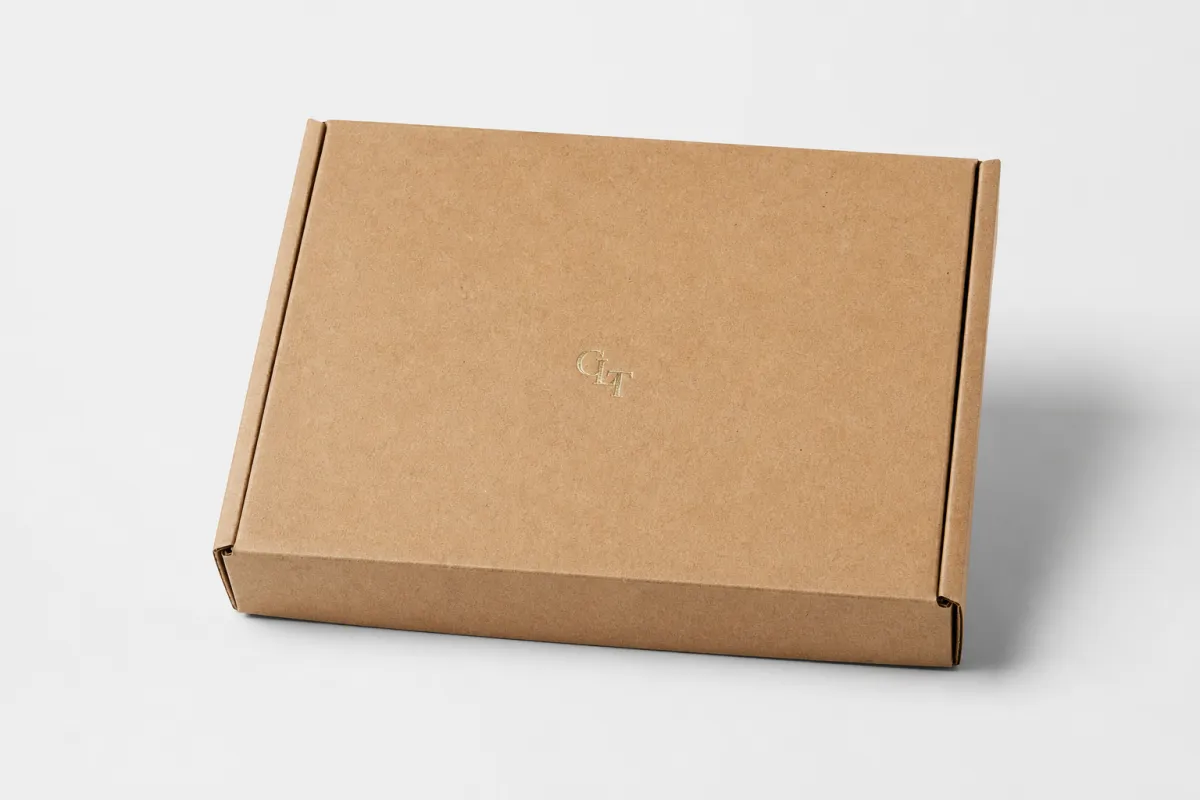
Recycled subscription boxes wholesale lower hidden costs because the packaging decision shows up in the same places finance teams watch closely: freight, replacement shipments, customer service volume, and return behavior. A carton that shaves a few cents off the unit price but collapses in transit is not a savings. It is a delayed expense with extra handling attached. That is why recycled subscription boxes wholesale should be judged as a margin decision, not a decorative one.
Subscription programs depend on consistency. The brand wants the same opening experience every month, the fulfillment team wants cartons that pack quickly, and the customer wants the contents to arrive in one piece. Recycled subscription boxes wholesale can support all three when the board grade is right and the structure fits the shipping lane. A well-built recycled mailer can cut down on void fill, keep inserts from shifting, and reduce the corner damage that often turns into complaint emails.
Credibility matters too. Buyers and retail partners have become more careful about sustainability claims, and vague language tends to create more questions than confidence. If a company says the packaging is recycled, it should be able to explain the material, the recycled fiber content, and the wording on the pack without guesswork. Recycled subscription boxes wholesale can strengthen that story when the material choice matches the message. A natural kraft look often communicates lower-impact packaging more honestly than a loud green design that has little relation to the actual board.
The clearest way to evaluate recycled subscription boxes wholesale is through total landed cost. That includes carton price, freight to the warehouse or co-packer, labor time for packing, and the cost of damage replacement over the life of the program. A box that reduces void fill by half can save more than a slightly cheaper unit price ever will. Buyers sometimes focus only on the quote line and miss the full picture sitting around it.
“The cheapest carton is not always the cheapest program. In recurring shipping, structure is part of the economics.”
That idea is easy to test in practice. If a recycled carton removes one bubble mailer, one piece of filler, or one manual packing step, the economics change immediately. For recurring shipments, recycled subscription boxes wholesale often create savings that do not show up until the second or third order cycle, once labor and replacement costs become visible in the data.
EPA guidance on waste reduction is a useful reference point for brands trying to simplify material use and improve recyclability. Their recycling overview at epa.gov/recycle reinforces a simple logic: use less, waste less, and choose materials with a clearer recovery path when possible. Packaging buyers should read that kind of guidance alongside transit testing standards, not instead of them.
One honest caveat: not every package that uses recycled fiber will be accepted the same way in every local recycling program. Coatings, heavy inks, laminations, and mixed-material add-ons can affect recovery. So yes, recycled content matters, but so does end-of-life reality. Buyers ought to ask those questions before the job is approved, not after a customer starts asking support about it.
Product details: box styles, materials, and customization
Recycled subscription boxes wholesale come in several structures, and each one fits a different packing reality. Mailer boxes are the most common choice for subscription kits because they fold flat, hold shape well, and give a strong surface for branding. Corrugated shipper boxes make more sense when weight climbs or when the contents need more crush resistance. Tuck-top cartons work well for lighter products, especially when the goal is a premium retail-style presentation. Sleeves and reinforced inserts add polish and protection when a kit has several components that should stay aligned during transit.
Material selection matters just as much as box style. Recycled kraft corrugate is a strong default for durable shipping programs. Recycled paperboard suits lighter kits, cosmetics, or gift sets that still need structure but not the same compression strength. Post-consumer content blends can improve a brand’s sustainability profile, though the buyer should confirm exactly how much is post-consumer and how much is pre-consumer fiber. Not every recycled-looking carton performs the same way once it is in the carrier network.
Customization is where recycled subscription boxes wholesale become a brand asset instead of a plain shipping container. Full-color outside print can turn a simple mailer into a repeatable branded touchpoint. Interior print helps when the inside of the box is part of the experience; a thank-you message, usage instruction, or QR code can add value without changing the outer footprint. Spot color matching works well for brands with a fixed visual identity, while natural kraft styling fits companies that want a quieter, material-first look.
Structural features can improve the customer experience without making the box more complex than it needs to be. Dust flaps help closure integrity. Locking tabs reduce pop-open issues. Tear-strip features make unboxing cleaner and lower the risk of knife damage. Insert trays and product dividers are especially useful for subscription kits with multiple items, because they keep the contents from moving around and turning into a rattling shipment. Recycled subscription boxes wholesale can include those details without forcing a premium-only format.
For buyers comparing options inside a broader packaging program, the structural choice often depends on how the box is handled after packing. Does it go straight to parcel pickup? Does it move through a warehouse sorter? Does it sit in a retail back room before shipping? Those movement patterns determine whether a simple mailer is enough or whether a stronger shipper is the better purchase. Recycled subscription boxes wholesale should be selected around that route, not around a mood board.
| Box style | Best use | Typical material | Approximate wholesale price range | Notes |
|---|---|---|---|---|
| Mailer box | Monthly subscription kits, e-commerce bundles | Recycled kraft corrugate, E-flute | $0.85-$1.80 per unit | Good print area, folds flat, strong brand presence |
| Corrugated shipper box | Heavier kits, more crush-sensitive contents | Recycled corrugated board, 32 ECT or better | $0.70-$1.60 per unit | Often chosen for protection over presentation |
| Tuck-top carton | Lighter goods, premium presentation | Recycled paperboard, 18pt-24pt | $0.55-$1.40 per unit | Best for lighter products and shelf appeal |
| Sleeve + tray | Gift sets, multi-piece subscription kits | Paperboard with corrugated support | $1.10-$2.25 per unit | Improves presentation and part separation |
| Reinforced insert kit | Fragile items, premium recurring shipments | Corrugated insert with paperboard outer | $1.25-$3.00 per unit | Reduces movement and helps protect higher-value contents |
The prices above are directional, not fixed. Print coverage, finish choice, board grade, and order quantity can move the number quickly. Recycled subscription boxes wholesale usually get more economical as volume rises, but the best structure is not the one with the lowest carton price. It is the one with the best balance of strength, appearance, and packing speed.
For buyers sorting through broader packaging formats, our Custom Packaging Products page is a practical place to start. For a recurring program, the right structure is usually tied to the shipping method first and the artwork second. That order saves rework and avoids a lot of needless back-and-forth later.
Specifications to verify before you order
Recycled subscription boxes wholesale should never be ordered from artwork alone. The first detail to lock is the packed product footprint. Measure the longest side, widest side, and tallest packed height, then add only the room needed for inserts, tissue, or protective cushioning. An oversized box costs more in board, freight, and void fill. A tight box slows packing and can scuff or crush contents under pressure.
Strength comes next. Buyers should ask for board grade, ECT rating, compression guidance, and seam construction. A recycled mailer can look attractive and still fail if the corrugate is too light for the parcel network. For recurring shipments, that network matters more than a photo on a sample sheet. A box that survives one hand-delivered test is not automatically ready for conveyor drops, stack pressure, and seasonal humidity swings.
Transit testing standards give the team a more useful benchmark. ISTA testing, especially protocols designed for parcel distribution, helps packaging teams think beyond appearance and toward real handling. The organization’s resources at ista.org are worth reviewing if your subscription items are fragile, premium, or costly to replace. Recycled subscription Boxes Wholesale That pass a meaningful transit test are usually better investments than boxes chosen only for print quality.
Recycled-content claims need discipline as well. Ask whether the board is certified, whether the fiber content is post-consumer, pre-consumer, or mixed, and whether FSC chain-of-custody paperwork is available if you plan to print that claim on-pack. If the box carries a sustainability claim, the claim should match the material reality. That sounds simple, though buyers still get caught by language that stretches beyond the actual specification. FSC resources at fsc.org are useful for understanding how chain-of-custody and responsible sourcing are documented.
Finish and print choice deserve attention too. Uncoated kraft often suits recycled subscription boxes wholesale because it reads as natural and hides minor scuffing better than glossy stock. Coated surfaces can improve color depth, yet they may show scratches more readily during fulfillment. Ink choice matters as well. Water-based or soy-based systems may be preferred in some programs, but the right selection depends on the print process, drying time, and the handling environment. Moisture exposure during warehousing or delivery should also be part of the discussion.
Before approving a job, confirm these items in writing:
- Finished dimensions with tolerances that match actual product packing.
- Weight per kit so board strength can be matched to the load.
- Ship method such as parcel, pallet, or mixed distribution.
- Recycled-content target and any required claim language.
- Finish selection based on scuff resistance, print look, and handling.
- Insert requirement if the contents can shift in transit.
Those details look small on paper. In production, they decide whether a box simply exists or actually performs. Recycled subscription boxes wholesale tend to work best when the spec reads like a packaging brief, not like a loose idea.
Recycled subscription boxes wholesale: pricing, MOQ, and quote factors
Pricing for recycled subscription boxes wholesale usually moves with five variables: size, board grade, print coverage, structural complexity, and quantity. Size is the easiest one to see. Larger cartons use more material and more freight space. Board grade matters because higher-strength corrugate costs more but may reduce damage claims. Print coverage changes ink use and setup time. Inserts, sleeves, and tear strips add steps to the manufacturing process. Quantity spreads setup cost across more units, which is why larger runs often drop the unit price faster than first-time buyers expect.
Minimum order quantity is another place where assumptions cause trouble. Simple recycled subscription boxes wholesale orders can often start with a lower MOQ than highly customized packaging, but structural complexity changes the math. A plain mailer with one-color print is easier to produce than a multi-component kit with dividers, specialty coating, and exact-fit inserts. If a launch is small, a pilot run may make sense. It allows the brand to verify fit, check packing speed, and see how the carton holds up before committing to a larger batch.
Many buyers compare only the unit price. That can be misleading. A box that saves ten cents per unit but needs extra void fill, manual taping, or frequent replacement is not a win. Recycled subscription boxes wholesale should be evaluated against freight, warehouse space, labor time, and damage replacement. The cheapest program on paper can turn into the most expensive one in practice if it slows pack-out or drives transit claims.
Here is a simple way to compare quotes:
| Quote factor | Why it moves cost | What to send the supplier |
|---|---|---|
| Final dimensions | Determines board usage and shipping cube | Product size, insert thickness, and packing allowance |
| Quantity | Spreads setup cost and affects production efficiency | Target run size and forecasted repeat volume |
| Print coverage | Changes press setup, ink use, and finish steps | Artwork files and color expectations |
| Insert complexity | Adds die-cutting and assembly time | Photos or a packing sketch |
| Delivery location | Freight lanes can shift landed cost sharply | Ship-to ZIP code or warehouse address |
For a quote that actually means something, ask for both sample pricing and production pricing. Ask whether tooling is included. Ask whether shipping is included. Ask if the price assumes a standard kraft exterior or a custom printed finish. A clear quotation for recycled subscription boxes wholesale should tell you what is included, what is optional, and what will change the number later.
One more practical point: buyers launching recurring programs often underestimate how fast inventory moves. A low MOQ may help you test the market, but if the program works, replenishment speed becomes more important than the first order savings. Recycled subscription boxes wholesale work best when the supplier can support both the launch order and the steady reorder cycle without forcing the brand to redesign packaging every quarter.
Used carefully, recycled subscription boxes wholesale become a planning tool. They help a buyer protect margin, forecast materials, and keep the subscription experience visually consistent across months. That consistency matters. Customers notice when the box changes shape, print tone, or opening behavior.
Process and timeline: from brief to delivery
The cleanest recycled subscription boxes wholesale projects follow a straightforward path. It starts with a discovery call or briefing note, then moves into spec confirmation, dieline setup, artwork review, proof approval, production, packing, and shipment. That sounds simple, and in a well-run project it usually is. Problems tend to start when the box size is still changing after the artwork has already been designed.
Sample time and production time should be treated as two different clocks. A sample can often move faster than a full manufacturing slot, but a quick proof does not guarantee a short production calendar. Recycled subscription boxes wholesale that need structural changes, special inserts, or sustainability verification will take longer than a standard printed mailer. Buyers who understand that distinction avoid most launch delays.
The most common delay points are easy to spot. Missing dimensions trigger dieline revisions. Low-resolution artwork slows proofing. Late approvals push the slot back. Changes to board grade or insert depth often call for another sample. Sustainability claims can also slow things down if the wording needs to match the actual recycled-content structure. None of these issues is mysterious. They usually come from incomplete input at the start.
A realistic production plan often includes a few checkpoints:
- Confirm the packed product size and target ship method.
- Approve the box style and board grade.
- Review the dieline before art is finalized.
- Approve print proof, finish, and claim language together.
- Set the shipment date against inventory needs, not wishful thinking.
That order matters because recycled subscription boxes wholesale are easiest to manage when the structure is locked first. Art can always be tuned. A wrong box size, by contrast, creates a chain reaction: new inserts, different freight cube, changed pack-out speed, and sometimes a different customer experience. It is cheaper to adjust the design once than to rebuild the whole program later.
From a packaging buyer’s point of view, this is where discipline pays off. If the supplier knows the product weight, the fill material, and the destination, the team can recommend a carton that actually fits the use case. If the buyer leaves those details vague, the quote may still look fine, but the box may not perform in a recurring distribution cycle. Recycled subscription boxes wholesale only stay efficient when the process is specific enough to support them.
Reorder planning also deserves attention. Subscription programs do not behave like one-time promotional shipments. They have seasonality, subscriber churn, inventory spikes, and occasional packaging refreshes. A supplier that keeps dielines, print files, and structural notes organized can make repeat orders smoother. That is one reason buyers prefer a packaging partner who understands recurring programs, not just one-off runs.
Why choose us for sustainable subscription packaging
At Custom Logo Things, the focus is not on treating recycled subscription boxes wholesale as a generic commodity. The goal is to match durability, sustainability, and brand consistency in a way that actually supports recurring shipment programs. That means recommending structures that fit the product, not forcing the product into a pretty carton that fails under load.
Quality control is the first filter. A subscription box needs repeatability. If the first order looks right but the second order drifts in board feel, print tone, or closure strength, the customer notices. Recycled subscription boxes wholesale should hold their standard across campaigns, subscription cycles, and replenishment schedules. That consistency is what makes a packaging program feel deliberate instead of improvised.
Material sourcing transparency matters too. Buyers Need to Know what is being used, what the recycled-content target is, and whether any certification paperwork supports the claim. If FSC options are relevant, those can be built into the conversation early. If the box needs to support a particular claim statement, it is better to verify that before production begins. That prevents awkward label edits later.
Structural guidance is another advantage. Many brands overbuy box size because they are thinking about appearance instead of fit. That creates excess void fill, higher freight cost, and a less polished unboxing experience. Recycled subscription boxes wholesale work better when the carton is sized to the product and the inserts are designed to stabilize the shipment. Good packaging design should reduce waste, not just talk about it.
Working with one supplier can also simplify forecasting. When the same team manages the box structure, artwork, and reorder timeline, the brand spends less time chasing mismatched specifications. That matters as a subscription program grows from test volume into stable monthly demand. It is easier to maintain one packaging standard than to keep re-validating multiple vendors across the year.
If you are already comparing sourcing options, our Wholesale Programs page is a useful place to start a conversation. Recycled subscription boxes wholesale often become more effective after a short review of the packing flow, not before it. The right recommendation usually saves more than the initial quote difference.
We also look at how the box will behave in the hands of the customer. Does the closure open cleanly? Does the insert hold the contents without rattling? Does the print stay readable after warehouse handling? Those details are not decorative. They influence whether the customer sees the brand as careful or careless. Recycled subscription boxes wholesale should support both protection and perception.
A final point: not every brand needs the same level of embellishment. Some need a natural kraft mailer with one-color print and a clean structural fit. Others need a premium inside-print experience with inserts and a stronger finish. The right answer depends on product value, shipping route, and the kind of customer response the brand wants. That is where practical packaging advice is worth more than a generic sales pitch.
Next steps for recycled subscription boxes wholesale orders
The fastest way to move forward is to prepare a short but complete brief. Include product dimensions, monthly volume, ship method, desired recycled content, print needs, and any fulfillment constraints. With those details in hand, recycled subscription boxes wholesale quotes become much more useful because the supplier can price the actual job instead of guessing at the build.
Ask for a structural recommendation before final art. That one step prevents a lot of waste. A well-sized carton can reduce material use, improve stack strength, and simplify packing. It can also keep the design looking cleaner because the layout is based on the real dieline rather than a shape that may change later. For recycled subscription boxes wholesale, structure should lead and graphics should follow.
Request a sample and test it with real product weight. Then ship a small pilot batch if possible. That tells you whether the box survives transit, whether the print holds up to handling, and whether the team can pack it at line speed. If the sample performs well, move to the production quote with more confidence. If it does not, the sample just saved you from a bigger problem.
It also helps to think ahead about reorder rhythm. Subscription programs can grow faster than expected, and packaging shortages create operational stress very quickly. Recycled subscription boxes wholesale are most effective when the design is locked early enough to support predictable replenishment. A stable carton spec keeps the program easier to manage, easier to forecast, and easier to explain internally.
Here is a practical checklist before you request pricing:
- Product dimensions and packed weight.
- Required box style and any insert needs.
- Target recycled-content level and claim language.
- Print areas, color expectations, and finish choice.
- Monthly volume, launch quantity, and reorder forecast.
- Delivery address and preferred transit method.
Once those items are clear, the buying process becomes far more efficient. Recycled subscription boxes wholesale stop being a guessing game and start behaving like a controlled packaging decision. That is the difference between a box that simply ships and a box that supports the business.
For brands building a recurring packaging system, recycled subscription boxes wholesale are strongest when the carton, the artwork, and the shipment plan are aligned. Get those three pieces right, and the packaging does more than hold product. It reduces hidden cost, supports the sustainability message, and gives the customer a cleaner, more reliable unboxing experience.
Frequently asked questions
What is the typical MOQ for recycled subscription boxes wholesale?
MOQ depends on the box style, print method, and board construction. Simple mailer styles usually start lower than highly customized formats. If you are launching a new program, ask whether a pilot run is possible so you can validate fit and packing speed before scaling. Larger recurring orders usually lower the unit cost and make it easier to keep the same packaging standard across future shipments.
Are recycled subscription boxes wholesale strong enough for shipping?
Yes, if the box grade matches the product weight and shipping method. Ask for board strength data, compression guidance, and insert options if the contents shift during transit. A recycled box can be highly durable when the structure is designed for the actual parcel environment instead of shelf display alone. That is the difference between a box that looks sustainable and one that performs.
Can I customize recycled subscription boxes wholesale with my branding?
Yes. Most buyers use custom print, logo placement, interior messaging, and branded inserts to improve the unboxing experience. You can often choose natural kraft styling for an understated look or full-color graphics for stronger shelf and social impact. The best results come from matching the artwork to the board surface and finish so the print stays clean and readable.
What affects recycled subscription boxes wholesale pricing the most?
The biggest drivers are box size, board grade, print coverage, insert complexity, and total order quantity. Freight, storage, and replacement costs also matter, especially for subscription brands shipping every month. A quote that looks cheap at first can cost more if the box needs extra void fill or causes damage during transit. Recycled subscription boxes wholesale should always be reviewed as a complete program cost.
How long does production usually take for recycled subscription boxes wholesale?
Timing usually depends on whether you need a sample first, how quickly artwork is approved, and how complex the structure is. Sample turnaround is often separate from full production, so plan for both when setting a launch schedule. The fastest projects are the ones with final dimensions, approved artwork, and a clear quantity before the order is submitted.


