A restaurant Custom Bakery Paper Bags reorder plan looks simple until a busy lunch or pastry rush burns through the last case early. Then the replacement order usually costs more, takes longer, and risks a spec mismatch that shows up at the counter. For buyers, the problem is not just inventory. It is consistency, landed cost, and the ability to keep branded packaging on hand without guessing.
Custom paper bags are worth treating like a scheduled supply item. The best reorder process keeps the same size, stock, print setup, and approval record from one run to the next. If your operation also buys Custom Packaging Products or manages broader Wholesale Programs, the same discipline helps keep specs aligned across the packaging stack.
Restaurant Custom Bakery Paper Bags Reorder Plan: Why Stockouts Hurt More Than You Think
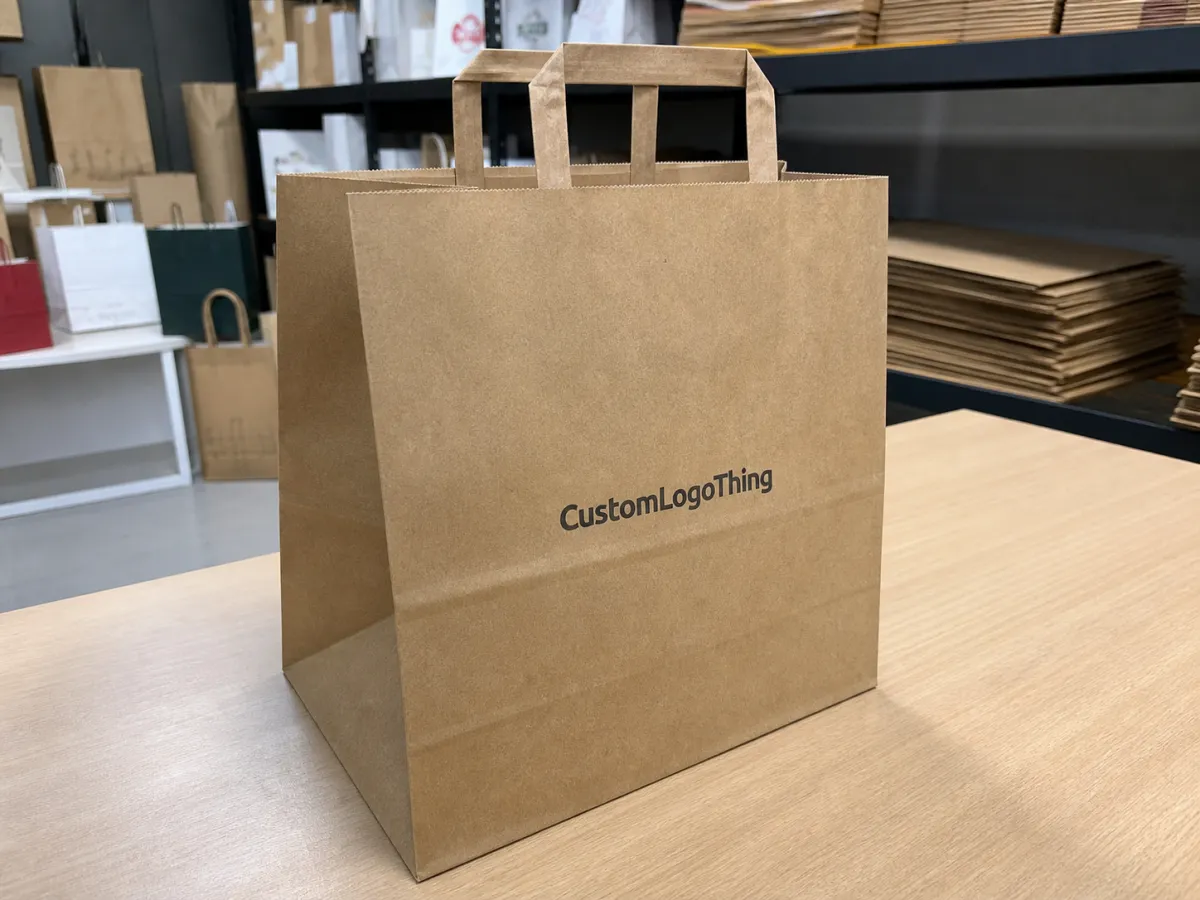
Stockouts hurt more than the missing bag. A rush replacement can force higher freight, compressed proofing, and a quicker production window, all of which raise the chance of errors. A logo may shift, paper tone may change, or the bag may arrive in a slightly different size than the last run.
The reorder plan should answer three questions: which bag is the standard, how much safety stock sits on the shelf, and what inventory level triggers a new PO. That is enough to keep the process repeatable. The goal is not perfection; it is avoiding last-minute substitutions that look wrong beside the counter or feel flimsy in the hand.
A fixed plan also makes supplier comparisons more useful. When every quote is built from the same baseline, buyers can see real differences in unit price, freight, and production quality instead of comparing one strong run against one weak run. That matters because a bad comparison can make a fair supplier look expensive and a weak one look cheap.
For restaurants and bakeries that use paper bags for both retail and takeaway, the packaging should feel like one system. The artwork does not need to be identical across every item, but the paper tone, logo treatment, and print quality should stay close enough that the packaging reads as a set. That consistency is often what repeat customers notice first.
Bag Styles That Fit Pastries, Takeout, and Counter Orders
The right bag depends on the load, not the photo in the catalog. Flat paper bags work for cookies, small pastries, and light counter handoffs. Gusseted bags are better for pastry boxes and wider baked goods. Handled carry bags make sense for mixed takeout or heavier orders that need to travel farther.
- Flat bags: best for 1 to 2 pastries, lightweight bakery items, and quick counter service.
- Gusseted bags: better for pastry boxes, wider items, and product that needs extra depth.
- Handled carry bags: useful for mixed takeout, heavier orders, and longer customer carry times.
Print placement matters as much as style. A simple one-color logo usually survives folding, stacking, and handling better than a dense full-panel design. Full coverage can work, but the artwork needs to stay readable when the bag is half full or slightly crumpled. Intricate art often looks better in the proof than in a busy service line.
Ask about twisted handles, reinforced tops, and grease resistance if the bag carries warm items or heavier containers. If the order includes pastries, bread, or boxes that may release steam, the stock should tolerate moisture without softening too quickly. For fiber sourcing and chain-of-custody checks, the FSC site is a useful reference when documentation matters.
There is a practical tradeoff here: a lighter flat bag can cost less and move faster through production, but it gives up stability. A handled bag improves carry performance, but it adds setup complexity, shipping volume, and cost. The right choice depends on whether the bag is mostly for pastry counter sales or for mixed restaurant takeaway.
Size, Paper Weight, and Print Specs to Lock Before Reordering
Reorders go wrong when buyers assume close enough is fine. The specs that need to stay fixed are finished width, gusset depth, height, paper weight, handle construction, print area, and any coating or liner. Change one of those and the bag may stop fitting the product even if it looks similar on paper.
A simple spec sheet prevents drift. It should list the finished size, stock type, paper weight, coating or liner, handle style, color count, logo placement, and approved artwork file. Add the previous PO number and supplier reference if you have them. That gives the next buyer or manager a clear record instead of a trail of email threads.
For bakery and restaurant use, a few checks are worth confirming before the reorder:
- Food-safe inks: important if the bag sits near unpackaged pastries or bread.
- Grease resistance: useful for warm, laminated, or fried items.
- Tear strength: important for carry bags that hold mixed takeout.
- Paper weight: thin stock may look fine and still fail under load.
- Hot or cold handling: some papers curl, soften, or show moisture faster than others.
Paper weight changes feel more than many buyers expect. A 60 gsm bag and an 80 gsm bag can both print cleanly, but they do not behave the same on a shelf or in a customer’s hand. One may fold too easily. The other may cost more to ship and store. The difference is easy to miss during sampling and obvious on the second reorder.
Finish matters too. Uncoated kraft usually gives a natural look and prints well, but it can show grease faster. Coated stock may resist moisture better, yet it can change the print surface and the hand feel. The best choice depends on whether the bag is mostly decorative, mostly functional, or expected to do both.
Keep one reference sample or archived spec set before the next purchase order goes out. That sample should match what actually ships, not just what the product sheet shows. If the supplier can repeat the same artwork, same stock, and same print setup, the reorder is much less likely to drift. For broader paper waste and recovery guidance, the EPA guidance pages are a practical reference when sustainability reporting or disposal planning enters the discussion.
Cost, Pricing, and MOQ: What Actually Moves the Quote
Pricing usually comes down to stock, size, handle style, number of print colors, finishing, and shipping method. If any of those changes, the quote changes. What is not normal is expecting the price to stay flat after adding a second color, widening the gusset, or upgrading from a flat bag to a handled one.
MOQ tradeoffs need a direct answer. A lower minimum can feel safer, but it often increases unit price. A larger run may look heavier on paper, yet it can cut the per-unit cost enough to justify better storage planning. If shelf space is limited, the math changes. If the reorder cycle is predictable, a larger run often wins.
| Bag Option | Typical MOQ | Unit Price Range | Best Use | Main Tradeoff |
|---|---|---|---|---|
| Flat paper bag | 3,000-5,000 pcs | $0.12-$0.24 | Light bakery items, counter orders | Less carry strength |
| Gusseted paper bag | 5,000-10,000 pcs | $0.18-$0.32 | Pastry boxes, wider product packaging | Takes more storage room |
| Handled carry bag | 5,000-10,000 pcs | $0.24-$0.48 | Mixed takeout, heavier orders | Higher setup and freight exposure |
Those ranges move with paper weight, print coverage, shipping distance, and whether the order uses stock the supplier already runs often. A plain one-color bag on a standard stock is cheaper than a full-coverage design with specialty finishing. Buyers should ask for at least two quote options: the lowest MOQ and the better unit price at a larger run.
Cost control moves that actually help:
- Standardize two core sizes and avoid one-off sizes.
- Keep the color count low unless the logo truly needs more.
- Avoid artwork changes after proof approval.
- Reorder before inventory gets tight enough to force rush freight.
- Ask about setup fees, plate charges, sample charges, and split-ship costs upfront.
Freight deserves its own line because it can erase a bargain quickly. A low unit price may not be the best landed cost once shipping, handling, and storage are included. If the order is large enough to affect warehouse space, that cost should be counted too. Paper bags are lighter than rigid boxes, but volume still matters.
Process and Timeline: From Proof Approval to Delivery
The reorder flow should be routine: request quote, confirm specs, review artwork, approve proof, run production, inspect, ship. The less a buyer has to reinterpret, the less chance there is for a mismatch later.
For repeat orders, archived specs and approved artwork can shorten the cycle. A straightforward reorder may still take around 12 to 15 business days after proof approval, before shipping. If artwork is missing, color correction is needed, or freight is slow, the window stretches. Custom runs with new die lines or unusual print coverage can take longer.
Use lead time plus a cushion, not the last remaining pallet, as the reorder trigger. If production and delivery usually take two weeks, do not wait until you have only a few days left. That is how restaurants end up stuffing pastries into the wrong bag and explaining the mismatch at the counter.
Quality control should happen at more than one point. Check the first proof for logo position, color reference, and panel dimensions. Check the production sample, if one is supplied, for paper feel, handle reinforcement, and print clarity. Check arriving cartons for damage, moisture, and count accuracy. A bag program can look fine in a PDF and still fail in the warehouse if cartons were crushed or stock was swapped.
For orders that travel through multiple storage points or need better transit durability, standards from ISTA can help frame the questions. Not every bakery needs lab-style testing, but the conversation is useful if bags are moving across long freight lanes or into several locations.
Why Repeat Buyers Stick With One Packaging Supplier
Repeat buyers care about consistency more than polished sales language. If the print color stays close, the size stays true, and the material feels the same every time, the program works. That is the point of a reorder plan: reduce surprises in a part of the business that should be predictable.
The better supplier is the one that keeps files, spec history, and reorder notes organized so the next run becomes a reminder instead of a rebuild. Fast proof turnaround matters. Archived artwork matters. So does someone who can tell you whether the current stock is already enough or whether a stronger paper is worth the upgrade.
There are real supplier differences worth comparing:
- Domestic support: often faster communication and easier reorders.
- Overseas pricing: can save money on larger runs, but timeline control matters more.
- Flexible order sizes: useful when demand changes by season.
- Packaging advice: valuable when choosing between bags, boxes, or a mixed retail set.
Trust is not a logo on a homepage. It is a supplier who can answer a spec question without hand-waving and repeat the prior order without guessing. When the archive, specs, and reorder cadence are organized, staff spend less time checking whether the new shipment matches the old one.
There is also a practical connection between paper bags and the rest of the packaging stack. If your bakery or restaurant already uses Custom Packaging Products, the color palette, storage plan, and print style should be coordinated. That keeps the brand from feeling assembled piece by piece.
What to Send Before Your Next Reorder
Send the facts, not a guess. The supplier needs finished size, paper weight, handle or no-handle preference, print file, quantity target, and shipping destination. If any of those are missing, the quote will be built on assumptions.
Include the previous PO or invoice, the approved artwork, and a photo of the current bag in use if you have one. A photo helps more than many buyers expect because it shows whether the bag is folding too much, sitting too low, or getting stretched by the product load.
Ask for two numbers in the same conversation:
- Your preferred reorder quantity.
- A backup quantity that improves unit cost if budget allows.
That comparison helps decide whether to buy for the next month or the next two months. If storage is easy and usage is steady, the larger run often wins. If sales swing hard, keep the order tighter and protect cash flow. The right answer depends on how much space, time, and capital the operation can spare.
Before sending the order, confirm the print reference and the stock reference separately. A quote can be accurate on size and wrong on material. It can also be correct on material and wrong on color count. A short checklist prevents the common errors that show up only after cartons arrive.
Keep the Restaurant Custom Bakery Paper Bags reorder plan as a standing spec sheet with the rest of the packaging records. Then every reorder starts from the same file instead of memory, which is how custom bakery paper bags stop becoming a recurring fire drill.
FAQ
How do I set a restaurant bakery bag reorder schedule?
Start with weekly usage, then add enough stock to cover the full lead time plus a safety buffer. If sales spike on weekends or holidays, build the trigger around your busiest period, not your average week.
What MOQ should I expect for custom bakery paper bag reorders?
MOQ depends on size, print method, and paper stock. Smaller flat bags can start lower, while handled or heavily printed bags usually need a higher minimum. Ask for at least two options so you can compare MOQ against unit price.
How can I keep print quality consistent on repeat orders?
Reuse the same approved artwork, color references, and spec sheet every time. Also ask the supplier to confirm the same paper stock and print setup used on the prior run. If the supplier changes materials, the result may look close but feel different.
What details are needed to quote a custom bakery paper bag reorder?
Provide bag dimensions, paper weight, handle style, print colors, quantity, and delivery location. Include the old PO or invoice if you want the quote matched to the last order instead of rebuilt from memory.
How far ahead should I place a bakery bag reorder?
Place it before you hit the last third of inventory so production and shipping have room to breathe. If your design needs proof approval or freight is unpredictable, add extra days and reorder earlier than you think you need to.

