A restaurant Embroidered Baseball Caps material sample guide has to answer more than a color question. A swatch can tell you the shade, but it cannot tell you whether the front panel will stay smooth after embroidery, whether the brim keeps its shape after repeated handling, or whether the cap still feels acceptable after a double shift in a hot dining room.
That is where many uniform orders go sideways. Buyers approve a neat-looking mockup, then discover that the fabric shows needle pulls, the crown sits too tall, or the closure feels awkward on half the staff. A sample should reveal those problems early, while the fix is still a change order instead of a reorder.
Restaurants have different demands than retail brands or sports teams. There is grease in the air, steam from dish stations, sweat from service, and constant removal and adjustment during a shift. A cap that looks polished on a desk may fail the actual work test within a week.
Restaurant Embroidered Baseball Caps Material Sample Guide
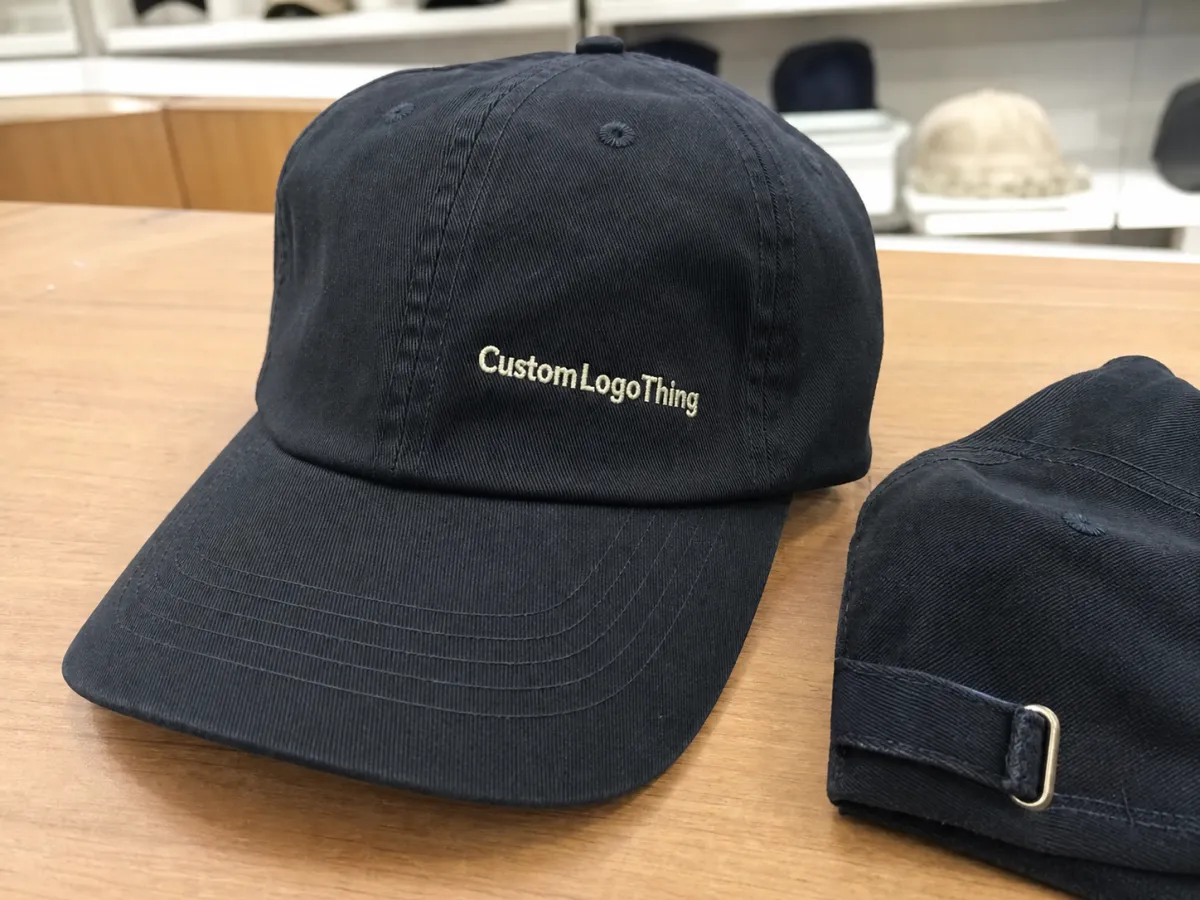
The sample process should start with function, not decoration. Before anyone approves thread colors or logo size, the team should decide what the cap needs to do: stay breathable, clean up well, hold embroidery without distortion, and fit different head sizes without constant adjustment. If those basics are unclear, the sample review becomes guesswork.
In restaurant work, cap material has a direct effect on how the embroidery behaves. A firm polyester twill can keep a logo crisp. A softer cotton twill may feel better on the head but can show puckering if the design is dense or the backing is too light. A stretch blend can improve comfort, though it may also complicate the stitch path if the front panel is not stabilized correctly.
The useful sample is the one that shows the whole system. That means the blank cap, the decorated cap, the closure, the sweatband, and the interior structure. If you only review a loose fabric swatch, you miss the part that actually matters: how the material behaves once the embroidery needle and the crown curve start working against each other.
A sample that matches the color chip but fails the fit test is still the wrong product. In uniform programs, comfort and stitch quality usually matter more than a perfect-looking swatch.
For restaurant buyers, the most practical question is simple: will this cap still look deliberate after a real shift? If the answer depends on ideal lighting, a perfect head shape, and no sweat, the sample is not ready.
There is also a visual balance issue that shows up fast in food service. Front-of-house teams usually need a cleaner, more polished read from a distance. Kitchen teams often need better airflow and a lower profile. One cap style rarely does both jobs equally well, so the sample stage should separate style preference from actual wear conditions.
How Cap Construction Changes the Embroidery Result
Cap construction changes the final embroidery more than most buyers expect. A structured six-panel cap with firm front backing behaves differently from a soft five-panel cap, even if the fabric content is the same. Buckram, fused interfacing, seam placement, panel count, and crown depth all affect how the logo sits once the cap is on a person instead of a display stand.
A six-panel cap gives a classic shape, but center seams can interfere if the logo is wide or placed too high. A five-panel flat-front cap gives a smoother canvas and often works better for wordmarks, badge-style logos, and simple restaurant names. For designs with small text, that uninterrupted front panel can be the difference between readable and cramped.
Profile matters too. Mid-profile caps usually read more uniform-friendly and hold shape well under embroidery. Low-profile caps feel more casual and sit closer to the head, which some teams prefer for long shifts or open kitchens. High-profile caps can work for branding, but they are less forgiving if the decoration is oversized or the wearer wants a subtle look.
Stitch density is another point that gets overlooked. A weak fill can look thin and patchy. A dense fill can harden the front panel and create rippling around the design. For restaurant logos, embroidery often lands in a practical range of roughly 6,000 to 12,000 stitches depending on size and detail, but the exact number matters less than how the cap looks under tension. If the front panel starts to buckle or the stitch edges lose clarity, the design is too heavy for the chosen body.
Thread type matters as well. Standard polyester embroidery thread is the usual workhorse because it resists fading and handles laundering better than more delicate options. Matte thread can reduce shine under bright dining room lights. A subtle sheen can look sharper on camera, though too much reflection can make a logo look promotional instead of uniform-grade.
One flat sew-out is not enough to make a call. A stitch sample on paper or stabilizer can show digitizing quality, but it will not show how the actual crown bends or how the brim and front panel respond to wear. The decorated sample has to be on the same cap body that will go into production. Anything else is a preview, not an approval.
Fabric, Feel, and Wear Factors to Compare
Fabric choice is where the practical side of sampling starts to show. Cotton twill is still common because it feels familiar, takes embroidery well, and gives a matte finish that reads cleanly in a restaurant setting. Typical weights sit around 240 to 300 gsm, which gives enough body for structure without becoming too rigid. It is a good fit for teams that want a classic cap and are comfortable with a little more natural texture.
Polyester twill is often the better operational choice. It tends to hold color consistently, resists wrinkling, and usually dries faster after cleaning. For restaurants that wash caps regularly or need a more uniform look across many locations, that extra stability can matter more than the softer hand of cotton. The tradeoff is feel: polyester can run warmer if the cap is poorly ventilated or too heavily structured.
Performance blends deserve a close look for hot kitchens and humid regions. They often include moisture-wicking fibers, and the interior can feel noticeably drier during long shifts. That said, not every performance fabric accepts embroidery equally well. Some need heavier backing, and some show needle marks more easily than standard twill. A sample is the only reliable way to see that behavior.
Mesh-back trucker caps can improve airflow, especially for casual concepts, outdoor service, or back-of-house use. They are not always the best fit for polished dining rooms because the mesh changes the brand read. Foam-front caps create a bold retro look, but foam can compress under embroidery and distort if the logo is too large or too tightly packed.
Finish is another quiet decision with real consequences. Matte fabrics usually look better under harsh indoor lighting. Smooth, slightly shiny fabrics can photograph well, but they may exaggerate stitch sheen and make a cap feel more promotional than operational. For a brand with a clean, understated uniform system, the least reflective option is often the safest.
Ask for more than the cap itself when reviewing samples. A complete request should include the crown structure, sweatband material, closure type, and any lining or reinforcement used inside the front panel. If the supplier sends a sample packet, check the packaging too. A crushed box can distort the cap shape before it is even reviewed, which makes the sample harder to judge fairly. Packaging made from recycled board or FSC-certified paper is a useful signal of process discipline, and it also tends to protect the sample better than a thin mailer.
Three quick checks help separate a good fabric from a merely acceptable one:
- Hold the cap under indoor light and daylight to see whether the color shifts too far.
- Press the front panel with your thumb to judge how much the structure rebounds.
- Run a finger along the sweatband to see whether the interior feels stiff, scratchy, or absorbent enough for long wear.
Cost, Pricing, and MOQ Signals in Sample Requests
Sample pricing is usually a mix of material, setup, and labor. A blank cap sample may cost very little beyond shipping. A decorated sample costs more because it includes digitizing review, thread setup, machine time, and often a one-off production handling fee. If the artwork is complicated or the supplier has to source a special cap body, the sample price climbs quickly.
Minimum order quantity, or MOQ, changes the economics of the full order, but it also affects sample behavior. A supplier with a low MOQ may be willing to run a small proof quickly, while a larger operation may ask for a more formal approval process before committing machine time. Neither approach is wrong. The important part is knowing whether the sample fee is credited back into the bulk order or treated as a separate cost.
| Sample Type | Typical Price Range | What It Shows | Best Use |
|---|---|---|---|
| Material swatch or color card | $5-$15 | Color, texture, and surface finish | Early fabric narrowing |
| Blank physical cap sample | $12-$30 | Fit, crown shape, and closure comfort | Comparing cap bodies |
| Decorated sew-out sample | $20-$45 | Logo size, stitch density, and placement | Checking embroidery behavior |
| Pre-production sample | $35-$90 | Final setup before bulk manufacturing | Last approval before order release |
Those prices are broad ranges, not fixed rules. They still help because they show what is being paid for: information. A slightly more expensive pre-production sample can save money if it prevents a full reorder caused by the wrong front structure, a bad logo scale, or a closure that does not work across the team.
Always compare quotes on the same basis. Same cap body. Same fabric. Same closure. Same embroidery area. Same thread colors. Same logo dimensions. If one quote includes a structured cotton twill snapback and another covers a relaxed polyester strapback, the lower price is not a like-for-like comparison. It is just a smaller cap order.
For restaurant groups, the hidden cost is usually inconsistency. One location approves a softer cap, another wants more structure, and the final order lands in the middle. That compromise often satisfies nobody. A clear sample spec prevents that drift.
Process, Timeline, and Production Steps
A disciplined sample process has a simple shape. Start by narrowing the options to two or three cap bodies and two fabric categories. Ask for swatches or blank samples. Review them under real lighting. Then move to a decorated sample on the exact cap style planned for production. That sequence reduces noise and keeps the team from spending time debating options that will never be ordered.
Typical timing depends on how much has to be made from scratch. A stock blank sample may arrive in a few business days. A custom decorated sample usually takes about one to two weeks after artwork approval. A pre-production sample can take longer if the supplier needs to confirm color matching, recreate the digitizing, or source a specific closure or fabric lot. Bulk production after approval is often around 12 to 15 business days, though larger runs or busy seasons can push that out.
The main delays are predictable. Artwork with tiny text or sharp corners may need digitizing cleanup. A logo that is approved at 3.5 inches wide may be rejected at 4 inches wide. A thread color that looks good on screen may need a physical comparison because navy, black, and charcoal can blur together under indoor light. The more decision makers involved, the more likely the process slows down, especially if operations, marketing, and location managers all weigh in separately.
Sample packaging deserves its own check. If the cap arrives wrinkled, crushed, or bent out of shape, the review is biased from the start. A good package should protect the front panels, keep the brim flat, and prevent the cap from arriving with transit creases that look like manufacturing defects. A sample that has already been damaged in shipping can trigger unnecessary revisions.
A short approval checklist keeps things from drifting:
- Confirm the cap body, fabric, and closure type in writing.
- Check embroidery size and placement on the physical sample.
- Review the cap under indoor light and daylight.
- Test fit, sweatband feel, and crown depth on more than one person.
- Record the final approved spec before production begins.
Common Mistakes That Lead to Reorders
The first mistake is choosing by color alone. A navy cap can look correct and still fail in practice if it is too glossy, too hot, or too stiff for the team wearing it. In restaurants, the uniform has to work in motion, under heat, and across different roles. Color matters, but only after the cap has passed the comfort and durability checks.
Another common error is approving the digital proof without a physical embroidery sample. Screens hide stitch direction, tension, and how the logo sits on a curved crown. A design that looks balanced on a flat mockup can shift once it is stitched onto a structured front panel. If the wordmark is too tall, it can crowd the seam lines. If the icon is too wide, it can look stretched. Those issues rarely appear until the sample is in hand.
Fit problems cause more frustration than most buyers expect. One size rarely fits every head shape or hairstyle well. A closure can feel fine on a desk but bulky in service. A deep crown can press into the forehead during long shifts. A scratchy sweatband can make staff stop wearing the cap, which defeats the point of the uniform in the first place.
Skipping a wear test is expensive because it hides the daily realities. Wear the sample for several hours. Bend the brim. Adjust the closure more than once. Wash it if the intended care routine calls for washing. Then look at it again. That is the only way to know whether the cap can survive the rhythm of a restaurant.
Production drift is another avoidable problem. A sample may be approved on a structured polyester twill cap with a black snap closure and a 3.75-inch logo, but the bulk order can still go wrong if the final purchase order uses loose language. The more exact the approved sample spec, the less room there is for surprise.
Expert Tips and Next Steps for Approval
Keep the comparison set small. Two or three cap bodies are enough for a serious review. More than that, and the team starts comparing small differences that do not matter while missing the ones that do. A structured polyester twill, a softer cotton twill, and a performance blend usually tell the whole story quickly.
Review samples in conditions that resemble the final use. Look at them under the restaurant lights. Then check them in daylight. Then have someone wear them through a normal shift pattern, or as close to that as possible. The front-of-house team may care more about clean appearance. The kitchen team may care more about heat and sweat management. One sample can reveal both, but only if it is tested honestly.
Document the approval like a production record, not a mood board. List the cap style, fabric weight, closure, crown profile, embroidery placement, logo width, thread colors, and any interior notes about sweatband feel or reinforcement. That record prevents the usual confusion later, especially when several people remember the sample differently.
There is also value in asking about sourcing and packaging, even if it is not the main reason for the order. Recycled board mailers, FSC-certified paper inserts, and consistent labeling show that the supplier is paying attention to the details around the product, not just the decoration itself. That kind of discipline usually shows up elsewhere in the order, too.
The most useful final test is not visual perfection. It is consistency. If the sample holds shape, feels comfortable, keeps the logo clean, and still looks credible after wear, the production run is likely to follow the same pattern. That is the real purpose of a restaurant Embroidered Baseball Caps material sample guide: to turn a guess into a controlled approval.
What should a restaurant embroidered baseball cap sample include?
A useful sample should include the actual cap body, the chosen fabric, the closure, and the embroidered logo on the correct placement. It should also show the interior structure, sweatband, and crown shape. If the sample only shows a fabric swatch or a flat stitch test, it is incomplete.
Which cap material works best for embroidered restaurant hats?
Polyester twill is often the most practical choice because it keeps color consistent and handles frequent cleaning well. Cotton twill is a solid option if the brand wants a softer hand and a more classic finish. For hot kitchens, a performance blend may be worth testing, but only if the embroidery stays clean on that fabric.
How much should a cap sample cost?
Blank swatches are usually inexpensive, while decorated samples cost more because of setup and machine time. A blank cap sample might sit in the low teens, a decorated sew-out can land in the twenties, and a pre-production sample can be higher. The exact cost depends on the cap body, embroidery complexity, and whether the sample is credited toward the bulk order.
How long does sample approval usually take?
Stock blank samples may arrive within a few days. Custom sew-outs often take one to two weeks after artwork approval. If the team requests revisions, the timeline stretches. A full bulk run usually needs another couple of weeks after the sample is signed off, depending on order size and season.
What is the biggest mistake restaurants make with embroidered cap orders?
The most common mistake is treating the sample as a color check instead of a production test. Fit, embroidery density, crown structure, and wear comfort matter just as much as appearance. Another common error is approving a sample that does not match the actual production spec, which creates avoidable reorders.
For restaurants, the strongest cap orders are the ones that survive real use, not just a quick review. That is the standard a sample should meet before the bulk order starts.


