A restaurant Ribbed Winter Beanies Material Sample guide is useful because photos do not show how the knit behaves, how the cuff holds shape, or whether the logo still looks clean after the beanie has been stretched and handled. Those details matter when the item is part of a staff uniform, not just a seasonal accessory.
A sample helps buyers see fit, warmth, decoration quality, and finishing before committing to bulk. It also shows whether the fabric supports embroidery or labels without puckering. That makes it easier to separate a beanie that looks good online from one that will actually hold up in service.
Why a Sample Beats a Catalog Photo for Ribbed Beanies
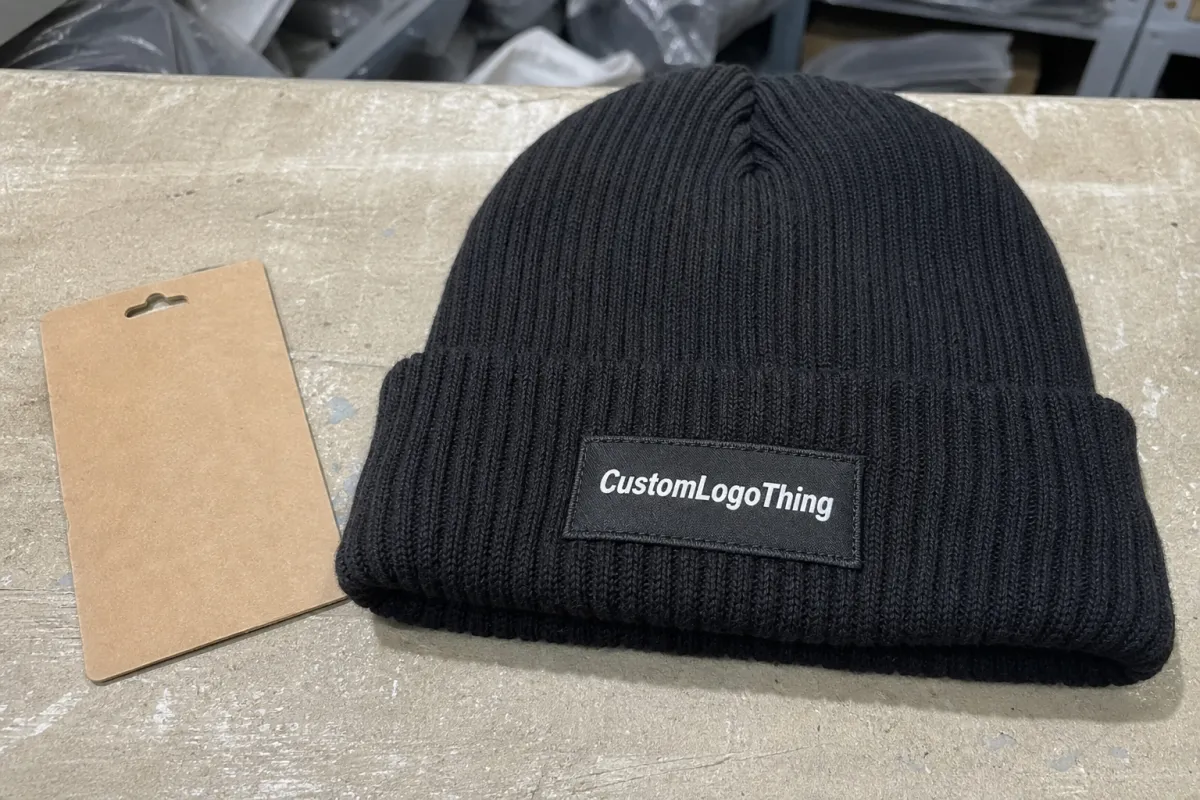
Catalog photos flatten texture. They do not show stitch recovery, cuff firmness, or how the crown changes after handling. That matters in restaurants, where beanies are tugged on before service, worn near heat, stuffed into lockers, and used again later in the day.
A sample reveals the variables a listing hides: hand-feel, rebound, surface stability, and logo distortion. If the knit is too loose, the beanie slumps. If it is too stiff, it can look boxy. If the decoration sits on an unstable rib, the stitching ripples and the piece reads unfinished.
The business effect is easy to miss. The same embroidery can look elevated on a dense rib and careless on a soft, unstable knit. That changes how the item reads on staff, in photos, and in customer-facing spaces.
“If the sample only looks good folded, it is not ready for staff wear.”
Stretch it, fold it, leave it sitting for a while, then check whether the silhouette returns. If the cuff twists or the rib grows lumpy, the sample is telling you something important.
What Restaurant Ribbed Winter Beanies Reveal in Hand
Once the beanie is in hand, the construction details become obvious. Rib density is usually the first clue. A tighter rib tends to hold shape better and recover after stretching, while a looser rib may feel softer at first but lose structure faster. Cuff depth matters too, especially if the logo needs a clear placement zone.
Yarn blend changes the result again. Acrylic is usually the lowest-cost option and gives predictable color matching, which is why it appears so often in custom headwear. Poly-acrylic blends often improve softness and stretch recovery. Wool blends feel warmer and more premium, but they cost more and may need clearer care instructions. Recycled yarns are increasingly common, though the hand-feel depends on the source fiber and finishing.
Ribbed knit is especially relevant in food service because fit has to work across many head sizes. A good rib allows stretch without looking strained. A poor one grows quickly, then collapses around the forehead and crown. That can make even a well-placed logo look tired.
Decoration reacts to the surface texture as well. On a smoother rib, embroidery can look sharper. On a heavier rib, minor wear is less visible, but the stitch path may need more support to avoid wobble. Woven labels and patches can work on textured knits, though placement and edge finish matter as much as the application method.
| Material | Feel | Warmth | Recovery | Typical Cost Impact |
|---|---|---|---|---|
| Acrylic | Light, familiar, easy to color match | Moderate | Good if the knit is dense | Lowest |
| Poly-acrylic blend | Softer hand, better stretch balance | Moderate to good | Very good | Low to mid |
| Wool blend | More premium, warmer hand-feel | High | Good, depending on knit | Mid to high |
| Recycled yarn | Varies by source, often slightly dry at first touch | Moderate | Depends on fiber mix | Mid |
Use the table as a starting point, not a verdict. Yarn count, rib gauge, finishing, and washing can change the final result more than the fiber label alone. Two beanies with the same material description can feel different once they leave the sample stage.
There is also a production constraint hidden inside the material choice. Thicker yarns can reduce speed. Tighter rib structures can require more controlled knitting and more careful QC. Those choices affect lead time and price together, which is why the sample should be judged as a production reference, not a one-off object.
Cost, MOQ, and What Moves the Quote
Pricing usually moves in layers. Material is one layer, decoration is another, and minimum order quantity changes the calculation again. For prototype samples, a realistic range is often $25-$75 plus shipping, depending on whether the supplier is pulling from stock yarn, building a new colorway, or preparing a decoration proof from scratch.
For bulk orders, a simple acrylic ribbed beanie with one-color embroidery may land around $1.80-$3.20 per unit at 500 pieces. A wool blend or custom-dyed option can move closer to $3.50-$6.00 or more, especially if packaging or trim changes are included. These are working ranges, but they are useful for spotting quotes that are unrealistically low.
The main price drivers are usually clear once you know where to look:
- Fiber content - acrylic is usually cheaper than wool blend or specialty recycled yarn.
- Rib gauge - tighter knit construction often costs more because it uses more yarn and more machine time.
- Decoration method - embroidery, woven labels, and patches all carry different setup and labor costs.
- Color matching - custom dyeing or yarn matching adds time and can raise the minimum.
- Packaging - stock poly bags cost less than custom belly bands, printed inserts, or FSC certified kraft sleeves.
MOQ matters because it spreads setup costs across the run. A 250-piece order may look manageable, but a 500-piece order can sometimes reduce the per-piece price enough to make the program more sensible. That is often a better trade than choosing a cheaper knit that will not wear well.
Ask for the sample fee, tooling or setup, unit cost, freight, and any allowance for rework. A low headline price can disappear once replacement labor, re-embroidery, or extra shipping enters the picture. That is especially true for programs with logo placement requirements.
Packaging deserves its own check. Corrugated cardboard is usually the safest choice for transit. Kraft paper wraps and simple inserts keep presentation clean without adding much cost. If sustainability claims matter, verify them instead of using them loosely. FSC certification has clear chain-of-custody standards, which are explained at FSC. For shipping durability, packaging test methods from ISTA are a better benchmark than guesswork.
Process and Lead Time for Requesting Samples
The sample process should be simple, but only if the buyer sends usable input. A supplier usually needs target dimensions, preferred yarn blend, logo placement, color reference, and expected quantity. Without that, the sample becomes generic proof instead of a decision tool.
A typical workflow looks like this: inquiry, spec review, material selection, prototype build, decoration proof, then shipment. If the beanie requires a custom color, custom trim, or a specialty patch, the lead time stretches quickly. In a straightforward case, sample turnaround can be 7-12 business days. If yarn matching or decoration revisions are involved, 12-20 business days is more realistic.
Speed depends on the clarity of the brief. If the buyer states whether the beanie is for kitchen staff, front-of-house, or delivery teams, the supplier can usually avoid at least one correction. Fit targets help as well. A snug beanie for outdoor staff is not the same as a softer, more relaxed piece for indoor uniforms.
The biggest delays tend to come from custom dyeing, waiting on embroidery or patch approval, and trim matching. That is why the first sample should be evaluated against the final use case, not just against a mood board. If the cap is already close and the issue is minor, moving to production may save time. If the logo shifts on the rib or the crown feels unstable, a resample is usually the safer choice.
These are the changes that usually justify another sample:
- The cuff height changes the logo placement.
- The knit feels too loose after stretching.
- The yarn color shifts under indoor lighting.
- The decoration sits unevenly across the rib lines.
Lead time also depends on season. Winter demand compresses schedules quickly. A beanie order placed late in the season can move from straightforward to rushed, especially if the supplier is balancing several bulk orders across the same yarn and decoration resources. If timing is tight, the sample stage should move first.
How to Judge Stretch, Warmth, and Decoration Quality
Start with stretch. Pull the cuff open, hold it briefly, and let it relax. A good sample rebounds cleanly instead of staying widened or folding into itself. Then compress the crown in your hand. If it feels papery or dead, the knit may be too thin for repeated restaurant use.
Warmth is not just thickness. Dense knitting and the right yarn blend matter more than bulk alone. A thicker but airy beanie can look warm on a table and still underperform in a cold entryway. That is why sample testing should involve actual handling, not just visual review.
Decoration quality deserves its own pass. Look for thread bleed, puckering, and placement drift. On ribbed fabric, embroidery can wander across the knit if the backing or stitch density is off. A woven label or patch can help stabilize the look, but only if the placement is centered and the edges are clean.
A simple evaluation method helps keep reviews consistent:
- Stretch the cuff three times and check recovery.
- Wear the sample for at least 10 minutes.
- Inspect the logo in bright light and soft light.
- Fold and unfold it to see whether the rib keeps its shape.
- Compare it with the team uniform under indoor lighting and near windows.
That last step matters more than people think. Restaurant uniforms are seen under fluorescent light, warm pendant light, and sometimes in delivery photos shot outside. A beanie that looks balanced in one setting can look dull, washed out, or oddly shiny in another.
A sample is only useful if it survives the same handling your team will give it.
If the beanie feels good but the decoration is weak, the whole piece feels unfinished. If the decoration is strong but the knit collapses, the cap feels temporary. Both sides need to hold up, especially where staff appearance has to stay neat through long shifts and variable weather.
Common Mistakes That Skew Sample Decisions
The most common mistake is approving color and ignoring fit. A beanie can match the brand palette perfectly and still fail if it pinches, shrinks, or stretches out after handling. The second mistake is comparing a finished sample to an unfinished one without asking whether the material will change after washing or wear.
Another problem is price tunnel vision. Buyers often fixate on the lowest quote and miss the difference between a yarn that pills quickly and one that stays cleaner over time. That difference shows up in staff presentation after a month of regular use, especially in kitchen and delivery roles.
Rushing the review creates its own trouble. If the sample never gets worn by actual staff, the approval is mostly cosmetic. Someone on the team should test it for at least a short shift because comfort on a table and comfort on a head are not the same.
Packaging can also distort the decision. A loose poly bag, a flimsy insert, or a generic carton can make a decent beanie feel less considered. For sample shipments and bulk fulfillment, corrugated cardboard for transit and kraft paper for presentation usually work better than decorative packaging that adds cost without improving use.
Do not overstate sustainability. Use terms like FSC certified or recycled materials only when the paperwork supports them. That matters in procurement, and it matters again when a restaurant wants to explain the product internally.
One last mistake is approving a sample without asking how the item will be cleaned. Some yarns tolerate wear better than washing. Some decorations hold up well on day one and begin to degrade after the first care cycle. If the beanie will be laundered often, that should be part of the review.
Next Steps After Approval: Lock Specs, Qty, and Delivery
Once the sample is approved, lock the spec sheet before production starts. That means yarn blend, rib structure, cuff height, logo file, color code, and any packaging instructions. If a detail is still floating, it tends to become a delay later.
Document the approved sample with photos and written notes. It helps when a production team asks for confirmation and reduces interpretation errors.
The next decisions should follow a simple order: finalize quantity, confirm the timeline, lock the shipping window, and define the reorder plan. If the rollout is seasonal, build in buffer time. Winter orders often accelerate once temperatures drop, and material availability can shift faster than expected.
Packaging belongs in that same conversation. Decide whether the beanies ship in stock cartons, FSC certified inserts, kraft paper sleeves, or another format tied to the brand presentation. Recyclable corrugated cardboard and minimal print usually keep costs in check.
At that point, the value of the restaurant Ribbed Winter Beanies Material Sample guide is straightforward: use the sample to approve with confidence rather than guesswork. One good sample can prevent a bad bulk run, protect the uniform standard, and keep the final beanie looking like part of the restaurant rather than an afterthought.
What should a restaurant ribbed beanie sample include before approval?
A strong sample should show the final yarn blend, rib texture, cuff height, decoration placement, and exact color target. Ask for a sample made with the same production method you plan to order, not a generic mockup. If packaging matters, request the actual fold, label, or bag format too.
How many sample units should I request for winter beanie testing?
Request at least one reference sample for visual review and one wear-test sample if fit or decoration durability matters. If multiple managers need to sign off, two or three units prevent decisions based on a single hand feel. For color-critical programs, ask for an extra swatch or yarn card as well.
Which material is best for restaurant ribbed winter beanies?
Poly-acrylic blends are often the most practical because they balance softness, stretch, and repeat wear performance. Wool blends can feel warmer and more premium, but they usually need clearer care guidance and a higher budget. The best option depends on climate, staff comfort, and how often the beanie will be worn.
How does sample approval affect lead time and production steps?
Approval usually starts the clock on bulk production, so slow feedback can push delivery dates out quickly. Any revisions after approval may add time for remaking decoration files, re-dyeing yarn, or rechecking fit. Clear sign-off keeps the order moving with less back-and-forth.
What drives cost differences in ribbed winter beanie quotes?
Cost changes with material choice, decoration complexity, MOQ, and whether the item needs custom dye or special packaging. Higher stitch density, tighter color matching, and premium trims usually raise the quote. Compare quotes by separating sample fees, setup charges, unit cost, and freight so the total picture stays clear.


