Retail Bucket Hats Sample Order Before Bulk Buying
Why a Retail Bucket Hats Sample Order Saves Real Money
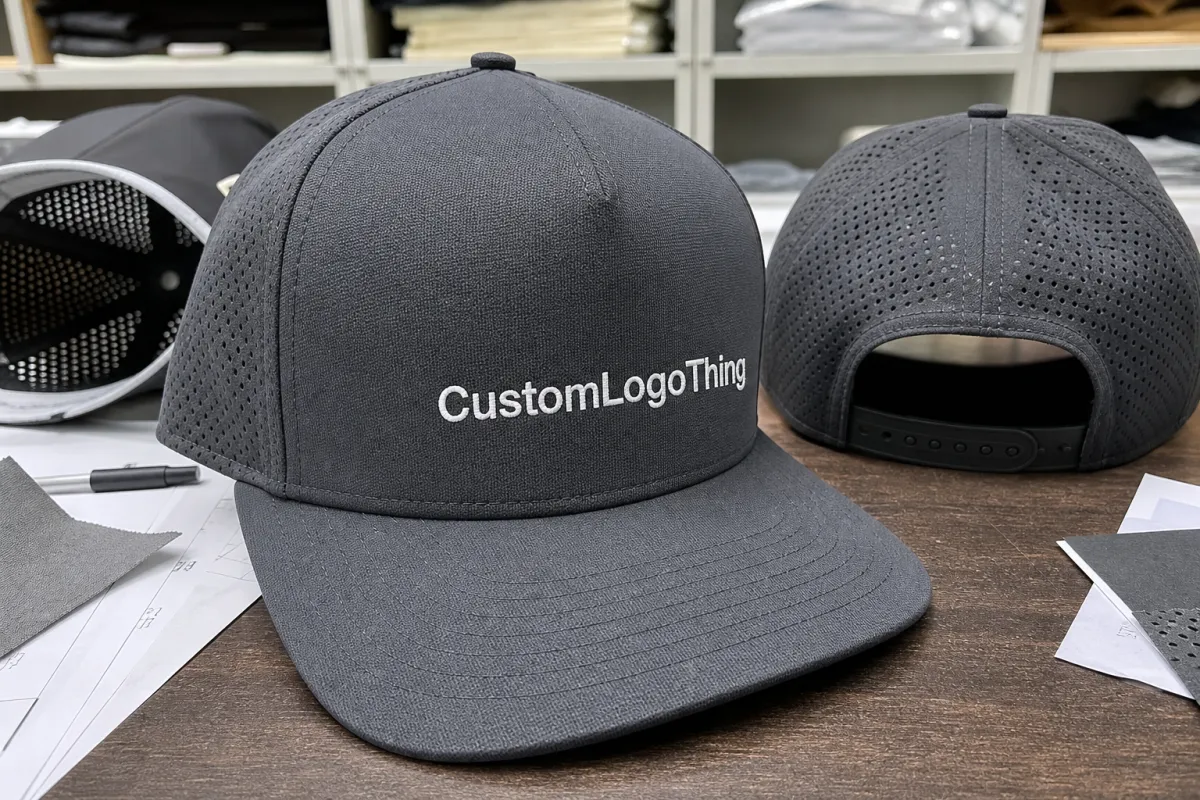
A bucket hat can look sharp in a mockup and still fail once it lands in someone’s hands. The brim may droop too far, the crown may collapse, the embroidery may pucker, or the fabric may feel thin enough to make the retail price look optimistic. A retail bucket hats sample order is not paperwork. It is the lowest-cost way to catch fit, fabric, stitching, label, packaging, and logo problems before bulk production locks them in.
Retail buyers, merch teams, streetwear labels, resort shops, golf events, breweries, and promotional sellers all run into the same basic truth: customers will not keep wearing a hat that feels wrong. They may buy it once if the logo is clever or the display is strong. They will not reorder it, gift it, photograph it, or keep it in rotation if the shape is awkward.
Bucket hats look simple only if you ignore the details. Crown depth changes how low the hat sits. Brim width changes the face shape. Panel construction changes whether the hat feels relaxed, structured, or flimsy. Lining, eyelets, sweatband material, stitch density, and logo placement all affect the final hand feel. Small decisions stack up quickly.
A sample is a buying control tool, not a delay. One approved sample can prevent hundreds or thousands of finished hats from arriving with cheap fabric, uneven rows, crooked labels, or a logo that looks like it was embroidered during a power outage. Dramatic? Slightly. Common enough to respect? Absolutely.
Sampling does not prove everything. It can confirm construction, decoration method, fit, trim placement, packaging approach, and general finish. Bulk fabric dye lots, hand-finished sewing, and soft goods measurements can still carry normal production tolerance. A practical allowance might be plus or minus 0.25 inch on brim width or logo placement, depending on the style and construction.
Good sampling answers one blunt question: would a customer actually pick up this hat, try it on, and pay retail for it?
The sections below cover the product choices, specifications, MOQ ranges, pricing drivers, timelines, approval checks, and quote details that make a retail bucket hats sample order useful rather than ceremonial.
Bucket Hat Product Details Buyers Should Confirm First
Start with the actual hat type. A classic cotton twill bucket hat is often the safest option for everyday branded merch because it takes embroidery well, holds shape better than very light fabric, and feels familiar to customers. Washed cotton has a softer, more broken-in look. Nylon fits outdoor, travel, golf, beach, and packable programs. Reversible bucket hats can carry a higher perceived value, but they cost more and require cleaner sewing because both sides are visible.
Other materials need a clear reason. Denim can work for a fashion-driven drop, fleece and sherpa are seasonal, and performance fabrics may need special handling if water resistance, UV positioning, or stretch is part of the brief. None of these are wrong. They just bring different cost, MOQ, and testing questions.
The selling environment should guide the style. A brewery merch wall may do well with cotton twill, flat embroidery, and a woven side label. A resort shop may need lighter nylon, a drawcord, and a retail hang tag. A streetwear release might justify washed cotton, heavier stitch detail, a woven patch, and custom inner labeling.
Fit comes next. Confirm crown height, brim angle, brim width, circumference, sweatband type, and structure. Most adult one-size bucket hats sit around 22 to 23 inches in circumference, but that range is not a promise. Some customers have larger heads. Some hats sit shallow. Some brims curl more than expected. Fit is where “close enough” becomes a return, a markdown, or a slow-moving shelf.
Decoration choices should be practical. Flat embroidery works well for clean logos, short text, and simple icons. Woven patches handle small detail better than direct embroidery. Rubber patches support outdoor positioning and can give nylon hats a more technical look. Screen printing can work on cotton or nylon if the graphic is simple, but adhesion and hand feel should be tested. Inside labels, side tabs, and woven loop labels are better when the branding needs to feel quieter.
Retail presentation also matters. Ask about hang tags, inside labels, barcode stickers, size stickers, polybags, shelf-ready bundles, and carton marking. If the hats are going into ecommerce fulfillment or wholesale receiving, unclear pack lists can waste hours. Nobody wants to sort 600 black hats by guessing which carton has which SKU. Glamorous work, obviously.
- Heavy cotton: premium hand feel, warmer wear, stronger embroidery base.
- Washed cotton: softer look, casual shelf appeal, more color variation.
- Nylon: lightweight, packable, sporty finish, less heritage retail feel.
- Reversible: higher value, two visible surfaces, higher sewing complexity.
Request photos of similar past production when available. Not to copy another brand. The point is to confirm that the supplier can produce the construction being quoted. A good price on the wrong hat is still the wrong price.
Specifications That Decide Fit, Finish, and Shelf Appeal
A bucket hat spec sheet should be boringly precise. Boring is useful here. Vague specs create vague hats, and vague hats tend to arrive with creative interpretations nobody requested.
Define fabric type, fabric weight, color reference, crown height, brim width, circumference, number of panels, stitch color, eyelet type, sweatband material, lining, care label details, and packaging before sampling. For cotton, buyers may look at 8 oz to 10 oz twill or roughly 250gsm to 320gsm material, depending on the desired structure. Nylon is usually lighter, often around 110gsm to 180gsm depending on coating, ripstop construction, or water-resistant finish.
Sizing deserves more attention than it usually gets. One-size adult works for many promo and retail programs, but it is not perfect. Adjustable drawcords help outdoor hats. S/M and L/XL sizing can improve fit for fashion retail, although it adds SKU complexity and inventory risk. Youth sizing needs separate pattern work, not a smaller label and wishful thinking.
Logo files need to be production-ready. Vector artwork is preferred. Provide Pantone references or thread color references, and confirm maximum embroidery size, patch dimensions, border style, and placement measurements from the brim, center seam, or side panel. A 2.25-inch wide logo may sit cleanly on the front crown. A 4-inch logo may fight the curve of the hat and distort at the edges.
Color matching is possible, but it is not magic. Pantone references help, yet fabric texture, dye method, coating, washing, and lighting all affect the final appearance. A sample helps, but physical swatches are better if brand color is sensitive. If your brand orange must be exact, do not approve from a phone screen under warm cafe lighting. Please.
Minor variation is normal in soft goods production. Define acceptable tolerances before bulk starts. That can include plus or minus 0.25 inch for certain measurements, slight thread shade variation, or small shifts in patch placement. For broader quality guidance, buyers can reference testing and handling standards from groups such as ISTA for packaged-product distribution testing and FSC if paper hang tags or packaging materials need responsible sourcing claims.
Approve the sample with marked photos or a written checklist. An email chain titled “Final Final Maybe Approved” is not a production standard. It is a future argument wearing a subject line.
MOQ, Pricing, and Unit Cost for Custom Bucket Hats
Pricing depends on fabric, construction, decoration method, order quantity, packaging, shipping terms, and approval speed. Anyone giving a universal price without asking those details is either guessing or steering you toward the cheapest possible version. Neither is a reliable buying strategy.
Typical sample orders include one to three pre-production samples. Sample fees are higher than bulk unit pricing because setup, pattern work, decoration testing, and trim sourcing are being compressed into a tiny run. For a simple cotton embroidered sample, a buyer might see sample charges in the $45 to $120 range before freight. Custom dyed fabric, reversible construction, specialty patches, or unusual trims can push samples higher.
Bulk MOQ varies. Simple embroidered cotton bucket hats may start around 100 to 250 units, depending on available blanks or stock fabric. Custom dyed, reversible, lined, patched, or specialty fabric hats often start closer to 300 to 1,000 units. Fully custom fabric or color programs may need higher material commitments. The exact threshold depends on the supplier and material source, so get it in writing.
Cost drivers are easy to underestimate. Embroidery stitch count, patch material, woven label count, custom dyeing, lining, reversible sewing, metal eyelets, drawcords, retail packaging, barcode labeling, and carton sorting all add time or material. A cheap hat with five custom features is no longer cheap. Funny how math keeps doing that.
| Hat Option | Typical MOQ Range | Common Bulk Unit Range | Best Use |
|---|---|---|---|
| Cotton twill with flat embroidery | 100-250 units | $4.50-$8.50 | Retail merch, breweries, ecommerce basics |
| Washed cotton with woven patch | 250-500 units | $6.50-$11.00 | Lifestyle brands, resort shops, streetwear drops |
| Nylon outdoor hat with drawcord | 250-500 units | $7.00-$12.50 | Golf, travel, beach, outdoor promotions |
| Reversible custom bucket hat | 500-1,000 units | $9.00-$16.00 | Premium retail, collabs, higher-ticket merch |
Lower MOQ gives flexibility but raises the per-unit price. Larger runs reduce unit cost but increase inventory risk. Basic, yes. Still ignored every week by buyers who want 2,500-unit pricing on a 75-piece test order.
Ask for tiered pricing at realistic quantities: 100, 250, 500, 1,000, and 2,500 units. If you are launching through Wholesale Programs, also ask how color splits, size splits, and packaging affect the quote. Separate product cost, sample fee, setup fee, packaging cost, and freight cost so you can compare suppliers fairly instead of comparing one clean quote against one mystery soup quote.
Sample Process, Timeline, and Bulk Production Steps
The clean process is straightforward: send artwork and specs, confirm the quote, approve a digital mockup, produce the sample, review the sample, request revisions if needed, approve bulk production, inspect, pack, and ship. Skip steps and the risk moves somewhere else. It does not disappear.
A simple stock-fabric sample may take about 7 to 12 business days after proof approval. Custom dyed fabric, special trims, reversible patterns, or detailed patches can add 10 to 20 business days before the first physical sample is ready. Freight time is separate, and international shipping can add several days depending on service level and customs.
If the brim is too wide, the crown is too shallow, the sweatband feels scratchy, or the logo sits too low, a revised sample may be needed. Annoying? Yes. Cheaper than fixing 1,000 finished hats? Also yes. A revised retail bucket hats sample order can add another 5 to 15 business days, depending on what changes.
Bulk production timing depends on quantity, fabric availability, decoration complexity, factory schedule, packaging, inspection, and shipping method. A standard 500-unit cotton bucket hat order might run 15 to 25 business days after sample approval. More complex retail-ready programs can run 25 to 45 business days before freight. Rush orders may be possible, but rush usually narrows options and leaves less room for correction.
Approval responsibilities should be clear. The buyer should approve size, fabric, color, logo, stitching, labels, hang tags, barcode placement, polybags, carton quantities, and carton markings before production. Silence is not approval unless both sides agree to that in writing, which is usually a terrible idea.
Build buffer into retail launch calendars. Seasonal drops, festivals, tourism programs, university events, and wholesale delivery windows do not care that the first sample needed a logo revision. Fast is fine. Fast and vague is how expensive garbage happens.
Common Sample Mistakes That Make Bulk Orders Risky
The biggest buyer mistake is approving a sample from front-view photos only. Bucket hats need side views, inside views, brim shape photos, logo closeups, and fit photos on a head form or model. A hat can look good flat on a table and strange on an actual human head. Retail customers tend to have those.
Low-resolution artwork is another repeat offender. Screenshots, tiny JPGs, and logos pulled from social media do not belong in embroidery or patch production. Bad art creates bad decoration. The machine is not a magician. Send vector files whenever possible, and confirm thread colors, stitch direction, patch border style, and backing before sampling.
Do not approve color from a phone screen. Request physical swatches, Pantone references, or at least well-lit photos against a neutral background. If the project involves branded retail fixtures, ecommerce photography, or wholesale matching across product categories, color control matters more than many buyers want to admit.
Fit mistakes hurt sell-through. Ignoring circumference, crown depth, brim stiffness, and sweatband comfort can create a hat that technically fits but feels awkward. Customers notice that in three seconds. They pick it up, try it on, frown at the mirror, and put it back. There goes your margin.
Packaging mistakes are less glamorous but expensive in labor. Missing retail tags, wrong barcode placement, weak polybags, poor carton labeling, or mixed colors without clear pack lists can slow receiving and irritate retail partners. For marketplace and retail programs, also confirm fiber content, country of origin, care instructions, and any required label format. If you sell through multiple channels, check the FAQ for common order preparation questions before your quote request.
- Fabric: weight, color, texture, lining, and wash finish.
- Fit: circumference, crown depth, brim width, brim angle, sweatband comfort.
- Logo: size, placement, stitch quality, patch edges, thread colors.
- Labels: inside label, care label, country of origin, fiber content.
- Packaging: hang tag, barcode, polybag, carton count, pack list.
Create a one-page approval checklist for every sample order. Use pass, revise, or reject notes. Mark photos. Include measurement tolerances. Clear notes beat vague feedback every time.
How Custom Logo Things Handles Retail Hat Sampling
Custom Logo Things helps buyers build retail-ready Custom Bucket Hats without pretending luxury costs pennies and ships overnight. That fantasy belongs in a spam folder. The practical goal is better: choose the right hat, confirm the sample, understand the cost path, and move into bulk production with fewer surprises.
Support starts with product option selection. Cotton twill, washed cotton, nylon, reversible construction, patches, embroidery, labels, trims, and packaging all carry tradeoffs. Not every bucket hat needs a custom lining and metal trim. Some do. Most need the right fabric, clean decoration, reliable fit, and packaging that does not embarrass the brand.
Buyers can request recommendations based on sales channel. Boutique retail may need better hand feel and hang-tag presentation. Ecommerce programs may care more about packable shape and clean barcode placement. Event merch may need lower MOQ and a firm delivery date. Resort gift shops may need lighter fabric, neutral colors, and shelf-ready bundles.
Quality control checkpoints keep the project from drifting. Artwork confirmation comes first. Then mockup review, sample review, measurement checks, decoration review, packaging confirmation, and production consistency checks before shipment. For packaging claims, material choices, or sustainability language, buyers should be careful and specific. If FSC paper tags or recycled content claims are part of the plan, the claim needs proper sourcing support, not a cute icon someone found online.
The goal is to make the buying decision easier. Compare sample cost, MOQ, lead time, unit cost, packaging options, and revision needs before committing to bulk. A retail bucket hats sample order gives the buyer a real product to judge, not just a polished render and a hopeful invoice.
Next Steps Before You Request a Quote
Prepare five items before requesting a quote: target quantity, hat style, logo artwork, desired fabric or reference photo, and delivery deadline. That basic information saves several rounds of back-and-forth. Simple. Beautiful. Everyone survives.
Helpful extras include target unit cost, retail price, packaging needs, barcode requirements, size range, color quantities, and whether the sample must match an existing product. If you need a cotton bucket hat to retail at $28, say that. If your landed cost target is under $8, say that too. A supplier cannot protect your margin if the margin is a secret.
Ask for a sample quote and bulk quote at the same time. That gives you the full cost path before spending money on development. A clean request might read: “I need a custom cotton bucket hat sample with flat embroidery, a 500-unit bulk estimate, retail hang tag, barcode label, and delivery by this date.” That sentence is not fancy. It works.
Custom Logo Things can return a product recommendation, sample cost, estimated MOQ, decoration options, bulk pricing tiers, production timeline, and questions needed to tighten the quote. If the project fits better with existing materials, that should be clear. If fully custom fabric changes the MOQ or timing, that should be clear too.
A retail bucket hats sample order is the smart first move when the goal is a sellable product, not just a hat-shaped gamble. Spend a little time on the sample, approve the details in writing, then buy bulk with your eyes open.
FAQ
How many pieces should I order for a retail bucket hat sample?
Most buyers start with one physical sample per style, color, or decoration method they need to approve. If you are comparing fabrics, fits, or logo placements, order two or three samples so the decision is based on real differences instead of guessing. For internal buying teams, plan enough samples for merchandising, marketing, and final production approval.
What does a custom bucket hat sample usually cost?
Sample cost depends on fabric, decoration, trims, pattern work, and whether the hat uses existing materials or fully custom components. Simple samples may land around $45 to $120 before freight, while complex custom samples can cost more. Ask for sample fees, setup fees, bulk unit pricing, packaging cost, and freight as separate line items.
Can I get a retail bucket hats sample order before committing to MOQ?
Yes. That is the point of sampling. You review fit, fabric, logo quality, and finish before approving a bulk run. Some custom materials or dyed fabrics may still require minimum material commitments, so confirm that before paying the sample invoice. A supplier should explain what is stock-based, semi-custom, and fully custom before sampling begins.
How long does a bucket hat sample and bulk order take?
Simple samples are usually faster than custom dyed, reversible, patched, or specialty fabric samples. A basic sample may take 7 to 12 business days after proof approval, while complex samples can take longer. Bulk production timing depends on quantity, factory schedule, decoration complexity, packaging, inspection, and shipping method.
What should I check when my custom bucket hat sample arrives?
Check crown depth, brim width, circumference, fabric weight, color, stitching, sweatband comfort, and overall shape. Review logo size, placement, thread or patch quality, label accuracy, tag placement, and packaging. Take photos, mark changes clearly, and approve the final sample in writing before bulk production starts.


