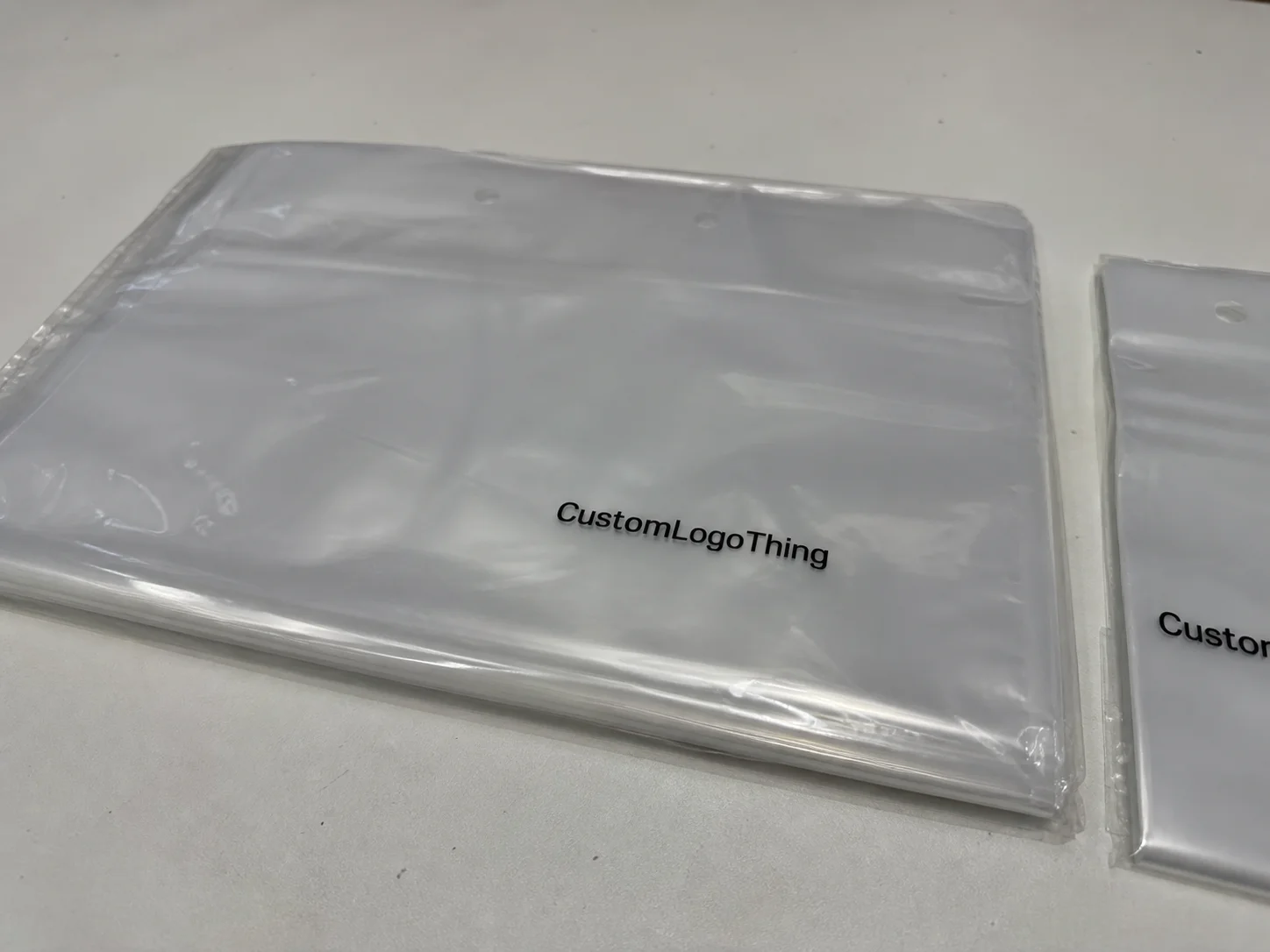
Retail launch slider lock clothing Bags Material Spec guide sounds like sourcing language, but the real buyer question is simple: will the package help the garment sell, arrive in good shape, and stay easy to handle? The bag is often the first quality signal a shopper sees. If the film is cloudy, the fit is sloppy, or the closure feels weak, the product looks less finished before it ever reaches the rack.
The fastest way to specify it is to start with the garment, the fold, and the use case. Once those are defined, the bag spec becomes a decision about clarity, strength, reseal behavior, Cost, and Lead Time. That keeps the conversation focused on the details that affect approval, not on vague packaging preferences.
Retail Launch Slider Lock Clothing Bags: What Buyers Miss
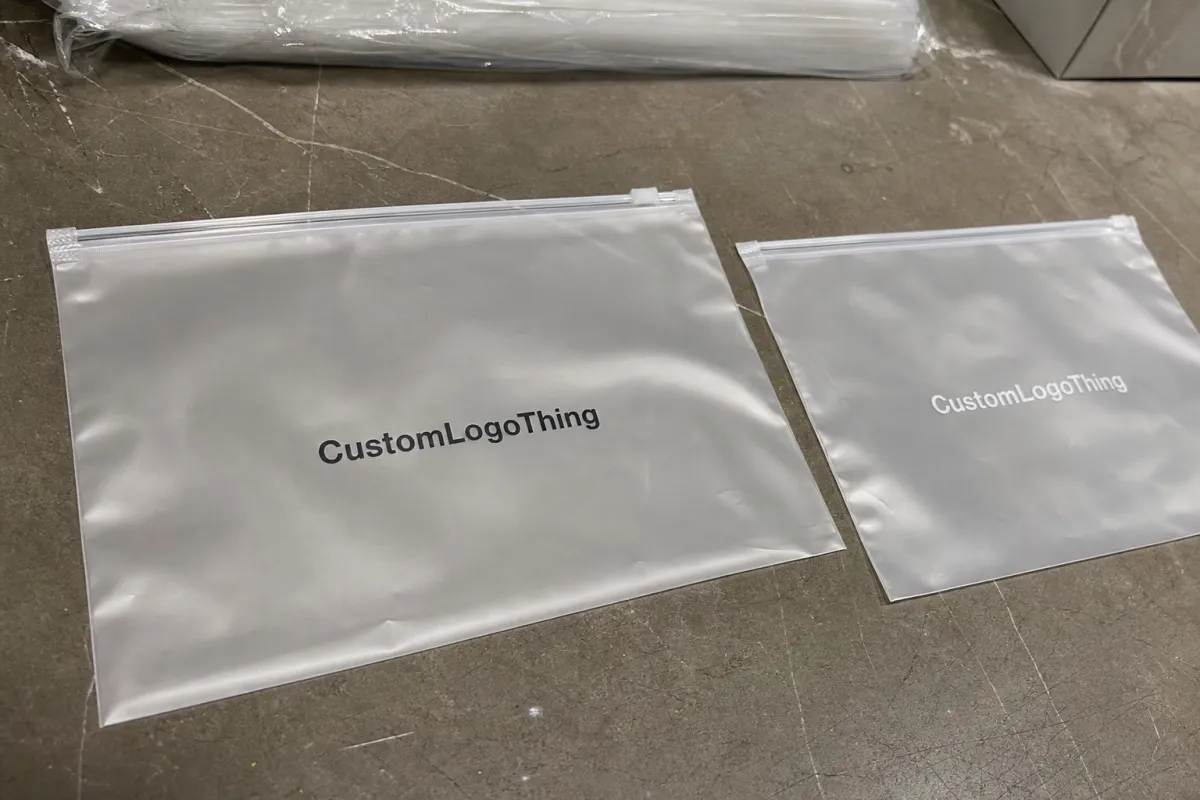
Clear apparel bags are not interchangeable just because they look similar in a mockup. A tee, a knit, and a denim stack place different demands on the film and closure. A bag that seems fine on paper can wrinkle the fold, trap too much air, or feel flimsy once the product is loaded.
For retail launches, the bag has to do three things at once: hold the garment in shape, survive handling through the supply chain, and present cleanly under store lighting. If one of those jobs fails, the problem shows up later as returns, repacks, or a presentation that looks less premium than intended.
Buyers also miss how much the bag changes visual hierarchy. A properly fitted slider bag gives basics a clean rectangle and removes visual noise. That matters for tees, underwear, sleepwear, and other products where the package is part of the shelf discipline, not a side detail.
The bag is not only protection. It is also a display frame, a handling surface, and part of the first impression.
A useful spec should begin with fit, clarity, and closure performance. Everything else comes after that. A supplier can quote almost any concept, but the difficult part is defining a package that still looks right after the second opening, the third carton transfer, and the first store-level rehandle.
How the Slider Closure Works on the Line and in Stores
The closure should be boring in the best way: smooth engagement, predictable movement, and no skips or pops. If the slider catches, operators slow down and start checking units. That adds labor and makes the pack-out process feel unstable, especially on longer runs.
Retail teams care for a different reason. They reopen packs to inspect merchandise, swap sizes, and process returns. A resealable closure can save time on the floor, but only if it still feels reliable after repeated open-close cycles. If the track loosens or binds when the bag is full, the store benefit disappears quickly.
Most closure problems are revealed only after the garment is inside the bag. A slider that looks aligned on a flat sample can skip once the pack is loaded. A seal that feels fine on a light tee may struggle on a hoodie or multi-piece set. That is why sample review needs the actual folded product, not just an empty bag.
Product weight changes the stress on the closure. Lightweight basics are easy to close and reopen. Heavier knits, denim, and bulkier folded sets create more friction and more pressure at the opening. A launch with mixed garment weights may need more than one bag spec even if the retail presentation is similar.
Material Specs That Shape Clarity, Strength, and Hand Feel
Material choice does most of the work. For retail apparel bags, LDPE and LLDPE are common starting points because both can balance flexibility, sealability, and clarity. The best option depends less on the resin name and more on the garment weight, handling risk, and the kind of shelf appearance the buyer wants.
Gauge is the spec teams know best, but it is easy to oversimplify. Thicker is not always better. Light basics often work in the 1.5-2 mil range. Heavier knits, multi-piece sets, and folded denim usually perform better at 2.5-3 mil, where the pack holds shape and resists puncture more effectively.
Clarity and strength should be treated as separate decisions. A crystal-clear film improves visibility and color reading, but it also shows glare, fold marks, and scuffs more easily. Frosted or matte finishes reduce reflections and can feel more premium under bright retail lighting, though they slightly soften product visibility from a distance.
Additives and surface treatments can change the result without changing the headline spec. Slip, anti-static behavior, haze, and finish all affect how the bag looks and handles. A small amount of haze can make a pack look cheaper than expected, while heavy print coverage can reduce the transparency buyers wanted in the first place.
Sustainability claims need to stay measurable. “Biodegradable” is not helpful unless the disposal route and certification are clear. For most retail launches, it is more practical to define recycled content, PCR percentage, or whether the outer system can move to kraft paper or FSC certified corrugated cardboard without hurting protection or shelf appeal.
For testing and recycling context, it helps to review public guidance from ISTA packaging testing standards and EPA recycling guidance.
| Option | Typical Use | Usual Gauge | Visual Effect | Tradeoff |
|---|---|---|---|---|
| Clear film | Basics, tees, lingerie, color-critical garments | 1.5-3 mil | Highest visibility | Shows glare and fold marks more easily |
| Frosted film | Premium apparel, launch kits, folded sets | 2-3 mil | Softens reflections | Reduces color sharpness slightly |
| Matte finish | Elevated retail presentation | 2.5-3 mil | Low-glare, refined look | Can hide product details from a distance |
| PCR blend | Sustainability-focused launches | Varies | May carry a softer tint | Clarity and consistency can shift |
The outer shipper still matters. A strong inner bag does not fix a weak carton or a bad pack count. If the launch will move through rough freight lanes, the better result usually comes from a balanced system: the right bag gauge, a properly sized corrugated shipper, and pack quantities that reduce crush risk.
Cost, Pricing, and MOQ Drivers You Need to Compare
Price is driven by more than resin cost. Dimensions affect yield. Gauge changes material weight. Printing adds setup, waste, and color control. Custom slider hardware can also raise cost if the closure needs tighter tolerances or a special profile.
MOQ should be read in context. Smaller runs usually cost more per unit because setup is spread across fewer bags. That is not always a bad tradeoff. For a new style, a seasonal launch, or a limited test, a smaller order can be the safer buying decision than a large blind buy.
Quotes should be compared on landed cost, not only factory price. Custom sizing can reduce production efficiency. Print coverage can add trials. Carton pack counts affect labor and freight. A supplier that looks cheaper by a few cents per bag can become more expensive once shipping and handling are included.
| Quote Factor | Lower-Cost Choice | Higher-Cost Choice | Why It Matters |
|---|---|---|---|
| Film type | Standard clear LDPE | Frosted or PCR blend | Appearance and sustainability claims can raise cost |
| Gauge | 1.5-2 mil | 2.5-3 mil | Heavier film adds strength and weight |
| Printing | No print | Multi-color branding or barcode print | Setup and ink coverage affect pricing |
| MOQ | 10,000+ pieces | 3,000-5,000 pieces | Smaller runs usually raise unit cost |
| Shipping | Consolidated ocean freight | Air freight | Speed costs money, sometimes a lot of it |
For most apparel launches, the right target is the lowest landed cost that still protects the garment, looks correct in-store, and avoids a second sourcing cycle. That standard is harder to defend in a spreadsheet, but it usually holds up better in real use.
Process and Timeline From Spec Sheet to Approved Sample
The cleanest programs follow a familiar path: requirements intake, spec confirmation, sample creation, review, revisions if needed, production, and shipment. Most delays come from missing information rather than from manufacturing itself.
Sampling moves faster when the buyer sends exact dimensions, garment weight, fold method, closure requirement, and retail visibility needs up front. If the bag must hold a barcode in a specific spot, say so. If store staff will open and close it multiple times, the sample should be tested that way.
For straightforward jobs, a sample often takes about 5-10 business days once the supplier has everything needed. Production for simpler builds can run around 12-20 business days. Custom sizes, special finishes, or closure development can extend that, and freight should always be built into the schedule from the start.
Approval is not complete until material, dimensions, print, and closure behavior are all signed off. If merchandising has not seen the actual folded garment in the bag, the sample can still be rejected later for presentation reasons. If sourcing keeps changing gauge after approval, the timeline will move.
Compliance and sustainability claims should be settled early too. If the outer system includes kraft paper inserts or FSC certified corrugated cardboard, confirm the claim before release. If recycled content is part of the brief, define the percentage in writing.
Common Mistakes That Cause Requotes and Delays
Vague sizing is the fastest path to a re-quote. A few millimeters can change fold behavior, headspace, and seal performance. A bag that is “close enough” on paper can still wrinkle the garment or force the slider to work harder than intended.
Another mistake is describing the look without defining the performance target. Words like “clean,” “premium,” and “high-end” are preferences, not specs. The supplier needs clarity on gauge, closure feel, print coverage, and whether the pack must survive repeated open-close cycles.
Operational details get missed as well. Does the garment include a hanger? Will the pack sit flat in a tray? Must the barcode remain visible after packing? Is the bag for customer reuse or store handling? Those answers affect dimensions, closure choice, and carton pack counts.
The strongest launches are usually the least dramatic internally. The team locked the use case early, tested the actual fold, and did not keep improving the bag after the sample had already answered the question.
Expert Tips for Shelf Appeal, Protection, and Compliance
Always ask for a physical sample with the actual folded garment inside. A flat sheet of film tells you very little about fit, glare, or how the slider behaves under load. The packed sample exposes issues early, when corrections are still cheap.
Review the sample under different lighting. Retail fluorescents, bright signage, and white shelving can all make a glossy film look harsher than it does in a warehouse. A pack that seems clear on a bench can look cloudy or too reflective on the sales floor.
A useful approval scorecard has five checks: fit, hand feel, visibility, closure reliability, and total cost per packed unit. If one of those scores is weak, the team should know before sign-off. That keeps sourcing, operations, and merchandising aligned.
Compliance claims need the same discipline. If recycled materials are part of the brief, define the PCR percentage. If the outer wrap is kraft paper, identify whether it is plain, coated, or FSC certified. If the marketing team wants biodegradable language, verify the claim against the actual material and end-of-life route.
Think in systems rather than isolated parts. The slider bag, carton, insert, and label all shape how the launch feels to a buyer and to a store associate. In many cases, a clear retail bag paired with a strong corrugated shipper and a restrained paper insert gives a more reliable result than trying to make the inner bag carry every message.
Next Steps to Lock a Clean Retail Launch Spec
Start with the garment, not the packaging. Define the style, the fold, the final packed size, and the shelf presentation you want. A tee, a bulky knit, and a folded denim stack do not behave the same way, even if the packaging team wants one solution for all three.
Then build a brief that lists material, gauge, dimensions, closure style, print needs, MOQ, and delivery window. Add garment weight, intended reuse level, barcode placement, and any retailer requirement that could alter the pack. The more complete the brief, the fewer revision loops the project will need.
Request a sample and test it with the actual product. Check fit, open and close the slider several times, and review clarity under real lighting. If it passes, lock the spec across purchasing, operations, and merchandising so the order does not drift after approval.
For custom logo runs, that discipline matters even more because the package is carrying brand value as well as protection. The most reliable way to control risk is simple: define the use case first, price the bag second, and tie production to the approved sample rather than to the original assumption.
What film gauge works best for slider-lock clothing bags for retail launches?
Match the gauge to the garment weight and handling pattern instead of defaulting to thicker film. Lightweight basics often work in the 1.5-2 mil range, while heavier knits, denim, and multi-piece sets usually need 2.5-3 mil. The final answer should come from testing the actual folded product.
How do I choose between clear, frosted, and matte slider-lock bag materials?
Clear film is best when color accuracy and visibility matter most. Frosted and matte finishes reduce glare and can create a calmer shelf look under bright retail lighting. Choose based on how the garment needs to read in store, then confirm the finish still supports print and barcode needs.
What should be included in a quote request for slider-lock clothing bags?
Include bag dimensions, film type, gauge, closure style, printing, MOQ, and delivery location. Add folded garment size, weight, and whether the bag must be resealed after opening. A complete brief reduces interpretation and usually lowers the risk of rework.
How long does sampling and production usually take for retail launch bags?
A simple sample can often be turned in about 5-10 business days once the supplier has all the details. Production for straightforward builds commonly takes about 12-20 business days, with longer timelines for custom sizing, printing, or closure development. Freight and receiving should be built into the schedule.
Can slider-lock clothing bags be customized for branding and shelf presentation?
Yes. Common options include custom sizing, print, finish selection, and pack-out configuration. The strongest programs keep branding restrained enough to preserve visibility and control cost. Ask for proofs or physical samples before approving logos, compliance text, or barcode placement.