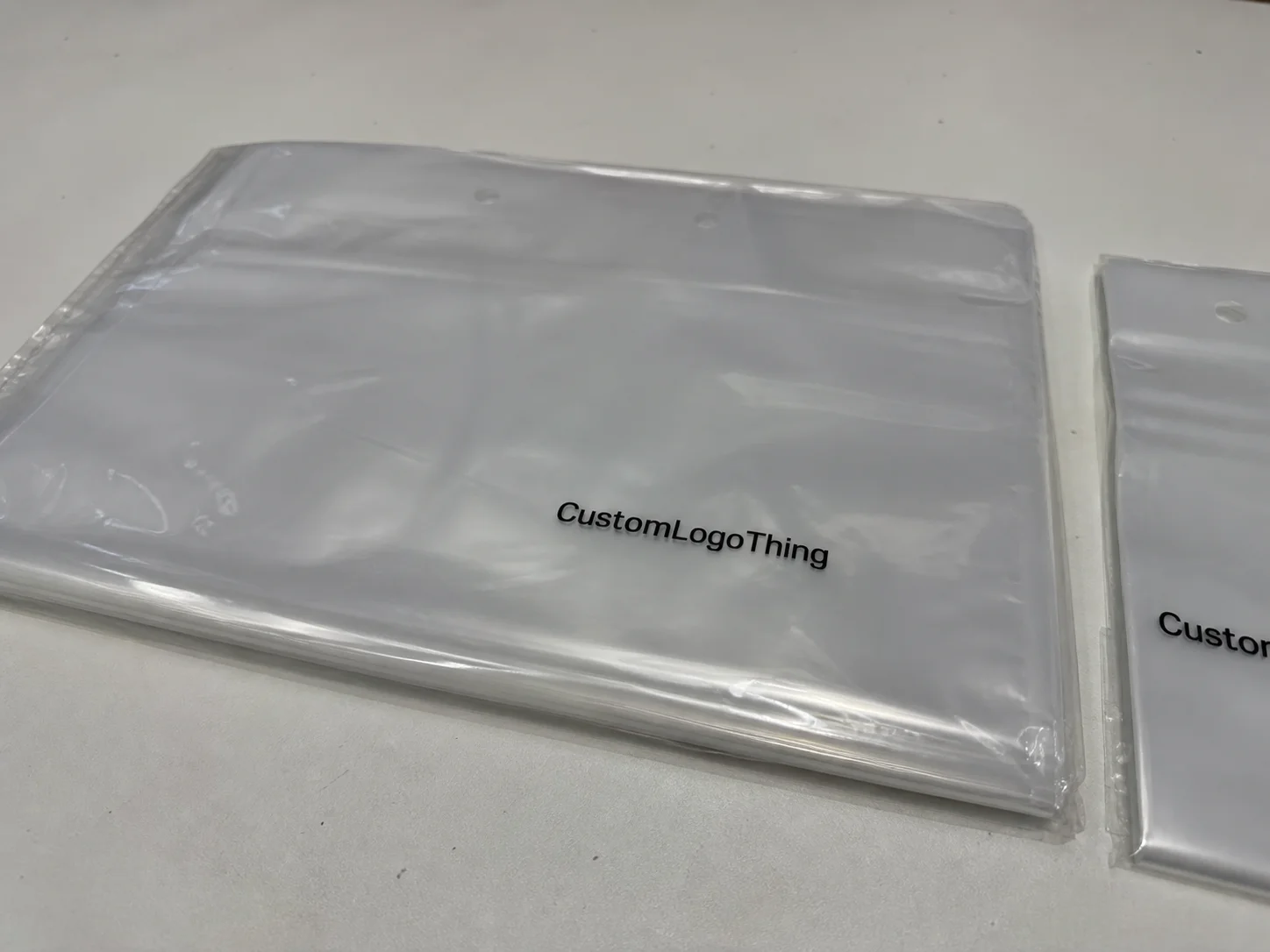
Retail Launch Slider Lock Clothing Bags Wholesale Order Plan
Retail launch Slider Lock Clothing Bags wholesale order planning usually succeeds or fails in a place buyers do not see on the quote sheet: the carton opening at receiving. If the bag pops open in transit, the fold shifts, the barcode disappears under film, or a size sticker peels off before the product reaches the table, the launch loses time before a customer ever touches the garment.
That makes slider locks more than a packaging preference. For folded tees, lounge sets, bundled socks, and premium basics, they affect how fast teams can inspect goods, how neatly product stacks on a shelf, and how much repacking labor a distribution center has to absorb. A bag that closes well is not glamorous. It is a labor-control device.
The planning question is practical: does the bag protect the item, support presentation, and fit the landed-cost target without creating extra handling at the warehouse or store? If the answer is uncertain, the specification is still incomplete.
Retail launch slider lock clothing bags wholesale order planning: where shelf losses start
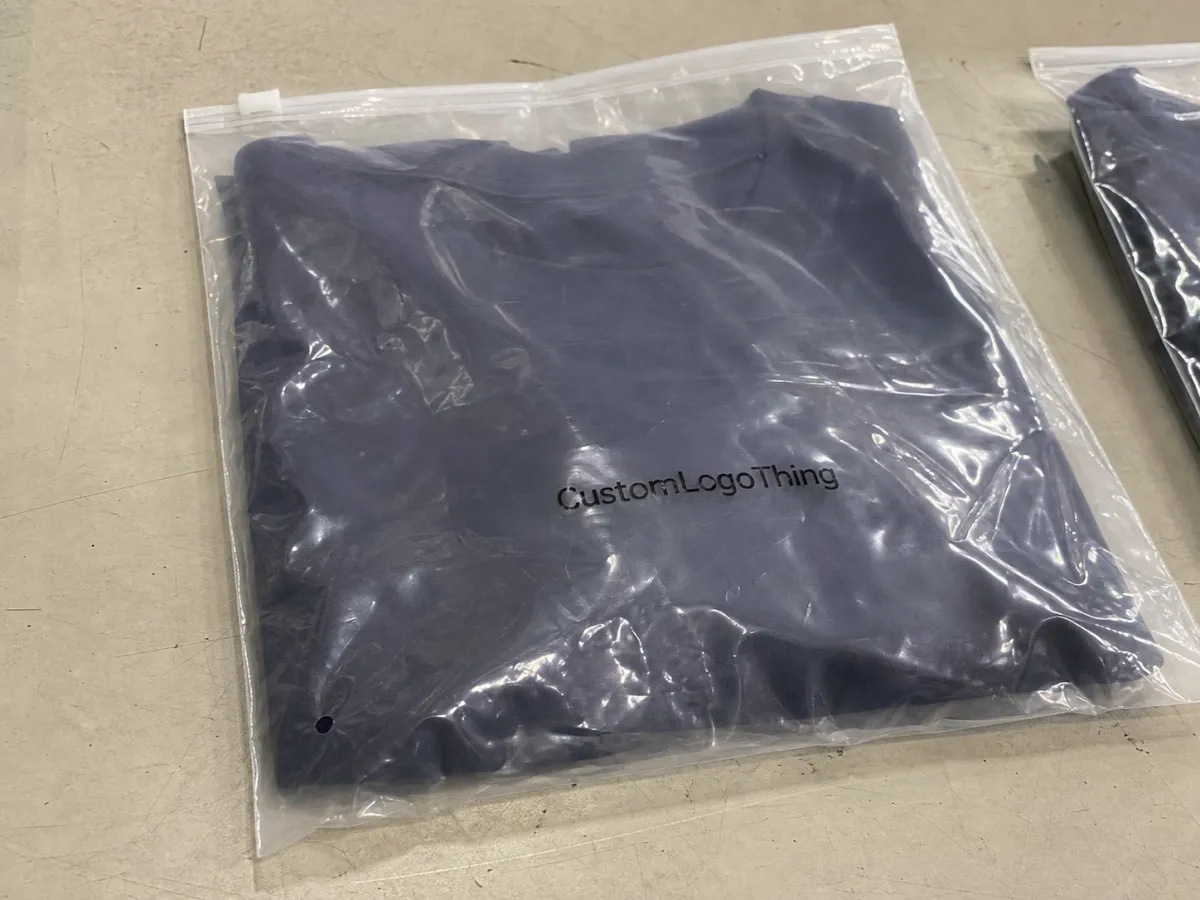
Shelf losses often begin before the product is merchandised. A bag that opens in transit, a stack that slides inside the carton, or a fold line that catches on the zipper track can turn clean packed goods into a receiving problem. The damage is subtle at first. Then the labor bill shows up.
Slider-lock bags perform better than open-top polybags because they can be opened, inspected, and reclosed without tape or heat sealing. That matters when the item is checked more than once. A store associate can confirm size, colorway, and barcode quickly. With a basic open-top bag, the same check often means a fresh piece of tape, a crushed fold, or a bag that never closes quite right again.
Wrong size is another hidden cost. Oversized bags let garments drift and wrinkle. Undersized bags pinch seams, distort graphics, and force repacking. Both slow replenishment. Both create avoidable handling. And both make a low-cost bag look expensive once the product has been touched three or four times.
- Open-top storage bags are fine for dust protection and low-touch packing.
- Slider-lock retail bags support repeated inspection and cleaner presentation.
- Right-sized packs reduce void space, wrinkle risk, and repacking time.
For launch programs, the bag also affects merchandising. Barcode visibility, hangtag placement, and carton pack consistency matter because they determine how easily the item moves from production to distribution to shelf tray. The more predictable the pack, the fewer surprises at receiving. That sounds obvious, but supplier drawings still arrive with vague dimensions far too often.
"If the bag opens in transit, the launch starts behind schedule."
Slider-lock bag construction for folded apparel and multi-SKU sets
A practical slider-lock clothing bag usually starts with clear or lightly tinted polyethylene, a press-to-close track, and a slider that moves cleanly across the seal. From there, buyers choose between a flat body or a gusseted body, plus options such as a hang hole, tear notch, anti-slip embossing, or printed warnings. The right combination depends on how the apparel is packed and how often the bag will be handled after arrival.
For a single folded tee, a flat bag with a simple slider is often enough. Two-pack socks or small accessory bundles usually need a little more width and a tighter closure to keep the stack aligned. Hoodies, swimwear, and coordinated sets behave differently again because bulk changes the way the film stretches, seals, and stacks in a carton. One size does not fit every SKU just because the brand art is the same.
Material choice matters as much as size. LDPE is common because it balances clarity, flexibility, and cost. LLDPE blends can add toughness and puncture resistance, which helps if the product has tags, snaps, or sharp edges. If recycled content is requested, the buyer should expect tradeoffs in clarity, odor, or haze unless the supplier has a well-controlled resin source. Those issues are not dealbreakers, but they should be visible in the sample, not discovered after purchase order release.
Retail-ready packaging is not the same as storage packaging. Retail-ready bags are built for presentation, repeat handling, and quick inspection. Storage bags are built for containment. The closure, film blend, and body style should match the job. A supplier that cannot explain those differences is usually quoting from a template rather than from the product itself.
For mixed programs, three structures come up most often:
- One size across core SKUs to simplify buying and carton planning.
- Two-size structure for light basics versus bulkier items.
- Channel-specific packs when club, specialty retail, and e-commerce need different presentation rules.
If the bag will be reopened several times, small features help. A tear notch improves first opening. An embossed or anti-slip finish makes stacked cartons easier to handle. A stronger seal track matters if the package moves through several touchpoints before store delivery. These are small details on paper. On the launch floor, they decide whether the item still looks orderly on day three.
Film gauge, sizing, and print specs buyers should lock before quoting
Buyers often ask for price before size is truly fixed. That sequence causes unnecessary revisions. For custom bags, the dimensions drive the rest of the quote. Finished width, usable height, gusset depth if any, and clearance for the folded garment all need to be on the spec sheet. If those numbers are loose, the first sample is usually a rehearsal, not an approval.
Film gauge is the next decision. Thicker film increases stiffness and puncture resistance, but it also changes clarity, carton count, and shipping density. A 2.0 mil clear LDPE bag may work for a basic tee. A hoodie or a heavier multi-piece bundle may need 2.5 to 3.0 mil. Push the gauge too high and the package becomes less efficient without improving the shelf result enough to justify the added resin.
Print deserves the same discipline. Some programs need only a warning line or a small brand mark. Others require a logo, size code, barcode window, or retailer-specific language. Full-coverage print can look polished, but it should be chosen for a reason. More ink is not automatically better, and on clear retail packaging it can reduce visual access to the product.
A usable quote request should include the following:
- Finished dimensions with tolerance.
- Film type, such as LDPE, LLDPE blend, or another approved structure.
- Gauge, measured in mil or micron.
- Closure style, including slider type and track color.
- Print content, number of colors, and coverage level.
- Retail markings, such as suffocation warnings, recycling symbols, or retailer-specific language.
It also helps to think beyond the bag. If the launch includes a paper insert, hangtag, or shelf card, paper grade may matter to the brand or the retailer. For transit testing, ISTA methods are worth a look because a packaging design is not judged by the drawing. It is judged by vibration, compression, and handling on the way to the store.
Pricing, MOQ, and quote drivers for wholesale bag programs
Price for slider-lock apparel bags is driven by size, gauge, print coverage, closure type, and volume. Resin cost and freight move the market, but buyers still control a surprising amount of the final number. Standard clear bags with light branding often land in the range of $0.14 to $0.26 per unit at 5,000 to 10,000 pieces. Larger or more heavily printed bags can move into the $0.22 to $0.42 range, especially with nonstandard dimensions or custom slider colors. Those are planning numbers, not guarantees.
MOQ follows the same pattern. Higher volume spreads setup and conversion cost over more units, which lowers the unit price. Add special print, a custom tint, or an unusual body size, and the floor often rises. That is why the cheapest quote is not always the best quote. If one supplier quotes 5,000 pieces and another quotes 10,000, the comparison is meaningless until the specs are identical.
| Program type | Typical MOQ | Typical unit cost | Best use | Main tradeoff |
|---|---|---|---|---|
| Open-top storage polybag | 10,000+ | $0.05-$0.10 | Low-touch internal packing | Poor reclosure and weaker shelf presentation |
| Standard clear slider-lock bag | 5,000-10,000 | $0.14-$0.26 | Retail-ready folded apparel | Tighter spec control and more setup discipline |
| Printed slider-lock bag with hang hole | 10,000+ | $0.22-$0.42 | Branded launches and display-led programs | Higher tooling, artwork, and approval effort |
The cleanest way to compare quotes is to force them into the same frame: same dimensions, same closure, same material spec, same freight terms, same lead time, same carton count. If one quote excludes freight while another includes it, the comparison is already distorted. If one supplier lowers price by cutting print coverage or changing film gauge, the difference may not show up until the bag is on the shelf.
There are still ways to reduce cost without damaging the retail result. Standardize one size across adjacent SKUs if the folded profile allows it. Cut print coverage if the shelf still reads clearly. Avoid unnecessary color changes in the slider or film unless they have a real merchandising purpose. For many programs, the most expensive part of packaging is not the plastic. It is the confusion created by too many versions.
Process, lead time, and production steps from sample to shipment
The ordering process should feel structured. A typical run moves from quote to artwork review to sample approval, then into production, QC, packing, and freight booking. If the supplier cannot describe that sequence clearly, the order will probably drift later too.
Calendar accuracy matters more than the estimate. Standard slider-lock bags often take 12 to 18 business days from proof approval once the specs are locked and the film is available. Custom print, special closures, or imported resin can extend that window to three to five weeks. If the bags are tied to a store reset or seasonal launch, build buffer for freight and receiving. A product that arrives two days before the event is not really on time.
The delays are predictable. Missing dielines. Artwork changes after proof. Carton labels that do not match the warehouse system. A sample sitting for a week because no one is assigned to approve it. None of those problems are technical. They are process failures, and they are expensive because they happen late.
Sample timing matters too. A production-intent sample can often be turned in a few business days if the closure is standard and the artwork is final. If the bag requires a special slider, custom print plate, or resin not already in stock, the sample window stretches. That is normal. The risk is assuming the sample schedule will compress just because the launch date is fixed.
Rush service is sometimes possible, but it is not magic. It works best when the supplier already has the right film, the closure system is standard, and the artwork is finished. If tooling, plates, or custom materials still need to be secured, the rush request may cost more than it saves. A realistic schedule usually beats an optimistic one.
A good packaging buyer works backward. Start with the store open date. Subtract receiving time. Subtract freight. Subtract production. Then leave room for sample review and label checks. The result is less dramatic than a last-minute scramble, but the bags arrive where they should, and the launch team can focus on the product instead of the packaging.
Quality controls and compliance checks that protect launch dates
Quality control for a slider-lock bag program should be specific and documented. The checks that matter most are seal consistency, zipper glide, dimension tolerance, print registration, and pack count verification. A bag can look acceptable in a photo and still fail on the line if the slider binds or the fold line shifts enough to hide the barcode.
Retail compliance is not abstract. It may include suffocation warnings, recycling marks, retailer packaging language, and carton labeling rules for distribution centers. Some buyers also want COA or COC paperwork, lot traceability, and a carton-level label format that matches the receiving workflow. Those details rarely affect the first sample, but they can stop a shipment if the DC rejects the case pack.
Documentation matters more on reorder programs. Once multiple SKUs or plants are involved, teams start assuming the previous bag was close enough. That is how a repeat order ends up with a different slider feel, a slightly shorter usable height, or a print shift that only shows up under store lighting. A written master spec protects everyone.
Transit validation can also reduce surprises. Package teams often borrow ideas from distribution testing, and that is sensible. A standard sequence can show whether the film tears at the corners, whether cartons crush under stack load, or whether sliders pop open under vibration. For a broader frame of reference, packaging professionals often compare internal acceptance criteria with guidance from Packaging.org and test expectations from transit labs.
In practice, the best QC programs do three things well: they catch problems early, they define responsibility, and they leave a paper trail that supports a claim if something slips. That is not glamorous. It is cheaper than replacing an entire launch lot because one bag batch was too narrow.
How to compare suppliers on service, flexibility, and reorder support
Unit price matters, but service often decides whether a launch stays on track. A supplier that responds quickly to spec changes, rush questions, and artwork corrections can save more money than a lower quote that takes three days to answer a simple carton question. For retail packaging, speed of communication is part of the product.
Flexibility matters too. Can the supplier support multiple sizes under one program? Can they stage releases for a phased rollout? Can they hold master specs so the next season does not start from zero? Those capabilities are useful because apparel launches rarely happen as one clean shipment. They move in waves, and the packaging program has to move with them.
Another practical question is what happens after the first buy. Some suppliers can help with sample guidance, carton pack recommendations, and freight advice for future orders. Others simply quote and disappear. That difference becomes obvious during the reorder cycle, when the buyer wants the same fit, the same print, and the same delivery window without a new round of preventable errors.
If you are comparing vendors, judge them on the things that affect the launch:
- Response time on quotes and artwork revisions.
- Spec discipline when dimensions or film gauge change.
- Reorder memory for repeat seasons and SKU expansions.
- Freight guidance based on carton count and destination.
- Sampling support that uses production-intent materials, not generic placeholders.
If a vendor can handle those five items well, a slightly higher unit price may be easier to justify. If they cannot, the hidden cost usually shows up later as delays, rework, and weaker store presentation. That is a poor trade in any launch window.
Next steps: sample approval, artwork handoff, and purchase order lock
The cleanest handoff is a single request that includes finished dimensions, closure type, print file, target quantity, and delivery window. Add the pack-out sheet too. If the supplier knows the folded garment dimensions and the expected carton count, the quote will be tighter and the sample will be closer to what the store actually needs.
Approve the sample against the real product, not a placeholder. Check how the slider feels, whether the barcode remains visible, whether the garment sits flat, and whether the bag closes without fighting the film. Then confirm artwork placement, carton counts, label copy, and receiving location before you release the purchase order.
A basic pre-PO check should answer five questions: Is the budget approved? Is the MOQ acceptable? Is the lead time aligned with the launch calendar? Is the freight method selected? Does the receiving team know what is arriving and when? If any answer is unclear, the order is not ready.
The packaging itself is only half the job. The other half is order discipline. Keep the spec sheet specific, keep the timeline realistic, and keep the supplier focused on the actual retail use case. Do that, and retail launch slider lock clothing Bags Wholesale Order Planning becomes a controlled buying process instead of a launch-week repair job.
FAQ
How do I choose the right size for retail launch slider-lock clothing bags?
Measure the folded garment, not the hanger size, then add clearance for inserts, hangtags, and easy reclosure. One size can work across a core SKU family if the folded profile stays close. Ask for finished width, height, and gusset specs so the bag stacks cleanly in store and in transit.
What MOQ should I expect for wholesale slider-lock clothing bag orders?
MOQ usually rises when you add custom print, nonstandard dimensions, or a thicker film spec. Larger runs lower unit cost because setup and conversion charges are spread across more bags. If you need multiple sizes, compare one combined buy against separate runs before you commit.
How long does a slider-lock clothing bag wholesale order usually take?
Timeline depends on sample approval, artwork readiness, film availability, and freight method. A standard run often lands in 12 to 18 business days after proof approval, while custom specs can take longer. Build in extra buffer if the bags are tied to a store reset, seasonal drop, or fixed launch date.
Can I get a pre-production sample before I place the order?
Yes. Request a production-intent sample so closure feel, sizing, and print placement are accurate. Check zipper glide, seal alignment, barcode visibility, and how the folded garment sits inside the bag. Use the sample to confirm labeling and artwork details before purchase order release.
What details do you need to quote clothing bags accurately?
Send finished dimensions, material target, print colors, closure style, quantity, and destination ZIP or port. Include garment type, pack-out count, and whether the bag must fit a peg, carton, or display tray. If the launch has a fixed retail window, state the date so pricing reflects the required schedule.