Private Label Buyer matte zipper Bags Wholesale Order Planning gets easier once the pouch is treated as a production system instead of a decorative wrapper. The matte surface does a few practical things at once: it cuts glare under retail lights, hides fingerprints better than glossy film, and makes printed color blocks look calmer and more deliberate. On shelf, that can change how expensive a brand appears before a shopper ever touches the product.
The trap is assuming the visual win is the whole job. A pouch that looks right but misses on zipper feel, barrier level, seal width, or carton fit becomes expensive in ways a mockup cannot show. The useful work happens early, before the quote turns into a proof and before the proof turns into a purchase order. That is the point where good buyers separate the nice-looking option from the one that can actually move through production.
For multi-SKU private label lines, a single matte platform can support several flavors or sizes with only minor artwork changes. That keeps the structure familiar, reduces proof churn, and makes reorders easier to compare. It also means the buyer is negotiating one package system, not a stack of unrelated decisions. That matters more than it sounds.
Why matte zipper bags can lift shelf value fast
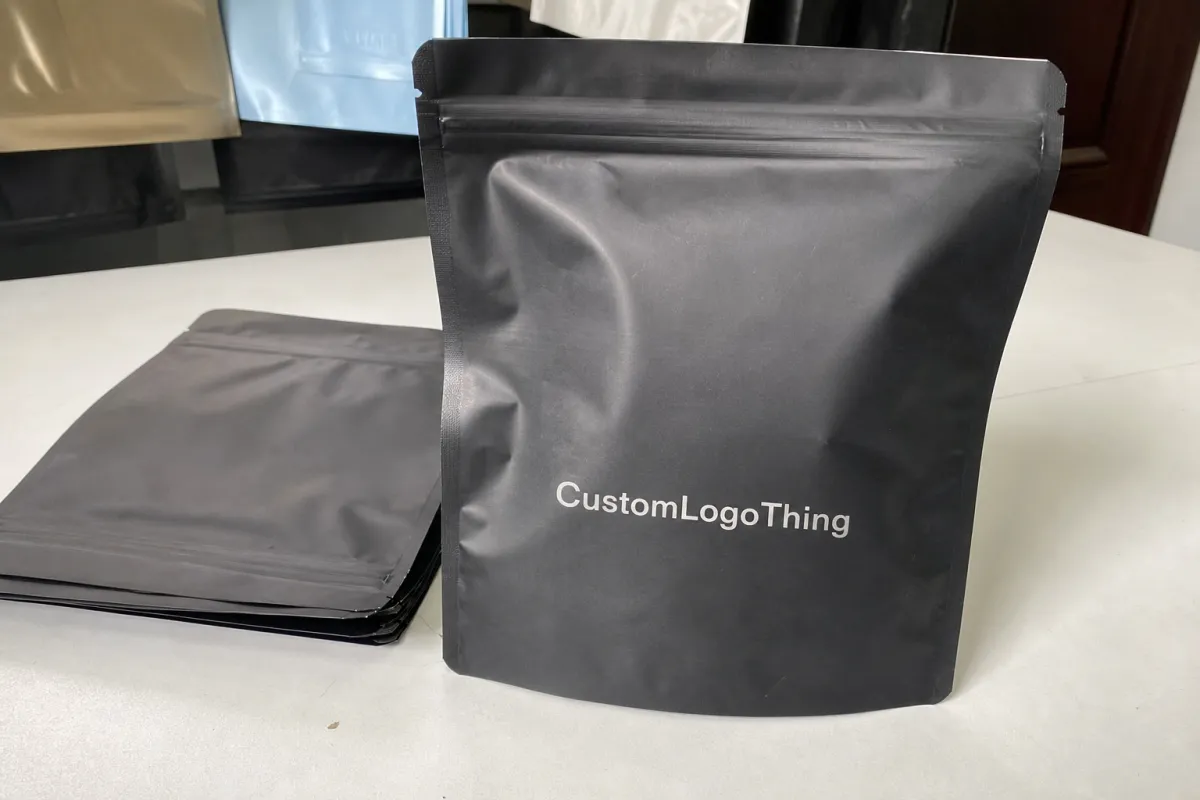
A matte pouch reads differently from a glossy one the second it enters a bright aisle. Gloss catches reflections and can flatten color; matte softens that effect, which helps logos, flavor names, and small typography stay legible. The result is not always dramatic in photos, but it is noticeable in person. Shoppers do not analyze film construction. They notice whether the package looks clean, controlled, and easy to trust.
That difference is one reason Matte Zipper Bags are common in premium food, supplement, pet, and lifestyle packaging. The finish suggests restraint. Compared with high-shine film, matte usually feels less promotional and more product-led. For a private label line, that can be valuable because the package is trying to signal quality without looking overdesigned.
There is also a structural benefit. A reusable zipper changes how consumers think about the bag after purchase. Resealability helps preserve aroma, reduces spill risk, and keeps the pouch in circulation instead of turning it into a one-time wrapper. That is especially relevant for coffee, dried fruit, snacks, and powders, where repeat access is part of the product experience.
"Most packaging problems start when appearance is approved before the structure is locked. The bag looks right, then the dimensions, zipper, and lead time fall out of alignment."
That is why shelf appeal should be weighed against production reality. If the finish improves presentation but forces a weak seal area or awkward fill height, the visual gain can vanish quickly.
Matte zipper bag construction and material choices
Matte in flexible packaging is not one single thing. A bag may use a matte lamination, a matte outer film, or a coated surface that gives the same low-glare effect with different handling characteristics. Those choices affect scuff resistance, print sharpness, and how the bag feels in hand. Some buyers prefer the firmer premium feel of a laminated structure. Others want a softer tactile finish, even if the surface is a little more vulnerable to abrasion.
The base film matters more than most first-time buyers expect. Simpler dry goods can often use PE-based structures, while PET/PE builds give better stiffness and a cleaner print face. If the product needs serious barrier control, multilayer films become the real decision point. Coffee, tea, protein powders, spice blends, pet treats, and nutraceuticals each put different demands on oxygen, moisture, and aroma retention. A pouch that feels substantial can still fail if the barrier is wrong for the product.
Zipper type changes both consumer experience and manufacturing behavior. Wider zippers are easier to open and close, but they reduce the room available for top seals and can affect overall bag height. Tear notches matter too; if they are too aggressive, the bag opens too easily in transit. If they are too subtle, the consumer struggles with the first opening. Gussets and stand-up bases influence shelf stability and carton efficiency. A side gusset can pack tightly, while a bottom gusset helps the pouch stand up more predictably. The choice is rarely aesthetic alone.
Production methods also shape the result. Smaller runs may be proofed digitally, but many wholesale programs move into flexographic or gravure printing once volume increases. That is where white underprint, dark matte tones, and fine typography need extra attention. A matte black or deep charcoal pouch can look elegant on screen and muddy on press if the art file does not account for ink density and substrate color.
Buyers shipping through parcel networks should ask how the pouch handles compression and vibration. Drop and transit testing is not glamorous, but loose fills, brittle zipper tracks, and scuffed outer film appear faster in distribution than they do in a mockup tray. Common reference points include ASTM and ISTA methods, which help frame expectations for handling. If the brand story includes paper-based inserts or paperboard components, FSC documentation may also matter for sourcing claims.
One practical caution: matte surfaces can show pressure marks if cartons are overpacked or stacked too tightly. That usually comes from packing practice, not a defective finish. Carton count, inner pack configuration, and pallet stacking pattern should be discussed before the order is released.
Specs to lock before requesting samples
The fastest way to waste time is to request samples before the brief is complete. Lock the dimensions that actually drive the quote: flat width, height, gusset depth, zipper placement, seal allowance, and target fill volume. A pouch can look correct on paper and still fail in use if the zipper sits too low, the top area is too short for sealing, or the gusset does not hold the expected product weight.
It also helps to define whether those dimensions refer to an empty pouch or a filled one. Buyers often discover late that a retail-facing height includes more than the visible body of the bag; there may be extra room needed for sealing, a hang hole, or a header area. That difference sounds small until it affects carton fit, pallet count, or shelf planogram height.
Print instructions should be written before samples are made, not after. Specify CMYK or spot colors, note whether a white underprint is required, and state how much bleed and safe area the artwork needs. Tight typography near a zipper or seal line can look fine in a file and awkward on the finished pouch. Matte finishes are particularly unforgiving when a small registration miss changes the shape of a dark block or shifts a flavor panel off center.
- Dimensions: finished width, height, gusset depth, zipper location, and fill target.
- Material: film structure, matte treatment, and barrier requirement.
- Print: color system, ink count, white underprint, and bleed allowance.
- Hardware: zipper style, tear notch, hang hole, and whether the pouch must stand.
- Checks: zipper feel, seal strength, color match, rigidity, and opening behavior.
That short list is more useful than a long wish list. For private label buyer Matte Zipper Bags wholesale order planning, the first sample should confirm the structure, not just the artwork. If the sample behaves correctly, the order has a much better chance of moving cleanly through production.
Another point that often gets missed: ask for the usable fill range, not only the finished dimensions. Packaging teams sometimes size the bag to the product label and forget the actual product density. A light powder, a dense snack, and a loose dry blend do not occupy the same volume even if they share the same net weight.
Pricing, MOQ, and unit cost drivers
Price starts with structure. Film gauge, zipper type, print coverage, and special features all change the cost base. Thicker film uses more resin. Wider or colored zippers add cost. Window cutouts, extra finishes, and full-wrap artwork increase setup and inspection time. If a quote blurs those items together, ask for a breakdown. It is easier to compare suppliers when pouch body, zipper, and print costs are visible separately.
MOQ rises with complexity. A simple matte pouch with light print may be available at 3,000 to 5,000 units, while a custom barrier program with more print passes often starts closer to 10,000. That range is not a rule, but it reflects how setup costs get distributed. The more custom the bag, the more the supplier wants volume to justify the run.
There is a catch. The lowest unit price is not always the best decision if the extra inventory sits too long in storage or forces a cash-flow squeeze. A higher minimum can be smart only when the product has a stable sell-through rate or when the pouch is shared across several SKUs. Buyers who repeat the same base structure across multiple products often find that the higher opening volume pays off after the second or third reorder.
| Option | Typical MOQ | Indicative Unit Cost | Best Fit |
|---|---|---|---|
| Stock-style matte pouch with light print | 3,000-5,000 units | $0.18-$0.28 | Test launches and simpler private label lines |
| Semi-custom matte zipper bag | 5,000-10,000 units | $0.22-$0.38 | Custom size with moderate artwork coverage |
| Fully custom barrier pouch | 10,000+ units | $0.30-$0.55 | Food, aroma-sensitive, or premium retail programs |
Those numbers are directional. Freight basis, carton count, destination, and proof stage all affect landed cost. A quote only becomes meaningful when every supplier is answering the same question in the same format. Match quantities, shipping terms, and approval assumptions before comparing the numbers.
Cost control comes from repetition, not luck. Standardize the pouch body where you can. Limit unnecessary print colors. Keep one zipper style across a product family if the consumer experience allows it. Every shared component reduces the chance of a costly one-off change, and every avoided change saves time in the factory and the warehouse.
Production steps and lead time from PO to ship
Once the purchase order is issued, the process usually moves through a fixed sequence: artwork proof, dieline confirmation, plate or cylinder setup, production, quality inspection, packing, and shipment. Each step has a failure point. If the dieline is wrong, the art needs revision. If the zipper sample is off, the line can stall. If the proof sits in someone’s inbox for three days, the schedule loses three days.
It helps to think in three separate clocks. Sample lead time is one. Production lead time is another. Transit time is the third. A custom matte zipper bag might need a short sample cycle, then 12 to 20 business days for production after approval, then extra time for freight depending on destination and mode. Sea freight is usually cheaper, but it adds schedule risk because the transit window is longer and less flexible. Air freight can rescue a launch, yet it often makes the landed cost hard to defend.
Most delays come from approvals, not machine speed. Color signoff, zipper confirmation, and final pre-production approval can each add hidden days if several teams need to review the package. Marketing wants the look right. Operations wants the carton count right. Compliance wants the claims right. That is normal, but the order calendar should account for it from the beginning.
One useful habit is to build the timeline backward from the launch date. Lock the latest acceptable ship date. Add time for internal review. Add time for freight booking. Then subtract the expected production window. That method exposes weak assumptions quickly, which is better than discovering a delay after the line has already started.
Good buyers also keep a separate file for sample approval versus production approval. The sample answers different questions than the final run. A sample may confirm feel and size, while the production proof confirms color repeatability, case pack, and final marking. Mixing those two approvals creates confusion later when something slightly different arrives in the warehouse.
Print, compliance, and pack-out details buyers miss
Documentation is part of the packaging itself. A serious supplier should be able to provide a material statement, notes on food-contact suitability if relevant, and evidence for recycled-content or paper sourcing claims when those claims are part of the brand story. If the product will touch dry food, supplements, or another regulated category, ask for the exact paperwork before approval, not after shipment. Missing documentation causes more delays than most artwork errors.
Pack-out details matter because they affect warehouse labor. Carton labels, barcode placement, case count, and pallet pattern determine how quickly goods can be received and put away. If every inner bag needs extra handling, the cost shows up later in labor rather than in the quote. That makes the pouch look cheaper than it really is.
Shelf-ready details deserve equal attention. Euro holes need to be centered correctly if the bags will hang. Tear notches should be easy to find but not so easy that the bag opens in transit. Reseal behavior matters for repeat use, especially in products that customers open and close daily. Matte finishes help the design look sharper, yet they can show scuffing if the cartons are overcompressed or the bags rub too tightly against one another.
For transit durability, ISTA testing guidance at ISTA is a useful benchmark. If the packaging uses paper-based components and the brand relies on sourcing claims, FSC chain-of-custody information at FSC may be relevant. Those references do not replace supplier testing, but they make the approval conversation more precise.
One quiet mistake is assuming a beautiful print file equals a clean production file. It does not. A dark matte surface can hide minor flaws in some areas and exaggerate them in others. Small misalignments near the zipper, seal, or hang hole become visible once the pouch is filled. That is why final checks should include a filled sample, not only a flat proof.
How to judge a wholesale supplier before you order
The best suppliers answer clearly and specifically. Ask for a spec sheet, a matched sample, a realistic schedule, and a quote that names its assumptions. If any of those pieces is vague, the risk usually appears later in production. A low quote that leaves out setup detail is rarely a low-cost outcome.
Process questions reveal how disciplined the operation is. Ask how zipper cycle testing is done, how seal strength is checked, and what happens if a lot falls outside tolerance. A supplier with a real quality system will know where defects are caught and who signs off on them. If the answer changes from one email to the next, that is a warning sign.
Communication quality matters almost as much as price. A supplier who takes days to clarify a dieline or cannot confirm carton pack is showing how the order will feel once it is live. Packaging programs depend on clean documentation because small upstream errors become large downstream delays. That is even more true when a design will be reordered across seasons or shared across several SKUs.
A few questions usually separate serious operators from the rest:
- Can you provide a spec sheet with exact dimensions and material construction?
- What tolerance do you hold on zipper placement and finished size?
- How do you verify print registration and seal integrity?
- What is your approval process for samples and pre-production proofs?
- How do you handle out-of-spec inventory or remake issues?
Those answers matter because wholesale packaging is built on repeatability. A supplier who can explain the process clearly is more likely to deliver a second order that looks like the first one. That consistency is one of the real tests of private label buyer Matte Zipper Bags wholesale order planning.
Next steps for a clean re-order file
The most practical way to keep future orders moving is to build one clean RFQ packet and keep it current. Include finished dimensions, target fill, zipper style, film structure, print count, MOQ target, shipping destination, artwork files, carton pack, and any compliance notes. If there is a reference sample, attach that too. The cleaner the input, the fewer assumptions the supplier has to make.
Standardize whatever can be shared across SKUs. If three products can use the same pouch body, the buyer usually gains on cost, inventory planning, and proof control. Even when the flavor copy or color band changes, keeping the structure the same reduces the chance of a packaging mismatch on reorder. That is especially helpful for seasonal lines, where the window for corrections is narrow.
Before release, archive the approved sample, spec, quote, and shipping notes together. That archive becomes the working file for the next buy. It also prevents the team from re-litigating the same decisions every season. A good re-order file is not fancy. It is simply complete, legible, and easy to find.
Done well, matte zipper pouch buying is a sequence of deliberate steps: define the structure, lock the specs, compare quotes on the same basis, approve the proof carefully, and preserve the final file for the next run. That is the difference between a packaging program that drifts and one that gets easier with each reorder.
What should I send for matte zipper bag wholesale planning?
Send finished dimensions, film structure, zipper style, print colors, quantity target, and ship-to location in one packet. Include artwork files, a reference sample if you have one, and any carton-label or compliance notes so the quote reflects the real job.
How does MOQ affect pricing on private label matte zipper bags?
MOQ changes unit cost because setup work gets spread across more or fewer bags, especially on custom sizes and printed runs. Higher quantities usually improve pricing, but only when the extra inventory still fits your cash flow and storage plan.
What lead time should buyers expect for custom matte zipper bags?
Plan separately for sample approval, production, and transit, since each stage has its own clock and approval point. Custom artwork, special zippers, or freight delays can extend the schedule, so a launch buffer is the safer plan.
Can matte zipper bags be made for food-contact private label use?
Yes, if the film structure and ink system are appropriate and the supplier can document the material claims you need. Ask for the exact compliance paperwork before ordering, especially if the bag will touch dry goods or packaged foods.
How can I lower unit cost without weakening the bag?
Use a standard size where possible, reduce unnecessary print colors, and avoid custom features that do not add selling value. If several SKUs share one pouch platform, you can usually improve pricing while keeping the brand presentation consistent.


