A Retail Merch Beanies print method comparison sounds straightforward until you try to put a logo on a stretchy knit surface. A clean vector file can still blur, distort, or feel too heavy once it hits rib knit, and a decoration that looks premium in a mockup can read as clumsy on a store wall. Beanies punish vague decisions.
The real choice is not just “print.” Retail beanies are usually decorated with embroidery, woven or sewn patches, leather or silicone patches, heat transfer, screen print, or knit-in branding. Each method changes the hand feel, the price, the minimum order, the lead time, and the way the product reads at retail. That matters whether the buyer is stocking a campus shop, a museum store, a streetwear drop, or licensed fan merchandise.
The mistake many teams make is comparing only decoration cost. A low quote can look attractive until the logo is too small to stitch cleanly, the patch needs a custom mold, or the packaging pushes the landed cost out of range. A better comparison starts with the product role, then works backward through appearance, durability, and margin.
"Beanies expose weak decisions fast. If the logo cannot survive stretch, touch, and a store shelf from three feet away, the method is wrong for the product."
Retail merch beanies print method comparison: why it matters
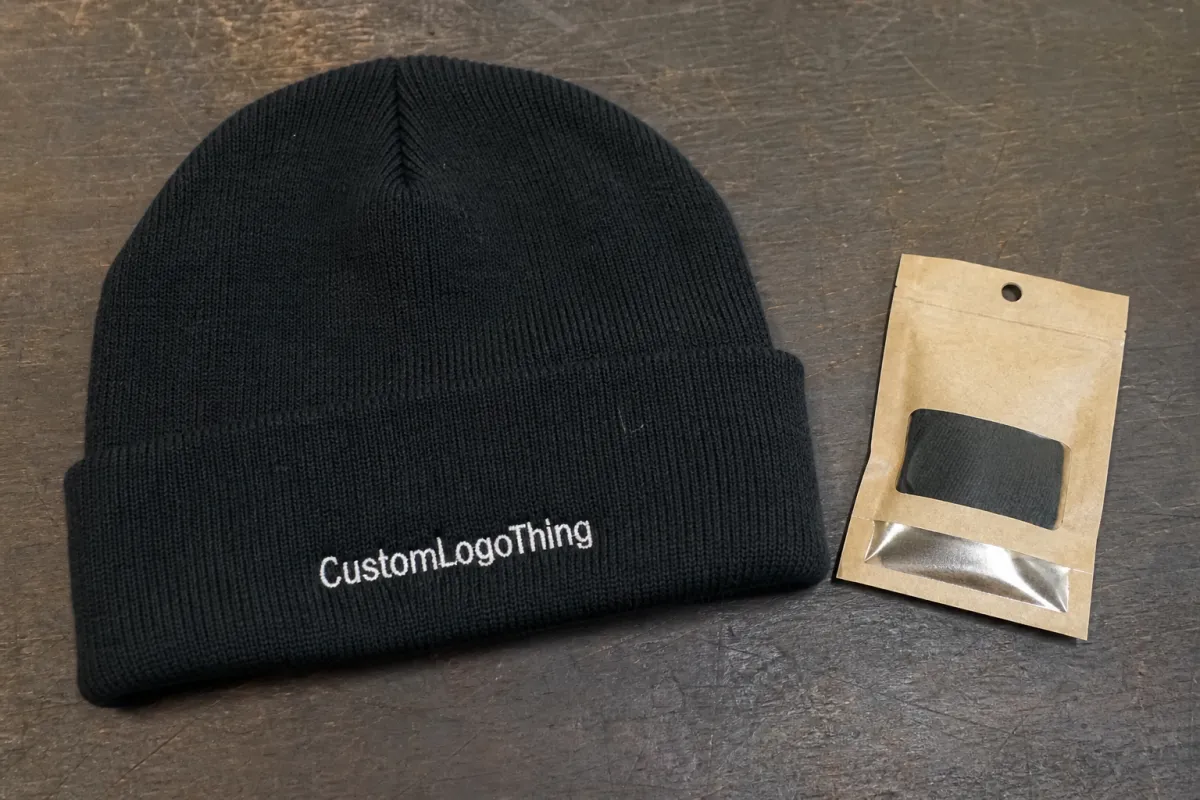
Beanies are difficult because they are soft, curved, and constantly changing shape. Unlike a flat tag or box panel, a knit cap flexes every time someone picks it up, stretches it over the head, or folds the cuff. A decoration has to look good before it is worn and still look intentional after the knit has moved.
That is why buyers should care about more than surface appearance. The same logo can feel bold in embroidery, neat in a woven patch, or almost invisible in a poor transfer. Each method sends a different signal about price, quality, and brand intent. A retail shelf can make those differences obvious very quickly.
The practical questions are simple:
- Shelf appeal - can shoppers read it from a few feet away?
- Hand feel - does the decoration sit lightly, or does it fight the knit?
- Durability - will it hold up to wear, storage, and washing?
- Repeatability - can the supplier match the same result on reorder?
- Margin - does the landed cost still work after freight and packaging?
That last point gets missed often. The decoration line item may be low, but retail packaging, hang tags, barcode labels, inserts, cartons, and freight can shift the economics enough to make the project feel expensive. A cap that ships in a polybag is one thing. A retail-ready beanie with custom tags, branded insert cards, and shelf-friendly packout is another.
The same thinking applies to printed companion materials. Short-run inserts usually fit digital printing, larger quantities can justify offset printing, and simple shipping cartons often make more sense with flexographic printing. If the packaging needs color accuracy, specify CMYK artwork for full-color pieces and call out spot color matching where brand color matters. The decoration on the beanie and the print finishing on the package should support the same retail price point.
That is the real reason this comparison matters. You are not selecting a decoration style in isolation. You are deciding how the product will feel in hand, how it will read on shelf, and whether the order can still make money after everything else is counted.
How the main decoration methods work on beanies
Embroidery is still the default for many retail programs. It adds texture, depth, and a familiar premium feel. On cuffed beanies, it works well for bold logos, short wordmarks, and clean monograms. The limitation is stitch density. Too much detail in a small area will fill in the letters, especially on loose rib knits or fuzzy yarns. The tighter the logo, the more likely it is to lose clarity.
Woven patches solve a different problem. They keep small details cleaner because the art is built into the patch rather than stitched directly into the knit. Thin type, narrow borders, and sharp edges usually hold up better here than in direct embroidery. The finished product also tends to read like a badge, which can help on retail walls where the buyer wants something more deliberate than a stitched mark.
Leather patches and silicone patches are used when the goal is visual identity, not thread texture. Leather can feel rustic, rugged, or premium depending on the finish. Silicone gives a smoother, more contemporary badge look and handles simple logos well. Both methods can elevate a basic beanie, but both can also look oversized if the patch is too large for the cap or if the knit is especially soft.
Heat transfer is useful when a design needs cleaner lines and a lighter hand feel. It can carry fine text, slim outlines, and smoother graphics better than direct embroidery. The tradeoff is surface sensitivity. On a textured knit, poor film selection or uneven application can create edge lift, cracking, or a glossy patch that looks out of place under retail lighting. It is a smart option for some programs, not a universal fix.
Screen print has a narrower lane on beanies. It works best on flatter cuff areas or smoother knit sections. The result is low-profile and usually cost-efficient, which makes sense for simple artwork. On chunky rib structures, though, the print can expose every bump in the fabric and start to look uneven. It is usually better reserved for specific knit constructions, not general use.
Knit-in branding is the most integrated method. The logo becomes part of the beanie structure through jacquard or intarsia knitting, which gives the product a built-in appearance and strong durability. It also demands more planning because color limits, stitch structure, and gauge affect what the art can do. If the goal is for the branding to feel native to the hat rather than applied later, knit-in work is hard to beat.
Picture the same 1.5-inch wordmark in three versions. Embroidery gives it weight and texture. A woven patch gives it sharper edges. Heat transfer keeps it flat and light. Same logo, different retail story. That is why a method comparison is not cosmetic trivia; it changes how the product is read.
Retail beanie cost, MOQ, and unit pricing
Buyers usually want the numbers next, so here is a practical planning range. Exact pricing depends on the blank beanie, yarn content, logo size, stitch count, and whether the factory already has the right materials in stock.
| Method | Typical setup cost | Usual MOQ | Unit decoration range | Best fit |
|---|---|---|---|---|
| Embroidery | $25-$75 digitizing | 50-200 pcs | $0.80-$1.80 | Simple logos, bold wordmarks, faster retail basics |
| Woven patch | $30-$90 artwork/tooling | 100-300 pcs | $1.20-$2.50 | Small text, crisp edges, badge-style branding |
| Leather or silicone patch | $35-$120 mold or die | 100-300 pcs | $1.60-$3.50 | Premium retail, minimal logos, lifestyle positioning |
| Heat transfer | $20-$60 art prep | 50-150 pcs | $0.60-$1.40 | Fine detail, lighter hand feel, shorter runs |
| Knit-in branding | Highest setup | 300-500 pcs | $2.00-$4.50 | Premium knit stories and repeat programs |
Those numbers are useful, but they do not tell the full story. Embroidery can look economical until the artwork becomes dense. Every extra thread color, every tiny letter, and every filled-in area adds time and can create risk in the sample. A three-color logo with clean shapes may quote well; the same design with fine outlines and tiny type often does not.
Patches can be more expensive on paper and still protect margin better in retail. A clean woven patch or silicone badge can make a mid-range beanie look finished enough to support a stronger retail price. Buyers often respond to the overall object, not just the decoration method. A simple cap with the right patch may outperform a more complicated embroidered piece because the product feels intentional.
There are hidden costs worth tracking. Sampling fees, digitizing, mold or die charges, sew-on labor, cartons, polybags, barcode stickers, and rush premiums all affect landed cost. If the order includes tags or insert cards, the print finishing matters too. Matte lamination, soft-touch coating, foil, embossing, or uncoated stock can move the price more than expected. The finish should match the target shelf position, not inflate it by accident.
For buyers comparing multiple suppliers, ask for the same line items every time: blank cap, decoration, sampling, packaging, freight, and any tariff-related charges if they apply. A quote that hides half the work is not a good quote. It is just incomplete.
The safest rule is plain: choose the method that protects margin after decoration, packaging, freight, and retail markup. The cheapest decoration quote is not the winning quote if it weakens the product or forces a more expensive retail package later.
Production process, timeline, and lead time checkpoints
The production flow is usually similar regardless of method. The supplier reviews artwork, prepares a mockup or tech pack, samples the decoration, gets approval, runs production, finishes the goods, and packs them for shipment. The process looks tidy on paper. The delays usually show up in the approval stage.
The slowdowns are predictable. Artwork keeps changing. Logo scale is not locked. The supplier has to digitize embroidery twice because the first version is too dense. A patch mold needs revision because the border is too thin. Or someone asks for exact color matching after sampling has already started, which usually means the schedule is about to slip.
Planning ranges for stock beanies are usually something like this:
- Simple embroidery - often 10-15 business days after approval.
- Heat transfer - often 7-12 business days if artwork and blanks are ready.
- Woven or leather patches - often 15-25 business days, depending on tooling and sew-on complexity.
- Knit-in branding - often 20-35 business days because the knit structure has to be programmed and tested.
Speed should not be the only filter. A transfer can move quickly, but if the knit is rough or the logo is tiny, the result may not pass retail scrutiny. A patch may take longer, yet still be the better choice if it gives the product a cleaner face and more consistent repeat orders. The fastest option is not always the safest one.
Before approving production, lock three checkpoints: artwork scale, placement, and sample sign-off. Then confirm carton counts, inner packs, and whether each unit needs a retail hang tag, barcode sticker, or polybag insert. That is where a lot of “production complete” orders quietly lose time.
For knit-specific products, also ask about yarn content and recovery. Acrylic, wool blends, and recycled polyester all behave differently under stretch and heat. A decoration that looks fine on one fiber can distort more than expected on another. If the beanie is meant for frequent wear, a wash and stretch check is worth more than another mockup.
Choosing the right method by retail use case
The best method depends on how the beanie will be sold. A high-volume winter basic, a premium gift shop item, and a licensed merchandise program each carry different expectations. Treating them the same is a fast way to waste time and money.
High-volume basics usually work best with straightforward embroidery or heat transfer. If the target retail price is tight, keep the art simple and the setup clean. A small cuff logo done well often sells better than a crowded graphic that tries to carry too much detail.
Premium gift shop styles usually justify woven patches, leather patches, or silicone badges. The shopper expects a more finished product and is often willing to pay for it. A beanie in the $18-$30 retail range can support a larger patch, a heavier feel, and better packaging without looking overdesigned.
Fashion drops need restraint or confidence, sometimes both. A minimal brand usually looks best with a small embroidered mark or tonal patch. A louder brand may want a bold silicone badge or knit-in treatment. The logo size should match the collection’s tone, not the size of the file on the designer’s screen.
Outdoor retail benefits from durability and clarity. Embroidery and knit-in branding hold up well because they tolerate wear and movement. If the cap will be stuffed into backpacks, brushed against zippers, or worn often, avoid decoration that depends on delicate surface film.
Licensed merchandise is often about control. Brand owners usually care more about placement, color matching, and repeatability than novelty. In those programs, a patch or knit-in method can be easier to keep consistent than pushing tiny type through dense embroidery.
Color count matters too. If the artwork depends on gradients or micro-details, do not pretend embroidery can behave like full-process artwork. Think in spot color terms for brand-critical elements, reduce the art to what the knit can actually hold, and move the more complex part to a patch or printed insert if needed. That approach is often cleaner and easier to approve.
A cuffed beanie gives you a practical branding zone. A ribbed body gives you less certainty. A pom beanie can limit placement more than many buyers expect. The best method is the one that respects the shape of the hat, not the one that looks best in a flat digital mockup.
Common mistakes that make retail beanies look cheap
The quickest way to make a retail beanie feel off is to force a design that does not fit the knit. Small text, thin outlines, and logos pushed too close to the cuff edge are common failure points. Stitching gets messy there, the fold distorts the mark, and the issue is obvious as soon as the item is handled.
Another mistake is pairing the wrong decoration method with the wrong fabric. Fine embroidery on a heavy rib knit can swallow detail. A flat transfer on a highly textured beanie can look pasted on. Leather patches on an ultra-soft slouch beanie can feel stiff in the wrong way. The decoration has to match the fabric structure.
Approval-only buying is risky. Mockups hide thread sheen, patch thickness, and size problems. They also make tiny logos look more visible than they will be in store. If a supplier will not show a sample or a clear photo set before production, that is a warning sign.
- Red flag: logo height under about 0.75 inch on a textured cuff.
- Red flag: artwork with more detail than the knit can hold.
- Red flag: no sample review before production.
- Red flag: inconsistent cuff height across blank beanies.
- Red flag: no discussion of wash testing or stretch recovery.
Weak contrast is another quiet problem. Gray thread on a charcoal beanie can look refined in a design file and disappear on a store wall. Brands can use subtlety only if the shape still reads. If the logo disappears from arm’s length, the product is not doing its retail job.
Stretch is the other factor that gets underestimated. Beanies move more than most decorations are designed to handle. If the artwork is already tight on the mockup, it will not relax once worn. It will look tighter. Leave enough room for the knit to behave like knit.
Expert next steps: build a smarter quote request
If you want cleaner pricing, stop asking vague questions. Send the supplier a proper brief: artwork file, target retail price, quantity tier, preferred decoration method, delivery date, and packaging needs. That alone cuts a lot of back-and-forth and helps the factory quote comparable options instead of random numbers.
- Send the logo in vector format, plus a rough size target and placement note.
- Ask for two or three methods quoted against the same artwork.
- Request a sample, reference photo, or stitch/patch mockup for each shortlisted method.
- Confirm MOQ, setup charges, and whether repeat orders keep the same tooling.
- Lock packaging early if you need hang tags, insert cards, barcodes, or retail-ready packouts.
If the order ships to stores rather than just to a warehouse, ask about carton counts, inner packs, and transit protection. A beanie can be decorated perfectly and still arrive looking tired if the packout is sloppy. This matters more for heavier patch builds and premium packaging, where crease marks and crushed tags show up quickly.
For printed companion items, use digital printing for short runs, offset printing when volume supports it, and flexographic printing for simpler carton work. Ask for the right combination of CMYK artwork and spot color matching so the packaging does not undermine the product. Then check the finish on tags and inserts before the final approval.
The cleanest path is usually this: choose the top two methods, verify MOQ and timing, confirm the packaging spec, and place a pilot order before scaling. That turns a Retail Merch Beanies print method comparison into a buying decision grounded in real samples instead of optimism. Skip the comparison and chase the lowest line item, and the market usually delivers the correction later.
What is the best retail merch beanies print method for premium shelves?
Embroidery, woven patches, and leather or silicone patches usually read more premium than flat printing. The right choice depends on logo size, knit texture, and whether the brand wants a quiet or bold shelf presence. If the design is tiny or text-heavy, a patch or transfer may outperform direct embroidery.
Which beanie decoration method has the lowest MOQ?
MOQ is often lowest for embroidery and some heat transfer runs, but it varies by factory and setup cost. Patch styles can require higher minimums if they need custom tooling or special materials. Always ask for MOQ by decoration method, not only by product.
How does print method affect unit cost on retail beanies?
Unit cost rises with more colors, heavier stitch density, custom patch shapes, and extra setup work. Simple embroidery can be economical at scale, while premium patches may cost more upfront but support a higher retail price. Packaging, sampling, and rush fees can change landed cost as much as the decoration line item.
What is the fastest production option for retail merch beanies?
Heat transfer or simple embroidery is often faster than custom patches or knit-in branding. Speed depends on artwork approval, sample sign-off, and whether the supplier already has the right blank beanie in stock. If the deadline is tight, ask for lead time with approvals included, not just the best-case factory estimate.
How do I compare retail merch beanies print methods before ordering?
Compare methods on five things: appearance, durability, cost, MOQ, and lead time. Request mockups or samples using the same artwork so you can judge size and placement fairly. Pick the method that fits the retail price point and brand style, not the cheapest quote that looks clever in an email.


