Choosing a cap decoration method is not just a style call. It affects readability, unit cost, Minimum Order Quantity, lead time, and how the cap feels in hand. A logo can look clean in a mockup and still fail once it wraps a curved crown or crosses a panel seam. That gap is where buyers need to be careful.
The right method is the one that fits the artwork, the cap style, the quantity, and the retail price point. A cheaper option can still be the wrong choice if it makes the cap look promotional instead of retail-ready. A slightly higher-cost option can be the better business decision if it protects the shelf appeal and reduces rework.
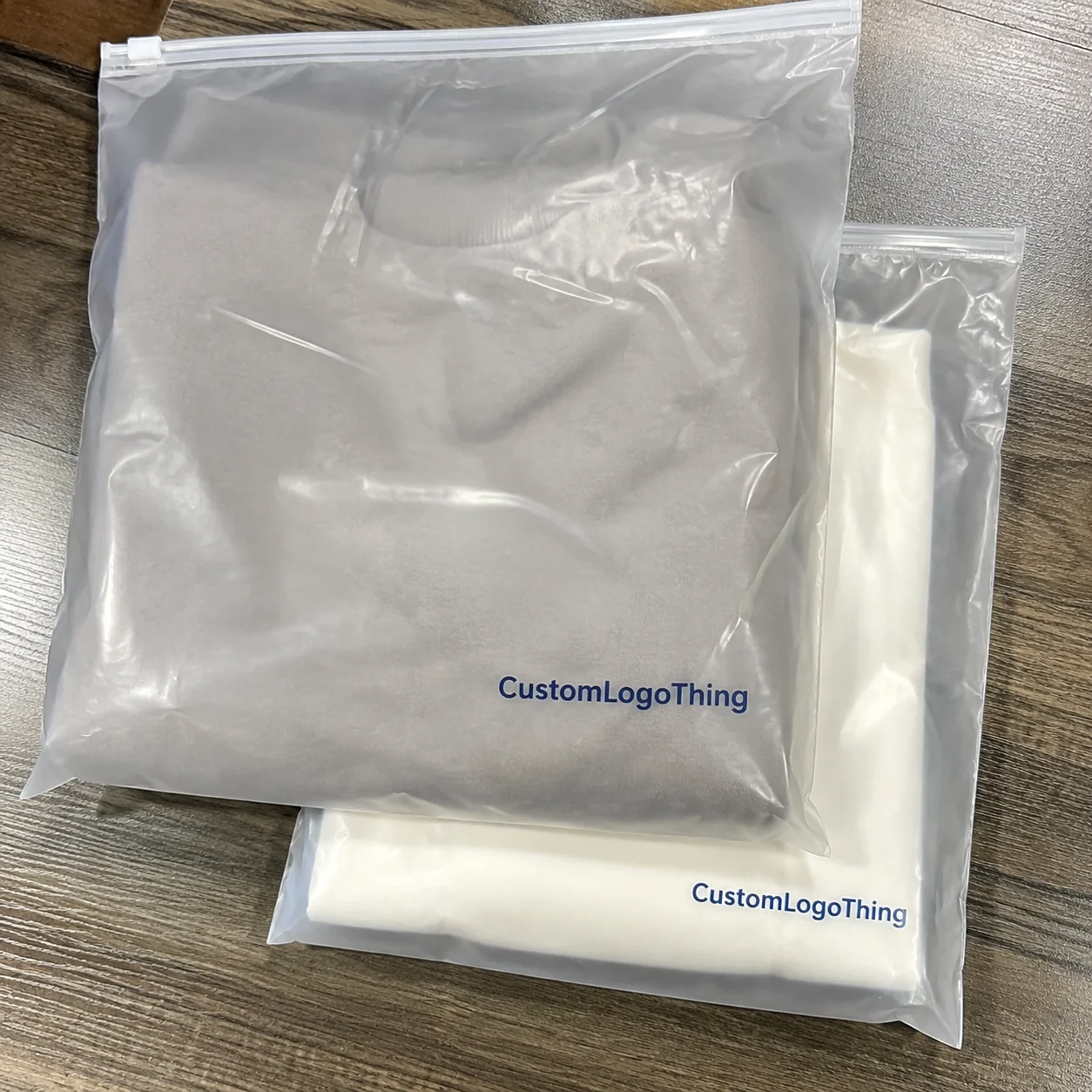
For retail programs, the cap should also be considered alongside the full package. Hang tags, inserts, polybags, and paired products should feel consistent in print quality and finish. If the line is built as a premium set, the decoration on the cap needs to support that position rather than compete with it.
Why retail merch caps print method comparison matters
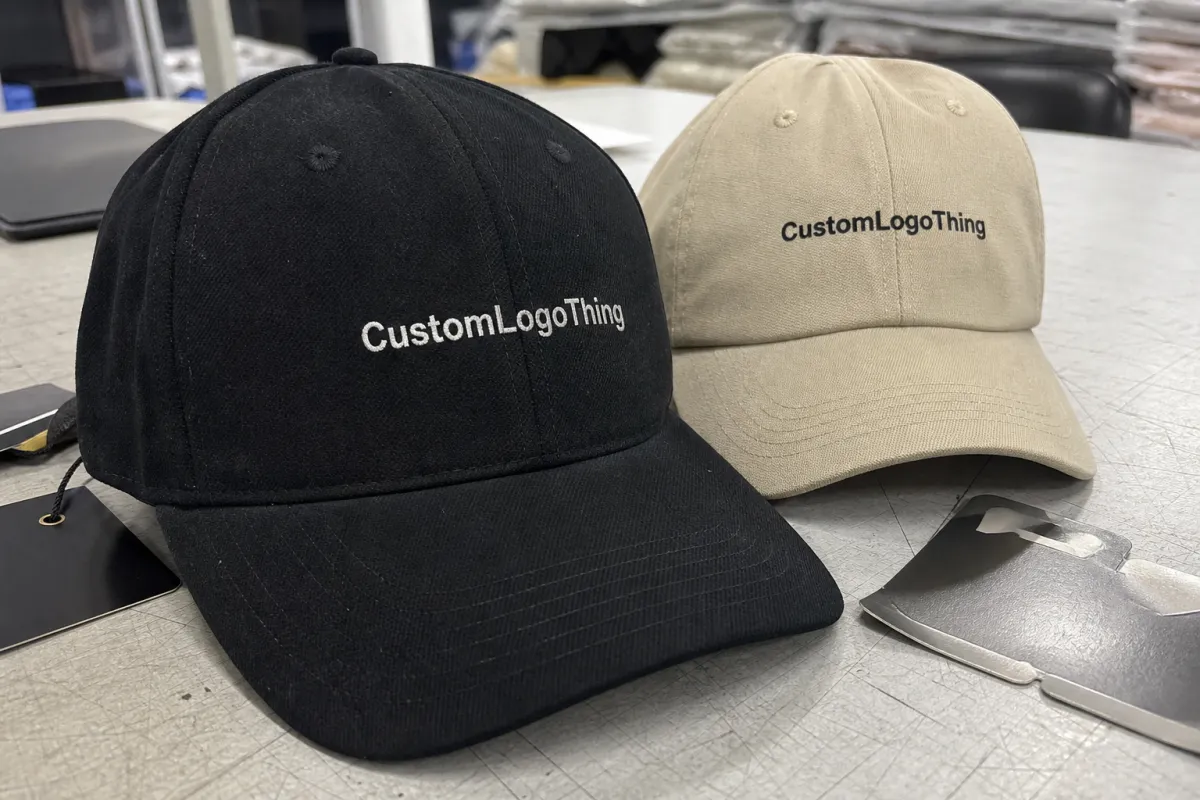
A cap is not a flat substrate. Structured six-panel caps, unstructured dad caps, and mesh-back truckers all behave differently because of curvature, seam placement, panel support, and fabric stretch. Those differences change how decoration sits and how clearly the logo reads.
Embroidery adds thread and dimension, which can make a cap feel premium, but it can also close up tiny letters or thin outlines. Screen print is better for simple shapes and bold spot colors, but it is less forgiving on curved or textured surfaces. Transfers preserve smaller details and can handle some gradients more easily. Patches create their own surface and can add definition and texture. Each method can work; the question is which one fits the specific cap.
If the logo cannot be read at arm's length on a curved crown, the decoration method is not doing its job, even if the proof looked perfect on screen.
That is the practical test. The buyer is not trying to choose the lowest-cost decoration in isolation. The goal is to choose the method that survives real handling, looks intentional on shelf, and supports the retail price. In many cases, the better option is the one that reduces the chance of a bad first impression.
How cap decoration methods work on curved panels
Mockups hide a lot. On a cap, the front panel curves away from the viewer, and seams, buckram, or foam backing can shift the logo from where it looked balanced on screen. A design that feels centered in a layout can pucker, distort, or lose detail once it is applied to stitched panel geometry.
Embroidery uses thread and stitch direction to build a raised image. It is durable and tactile, but it needs artwork that can survive digitizing. Thin strokes, narrow counters, and tiny text are the first things to disappear. Stitch count matters, but density, underlay, and cleanup matter too.
Screen print works best with large shapes, simple lettering, and limited colors. It is efficient when the art is bold and the quantity is high, but it can flatten out detail. It also needs enough surface stability to avoid distortion across the crown.
Heat transfer is better for fine lines, small type, and some gradients. It is useful when the design behaves more like a digital image than a stitched mark. For short-run retail work, it can preserve detail that would be lost in embroidery.
Patches can be woven, embroidered, printed, or molded, then sewn or heat-applied. They create edge definition and a more finished feel. They are also useful when the buyer wants the cap decoration to feel like a separate branded element rather than direct ink or thread.
When reviewing samples, check edge clarity, stitch density, color match, hand feel, and readability from normal viewing distance. For most retail caps, that means three to six feet. If the decoration only looks strong in close-up photography, it is probably not strong enough for the shelf.
Key factors that decide the best cap print method
Artwork complexity is the first filter. Small type, gradients, metallic effects, and tight spacing between elements push the decision in different directions. Thin lines may need simplification before embroidery. Gradient-heavy art may need a transfer instead of screen print. A clean two-color icon gives the buyer more flexibility.
Material matters just as much. Cotton twill, brushed cotton, performance polyester, foam front caps, and mesh-backed styles all take decoration differently. A smoother fabric can make ink sit more cleanly, while a brushed surface can soften edges. Structured caps are more forgiving because they hold shape better under pressure. Unstructured caps show distortion sooner, so they often need a lighter visual approach.
Brand position is the next filter. A premium basics line usually supports embroidery or a well-made patch because the texture reads as intentional. A promotional program or event drop may need a simpler screen print or transfer to protect margin. The right answer depends on this cap, this quantity, and this retail target.
Retail handling also matters. If the caps are packed with tags, folded, bagged, or shipped in bulk, the decoration needs to hold up before the customer sees it. Distribution testing standards like ISTA can help when pack-out is rough or transit is long. If the rest of the line has sustainability claims, paper components may need to fit FSC sourcing requirements.
Cost, pricing, and MOQ tradeoffs by method
Pricing becomes useful only when it is compared on the same cap, with the same art, at the same quantity. A low unit price can hide setup charges, digitizing, patch production, or a higher minimum. The real number is total landed cost.
Typical ranges for a standard front decoration on a retail cap run often look like this:
| Method | Typical setup cost | Unit cost range | Best fit | Main watch-out |
|---|---|---|---|---|
| Embroidery | $30-$100 digitizing fee | $0.80-$2.50 per cap | Premium logos, bold shapes, durable retail basics | Fine detail can fill in on small artwork |
| Screen print | $50-$150 per color/screen | $0.35-$1.25 per cap | Simple artwork, larger quantities, spot-color matching | Less forgiving on curves and texture |
| Heat transfer | $40-$120 art prep or plate cost | $0.45-$1.75 per cap | Fine detail, small type, gradient-heavy logos | Wear can show sooner under heavy friction |
| Patches | $75-$250 patch production or tooling | $0.60-$3.00 per cap | Texture, premium feel, mixed decoration styles | Patch lead time can add days before decoration |
MOQ patterns matter too. Embroidery is often efficient once the order reaches a few hundred pieces, but small runs can still feel expensive because of digitizing. Screen print is usually setup-driven, so its economics improve with volume. Patches can work for limited editions, but they rarely help when the turnaround is tight.
One useful check is the setup-to-unit ratio. If setup is $125 and the method only saves $0.20 per cap, the break-even point may be well beyond the order size. That is why the comparison should include crossover quantity, not just the headline unit price.
Process, timeline, and turnaround from art to production
Most cap programs follow the same path: art review, method selection, proofing, sampling, approval, decoration, inspection, and packing. The difference is how much time each method adds before the first finished cap is boxed. Retail deadlines are counted in business days, so that timing matters.
Embroidery usually needs digitizing before production starts, which can add one to three business days depending on revision count. Patches add time because the patch has to be made before it is attached. Screen print needs separation and setup, especially when the art moves from a digital file into spot colors. Clean vector files help. Low-resolution artwork slows everything down.
Transfers can be faster after approval, especially for smaller runs, because the workflow is closer to digital printing. Even then, lead time still depends on cap stock, print finishing, and proofing. If the launch is urgent, the best method is usually the one with the least custom prep, not just the fastest decoration step.
A realistic planning window is often 12-15 business days from proof approval for standard embroidery or transfer work. Custom patches, multiple decoration locations, or mixed cap styles can push that longer. Rush jobs are possible when the artwork is simple, the cap style is in stock, and approvals are quick. Delays usually happen at approval, not on the production floor.
The rest of the package can move on its own timeline. Offset printing may be used for premium inserts, digital printing for short-run hang tags, or flexographic printing for long-run carton labels. If those items are not scheduled with the cap decoration, the launch can slip even when the caps are done.
Step-by-step guide to choosing the right cap decoration
Step 1: Match the artwork to the method. Check line thickness, color count, and whether gradients or tiny type are essential. If the design depends on fine detail, direct embroidery may not be the best starting point. If it is a bold wordmark or icon, several methods may work.
Step 2: Narrow the cap style. Decide whether the front panel, bill shape, and fabric weight support embroidery, print, or a patch. Structured caps handle dense decoration more easily. Unstructured caps often look better with a lighter treatment because they drape more naturally.
Step 3: Rank the quote. Build a simple matrix with unit cost, setup, MOQ, Lead Time, and retail impression. That is where the comparison becomes operational. If a method wins on appearance but misses the timeline, it may not fit the drop. If it wins on price but weakens the logo, it can hurt sell-through.
- Use the same artwork file across quotes so the comparison is valid.
- Ask for a sample on the same cap style whenever possible.
- Check the logo at distance, not just in close inspection.
- Confirm whether pricing includes digitizing, patch production, or color changes.
A practical rule helps: choose the method that preserves the logo at the distance your customer will actually see it. That keeps the decision grounded and avoids expensive second-guessing later.
Common mistakes that make decorated caps underperform
The biggest mistake is starting with the cheapest method and only then checking whether the logo still works. A low unit price can backfire if the design cracks, puckers, or loses detail on shelf.
Proofing errors cause a lot of problems. Teams often approve a digital mockup without checking crown curvature, stitch size, or how the logo reads from three feet away. A mockup can also hide seam placement, which is where front logos often get awkward on six-panel caps.
Another miss is ignoring fabric compatibility. Some finishes accept decoration cleanly; others resist it. Brushed cotton can soften a print edge. Slick performance fabric can change how a transfer behaves. Foam fronts can alter how embroidery sits. These are small differences on paper but obvious in the finished product.
Timing creates its own damage. Orders get placed late, MOQs get underestimated, or the buyer assumes a custom patch can move as fast as a printed hit. The result is rework, longer lead time, and a missed launch date. That is a planning problem as much as a decoration problem.
The best-looking cap is often the one that was decided early, with the right method, the right artwork limits, and the right sample in hand.
Expert tips and next steps for narrowing your shortlist
Start with samples on the exact cap style you plan to sell. A flat swatch does not tell you how the decoration behaves on a curved front panel. Curvature, fabric body, and panel structure all change the result.
Build a brief before asking for final quotes. Include artwork files, target quantity, budget range, retail channel, acceptable turnaround, and whether the cap will ship alone or with packaging components. Specific briefs produce usable quotes. Vague requests usually do not.
Ask one practical question that many buyers skip: what happens if the first proof looks good on screen but not on the cap? A reliable supplier should be able to explain method limits, whether small type needs to be simplified, and whether another decoration path would work better. That kind of answer is more useful than a low quote.
For final selection, keep the grid simple: does the method fit the art, does it fit the cap, does it fit the quantity, and does it fit the retail price point? If any answer is no, keep looking. That is what a good comparison is supposed to do: reduce uncertainty.
Done well, the process helps you protect readability, comfort, margin, and schedule at the same time. That is the real goal.
For retail merch caps, which print method lasts longest?
Embroidery usually lasts the longest because the thread sits into the fabric rather than relying on a surface ink layer. Sewn or woven patches can also hold up well when the cap will be handled often. Heat-applied graphics may look sharp at first, but they can show wear sooner if the cap sees frequent friction.
Is embroidery or screen print better for small retail cap orders?
Embroidery often works better for small orders when the logo is simple and the brand wants a premium look. Screen print can be efficient for flat, bold art, but setup fees can make tiny runs less attractive. The better choice depends on quantity, detail level, and the look you want on the front panel.
What is the best method for detailed logos on caps?
Transfers or patches often handle fine detail better than direct embroidery when the art includes tiny type or thin lines. If the logo has clean shapes and limited colors, embroidery may still work if the digitized version holds enough detail. Always test at actual cap size, because detail that looks sharp on screen can disappear on the curved crown.
How does turnaround time change by print method?
Embroidery can move quickly once digitizing is approved, but digitizing itself adds a planning step. Custom patches, multi-color screen print, and specialized transfers can add production days before decoration starts. The fastest option is usually the method that needs the least custom prep and uses an in-stock cap style.
How do I compare MOQ and unit cost across cap decoration methods?
Compare the full landed quote, not just the sticker price, because setup, digitizing, patch production, and finishing can shift the real cost. Watch for methods with low unit price but high minimums, since those can be expensive if you only need a small retail run. Use the same cap style, same artwork, and same quantity when comparing quotes so the numbers are actually comparable.