Buyer Fit Snapshot
| Best fit | Retail Packaging for Small Business projects where brand print, material claims, artwork control, MOQ, and repeat-order consistency need to be specified before quoting. |
|---|---|
| Quote inputs | Share finished size, material target, print colors, finish, packing count, annual reorder estimate, ship-to region, and any compliance wording. |
| Proofing check | Approve dieline scale, logo placement, barcode or warning zones, color tolerance, closure strength, and carton packing before bulk production. |
| Main risk | Vague material claims, crowded artwork, missing packing details, or unclear freight terms can make a low unit price expensive after revisions. |
Fast answer: Retail Packaging for Small Business: Artwork Proof, Packing Count, and Landed Cost should be specified like a repeatable production item. The safest quote records material, print method, finish, artwork proof, packing count, and reorder notes in one written spec.
Production checks before approval
Compare the actual filled-product size with the drawing, then confirm tolerance on folds, seals, hang holes, label areas, and retail display edges. Reserve space for logos, QR codes, warning copy, and material claims before decorative graphics fill the panel.
Quote comparison points
Review material grade, print process, finish, sampling route, tooling charges, carton quantity, and freight assumptions side by side. A quote is only useful when the supplier can repeat the same color, closure quality, and packing count on the next order.
The Packaging Decision That Separates Thriving Small Brands From Struggling Ones
Last spring, a conversation with the owner of a specialty food company in Portland left a lasting impression on me. She'd just returned from her first major retail buyer meeting, completely defeated. Her products were excellent—award-winning sauces that genuinely tasted better than anything on supermarket shelves. But when she showed me photos of her packaging, the buyer's hesitation made immediate sense. Her jars sat in generic brown boxes with sticker labels and hand-scrawled batch numbers. I almost winced out loud when I saw them. A brilliant cook had built something remarkable, only to let it disappear on shelves because she treated packaging as an afterthought rather than a strategic asset. Honestly, I see this pattern all the time, and it breaks my heart a little every single time. The way you package your retail products determines how you communicate value before a customer even opens your product. It affects whether you earn the right to charge premium prices and whether you differentiate yourself in increasingly crowded market segments. Studies show 72% of consumers say packaging design influences their purchase decisions at some point. That's not just a marketing stat—that's real behavior playing out in checkout lines, boutique shelves, and online product listings every single day. Walk through any Target or Whole Foods and watch where people's eyes go. Packaging is doing the heavy lifting whether you acknowledge it or not. Over eight years working with small businesses, I've noticed something consistent: companies that treat retail packaging for small business as a core business decision consistently outperform those who treat it like a line item to minimize. I'm talking about measurable increases in repeat purchase rates, stronger wholesale relationships, and customers who photograph their unboxing experiences and share them organically on social media. The reverse also holds true, and I've watched companies with genuinely superior products lose shelf space to competitors with less impressive offerings but more polished packaging. It's a painful lesson, and it's entirely preventable with the right approach. Trust me, I've seen both sides of this story play out more times than I can count."Your packaging is the first conversation you have with every potential customer. Make it count."Whether you're launching a new product line, scaling an existing business, or realizing your current approach isn't working, this guide covers everything you need to make smart retail packaging decisions without needing a degree in design or supply chain management.
What Exactly Is Retail Packaging for Small Business?
First, let's establish what we're actually discussing here. Retail packaging for small business refers to the materials and containers that hold and present your products to customers in a retail environment—whether that's a physical store, an online marketplace, or a direct-to-consumer transaction involving in-person handoff. This differs from shipping packaging (the boxes and poly mailers that protect products during transit to a customer's doorstep). Retail packaging lives on shelves, sits in displays, gets picked up and examined by curious shoppers, and ultimately travels home with your customer as part of their purchase experience. Understanding the two primary layers matters more than most small business owners realize: **Primary packaging** is what directly touches your product. Think of a candle tin, a moisturizer bottle, or a snack bag. This layer often carries branding but also has functional requirements: maintaining product freshness, protecting delicate items, or providing convenient application mechanisms. **Secondary packaging** is the outer shell—the retail box, sleeve, or wrapper that contains the primary package. Secondary packaging offers more real estate for branding, storytelling, ingredient information, and visual appeal. When your product sits on a shelf surrounded by competitors, this is the soldier fighting for attention on your behalf. For small businesses, retail packaging also functions as a "silent salesperson." In boutique environments where staff can't personally explain every product, your packaging carries that conversation. It answers questions, builds trust, and creates desire—all without saying a word. Which is kinda remarkable when you think about it. Your box is out there working overtime while you're busy making the actual product. Strategic packaging decisions—not just operational ones—make a profound difference in business outcomes. Every square inch of your retail packaging is real estate. And in a retail environment, real estate is expensive.Types of Retail Packaging Options Available to Small Businesses
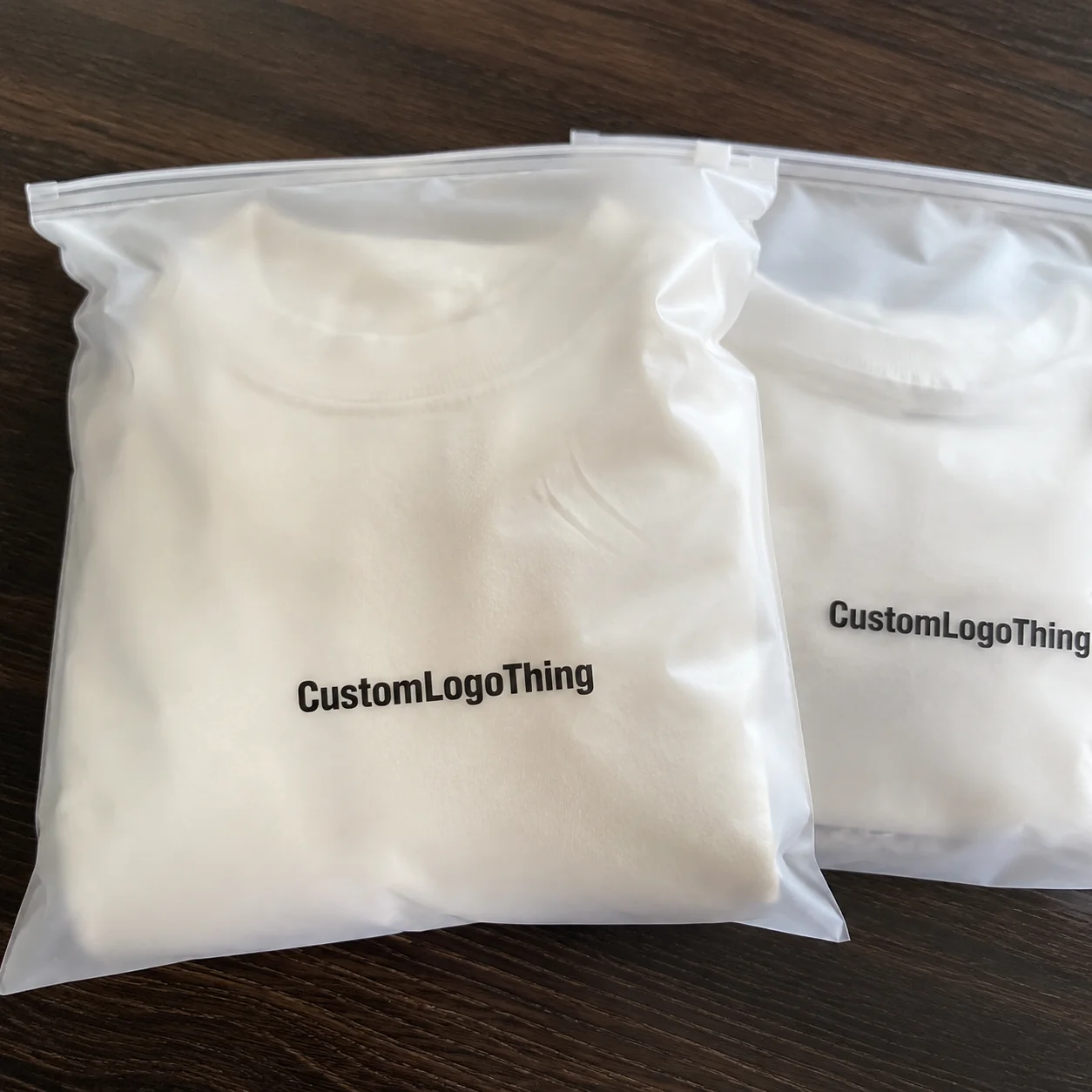
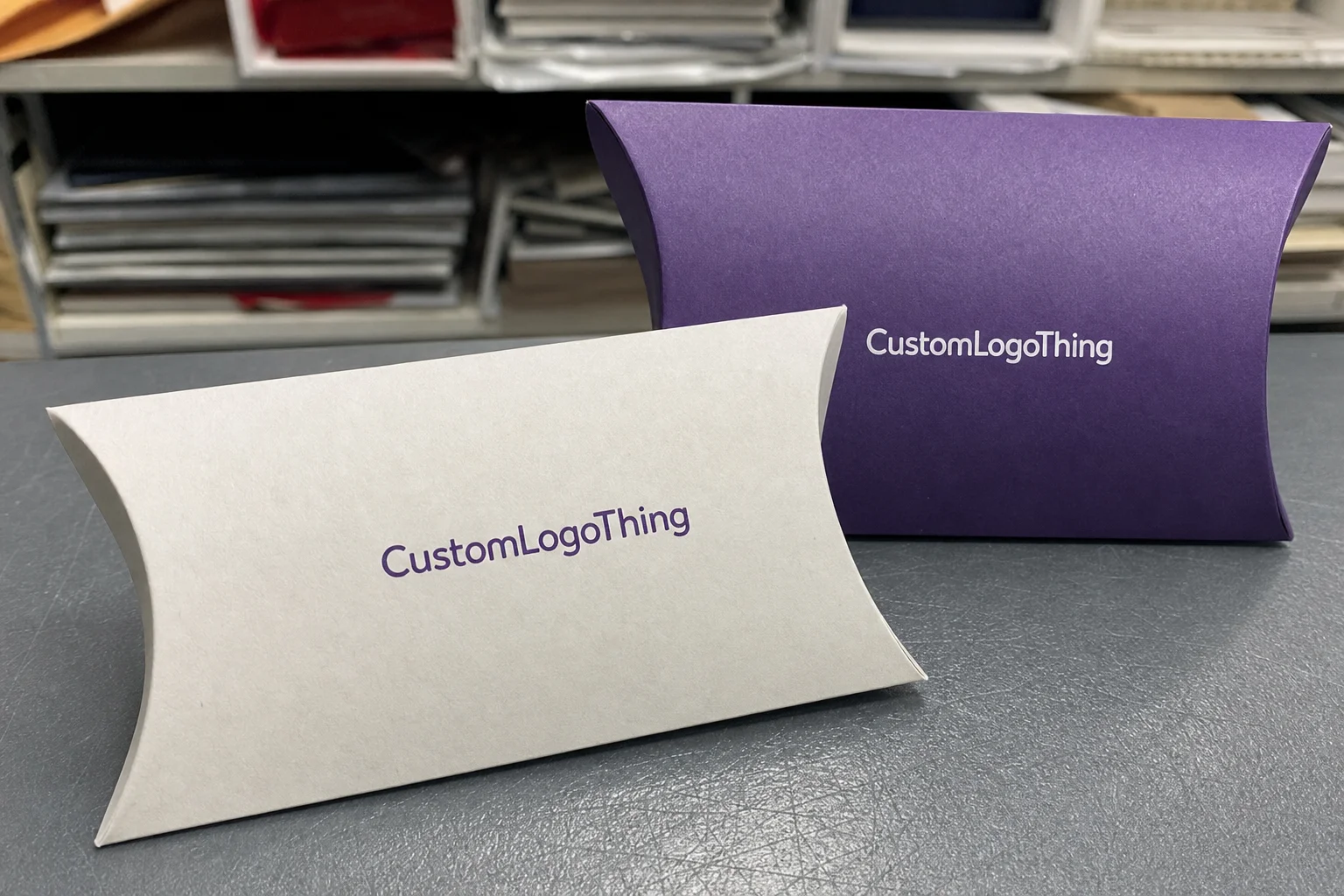
With a clear understanding of what retail packaging is, here's a look at the options available. The right choice depends on your specific product, customer expectations, budget constraints, and distribution channel. **Corrugated boxes** are the workhorses of retail packaging. Made from that wavy, layered material you see in shipping boxes, corrugated retail packaging provides excellent protection for heavier items and can be customized in virtually any dimension. You can print directly on the corrugated material, add custom inserts for product protection, and create structural designs that stack beautifully on retail shelves. A ceramics studio I worked with switched from generic brown shipping boxes to custom-printed corrugated retail boxes with foam inserts shaped specifically for their handmade pieces. Their damage rate during retail handling dropped from 8% to under 1%, and wholesale orders increased by 30% within six months because retailers felt confident placing larger orders knowing the packaging would protect the products. That ROI made me do a little happy dance, I won't lie. **Rigid boxes** deliver that premium, luxury feel that works exceptionally well for cosmetics, jewelry, high-end food gifts, and products where unboxing experience matters deeply. These boxes feel substantial when you pick them up—the material doesn't flex, and the construction quality signals that what's inside is worth paying attention to. The tradeoff is cost. Rigid boxes typically run from $2.50 to $8 per unit depending on size and finishing options. An artisan candle brand in Asheville invested in $4.20-per-unit rigid boxes with magnetic closures and custom tissue wrapping. The packaging cost was significant, but their average order value increased, their products started appearing in high-end gift shops, and the distinctive presentation drove organic social media exposure that would have cost thousands in advertising to replicate. **Folding cartons** represent the most cost-effective approach for many small businesses. These are the lightweight boxes that get shipped flat and assembled during the filling process. With standard CMYK printing, you can achieve excellent results at per-unit costs ranging from $0.50 to $2.50 depending on your specifications. Folding cartons work beautifully for food products, beauty items, small goods, and any product where shelf presence matters but premium materials aren't required by your market positioning. A natural foods company I consulted for used folding cartons for their entire product line and achieved professional results at costs that fit comfortably within their margins. **Eco-friendly and sustainable materials** have moved from niche to mainstream expectation. Recycled corrugated, plant-based alternatives, and papers certified by the Forest Stewardship Council (FSC) are increasingly available and increasingly expected by certain consumer segments and retail buyers. The good news: sustainable materials often cost only 5-15% more than conventional alternatives. That premium buys you positioning in the eco-conscious market segment and can qualify you for retail partnerships that require sustainability certifications. **Flexible packaging** includes pouches, bags, and rollstock used for supplements, artisan foods, powders, and sample-sized products. Stand-up pouches with ziplock closures have become incredibly popular in the supplement and snack industries because they're lightweight, resealable, and offer excellent printing surfaces for branding. A client in the pet supplement space used flexible stand-up pouches for their product line and saw immediate benefits: reduced shipping costs due to lighter weight, better shelf visibility with eye-level displays, and strong reception from retailers who appreciated the practical design. Here's a quick reference comparison:| Packaging Type | Per-Unit Cost Range | Best For | Typical MOQ |
|---|---|---|---|
| Corrugated Boxes | $0.75 - $3.50 | Heavier retail items, multi-packs | 250 - 500 units |
| Rigid Boxes | $2.50 - $8.00 | Cosmetics, jewelry, luxury gifts | 250 - 1,000 units |
| Folding Cartons | $0.50 - $2.50 | Food, beauty, small goods | 500 - 2,000 units |
| Flexible Pouches | $0.35 - $2.00 | Supplements, snacks, powders | 500 - 1,000 units |
| Sustainable Materials | +5-15% to above | Eco-conscious brands, retailers requiring certification | Varies |
How Much Does Retail Packaging Cost for Small Business?
This is where the most confusion—and the most costly mistakes—occur. I cannot stress this enough. Most small business owners approach packaging budgets by looking at unit cost alone. They see "$0.65 per box" and calculate their margins. Then the invoice arrives, and they're wondering why they paid $3,200 for 1,000 boxes instead of the $650 they expected. Yes, I've gotten that panicked phone call. More than once. Let's break down where the money actually goes. **Unit costs** do vary widely based on material, size, print method, and order quantity. Budget ranges typically span $0.50 to $8.00 per unit depending on complexity. But that's just the starting point. **Tooling and die-cut setup fees** often surprise first-time buyers. Custom packaging requires manufacturing tooling—printing plates, cutting dies, special attachments—that can add $300 to $800 per design. These costs are sometimes amortized across larger orders, but for smaller quantities, expect setup fees of $200 to $500 per design. **Prototyping** is an expense many try to skip. Here's the thing though: skipping prototypes causes expensive problems. A client who ordered 2,000 food boxes without sampling found the window dimensions didn't match their actual product. The boxes looked awkward, product visibility was compromised, and they ate $1,600 in unusable materials plus reprint costs. Prototyping typically costs $50 to $500 depending on complexity—but it's always cheaper than reprinting. Always. **Shipping and fulfillment materials** add more than most people anticipate. Unless your manufacturer handles finishing and fulfillment for you, factor in costs for tissue paper, packing materials, branded stickers, and insertion labor. These add $0.15 to $0.40 per unit depending on your approach. **Shipping from overseas manufacturers** introduces another variable. Working with a skincare company sourcing from a Shenzhen facility, I saw their production cost was significantly lower than domestic options—but after accounting for freight, tariffs, lead times, and quality control complications, the true landed cost was closer than they initially expected. Domestic manufacturing often wins on total cost of ownership for small businesses that can't absorb three-month lead times or manage quality issues across time zones. One strategy I've seen work consistently for small businesses: consolidate packaging designs across product lines where possible. A candle company I worked with had used three different box sizes for their product range. By designing one structural format that could accommodate multiple product configurations, they reduced their per-unit tooling amortization, simplified their fulfillment operations, and cut per-unit costs by 22%. That's the kind of smart thinking that separates businesses that thrive from those that just survive. The sweet spot for small businesses typically involves order quantities between 500 and 2,000 units per design. Quantities this size generally balance unit cost efficiency with manageable upfront investment. Some manufacturers offer low-MOQ options using digital printing technology—the per-unit cost is higher, but you avoid tying up capital in inventory that might become obsolete if your product line evolves. My recommendation: when budgeting for retail packaging for small business, calculate your costs based on true landed cost including all setup fees, shipping, and fulfillment materials. Then build in a 10% contingency for unexpected adjustments. That approach prevents the budget surprises that derail launch schedules.The Production Timeline: From Design Concept to Delivery
Here's a reality check I give every client: production timelines rarely go exactly as planned. They just don't. I've been doing this for eight years, and I've yet to see a project sail through without a single hiccup. The standard end-to-end timeline for custom retail packaging ranges from 4 to 10 weeks depending on complexity, manufacturer workload, and how smoothly your internal approval processes run. **Design and approval phase** typically takes 1 to 3 weeks from initial concept to production-ready files. This is where you define your vision, work with a designer (internal or agency), refine concepts, and get stakeholder approval. The fastest timelines happen when you have clear creative direction and decision-makers who respond quickly to feedback requests. The most common timeline killer at this stage: having too many stakeholders with conflicting input. Packaging projects have stalled for weeks because marketing wanted to modify the tagline while operations had concerns about the barcode placement and leadership wanted the logo bigger. Sound familiar? It does to me. Establishing clear decision-makers and feedback windows before starting prevents these delays. **Prototyping** requires 1 to 3 weeks depending on the manufacturer and complexity of your design. Physical samples let you verify colors, check structural integrity, test how your product fits, and catch problems before committing to full production. A cautionary story: I worked with a bakery client launching a line of artisan breads in local grocery stores. They were excited about a custom-printed box design that showcased their rustic brand aesthetic. To save time, they approved the design based on digital mockups and placed their production order. When the boxes arrived, the window cutout was 3/4 inch too narrow. Their artisan loaves simply wouldn't fit without crushing the bread. They were launching in 10 days with stock arriving at stores before new boxes could be produced. I wish I could tell you this is rare. I can't. Prototyping is never optional, regardless of how clear your communication with the manufacturer seems. Errors happen. Physical samples catch them. **Production and printing** requires 2 to 4 weeks for standard quantities once your files are approved and samples are signed off. This is where your design becomes physical reality. During this phase, manufacturers print, cut, fold, laminate, and finish your packaging according to your specifications. **Shipping and quality control inspection** adds 1 to 2 weeks depending on destination and order size. This is also when you should plan for inspection and any necessary corrections. I'd recommend building in time to spot-check a representative sample of your order before it ships to your warehouse. Catching issues before they're distributed to retailers or shipped to customers prevents much more expensive problems. The timeline killers I see most often in small business packaging projects: - Unclear approval chains that delay feedback - Skipping prototyping to "save time" (which never works) - Misalignment between marketing calendar and fulfillment timelines - Insufficient buffer for international shipping and customs My timeline recommendation: build a schedule that works backward from your target delivery date, adding 2-week buffers at each major phase. That approach prevents the emergency rush fees and stock shortages that occur when packaging arrives after your products are ready to ship. For your first packaging project, starting with one product line rather than your entire inventory makes sense. You'll learn the process, build relationships with your supplier, and develop institutional knowledge that applies to future projects. A candle company I worked with started their packaging redesign with their three best-selling candles. Once those were in market and validated, they extended the approach to their remaining product line over the following quarter. That patience paid off in spades.Key Design Factors That Drive Small Business Packaging Success
I've seen gorgeous packaging designs fail because the structural approach was wrong, and I've seen modest designs succeed because every element worked together toward a clear objective. The difference comes down to a handful of factors that you can plan for if you know what to focus on. **Brand consistency** must be non-negotiable. Your retail packaging has to align with your logo, color palette, and overall visual identity. When I walk into a boutique and see a product with packaging that doesn't match the brand's website and social media presence, it creates a disconnect that makes me question whether this is a legitimate product or a knockoff. I worked with a skincare company that had invested significantly in brand development—their logo, colors, and messaging were well-defined. Then they launched with packaging that used a slightly different shade of green than their website and a logo lockup that didn't match their approved guidelines. The product was excellent, but retail buyers noticed the inconsistency and asked questions about whether they were authorized resellers. They weren't—they were the brand itself. A few hours with a brand standards document and their packaging supplier would have prevented that friction entirely. Why do we always learn these lessons the hard way? **Structural integrity** protects your products and your reputation. Your packaging has to withstand the rigors of retail handling: stacking on shelves, being moved by stockers, being picked up and put down by curious shoppers, and surviving whatever conditions exist in the storage areas behind retail floors. Compression testing is always worth the investment. During compression testing, a sample is subjected to the weight it would experience if boxes were stacked on a pallet in a warehouse—typically 30 to 50 pounds of pressure. You'd be surprised how often beautiful designs fail this basic test. A candle company whose packaging looked stunning on a professional photo shoot but collapsed under normal retail stacking conditions had to redesign and reprint at significant expense. Beautiful doesn't mean functional, folks. **Shelf presence** determines whether customers even notice your product. In crowded retail environments, you typically have 3 to 5 seconds to capture attention before a shopper moves on. Your product name, key features, and visual appeal need to communicate clearly from arm's length—often farther. Dimensions matter here. Packaging that's too small disappears against larger competitors. Packaging that's too large may not fit the shelf space allocated to your product category. Finding the right balance involves understanding the retail environment where your product will appear and designing accordingly. **Information hierarchy** keeps your packaging from becoming a confusing mess. The most important information—typically your brand name and product identification—needs to be readable first. Secondary information (key benefits, usage instructions, relevant certifications) should be organized so it's discoverable but doesn't compete for attention with primary elements. Small businesses often try to fit too much on their packaging. Every claim, every certification, every bit of brand storytelling—everything gets equal visual weight, and the result is visual noise that confuses rather than informs. I've been there. It's tempting to want to tell your whole story on the box, but trust me: restraint is your friend. **Sustainability messaging** needs to be accurate and intentional. Using the FSC logo (which requires certification) tells a specific story. Printing "100% recyclable" when your packaging contains mixed materials (like a plastic window in a cardboard box) is greenwashing, and sophisticated consumers will call it out. And honestly, they should. The sustainable positioning that works for small businesses involves genuine commitment to materials and processes that align with environmental values, combined with clear communication about what customers can do with packaging after use. A client in the natural foods space used a simple recycling instructions icon on their packaging and included messaging about their partnership with a packaging recycling organization. That small addition differentiated them from competitors and resonated with their target customer. **Regulatory compliance** is where things get serious. Different product categories have specific requirements that must appear on retail packaging. Food products typically require ingredient lists, nutritional information, allergen declarations, and country of origin. Cosmetics need ingredient lists, net weight or volume, company information, and in some cases specific warning statements. Children's products fall under Consumer Product Safety Commission guidelines that mandate tracking labels and testing compliance. A supplement company I worked with had to completely redesign and reprint 8,000 units because they discovered too late that they were missing a required allergen statement. That oversight cost them $4,200 in unusable materials plus reprinting expenses. More concerning: had a competitor or regulator noticed before they caught it themselves, the consequences could have escalated beyond simple reprint costs. This is the kind of mistake that keeps me up at night. Before finalizing any packaging design, research the regulatory requirements for your specific product category. Build a checklist of required elements and verify everything appears correctly before approving production files.Common Retail Packaging Mistakes Small Businesses Make (and How to Avoid Them)
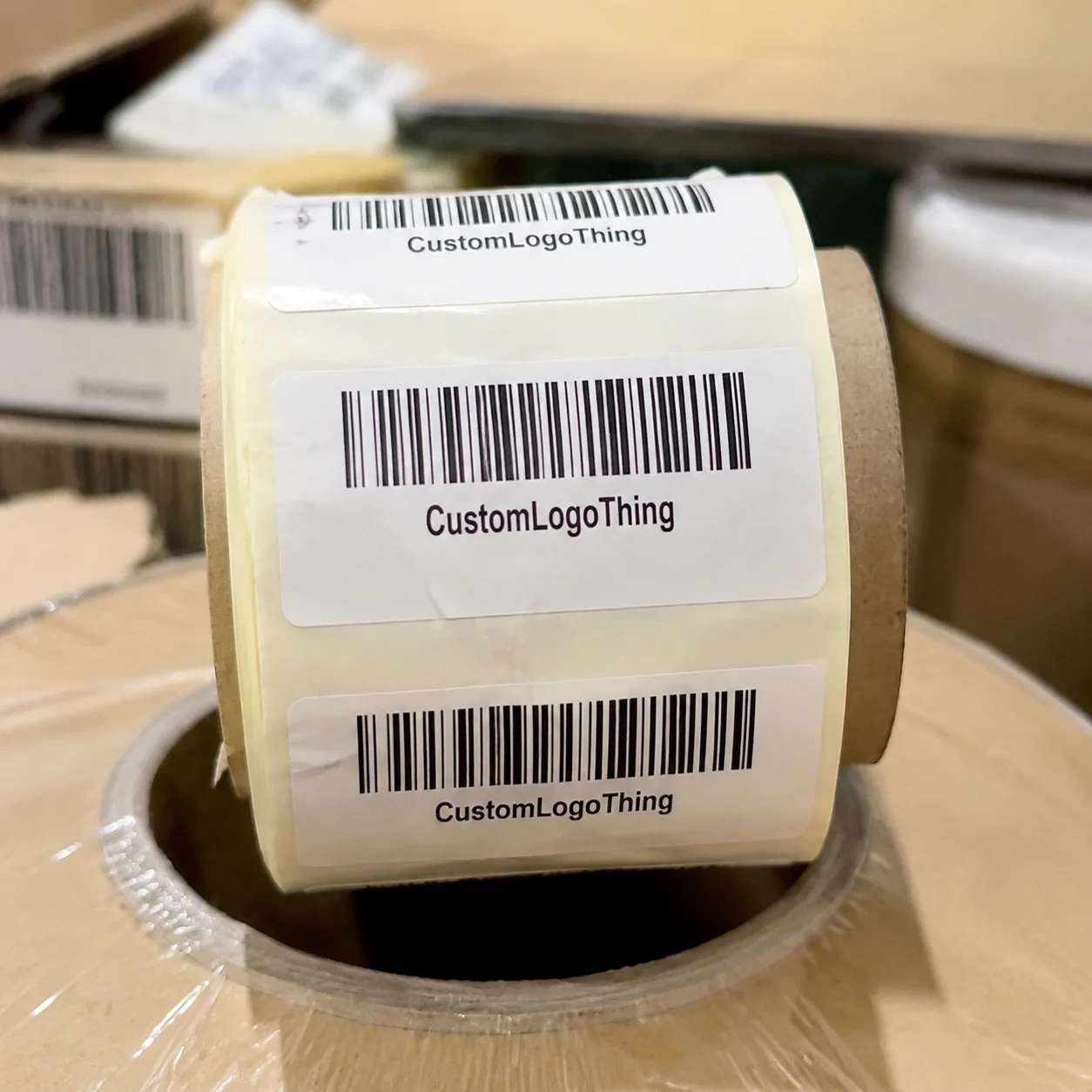
After years of reviewing packaging projects and watching both successes and failures unfold, I've identified a handful of mistakes that show up repeatedly. Learning from these will save you significant time, money, and frustration. **Skipping prototyping and ordering directly from mockups.** This is the single most expensive mistake I see. Digital design files look perfect. Physical reality has other ideas. A bakery owner I worked with skipped samples on a custom-printed box for their artisan bread line. The design looked professional on screen. When boxes arrived, the window was positioned so that the bread's crust (which extended slightly above the loaf) blocked the view of the artisan interior. Customers couldn't see the product they were buying, and retail partners complained. That single oversight cost $2,400 in unusable inventory plus reprint fees. Prototyping costs $50 to $500 depending on complexity. Full production runs cost orders of magnitude more. The math is obvious. Why do we keep making this mistake? **Choosing aesthetics over function.** Beautiful packaging that fails to protect your product damages brand trust more than plain packaging ever could. A cosmetics startup I consulted with had invested in stunning embossed boxes with gold foil accents. Gorgeous. Then their first shipping test revealed that the magnetic closure failed after three uses—structural weakness in the flap design. The boxes arrived at retail locations damaged, and customers complained about receiving products with broken closures. The brand had to scramble to redesign and reprint 3,000 units at significant additional expense. Before approving any structural design, test it under real conditions. Drop tests, compression tests, and vibration tests simulate the handling your packaging will experience. Pretty is great. Pretty that works is better. **Underestimating dimensional weight and its impact on shipping costs.** This one seems operational, but it has real business implications. A candle company I worked with had designed beautiful tall boxes for their largest product. Everything looked great until we calculated shipping costs: the 4-inch height created dimensional weight charges that added $1.80 per unit to their shipping expense. When they redesigned to 3.5 inches, the shipping cost dropped to $1.10 per unit. That's $0.70 per unit savings on every order they ship—compounding across thousands of annual shipments. The CFO at that company literally high-fived me when we ran the numbers. **Ignoring supply chain scalability.** Packaging that works at 500 units per month may not work at 5,000 units. Companies have achieved retail placement, built momentum with buyers, and then hit a wall because their packaging supplier couldn't scale. A skincare brand I worked with had achieved placement in 35 specialty retailers. Their product was gaining traction, and buyers were asking about broader distribution. Then their packaging supplier—excellent at their initial volume—simply couldn't produce the quantities needed for retail distribution. The company had to scramble to find alternative manufacturers, which created quality inconsistencies and required retailer re-approvals. That's the kind of problem that kills momentum. And it's so preventable. Testing your packaging manufacturer at 1.5x your current volume before you actually need that capacity prevents these bottlenecks. **Copying competitor packaging too closely.** This one carries legal risk and eliminates your competitive differentiation simultaneously. A small supplement company I worked with had essentially replicated the color scheme, layout, and visual style of a major national brand. The national brand's lawyers sent a cease-and-desist letter. The small company had to redesign from scratch, which cost them six months of lost momentum and delayed their retail launch significantly. The supplement market is crowded. That's exactly why you need packaging that clearly differentiates you from competitors. Strong visual identity, distinctive structural design, proprietary color combinations, and creative messaging all contribute to packaging that stands out while standing apart. **Failing to include essential regulatory information.** This is a mistake that ranges from inconvenient to legally serious depending on your product category. Before approving any packaging design, research what's legally required for your specific products. Common required elements include: net weight or count, ingredients or materials, country of origin, and manufacturer details. For retail distribution, barcodes and shelf placement codes are non-negotiable.Expert Tips for Making Your Small Business Packaging Stand Out
Now for the part that most packaging guides skip: how to actually create packaging that captures attention, builds brand loyalty, and generates organic marketing value. This is the fun stuff. **Invest in unboxing experience.** Every element that a customer encounters when they open your packaging is an opportunity to delight them and turn them into advocates. A jewelry brand I worked with wrapped each piece in branded tissue paper, placed it in a velvet pouch, and included a handwritten card thanking the customer for their purchase. Their average order value was higher than competitors because customers felt they were receiving something special rather than just purchasing a product. Their repeat purchase rate was exceptional—customers bought again specifically because the experience of receiving their order was memorable. For product packaging, this means considering tissue paper, protective inserts, thank-you cards, and branded stickers. For food products, think about interior tray designs, freshness seals, and printed materials that enhance the experience. **Use color psychology deliberately.** Colors communicate emotional information before customers consciously process what they're seeing. Warm, earthy tones build trust for food brands—think of the natural, artisanal aesthetic that dominates the specialty food segment. Cool, precise colors convey quality and precision for tech accessories or professional tools. Bold, high-energy colors work for products targeting active lifestyle consumers. A client in the specialty coffee space used deep burgundy and warm cream tones for their packaging, which communicated craft, warmth, and authenticity in a category filled with industrial-looking alternatives. Their packaging stood out immediately on shelves, and they consistently heard from customers that the visual presentation first attracted them to try the product. **Partner with manufacturers who offer sample runs before committing to large production quantities.** This isn't just about catching errors—it's about building relationships with suppliers who understand your business. The manufacturers who thrive serving small businesses tend to be those who will walk you through the process, explain their quality control procedures, and treat your smaller orders with the same attention they'd give a much larger account. Those relationships pay dividends as your business scales. And I've seen the opposite, too—suppliers who treat small businesses like second-class citizens. Avoid those like the plague. When sourcing packaging for clients, I look for suppliers who include physical samples as part of their standard process, who answer technical questions thoroughly, and who explain the tradeoffs between different approaches rather than just pushing their most expensive option. **Your packaging can become a content engine.** In the current marketing environment, distinctive packaging generates organic exposure that no advertising budget could purchase. A skincare company used matte black boxes with silver foil lettering. Their unboxing experience was distinctive enough that customers began posting videos of their first unboxing moments. Within three months, the brand had generated over 200 user-generated posts, many of which reached audiences the company would have spent thousands to reach through advertising. The key is creating packaging that people want to photograph and share. Texture, distinctive colors, unusual structural elements, and creative materials all contribute. Your packaging should look good in a photo. Which, let's be honest, means it probably needs to look good in a very specific, curated, slightly-desaturated-with-a-nice-bokeh kind of way. Welcome to modern marketing. **Collect and act on real customer feedback about packaging.** Your customers will tell you things about your packaging usability, sustainability concerns, and shelf impressions that you might never notice from the inside of your business. I recommend building simple feedback mechanisms into your order fulfillment—include a card asking about packaging experience, make it easy to respond via email or social media, and actually review the feedback periodically. A client discovered through customer feedback that their tissue paper was generating complaints because it shredded when customers tried to reuse it for gift wrapping. Switching to a heavier-weight paper eliminated the complaints and actually became a positive talking point for the brand. **Review packaging performance seasonally.** Packaging is not a "set it and forget it" decision. Material costs fluctuate, customer expectations evolve, and your product line may change. Set a quarterly reminder to evaluate your packaging approach. Are material costs stable? Has anything changed in your distribution channels that might affect packaging requirements? Are there opportunities to improve sustainability or reduce costs through material substitutions? Small tweaks to dimensions, materials, or copy can yield outsized returns. A client found that switching to a slightly heavier board weight on their folding cartons eliminated a recurring structural failure issue that had generated about $300 per month in customer complaints and returns. The material upgrade added only $0.04 per unit to their cost—a minimal increase that eliminated a persistent problem.Your Retail Packaging Action Plan: Next Steps to Launch
Bringing this all together, here's a practical action plan you can implement regardless of where you are in the packaging journey. **Step 1: Audit your current packaging.** Identify the single most impactful upgrade—not everything at once. A skincare company I worked with had used generic poly bags for their products since launch. When they switched to custom-printed stand-up pouches with a zipper closure, their retail acceptance rate increased dramatically, and they secured placement in 40 new store locations within six months. That one packaging change—moving from commodity to custom—was the single biggest factor in their growth trajectory that year. Sometimes the biggest wins come from the simplest changes. **Step 2: Gather three supplier quotes using identical specifications.** This isn't just about finding the lowest price—it's about understanding the range of approaches, timelines, and service levels available to you. When you request quotes, provide detailed specifications: dimensions, material preferences, print method, quantity, and any special requirements. Identical specifications let you compare apples to apples. The variation in quotes often reveals something interesting about the suppliers—different tooling approaches, different material sources, different service models. **Step 3: Request physical prototypes before approving any production run.** No matter how clear your communication with the supplier, no matter how professional the digital mockups look, physical samples catch problems that digital files never reveal. This step adds time and cost, but it's always worth it. The alternative is discovering problems after you've committed to a full production run. **Step 4: Build a packaging timeline that works backward from your product launch or restock date.** Add 2-week buffers at each major phase. Account for design, prototyping, production, and shipping time. When building the timeline, think about the consequences of missing it. If your packaging arrives two weeks late, what happens to your product launch? Your retail relationships? Your marketing calendar? The stakes of the timeline should inform how much buffer you build in. **Step 5: Document your packaging guidelines in a brand standards sheet.** Include approved specifications, supplier contact information, quality standards, and reorder procedures. This prevents the inconsistency that occurs when someone else in your organization orders packaging and doesn't have the benefit of your accumulated knowledge. A company I worked with had a packaging disaster when a team member reordered without the full specifications, and the new shipment didn't match the existing inventory. That mismatch created problems at retail and required a costly emergency reprint. A simple brand standards document prevents these issues and ensures every future order stays consistent with your established approach. **Step 6: Begin with one product line's packaging rather than redesigning your entire inventory at once.** This limits your initial investment, lets you learn from the process, and provides proof of concept before you commit more resources. A candle company I worked with started their packaging redesign with their three best-selling candles. Once those were in market and validated—the packaging performed as expected, retailers responded positively, and the company understood the supplier relationship—they extended the approach to their remaining product line over the following quarter. That measured approach prevented them from overcommitting to an approach that might have needed adjustment. Here's what I want you to take away from this guide: your packaging is gonna be one of the most important business decisions you make, and most small businesses underestimate just how much impact it has on their success. The brands that thrive treat packaging as a strategic investment, not an afterthought. They prototype before they produce. They think about the customer experience from shelf to unboxing. They document their standards so every future order stays consistent. The brands that struggle? They cut corners on samples to save time, they choose suppliers based on price alone, and they treat packaging like a cost to minimize rather than an asset to develop. Which group do you wanna be in? Your packaging strategy will ultimately depend on your specific product, your market positioning, your customer base, and your budget constraints. But the principles remain consistent: invest strategically, test thoroughly, and remember that your packaging is an evolving asset, not a one-time decision. Start today.Decision checklist before ordering
- Measure the real product and confirm how it will be packed, displayed, stored, and shipped.
- Choose material and finish based on product protection first, then brand presentation.
- Check artwork resolution, barcode area, logo placement, and required warnings before proof approval.
- Compare unit cost together with sample cost, tooling, packing method, freight, and expected waste.
- Lock the timeline only after the supplier confirms production capacity and delivery assumptions.
FAQ
What details matter most before ordering retail packaging for small business?
Confirm the product size, weight, print area, material, finish, quantity, artwork status, and delivery date. Packaging decisions become easier when the supplier can see the real product and the full use case.
Should I request a sample before bulk production?
Yes. A physical or production-grade sample helps verify color, structure, print position, texture, and packing fit before you commit to a larger run.
How can a brand keep custom packaging costs controlled?
Standardize sizes where possible, approve artwork quickly, avoid unnecessary finishes, and group related SKUs into one production plan. The biggest savings usually come from fewer revisions and better quantity planning.