Buyer Fit Snapshot
| Best fit | Review of Transparent Shipping Sleeves projects where brand print, material claims, artwork control, MOQ, and repeat-order consistency need to be specified before quoting. |
|---|---|
| Quote inputs | Share finished size, material target, print colors, finish, packing count, annual reorder estimate, ship-to region, and any compliance wording. |
| Proofing check | Approve dieline scale, logo placement, barcode or warning zones, color tolerance, closure strength, and carton packing before bulk production. |
| Main risk | Vague material claims, crowded artwork, missing packing details, or unclear freight terms can make a low unit price expensive after revisions. |
Fast answer: Review of Transparent Shipping Sleeves: Quote Scope, Sample Proof, MOQ, and Lead Time should be specified like a repeatable production item. The safest quote records material, print method, finish, artwork proof, packing count, and reorder notes in one written spec.
Production checks before approval
Compare the actual filled-product size with the drawing, then confirm tolerance on folds, seals, hang holes, label areas, and retail display edges. Reserve space for logos, QR codes, warning copy, and material claims before decorative graphics fill the panel.
Quote comparison points
Review material grade, print process, finish, sampling route, tooling charges, carton quantity, and freight assumptions side by side. A quote is only useful when the supplier can repeat the same color, closure quality, and packing count on the next order.
A review of transparent shipping sleeves starts sounding simple until the first shipment comes back with fingerprints, drag marks, and a faint haze that makes brand-new inserts look like they have already lived a hard life. I have watched perfectly good packaging lose its shine in a single packing run because nobody tested how the sleeve behaved under warehouse light, pressure, and a little friction. That gap between “looks good on the desk” and “ships well in the real world” is where buyers get burned.
The short version is straightforward: the right sleeve depends on clarity, stiffness, seal reliability, and how much handling the package will take before the customer opens it. A serious review of transparent shipping sleeves has to look past sales language and focus on ecommerce shipping, warehouse handling, and transit packaging. Weak materials show their flaws quickly. If you are evaluating clear mailer sleeves for inserts, catalogs, or small retail kits, the details matter more than the headline price ever will.
Which Transparent Shipping Sleeves Are Best for Ecommerce?
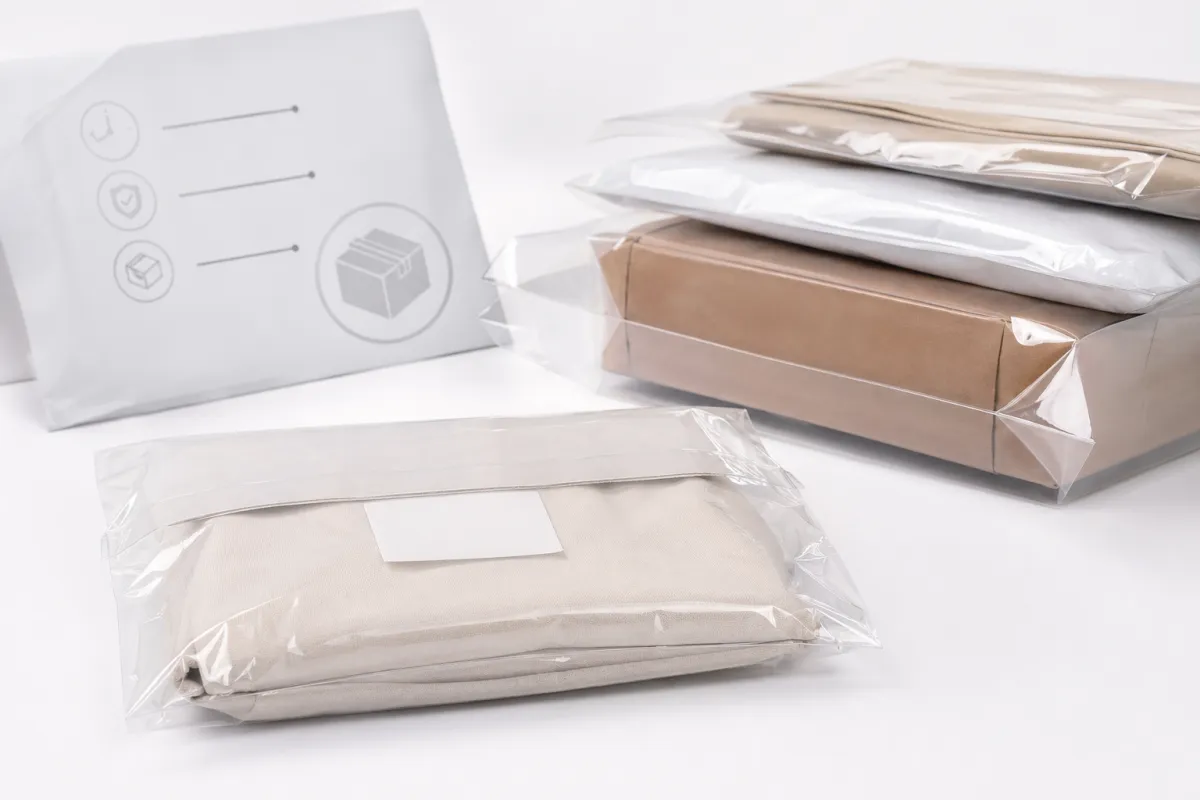
The blunt buyer’s answer is that clear sleeves are not interchangeable. Some are fine for invoices and flat inserts. Others can carry apparel cards, sample kits, and retail mailers without bending the whole presentation out of shape. A review of transparent shipping sleeves is really a review of how much abuse the package can take before the customer sees it.
Buying by price alone is usually the first mistake. The lowest quote often turns into the highest real cost once you count reprints, replacements, bent edges, and the occasional complaint that the package looked worn before it arrived. That is not savings. That is waste wearing a neat little label. In a practical review of transparent shipping sleeves, the stronger choice tends to be the one that balances clarity, thickness, and consistency rather than the one that saves three cents on paper.
Most buyers can sort the options into a few useful groups:
- Budget stock sleeves for flat inserts, invoices, and low-touch shipments.
- Mid-range clear sleeves for ecommerce shipping where presentation still matters.
- Heavy-duty sleeves for folded apparel, sample packs, and rough handling.
- Custom-printed sleeves for brand-critical presentation and recurring campaigns.
- Eco-lean alternatives for teams that want recycled content or less plastic, even if they lose some clarity.
Flat inserts can stay light. Brand assets need more care. That split keeps a review of transparent shipping sleeves grounded in actual use rather than glossy spec sheets and inflated promises. It also keeps the conversation focused on protective packaging rather than packaging theater.
Top Transparent Shipping Sleeves Compared
A useful review of transparent shipping sleeves needs side-by-side comparison, not vague praise. The table below keeps the tradeoffs visible. I am using realistic buying ranges, not fantasy pricing that ignores setup, freight, and spoilage. Those hidden costs matter, especially when a launch or seasonal order depends on packaging arriving on time.
| Option | Typical Thickness | Typical Unit Price | Best For | Main Weak Spot |
|---|---|---|---|---|
| Budget stock sleeves | 1.2-1.5 mil | $0.03-$0.08 | Invoices, flat inserts, basic order fulfillment | Scuffs, haze, loose sizing |
| Mid-range clear sleeves | 1.5-2.0 mil | $0.06-$0.14 | Ecommerce inserts, retail mailers, brand cards | Can still crease under heat or pressure |
| Heavy-duty sleeves | 2.5-4.0 mil | $0.10-$0.25 | Folded apparel, sample kits, repeated handling | Higher cost, more plastic use |
| Custom-printed sleeves | 1.8-3.0 mil | $0.16-$0.40 | Premium presentation, subscription packaging | Setup charges and longer lead times |
| Eco-lean alternatives | Varies by resin or recycled blend | $0.08-$0.22 | Brands focused on recycled content or mono-material builds | Less crystal-clear, fewer stock sizes |
The tradeoff that gets missed most often is plain enough: a cheap sleeve can flatten the perceived quality of a good product. A sleeve that clouds up under warehouse lights or scratches during transit can make the whole package feel less considered. That matters more in retail packaging than buyers usually want to admit. Compared with other transit packaging choices, a cleaner sleeve can beat a lower sticker price in the only way that counts, which is how the package feels in the customer’s hands.
For brands pairing sleeves with other packaging, it helps to look at the full system. If the sleeve is part of a broader mailer setup, the better match may be a sturdier outer layer like Custom Poly Mailers or a more protective shipper such as Custom Shipping Boxes. The sleeve should support the package, not pretend it can do every job alone.
One practical point usually gets left out of supplier talk. When multiple packaging components are involved, dimensional weight can creep up in surprising ways. A sleeve adds almost nothing by itself, but oversized inserts, extra fillers, and sloppy stacking can raise shipping waste and create friction in ecommerce shipping. Small decisions have a habit of becoming real costs.
Detailed Review of Transparent Shipping Sleeves
This is the part of a review of transparent shipping sleeves that buyers actually need. Not every sleeve fails in the same way. Some look fine until you bend them. Others hold shape but haze up under bright lights. A few are strong enough yet have seams that feel rushed, as if the sealing machine had a bad shift. The details matter because customers do not inspect packaging like a procurement sheet. They decide whether the brand feels polished.
Budget stock sleeves
Budget stock sleeves are the easiest to buy and the easiest to regret. They Work Best for flat, low-value inserts where package protection is not the main event. In a review of transparent shipping sleeves, these score well on price and availability, but only average on clarity and consistency. They can look acceptable in a box and still show every crease after a few touches.
Verdict: Good enough for internal docs, invoices, or short-run insert mailings. Not my first choice for customer-facing presentation.
Mid-range clear sleeves
Mid-range clear sleeves are the sweet spot for a lot of brands. They are usually thicker, flatter, and less likely to wrinkle during packing. A strong review of transparent shipping sleeves often lands here because this category balances cost and visual quality better than the bargain bin. If the insert sits under retail lighting or gets photographed by customers, this is where the value starts to make sense.
The drawback is still real. Some mid-range sleeves pick up static and fingerprints, and lower-quality runs can vary in size from one lot to the next. That kind of inconsistency becomes annoying fast when you are packing at volume.
Verdict: Best everyday choice for ecommerce shipping when presentation matters and budget still matters too.
Heavy-duty sleeves
Heavy-duty sleeves are the version many buyers wish they had chosen after the first complaint comes in. They hold shape better, resist corner crush, and do a better job keeping inserts clean through repeated handling. In a practical review of transparent shipping sleeves, these are the strongest all-around option for sample kits, folded apparel, and anything that gets picked up, dropped, stacked, and picked up again.
They are not perfect. Thicker film feels stiffer, and some teams dislike the extra plastic feel. Fair enough. The stiffness usually helps once the sleeve has to survive more than one touchpoint, especially in transit packaging and high-volume fulfillment environments.
Verdict: Worth the extra cost when the package is handled often or the contents are brand-sensitive.
Custom-printed sleeves
Custom-printed sleeves are where presentation gets serious. They are not always the cheapest, and they are rarely the fastest, but they can make the package feel deliberate instead of generic. A solid review of transparent shipping sleeves should admit that print coverage, ink contrast, and seal placement all affect how premium the final result feels. That matters for subscription packaging, promotions, and branded launches where the sleeve is part of the unboxing moment.
The downside is obvious: more setup, more proofing, and more ways for artwork to go wrong. If the design is muddy or the sizing is slightly off, the result can look worse than a stock sleeve. Pretty packaging does not forgive sloppy production.
Verdict: Strong option for brand-critical campaigns, but only if proofing time and order discipline are under control.
Eco-lean alternatives
Eco-lean clear sleeves are not magic. They are still packaging, still need to function, and still have to survive shipping. What they do offer is a better story around recycled content, resin reduction, or mono-material design. In a modern review of transparent shipping sleeves, this option matters because more buyers are asking for materials that fit broader sustainability goals. If you use FSC-certified paper inserts alongside them, the whole pack starts to feel more aligned. You can verify responsible material sourcing at FSC.
Some eco-lean materials are not as crystal clear as standard polypropylene. A buyer looking for pristine visibility may notice the difference. That does not make them poor products. It just means the tradeoff is real and should be tested, not assumed away.
Verdict: Good for sustainability-led brands, but test clarity and seal performance before buying deep.
“If the sleeve scuffs in the light, it is not premium. It is just clear plastic pretending to be premium.”
For handling quality and transit expectations, packaging teams often reference test methods and shipping discipline from organizations like ISTA. That does not mean every sleeve needs a full lab protocol, but it does mean your review of transparent shipping sleeves should include real drop, bend, and rub checks instead of trusting one sample photographed at the perfect angle.
In a real warehouse, the sleeve gets flexed, stacked, slid, and sometimes jammed into a system that is less gentle than any marketing image. That gap separates pretty packaging from packaging that supports order fulfillment.
Transparent Shipping Sleeves Pricing and Cost Comparison
A review of transparent shipping sleeves that ignores pricing is not much help to a buyer. Cost is not just the unit price. It is the quote, the setup fee, the samples, the freight, the rejected cartons, and the small stack of sleeves that arrive scratched or warped because someone packed them badly. That is the real number.
Here is how pricing usually shakes out in practical buying terms:
- Stock sleeves: often $0.03-$0.08 per unit in volume, sometimes lower for simple sizes.
- Mid-range sleeves: often $0.06-$0.14 per unit depending on thickness and sealing style.
- Heavy-duty sleeves: often $0.10-$0.25 per unit, especially when the film is thicker or the sizing is custom.
- Custom-printed sleeves: often $0.16-$0.40 per unit, plus setup charges that can range from roughly $150 to $600 depending on print complexity and order size.
- Eco-lean versions: often $0.08-$0.22 per unit, but availability and consistency can vary more than buyers expect.
Those numbers move with order volume. A 5,000-piece run can look very different from a 25,000-piece run. The step-down in unit price is real, but only if setup charges and shipping do not eat the savings. That is why a cheap quote for 2,000 sleeves can become expensive quickly. A clean review of transparent shipping sleeves should compare landed cost, not just the per-piece line item.
Hidden costs show up in boring places:
- Setup charges for custom art or custom sizing.
- Sample fees if you request multiple versions.
- Shipping charges for bulky cartons of lightweight product.
- Spoilage from sleeves that do not fit the actual insert well.
- Replacement costs if sleeves arrive scratched, curled, or off-color.
There is also a business rule that survives every pricing debate: pay more when the sleeve is brand-critical or touched often. If the package is part of a launch, a subscription moment, or a premium retail display, the extra few cents are usually easier to justify than a messy customer impression. That becomes even clearer when the sleeve sits alongside other Custom Packaging Products in the same presentation stack.
One more practical point. Sleeve pricing can look inflated if you compare it to plain shipping materials without thinking about function. A sleeve is not just a wrapper. It affects how polished the contents appear, how much handling damage you absorb, and whether a package feels cheap after transport. Cheap is rarely cheap once the damage is counted.
If you are working with outer mailers or cartons, the sleeve cost should be weighed against the whole pack. A small increase in the sleeve can make sense if you reduce reprints, simplify packing, or lower customer complaints. That is the kind of math a good review of transparent shipping sleeves should put on the table.
Transparent Shipping Sleeves: Process and Timeline
The process is usually less dramatic than people expect, but only if you handle it in the right order. A practical review of transparent shipping sleeves should walk through the buying path because most delays come from preventable mistakes, not mysterious production problems. Start with samples. Confirm the fit. Approve the material. Then place the order. That sequence saves time and reduces headaches.
Here is the cleanest workflow I recommend:
- Request samples of at least two thicknesses and two closure styles.
- Measure the real insert with actual folded stock, not just a flat spec sheet.
- Check visibility under bright light and under warehouse lighting.
- Confirm closure behavior after opening and resealing, if applicable.
- Approve the final dimensions only after the sample passes handling.
- Lock the quantity after the pack test, not before.
Lead times are not all the same. Stock sleeves can sometimes ship in a few business days if inventory is available. Mid-range custom-size sleeves often need about 10-15 business days after proof approval. Fully custom-printed sleeves can stretch closer to 12-20 business days, sometimes longer if artwork changes drag on or a material shortage hits. If you are buying from a supplier that sources overseas, total timing can run into several weeks. That is not unusual. It is just production math.
The longest delays usually come from artwork changes after proof approval. The second biggest delay is dimension correction after someone realizes the insert is thicker than expected. The third is waiting on a stakeholder to “take one more look.” That phrase has delayed more packaging than any freight issue I have seen. Honestly, it is kinda amazing how often that happens.
Build a buffer around your launch date. If the product release matters, do not schedule sleeves for the last possible day. Leave room for a remake if the first sample misses the mark. A review of transparent shipping sleeves is only useful if it treats packaging as part of the critical path, not a side task that can wait until the product is ready.
Here is a simple timeline that works for many buyers:
- Day 1-3: request samples and send insert dimensions.
- Day 4-7: compare samples, test handling, and choose a direction.
- Day 8-10: approve proof and final spec.
- Day 11-25: production, depending on complexity and quantity.
- Final mile: freight transit and receiving, which can add several days more.
That is why I tell buyers to think ahead on ecommerce shipping and fulfillment. If the sleeves show up late, the rest of the launch can still feel behind. Packaging has a habit of making confident teams look disorganized.
How Do You Choose the Right Transparent Shipping Sleeves?
Choosing the Right sleeve is less about chasing a perfect spec and more about matching the sleeve to the job. A good review of transparent shipping sleeves should focus on the decision points that change the result: thickness, finish, closure style, sizing tolerance, and how much visibility the customer actually needs.
Start with thickness. Thinner sleeves, usually around 1.2-1.5 mil, work for flat inserts that do not get abused. Move up to 1.8-2.0 mil if the sleeve will be opened often or handled in bulk. Jump to 2.5 mil or more if the item is folded, bulky, or likely to get bent during transit packaging. That thickness ladder is not glamorous, but it is honest.
Finish matters more than many buyers expect. Crystal-clear sleeves can look excellent on a retail shelf, but they also show scratches, dust, and fingerprints more easily. Slightly softer finishes hide minor imperfections better. If your inserts use a lot of contrast, a high-gloss sleeve can make the whole pack look sharp. If the artwork is subtle, too much glare can drown it out. A smart review of transparent shipping sleeves should admit that the prettiest finish is not always the smartest finish.
Closure style changes workflow. Self-adhesive flaps are fast. Heat seals look clean but add equipment and process time. Zip-style closures help when the sleeve will be reopened or reused, but they are not always the best-looking option for retail presentation. If your team packs at scale, speed matters. A closure that slows order fulfillment can cost more than the sleeve itself.
Sample testing is the part people skip and then regret. Test the actual insert, not a paper substitute that happens to fit. Check whether the sleeve clouds when bent. Check whether the flap stays put after a few opens. Check whether the corners tear when packing gets a little faster than ideal. That is how you avoid buying a thousand sleeves that looked good on a vendor sheet and failed in real use.
If you want a simple checklist, use this:
- Fit: Does the insert slide without excess slack?
- Clarity: Can you read the insert clearly at arm’s length?
- Durability: Does the sleeve resist scuffs and corner cracks?
- Seal: Does the closure stay closed after handling?
- Workflow: Can your team pack it without slowing down?
- Brand feel: Does it support the package instead of fighting it?
If your packaging stack also includes mailers or cartons, compare the sleeve against the broader system. Sometimes the right answer is a lighter sleeve plus a better outer pack. Sometimes it is the opposite. There is no prize for overbuying plastic if the outer box already does the heavy lifting. For many brands, the sleeve is a small but visible part of a larger packaging decision that also involves shipping materials, packaging inserts, and the way the brand presents itself inside the package.
The best review of transparent shipping sleeves is not the one that sounds the most enthusiastic. It is the one that tells you what to trade off and what to ignore. A sleeve either supports the insert cleanly or it does not. The rest is noise.
FAQ: Transparent Shipping Sleeves Review Questions
What makes a transparent shipping sleeve better than a basic clear bag?
A better sleeve usually holds its shape, resists scuffs, and presents the contents more cleanly. Basic bags can look fine in a catalog photo, then crease, haze, or split once they move through real handling. If the package is customer-facing, a sturdier sleeve often pays for itself in fewer complaints and fewer reprints. That is a common lesson in any review of transparent shipping sleeves.
How do I know which transparent shipping sleeve thickness is right?
Use thinner material for flat, lightweight inserts and thicker material for folded items or anything that gets handled a lot. If the sleeve will pass through multiple touchpoints, step up the thickness instead of gambling on the cheapest option. The fastest way to avoid a sizing mistake is to test with the actual insert, not a guessed dimension. That simple step saves a lot of wasted shipping materials.
How much do transparent shipping sleeves usually cost in bulk?
Stock sleeves are usually the cheapest, while custom or heavier-duty sleeves cost more per unit. Unit price drops as order volume rises, but setup and freight can erase those savings on smaller runs. The real answer in a review of transparent shipping sleeves is landed cost, not just the quote on the screen.
How long does it take to get custom transparent shipping sleeves?
Stock sleeves can move quickly, while custom sleeves need time for proofing and production. Delays usually come from artwork changes, dimension corrections, or waiting on approval. If the sleeves are tied to a launch or seasonal shipment, give yourself buffer time so the packaging does not become the bottleneck.
What should I test before buying transparent shipping sleeves in bulk?
Check fit, clarity, scratch resistance, seal strength, and how the sleeve looks under bright light. Run a small packing test with actual inserts and have someone handle them the way a customer or warehouse picker would. If the sleeve fails any of those checks, do not scale the order just because the price looks good. That is how bad packaging gets multiplied.
Our Recommendation: What to Do Next
If you want the safest path, start with samples, measure your inserts honestly, and test one packing shift before you place a larger order. That sequence sounds basic because it is basic. Basic is useful. Basic saves money. A solid review of transparent shipping sleeves should push buyers toward real-world testing instead of wishful thinking.
When samples arrive, inspect five things immediately: scuffing, cloudiness, seal strength, size fit, and how the sleeve looks under retail lighting or warehouse LEDs. Do not just admire the sample on your desk. Bend it. Slide the insert in and out. Hold it under a bright lamp. Try it with gloves if your packers use them. That is where the honest problems show up.
I also recommend a small pilot order for your top two candidates. Use real production inserts, real packers, and the same transit packaging you will use at scale. Then compare handling time, appearance, and failure rate. One sleeve may be slightly cheaper, but if it slows packing or looks cloudy, the savings are not real. Cheap plastic is still expensive when it causes reruns.
If you are building a broader packaging program, this is also a good time to compare sleeves with other format choices like Custom Packaging Products, Custom Poly Mailers, and Custom Shipping Boxes. The sleeve should fit the job, not just the budget sheet.
My bottom line is simple. The right sleeve is the one that protects the insert, keeps the presentation clean, and fits your order fulfillment process without adding avoidable drama. That is the standard I use in every review of transparent shipping sleeves. If you want fewer surprises and better-looking shipments, start with samples, measure the real product, and compare the handling cost before you buy deep. That is the move that holds up once the boxes start moving.