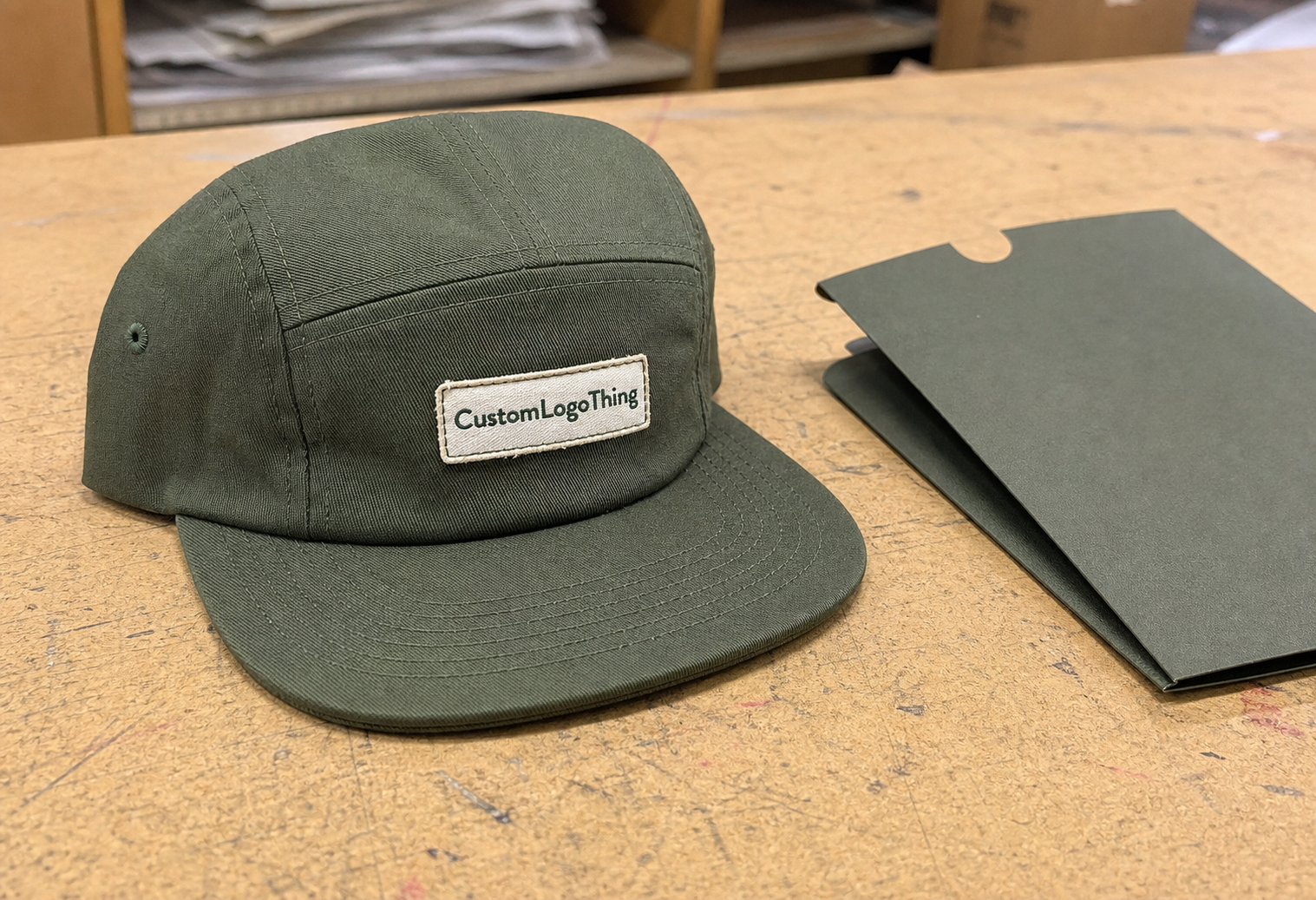
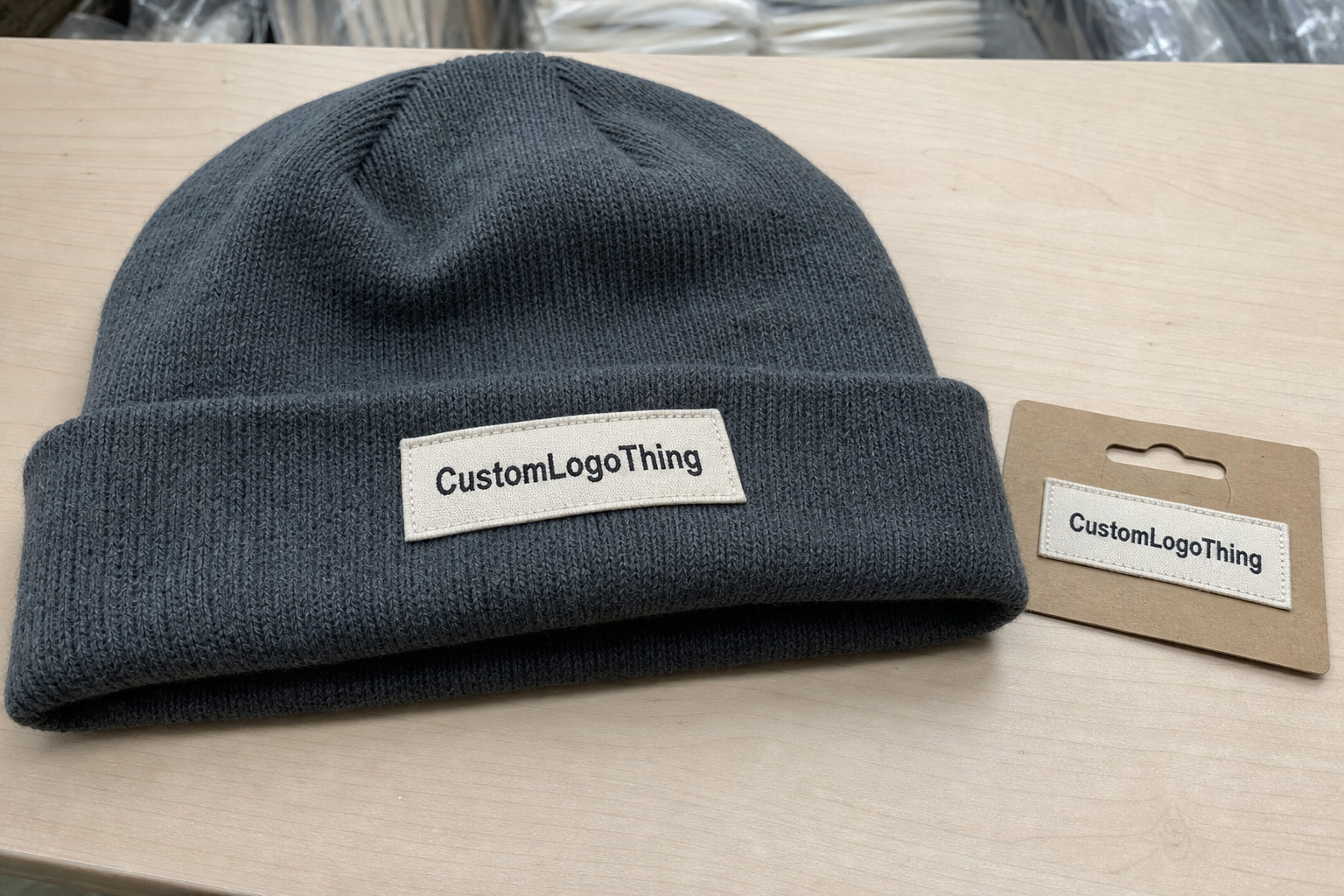
Ribbed Winter Hats Sample Approval Checklist for Buyers
Buying a ribbed winter hat can look simple until the first sample arrives and the details start disagreeing with each other. The knit may be even, but the opening feels too tight. The cuff sits higher than expected. A logo shifts a few millimeters and the whole hat looks off. A ribbed winter hats Sample Approval Checklist turns that vague “close enough” moment into a clear decision about fit, finish, Cost, and Production risk.
Ribbed construction behaves differently from a smooth jersey beanie. It stretches more, hides some flaws, and exposes others once the hat is worn over hair, headphones, or a scarf. That matters because a sample can look tidy on a desk and still fail in real use. Buyers who catch those problems early avoid expensive corrections later, especially once production moves from a few samples to thousands of units.
There is also a commercial side to this. A winter hat is often sold as part of a gift set, bundled with outerwear, or packed for retail display. In those cases, the hat has to hold shape, present cleanly, and match the brand standard. A sample that technically works but looks unfinished can still weaken the whole order.
What the Checklist Actually Covers
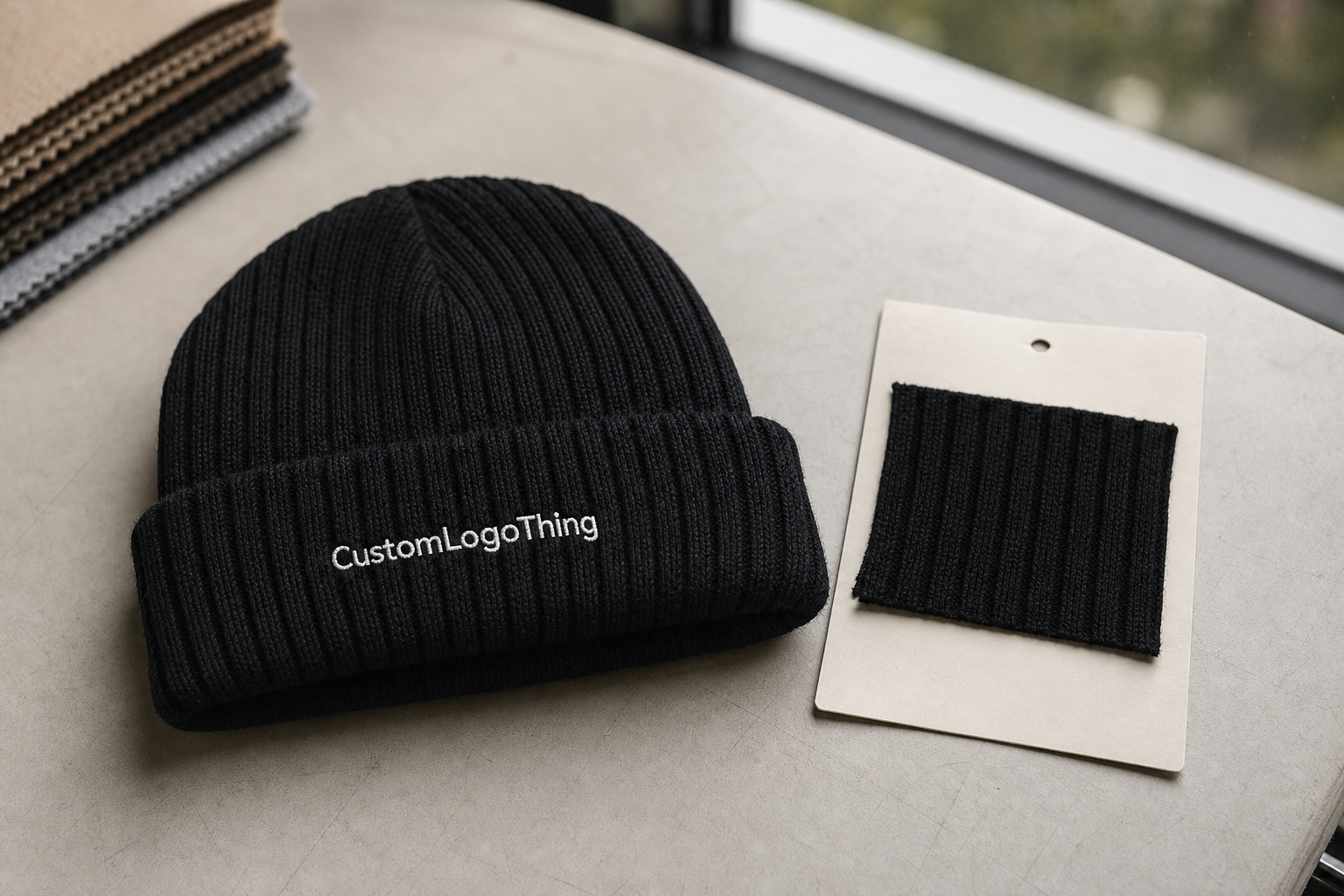
A ribbed winter hats Sample Approval Checklist is more than a visual inspection sheet. It is a control point for the details that affect comfort, repeatability, and margin. The obvious checks are color and logo placement, but the more useful questions are practical: Does the hat recover after stretch? Does the cuff lie flat? Does the yarn feel itchy after a few minutes of wear? Those answers say more about the final product than a polished product photo ever will.
Ribbed knit is forgiving in photography and unforgiving in use. A hat that looks balanced on a table can distort when stretched across a larger head size. That is why buyers should measure opening diameter, crown depth, cuff height, and stretch recovery instead of relying on appearance alone. For many ribbed beanies, a crown depth around 20-22 cm and a cuff height around 7-9 cm is a common starting point, but the right dimensions depend on the wearer and the intended silhouette.
There is a useful split to make during review: what must be fixed, and what can be accepted. A slightly softer hand feel may be fine. A logo shifted 8 mm to one side usually is not. The bar rises again if the hats sit beside premium packaging or matching apparel, because the product has to look intentional as a whole.
"A hat can look finished in a photo and still fail on a head form. Stretch changes everything."
How Sample Approval Works
The process usually begins with a development sample or pre-production sample, depending on how complete the order is. If the tech pack is clear, the first sample should align with the approved yarn type, stitch count, logo file, color reference, and label placement. If the factory is still refining the construction, one revision cycle is normal. Two rounds are not unusual for custom ribbed knitwear, especially if the order uses Pantone-matched yarn or a specific fit profile.
Review the sample against three references at once: the tech pack, the artwork file, and any physical reference you supplied. A phone photo is not enough. Use a tape measure. Compare the sample line by line with the spec sheet. Then photograph the hat from the front, side, back, top, and inside. If something is wrong, describe it in measurable terms: "crown depth 1.2 cm short," "label shifted 6 mm toward seam," or "thread color reads too light in daylight."
Approval should feel like a handoff, not a casual thumbs-up. Once a sample is approved, it becomes the reference for knitting settings, trim order, sewing method, and packing instructions. If three people need to sign off, name one owner. Mixed signals slow production and often trigger avoidable rework.
For buyers who care about packaging, this is the point to check whether the supplier can support FSC-certified hang tags, recycled polybags, or retail cartons that survive transit. If shipping durability matters, ask how the packout will be validated against a transit method such as ISTA guidance. If paper-based packaging is part of the order, confirm material sourcing against FSC requirements before production starts.
Cost, MOQ, and Quote Drivers
Pricing for a ribbed winter hat usually moves with five variables: yarn quality, stitch density, decoration method, color count, and packaging. A standard acrylic beanie with a woven label is one kind of job. A dense rib knit with jacquard artwork, custom dyeing, and folded retail packing is another. Small specification changes can move both the sample fee and the bulk unit cost.
For context, a development sample may land anywhere from $35-$120 depending on complexity, embroidery or patch setup, and whether the supplier needs to source a custom yarn. Bulk pricing for a basic custom ribbed hat often starts around $2.10-$3.50 per unit at higher volumes. More customized builds can move into the $4.00-$6.50 range or beyond. Those numbers are directional, not fixed. Order size, stitch structure, and material availability all affect the final figure.
MOQ tends to follow the same pattern. A standard yarn, simple label, and no special packaging can keep minimums lower. Custom-dyed yarn, tonal embroidery, and branded boxes usually raise the MOQ because the factory has more setup work and less flexibility in material usage. Ask for a quote that separates sample fees, bulk price, setup charges, and revision charges. If everything is folded into one line, comparison shopping becomes guesswork.
| Option | Typical setup | Sample fee | Indicative bulk cost | Common MOQ pressure |
|---|---|---|---|---|
| Basic ribbed beanie | Standard acrylic, woven label | $35-$60 | $2.10-$3.50 | Low to moderate |
| Mid-tier custom hat | Thicker rib, embroidery, custom color | $50-$90 | $3.20-$4.80 | Moderate |
| Premium retail build | Dense knit, patch, branded packaging | $70-$120 | $4.50-$6.50+ | Higher |
If one supplier is cheaper by a noticeable margin, ask why. The difference often sits in stitch density, packaging quality, or how many revisions are included before extra charges begin. Sometimes the low quote is real. Sometimes it leaves out the parts that matter later.
Timeline and Lead Time Checkpoints
Lead time begins before bulk knitting. The real clock starts with the sample request, then moves through development, revision, approval, yarn sourcing, knitting, finishing, and packing. If the first sample is close, a buyer may approve in one round. If the fit needs work or the logo size is wrong, the schedule stretches quickly because every change triggers another review cycle.
A practical timeline for a custom ribbed hat often looks like this: 7-14 days for first sample development, 3-5 days for internal review, another 7-10 days for revisions if needed, then 12-25 business days for bulk production after signoff. Shipping adds another layer. Air freight is fast but expensive. Ocean freight lowers freight cost but requires more planning and buffer time.
Most delays are not dramatic. They are administrative. Someone waits too long to send feedback. Someone else revises the artwork after approval. A packaging change sneaks in after the factory has already sourced cartons. Each small delay compounds. A good sample process is less about speed on day one and more about avoiding idle time between steps.
If the order includes branded packaging, confirm carton size, insert count, and outer shipper before bulk starts. A hat that folds well in a polybag can still become expensive to ship if the packout is inefficient. Freight costs have a way of turning small packing mistakes into visible losses.
Fit, Knit, and Branding Review
Start with fit. Measure the relaxed opening, stretched opening, crown depth, and cuff height. Then put the hat on a head form or a real person within the target size range. Recovery matters more than most buyers expect. After stretching, does the knit spring back cleanly or stay baggy? A ribbed knit should recover well, but the result depends on yarn blend, gauge, and finishing method. Acrylic blends tend to be softer and easier to manage on cost. Wool blends bring warmth and a more premium feel, but they also raise cost and care concerns.
After that, inspect the knit itself. Look at rib consistency, seam alignment, yarn thickness, and any weak spots around the cuff or crown. Dark winter colors hide some issues and exaggerate others under bright light. Run your fingers across the surface. If the hand feel changes sharply from one section to another, that may signal machine tension inconsistency. Check the inside too. Buyers often skip the inside until a label edge scratches the wearer.
Branding deserves a separate pass. Compare embroidery size, patch placement, label alignment, and thread color against the approved artwork, not the factory photo. A logo that seems fine on a screen may sit too high once the cuff is folded. If the product includes a hang tag or retail insert, check whether the type is legible and whether the color palette matches the hat instead of fighting it.
- Measure against the spec sheet.
- Test fit and stretch recovery.
- Check knit consistency and seam finish.
- Confirm decoration placement and color.
- Review packaging, labels, and carton presentation.
That order helps buyers avoid a common mistake: approving the logo while missing the shape. In retail, shape often sells first.
Mistakes That Drive Up Cost
The biggest mistake is approving from photos alone. Ribbing changes appearance under camera compression, and color depth shifts across screens. A charcoal hat can look nearly black on one monitor and mid-gray on another. That is not a moment for guesswork. Request physical samples, measured notes, and daylight photos if you cannot inspect the item in person.
Another common error is changing the spec after approval. Even a small tweak, such as moving the label 1 cm higher or increasing cuff depth, can force a re-quote. In knitwear, a small change may require a different machine setting, a new trim layout, or new packaging materials. Factories usually charge for that work, and they should. The original approval only has value if it stays stable.
Verbal approval is another weak point. If the decision lives only in chat threads or a call recap, disputes get messy fast. A clean approval record should include the date, the approved sample photo set, the measurement sheet, and the name of the person who signed off. That may sound bureaucratic. It also prevents expensive confusion later.
"Most sample failures are small misses that repeat until the whole order feels less polished than it should."
Locking the Approved Sample
Once the sample is approved, freeze it. Save dated photos, the final measurement sheet, color references, and any written exceptions you accepted. Attach the Ribbed Winter Hats sample approval checklist to the order file so there is no debate later about what "approved" actually meant. If a buyer team has multiple stakeholders, name one owner who controls future changes.
Then send one consolidated revision list, not five separate messages. The supplier should receive a single source of truth that covers knit structure, trim, label position, packaging, carton quantity, and shipping method. That reduces the risk of one department following the artwork while another follows an old email. Fragmented instructions are one of the easiest ways to turn a clean sample into a messy order.
Confirm the final quote, MOQ, and delivery window after approval. If a last-minute change hits the spec, the cost can move. A 2 mm adjustment in logo placement may be easy. Switching from standard acrylic to a wool blend is a different conversation entirely. Buyers should expect that kind of cost movement instead of treating it as a surprise.
For retail-ready goods, keep the approval record with receiving paperwork too. That makes it easier to compare the approved sample against bulk cartons when goods arrive. A well-organized approval trail saves time if there is a dispute, and it also gives the buyer a better benchmark for the next order.
Used well, a Ribbed Winter Hats sample approval checklist protects margin, timing, and presentation in one move. Fewer surprises. Fewer reworks. Cleaner production.
What should I inspect first in a ribbed winter hat sample?
Start with fit: head opening, crown depth, cuff height, and stretch recovery. Then check rib consistency, seam alignment, and whether the hat springs back after wear. Finish with decoration placement and label positioning so branding does not drift.
How many sample rounds are normal before approval?
One correction round is common when the tech pack is clear and measurements are specific. Two or more rounds usually mean the original specs were incomplete or the yarn or color target was not defined well enough. Each extra round adds time and can push up sample and unit costs.
Does ribbed knit affect MOQ or unit cost?
Yes. Denser ribbing, special yarns, and custom colors can increase machine time and sourcing complexity. MOQ may stay flexible, but per-unit cost often rises when the order is smaller or highly customized. Ask the supplier to quote the exact stitch structure, decoration method, and packaging setup.
What belongs in the final sample approval record?
Include dated photos, measurements, and the latest approved spec sheet. Add final color references, trim details, and packaging instructions. Name one approval owner so there is no confusion after the sample is signed off.
Can I approve a ribbed winter hat sample if the color is slightly off?
Only if the difference is within the tolerance agreed before sampling. If the hat will be sold with branded apparel or gift packaging, small color shifts can look more obvious in real life than they do on screen. Document any exception in writing before production starts.