Running Caps With Logo Supplier Comparison for Buyers
A running caps with logo supplier comparison is rarely won by the cheapest quote. Two caps that look nearly identical online can feel very different once crown height, fabric weight, sweatband build, and logo placement start affecting comfort and appearance. If the goal is a cap people will actually wear on a run, a team day, or a retail shelf, the details matter more than the headline number.
Running Caps with Logo Supplier Comparison: What Buyers Miss First
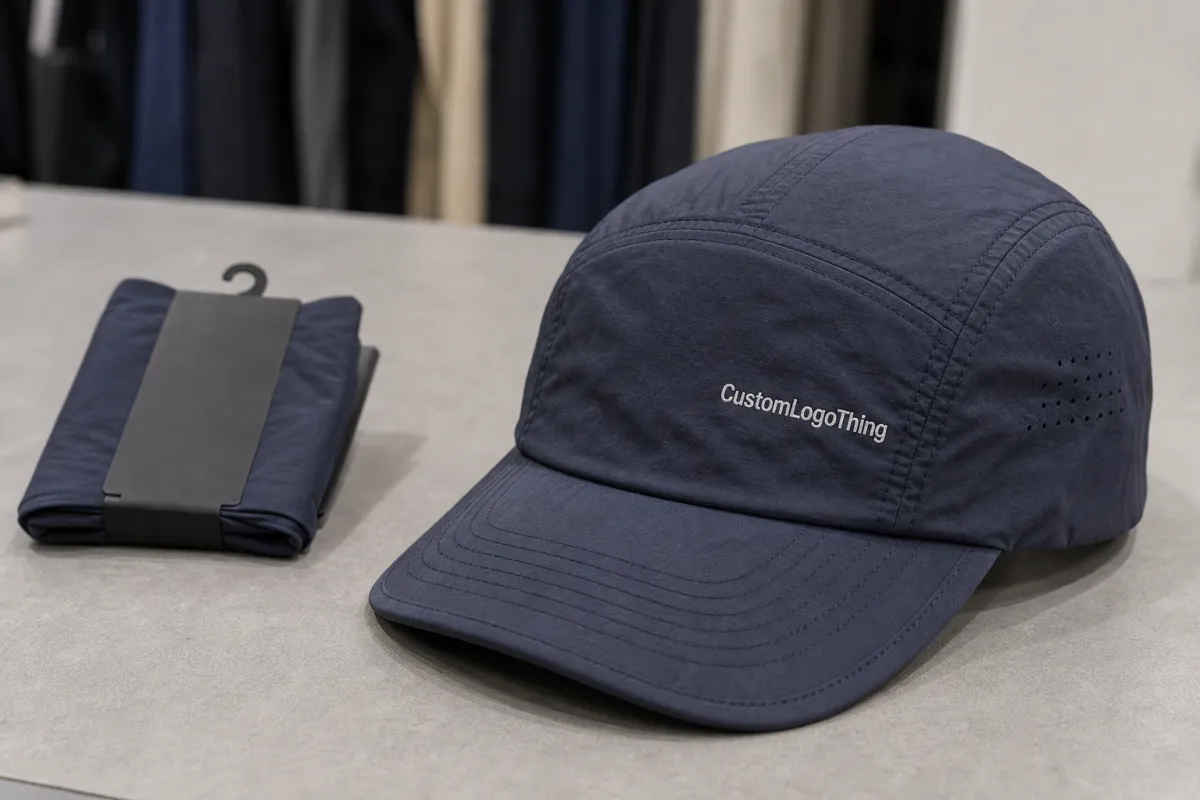
Most buyers start with price, and that is usually where the trouble begins. A useful comparison should begin with the cap itself: crown shape, panel count, fabric feel, sweat control, and the space available for branding. A low-profile 5-panel running cap with laser-cut vents does not behave like a structured 6-panel polyester cap, even if both are filed under custom logo caps.
The use case changes the brief. A sports launch, charity run, staff uniform program, and expo giveaway all ask the cap to do different work. For active wear, buyers usually want lighter construction, faster drying, and a logo that stays readable from a few meters away. For retail, finish quality and consistency matter more because the cap has to withstand close comparison, not just distribution.
A serious supplier comparison looks beyond the quote sheet. It should include the exact cap style, decoration method, sample support, communication speed, packaging options, and how well the supplier handles reorders. If the supplier cannot hold stitch density, patch size, or thread color on a repeat run, the first order may look fine while the second creates avoidable problems.
A cap is a small item, but buyers still feel every inconsistency: a scratchy sweatband, a crooked logo, or a closure that shifts after a few wears can erase the value of the whole promotion.
That is why the best buying decisions are less about hunting the lowest number and more about matching the product to the brand, the wear cycle, and the expected life of the cap.
How Logo Cap Sourcing Works From Brief to Sample
The sourcing path should feel controlled. It usually starts with a brief that covers cap style, color, quantity, target ship date, decoration method, and artwork files. A good supplier turns that into a digital mockup, then asks the questions that keep production clean: exact placement, logo size, thread colors, packaging format, and whether the buyer wants a size sticker, hang tag, or retail polybag.
After proof approval, the supplier may create a sample or proceed straight to production if the design is simple and stock materials are being used. For a complex logo, a physical sample is worth the time because it shows stitch direction, patch edge finish, or print clarity on the real fabric. That checkpoint often prevents a larger batch from drifting off spec later.
Decoration method changes the outcome more than many buyers expect. Embroidery gives a durable look, but tiny text can fill in if the stitch count is too dense. A woven patch keeps fine detail cleaner, though it adds construction steps. Screen print is lighter and often cheaper for flat artwork, while heat transfer can handle more color variety but needs careful expectations around wear and washing. Each method has setup rules, so the supplier should explain what the artwork can realistically support instead of just saying yes.
Delays usually show up in the same places: low-resolution artwork, unclear placement, color changes after proof approval, or a cap silhouette that was never confirmed. Better suppliers reduce that risk early by asking short, specific questions and confirming details in writing before the run begins.
Material, Fit, and Decoration Factors That Change the Outcome
Material choice changes the wearing experience. Polyester is common for running caps because it dries quickly and takes color well. Cotton blends can feel softer, but they hold moisture longer and are less suited to sweaty outdoor use. Mesh backing and laser-cut venting improve airflow, while moisture-wicking sweatbands reduce the damp feeling that makes people take a cap off halfway through an activity.
Fit matters just as much. Adjustable closures, stretch bands, and consistent sizing all affect how the cap sits during movement. A buyer ordering staff uniforms might accept a broader fit range, but a retail running cap has to feel comfortable enough that someone can put it on and forget it is there. Low-profile crowns usually look cleaner on smaller head shapes, while structured crowns can hold a logo panel flatter.
Decoration also depends on usable space. A large logo may fit on a 6-panel front, but not on a narrow athletic crown without looking crowded. Stitch density, thread color contrast, patch edge finish, and logo scale all affect how premium the cap feels. Strong contrast reads better at distance, while tonal branding can look more refined if the product is aimed at a higher-end audience.
| Decoration method | Best use | Typical setup note | What buyers notice |
|---|---|---|---|
| Embroidery | Durable logos, simple lettering, premium look | Digitizing required; stitch count affects price | Raised texture, strong wear resistance |
| Woven patch | Fine detail, small text, cleaner edges | Patch construction adds lead time | Sharper detail, slightly more polished finish |
| Screen print | Flat art, large logos, lighter hand feel | Best on smooth panels with simple graphics | Soft feel, lower visual relief |
| Heat transfer | Full-color artwork, flexible decoration needs | Requires careful material and wear testing | Bright graphics, more technical finish |
One quick test helps a lot: look at the logo from across a room, then imagine the cap moving during a run. If the branding disappears in motion or becomes hard to read under bright sun, the design probably needs another pass.
Cost, Pricing, MOQ, and Quote Differences to Watch
Quote comparison gets messy fast unless the specs are identical. The line items that should be compared side by side include blank cap cost, decoration setup, digitizing or art prep, sampling, packaging, freight, taxes, and any reorder discount. A quote that looks lower by 12 percent can disappear once setup or shipping is added.
MOQ deserves the same attention as unit price. A supplier may offer a lower per-unit rate, but if the minimum is 1,000 pieces and you only need 300, the total exposure is too high for a simple promotional run. Some suppliers can do 100 to 200 pieces on stock styles, though the price per unit often rises because setup and labor are spread across fewer caps.
For custom logo running caps, a realistic range often lands around $2.20-$4.80 per unit for mid-sized orders on stock blanks, with embroidery, patch work, or specialty packing pushing higher. Smaller runs can sit closer to $4.50-$7.50 depending on complexity. Those numbers are not universal, but they are a better starting point than vague language like “competitive pricing.”
Quality control has its own hidden cost. A cheaper cap that arrives with crooked logos, weak seam finish, or color mismatch can force reorders, returns, or client complaints. Once that happens, the savings disappear. Ask how defects are checked, how many units are sampled, and whether the supplier documents inspection before shipment.
To compare fairly, send the same quantity, same cap silhouette, same decoration method, and same delivery terms to every supplier. If one quote includes FOB and another includes door delivery, the numbers are not directly comparable.
Process, Timeline, and Turnaround From Proof to Delivery
A smooth project follows a clear sequence: quote approval, artwork proofing, sample creation if needed, bulk production, finishing, inspection, packing, and delivery. Most delays are not mysterious; they happen because someone approves late, changes a detail after proof sign-off, or discovers too late that a special closure or patch trim needs extra lead time.
For simple stock caps with standard embroidery, a reasonable timeline is often 12-18 business days from proof approval to dispatch, plus freight time. If the order uses custom colors, patch construction, or complex packing, that can stretch to 3-5 weeks before shipping. Peak-season congestion can add another cushion, so buyers planning a launch should build in a review window for artwork and samples.
Clear milestones make the process easier to manage. Strong suppliers give dates for proof return, sample readiness, production start, inspection, and estimated ship date. Vague promises like “fast turnaround” are not very useful. A real schedule lets you coordinate event dates, staff distribution, or inventory intake without guessing.
If shipping involves multiple handoffs or retail-ready cartons, ask whether the pack-out aligns with basic transit expectations. For broader shipping guidance, the ISTA resources are a practical reference point for package testing and transport risk. If the program includes printed inserts or paper hang tags, FSC certification is worth considering for the paper side of the job.
A Step-by-Step Supplier Comparison Checklist
Use the same brief with every vendor. That is the easiest way to keep a running caps with logo supplier comparison honest. The spec sheet should name the cap style, fabric, closure, logo size, color references, quantity, and packaging requirements. If one supplier is quoting a 6-panel structured cap and another is quoting a 5-panel low-profile runner, the price gap is meaningless.
Ask for sample photos or a physical sample whenever the artwork, feel, or fit matters. A proof image can confirm placement, but it does not tell you how the crown sits on a head or how the fabric behaves under daylight. Compare samples in daylight, not under a warm office lamp, because thread tone and print contrast can shift more than buyers expect.
A simple scorecard works well:
- Product quality - fabric, stitching, panel shape, sweatband comfort.
- Communication - response speed, clarity, proof quality, willingness to answer technical questions.
- Pricing clarity - whether setup, sampling, packaging, and freight are spelled out.
- Turnaround - quoted lead time and how realistic it sounds.
- Reorder reliability - ability to match the approved spec later.
The supplier who can meet the brand standard consistently is usually the right one, even if the first quote is not the lowest. Keep the approved spec sheet, proof, thread colors, and packaging notes on file. That documentation pays off the next time you reorder.
Common Mistakes and Expert Tips for Better Decisions
The most common mistake is comparing the wrong products. Buyers sometimes line up a lightweight running cap, a structured promo cap, and a cotton twill dad cap as if they are interchangeable. Another mistake is assuming all embroidery or print looks the same across suppliers; stitch density, digitizing quality, and machine setup can change the result more than many people realize.
Skipping samples is another expensive habit. A mockup may look polished, but the real cap can expose problems with logo scale, patch thickness, or the way the decoration sits near a seam. Shipping time also gets overlooked. Buyers sometimes assume a production promise includes transit, and it often does not. Freight can be the difference between on-time delivery and a missed event.
A few practical questions sharpen the comparison:
- What stitch count are you recommending for the logo?
- Can you match the thread or patch colors to Pantone references?
- Will the logo still look clean after a simple wear test and light moisture exposure?
- How are cartons labeled if the order ships to more than one location?
- Can you repeat the same spec on the next run without reworking the art?
If the caps are going to retail, packaging details matter more than many buyers expect. Bagging, fold direction, carton marks, and case-pack counts should be confirmed before production starts. A well-documented first order is much easier to repeat, which is why reordering should be part of the original comparison rather than an afterthought.
Practical Next Steps for Shortlisting the Right Partner
Start by narrowing the field to three suppliers and send each one the same brief, artwork, quantity, target ship date, and packaging request. That keeps the comparison fair and exposes who actually reads the details. The best replies are not just quick; they are specific. You want to see comments on fabric, decoration method, sample timing, lead time, and reorder support.
Then compare the samples in real conditions. Put the cap on a head, step outside, and check the logo in daylight. If the cap is meant for active wear, move around a bit. Turn your head, bend down, and see whether the closure stays comfortable and whether the branding still looks clean while the cap is in motion.
Once one sample stands out, lock the spec sheet immediately. Record the cap style, crown profile, material, closure, artwork size, thread colors, and packaging notes. That step protects the next order from drift, especially if the program becomes recurring.
Common Questions
What should I compare first in a running caps with logo supplier comparison?
Start with cap style, decoration method, and fabric quality so you are comparing the same product, not three different constructions. Then check sample accuracy, communication speed, MOQ, and whether the supplier can hold the same quality on repeat orders.
Are embroidered logos better than printed logos on running caps?
Embroidery usually gives a more durable, premium look, but it can be less suitable for tiny text or very fine details. Printing can work better for lighter logos or complex artwork, especially when the fabric needs a softer hand feel.
What MOQ is normal for custom running caps with logos?
MOQ depends on the blank cap, decoration method, and whether the supplier is using stock materials or custom-built components. Ask whether sample units, mixed colors, or mixed sizes are allowed, because those details can change the real entry point.
How long does production usually take for logo running caps?
The full timeline often includes proofing, sample approval, bulk production, finishing, and freight, so the total can vary a lot. Artwork changes, custom colors, and peak-season capacity are the main reasons a job takes longer than expected.
What is the biggest mistake buyers make when comparing suppliers?
The biggest mistake is comparing unit price only and ignoring sample quality, lead time, and the clarity of the quote. A second common mistake is approving a cap without checking how the logo looks when the product is actually worn.


