Screen Printed Canvas tote bags look uncomplicated, which is part of the appeal. A good tote feels sturdy in the hand, carries a logo cleanly, and stays useful long after the event table is gone. A weak one wrinkles, sags, and turns into the kind of freebie people forget in a car trunk. The gap between those two outcomes usually comes from the basics: canvas weight, print setup, and whether the order was specified for real use instead of a lowest-price spreadsheet exercise.
There is a reason these bags show up in retail launches, trade shows, bookstore merchandising, subscription packaging, and gift programs. They are inexpensive enough to order in quantity, but visible enough to carry real branding value. The print area is generous, the shape is familiar, and the bag itself has enough utility that people keep using it. That is not a small thing for a promotional item.
Screen printing is especially effective on canvas because the process favors bold artwork, solid fills, and repeatable color. For many buyers, it lands in the right middle ground: better presence than a paper bag, usually cheaper than embroidery, and more durable than a fast heat-transfer job on a textured surface. The trick is understanding what the process does well, where it starts to struggle, and which specs matter before you ask for quotes.
Why Screen Printed Canvas Tote Bags Punch Above Their Weight
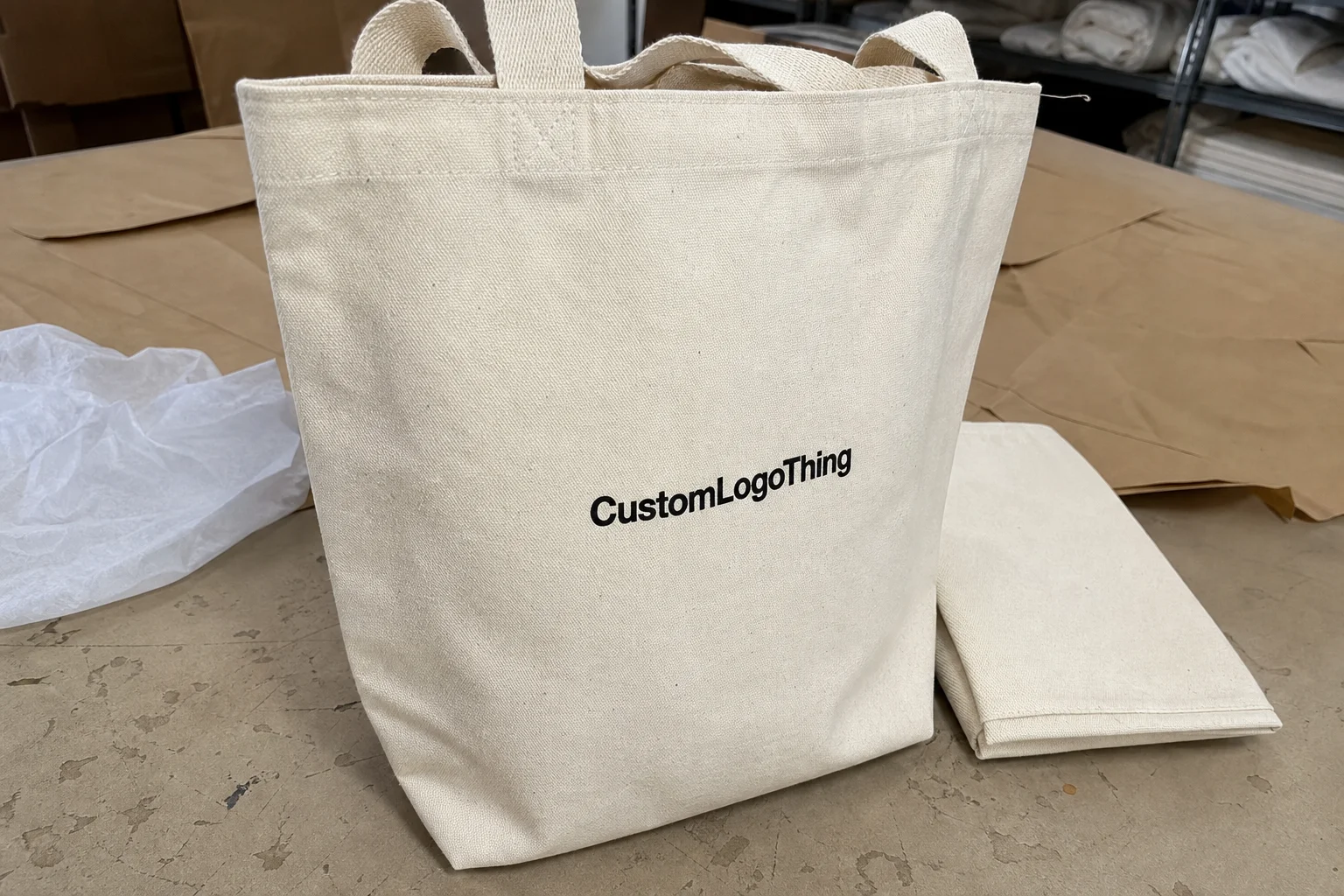
Canvas totes are structurally simple. They are usually a sewn cotton bag with handles, sometimes a gusset, and a printable face or two. That simplicity keeps the price manageable, but it also gives you a lot of room to make the bag feel more premium than the raw materials would suggest.
That is the real value of screen printed Canvas Tote Bags. The blank may be basic, yet the finished piece can still read as retail-worthy if the print is clean, the ink coverage is even, and the bag weight matches the job. A one-color logo on a well-constructed 10 oz tote often looks more considered than a crowded, overdesigned graphic on a thin blank. People notice quality faster on something they carry in public than on something they only see once.
For buyers, the attraction is practical. These bags are useful, easy to brand, and not difficult to distribute. A tote can hold product, support a launch, package a purchase, or serve as an add-on item. It also travels well through the customer journey: store shelf, event table, checkout counter, and then daily life. That repeated exposure is what makes the format so efficient.
Canvas texture matters, though. A smooth weave prints cleaner detail. A rougher weave can soften thin lines and make small text look broken up, especially on lower-grade fabric. That is not a defect in the printer so much as the reality of pushing ink through a screen onto woven material. Buyers who want crisp edges should work with artwork that suits the substrate instead of trying to force brochure-style detail onto a tote.
The other reason these bags punch above their weight is perceived value. A plain bag with a muddy imprint feels cheap immediately. The same bag, printed with a sharp logo, correct placement, and decent handle length, can feel like something the brand actually intended to make rather than something that happened by accident.
How the screen printing process works on canvas
Screen printing is straightforward in theory and exacting in practice. Each color in the design is separated, a screen is prepared for that color, and ink is pushed through the mesh onto the bag. The print is then cured so the ink bonds to the fabric. After that, quality control checks placement, coverage, registration, and cure. If any of those steps are off, the final bag shows it immediately.
Canvas is forgiving in some ways and demanding in others. Large solid areas tend to print well, but very fine details can lose clarity once they hit textured weave. That means the art direction matters as much as the press setup. If the logo depends on hairline strokes or tiny copy, expect risk. If the design uses bold shapes, generous spacing, and a clear type hierarchy, the odds improve fast.
Most orders fall into a few common print configurations:
- One-color print - the most economical option and usually the cleanest choice for logos, simple marks, and slogans.
- Spot-color print - a practical middle ground for brands that need a specific palette or a little more visual depth.
- Multi-color print - useful for more detailed graphics, but it adds screens, setup, and room for registration issues.
The ink system also changes the look and feel. Water-based inks tend to sink into the fibers more and can feel softer to the touch. Plastisol usually sits more on top of the fabric and often gives stronger opacity, which helps on darker or rougher canvas. Neither choice is automatically right or wrong. The decision should follow the artwork, the bag color, and the finish you want the customer to notice first.
If color accuracy matters, ask how the shop handles Pantone matching and what tolerance they consider acceptable. Many buyers assume that a digital mockup is enough, then get surprised by a warm red printing cooler than expected or a muted navy coming back too dark. The mockup is a guide. The ink on fabric is the actual product.
“A tote should still look good after it has been folded, carried, stuffed, and carried again. If it only works in a flat mockup, the spec sheet is too optimistic.”
For buyers who care about sourcing and material standards, outside references can be useful. The FSC is relevant for packaging and responsible material decisions, while the EPA offers broader context on environmental considerations. Those organizations will not choose your tote for you, but they do help frame the right questions about material origin, packaging, and waste.
Cost, pricing, and MOQ factors that change your quote
Pricing for screen printed Canvas Tote Bags usually comes down to five variables: bag size, canvas weight, number of print colors, print locations, and order quantity. Once those are set, the rest is mostly about setup and shipping. Bigger runs spread the setup cost across more units, which is why the unit price drops as quantity rises.
Blank bag weight is one of the most visible cost drivers. Lightweight canvas is cheaper and works for short-term promotions, but heavier fabric gives the bag more structure and makes it feel more substantial. In most programs, canvas weights fall somewhere between 5 oz and 12 oz. That range matters because the difference is not just durability; it changes how the bag sits, how it folds, and how customers perceive the value.
A simple one-color logo on a large run is usually the easiest way to keep cost under control. Add a second or third ink color, and the setup grows. Add a second print location, and the price climbs again. Order a smaller quantity, and the per-unit cost rises because the press and prepress work do not shrink just because the order did.
| Option | Typical unit price range | Best for | Tradeoff |
|---|---|---|---|
| 5 oz tote, 1-color print, 1 location | $1.10–$1.80 | High-volume giveaways, basic promotions | Light feel, lower premium perception |
| 8 oz tote, 1–2 colors, 1 location | $1.70–$2.90 | Retail merch, event bags, branded gifts | Better hand feel, moderate price increase |
| 10–12 oz tote, multi-color print, 2 locations | $2.80–$5.50 | Premium gifts, resale packaging, boutique programs | Higher setup cost and more MOQ pressure |
Those figures are practical ranges, not promises. A large run can come in lower, especially if the bag is standard stock and the art is simple. Rush service, specialty inks, custom sizing, upgraded handles, reinforced seams, or packaging inserts can push the total up quickly. Shipping also matters more than buyers expect, especially on large cartons or orders that need to arrive by a fixed event date.
MOQ can help or hurt depending on the plan. A higher minimum order quantity often improves unit economics, but only if you can use the inventory. Ordering 1,500 bags because the price looks better on paper is a mistake if the campaign only needs 300 and the rest will sit in storage for a year. The smarter approach is to balance unit cost against real demand and cash flow.
There are also hidden cost triggers that show up after the initial quote if nobody asked the right questions early:
- Rush fees for compressed production windows
- Extra screens for additional colors
- Specialty inks such as metallic, puff, or discharge
- Second-side printing or gusset decoration
- Packaging upgrades like polybags, belly bands, or inserts
The cleanest quote is the one that spells out blank bag cost, print setup, per-unit print charge, packaging, freight, and any secondary charges. Without that breakdown, the lowest quote can turn into the most expensive invoice.
Process, timeline, and production steps from proof to delivery
The production flow is usually familiar: quote, artwork review, digital proof, sample approval if needed, production, curing, packing, and shipment. The machinery is rarely the slowest part. Delays usually come from incomplete artwork, shifting approvals, or a spec that was not settled before the order entered production.
For a standard run with print-ready artwork and in-stock blanks, a realistic turnaround is often 12 to 18 business days after proof approval. Smaller or simpler orders may move faster. Larger quantities, multi-color prints, or fabric that has to be sourced first will stretch the schedule. Peak seasons can add more time, especially if several campaigns are competing for the same production window.
Three things slow tote orders more than most buyers expect:
- Artwork revisions after the proof has already been submitted for production.
- Vague color instructions that do not map to a specific Pantone target or reference sample.
- Multiple approvers giving conflicting feedback at different stages of the order.
A single decision-maker helps more than people think. If one person owns the artwork, quantity, and deadline, the order usually moves faster and with fewer surprises. If marketing, operations, and leadership all make changes independently, the proof process drags and the risk of error rises.
Shipping method should be discussed early as well. Bulk-packed totes are typically more efficient to produce and move. Individual polybags, custom inserts, or retail-style folding instructions add handling and packing time, but they can be worth it if the bags are going into resale or premium gifting. Packaging decisions are not cosmetic; they affect carton size, freight cost, and how well the goods hold up in transit.
For fragile or presentation-sensitive orders, ask how the cartons are packed and whether the supplier uses any process to reduce crushing or folding damage. The ISTA framework is more often discussed with heavier or more delicate packaged goods, but the principle still applies here: a tote that leaves the plant in good shape should still look good when it arrives.
How to choose the right tote specs for your use case
Start with the job the tote has to do. A bag meant for a bookstore, a trade show, and a premium skincare kit should not be specified the same way. Size, canvas weight, handle length, and decoration placement all shift depending on use.
Bag size changes function quickly. A small tote can look neat in a photo and feel useless on a retail floor. A standard format such as 15" x 15" or 16" x 15" works for many promotional and retail applications. Larger formats are better for events, bundled products, and grocery carry. If the bag is meant to carry boxed goods, measure the contents first and give yourself room to spare.
Canvas weight is a useful shorthand for quality. A rough guide looks like this:
- 5–6 oz for low-cost promotional use and short-term distribution
- 8 oz for a balanced mix of cost, structure, and feel
- 10–12 oz for repeated use, heavier contents, or premium packaging
Handle length matters more than many buyers expect. Short handles are fine for hand carry, but longer shoulder-drop handles are more comfortable for customers who will actually use the bag often. If the handles are too short, the tote ends up carried awkwardly; if they are too long for the bag size, the proportions can look loose and underfinished.
Gusset depth is another quiet detail that affects real usability. A flat tote can look fine on a table, then become awkward once filled. A gusset helps the bag stand up better, carry more volume, and feel more stable in use. If the bag is intended for product packaging, a gusset is often worth the extra cost.
Decoration placement should match the bag's real life. Center-front printing is the safest choice and the easiest to scale. A slightly offset print can feel more deliberate if the front face needs room for folding, tags, or other branding. One-side decoration is cheaper. Two-sided decoration improves visibility but adds setup and print cost. Choose based on how the bag will be seen, not just how it looks on a blank mockup.
Durability is not just about the fabric. Reinforced seams, handle attachment, and proper cure all influence how long the print and bag last together. If the tote is meant for repeated use, ask what the print is expected to withstand and whether the ink system is appropriate for that kind of wear. A bag that loses the print early looks tired even if the stitching survives.
Common mistakes buyers make with screen printed canvas tote bags
The first mistake is asking too much of the art. Tiny lettering, thin lines, and low-contrast designs often lose clarity on canvas. The bag is woven fabric, not coated stock, so the print will never look exactly like a digital proof. If the design depends on micro-detail to make sense, it needs to be simplified before production.
The second mistake is choosing the cheapest blank without checking the actual build. Thin handles, weak seams, and flimsy canvas create a bag that feels disappointing before it has even been used. Buyers sometimes save a few cents per unit only to lose the premium effect they wanted in the first place.
The third mistake is ordering too few bags. Small runs can make unit economics look bad, and a quick reorder usually costs more than buyers expect. If the campaign has a clear sales window or event date, it is worth thinking through total need rather than the minimum amount that fits a budget line.
The fourth mistake is approving a proof too fast. Spelling, size, ink color, placement, and print scale all need a real review. Once screens are made, changes are expensive and slow. A typo on 500 or 1,000 bags is not a minor inconvenience; it is a production error with a cost attached to every single unit.
A practical pre-approval check helps a lot:
- Is the artwork bold enough for woven canvas?
- Does the bag size match the items it needs to carry?
- Are Pantone targets or visual references confirmed?
- Is the deadline realistic for printing plus transit?
Expert tips to improve print quality and resale value
Keep the design high contrast. Strong typography, clear spacing, and solid shapes print better on canvas than delicate detail ever will. If a logo depends on tiny elements to stay recognizable, simplify it for the tote version. That is not a downgrade; it is adapting the artwork to the material.
Ask for a strike-off or sample when exact color, placement, or print density matters. This is especially useful for retail programs and resale packaging, where the bag is part of the customer-facing product story. A sample costs more than trusting the mockup, but it can prevent a batch that is off by enough to matter.
Placement deserves more attention than it gets. A logo centered perfectly on a flat artboard may look odd once the bag is folded, carried, or photographed at an angle. Think about shelf visibility, hand carry, and how the bag reads in product photos. If the tote is a packaging layer, it should still look composed after it has been handled.
Packaging can raise perceived value without changing the bag itself. A neat fold, tissue wrap, branded insert card, or clean polybag gives the order a retail finish. That matters if the tote is being sold, gifted, or bundled with another product. Presentation often influences price perception more than a buyer wants to admit.
For a more premium result, spend on the parts customers can feel: thicker canvas, cleaner stitching, reinforced handles, and a restrained print palette. A one-color design on a sturdy tote often looks more refined than a crowded multicolor graphic on a thin blank. The print quality and the bag quality need to agree with each other, or the piece feels mismatched.
Quality control should cover more than visual appearance. Ask how print adhesion is checked, how the cure is verified, and whether carton packing reduces scuffing or fold marks. Those checks are not decorative. They are what keep the order consistent from the first bag to the last.
Next steps: how to place a smarter tote order
Before you request pricing, define four things clearly: intended use, quantity, number of print colors, and delivery deadline. If any of those are vague, the quotes will be vague too. That usually leads to scope creep, avoidable revision cycles, or a price that looks better only because it is missing something.
Then compare at least two spec options. One should be built around unit cost. The other should favor durability or presentation. Having both in front of you makes the tradeoff visible instead of theoretical. It is much easier to choose a tote package once you can see what the extra ounce of canvas or the second color is actually buying.
Ask for a written timeline that includes proof approval, production window, packing, and shipping method. If the quote does not say what it assumes, ask. Good order management depends on clarity. That is especially true with screen printed Canvas Tote Bags, where small decisions on paper can change the entire feel of the finished product.
Before final approval, make one last pass through the practical details:
- Artwork file is correct and print-ready
- Pantone references or visual color targets are confirmed
- Bag dimensions fit the intended contents
- Quantities and packing details are correct
- Delivery address and contact information are accurate
If the goal is to make the order cost-effective and useful, lock the specs early, keep the artwork suitable for canvas, and give production enough lead time to avoid rush pricing. That is the difference between a tote that does its job and one that only looks good on the quote sheet.
FAQ
What makes screen printed canvas tote bags better than other print methods?
Screen printing is a strong fit for bold logos, simple graphics, and larger runs. It usually gives a flatter, cleaner finish on canvas than many quick-transfer methods, and it remains cost-effective once the order volume rises enough to spread setup costs.
How much do screen printed canvas tote bags usually cost?
Cost depends on bag weight, print colors, quantity, and packaging. Lighter bags and simpler prints sit at the lower end of the range, while heavier canvas, extra print locations, and rush production can move the price up quickly. Ask for an all-in quote so freight and setup are not hiding in the margins.
What is the typical turnaround for screen printed canvas tote bags?
A standard order often takes about 12 to 18 business days after proof approval, assuming artwork is ready and stock blanks are available. Larger runs, multi-color prints, or custom sourcing can extend that timeline. Rush service is possible in some cases, but it usually costs more.
Can detailed artwork work on screen printed canvas tote bags?
It can, but there are limits. Fine lines, tiny type, and soft gradients do not always hold up well on woven canvas. Bold shapes, clear spacing, and fewer colors generally produce better results and fewer production issues.
How do I choose the right MOQ for screen printed canvas tote bags?
Pick the smallest quantity that still gives you a workable unit price and enough inventory for the campaign or sales period. If repeat demand is likely, ordering a little more can make more sense than paying a higher price on a very small run and then reordering soon after.