Get a Printed Frosted Zipper Bags Quote for Food Brands
When a Frosted Bag Makes Food Look More Premium
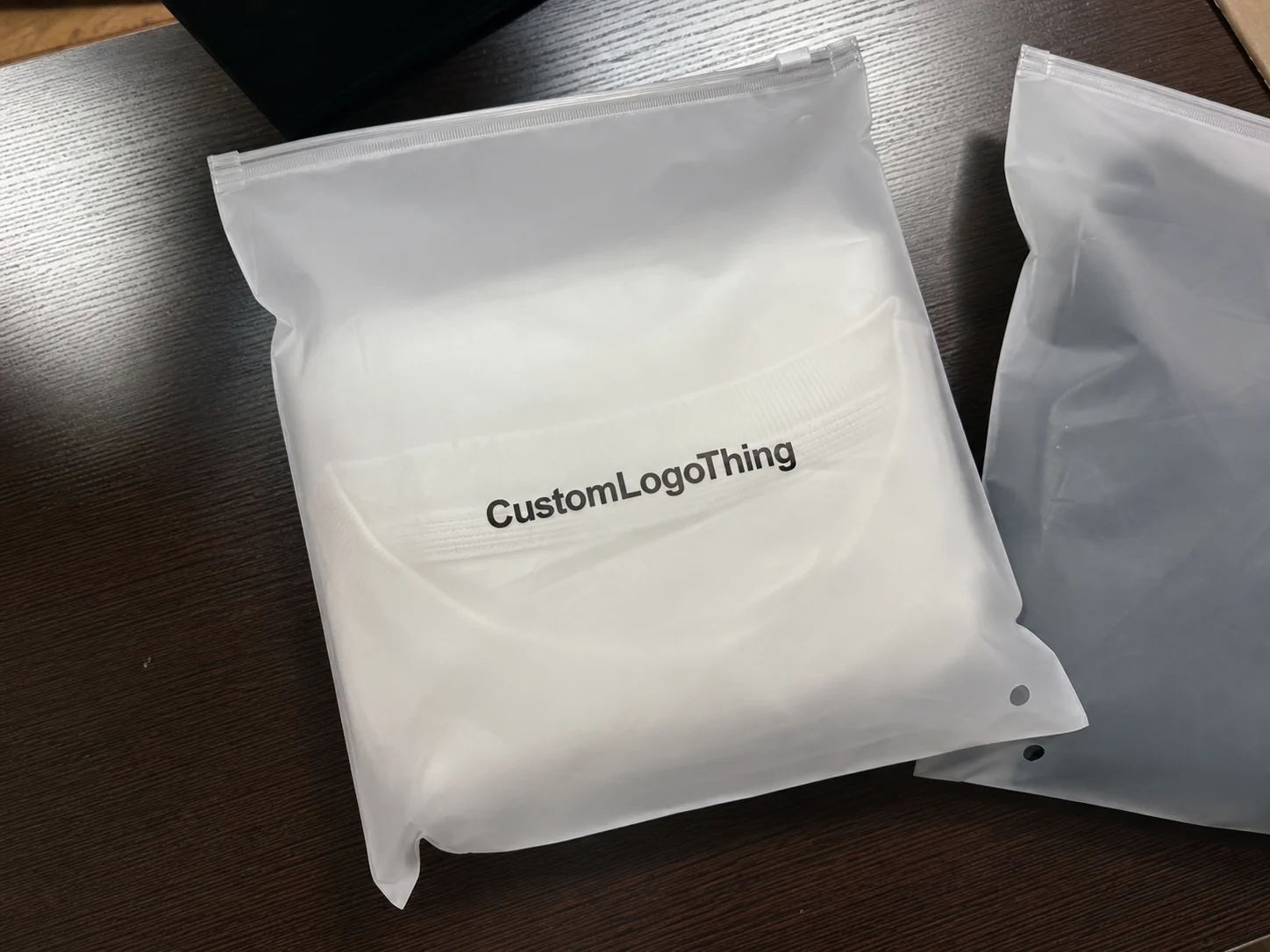
Two snack products can sit side by side with similar ingredients, net weight, and price, yet one looks more deliberate before the shopper reads a single line of copy. Buyers searching for a Printed Frosted Zipper Bags Quote for food are usually weighing more than appearance; they need shelf appeal, food-contact safety, resealability, print quality, production timing, and landed cost to work together.
A frosted zipper bag reduces glare under retail lighting, hides light scuffing better than a crystal-clear pouch, and gives dry food products a softer matte presentation. It still allows some product visibility, which can be valuable for foods where texture, color, or fill level helps the sale: dried mango, roasted nuts, granola clusters, loose tea, jerky, powdered drink mixes, candy, spices, coffee add-ins, pet treats, and boutique pantry goods.
Frosted does not mean muted or unfinished. With the right film and print setup, the soft background can make a logo, white ink panel, flavor band, or ingredient claim feel more controlled. The zipper adds practical value after purchase because consumers can open and reclose the pack without moving the food into a jar, clip bag, or separate container.
That said, the frosted look should never be chosen by appearance alone. Oily foods, sharp-edged snacks, frozen items, high-moisture products, and strongly aromatic items may need higher barrier layers, stronger puncture resistance, special sealant films, or a different pouch structure. If the product needs a specific oxygen transmission rate, moisture vapor protection, light barrier, or aroma retention, those performance requirements should guide the material first and the finish second.
Custom Logo Things helps buyers move from a rough packaging idea to a production-ready quote by reviewing size, film structure, zipper type, artwork, order quantity, packing method, and shipping destination. A current pouch that performs well can speed that review. If you do not have one, the quote can still be built from fill weight, product type, target shelf life, and artwork direction.
Food-Safe Bag Materials, Frosted Finish, and Zipper Options
Most frosted zipper food bags are made from multi-layer flexible films. Each layer has a job: printability, stiffness, sealability, moisture control, oxygen control, puncture resistance, or the soft matte appearance buyers want. Depending on the food and shelf-life target, a structure may include PET, PE, CPP, nylon, metallized film, or other barrier materials.
The frosted effect can come from a matte film, a treated surface, or a laminated structure. A simple frosted PE bag may suit certain dry, short-shelf-life products, while a premium stand-up pouch for coffee, spices, or oxygen-sensitive snacks may require a more controlled laminate. This is one of the easiest places to under-spec a package: an empty sample may look excellent, but the filled bag reveals whether the material has enough body, barrier, and seal strength for real use.
Food-contact safety starts with the inner layer. The inside film must be appropriate for the intended food type, storage condition, and sealing process. A quote should confirm whether the food touches the bag directly or whether the frosted zipper bag holds an inner wrapped product. Dry tea leaves behave differently than oily trail mix, and powdered drink mix creates different seal-contamination risks than whole candy pieces.
Closures deserve the same attention. A standard press-to-close zipper works for many small and medium dry food packs. A wider zipper track can feel more secure on larger pouches, especially where consumers will open the bag repeatedly. Child-resistant zippers may be required for some regulated products, but they add cost, increase specification work, and should be tested carefully with the intended user and fill format. A tear notch above the zipper gives a cleaner first opening and helps protect the pack from casual tampering before purchase.
Common add-ons include a hang hole, euro slot for peg racks, rounded corners, a bottom gusset for stand-up display, a clear window, a degassing valve for coffee, and opaque panels for light-sensitive foods. Each feature affects tooling, film layout, and production handling. Even a small hang hole has to avoid the zipper path, top seal, and artwork safety area.
For broader packaging education, organizations such as the Packaging Machinery Manufacturers Institute and testing groups such as ISTA are useful references for understanding distribution, testing, and packaging performance expectations. A frosted bag still has to survive cartons, pallets, vibration, compression, and human handling after it leaves production.
Practical callout: Frosted Zipper Bags are not one-size-fits-all. Film thickness, laminate choice, zipper profile, seal strength, and barrier level should match fill weight, product shape, shelf-life target, and the way finished bags will be packed into cartons.
Print Methods, Artwork Setup, and Brand Detail Control
There is a real difference between printed frosted bags and stock frosted bags with labels. Labels can work for a small test run, farmers market batch, or early SKU validation. Direct printing looks more integrated, reduces hand-labeling labor, and usually gives a stronger shelf presentation because the artwork is built around the full pouch surface.
Digital printing is often practical for lower quantities, multiple SKUs, or frequent artwork changes. It can work well when a brand has five flavors sharing the same bag size but different graphics. Plate-based printing, such as flexographic or rotogravure depending on the project, can be better for larger runs, tighter color control, broader ink coverage, and lower long-run unit cost. Setup costs are higher, but the economics may improve when volume rises.
Frosted film changes the way color reads. Matte and translucent surfaces can make colors appear softer than they do on a backlit screen or glossy proof. Rich blacks may need stronger ink density. White ink backing is often needed behind logos, barcode areas, nutrition panels, and light-colored graphics. If brand color matching is critical, spot colors should be prepared carefully and reviewed on the intended film whenever possible.
Artwork should be built on the correct dieline, not guessed from a flat rectangle. Buyers should prepare vector logo files, bleed, safe zones, zipper location, tear notch area, bottom gusset fold lines, barcode placement, nutrition facts panel sizing, allergen statements, ingredient text, country-of-origin text if applicable, and a lot-code area. Regulatory and retail text must remain legible after sealing, gusset folding, and filling.
Before requesting a Printed Frosted Zipper Bags Quote for food, decide whether the bag needs front-only printing or front-and-back printing, how many colors are required, whether a clear window should show the product, and whether white ink is needed behind important text. Also confirm whether multiple flavors can share one pouch size and material structure. Keeping size and material consistent across SKUs can reduce setup complexity and make reorders easier.
| Print Approach | Best Fit | Typical Quote Impact | Buyer Watchout |
|---|---|---|---|
| Stock frosted bag with label | Small tests, local launches, short runs | Lower setup, higher labor per finished pack | Label edges, hand placement, and moisture exposure can affect appearance |
| Digital printed frosted bag | Multiple SKUs, lower quantities, artwork changes | Often lower entry cost, higher unit cost than large plate-based runs | Color targets should be checked on frosted film, not only on screen |
| Plate-based printed bag | Larger runs, repeat orders, stronger color control | Higher setup, better long-run efficiency | Artwork changes after plates are made can trigger extra cost |
A useful quote should state what is included in proofing, prepress review, color expectations, and setup charges for plates, cylinders, or digital file preparation. If a supplier gives only a per-piece number without listing assumptions, comparing that number against another quote becomes difficult and sometimes misleading.
Printed Frosted Zipper Bags Quote for Food: Cost, MOQ, and Unit Cost
A printed frosted zipper bags Quote for Food is built from several moving parts, not one generic bag price. The main cost drivers are bag width, height, bottom gusset depth, film structure, thickness, barrier layer, zipper style, frosted finish, print method, number of colors, print coverage, order quantity, carton packing format, and shipping destination.
MOQ depends heavily on the production route. Digital printing may allow lower minimums because it avoids traditional plates. Custom lamination or plate-based printing usually requires higher minimums because material preparation, machine setup, print registration, and waste allowance are larger. Stock-size conversion can sometimes reduce the minimum if an existing film and pouch format fit the project.
As a planning range, some small custom printed pouch projects may begin around a few hundred to a few thousand pieces when digital print and standard materials are suitable. Larger plate-based or custom laminate runs often start in the several-thousand to tens-of-thousands range. Size and structure can move those numbers quickly, so they should be treated as early budgeting guidance rather than a guaranteed price sheet.
Setup charges may include custom artwork preparation, dieline work, print plates, color matching, sample production, and prepress review. Some quotes show these as separate line items. Others build them into the order. Neither format is automatically better, but separate line items make supplier comparisons cleaner.
The most accurate unit cost comes after confirming dimensions, quantity, material, print coverage, and freight. A small change in bag width can alter the number of pieces that fit across the film web. A change from a simple frosted film to a higher-barrier laminate can shift both raw material cost and conversion behavior. Adding a valve, heavy zipper, shaped window, or special hang feature also changes the calculation.
Ask for a quote that separates bag unit price, tooling or setup, sampling, freight, optional features, and production assumptions. The lowest per-piece number is not always the lowest total cost if it excludes barrier requirements, zipper quality, print method, inspection expectations, or shipping terms.
Useful cost-saving levers include standardizing one bag size across several flavors, reducing unnecessary full-coverage ink, choosing a practical barrier level instead of the heaviest possible structure, grouping SKUs in one production run, and ordering enough quantity to avoid repeated setup charges every few weeks. If you want help comparing those tradeoffs, you can Contact Us with your current bag specs and target quantity.
Specifications to Confirm Before You Request Pricing
The fastest way to get useful pricing is to send real specifications. Start with product type, net weight, target bag width, height, bottom gusset depth, zipper location, fill method, expected shelf life, storage temperature, and distribution method. Then add whether the food is oily, powdery, sharp-edged, aromatic, frozen, or moisture-sensitive.
Sizing is not just a label exercise. A package that fits the artwork may still fail on the packing line or lean badly on shelf. The right bag size depends on product bulk density, headspace, zipper clearance, top seal area, bottom gusset shape, and whether the filled pouch needs to stand upright after vibration in transit.
For example, 8 ounces of granola may need a very different pouch volume than 8 ounces of dense candy. A powder may settle into the bottom gusset and leave the upper panel looking underfilled. Jerky strips can bridge across the opening if the mouth is too narrow. These are ordinary packaging problems, and they are easier to solve before the dieline is approved.
Thickness also needs judgment. Thicker is not automatically better. A well-designed laminate with the right sealant and puncture layer can outperform a thicker single-material bag in real handling. The quote should consider seal performance, puncture risk, stiffness, zipper compatibility, carton packing, pallet compression, and retail handling.
Barrier questions deserve plain answers. Dry snacks usually need moisture protection. Coffee may need aroma protection and a degassing valve. Powders may need seal-contamination control because fine particles can interfere with heat sealing. Light-sensitive foods may benefit from opaque or metallized structures rather than simple translucent frost. Strong-smelling items, such as spices or pet treats, may need aroma control so the carton does not carry odor.
Compliance details should be prepared early. Send food-contact requirements, ingredient text, allergen statements, nutrition panel artwork, barcode files, country-of-origin text if applicable, lot coding area, and any tamper-evident or child-resistant packaging needs. ASTM test methods may be relevant for seal strength or film performance conversations, and ISTA distribution testing can help evaluate shipping durability for larger programs.
- Product information: food type, net weight, bulk density, texture, oil content, moisture sensitivity, and aroma level.
- Bag dimensions: width, height, bottom gusset, top seal, zipper location, and hang hole or euro slot position.
- Performance needs: shelf life, storage temperature, barrier requirement, puncture resistance, and reseal use.
- Print details: vector logo, dieline, colors, white ink, barcode, nutrition panel, lot-code zone, and SKU count.
- Commercial details: quantity tiers, ship-to ZIP code or country, in-hand date, packing format, and reorder expectations.
If possible, send existing bag samples, competitor references, filled product photos, and desired shelf presentation. A physical reference helps the quoting team recommend a structure that works in production instead of only looking attractive on a rendering.
Production Process, Proofing Timeline, and Lead Time
Production starts with quote review and specification confirmation. From there, the process usually moves through dieline creation, artwork placement, digital proof, sample or preproduction approval if required, material preparation, printing, lamination if applicable, curing, slitting, bag making, zipper application, inspection, packing, and freight.
Lead time depends on material availability, print method, order quantity, number of SKUs, sample requirements, and whether the bag uses a standard or custom film structure. A simple digitally printed standard-size bag may move faster than a custom laminate with a valve, multiple print plates, and several flavor versions. Transit time also matters. A factory completion date is not the same as an in-hand delivery date.
Proof approval and production start are separate milestones. Final production generally cannot begin until artwork, material specs, quantity, and payment terms are confirmed. Even a small change can affect tooling, print layout, barcode position, material yield, or bag-making settings. Packaging schedules often lose more time in artwork corrections than in actual converting.
Buyers can control several timeline risks. Late nutrition panel changes, missing barcode files, unconfirmed allergen text, changing dimensions after dieline approval, adding SKUs midstream, or requesting a special zipper after material is ordered can all push the schedule. Keep one approved artwork owner on your side if possible. Too many reviewers can slow packaging faster than a machine changeover.
Inspection points should include print registration, color consistency, zipper alignment, seal strength, bag dimensions, gusset formation, tear notch placement, visual defects, carton count, and carton labeling. For food brands selling through retailers, carton labels and packing consistency can matter almost as much as pouch appearance because receiving teams depend on clean identification.
Share your required in-hand date, launch schedule, trade show date, or retailer delivery window upfront. A realistic quote should account for proofing, production, inspection, and transit rather than giving an optimistic ship date with no room for normal packaging variables. For retail launches, build in extra time for receiving, filling, any secondary labeling, and final case packing.
Action Steps to Get an Accurate Custom Bag Quote
If you want a quote accurate enough to buy from, send more than a logo. Food packaging quotes need material, size, print coverage, closure, quantity, and shipping details. A logo alone can only produce a rough placeholder number, and placeholder numbers rarely survive the first real specification review.
Start with bag dimensions or target fill weight, food type, desired quantity, artwork files, number of SKUs, frost level or reference image, zipper preference, barrier requirement, destination ZIP code or country, and target delivery date. If you are unsure about size, send the product volume, current packaging, or a similar retail pouch you like. The quoting team can estimate a practical size from there.
Custom Logo Things will review whether the requested size fits the fill volume, whether the material is appropriate for the food, whether the artwork will print cleanly on frosted film, and whether cost can be reduced without weakening the package. Sometimes the best savings come from a small width adjustment, a shared bag size across flavors, or a smarter white ink layout.
Ask for quote details in a comparable format: unit cost by quantity tier, setup charges, proofing or sampling options, estimated lead time, freight estimate, carton packing details, and production assumptions. That format makes it much easier to compare suppliers fairly. If one quote includes freight and another does not, the lower number may not be lower at all.
- Send your target fill weight and food type.
- Confirm bag width, height, gusset, and zipper position if known.
- Provide artwork, barcode, nutrition panel, and SKU count.
- State any barrier, valve, window, hang hole, or child-resistant needs.
- Share quantity tiers and destination for freight planning.
- Tell the team your required delivery date before proofing begins.
For the most accurate printed frosted zipper bags quote for food, prepare the technical details first, then let the packaging team translate them into Material, Print, MOQ, and timeline options. A well-specified pouch is easier to price, easier to proof, and far less likely to create surprises after filling.
FAQs
What details do I need for a printed frosted zipper bags quote for food?
Provide bag size, fill weight, food type, quantity, artwork, number of SKUs, zipper style, barrier needs, destination, and target delivery date. If you are unsure about size, send product dimensions, bulk density, a filled sample photo, or a current bag reference so the quoting team can recommend a practical structure.
Are printed frosted zipper bags food safe?
They can be food safe when made with an appropriate food-contact inner layer and a structure matched to the product. The correct material depends on whether the food is dry, oily, aromatic, sharp-edged, powdered, frozen, or moisture-sensitive, so the intended use should be confirmed before production.
What affects the cost of custom frosted zipper food bags?
Major cost factors include size, film thickness, barrier structure, zipper type, gusset, print method, print coverage, order quantity, setup charges, and freight. Larger orders usually reduce unit cost because setup and material preparation are spread across more bags.
Can I print multiple food flavors in one frosted zipper bag order?
Yes, multiple SKUs may be possible, especially when the bag size and material structure stay the same. The quote should confirm whether each flavor requires separate artwork setup, print plates, proofs, or minimum quantities.
How long does production take for printed frosted food zipper bags?
Lead time depends on material availability, proof approval, print method, order quantity, number of SKUs, and whether sampling is required. To avoid delays, approve the dieline, barcode, nutrition panel, colors, and final artwork before production materials are prepared. For a current schedule review, Contact Us with your target in-hand date and project specs.


