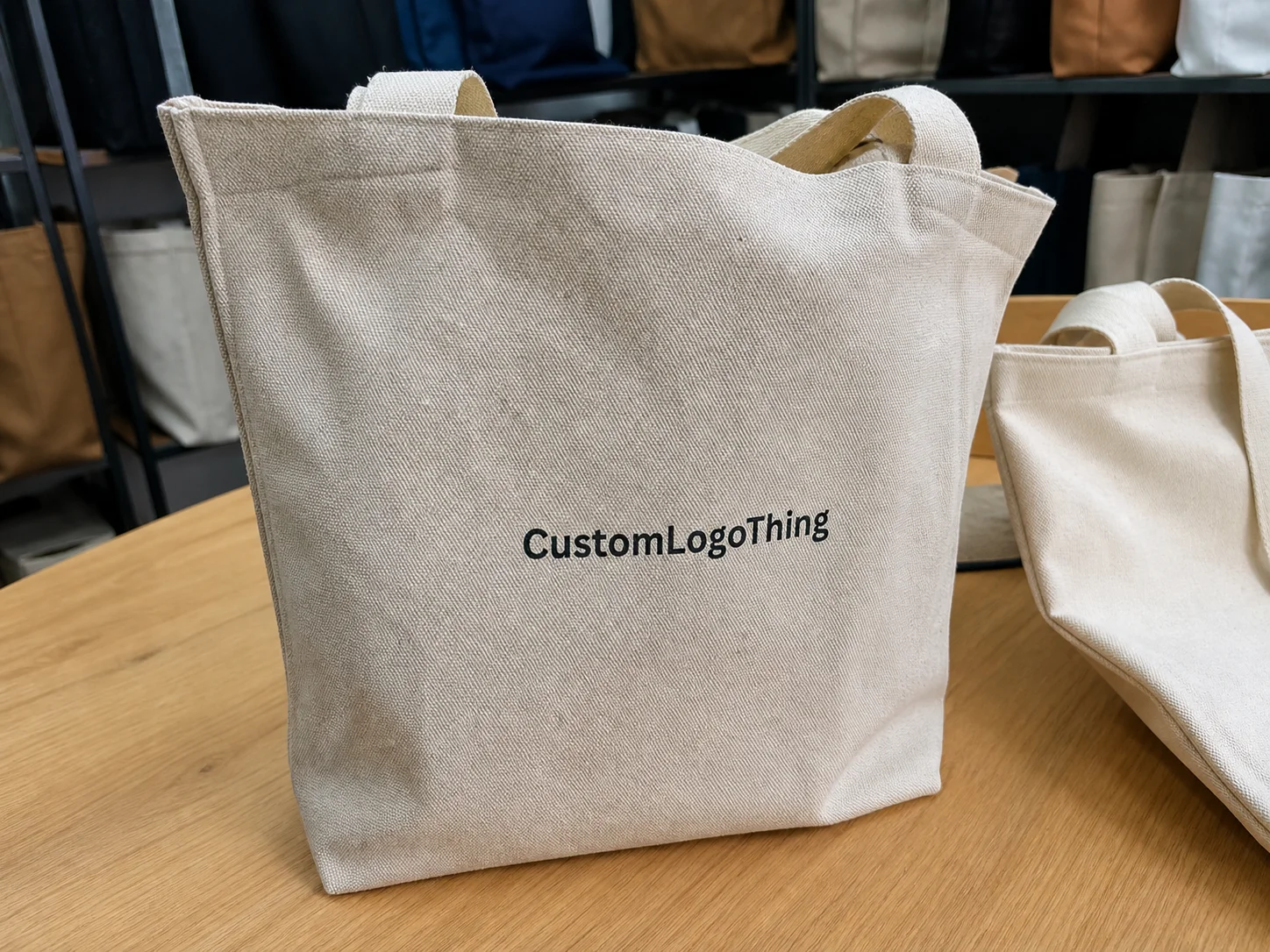
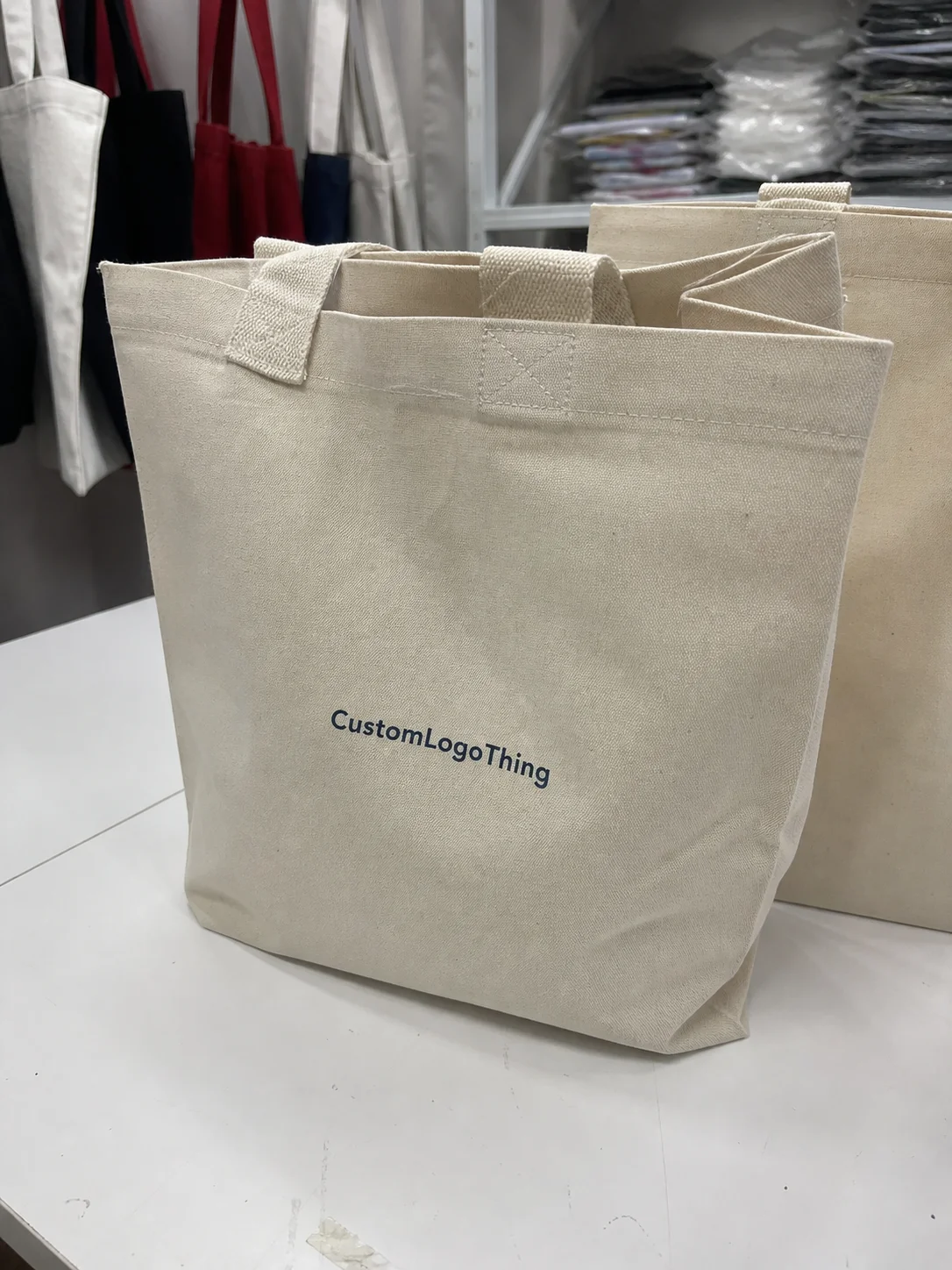
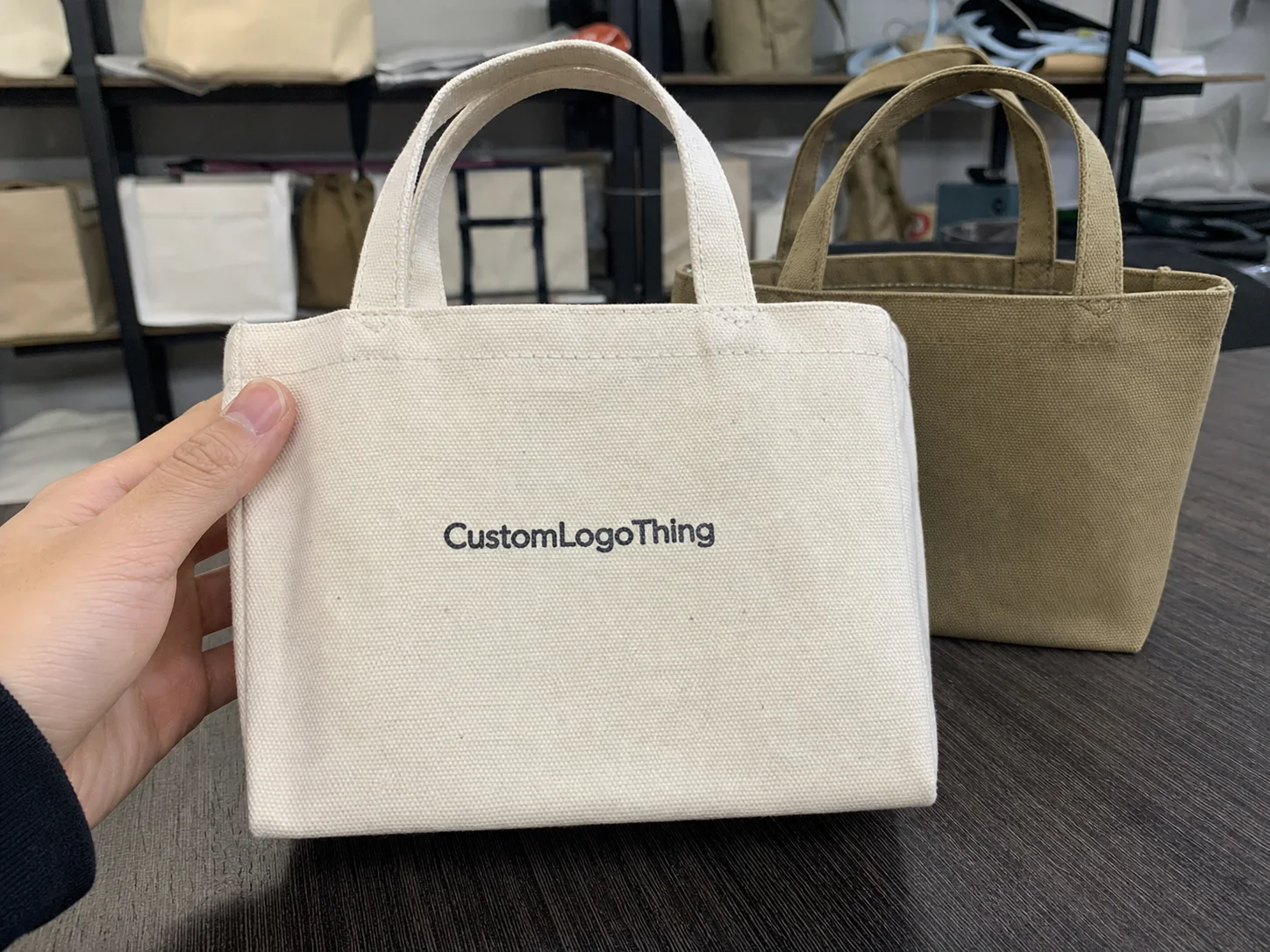
Screen Printed Tote Bags sit in a useful middle ground: part promo item, part packaging, part retail merchandise. A tote can carry a trade show handout, a product bundle, or a purchase from a shop counter, and then keep moving long after the original event is over. That repeated use is why brands still order them even though there are faster and flashier decoration methods available.
The process is uncomplicated in principle. Ink is pushed through a mesh stencil onto the fabric, one color at a time, and then cured so it bonds to the bag surface. The simplicity is not a limitation; it is the reason the method performs so well for bold logos, repeated orders, and larger quantities where consistency matters more than experimental effects.
For buyers, the real decision is usually not whether screen printing is old-fashioned. It is whether the artwork, bag material, order quantity, and timeline fit the strengths of the process. When those pieces line up, the result is usually clean, readable, and cost-effective.
Screen printed tote bags: what the process does and why it still wins
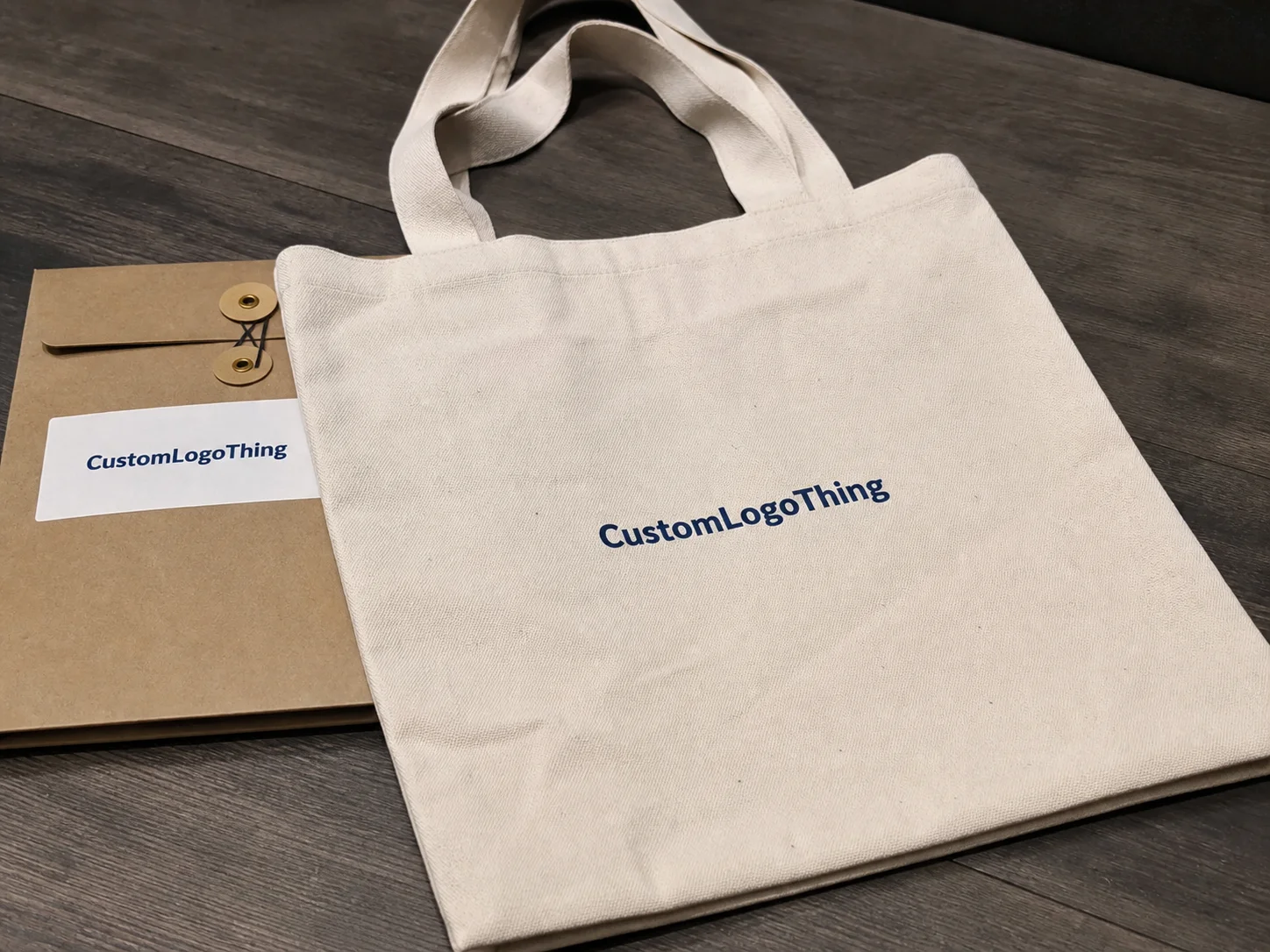
Think of a tote as a moving billboard with a practical job to do. If the bag gets reused, the impression keeps working. That is why screen printed tote bags continue to show up in retail merchandising, nonprofit campaigns, conference kits, employee welcome packs, and branded packaging add-ons. They make sense anywhere a simple message needs to travel without needing complicated decoration.
Screen printing works best when the design is built for distance and repetition. Solid logos, block typography, and high contrast read well on cotton canvas, heavy cotton, and many nonwoven promotional bags. The method lays down an opaque ink layer, which often gives better visibility on textured surfaces than a process that depends on tiny dots or soft gradients.
It does have limits. Fine gradients, photographic detail, and very small type can be compromised by mesh count, fabric weave, and ink flow. Digital printing and heat transfers can handle some of those cases, but they usually give up what screen printing does well: strong spot colors, predictable repeatability, and favorable economics once the order gets past the smallest run sizes.
The useful comparison is not “Which method is newest?” It is “Which method fits the art and the quantity?” For bulk giveaways and recurring branded programs, screen printing often wins because the setup cost is front-loaded and the per-unit cost improves as the run grows.
“A tote can be inexpensive to buy and expensive to get wrong. Weak registration, muddy ink, or a late shipment usually costs more than the print line itself.”
How the screen printing process turns artwork into finished bags
The path from artwork file to finished tote has more checkpoints than buyers always expect. It starts with artwork review, where the printer checks whether the file is vector-based, whether the line weights are thick enough, and whether the number of colors is practical for the bag and the budget. A clean .AI, .EPS, or press-ready PDF usually moves through this stage quickly. A low-resolution JPEG often slows it down because the art has to be rebuilt or cleaned up before production can begin.
After that comes color separation and screen creation. Each ink color needs its own screen, which is why one-color orders are usually simpler to quote and easier to run. Then the press is set for registration, meaning every layer has to land in the right place. On a tote with seams, gussets, or textured fabric, the operator has less margin for error than they would on a flat sheet of paper.
Ink selection also changes the result. Some inks sit softer on fabric. Others are thicker, more opaque, and better suited to dark bags. If the bag color is deep or saturated, the printer may use an underbase so the artwork remains visible. That extra step improves contrast, but it adds labor and can make the print feel heavier.
Material matters more than many first-time buyers realize. Cotton and canvas usually accept screen printing well. Recycled nonwoven bags can work very well for event use, but they handle heat and pressure differently. Some synthetic tote styles need tighter temperature control so the print does not gloss over, warp, or lose edge clarity.
Proofing is where a lot of avoidable mistakes are prevented. A proof should show size, placement, and color intent before the run begins. Buyers sometimes treat it like a formality. In practice, it is the last low-cost chance to catch a spacing issue, a typo, an off-center placement, or a logo that looked fine on a monitor but is too small once it is scaled to the bag.
Careful suppliers usually follow the same discipline each time: confirm the art, lock the approval, check measurements, run a first-piece inspection, and compare the sample against the approved proof before the full production batch continues. That process sounds procedural because it is, and that is usually a good thing.
Cost and pricing factors that change your unit cost
Pricing is where tote bag projects become easy to misunderstand. The biggest drivers are quantity, number of ink colors, print locations, bag material, bag size, and turnaround speed. A one-color front print on a standard cotton tote is a very different job from a three-color front-and-back print on a heavyweight canvas bag, even if the project title sounds similar in an email.
Setup fees are the part many buyers miss on first review. Screen creation, press prep, and registration work happen before the first tote is printed. On a small run, those fixed costs can make the unit price look high. On a larger order, the same setup gets distributed across more pieces and the per-bag price drops noticeably.
For rough planning, a one-color screen print on a standard cotton tote might land around $1.25-$2.75 per unit at 250-500 pieces, then move closer to $0.85-$1.60 at 2,500-5,000 pieces, before freight and rush charges. Two colors, a heavier bag, or a second print location can push those numbers up. Setup fees often fall around $35-$100 per color, although that varies by supplier, bag style, and artwork complexity.
| Bag option | Typical use | Relative cost | Why it costs that way |
|---|---|---|---|
| Light cotton tote, one color | Giveaways, events, simple merch | Lowest | Fast setup, low ink coverage, easy press handling |
| Heavy canvas tote, one or two colors | Retail, premium gift bundles | Mid to high | Blank cost is higher and the fabric may need tighter registration |
| Nonwoven promo tote, one color | Conferences, campaigns, mass handouts | Low to mid | Budget-friendly blank cost, though surface texture can affect clarity |
| Specialty tote with multiple print locations | Retail or branded packaging programs | Highest | More screens, more alignment work, and more inspection time |
Minimum order quantities exist because the setup work is real. Many suppliers land somewhere between 50 and 200 pieces depending on the bag style and the number of colors. If a quote seems unusually low for a tiny run, the missing cost often appears in setup, art adjustments, or freight.
When comparing suppliers, ask what is actually included. Does the quote cover artwork cleanup, digital proofing, inland freight, individual polybagging, or a reprint policy if the run misses the approved spec? A quote that looks higher can still be cheaper once those items are made visible.
Production steps, timeline, and lead time from proof to shipment
Lead time is usually manageable if the order is prepared properly. The sequence typically runs from inquiry and file review to digital proof, approval, production scheduling, printing, curing, packing, and shipment. Each step sounds small. Together, they decide whether the totes arrive before the event or after it has passed.
Simple runs often take around 10-15 business days from proof approval to shipment. More complex jobs, especially multi-color or multi-location orders, can stretch into 2-3 weeks. Rush orders may be possible, but they usually narrow material choices, reduce scheduling flexibility, or increase the price.
Delays usually come from the same places. Unfinished artwork slows proofing. Slow approvals hold the queue. Out-of-stock bag colors force substitutions. Extra color-matching requests add back-and-forth. None of those problems sounds dramatic by itself, but together they can consume several days very quickly once a hard deadline is in place.
If the totes are tied to a launch, store opening, or event handout, build buffer time into the plan. Work backward from the date the bags are needed, not forward from the date the idea was approved. Shipping variability alone can erase a perfectly executed print schedule.
For programs that are sensitive to transit conditions, it can help to think beyond print quality alone. Organizations such as ISTA focus on packaging performance in transit, while FSC becomes relevant if the project includes paper inserts, hang tags, or other packaging components with sourcing claims. Those standards do not replace print inspection, but they help teams evaluate the whole order more realistically.
How to choose the right tote bag specs for better print results
Bag selection shapes print quality more than many buyers expect. Canvas weight, gusset depth, handle length, seam placement, and surface finish all affect how the final print looks. A 10 oz cotton tote with a structured gusset behaves differently from a thin promotional bag that will probably be folded after a single event.
Lighter-colored bags usually give better ink visibility and more predictable color matching. Dark bags can look stronger visually, but they may need an underbase or heavier ink coverage to keep the logo from disappearing into the background. If the brand color is precise, ask for a Pantone reference and a proof that shows the ink color against the chosen fabric color.
Placement matters as well. Front-only printing is usually the least expensive and often the cleanest visually. Front-and-back printing creates more brand surface area, but it adds screen setup and registration work. Side-panel prints can be effective for retail or premium programs, although crowded artwork is less forgiving there.
If the tote is going into a retail environment, durability becomes more than a nice extra. Buyers often want reusable bags that hold shape, feel substantial in the hand, and support a higher perceived value at checkout. In that case, a heavier canvas bag can justify its higher blank cost, especially when the imprint is simple and well placed.
There is also a sustainability angle, but it should be handled carefully. A reusable bag is not automatically a low-impact product. The real question is whether the bag will be reused enough to offset its material footprint. If your claim depends on recycled content, organic cotton, or certified sourcing, ask the supplier for documentation before the copy is finalized.
For many brands, the best spec is practical rather than flashy: a tote that feels sturdy, prints cleanly, and fits the actual use case. A trade show handout does not need the same construction as a retail gift bag, and an employee welcome kit should not be treated like a bulk charity giveaway.
Common ordering mistakes that create waste or weak prints
The first mistake is low-resolution artwork. A logo that looks crisp on a laptop can blur when it is enlarged for a tote. Vector files avoid that problem and also make color separation faster. If the brand file is trapped in a presentation deck or exported as a small PNG, the printer has to spend more time on cleanup before production starts.
Skipping proof review is another frequent error. Buyers sometimes assume the printer will interpret the art correctly without much input. That assumption falls apart when the logo sits too close to a seam, the print size is off by an inch, or the typography is too thin to survive on a textured bag. Proofs exist to catch those issues before ink touches fabric.
Color mismatch is a close third. Fabric absorbs and reflects light differently from a screen, and digital previews are not fabric swatches. If the order depends on strict brand color matching, ask for a physical sample or a clearly defined Pantone target. Otherwise, the gap between expectation and reality may be subtle in a spreadsheet and obvious on the production floor.
Choosing the wrong material can also flatten the design. A soft ink layer on a rough surface may lose edge clarity. Too much heat on the wrong synthetic tote can distort the bag. In both cases, the print technically exists, but the perceived quality drops.
Finally, people underestimate quantity. Ordering 150 bags for a 300-person event sounds cautious until a second run needs to be quoted from scratch with its own setup fees. If the bags will be used steadily over a season, the larger first order is often the better value.
Practical rule: a weak print usually starts as a bad file, a rushed proof, or the wrong bag spec. The press simply exposes the mistake.
Expert tips for cleaner prints, smarter budgeting, and stronger branding
Simplify the artwork. That sounds basic, but it is still the most reliable way to improve print quality and control cost. Bold shapes, limited color palettes, and generous negative space usually print cleaner and read from farther away. A logo that works well on a tote is not always the same file that looks best on a website banner.
If the design is new, test one or two variations before placing a large order. A slightly larger mark, a heavier font, or a simpler lockup can improve visibility without changing the brand identity. That matters on screen printed tote bags because the bag surface is not a flat digital canvas. It has weave, seams, stretch, and movement.
Ask what ink type and curing method the supplier uses. If the tote will be handled often or sold through retail, abrasion resistance matters. If the bags need to travel in cartons, ask whether the pack-out method protects the print from scuffing in transit. Those details are not glamorous, but they affect how the product lands with the end user.
Compare quotes only when the specs match exactly. A quote for a 6 oz cotton tote is not equivalent to one for a heavier canvas bag, even if the imprint size looks similar on paper. Use the same quantity, the same blank style, the same print locations, and the same delivery terms so the comparison means something.
For inventory planning, seasonality matters. Tote demand often spikes around launches, fairs, and holiday programs. Reordering before the rush is usually cheaper than explaining why a campaign is waiting on a delayed production slot. Screen printed tote bags can seem simple from the outside, but the order gets more delicate once a deadline turns every detail into a scheduling issue.
If the program includes inserts, hang tags, or outer cartons, ask whether FSC-certified materials are available. That does not make the entire order sustainable by default, but it does make the sourcing story easier to support. Packaging claims should always be documentable, not just attractive.
Next steps for ordering screen printed tote bags with confidence
The cleanest way to order screen printed tote bags is to work backward from the date they are needed. Finalize the artwork, choose the bag material and color, confirm the print locations, request a proof, and verify the shipment date before the first screen is made. That order reduces avoidable revisions.
Before asking for a quote, gather the quantity, bag dimensions, ink colors, target budget, delivery address, and the date the bags need to arrive. If the campaign is time-sensitive, include the event date and ask for standard and rush options side by side. That makes the tradeoff visible instead of guessed.
If the design has not been tested on a real bag, a sample or a small trial run is a smart move. It is much cheaper to discover that a logo needs more contrast on 100 bags than on 2,000. The same is true if the audience, material, or use case is new. A short test can reveal whether the bag feels premium, promotional, or somewhere in between.
The best results usually come from clear specs, honest proof review, and a quote comparison built on identical inputs. Screen printed tote bags perform well because the method is dependable, the print is legible, and the economics improve once the order scale makes sense.
Choose the Right bag, lock the artwork, and build the timeline around reality instead of hope. That is how the finished product ends up looking like a polished brand asset rather than a rushed afterthought.
FAQ
Are screen printed tote bags better than digital prints for bulk orders?
Often, yes. For many bulk orders, screen printed tote bags are more economical because the setup cost is spread across more units. They also tend to produce stronger spot colors and more consistent branding on repeated runs. Digital printing can still be the better choice for small quantities, complex graphics, or artwork with photo-like detail.
What is the typical MOQ for screen printed tote bags?
MOQ varies by supplier, bag style, and number of colors. In screen printing, the minimum exists because screen creation and press setup take time. Single-color orders often have lower minimums than multi-color projects. Ask whether the minimum changes if you choose a standard bag color or a rush schedule.
How long does the turnaround usually take for custom tote bag printing?
Lead time depends on proof approval, stock availability, print complexity, and shipping distance. Simple runs can move faster than multi-color or multi-location jobs. A tight deadline often requires rush production, which may narrow material options or increase cost.
What kind of artwork works best on screen printed tote bags?
Vector artwork with clean edges and strong contrast usually prints best. Bold logos, simple typography, and limited color palettes are ideal. Fine lines, gradients, and tiny text can lose clarity, especially on textured bag surfaces.
How can I reduce the price of a tote bag screen printing order?
Keep the design to one color when possible. Choose a standard bag style and color instead of specialty materials. Increase quantity if you know you will use the bags, because unit cost usually drops as volume rises.