Buyer Fit Snapshot
| Best fit | Shipping Boxes for Ecommerce projects where brand print, material claims, artwork control, MOQ, and repeat-order consistency need to be specified before quoting. |
|---|---|
| Quote inputs | Share finished size, material target, print colors, finish, packing count, annual reorder estimate, ship-to region, and any compliance wording. |
| Proofing check | Approve dieline scale, logo placement, barcode or warning zones, color tolerance, closure strength, and carton packing before bulk production. |
| Main risk | Vague material claims, crowded artwork, missing packing details, or unclear freight terms can make a low unit price expensive after revisions. |
Fast answer: Shipping Boxes for Ecommerce: Choose the Right Fit should be specified like a repeatable production item. The safest quote records material, print method, finish, artwork proof, packing count, and reorder notes in one written spec.
Production checks before approval
Compare the actual filled-product size with the drawing, then confirm tolerance on folds, seals, hang holes, label areas, and retail display edges. Reserve space for logos, QR codes, warning copy, and material claims before decorative graphics fill the panel.
Quote comparison points
Review material grade, print process, finish, sampling route, tooling charges, carton quantity, and freight assumptions side by side. A quote is only useful when the supplier can repeat the same color, closure quality, and packing count on the next order.
I’ve watched shipping boxes for ecommerce save a brand’s margins and, just as often, quietly wreck them because someone was off by half an inch on the inside length. On a corrugator floor I visited in Columbus, Ohio, a fulfillment manager showed me a carton that cost only $0.21 each, but the wrong size pushed his parcel bill up by nearly $1.40 per order once void fill, dimensional weight, and damage claims were counted together. That’s the part many teams miss: shipping boxes for ecommerce are not just containers, they are a cost-control tool, a protection system, and the first real brand touchpoint after checkout.
If you’ve ever packed orders where a product rattled in a box, or had a customer email you a photo of a dented lip gloss set, you already know how unforgiving ecommerce shipping can be. The right shipping boxes for ecommerce work through the whole chain: packing table, carrier sortation, trailer stacking, final-mile tosses, and that last five feet onto a porch or doorstep. I’ve seen brands spend $8,000 on inserts and then undermine everything with a carton that was two inches too generous in every direction. Honestly, that is one of the most expensive little mistakes in order fulfillment.
What you’ll get here is practical: how shipping boxes for ecommerce are built, why they behave differently from retail packaging, what drives pricing, and how to Choose the Right structure without overbuying inventory. If you need packaging support beyond cartons, you can also browse Custom Packaging Products, compare Custom Shipping Boxes, or coordinate outer packs with Custom Poly Mailers for lighter SKUs. I’ll keep this grounded in real factory-floor details, because that’s where the answers usually live.
Shipping Boxes for Ecommerce: What They Are and Why They Matter
At a corrugated plant outside Dallas, I once watched a packing team switch from a box that was 12 x 10 x 6 inches inside to one that was 11.25 x 9.75 x 5.75 inches inside. Same product, same ship method, same team. Their damage rate dropped, but the surprise was the freight savings: the smaller carton cut void fill by about 35%, and the carrier stopped rating a large share of the orders at the next dimensional weight tier. That’s why shipping boxes for ecommerce matter so much. A small sizing mistake can multiply into higher shipping charges, more filler, slower pack times, and more claims.
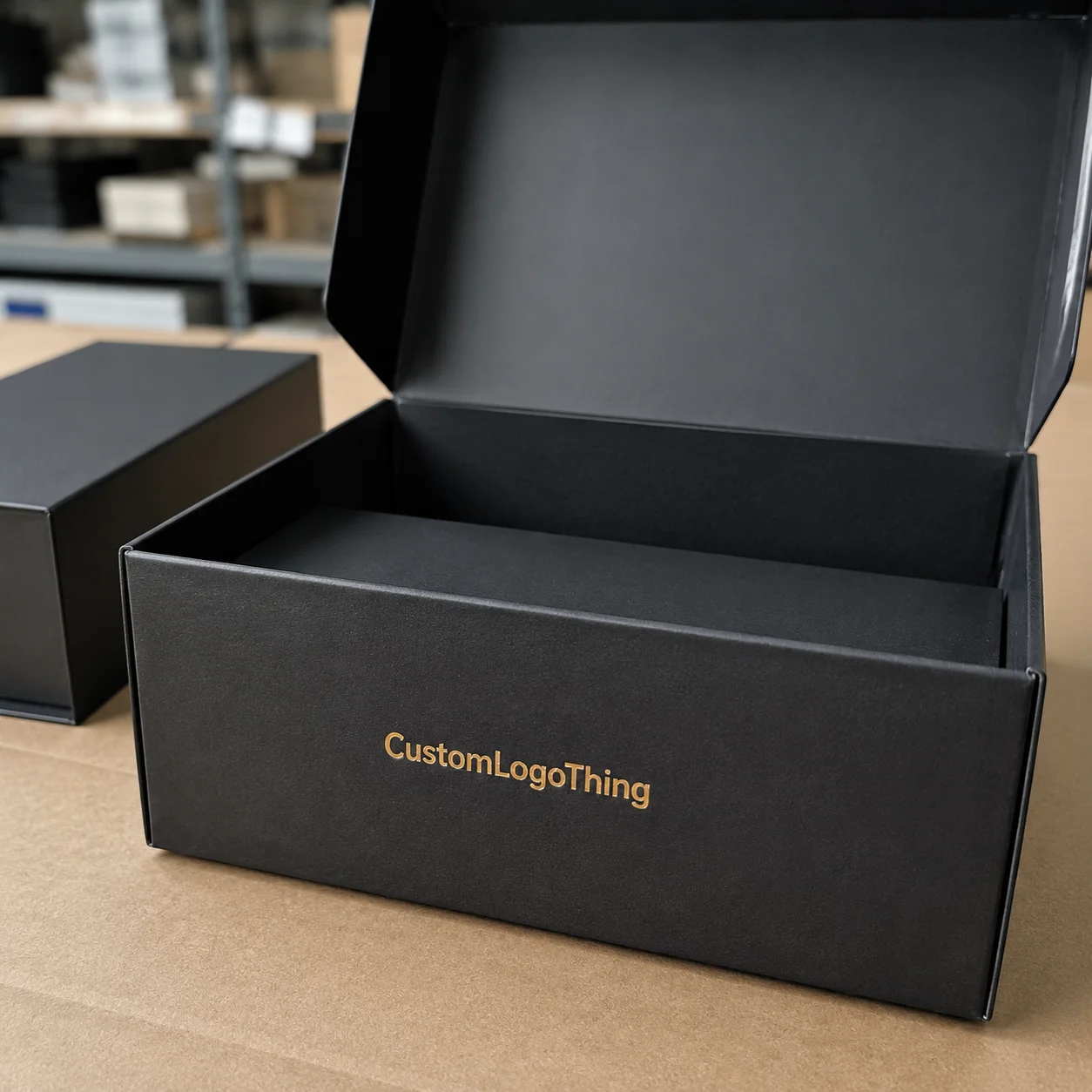
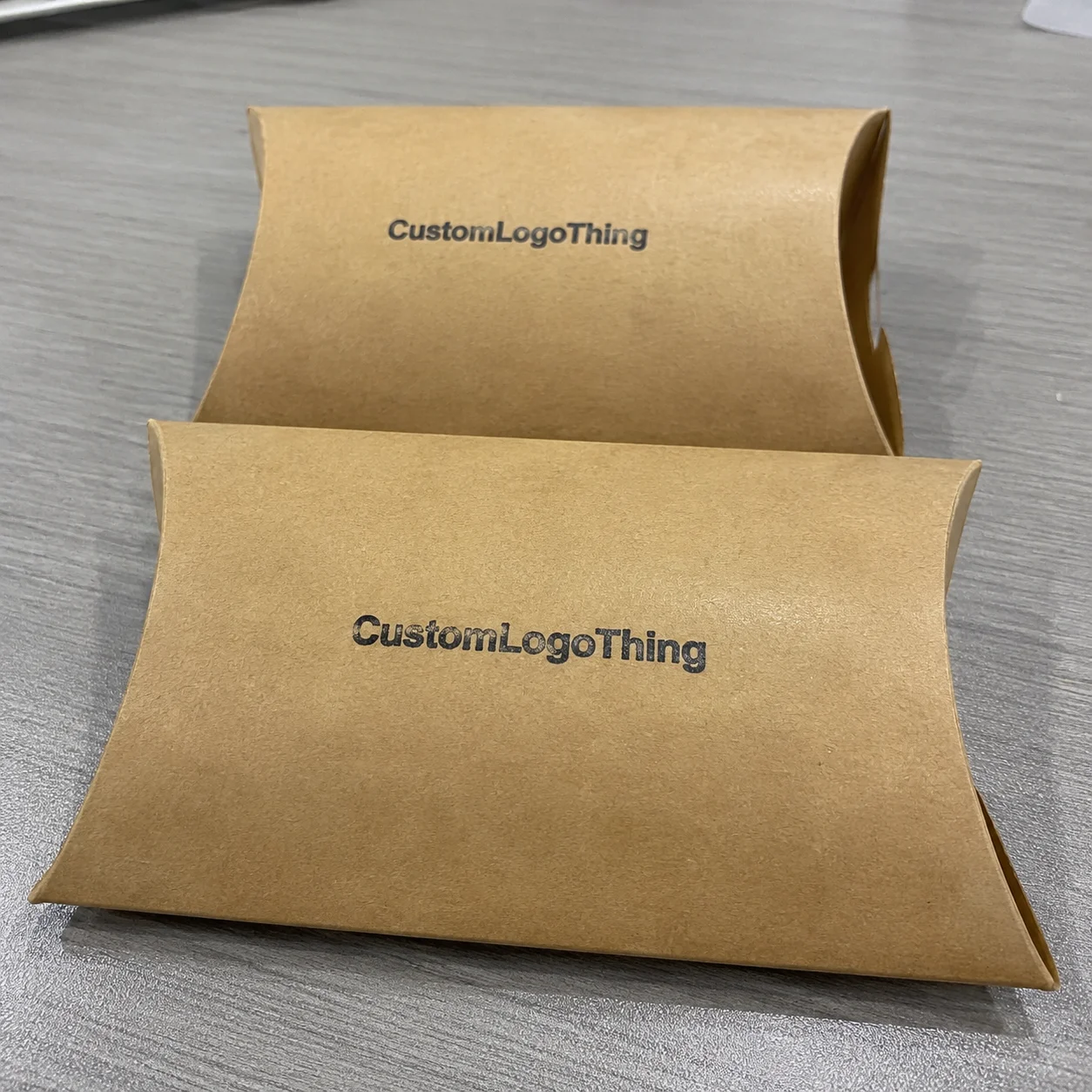
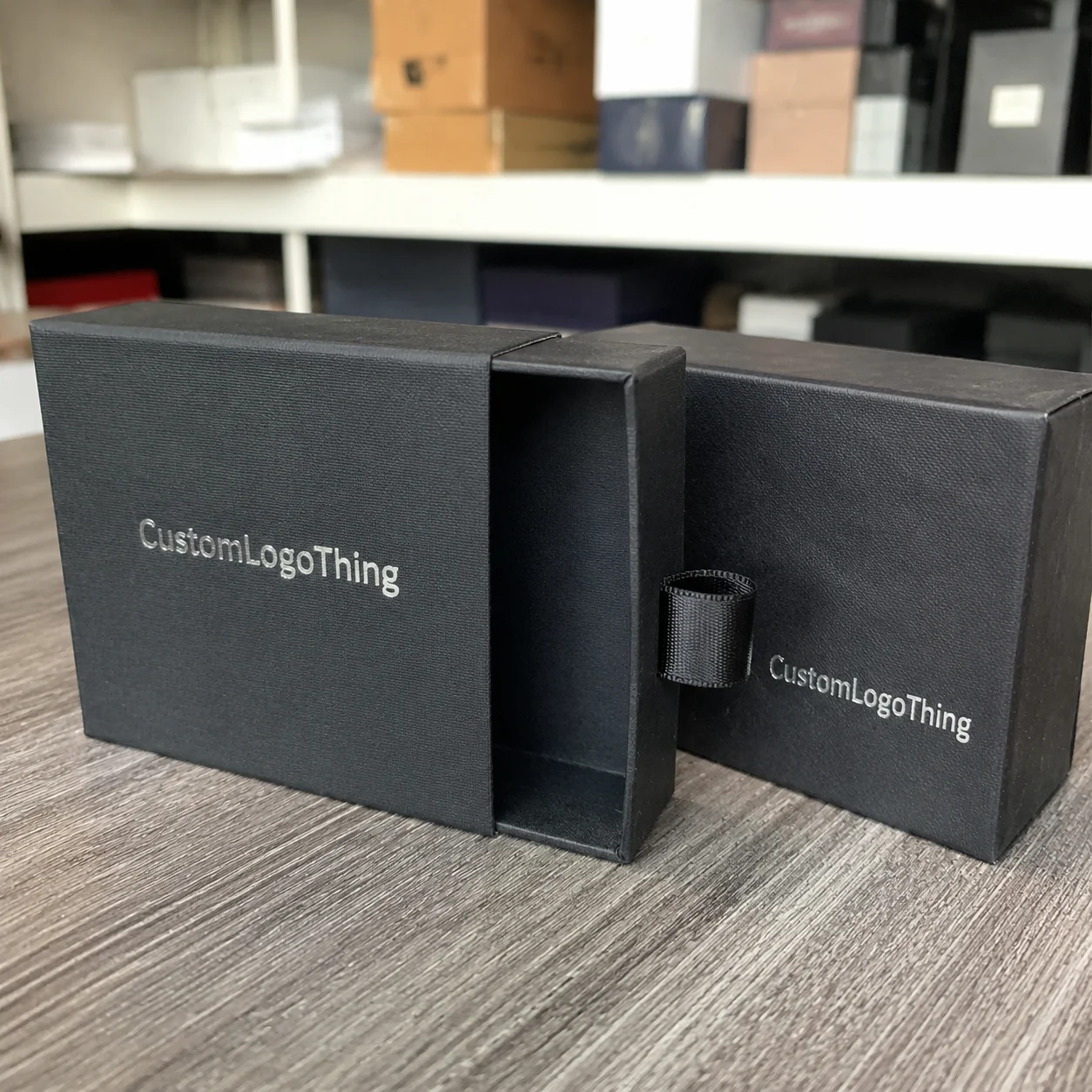
In practical terms, shipping boxes for ecommerce can mean corrugated mailers, folding cartons, RSCs, die-cut boxes, and mailer-style boxes that are designed to move products safely through parcel networks. A folding carton might be fine for a cosmetic serum inside a secondary shipper, while an RSC can handle heavier subscription kits or bundled home goods. Die-cut mailers are popular for apparel and small gifts because they assemble quickly and present well. The exact format depends on product weight, fragility, and how much protection the inside package already has. A 350gsm C1S artboard sleeve, for example, may be perfect for a prestige beauty set, while a 32 ECT single-wall corrugated mailer is a better fit for books or T-shirts shipping from a warehouse in Atlanta or Phoenix.
Retail packaging and ecommerce packaging are not the same job. Retail packaging is often about shelf impact, hand carry, and visual selling power under store lighting. shipping boxes for ecommerce have to survive automated sortation, conveyor drops, trailer stacking, and rough handling without a cashier or store fixture to help them out. They are transit packaging first, marketing second. If a box must travel through regional hubs in Memphis, Indianapolis, and Dallas-Fort Worth, it had better be built for compression, vibration, and corner impact, not just a pretty photo on the outside. I’ve seen a clean-looking carton from a Shenzhen supplier pass a shelf mockup and fail in a FedEx lane test before it even left the sample room.
There are really three jobs a good carton must do. First, it must protect the product. Second, it must control freight and fulfillment cost, including dimensional weight, taping, and void fill. Third, it must present the brand well on arrival, because the unboxing moment can either reinforce trust or make the whole order feel cheap. That is the quiet power of shipping boxes for ecommerce: they influence damage rates, labor efficiency, and brand perception in one object. A $0.27 carton that eliminates a $4.80 replacement and a 12-minute customer service call is not expensive. It’s cheap.
For teams just getting into custom packaging, a useful starting point is to think of shipping boxes for ecommerce as part of a system rather than a standalone item. The outer carton, internal protection, label placement, and closure method all work together. If the box is weak, the insert won’t save it. If the box is oversized, the insert becomes a band-aid on a sizing problem. That systems view is where good packaging departments start saving real money, especially once order volumes hit 3,000 to 10,000 units a month.
“We thought the box was fine because it passed a basic squeeze test,” a fulfillment manager told me at a Midwest co-packing site in Grand Rapids, Michigan. “Then we ran it through parcel lanes with heavier SKUs and found the corners were failing after only two transfers. The actual network told us the truth.”
How Shipping Boxes for Ecommerce Work in the Supply Chain
The flow is simple on paper and messy in practice. A picker brings the product to the packing table, the operator inserts the item, adds void fill if needed, seals the carton with tape or a lock-tab design, applies the shipping label, and sends it into sortation. After that, the box rides conveyors, belts, chutes, vans, and sometimes a trailer that feels like a steel drum in summer heat. Well-designed shipping boxes for ecommerce keep their shape through every step, which is why the geometry of the carton matters just as much as the artwork. A box built with a 24 ECT board might be fine for a lightweight candle set, but a 32 ECT or 44 ECT spec is far safer for heavier parcels moving through a hub in Nashville or Kansas City.
Corrugated board does most of the heavy lifting. It’s built from linerboard and a fluted medium sandwiched together, and those flute profiles help absorb shock while adding compression resistance. A typical single-wall carton might use B-flute, C-flute, E-flute, or a combination like BC flute for stronger performance. The shipping boxes for ecommerce that move safely through parcel systems often rely on edge crush strength, burst strength, and stacking performance rather than thickness alone. I’ve seen people assume “thicker means better,” but that’s not always true; a well-engineered B-flute can outperform a sloppy heavier board if the structure and fit are right. For a 5 lb skincare kit, a 44 ECT single-wall box can be enough; for a 20 lb bundled home goods set, a double-wall box with BC flute is usually the safer play.
A snug fit reduces movement, which usually means fewer scuffed surfaces and less internal product shifting. An overbuilt carton can protect against compression, but it often creates empty space that must be filled, and empty space costs money. That cost shows up in two places: materials and carrier charges. In ecommerce shipping, the oversized box can trigger dimensional weight pricing even when the actual product is light, which is why shipping boxes for ecommerce need to be designed to the item, not to whatever box happens to be on hand. A 14 x 10 x 8 inch carton may look harmless until the carrier bills it as a 7 lb package because the dimensional divisor says so.
Real-world handling is harsher than most spec sheets suggest. Humidity can soften board strength; vibration can walk products out of position; drops from 24 to 30 inches can open weak seams; and forklifts can compress cartons in warehouse staging if pallet loads are stacked too high. In a Chicago-area distribution center near Joliet, I once saw a pallet of subscription boxes crushed because the top layer sat under a stretch-wrapped load of bottled goods for four hours. The cartons looked fine when they left the line, but transit packaging is judged by the worst part of the journey, not the best. A carton that survives a clean sample drop in a Shenzhen lab may still fail after two hours in a humid Atlanta trailer in July.
The logistics payoff for good design is very measurable. Better shipping boxes for ecommerce reduce damage claims, repacks, and customer service calls. They also reduce labor at the line because operators spend less time wrestling with oversized cartons or stuffing excess paper. If you’re moving high volume, even 4 or 5 seconds saved per pack-out can become a big annual labor number. At 50,000 orders a month, shaving 5 seconds per order saves about 69 packing hours monthly. That is why experienced fulfillment teams care so much about box performance.
For standards and testing, the industry doesn’t guess. Many brands reference ASTM methods and ISTA transit testing to evaluate how packaging behaves under drop, compression, and vibration. The International Safe Transit Association outlines test procedures used across parcel and distribution environments: ISTA testing resources. If your goods are fragile, this is not paperwork theater; it is how you find weak points before a customer does. A 6-drop test, a vibration profile, and a compression test can tell you more than a stack of opinions from three different sales reps.
Key Factors That Affect Shipping Boxes for Ecommerce
Size is the first lever, and it is the one most teams underestimate. Measure the product at its widest, tallest, and longest points, then add the actual protection material you plan to use, not a guess. If your item needs 0.25 inches of foam on each side or a 1-inch honeycomb insert, include that in the math. With shipping boxes for ecommerce, a quarter inch can influence fit, closure quality, and the carrier’s dimensional formula. A box that is just slightly too large can cost more over thousands of shipments than the price difference between stock and custom. I’ve seen a brand in San Diego lose $18,000 a year because the carton was 0.75 inches too wide for a high-volume SKU.
Material choice matters next. Single-wall corrugated is usually the workhorse for lighter ecommerce shipping, while double-wall makes sense for heavier goods, longer transit zones, or stacked pallets in a warehouse. Kraft liners hide scuffs well and are often favored for shipping durability, while white liners can improve print clarity for premium branding. Specialty coatings can help with moisture resistance or scuff performance, but I only recommend them when the shipping lane really calls for it. Not every carton needs to feel like a specialty snowflake. A 32 ECT kraft box from a supplier in Guangdong might be plenty for apparel, while a 44 ECT white-lined carton produced in Mexico can make more sense for premium skincare shipped to retail customers.
Product fragility changes everything. Glass fragrance bottles, ceramic kitchen items, premium electronics, and skincare kits all need different package protection strategies. Apparel can often travel in lighter shipping boxes for ecommerce or even poly mailers, but a subscription box with mixed SKUs may need dividers, inserts, or a better closure system to keep pieces from migrating. Cosmetics often need tighter tolerances and better surface presentation, while electronics may need anti-static protection or a more rigid outer. One size never fits all, even when buying volume is tempting. A 10 oz bottle of serum with a 1.2 mm glass wall needs a very different shipper than a knit scarf that only weighs 4 ounces.
Brand presentation is not fluff. A sharp print match, a clean inside print message, and consistent color control can make an ecommerce order feel intentional instead of generic. I’ve sat in supplier meetings where a brand owner argued for a slightly more expensive white-lined box because the unboxing moment was part of their retention strategy, and honestly, they were right. When the box arrives with a crisp logo and no crushed corners, customers read that as care. Shipping boxes for ecommerce can quietly build trust before the customer even opens the flap. A 2-color flexo print in Pantone 185C or a simple black ink logo on a 350gsm C1S artboard mailer can do more for perceived value than another $5 in filler product.
Cost needs to be viewed in layers. There is the unit price, yes, but also tooling or die cost, freight to your facility, inventory carrying cost, and the labor spent packing it. A $0.18 box can become a poor buy if it forces 18 seconds of extra assembly or increases damage returns. Higher volumes usually lower the per-box price because setup and plate or dieline costs get spread across more units. That is why shipping boxes for ecommerce are best compared on total landed and operating cost, not just the quote on the page. For example, a 5,000-piece run of a custom RSC in Ohio might land at $0.15 per unit, while a 1,000-piece order for the same structure could be $0.24 to $0.29 depending on the die and print coverage.
Compliance and sustainability are now part of the box conversation too. Many brands want curbside recyclability, and corrugated board is well positioned for that. The Environmental Protection Agency maintains useful general information on materials recovery and waste reduction: EPA recycling resources. FSC certification can also matter if your brand wants traceable fiber sourcing; see FSC. For some retailers and marketplaces, package dimensions, labeling, and recycled content claims may also affect approval or customer perception. It depends on your channel, but sustainability and performance now travel together. A carton made in Jiangsu, China, with FSC-certified linerboard can check both the compliance box and the customer trust box.
| Option | Typical Use | Approx. Unit Cost | Strength / Fit Notes |
|---|---|---|---|
| Stock RSC corrugated box | General ecommerce shipping, mixed SKUs | $0.28–$0.65 at 5,000 pcs | Good basic protection; less branding control |
| Custom die-cut mailer box | Apparel, beauty, subscription kits | $0.42–$1.10 at 5,000 pcs | Fast assembly, better presentation, precise fit |
| Double-wall shipping carton | Heavy, fragile, or long-zone shipments | $0.78–$2.20 at 3,000 pcs | Higher compression resistance; more material cost |
| Printed corrugated mailer | Brand-forward direct-to-consumer orders | $0.55–$1.40 at 5,000 pcs | Strong visual impact; best when size is standardized |
Shipping Boxes for Ecommerce Pricing and Timeline: What to Expect
Pricing for shipping boxes for ecommerce starts with board grade and box style, then moves into print coverage, coatings, finishing, and order quantity. A plain kraft carton with no print will usually be cheaper than a fully printed die-cut mailer with internal branding and a matte varnish. If you add specialty finishes like soft-touch lamination or high-coverage reverse print, the price rises because the print line needs more steps and more control. In one supplier negotiation I sat through in Dongguan, the price difference between a plain shipped brown box and a two-color printed mailer was only $0.19 per unit at 5,000 units, but that extra 19 cents created a much stronger customer impression.
Small runs almost always carry a higher unit cost. That is just the economics of setup, plates, die cutting, and material waste during make-ready. A run of 1,000 boxes may look attractive for cash flow, but the per-box price can be 20% to 45% higher than a 5,000-piece order once setup is absorbed. Larger volumes bring the cost down, though you have to balance that against storage space and cash tied up in inventory. Shipping boxes for ecommerce reward disciplined forecasting because running out of a box is not like running out of office pens; it can stop orders on the line. If a brand in Brooklyn misses a container delivery by 10 days, the box shortage can hit revenue before the finance team even notices the invoice.
Lead times generally include discovery, structural design, prototype, approval, production, packing, and freight transit. A simple structural carton might move from approved dieline to delivery in 12 to 15 business days, while a heavily printed custom order with special coatings may need 20 to 30 business days depending on the plant schedule and board availability. Artwork revisions add time. Proof approval adds time. Tooling changes add time. If your brand launches a product next month and needs shipping boxes for ecommerce, the packaging team should already be at work, not just collecting quotes. I’ve had projects in Los Angeles go from green light to pallet-ready cartons in 14 business days only because the artwork was approved on the first digital proof.
Mill availability can shift the schedule too. Corrugated board is a high-volume industrial material, and a board grade that looks easy to source on paper may be tight during peak periods. Freight adds another layer, especially if cartons ship from a plant in the Midwest to a fulfillment center on the West Coast. I’ve seen a simple reorder turn into a two-week headache because the board caliper changed slightly and the plant had to rerun cut samples. Small manufacturing details can affect the calendar more than people expect. A 0.5 mm caliper shift sounds tiny; on a die-cut box made in Monterrey, it can change the lock-tab fit enough to trigger a new sample cycle.
Here is the rule I give clients: plan inventory with enough cushion to survive a demand spike, but not so much that cartons sit in a humid warehouse for six months and lose strength. For many shipping boxes for ecommerce, a 6- to 10-week planning window is safer than trying to buy reactively. If your SKUs are steady, standardizing a few box families can reduce stock complexity and improve purchasing power. If your catalog is seasonal, build a launch calendar that includes packaging approval dates before the marketing team starts spending media dollars. A June launch with July 4 promo traffic and a missing carton is a very predictable mess.
Honestly, the best packaging plan is the one that treats boxes like production inputs, not afterthoughts. In the plants I’ve worked with, the teams that keep shipping moving are the ones with reorder points, approved alternates, and a clear definition of what “good enough” means for each SKU family. That discipline matters just as much for shipping boxes for ecommerce as it does for labels, tape, or inserts. A 2,000-box safety stock in a climate-controlled room in Nashville beats a last-minute rush order from a plant with a three-week backlog every single time.
Step-by-Step Guide to Choosing the Best Shipping Boxes for Ecommerce
Step 1: Audit the catalog. List every SKU by dimensions, weight, fragility, and shipping method. Separate products that travel alone from products that ship inside kits or bundles. This first pass often reveals that six SKUs can share two box sizes, which simplifies purchasing and reduces dead inventory. For shipping boxes for ecommerce, standardization is usually worth more than endless customization. A catalog of 48 SKUs can often be covered with three well-chosen cartons if the dimensions are mapped correctly.
Step 2: Measure the pack-out, not just the product. Include the actual shipping materials, inserts, tissue, bubble, molded pulp, or paper cushioning you plan to use. A product that measures 8 x 5 x 3 inches may need a box that is 9 x 6 x 4.5 inches once protection is added. I’ve seen teams buy cartons based on naked product dimensions, then discover they had no room for tape folds or label clearance. That kind of mistake creates delays at the packing station and often leads to rushed workarounds. A label that overlaps a seam by 0.25 inches can trigger scan issues at the carrier dock.
Step 3: Match the board to the lane. If the product ships locally in low-volume parcels, a single-wall box may be plenty. If it goes cross-country, rides through hot and humid zones, or stacks in a 7-foot-high warehouse bay, consider a stronger board structure. This is where edge crush and flute profile matter. A good corrugated supplier will explain how B-flute, C-flute, E-flute, and double-wall constructions behave for your specific shipping boxes for ecommerce program. For a Dallas-to-Boston lane in winter, I’d ask for a sturdier spec than I would for a regional parcel in Southern California.
Step 4: Decide on box style. Stock cartons are fast and inexpensive to source, especially if the dimensions are broad enough to cover a family of products. Custom Printed Boxes are worth it when brand presentation and fit matter. Mailer-style boxes are often the sweet spot for subscription kits and small direct-to-consumer orders because they assemble quickly and present cleanly. Die-cut solutions can also reduce tape use if the closure is built into the design. The right style depends on whether speed, branding, or package protection is the priority. A mailer made in Vietnam with a tuck-in lid can be a smart choice for a 3-piece candle set; a heavier 2-piece RSC from a supplier in Ohio might be better for a 12 lb accessory bundle.
Step 5: Prototype and test. Don’t approve a carton from a screen alone. Build samples, load them with the real product, and run them through drops, vibration, and compression checks. If you follow ISTA methods, you can compare results against known transit profiles instead of guessing. I’ve watched a brand save thousands by discovering during prototype testing that a bottle neck would snap only when the carton was tipped on a diagonal, not during a straight drop. Those failures are much cheaper in a test room than in a customer’s mailbox. A 10-minute rough handling session in the sample room is cheaper than replacing 400 broken units from a warehouse in Jersey City.
Step 6: Validate pack-out speed. A beautiful carton that takes 40 seconds to assemble is a labor problem. Watch the actual station and time the fold sequence, tape application, label placement, and void fill usage. If operators have to fight the box to close it, you will pay for that friction every single shift. For many companies, the best shipping boxes for ecommerce are the ones that shave 3 to 7 seconds off each pack-out while keeping product secure. At 20,000 monthly orders, a 5-second improvement saves about 28 labor hours.
Step 7: Lock in a reorder plan. Set minimums, reorder triggers, and approved alternates before inventory runs low. If a custom carton is critical to the product launch, keep a contingency size or backup artwork version ready. I’ve seen a small beauty brand miss two days of shipments because a box supplier was waiting on a revised proof approval while the fulfillment team had only 800 cartons left. Good planning avoids that kind of scramble. If the box ships from a plant in North Carolina to a warehouse in Nevada, build in freight time too, because trucks do not care about your launch calendar.
A quick comparison can help clarify the options for shipping boxes for ecommerce:
| Decision Point | Best For | Pros | Tradeoffs |
|---|---|---|---|
| Stock carton | Fast replenishment, broad SKU coverage | Lower setup cost, quick availability | Less precise fit, weaker brand presence |
| Custom printed mailer | Brand-heavy DTC orders | Better unboxing, tailored dimensions | Higher lead time and design requirements |
| Double-wall shipper | Fragile or heavy items | Stronger protection, better stacking | More material, higher cost |
| Die-cut box | Subscription kits, premium kits | Fast assembly, neat presentation | Needs tighter dimensional planning |
Common Mistakes When Buying Shipping Boxes for Ecommerce
The first mistake is buying a box that is too large. It feels harmless until you see how much void fill goes into each order and how often dimensional weight jumps a tier. Oversized shipping boxes for ecommerce can also slow the line because packers need extra paper, extra tape, and extra adjustments to stabilize the product. A box that is 1 inch larger in every dimension may not look like much on a spec sheet, but it can change the economics of the shipment in a very real way. For a monthly volume of 15,000 orders, that mistake can bleed thousands in carrier charges.
The second mistake is shopping only on unit price. A cheap carton that tears, crushes, or creates returns is not cheap at all. I’ve had clients show me purchase orders with a beautiful low number, then admit later that they were paying more in replacements, refunds, and service labor than they saved on cartons. Shipping boxes for ecommerce should be judged by total cost of ownership, including waste and customer experience. A $0.17 box that causes a $7.50 replacement on even 2% of shipments is a bad deal, period.
The third mistake is forcing one box size to handle every SKU. I understand the appeal; standardization simplifies purchasing. But when a fragrance bottle, a stack of notebooks, and a small kitchen gadget all share the same carton, something usually gives way. Either the fragile item needs extra protection, or the light item gets overpacked. The smarter move is to create a small box family that covers common ranges without trying to make one carton do everything. Three cartons with internal dimensions of 8 x 6 x 4, 10 x 8 x 6, and 14 x 10 x 8 can cover far more ground than a single oversized shipper.
The fourth mistake is ignoring the brand side of the package. You can have the strongest shipping boxes for ecommerce in your category and still miss an opportunity if the box looks generic on arrival. A plain brown carton is fine for some brands, but for premium goods the unboxing impression matters. If customers are posting their orders online, the box is part of your marketing. When the print is off-center, the flaps are mismatched, or the color varies from lot to lot, the package can feel less trustworthy. A box printed in Portland, Oregon, with consistent ink coverage and tight trim usually says “we care” better than a fancy website ever could.
The fifth mistake is skipping testing and trusting appearance. A box can look sturdy and still fail in parcel conditions. I’ve seen a “good-looking” carton collapse at the corners because the board spec was fine on paper but poor in actual production tolerances. Test the carton with the real product, the real packing materials, and the real closure method. If you can, run a few rough handling cycles before committing to volume. A 30-minute prototype session in a facility outside Chicago can save a 30,000-piece headache later.
Expert Tips for Better Ecommerce Shipping Boxes
Match box strength to the lane, not just the product. A shipment moving one state away in a controlled route is a different animal from a coast-to-coast parcel that changes hands multiple times. That means the same product may need different shipping boxes for ecommerce depending on the carrier service, season, or destination mix. I’ve seen a glass candle perform fine in a single-wall box for regional ground, then fail when the customer base expanded nationwide. Shipping lane matters. A candle headed from Austin to Houston is not the same risk profile as one going from Atlanta to Seattle in December.
Design for pack-out efficiency. If a carton closes with a simple tuck and a single tape strip, you save labor every time. If it requires double taping, repeated folding, or awkward inserts, those seconds stack up quickly. At high volume, even a 2-second improvement per order can matter a lot. That is why I like box styles that respect the operator’s hands, wrists, and pace. Good shipping boxes for ecommerce should help the team work better, not fight the process. A die-cut mailer with one locking flap can outperform a prettier but fiddlier design from a supplier in Taiwan.
Use branding where it actually supports the sale. Inside print, a short message, a QR code to setup instructions, or a thank-you note can all add value if they fit the customer journey. For some brands, a subtle interior message does more than heavy exterior graphics. The goal is to create a moment of care without overcomplicating the box. The best transit packaging is usually the one that feels thoughtful and efficient at the same time. A 1-color interior print on a 350gsm C1S artboard insert can be enough if the product itself is already premium.
Standardize box families across multiple products wherever possible. A good packaging engineer can often build two or three carton sizes that cover a wide range of products if the catalog is planned intelligently. That cuts inventory complexity, improves reorder forecasting, and reduces the chance of stockouts. It also makes training easier because packers learn fewer carton formats. For many ecommerce teams, that is one of the cleanest ways to improve their shipping boxes for ecommerce program. A New Jersey brand I worked with cut carton SKUs from 19 to 7 and saved enough storage space to add a second packing line.
Work from samples, not assumptions. CAD drawings are useful, but a sample with the real product tells you the truth faster. Watch how the product settles, whether the closure holds, and whether the label has a flat enough panel for scanning. I still remember a client who insisted their product would “fit fine” because the dieline looked perfect. The sample told a different story: the cap hit the panel crease, and the carton popped open under light compression. The drawing didn’t catch that. The mockup did. A sample made in 72 hours in Shenzhen saved them from a 10,000-unit mistake.
“Our best packaging decisions came after we stopped arguing theory and started packing real units,” a client in specialty beauty told me. “The sample box showed us exactly where the process was wasting time.”
What are the best shipping boxes for ecommerce products?
The best shipping boxes for ecommerce products are the ones sized to the item, matched to the shipping lane, and built for the actual amount of protection inside the pack-out. That usually means corrugated cartons for general parcel shipping, die-cut mailers for DTC presentation, and double-wall boxes for heavier or fragile goods. If the box is too loose, you pay for air. If it is too tight, you pay for damage. Charming tradeoff, right?
FAQ
What size shipping boxes for ecommerce should I choose?
Choose the smallest box that safely fits the product plus the protection you actually plan to use. If your insert adds 0.5 inches per side, build that into the internal dimensions rather than guessing. Test with the real shipping boxes for ecommerce, the real dunnage, and the real closure method so you don’t end up paying for unused air. For example, a product that measures 8 x 5 x 3 inches may work best in a 9 x 6 x 4.5 inch carton with 0.25 inches of cushioning on every side.
Are custom shipping boxes for ecommerce worth it?
They are worth it when fit, branding, damage reduction, or pack-out speed matters enough to justify the setup. I’ve seen custom cartons lower claims and reduce tape use enough to offset the extra design effort. Custom shipping boxes for ecommerce often make sense at scale, especially when your catalog has consistent dimensions. A 5,000-piece order with a $0.15 to $0.22 unit cost can outperform a cheap stock box once returns and labor are counted.
How do I reduce shipping costs with ecommerce boxes?
Right-size the carton, reduce void fill, and avoid dimensional weight penalties whenever possible. Standardizing a few box sizes can also simplify purchasing and packing labor. Good shipping boxes for ecommerce lower cost in more than one way: they save shipping materials, speed the line, and reduce returns. A 1-inch reduction in box depth can be the difference between a parcel rated at 3 lb and one billed at 5 lb on certain carrier services.
What is the best material for shipping boxes for ecommerce?
Corrugated board is the industry standard because it balances strength, cost, and recyclability. Single-wall works for many light and medium-weight goods, while double-wall is better for heavier or more fragile items. The best shipping boxes for ecommerce material depends on the product, the shipping lane, and the amount of package protection you need. A 32 ECT single-wall carton may work for apparel, while a BC flute double-wall box is usually better for glassware or hardware kits.
How long does it take to get custom shipping boxes for ecommerce?
Timing depends on design approvals, sampling, production scheduling, and freight. Simple structural cartons can move faster, while printed or specialty-finished boxes take longer. For many shipping boxes for ecommerce programs, planning ahead by several weeks is the safest approach, especially if launch dates are fixed. A typical timeline is 12 to 15 business days from proof approval for simple production, and 20 to 30 business days for more complex printed boxes with coatings or custom dies.
After working around corrugators, fulfillment centers, and packaging suppliers for more than two decades, I can say this plainly: the best shipping boxes for ecommerce are the ones that fit the product, fit the operation, and fit the brand without wasting space or money. If you get the size, board grade, and box style right, you protect the order, keep ecommerce shipping costs under control, and give the customer a better first impression. That is why shipping boxes for ecommerce deserve serious attention, because in a good operation they do far more than carry a product from point A to point B. A carton spec dialed in at 11.25 x 9.75 x 5.75 inches, produced in a facility in Ohio or Guangdong and approved in 12 to 15 business days, can do more for profitability than another round of discounting ever will. Start with the SKU that hurts most, measure the pack-out honestly, test the box with real shipments, and then lock the spec before the next reorder slips into panic mode.