Buyer Fit Snapshot
| Best fit | Shipping Boxes for Subscription Brands projects where brand print, material claims, artwork control, MOQ, and repeat-order consistency need to be specified before quoting. |
|---|---|
| Quote inputs | Share finished size, material target, print colors, finish, packing count, annual reorder estimate, ship-to region, and any compliance wording. |
| Proofing check | Approve dieline scale, logo placement, barcode or warning zones, color tolerance, closure strength, and carton packing before bulk production. |
| Main risk | Vague material claims, crowded artwork, missing packing details, or unclear freight terms can make a low unit price expensive after revisions. |
Fast answer: Shipping Boxes for Subscription Brands: Board, Finish, Dieline, and Unit Cost should be specified like a repeatable production item. The safest quote records material, print method, finish, artwork proof, packing count, and reorder notes in one written spec.
Production checks before approval
Compare the actual filled-product size with the drawing, then confirm tolerance on folds, seals, hang holes, label areas, and retail display edges. Reserve space for logos, QR codes, warning copy, and material claims before decorative graphics fill the panel.
Quote comparison points
Review material grade, print process, finish, sampling route, tooling charges, carton quantity, and freight assumptions side by side. A quote is only useful when the supplier can repeat the same color, closure quality, and packing count on the next order.
Shipping Boxes for Subscription Brands do more work than many teams give them credit for. They protect the product, shape the first physical impression, and influence a real portion of fulfillment cost. Pick the wrong structure and subscribers notice quickly. Pick the right one and the packaging recedes into the background, which is usually the best sign that it did its job.
That is the part that gets missed when packaging is treated like a sourcing checkbox instead of a business decision. A subscription box is not just a container. It is transit packaging, brand theater, labor tooling, and customer communication all at once. A strong product in a careless box can feel cheap. A modest product in a thoughtful box can feel considered and premium. Cardboard ends up carrying more brand meaning than it should, but that is the reality.
For most teams, the real question is not whether a box is needed. It is which shipping Boxes for Subscription brands will survive ecommerce shipping, keep dimensional weight under control, and still create a clean unboxing moment month after month.
Shipping boxes for subscription brands: why the box matters first
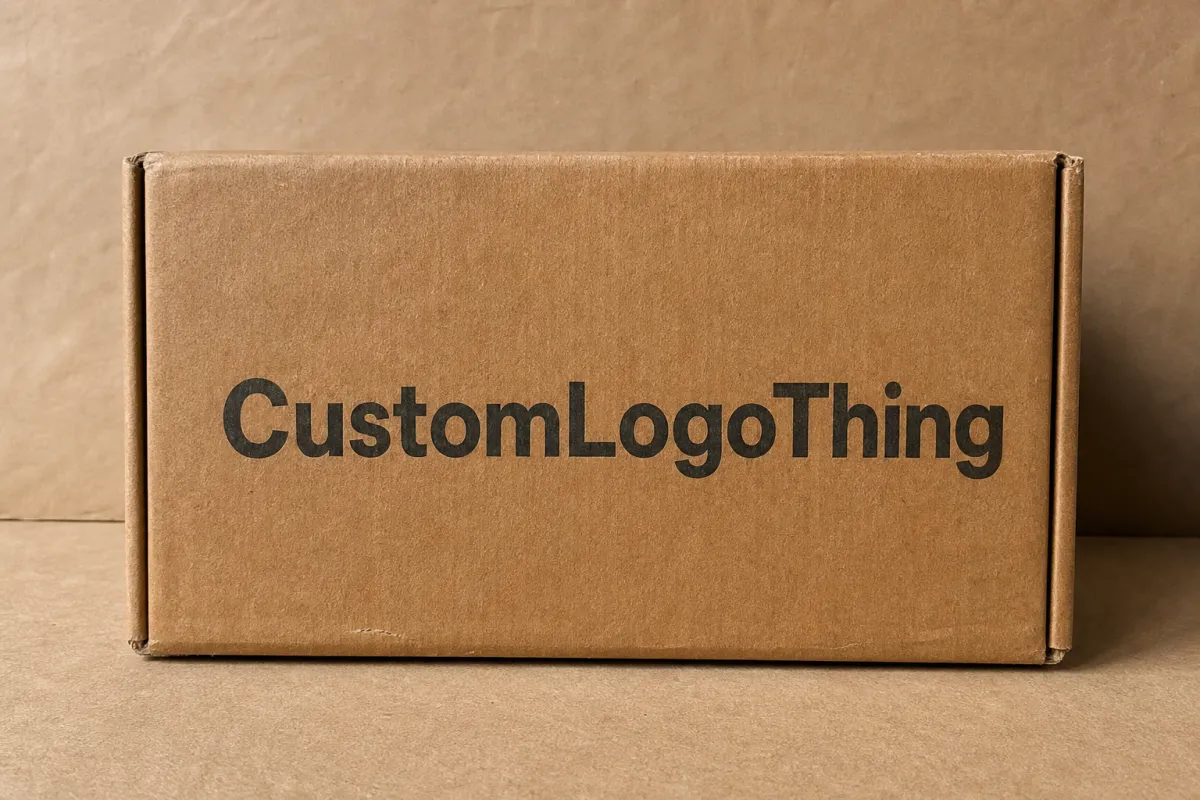
Subscribers judge fast. They open the outer shipper before they inspect the contents, and that first contact tells them a lot. Crushed corners, sloppy tape, or a carton that lets the product slide around send the same message: the details were not checked. The product may still be excellent, but the packaging has already lowered expectations.
From a packaging buyer’s perspective, shipping boxes for subscription brands have to do three jobs at once. They need package protection so the contents arrive intact. They need branding so the shipment feels intentional rather than accidental. They need to support logistics without slowing the packing line or inflating freight. That is a demanding list for a folded piece of board, which is why box selection matters so much.
Subscription packaging also works under repeat pressure. A one-time ecommerce order can survive on novelty. A monthly program cannot. The structure, print, and dimensions have to stay consistent without becoming dull. Small changes carry a lot of weight here: a printed interior, a seasonal sleeve, a color shift, or an insert that changes with the SKU mix. The outer shipper stays efficient; the reveal stays alive.
There is also a hidden reputational effect. A well-built box makes a brand look disciplined. A flimsy one makes the brand look like it guessed. Customers may never say that out loud, but they still register the difference.
Practical rule: if the box looks great in a render but ships poorly, it is the wrong box. Freight math does not care about aesthetics.
If you want examples of how packaging choices change the customer experience, review our Case Studies. If you are comparing structure options, our Custom Shipping Boxes page is a strong starting point, and our Custom Packaging Products catalog shows related formats that can support a subscription program.
How shipping boxes for subscription brands work in fulfillment
The packaging journey starts long before the carrier scans a label. In a working fulfillment flow, the product is picked, checked, packed, sealed, labeled, and handed off. Every step matters because the box has to fit the packing rhythm, not just the mockup on a screen.
Box style changes the speed of that operation. A mailer box with a tuck-lock closure packs differently than a corrugated RSC shipper that needs tape on every seam. A folding carton may look ideal for presentation, but it is not always the best outer shipper. For heavier goods, a stronger corrugated shipper can reduce damage claims and protect margin by cutting replacements.
Different subscription categories tend to lean toward different structures:
- Mailer boxes work well for beauty, apparel accessories, stationery, and lightweight kits where presentation matters.
- Corrugated shippers fit heavier items, fragile goods, or programs that need more package protection in transit.
- Folding cartons can work inside the outer box when individual products need branding or compartmentalization.
- Poly mailers can lower cost for soft goods, but they usually give up rigidity and a more premium opening experience.
That last point matters. Not every subscription has to ship in a rigid box, but not every subscription belongs in a mailer bag either. The right choice depends on weight, breakability, presentation, and how much abuse the parcel will see in carrier networks. Soft, light products may do fine in a mailer. Glass, liquids, and multi-part kits usually justify better structure.
Packaging also changes how quickly a team can pack. Oversized boxes slow fulfillment because staff need more void fill, more folds, or more tape. Cartons sized close to the product footprint are easier to run at scale. That is why the best shipping boxes for subscription brands often look plain on paper and excellent in practice. They fit, they close, and they keep the line moving.
There is a real difference between direct-to-consumer subscription shipments and retail-style packaging. Retail packaging optimizes for shelf display and point-of-sale visibility. Subscription packaging optimizes for shipping, unboxing, and repeat delivery. Same product, different rules. Design for shelf first and shipping second, and the bill shows up later in damage, labor, or freight.
Key factors: size, durability, branding, and inserts
Size comes first. The box should be snug enough to protect the contents, but not so tight that packing becomes a fight or the product gets scuffed during insertion. Too much empty space invites movement. Too little space creates pressure points and slows the line. The best fit is usually a small buffer around the product footprint, often just a few millimeters on key sides, depending on the item and the insert style.
Durability comes next. For lighter subscription kits, a well-made E-flute mailer may be enough. For heavier or fragile products, a stronger board spec makes more sense. Many buyers compare 32 ECT and 44 ECT corrugated, or ask whether 200# test board is sufficient. The answer depends on weight, stacking, and route length. A box sent regionally with low weight does not face the same abuse as a box crossing multiple hubs with glass jars inside. Physics does not negotiate.
If you want a more formal way to judge performance, packaging test standards from groups like the International Safe Transit Association help teams evaluate drops, vibration, compression, and distribution hazards. Those tests are not marketing decoration. They are a reality check before launch, especially when nobody wants the first thousand units to become the first thousand failures.
Branding is where many subscription teams are tempted to overspend. Full-color outside print, inside print, coatings, and reveal graphics can create a strong unboxing moment. They can also raise unit cost and complicate production. A smarter move is to decide which surfaces truly matter. Sometimes the outside only needs a clean logo and a strong color block, while the inside delivers the surprise. That often feels more deliberate than covering every panel simply because the press can handle it.
For premium programs, print options often include:
- One-color or two-color print for a controlled, cost-conscious brand look.
- Full-color print when the box is part of the marketing story.
- Spot color accents to keep a consistent palette without a heavy print load.
- Inside printing for reveal messaging, instructions, or a renewal prompt.
Then come the inserts. They matter more than people expect. A subscription kit with multiple items can turn messy fast without dividers, trays, or simple paperboard supports. Inserts reduce movement, improve presentation, and help packers load the box the same way every time. That consistency matters when thousands of units are moving through shifts staffed by different people.
Sustainability belongs here too, but honesty matters more than slogans. Recycled content, right-sized boxes, and less void fill are all sound moves. Over-claiming is not. If a box uses recycled fiber, say that clearly and back it up. If a box is FSC-certified, that can be a meaningful signal, and the certification framework at FSC helps brands verify sourcing claims. Ordinary corrugated is not a miracle. Buyers can spot theater from across the warehouse.
One more point: lower material use does not mean the thinnest board possible. A box that saves 8 cents but doubles the damage rate is not a savings. It simply moves the cost into replacements, freight re-ships, and customer complaints. Waste does not vanish because it changed form.
| Box style | Best for | Typical strengths | Watch-outs | Rough unit cost at 5,000 |
|---|---|---|---|---|
| Mailer box | Light to medium subscription kits | Good branding, easy opening, neat presentation | Can crush under heavy loads if underspecified | $0.65-$1.75 |
| Corrugated shipper | Fragile or heavier products | Better package protection, efficient stacking, strong transit performance | Less premium unless paired with inserts or print | $0.80-$2.40 |
| Folding carton inside shipper | Curated kits, retail-style items, skincare, accessories | Strong brand surface, easy SKU labeling, tidy presentation | Usually needs an outer shipper for ecommerce shipping | $0.18-$0.85 per carton |
| Poly mailer | Soft goods, apparel, lightweight accessories | Low cost, light weight, fast packing | Weak structure, less protection, less premium feel | $0.10-$0.45 |
Those prices are rough, not law. Size, print coverage, material grade, and freight move them around. Even so, they give a buyer enough direction to compare options without pretending every subscription box lives in the same cost bucket.
Cost, pricing, MOQ, and quote factors to plan around
Price is never just price. For shipping boxes for subscription brands, the real cost includes the unit price, freight, storage, packing labor, damage risk, and the cost of choosing the wrong size. That is why the cheapest quote can become the most expensive decision by month three.
The biggest pricing levers are fairly predictable. Larger boxes use more board. Heavier board costs more. Full-color print adds cost. Special coatings, windows, foils, and complicated inserts add more. Lower quantities usually push unit price higher because setup gets spread over fewer pieces. That is normal. The trick is knowing where the money goes so you can trim the right things and leave the essentials alone.
For many programs, a plain stock box may cost less at the beginning, while a custom printed run starts to make more sense once volume settles. A simple printed mailer at 5,000 units might land in the $0.65-$1.75 range depending on dimensions and print coverage. Heavier custom shippers can move into the $1.20-$3.50 range. Add inserts and the box price may still look fine, but the total packaged cost rises. That is where teams get surprised. The carton looked reasonable until the complete materials stack told a different story.
MOQ is where reality meets ambition. A higher MOQ can lower unit price, but it also increases storage risk. Commit to 20,000 units and then change the size, color, or product mix, and the warehouse starts carrying the penalty. Lower MOQs are useful for testing, but they often carry a higher per-unit cost. There is no free lunch here. Cash flow and certainty are always in the room, and they are rarely aligned.
Another hidden cost is dimensional weight. If a box is larger than necessary, carriers may charge by size instead of actual weight. That can punish oversized shippers quickly, especially in ecommerce shipping where margins are already thin. A box that grows only an inch or two in each direction can push a shipment into a higher billing bracket. It feels absurd until the freight invoice lands.
There are also setup and preproduction costs to plan for:
- Structural design or dieline work if the size is custom.
- Prototype or sample fees for fit and print review.
- Plate or setup charges depending on print method.
- Freight from the printer to the fulfillment center.
- Warehousing if cartons need to be staged before launch.
When you ask for a quote, send real information. Not “medium box, probably around this size.” That helps nobody. Share exact product dimensions, product weight, monthly order volume, whether the box needs inserts, whether it will ship inside another carton, and the print expectations. If there is a target freight budget or a target packed cost, include that too. Better inputs usually mean fewer surprises.
A useful quote request usually includes:
- Finished product dimensions and weight
- Expected monthly shipment volume
- Single-item or multi-item kit structure
- Print coverage expectations
- Board preference if known, such as E-flute or B-flute
- Whether inserts, dividers, or tissue are required
If you want to compare options before committing, ask for more than one structure in the same briefing. Then you can look at a printed mailer, a stronger corrugated shipper, and a lower-cost stock option side by side. Otherwise you are comparing one quote to a fantasy.
Production process and timeline: from sample to shipment
The production process is straightforward on paper and stubbornly human in practice. It usually starts with a packaging brief, then artwork, structural design, prototype creation, approval, production, and delivery. The timeline can move quickly or stall depending on how clear the inputs are and how many revision rounds appear.
Sample work is where a launch schedule is either protected or wrecked. A structural sample often comes back faster than a full production run, but a sample only helps if it reflects the real box size, real closure, and real print expectations. A polished mockup with the wrong dimensions is expensive decoration.
In a typical custom packaging workflow, the sequence looks like this:
- Brief and specs are submitted with dimensions, quantity, and print goals.
- Dieline or structure is prepared for review.
- Artwork proof is checked for placement, bleed, and color setup.
- Prototype or sample is produced for fit and appearance.
- Approval is given after any revisions.
- Production begins once the design is locked.
- Final shipment heads to the warehouse or fulfillment center.
Where do delays usually appear? The obvious places. Vague measurements lead to redesigns. Missing bleed or low-resolution art leads to proof changes. A box that is a little too tight triggers a structural rethink. A team that waits to approve a sample until everyone returns from vacation creates the sort of timeline damage nobody enjoys explaining in a meeting.
For planning purposes, sample turnaround is often faster than full production. A prototype might take a few business days to a couple of weeks depending on complexity. Full production for Custom Shipping Boxes often lands in the 10-20 business day range after approval, but that can stretch when quantities are larger, print is complex, or capacity is tight. If a launch date matters, build in buffer. A late box can delay the entire subscription drop, and that is a rough way to begin a customer relationship.
Seasonal spikes make timing even more important. Subscription brands often need packaging ahead of a holiday push, a new product release, or a retention campaign. Fulfillment teams need cartons on site before the ship date, not during it. The packaging schedule should sit in the same planning sheet as the product and marketing schedule. If it does not, somebody ends up expediting freight at the worst possible time.
It also helps to review distribution performance before scaling. Industry resources like the testing guidance from ISTA are useful if the program includes fragile goods or long carrier routes. Even a simple drop or compression review can show whether the carton needs a stronger board grade or a better insert design.
One more practical point: lock the approval path early. Decide who signs off on artwork, structure, and cost. When three departments can veto the same sample, timelines turn into a comedy routine with no punchline.
Common mistakes subscription brands make with packaging
The first mistake is choosing by appearance alone. A box can look sharp in a render and still fail in shipping. The closure may be weak. The box may be too deep. The insert may be doing all the work while the outer shipper contributes very little. If the decision starts and ends with the mockup, replacement costs are already waiting.
The second mistake is oversizing. A bigger box can feel safer in theory, but it often increases shipping cost, invites movement, and makes the unboxing feel sloppy. It can also increase material use without improving the customer experience. Oversized cartons are one of those choices that look harmless in procurement and annoying everywhere else.
The third mistake is poor communication with the supplier. Rough dimensions, unclear product weight, no print specs, and half-finished artwork waste time. Packaging suppliers can solve a lot, but they cannot read minds. If the brief is weak, the result is usually a box that technically works but does not fit the operation well.
The fourth mistake is ignoring repeat-use fatigue. A subscription box has to survive many deliveries, not just one launch photo. If the design leans too heavily on surprise, it may lose energy by month three. Good subscription packaging balances consistency with small changes in insert cards, print accents, or seasonal artwork so the experience stays recognizable without feeling recycled.
The fifth mistake is treating packaging like a one-time purchase instead of a system. Good packaging changes with product weight, customer feedback, fulfillment data, and carrier behavior. The box that worked at 1,000 subscribers may not be the best box at 20,000. That is not failure. That is normal growth, and the packaging has to keep pace.
Here are the warning signs I watch for:
- Damage claims are rising even though the product did not change.
- Packing staff need extra tape or void fill on every order.
- The box dimension pushes shipments into a worse dimensional weight bracket.
- Customers describe the packaging as flimsy, cramped, or plain.
- Storage space is being eaten by cartons that are too large for the actual product.
If two or three of those show up together, it is time to revisit the structure. Not because the packaging failed completely, but because the system has drifted out of alignment.
Expert tips and next steps for better subscription packaging
Test more than one box size before you lock the design. A difference of a few millimeters can change the pack experience, the carrier cost, and the amount of void fill required. One size may look fine on paper and still feel awkward in a live packing test. Three options are usually enough to expose the pattern without turning the process into theater.
I also recommend building a simple packaging scorecard. Keep it brutally practical. Rank each option on cost, protection, unboxing, sustainability, and pack speed. You do not need a pretty spreadsheet. You need a tool that shows which box actually performs best for the business. If one option wins on branding but loses badly on freight and damage, the answer is already sitting there.
Ask suppliers for samples, dielines, and quote comparisons that use the same specs. If the dimensions change between quotes, the comparison is junk. If one quote includes freight and another does not, the numbers lie. Compare like with like or skip the comparison.
Then run a pilot with real products and real packers. Not a mockup. Not a desk demo. Real units, real tape, real labels, real handling. That test will show where the box is annoying, where the insert flexes, and where the customer experience starts to slip. It is much cheaper to find that out now than after a full launch.
A pilot is also the right time to check supplier fit with your fulfillment process. Some programs need cartons that stack neatly on pallets. Some need easy-open tabs. Some need a box that works inside a kit-building line with minimal hand movement. Those details sound small until they show up in a labor report.
From there, the next steps are straightforward:
- Measure the product and any secondary packaging.
- Estimate monthly volume and peak volume.
- Choose the box style that matches weight and presentation needs.
- Request samples and a proper quote breakdown.
- Test the carton in real order fulfillment conditions.
- Lock the final spec before scaling the run.
If you are still early in the process, our Custom Poly Mailers page can help when soft goods or lightweight shipments make more sense than rigid packaging. Plenty of brands mix formats instead of forcing everything into one box style. That is usually the smarter move.
Shipping boxes for subscription brands should not be chosen by instinct alone. They need to fit the product, the shipping method, the labor flow, and the customer experience. Get those four pieces right and the packaging starts doing its job instead of creating problems downstream.
For the clearest path forward, pick one product sample, one target packer, and one shipping lane, then test the box under real conditions before buying scale volume. That single exercise usually reveals whether the carton is a fit, a cost trap, or a true operating asset.
Frequently asked questions
What are the best shipping boxes for subscription brands?
The best box is usually the one that fits the product tightly, ships at a sensible cost, and still gives customers a clean unboxing moment. For many DTC subscriptions, corrugated mailers are the default because they balance presentation and protection well. For fragile or heavier kits, a thicker shipper or a stronger board grade usually makes more sense. The right answer depends on product weight, pack speed, and whether the brand needs printed branding or inserts.
How do shipping boxes for subscription brands affect shipping cost?
Box size and weight directly affect carrier pricing, especially when dimensional weight applies. A slightly smaller carton can save more money than a cheaper print finish ever will. Oversized boxes also increase the amount of void fill needed, which raises material cost and slows packing. If freight bills keep climbing, the box dimensions are one of the first things to audit.
What MOQ should a subscription brand expect for custom boxes?
MOQ depends on the printer, board spec, and print method, but custom packaging usually starts higher than stock packaging. Lower MOQs are useful for testing a program, yet they often raise unit cost. If your volume is still uncertain, start with a smaller run, verify the fit, and then scale once the subscription model is stable.
How long does it take to produce custom shipping boxes?
Timeline depends on sample approval, artwork readiness, material selection, and production capacity. A prototype is often faster than a full run, but both can slip if the brief is vague or the artwork needs repeated changes. Build in extra time before launch so you are not trying to rush boxes into the warehouse at the last minute.
What should I ask for in a quote for subscription packaging?
Give the supplier exact product dimensions, product weight, monthly volume, print requirements, and whether inserts or special finishes are needed. Ask for a breakdown of unit cost, setup or tooling fees, freight, and sample charges. Compare quotes only when the specs match, or you are just comparing different assumptions dressed up as pricing.
If you are planning a subscription launch or rethinking an existing program, start with measurements, volume forecasts, and a real sample test. That is the fastest way to choose shipping boxes for subscription brands that perform in the warehouse, hold up in transit, and still feel right in the customer’s hands.