Skincare Embroidered Baseball Caps material sample guide sounds narrow, but the subject opens into a much bigger question: how do you judge a promotional product before it becomes inventory? A cap can look refined in a mockup and still fail once the needle starts punching thread into the front panel. The embroidery may pull the fabric, the crown may sit too boxy, or the finish may read more generic than premium. For skincare brands, that mismatch is expensive because the cap is rarely just a cap. It is a brand signal.
The sample is where assumptions meet material reality. It shows whether the logo stays crisp, whether the fabric supports the stitch density, and whether the overall shape feels like something a buyer, retail partner, or customer would actually wear outside the packaging moment. Skip the sample and you are approving a guess. That is a bad habit in a category where presentation matters almost as much as function.
Skincare merch has a different standard from random event swag. A cap tied to a cleanser line, a holiday set, or a retail launch needs to feel calm, intentional, and useful. One loose seam or overly stiff crown can make the item feel like leftover conference merchandise. The difference is not subtle.
Skincare Embroidered Baseball Caps: What a Sample Reveals
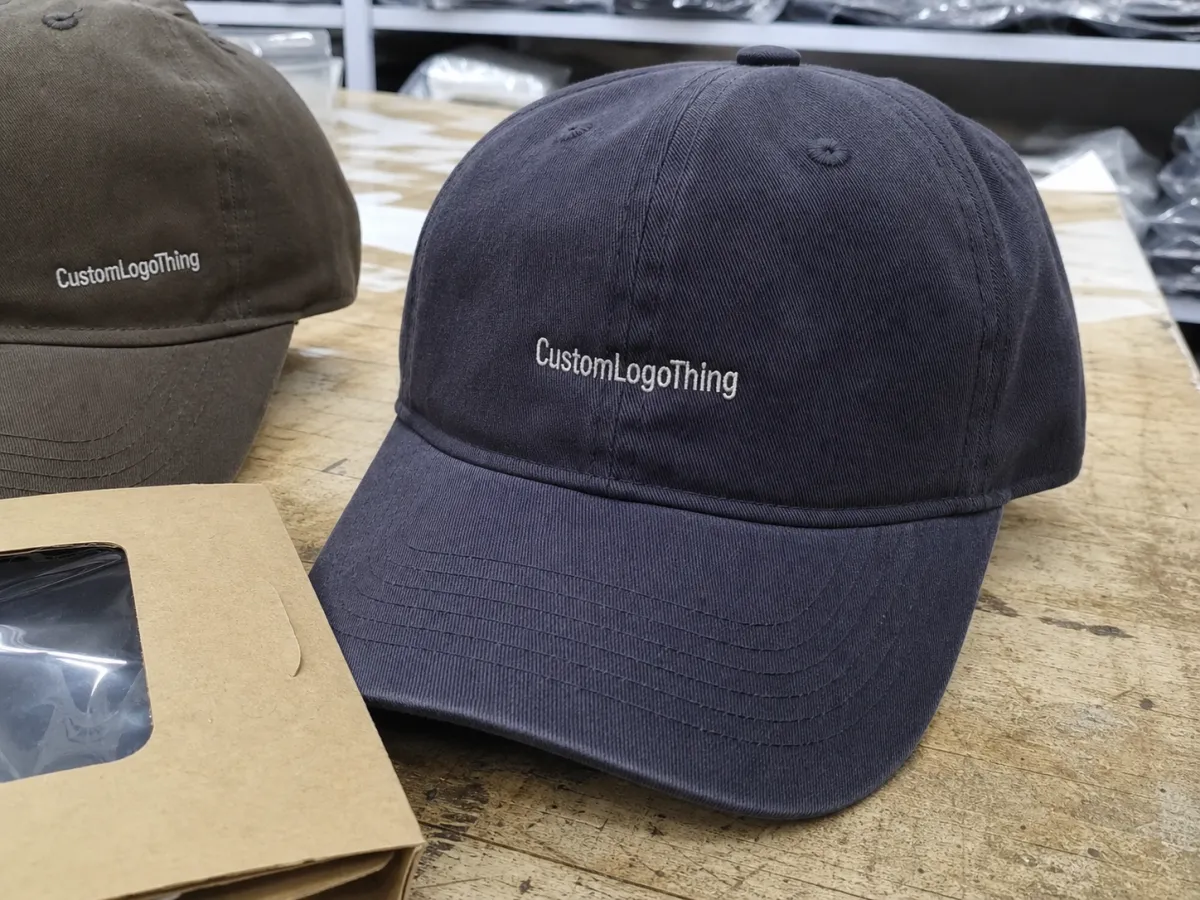
A sample reveals what the flat artwork cannot. The first surprise is usually how embroidery changes the cap body itself. Dense stitching adds weight to the front panel, and that weight can distort softer fabrics. A logo that sits perfectly centered on screen may shift upward, ripple at the edges, or sit slightly uneven once the needle path is translated into thread. Even a few millimeters matter when the design is small.
That issue shows up fast in skincare branding because the visual language is often minimalist. Small marks, short wordmarks, and restrained color palettes leave little room to hide production problems. If the cap material is too flimsy, the embroidery can pucker. If it is too rigid, the cap may look boxy and uncomfortable. The sweet spot is a crown with enough body to hold shape without turning into cardboard.
Fabric finish also changes how the logo reads. A brushed cotton twill cap absorbs light differently than a smoother performance polyester cap. Washed cotton softens the entire look and can make the cap feel more lifestyle-driven, while a tighter woven cotton twill usually reads cleaner and more controlled. On screen, those distinctions look minor. In hand, they are obvious.
Test the sample in real light, not just under a studio lamp. Daylight exposes thread sheen and color drift. Retail lighting can flatten contrast. Indoor office lighting can make dark thread look dull and light thread look sharper than it really is. Then put the cap on and wear it for a few minutes. A fit issue that feels minor in the tray can become the reason the cap never leaves a drawer.
“A sample does more than approve the logo. It tells you whether the material, the stitch plan, and the silhouette belong in the same product.”
There is also a brand perception layer here. Skincare products are often sold on calmness, cleanliness, and trust. A cap with messy stitching or a cheap-feeling closure can clash with that message even if the embroidery itself is technically accurate. The result is a product that is usable but off-brand. That is usually the most frustrating kind of failure because it is hard to explain and easy to repeat.
How the Sample Approval Process Works
The sample process should be linear. First comes artwork review, then material selection, then sampling, then revision if needed, and finally written approval before bulk production starts. The simple version sounds obvious, yet a surprising number of cap orders go wrong because someone tried to compress the sequence. Saving three days at the front end can cost three weeks later.
Artwork review is not just a file check. The supplier needs to know whether the design is actually suitable for embroidery. Thin lines, tiny type, sharp gradients, and micro-details often need simplification. Thread has width. Needles need space. A logo that works in print may need rebalancing before it works on a cap.
From there, the supplier usually confirms the fabric, crown structure, closure style, panel count, and thread colors. A decorated sample is then made, or a strike-off if the project only needs to evaluate logo behavior. After review, you either approve, request changes, or ask for a revision sample. The key is that approval should be written, not implied.
Three sample types matter in practice:
- Blank hand sample: A sewn cap with no decoration, used to judge fit, hand feel, fabric body, and construction.
- Decorated sample: A fully embroidered version that shows stitch quality, placement, and logo legibility.
- Pre-production sample: The final reference built to the approved spec and used as the bulk production standard.
The approval note should name the fabric, thread colors, closure type, logo size, and placement measurements. If those details are not recorded, they tend to change in ways nobody remembers authorizing. In cap production, “close enough” is not a specification.
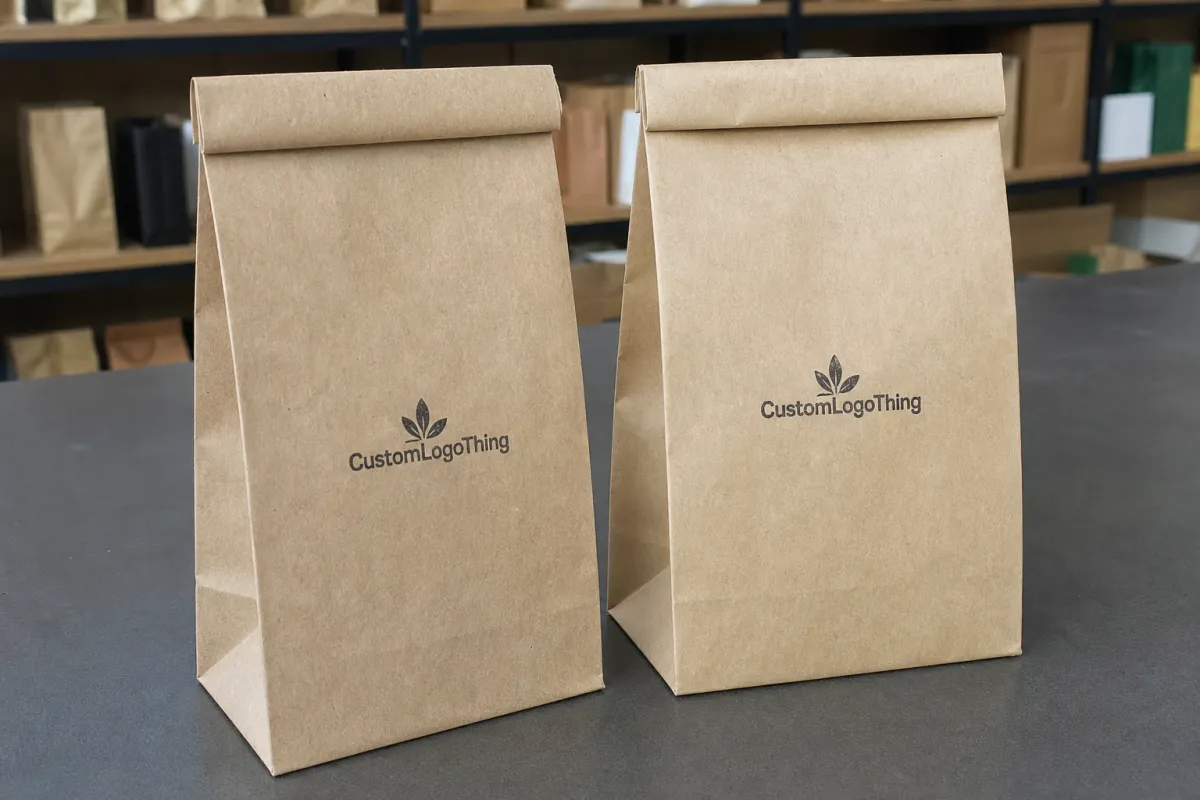
Packaging should be checked at the same stage, not after the product is already approved. If the sample arrives in a plain corrugated cardboard mailer with kraft paper cushioning, that usually signals more care than a crushed polybag or loose fill. For brands that care about fiber-based materials or recycled materials, ask whether the supplier uses FSC certified cartons, paper inserts, or biodegradable packaging in the sample packout. That does not prove the cap is better, but it does tell you whether the supplier pays attention beyond the sewing table. For shipping testing, ISTA methods are a useful reference; for responsible paper sourcing, FSC standards matter more than a sustainability slogan.
Fabric, Crown, and Stitch Specs That Change the Look
Fabric choice is not decorative. It controls structure, embroidery behavior, comfort, and the final mood of the cap. Cotton twill remains the safest choice for most skincare brands because it holds embroidery well and gives the front panel enough body for a clean logo. Brushed cotton feels softer and slightly more premium, but the surface texture can mute color contrast. Washed cotton looks relaxed and lived-in, which can work for wellness positioning. Performance polyester is lighter and easier to wear in heat, though it can drift into sporty territory if the finish is too glossy.
For crown construction, structured caps generally give better logo clarity. The front panel keeps its shape, so the embroidery has a flatter base. Unstructured caps feel more casual and can look elegant with a simple mark, but they move more on the head and tend to blur the edges of small logos. If the design is minimalist, a structured crown usually gives a cleaner result. If the brand wants a softer, more natural feel, an unstructured option can work, but only if the artwork is restrained.
Stitch count deserves more attention than it gets. A small front logo might land in the range of 6,000 to 9,000 stitches. Larger logos, layered fills, or intricate wordmarks can move well beyond that. More stitches usually mean more detail, but they also increase density and stiffness. Too much density in a tight area can create puckering. Too little density can leave gaps or weak edges. The balance depends on the fabric, the stabilizer backing, and how much surface the logo is asking the cap to give.
Thread choice changes the visual result more than many buyers expect. Standard polyester thread is common because it is durable and color-stable. High-sheen thread can look polished, but it can also catch light aggressively. Matte thread feels quieter and can suit skincare branding better when the goal is understated refinement. That kind of detail may seem minor until you compare two samples side by side and realize one looks retail-ready while the other looks like a freebie.
Closures matter too. Snapbacks are flexible and easy for broad distribution. Strapbacks usually feel a bit more finished. Metal buckle closures can lift the perceived value, though they add cost and may not be worth it if the cap is meant for large-scale giveaways. The right choice depends on how the product will be used. A staff cap for repeated wear has different needs from a limited-run gift item.
| Spec Choice | Visual Result | Typical Use | Tradeoff |
|---|---|---|---|
| Cotton twill, structured crown | Clean, crisp, easy to read | Premium brand merch, gifting | Slightly less relaxed |
| Brushed or washed cotton | Softer, more casual texture | Wellness, skincare, lifestyle kits | Logo contrast can soften |
| Performance polyester | Light, smooth, sporty | Events, outdoor staff, active promos | Can feel less luxurious |
| Metal buckle closure | More polished finish | Retail gifts, higher-end packs | Higher unit cost |
There is also a broader consistency issue. If a skincare brand uses kraft paper, recycled materials, or FSC certified cartons for product packaging, the cap should not arrive wrapped like a random giveaway from a trade show floor. Materials do not need to match perfectly, but they should belong to the same visual system. Buyers notice when that logic breaks.
Pricing, MOQ, and Unit Cost Ranges
Sample pricing and bulk pricing are different because the sample carries setup labor. That includes digitizing the embroidery, preparing the thread colors, and running a one-off production cycle. For a simple decorated cap, sample pricing often lands around $25-$60. If the design includes multiple thread colors, specialty fabric, patches, or heavier embroidery, the sample can move into the $60-$150 range. More complicated builds can cost more, especially if the supplier has to revise the stitch file more than once.
Bulk pricing drops once the setup work is spread across volume. For a standard embroidered cap in moderate quantities, unit cost often sits around $3.80-$6.50. More premium builds with upgraded fabric, better closures, custom labels, or denser stitching can land in the $7.00-$12.00 range or higher. The price jump is usually justified by materials or labor, not by mystery. If the cap feels better, it probably costs more to make.
MOQ shapes the economics. A common minimum is 100-300 pieces, though some suppliers will produce fewer if you accept a higher unit price. Lower quantities usually reduce negotiating room on packaging upgrades or additional decoration. Larger orders lower per-unit cost, but they also raise the cost of mistakes. A small order lets you learn. A larger order punishes bad assumptions.
A practical pricing check looks like this:
- Simple cap, one-color logo: lowest sample cost and lowest production risk.
- Complex logo, multiple thread colors: more stitch time and more revision risk.
- Premium fabric or closure: better presentation, higher unit cost.
- Special packaging or retail folding: extra labor and handling fees.
Ask whether the sample fee is credited back on bulk production. Some suppliers apply it automatically, some do not, and some only credit part of it. That single line in the quote can change the economics more than a small fabric upgrade.
Production Steps, Timeline, and Lead Time Risks
The cleanest production path is simple: quote, artwork confirmation, material selection, sample stitch-out, revision if needed, final approval, bulk production, inspection, and shipping. That is the order that prevents confusion later. Whenever the order gets compressed, errors spread faster than they should.
Typical timing is manageable if decisions are made on schedule. A decorated sample often takes 5-10 business days, depending on artwork readiness and supplier workload. Bulk production usually takes 15-30 business days after approval. Shipping is separate. Overseas freight, customs review, and final delivery can add meaningful buffer, especially when the cap is tied to a launch, trade event, or retail window.
The delays are usually mundane. Missing vector files. Late feedback. Thread color swaps after approval. Revisions that sit in email for two days while production waits. None of that sounds dramatic, but it accumulates. A cap order that should have been easy becomes a scheduling mess because the small decisions never got locked early.
Do not mistake a good sample for a safe timeline. The product can be perfect and still miss the launch if the packing plan or shipping method is weak. If the supplier uses corrugated cardboard cartons and kraft paper inserts, ask whether the outer shipper can handle compression and rough handling. A neat packout is not the same thing as a transit-safe packout. That is where standards like ISTA stop being abstract and start protecting the order.
Common Sample Review Mistakes That Waste Orders
The first mistake is approving from photos alone. Photos hide puckering, seam imbalance, and thread sheen. They can also make a logo look centered when the camera angle is doing the work. A cap needs to be handled, worn, and checked in more than one light source before approval means anything.
The second mistake is focusing only on the logo. The embroidery matters, but the cap is still a wearable object. Check the brim stiffness, the seam alignment, the forehead shape, the closure, and whether the crown sits evenly on the head. A great logo on a bad cap still leaves you with a bad product. Visual accuracy is only part of the job.
Lighting causes a third problem. White thread may look clean under one lamp and flat under another. Dark thread can look rich in daylight and unexpectedly dull under indoor LEDs. Even fabric color can shift. That is why sample review should include at least two lighting conditions and, if possible, a quick wear test.
“Most bad cap orders do not fail because the embroidery was impossible. They fail because someone approved the wrong detail and never checked the fit.”
Another common error is ignoring the way the cap will be used. If it is going into a skincare event kit, presentation matters. If it is staff wear, comfort and repeat use matter more. If it is a retail gift, unboxing matters too. A cap paired with neat inserts, recycled materials, or a clean paper-based packout feels considered. The same cap thrown into loose plastic does not. The product may be identical, but the impression is not.
Finally, do not let sample excitement push out written controls. Cap projects often get approved because the logo looked good enough and everybody wanted to move on. That is the moment to slow down. A few written details now prevent awkward disputes later over color, placement, closure, or packaging. The strongest orders are not the fastest ones. They are the ones with fewer surprises hidden in the quote.
Expert Checks Before You Sign Off
Before bulk approval, inspect the cap as if it were going to retail tomorrow. Check logo centering first. Then inspect the edge quality of the embroidery. Look for crown balance, seam symmetry, and whether the front panel sits smooth or twists when the cap is laid flat. Put it on and wear it for a few minutes. The forehead feel matters more than people admit.
It also helps to keep a written master sample and a spec sheet. The master sample becomes the reference point for the bulk order. The spec sheet should list the fabric, closure, thread colors, logo dimensions, placement measurements, and packing method. A screenshot is not a spec sheet. A memory is not a spec sheet. The more exact the record, the less room there is for drift.
Ask what the quote actually includes. Sample revisions, packing labor, freight, inserts, and sample credits can all shift the final cost. If the cap is part of a broader launch kit, verify whether the packaging includes biodegradable packaging elements, FSC certified paper components, or other fiber-based materials that align with the rest of the brand. Those details do not rescue a weak cap, but they can strengthen an otherwise good presentation.
For smaller orders, the temptation is to move quickly once the sample looks acceptable. That is understandable and often wrong. Lock the spec, confirm MOQ, confirm lead time, and approve in writing only when every visible detail matches the intended use. A careful sample review is not about slowing the project for its own sake. It is about preventing the kind of mistake that only becomes visible once the boxes are already on the way.
FAQ
What should I inspect in a skincare embroidered baseball cap sample?
Check stitch density, logo centering, and whether the embroidery sits flat instead of puckering the front panel. Review the fabric under daylight and indoor lighting because color and thread sheen can shift. Test fit and comfort for a few minutes, not just a quick glance on the table.
How many samples do I need before a bulk cap order?
At minimum, request one decorated sample and one clean reference swatch set for the final fabric and thread colors. If the logo is detailed or the cap uses premium finishes, budget for one revision sample so you can correct issues before production. Keep the approved sample as the production reference.
What MOQ is normal for skincare embroidered baseball cap orders?
A common MOQ is 100-300 pieces, though some factories will go lower at a higher unit cost. Ask whether mixed colors count toward MOQ, because some suppliers count by total pieces and others by colorway. Small runs usually mean fewer customization options and a higher per-unit price.
How much do sample caps usually cost?
Simple decorated samples often cost about $25-$60 each. More complex samples with multiple thread colors, patches, or premium materials can run $60-$150 or higher. Ask whether the sample fee is credited back on the bulk order.
How long does sampling and production usually take?
A decorated sample often takes 5-10 business days, depending on artwork readiness and supplier workload. Bulk production usually takes 15-30 business days after final approval, with shipping added on top. Overseas orders need customs and freight buffer, so do not promise a launch date from best-case timing alone. That is exactly why a skincare Embroidered Baseball Caps Material Sample guide matters before bulk approval.